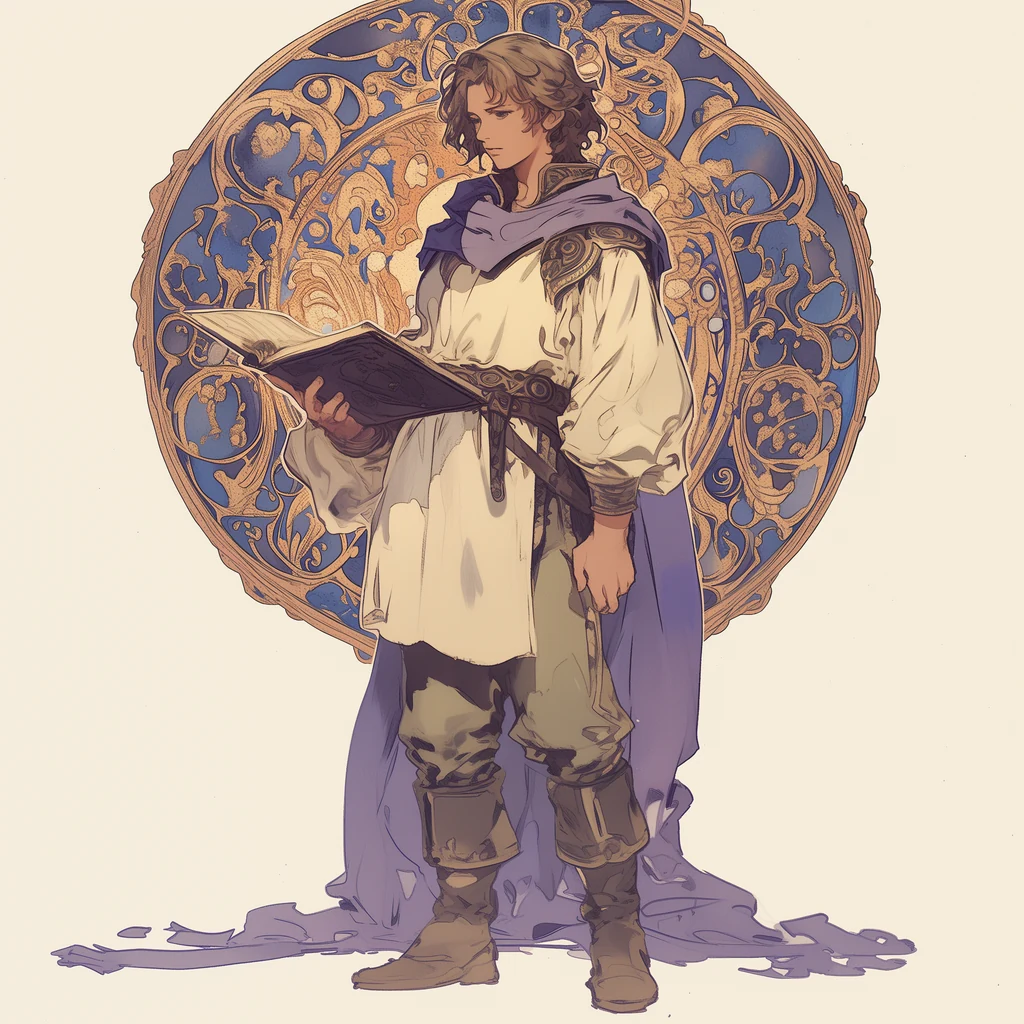
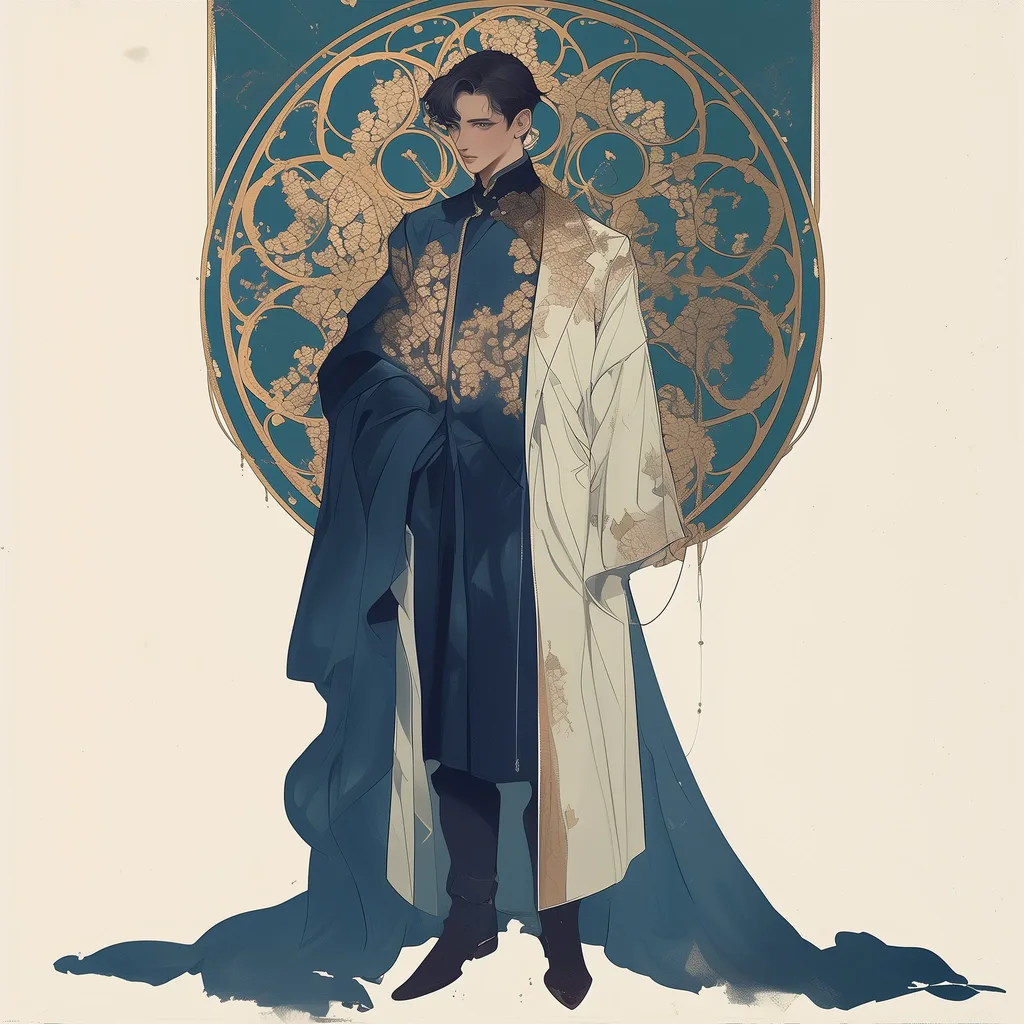
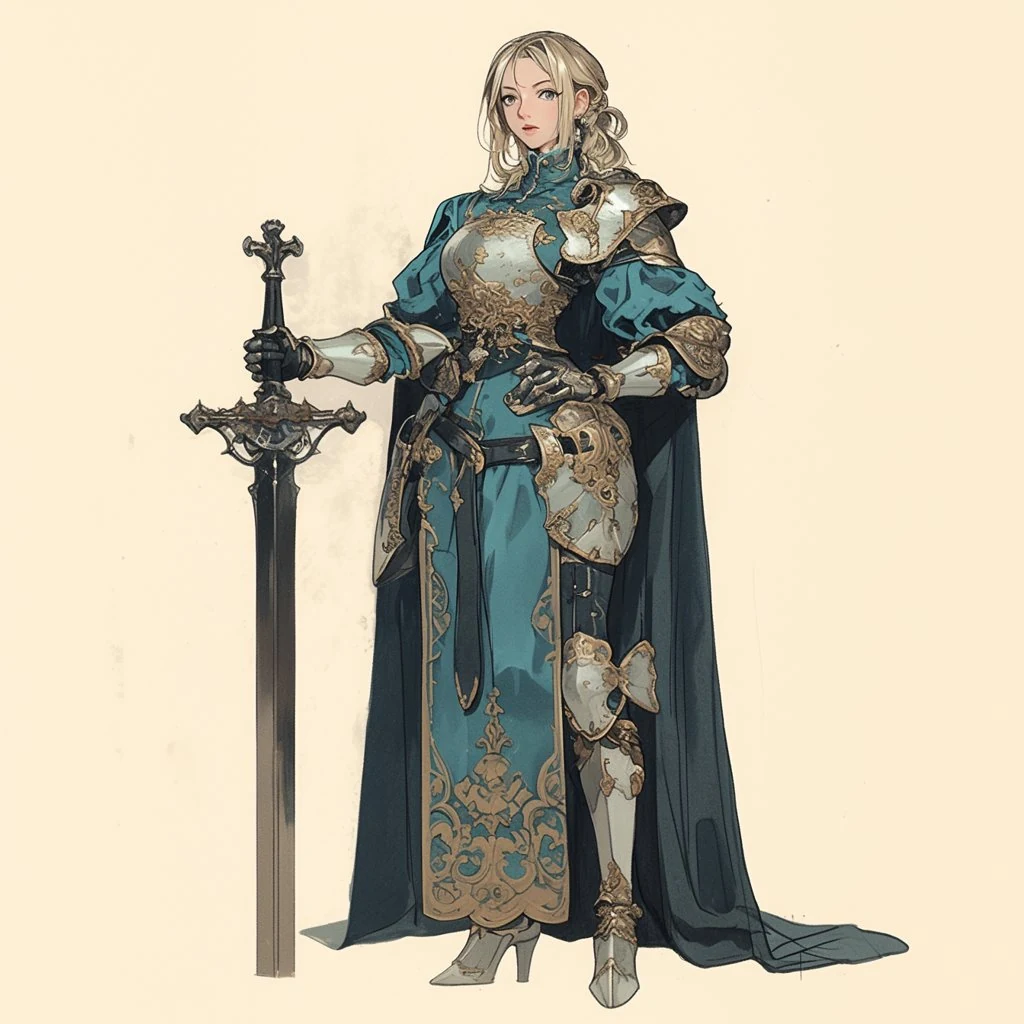
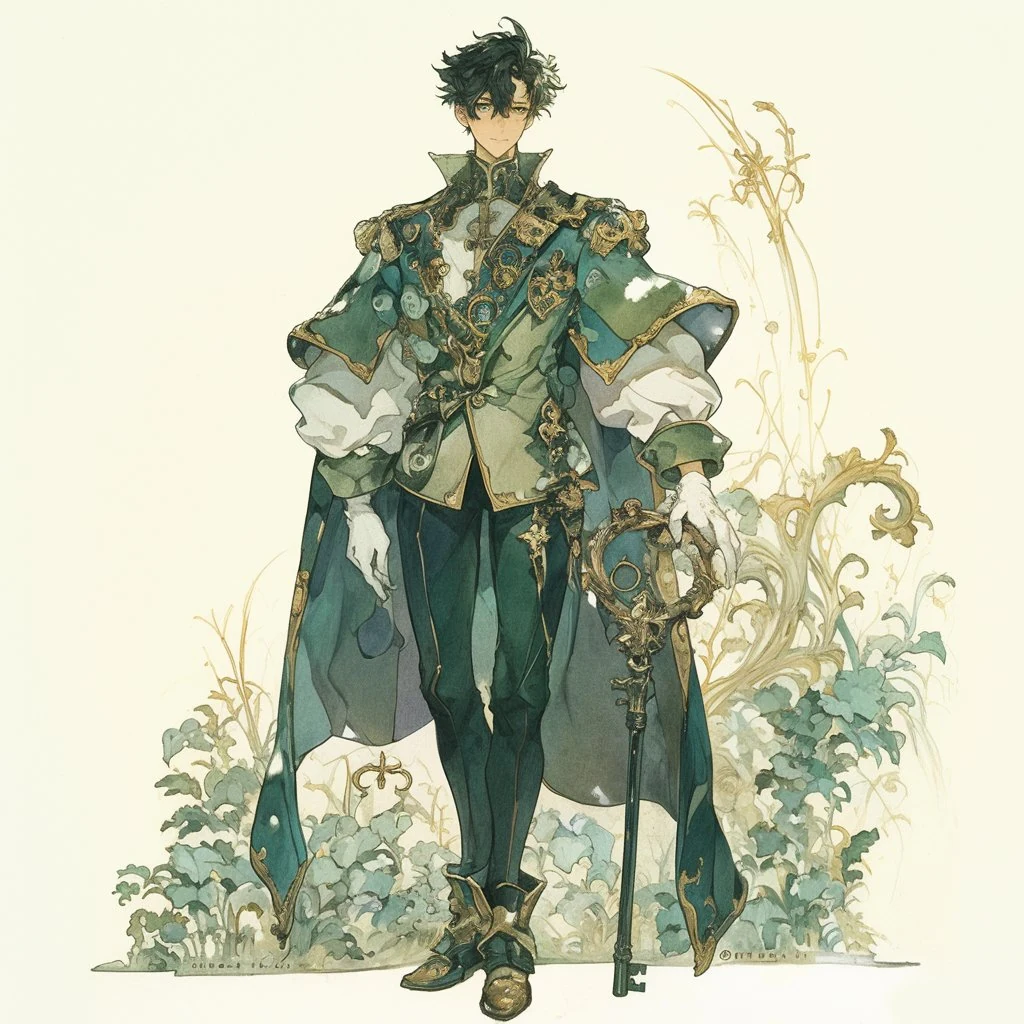
Essence of the Group
The Balanced-Stable Temperament consists of the eight types that share three traits — Introverted, Rational, Static (EII-Q, EII-D, LII-Q, LII-D, ESI-Q, ESI-D, LSI-Q, LSI-D). Being Static and Rational, members handle matters systematically and methodically, with clear distinctions. They excel at building stable foundations and maintaining them, becoming pillars of the group through reliability and predictability. Being Introverted, they tend to wait for others to initiate rather than starting relationships themselves. Their energy output is modest, but they have strong follow-through on what they have decided, and they are well suited to maintaining long-term order.
Traits of the Temperament
Stability, reliability, systematic approach, predictability, persistence, maintenance of standards. With the tenacity to see things through, they form the backbone of an organization.
Behavioral Rhythm
Energy is on average lower, but flat and unbroken — sustained stably over long periods. Because their perception is static and rational, they grasp reality as "basically unchanging; when it does change, it changes in leaps and discrete steps," and move steadily within established routines and principles. They do not lose composure during inactivity. Their gait is stiff but not fast, their seated posture is static, and their gestures are few.
Work Style
Single-track concentration — they work on a single task for long periods and dislike trivial disturbances. They are not good at handling multiple tasks in parallel. They maintain consistent output at a stable pace and complete work with high reliability at slow speed. They show slow startup in the face of sudden changes or unexpected events.
Interpersonal Style
They are reluctant to initiate relationships and wait for the other party to take the initiative. Once a relationship is established, they sincerely maintain it for a long time. In debate, "they stubbornly refuse to yield their own position but do not impose it on others" — they have the tenacity to defend their position even by letting opposing arguments pass them by.
Sense of Time
They view the future against the standard of a stable "now" and a known "past." They take a long-term view, but rather than linear unfolding it is the "monitoring of deviations from the norm" type. Major upheavals shake them deeply, and the unease persists until stability returns.
Stress and Recovery
They are worn down by sudden changes in the environment, disorder, and unpredictability. Their self-control is extremely high, and it is difficult to provoke them to anger. Recovery comes from "returning to routine" and "the restoration of predictability"; quiet, repetitive work itself becomes healing.
Strengths
Systematic thinking, sustained follow-through, fidelity to principles, integrity in duty, the trust of others, emotional equilibrium, the power to maintain norms.
Challenges
Lack of flexibility, slow adaptation to new situations, slow decision-making, lack of self-initiation, weakness in handling sudden events.
Correspondence with the Classical Four Temperaments
Among the classical four temperaments this corresponds to Melancholic — the element of Earth, the season of Winter, black bile. Cautious, introspective, systematic, thoughtful.
| Attribute | Correspondence |
|---|---|
| Temperament Name | Balanced-Stable (IJ) |
| Classical Temperament | Melancholic |
| Element | Earth |
| Season | Winter |
| Energy Level | Medium |
| Axis Combination | Introverted + Rational + Static |
Pavlov's Neurophysiological Correspondence
Augusta grounded the correspondence between the temperaments and the classical four temperaments in Pavlov's theory of higher nervous activity. Four types are defined along three axes of nervous processes: "strength × balance × mobility."
| Attribute | Correspondence for Balanced-Stable (IJ) |
|---|---|
| Strength of nervous processes | Strong |
| Balance of excitation/inhibition | Balanced |
| Mobility | Inactive · low mobility (Inert) |
Excitation and inhibition are both strong and balanced, but switching between them is slow — this surfaces as slow reactions, tenacity, consistency, and high self-control.
Correspondence with the Classical Four Temperaments — Two Coexisting Systems
For the IJ temperament (Balanced-Stable), there are two coexisting systems among researchers regarding its assignment to the classical four temperaments. This site follows the phenomenological correspondence of the Kant–Eysenck system.
| System | Classical correspondence for IJ | Basis |
|---|---|---|
| Pavlov–Augusta–Gulenko system | Phlegmatic | "Strong · Balanced · Inert" in nervous processes is precisely Pavlov's Phlegmatic type. The match is on consistency, patience, and low reaction speed. |
| Kant–Eysenck system (adopted on this site) | Melancholic | Correspondence based on the phenomenological description "cautious, introspective, systematic, thoughtful." Also consistent with the imagery of earth, winter, and black bile. |
Each system has its own grounds; they are not mutually contradictory but stem from differences in which axis is emphasized (neurophysiology or phenomenology). For consistency of notation, this site adopts "Melancholic" from the Kant–Eysenck system; please note that literature following the Pavlov system may label this temperament "Phlegmatic."
Energy Levels of the Four Temperaments
In Gulenko's humanitarian socionics, the average energy levels of the four temperament groups are arranged in the following order.
| Rank | Temperament | Characteristics |
|---|---|---|
| 1 | Linear-Assertive (EJ) | Sustains the highest level continuously |
| 2 | Flexible-Maneuvering (EP) | Wave-form, repeating on/off cycles |
| 3 | Balanced-Stable (IJ) | Low level but stable and persistent |
| 4 | Receptive-Adaptive (IP) | Lowest level, but capable of bursts of high output depending on context |
Balanced-Stable's output is on average lower, but its waveform is flat and unbroken, allowing long-running work at a consistent pace. This is the source of its stability as the backbone of an organization.
Correspondence with the Classical Four Temperaments — Historical Lineage
The correspondence between the classical four temperaments and the socionics temperaments was systematized through the following historical lineage.
- Hippocrates / Galen — Defined four temperaments through the four-humors theory (blood, yellow bile, black bile, phlegm) combined with hot/dry pairings.
- Kant — Reorganized them along two axes: "Energetic ⇔ Weak" and "Emotional ⇔ Balanced." Associated the introspective, thoughtful type with "Melancholic."
- Pavlov — Empirically connected them to four types via three axes of higher nervous activity (strength, balance, mobility). Strong-Balanced-Inert corresponds to Phlegmatic.
- Augusta — In the early days of socionics, integrated Jungian typology with Pavlov's neurophysiology. Using life-rhythm axes (Extraversion/Introversion × Rationality/Irrationality × Dynamic/Static), she divided the 16 types into four groups.
- Gulenko — Formally systematized the four temperaments as "Linear-Assertive (LA), Flexible-Maneuvering (FM), Balanced-Stable (BS), Receptive-Adaptive (RA)" and formulated the energy levels.
Complementary Temperament (Duality)
Most compatible with the Linear-Assertive (EJ) Temperament — the Duality relation arises between these two temperaments.
Cubic Structure of the Eight Types
Eight types belong to this temperament group. They are placed at the vertices of a cube along three axes (Perception axis N/S, Judgment axis T/F, Democratic/Aristocratic axis).
Structural Cube — Type Placement
Compatibility Cube — Model K Relations Map
Each edge and diagonal of the cube corresponds precisely to a different relation in Model K. This is a universal structure shared by all four temperament groups.
※ Business, Kindred, and Adaptive relations correspond to the three cube axes. Types differing on all three axes are in the Role relation.
Face-Diagonal (Two-Axis Difference) Relations
The face diagonals of the cube (types differing on two axes) also correspond to specific relations:
- Different on Perception + Judgment → Ideal relation
- Different on Perception + Democratic/Aristocratic → Formal relation
- Different on Judgment + Democratic/Aristocratic → Duty relation
Relations Matrix Among the Eight Types
各セルをクリックすると相性詳細ページに移動します。
The Eight Member Types
| Type | Name | Perception | Judgment | Dem./Aris. | Quadra | Club |
|---|---|---|---|---|---|---|
| EII-Q | Philosopher | Intuition (N) | Ethics (F) | Democratic | Ψ Psi | Humanitarians |
| EII-D | Empath | Intuition (N) | Ethics (F) | Aristocratic | δ Delta | Humanitarians |
| LII-Q | Analyst | Intuition (N) | Logic (T) | Democratic | α Alpha | Researchers |
| LII-D | Architect | Intuition (N) | Logic (T) | Aristocratic | Χ Chi | Researchers |
| ESI-Q | Judge | Sensing (S) | Ethics (F) | Democratic | γ Gamma | Socials |
| ESI-D | Guardian | Sensing (S) | Ethics (F) | Aristocratic | Ω Omega | Socials |
| LSI-Q | Inspector | Sensing (S) | Logic (T) | Democratic | Φ Phi | Pragmatists |
| LSI-D | Enforcer | Sensing (S) | Logic (T) | Aristocratic | β Beta | Pragmatists |
Characteristics of Internal Relations
A temperament group contains no Duality pairs. The relations among its types consist primarily of Business, Kindred, Adaptive, Ideal, Formal, Duty, and Role; deep psychological complementarity and fully shared values are not assumed. As a result, a temperament group:
- Is highly active and productive in shared-theme discussion and activity
- Is not suited to long-term intimacy or shared living; members naturally diverge into their own Quadras over time
- Strongly contributes to the formation of specialty and professional identity
- Internal cohesion is supported by Kindred (shared perception function) and Business (shared judgment function) relations
How This Temperament Sees the Others
Relations between temperament groups are based on the combination of their life rhythms. The combination that shares the same rationality but inverts both Extraversion/Introversion and Dynamic/Static produces the Duality relation (the most complementary).
| Other Bouquet | Relation with Balanced-Stable |
|---|---|
| Linear-Assertive (EJ) | Duality relation. Most naturally complemented by Linear-Assertive's vitality, action, and self-initiated drive. While they act on the world, this temperament prepares the foundation. |
| Flexible-Maneuvering (EP) | Feels Flexible-Maneuvering's unpredictability is unstable and unplanned. Sees their sudden movements as threatening to the foundation. |
| Balanced-Stable (IJ) | Among themselves, a sense of stability is shared, but members fail to draw out the impetus for new steps from each other and tend toward stagnation. |
| Receptive-Adaptive (IP) | May feel Receptive-Adaptive's softness is unreliable and lacking initiative — yet quiet empathy is still possible. |
所属タイプ一覧
知覚軸 × 判断軸 のマトリクス。各セルは Q型 と D型 の2タイプ。