Essence of the Group
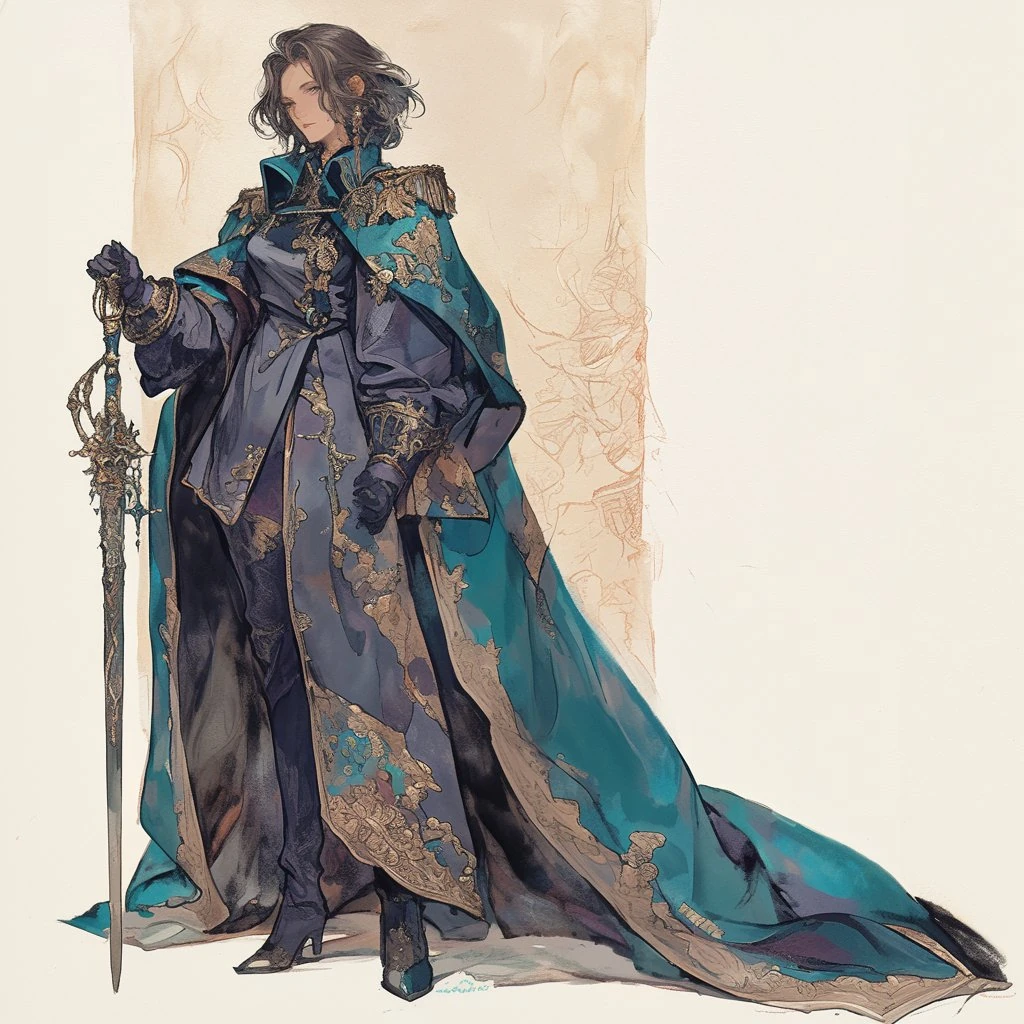
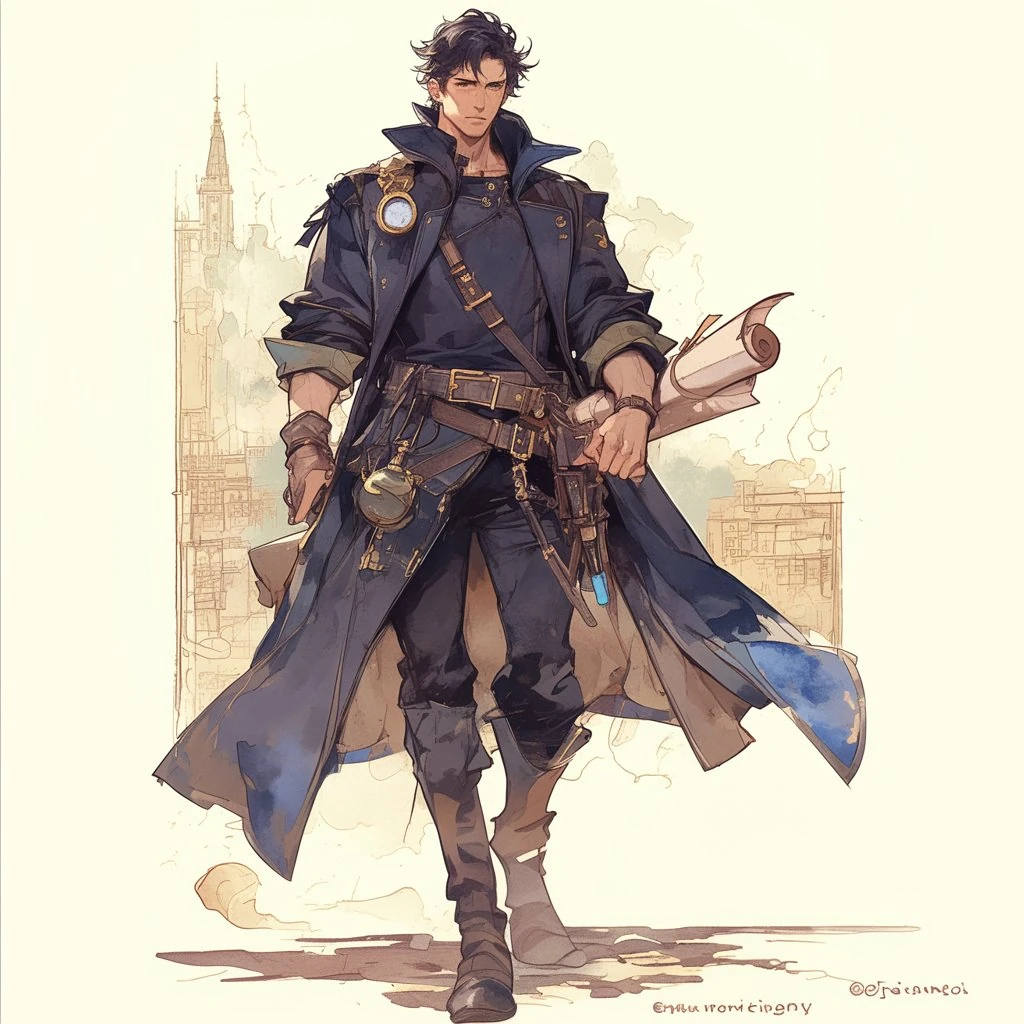
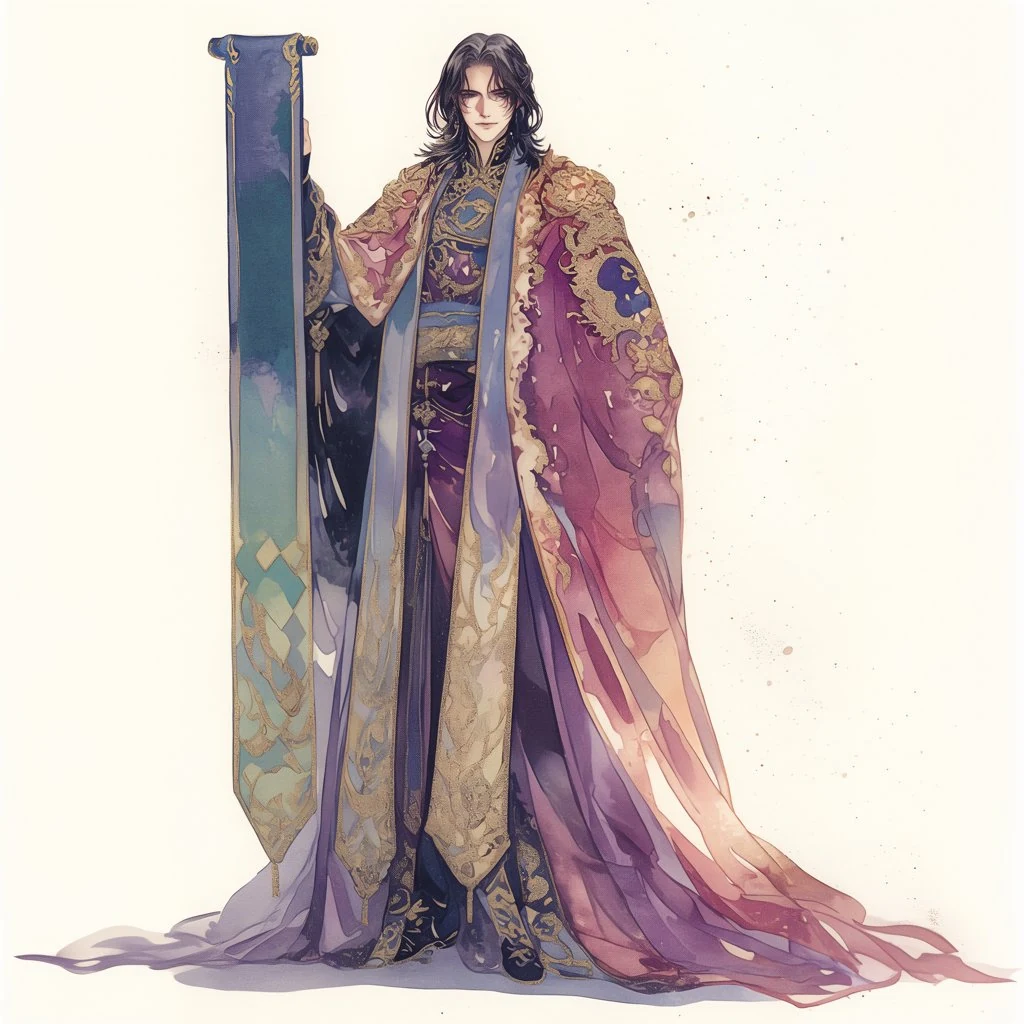
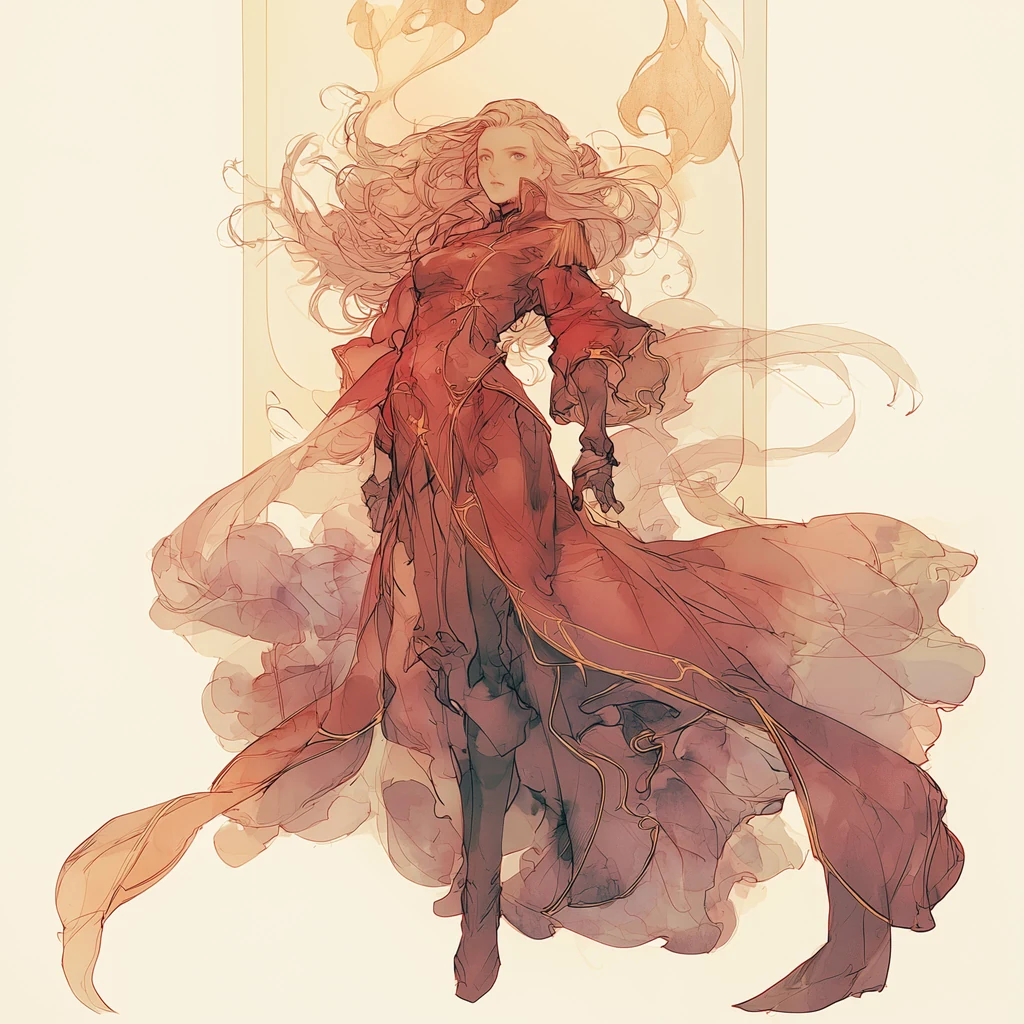
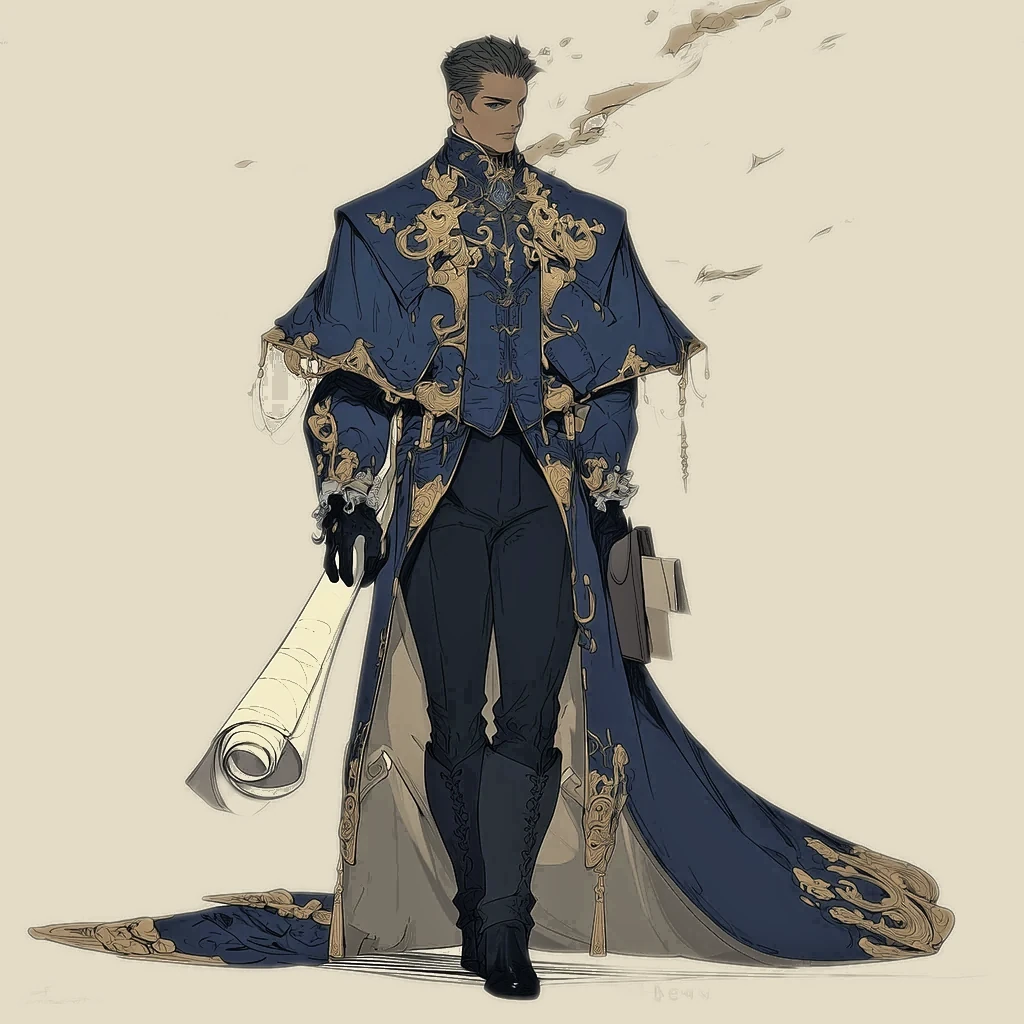
The Linear-Assertive Temperament consists of the eight types that share three traits — Extraverted, Rational, Dynamic (EIE-D, EIE-Q, LIE-D, LIE-Q, ESE-D, ESE-Q, LSE-D, LSE-Q). It has the highest energy level in the entire socion: members act on the world proactively and try to move the situation toward how it "should be" according to their own assessment. Being Dynamic and Rational, they perceive reality as a continuous, stepwise change, yet they hold a clear sense of "how things ought to be" and move into action quickly. When forced into long inactivity they grow restless and tend to initiate contact themselves.
Traits of the Temperament
Drive, sense of responsibility, leadership, forward thrust, articulation of standards, swift decision-making. They are the engine that executes "what must be done" — the propulsion device of an organization.
Behavioral Rhythm
They sustain a high level of energy continuously throughout the day without breaks. Because they perceive reality as "changing continuously and incrementally," they move immediately to forestall changes in undesirable directions. When forced into long inactivity they grow restless and tend to initiate contact themselves. Their gait is fast and purposeful, and their posture is somewhat stiff.
Work Style
They can handle in parallel multiple tasks that require active intervention. As a "dynamic-rational" type that corrects its course while moving, they do not stop even when things do not go as planned. Since they do not rest until they reach a sense of completion, they collapse into total stillness and reboot from there — showing an on/off recovery cycle.
Interpersonal Style
They take the leading role in relationships and assume command, guidance, and influence. Gestures are large and open, and voice tends to be loud. They become irritated by others' stagnation or failure to deliver; in conflicts they keep raising the pressure until the goal is achieved and avoid compromise.
Sense of Time
They hold a clear vision of how the future "should be" and race against time to align reality with it. They are skilled at connecting long-term plans and immediate execution without contradiction, and tend to become critical of those who hold knowledge but do not act.
Stress and Recovery
They expend energy on uncertainty, unpredictability, and others' stagnation. Because they are poor at relaxing, recovery tends to depend on a complete shutdown accompanied by a sense of completion; if they remain unrested for too long, it overflows as sudden anger (short temper).
Strengths
Self-initiated action, decisiveness, sustained effort, action on reality, ability to move others. Handling parallel tasks, preemptive response to crises, and sustaining high output over long periods.
Challenges
Lack of rest, pushing others too hard, imposing one's own standards, energy spent in vain, difficulty relaxing.
Correspondence with the Classical Four Temperaments
Among the classical four temperaments this corresponds to Choleric — the element of Fire, the season of Summer, yellow bile. Passionate, action-oriented, short-tempered, leadership-oriented.
| Attribute | Correspondence |
|---|---|
| Temperament Name | Linear-Assertive (EJ) |
| Classical Temperament | Choleric |
| Element | Fire |
| Season | Summer |
| Energy Level | Highest |
| Axis Combination | Extraverted + Rational + Dynamic |
Pavlov's Neurophysiological Correspondence
Augusta grounded the correspondence between the temperaments and the classical four temperaments in Pavlov's theory of higher nervous activity. Four types are defined along three axes of nervous processes: "strength × balance × mobility."
| Attribute | Correspondence for Linear-Assertive (EJ) |
|---|---|
| Strength of nervous processes | Strong |
| Balance of excitation/inhibition | Unbalanced — excitation dominant |
| Mobility | Mobile |
| Classical name | Choleric |
Because excitation prevails over inhibition, activity is hard to stop and impulses are hard to restrain — this surfaces as short temper, sudden launches, and sustained propulsion. This is the neurophysiological basis on which Augusta mapped the EJ temperament to the Choleric type.
Energy Levels of the Four Temperaments
In Gulenko's humanitarian socionics, the average energy levels of the four temperament groups are arranged in the following order.
| Rank | Temperament | Characteristics |
|---|---|---|
| 1 | Linear-Assertive (EJ) | Sustains the highest level continuously |
| 2 | Flexible-Maneuvering (EP) | Wave-form, repeating on/off cycles |
| 3 | Balanced-Stable (IJ) | Low level but stable and persistent |
| 4 | Receptive-Adaptive (IP) | Lowest level, but capable of bursts of high output depending on context |
Linear-Assertive ranks at the top not only in average output but also in the persistence to keep activity from ceasing — this is the source of both organizational propulsion and accumulated fatigue.
Correspondence with the Classical Four Temperaments — Historical Lineage
The correspondence "Linear-Assertive = Choleric" was systematized through the following historical lineage.
- Hippocrates / Galen — Defined four temperaments through the four-humors theory (blood, yellow bile, black bile, phlegm) combined with hot/dry pairings. Choleric corresponds to "fire, summer, yellow bile."
- Kant — Reorganized them along two axes: "Energetic ⇔ Weak" and "Emotional ⇔ Balanced." Choleric is Energetic & Emotional.
- Pavlov — Empirically connected them to four types via three axes of higher nervous activity (strength, balance, mobility). Strong-Unbalanced-Mobile corresponds to Choleric.
- Augusta — In the early days of socionics, integrated Jungian typology with Pavlov's neurophysiology. Using life-rhythm axes (Extraversion/Introversion × Rationality/Irrationality × Dynamic/Static), she divided the 16 types into four groups and mapped them onto the classical four temperaments.
- Gulenko — Formally systematized the four temperaments as "Linear-Assertive (LA), Flexible-Maneuvering (FM), Balanced-Stable (BS), Receptive-Adaptive (RA)" and formulated the energy levels.
Complementary Temperament (Duality)
Most compatible with the Balanced-Stable (IJ) Temperament — the Duality relation arises between these two temperaments.
Cubic Structure of the Eight Types
Eight types belong to this temperament group. They are placed at the vertices of a cube along three axes (Perception axis N/S, Judgment axis T/F, Democratic/Aristocratic axis).
Structural Cube — Type Placement
Compatibility Cube — Model K Relations Map
Each edge and diagonal of the cube corresponds precisely to a different relation in Model K. This is a universal structure shared by all four temperament groups.
※ Business, Kindred, and Adaptive relations correspond to the three cube axes. Types differing on all three axes are in the Role relation.
Face-Diagonal (Two-Axis Difference) Relations
The face diagonals of the cube (types differing on two axes) also correspond to specific relations:
- Different on Perception + Judgment → Ideal relation
- Different on Perception + Democratic/Aristocratic → Formal relation
- Different on Judgment + Democratic/Aristocratic → Duty relation
Relations Matrix Among the Eight Types
各セルをクリックすると相性詳細ページに移動します。
The Eight Member Types
| Type | Name | Perception | Judgment | Dem./Aris. | Quadra | Club |
|---|---|---|---|---|---|---|
| EIE-D | Hero | Intuition (N) | Ethics (F) | Democratic | Φ Phi | Humanitarians |
| EIE-Q | Mentor | Intuition (N) | Ethics (F) | Aristocratic | β Beta | Humanitarians |
| LIE-D | Pioneer | Intuition (N) | Logic (T) | Democratic | γ Gamma | Researchers |
| LIE-Q | Commander | Intuition (N) | Logic (T) | Aristocratic | Ω Omega | Researchers |
| ESE-D | Enthusiast | Sensing (S) | Ethics (F) | Democratic | α Alpha | Socials |
| ESE-Q | Harmonizer | Sensing (S) | Ethics (F) | Aristocratic | Χ Chi | Socials |
| LSE-D | Executive | Sensing (S) | Logic (T) | Democratic | Ψ Psi | Pragmatists |
| LSE-Q | Administrator | Sensing (S) | Logic (T) | Aristocratic | δ Delta | Pragmatists |
Characteristics of Internal Relations
A temperament group contains no Duality pairs. The relations among its types consist primarily of Business, Kindred, Adaptive, Ideal, Formal, Duty, and Role; deep psychological complementarity and fully shared values are not assumed. As a result, a temperament group:
- Is highly active and productive in shared-theme discussion and activity
- Is not suited to long-term intimacy or shared living; members naturally diverge into their own Quadras over time
- Strongly contributes to the formation of specialty and professional identity
- Internal cohesion is supported by Kindred (shared perception function) and Business (shared judgment function) relations
How This Temperament Sees the Others
Relations between temperament groups are based on the combination of their life rhythms. The combination that shares the same rationality but inverts both Extraversion/Introversion and Dynamic/Static produces the Duality relation (the most complementary).
| Other Bouquet | Relation with Linear-Assertive |
|---|---|
| Linear-Assertive (EJ) | Among themselves, action rhythms align — yet members urge each other "move faster," and the timing for rest is lost. |
| Flexible-Maneuvering (EP) | Sees the unpredictable movement of Flexible-Maneuvering as lively but restless and high-strung. Their bursts of activity feel like a lack of self-initiated direction. |
| Balanced-Stable (IJ) | Duality relation. Most naturally complemented by Balanced-Stable's reliability, predictability, and steadiness. While they maintain the foundation, action can be pushed forward. |
| Receptive-Adaptive (IP) | May perceive Receptive-Adaptive's calmness as low reliability, lacking initiative, with insufficient energy. |
所属タイプ一覧
知覚軸 × 判断軸 のマトリクス。各セルは Q型 と D型 の2タイプ。