Суть группы
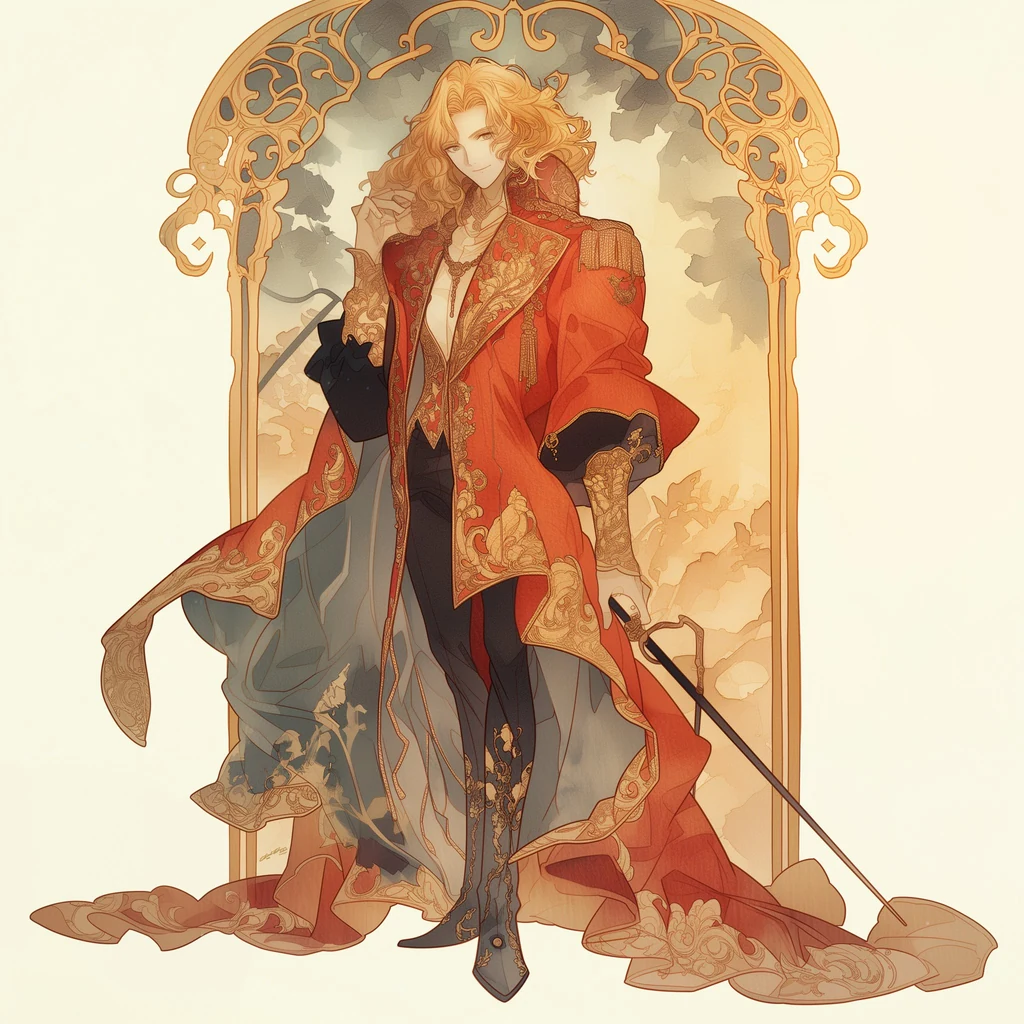
Гибко-управляющий темперамент состоит из восьми типов, разделяющих три черты ── экстраверсию, иррациональность, статику (IEE-Q, IEE-D, ILE-Q, ILE-D, SEE-Q, SEE-D, SLE-Q, SLE-D). Его уровень энергии второй после Прямолинейно-настойчивого, а ритм импульсивный ── чередуется бездействие и взрывы взрывной активности. Будучи статиками и иррациональными, члены воспринимают реальность как фундаментально неменяющуюся; когда изменение всё-таки происходит, оно проявляется не как плавный поток, а как внезапный «прыжок». Поскольку они сами желают изменений, они становятся беспокойными, когда реальность не движется, и выпускают внезапные всплески действия, мысли и энергии. Они чувствуют себя естественно в инициировании нового контакта и имеют талант развлекать других.
Черты темперамента
Подвижность, гибкость, рывок, харизма, импровизация, авантюрность. Они читают ситуации как возможности и движутся сквозь них с жизненной силой.
Ритм поведения
В течение одного дня они многократно повторяют циклы бездействия и взрывной активности, показывая импульсивный волновой паттерн. Поскольку их восприятие статично и иррационально, они чувствуют, что «реальность в основе не движется, но изменение иногда появляется как внезапный прыжок», и, раздражаясь от застоя, они сами врываются во внезапное движение. Их движения «кошачьи» гибкие, и характерны частыми вращениями тела и рук.
Стиль работы
Они мастера ловить возможности и импровизировать, гибко перестраивая маршрут к цели. Когда что-то не работает, они меняют саму цель. Долгая концентрация на одной задаче ── не их сильная сторона; их цикл: сосредоточение → отстранение → другая задача → возвращение. Они отлично порождают идеи и варианты, но завершение зависит от настроения.
Межличностный стиль
Инициирование контакта приходит естественно и проактивно; они оптимистичны, открыты и имеют темперамент развлекателя. Они могут подходить ко многим фронтам одновременно и обладают силой поднимать настроение в любой обстановке.
Чувство времени
Ориентированы на «возможность этого момента», процветают на коротких временных промежутках. Они преследуют возможности параллельно и относятся к будущему не как к долгосрочному плану, а как к «следующей двери, готовой открыться».
Стресс и восстановление
Сильно изнашиваются от застоя, рутины и ограничений. Наоборот, они на самом деле активизируются непредсказуемыми ситуациями и кризисами. Колебания настроения большие и часто переключаются в ответ на внешние условия. Восстановление быстрое через стимуляцию, новизну и смену места ── существенно не оставаться долго в одном месте.
Сильные стороны
Быстрая реактивность, общительность на основе обаяния, нюх на новые возможности, дух приключений, адаптивность к изменениям, сила среди хаоса.
Задачи
Нехватка последовательности, колебания настроения, слабая способность доводить до конца, недостаток терпения, нестабильные обязательства, отказ от целей на полпути.
Соответствие классическим четырём темпераментам
Среди классических четырёх темпераментов это соответствует Сангвинику ── стихия Воздух, сезон Весна, кровь. Весёлый, активный, общительный, оптимистичный.
| Атрибут | Соответствие |
|---|---|
| Название темперамента | Гибко-управляющий (EP) |
| Классический темперамент | Сангвиник |
| Стихия | Воздух |
| Сезон | Весна |
| Уровень энергии | Высокий |
| Сочетание осей | Экстраверсия + Иррациональность + Статика |
Нейрофизиологическое соответствие по Павлову
Аугуста обосновала соответствие между темпераментами и классическими четырьмя темпераментами через теорию высшей нервной деятельности Павлова. Четыре типа определены по трём осям нервных процессов: «сила × уравновешенность × подвижность».
| Атрибут | Соответствие для Гибко-управляющего (EP) |
|---|---|
| Сила нервных процессов | Сильные |
| Уравновешенность возбуждения/торможения | Уравновешенные |
| Подвижность | Высокая подвижность (Подвижный) |
| Классическое название | Сангвиник |
Возбуждение и торможение оба сильны и уравновешены, но переключение между ними чрезвычайно быстрое ── это всплывает как быстрые сдвиги интереса и объекта, импровизационная сила и гибкая ловля возможностей. Это нейрофизиологическая основа, на которой Аугуста отобразила EP-темперамент на Сангвинический тип.
Уровни энергии четырёх темпераментов
В гуманитарной соционике Гуленко средние уровни энергии четырёх групп темпераментов располагаются в следующем порядке.
| Ранг | Темперамент | Характеристики |
|---|---|---|
| 1 | Прямолинейно-настойчивый (EJ) | Непрерывно поддерживает самый высокий уровень |
| 2 | Гибко-управляющий (EP) | Волнообразно, повторяя циклы вкл/выкл |
| 3 | Уравновешенно-стабильный (IJ) | Низкий уровень, но устойчивый и стойкий |
| 4 | Восприимчиво-адаптивный (IP) | Самый низкий уровень, но способный на всплески высокой отдачи в зависимости от контекста |
Энергия Гибко-управляющего стоит на втором месте после Прямолинейно-настойчивого, но её подача не устойчивая ── она «волновая». Это источник и импульсивности, и авантюрности.
Соответствие классическим четырём темпераментам ── историческая линия
Соответствие «Гибко-управляющий = Сангвиник» было систематизировано через следующую историческую линию.
- Гиппократ / Гален ── определили четыре темперамента через теорию четырёх гуморов (кровь, жёлтая желчь, чёрная желчь, флегма) в сочетании с парами горячий/влажный. Сангвиник соответствует «воздуху, весне, крови».
- Кант ── переорганизовал их по двум осям: «Энергичный ⇔ Слабый» и «Эмоциональный ⇔ Уравновешенный». Сангвиник ── Энергичный и Уравновешенный.
- Павлов ── эмпирически связал их с четырьмя типами через три оси высшей нервной деятельности (сила, уравновешенность, подвижность). Сильный-Уравновешенный-Подвижный соответствует Сангвинику.
- Аугуста ── в ранние дни соционики интегрировала юнгианскую типологию с нейрофизиологией Павлова. Используя оси жизненного ритма (Экстраверсия/Интроверсия × Рациональность/Иррациональность × Динамика/Статика), она разделила 16 типов на четыре группы и отобразила их на классические четыре темперамента.
- Гуленко ── формально систематизировал четыре темперамента как «Прямолинейно-настойчивый (LA), Гибко-управляющий (FM), Уравновешенно-стабильный (BS), Восприимчиво-адаптивный (RA)» и сформулировал уровни энергии.
Дополнительный темперамент (Дуальность)
Самый совместимый с Восприимчиво-адаптивным (IP) темпераментом ── отношения Дуальности возникают между этими двумя темпераментами.
Кубическая структура восьми типов
К этой группе темперамента принадлежат восемь типов. Они помещены в вершины куба по трём осям (ось восприятия N/S, ось суждения T/F, ось демократизм/аристократизм).
Структурный куб ── расположение типов
Куб совместимости ── карта отношений Модели K
Каждое ребро и диагональ куба точно соответствует разному отношению в Модели K. Это универсальная структура, разделяемая всеми четырьмя группами темпераментов.
※ Деловые, Родственные и Адаптивные отношения соответствуют трём осям куба. Типы, различающиеся по всем трём осям, находятся в Ролевых отношениях.
Отношения по диагонали грани (различие по двум осям)
Диагонали граней куба (типы, различающиеся по двум осям) также соответствуют определённым отношениям:
- Различие по Восприятию + Суждению → Отношения Идеала
- Различие по Восприятию + Демократизму/Аристократизму → Формальные отношения
- Различие по Суждению + Демократизму/Аристократизму → Отношения Долга
Матрица отношений среди восьми типов
各セルをクリックすると相性詳細ページに移動します。
Восемь типов-членов
| Тип | Название | Восприятие | Суждение | Дем./Арист. | Квадра | Клуб |
|---|---|---|---|---|---|---|
| IEE-Q | Советчик | Интуиция (N) | Этика (F) | Демократизм | Ψ Пси | Гуманитарии |
| IEE-D | Рекламист | Интуиция (N) | Этика (F) | Аристократизм | δ Дельта | Гуманитарии |
| ILE-Q | Искатель | Интуиция (N) | Логика (T) | Демократизм | α Альфа | Исследователи |
| ILE-D | Визионер | Интуиция (N) | Логика (T) | Аристократизм | Χ Хи | Исследователи |
| SEE-Q | Артист | Сенсорика (S) | Этика (F) | Демократизм | γ Гамма | Социалы |
| SEE-D | Политик | Сенсорика (S) | Этика (F) | Аристократизм | Ω Омега | Социалы |
| SLE-Q | Реформатор | Сенсорика (S) | Логика (T) | Демократизм | Φ Фи | Прагматики |
| SLE-D | Завоеватель | Сенсорика (S) | Логика (T) | Аристократизм | β Бета | Прагматики |
Особенности внутренних отношений
Группа темперамента не содержит дуальных пар. Отношения среди её типов состоят главным образом из Деловых, Родственных, Адаптивных, Идеала, Формальных, Долга и Ролевых; глубокое психологическое дополнение и полностью разделяемые ценности не предполагаются. В результате группа темперамента:
- Очень активна и продуктивна в обсуждении и деятельности по общей теме
- Не подходит для долгосрочной близости или совместной жизни; со временем члены естественно расходятся по своим квадрам
- Сильно способствует формированию специализации и профессиональной идентичности
- Внутренняя сплочённость поддерживается отношениями Родственными (общая функция восприятия) и Деловыми (общая функция суждения)
Как этот темперамент видит других
Отношения между группами темпераментов основаны на сочетании их жизненных ритмов. Сочетание, разделяющее одну рациональность, но инвертирующее и экстраверсию/интроверсию, и динамику/статику, порождает отношения Дуальности (самые дополнительные).
| Другой Букет | Отношение с Гибко-управляющим |
|---|---|
| Прямолинейно-настойчивый (EJ) | Видит непрерывный драйв Прямолинейно-настойчивого как энергичный, но слишком спланированный, часто упускающий естественные открытия возможностей. |
| Гибко-управляющий (EP) | Среди своих игривая подвижность разделяется, но члены непрерывно ищут стимул друг у друга, не хватает устойчивости. |
| Уравновешенно-стабильный (IJ) | Чувствует, что предсказуемость Уравновешенно-стабильного скучна и ригидна, не успевает за внезапным движением. |
| Восприимчиво-адаптивный (IP) | Отношения Дуальности. Самое естественное дополнение через гибкость и отзывчивость Восприимчиво-адаптивного. Пока они читают поток, этот темперамент ловит момент и подхватывает с жизненной силой. |
所属タイプ一覧
知覚軸 × 判断軸 のマトリクス。各セルは Q型 と D型 の2タイプ。
| 論理 (T) | 倫理 (F) | |
|---|---|---|
| 直観 (N) | ||
| 感覚 (S) |