Суть группы
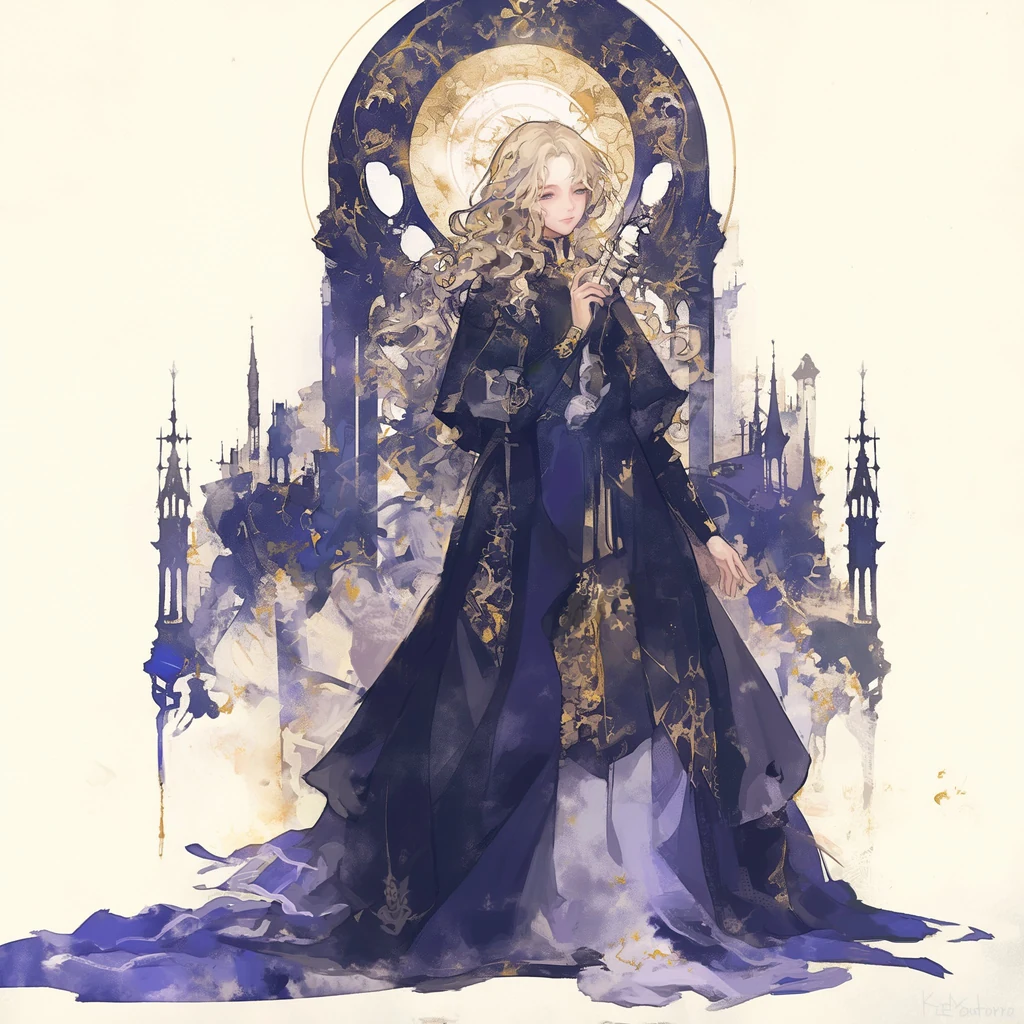
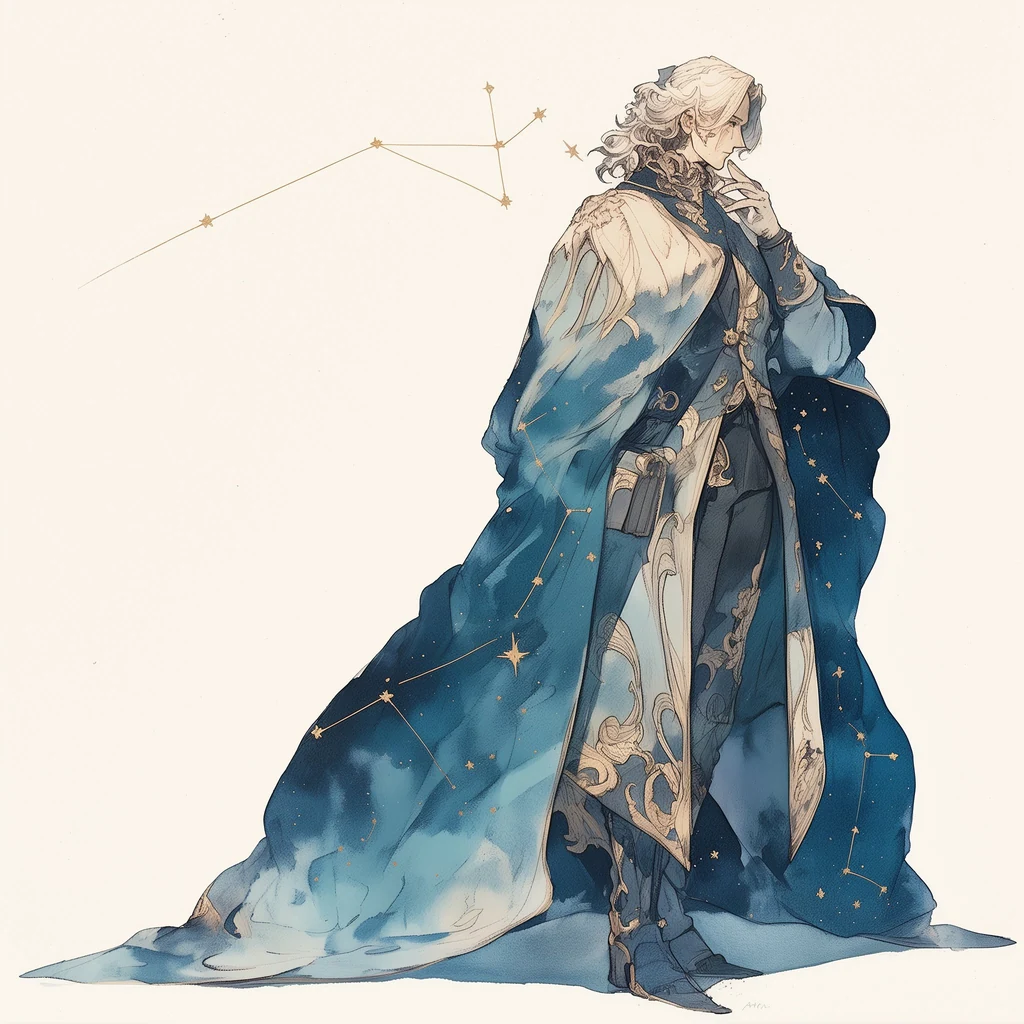
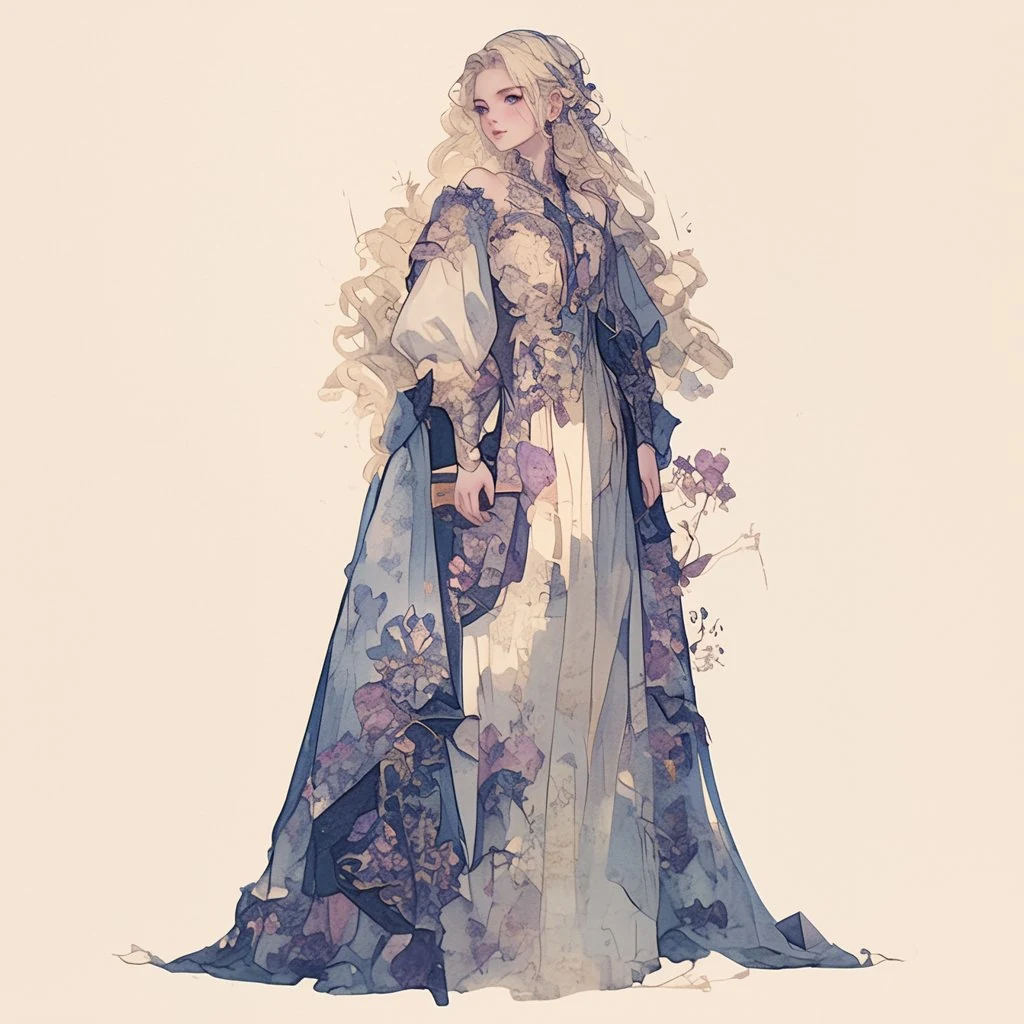
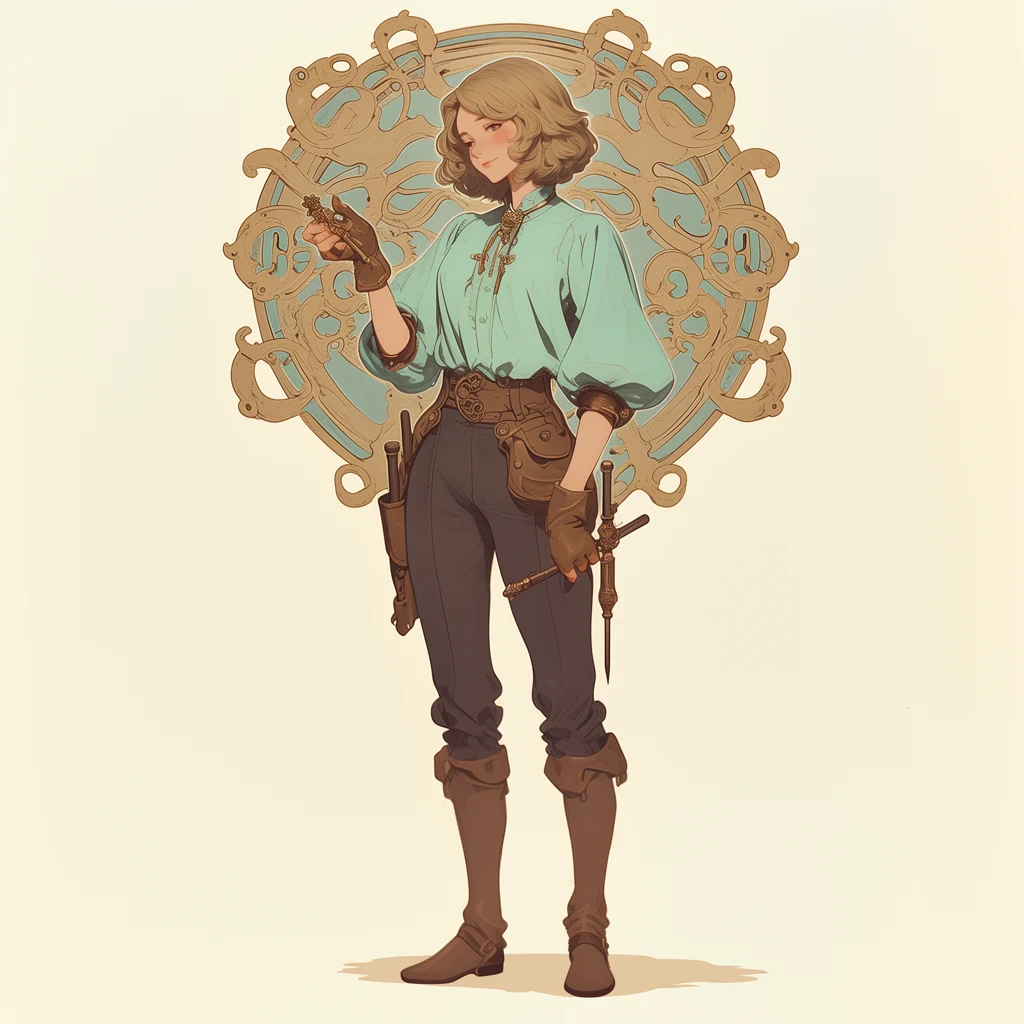
Восприимчиво-адаптивный темперамент состоит из восьми типов, объединённых тремя признаками — Интроверсия, Иррациональность, Динамика (IEI-D, IEI-Q, ILI-D, ILI-Q, SEI-D, SEI-Q, SLI-D, SLI-Q). Его уровень энергии — самый низкий во всём соционе, с тенденцией расслабляться и позволять делам идти своим чередом. Будучи динамиками и иррационалами, его представители воспринимают реальность как непрерывное, постепенное изменение и естественно адаптируются к нему. Будучи интровертами, они редко сами начинают отношения и предпочитают ждать, пока к ним подойдут другие. Они сохраняют спокойствие даже при длительных периодах бездействия и хорошо подходят для наблюдения и размышления. Они умело считывают поток ситуации и отвечают минимальными движениями.
Черты темперамента
Наблюдательность, адаптивность, восприимчивость, способность считывать поток, терпение, склонность к самоанализу. Они улавливают ситуацию, не двигаясь, и отвечают минимальным усилием в нужный момент.
Ритм поведения
У них самый низкий средний уровень энергии среди четырёх темпераментов, и они обладают навыком адаптации к окружению с минимальным усилием. Они сохраняют самообладание даже в долгие периоды бездействия или слабой активности. Поскольку их восприятие динамично и иррационально, они постигают реальность как «непрерывно и постепенно меняющуюся», и их базовая позиция — «ехать» на этом потоке. Движения у них плавные и неторопливые; жесты сдержанные, но используют всё тело для выражения.
Стиль работы
Они выдерживают низкую нагрузку в течение долгого времени — могут справляться с лёгкой параллельной работой, но не с тяжёлыми одновременными задачами. У них тонкое контекстно-зависимое чувство «когда двигаться», и они стараются быстро отправить необходимые задачи, чтобы вернуться в расслабленное состояние. Им хорошо удаётся избирательная обработка — отсеивая шум, уточнять объект внимания.
Межличностный стиль
Им трудно самим начинать отношения, и они исходят из того, что лидерство возьмёт другая сторона. Они не углубляются в конфликты, а сглаживают разногласия или тихо отстраняются. Жесты у них сдержанные, но задействуют всё тело, и они тонко улавливают тонкие нюансы эмоций.
Чувство времени
Позиция, ориентированная на настоящее, которая позволяет времени течь. Они несут в себе следы прошлых отголосков и намёки на будущее, но не торопятся. Благодаря избирательному восприятию, отслеживающему тонкие изменения, они улавливают признаки, которые другие пропускают.
Стресс и восстановление
Они утомляются легче всех среди четырёх темпераментов и быстро перегружаются под напористыми требованиями, навязанным темпом или сильной стимуляцией. Перепады настроения вызываются «внутренними причинами», которые снаружи выглядят необъяснимо и которые порой трудно сформулировать самому человеку. Восстановление требует тихой обстановки + медленной ритмичной деятельности + времени наедине. Избегайте тяжёлой нагрузки — лёгкая повторяющаяся работа сама становится исцелением.
Сильные стороны
Глубокое прозрение, самообладание, адаптивность, терпение, чувствительность к тонким эмоциям других, тонкая подстройка, способность к выживанию в условиях ограниченных ресурсов, художественная интуиция.
Задачи
Недостаток инициативы, прокрастинация, трудности с принятием ведущей роли, низкий уровень энергии, сжатие под внешним давлением, избегание решений, подверженность внутренним настроениям.
Соответствие классическим четырём темпераментам
Среди классических четырёх темпераментов это соответствует Флегматику — стихия Воды, сезон Осени, флегма. Спокойный, терпеливый, наблюдательный, уступчивый.
| Атрибут | Соответствие |
|---|---|
| Название темперамента | Восприимчиво-адаптивный (IP) |
| Классический темперамент | Флегматик |
| Стихия | Вода |
| Сезон | Осень |
| Уровень энергии | Низкий |
| Комбинация осей | Интроверсия + Иррациональность + Динамика |
Нейрофизиологическое соответствие по Павлову
Аугуста обосновала соответствие между темпераментами и классическими четырьмя темпераментами учением Павлова о высшей нервной деятельности. Четыре типа определяются по трём осям нервных процессов: «сила × уравновешенность × подвижность».
| Атрибут | Соответствие для Восприимчиво-адаптивного (IP) |
|---|---|
| Сила нервных процессов | Слабая |
| Адаптационная способность | Ограниченные адаптивные возможности |
Возбуждение и торможение оба слабы, и сильные стимулы легко вызывают перегрузку — это проявляется в высокой чувствительности, низкой выносливости, ориентации на избегание, низком уровне энергии и чувствительности к тонким эмоциям окружающих.
Соответствие классическим четырём темпераментам — две сосуществующие системы
Для темперамента IP (Восприимчиво-адаптивный) среди исследователей сосуществуют две системы отнесения к классическим четырём темпераментам. На этом сайте принято феноменологическое соответствие системы Канта–Айзенка.
| Система | Классическое соответствие для IP | Основание |
|---|---|---|
| Система Павлов–Аугуста–Гуленко | Меланхолик | «Слабые нервные процессы» — это именно павловский тип Меланхолика. Совпадение — по низкой выносливости, высокой чувствительности и низкому уровню энергии. |
| Система Канта–Айзенка (принятая на этом сайте) | Флегматик | Соответствие на основе феноменологического описания «спокойный, терпеливый, наблюдательный, уступчивый». Также согласуется с образами воды, осени и флегмы. |
Каждая из систем имеет свои основания; они не противоречат друг другу, а возникают из различий в том, какая ось акцентируется (нейрофизиология или феноменология). Для согласованности обозначений на этом сайте принят «Флегматик» из системы Канта–Айзенка; обратите внимание, что в литературе, следующей системе Павлова, этот темперамент может обозначаться как «Меланхолик».
Уровни энергии четырёх темпераментов
В гуманитарной соционике Гуленко средние уровни энергии четырёх темпераментных групп располагаются в следующем порядке.
| Ранг | Темперамент | Характеристики |
|---|---|---|
| 1 | Прямолинейно-настойчивый (EJ) | Непрерывно удерживает наивысший уровень |
| 2 | Гибко-управляющий (EP) | Волнообразно, циклически чередует включение и выключение |
| 3 | Уравновешенно-стабильный (IJ) | Низкий уровень, но стабильный и устойчивый |
| 4 | Восприимчиво-адаптивный (IP) | Низший уровень, но способен на короткие всплески высокой отдачи в зависимости от ситуации |
У Восприимчиво-адаптивного самый низкий средний уровень энергии среди четырёх темпераментов, однако через внутренние ритмические колебания он может в моменте выдавать высокую отдачу (по пиковому ранжированию IP > IJ). Его способность к адаптивному выживанию в условиях ограниченных ресурсов — самая высокая.
Соответствие классическим четырём темпераментам — историческая линия
Соответствие между классическими четырьмя темпераментами и соционическими темпераментами было систематизировано через следующую историческую линию.
- Гиппократ / Гален — Определили четыре темперамента через учение о четырёх жидкостях (кровь, жёлтая желчь, чёрная желчь, флегма) в сочетании с парами тепло/влажность.
- Кант — Переорганизовал их по двум осям: «Энергичный ⇔ Слабый» и «Эмоциональный ⇔ Уравновешенный». Связал спокойного, терпеливого типа с «Флегматиком».
- Павлов — Эмпирически связал их с четырьмя типами по трём осям высшей нервной деятельности (сила, уравновешенность, подвижность). Слабая нервная система соответствует Меланхолику.
- Аугуста — На заре соционики объединила юнгианскую типологию с павловской нейрофизиологией. Используя оси жизненного ритма (Экстраверсия/Интроверсия × Рациональность/Иррациональность × Динамика/Статика), она разделила 16 типов на четыре группы.
- Гуленко — Формально систематизировал четыре темперамента как «Прямолинейно-настойчивый (LA), Гибко-управляющий (FM), Уравновешенно-стабильный (BS), Восприимчиво-адаптивный (RA)» и сформулировал уровни энергии.
Дополнительный темперамент (Дуальность)
Наиболее совместим с Гибко-управляющим (EP) темпераментом — отношения Дуальности возникают именно между этими двумя темпераментами.
Кубическая структура восьми типов
К этой темпераментной группе принадлежат восемь типов. Они размещены в вершинах куба вдоль трёх осей (Ось восприятия N/S, Ось суждения T/F, Ось Демократизм/Аристократизм).
Структурный куб — расположение типов
Куб совместимости — карта отношений Модели K
Каждое ребро и диагональ куба точно соответствует своему отношению в Модели K. Это универсальная структура, общая для всех четырёх темпераментных групп.
※ Деловые, Родственные и Адаптивные отношения соответствуют трём осям куба. Типы, различающиеся по всем трём осям, находятся в Ролевых отношениях.
Отношения по диагонали грани (разница по двум осям)
Диагонали граней куба (типы, различающиеся по двум осям) также соответствуют конкретным отношениям:
- Разница по Восприятию + Суждению → Идеальные отношения
- Разница по Восприятию + Демократизму/Аристократизму → Формальные отношения
- Разница по Суждению + Демократизму/Аристократизму → Долговые отношения
Матрица отношений среди восьми типов
各セルをクリックすると相性詳細ページに移動します。
Восемь типов-членов
| Тип | Название | Восприятие | Суждение | Дем./Арист. | Квадра | Клуб |
|---|---|---|---|---|---|---|
| IEI-D | Пророк | Интуиция (N) | Этика (F) | Демократизм | Φ Фи | Гуманитарии |
| IEI-Q | Мечтатель | Интуиция (N) | Этика (F) | Аристократизм | β Бета | Гуманитарии |
| ILI-D | Стратег | Интуиция (N) | Логика (T) | Демократизм | γ Гамма | Исследователи |
| ILI-Q | Критик | Интуиция (N) | Логика (T) | Аристократизм | Ω Омега | Исследователи |
| SEI-D | Посредник | Сенсорика (S) | Этика (F) | Демократизм | α Альфа | Социалы |
| SEI-Q | Экспрессионист | Сенсорика (S) | Этика (F) | Аристократизм | Χ Хи | Социалы |
| SLI-D | Ремесленник | Сенсорика (S) | Логика (T) | Демократизм | Ψ Пси | Прагматики |
| SLI-Q | Художник | Сенсорика (S) | Логика (T) | Аристократизм | δ Дельта | Прагматики |
Особенности внутренних отношений
Темпераментная группа не содержит пар Дуальности. Отношения среди её типов в основном составляют Деловые, Родственные, Адаптивные, Идеальные, Формальные, Долговые и Ролевые; глубокая психологическая взаимодополняемость и полностью общие ценности здесь не предполагаются. В результате темпераментная группа:
- Высоко активна и продуктивна в обсуждении общей темы и совместной деятельности
- Не подходит для долговременной близости или совместной жизни; члены со временем естественно расходятся по своим Квадрам
- Сильно способствует формированию специальной и профессиональной идентичности
- Внутренняя сплочённость поддерживается отношениями Родственными (общая функция восприятия) и Деловыми (общая функция суждения)
Как этот темперамент видит других
Отношения между темпераментными группами основаны на сочетании их жизненных ритмов. Сочетание, в котором сохраняется одна и та же рациональность, но инвертированы и Экстраверсия/Интроверсия, и Динамика/Статика, порождает отношения Дуальности (наиболее взаимодополняющие).
| Другой Букет | Отношение с Восприимчиво-адаптивным |
|---|---|
| Прямолинейно-настойчивый (EJ) | Видит напористое, неугомонное действие Прямолинейно-настойчивого как неустанное и расточительное по энергии. Их жизненная сила признаётся, но воспринимается как иной мир. |
| Гибко-управляющий (EP) | Отношения Дуальности. Наиболее естественно дополняется подвижностью, общительностью и нюхом на новые возможности Гибко-управляющего. Пока те бьют ключом, этот темперамент считывает поток. |
| Уравновешенно-стабильный (IJ) | Может ощущать стабильность Уравновешенно-стабильного как скучную и застойную — но тихое сосуществование всё же возможно. |
| Восприимчиво-адаптивный (IP) | Внутри группы разделяется мягкое сопереживание, но члены не могут вытянуть друг из друга энергию для начала действия и склонны к застою. |
所属タイプ一覧
知覚軸 × 判断軸 のマトリクス。各セルは Q型 と D型 の2タイプ。
| 論理 (T) | 倫理 (F) | |
|---|---|---|
| 直観 (N) | ||
| 感覚 (S) |