
ILI-D – Стратег –
Задумчивый Стратег, что тихо читает наперёд и расставляет ходы
Вы тихо прозреваете дальние последствия происходящего.
Не поддаваясь моде и ажиотажу, вы тихо раскладываете надёжные ходы-заготовки.
Превыше всего вы дорожите собственной осью времени и свободой размышлений.
- Квадра
- Гамма γ
- Букет
- Восприимчиво-адаптивный темперамент
- Клуб
- Исследователи
Портрет — Стратег

Стратег — человек, который тихо прозревает, как всё будет развиваться дальше. Он интуитивно чует ещё невидимые противоречия и перекосы и, не спеша, выстраивает в душе долгий поток: «если так продолжать, в конце концов выйдет вот что». Он всматривается не в яркие явления, а в скрытые за ними структурные сдвиги и повороты течения.
И он не поддаётся моде и ажиотажу. Любое предложение он взвешивает взглядом сомнения, тихо переспрашивая: «есть ли в этом подлинный смысл?», «не пустая ли это трата времени?» Он намеренно не идёт на риск и вместо того, чтобы рваться к победе, выбирает путь, где «не потеряет смертельно». Не крупная ставка, а накопление ходов, при которых не проиграешь, — вот его манера борьбы.
Больше всего он дорожит собственной осью времени и свободой размышлений. Он не любит подстраивать темп под других, не терпит оков формальностей и правил и переводит в реальность лишь до конца вызревшие замыслы. Даже накопленные знания он не принимает на веру, а проверяет внутри себя и переписывает в новые гипотезы — тихий, но цепко гибкий ум.
От круга успеха и оживления, за которым гонятся люди, он тихо делает шаг назад. Наблюдая обстановку из-за кулис, он определяет значимый для себя узор будущего. Он не спешит верить авторитетам и громким лозунгам, превыше всего ставя внутреннее равновесие и свободу, — но рядом с деятельным партнёром, что приходит в движение в решающий момент, его тихое прозрение и вправду становится силой, что движет реальностью.
Не столько победить, сколько не проиграть.
Знакомо?
- Когда все вокруг воодушевлены, вы в одиночку тихо держитесь на расстоянии.
- Вместо крупной ставки вы выбираете путь, где «не потеряете смертельно».
- Вы знаете, что спешка снижает качество, и не двигаетесь, пока не созреет момент.
- Вы открываете рот лишь тогда, когда нужно, а обычно наблюдаете в молчании.
- Даже накопленные знания вы не принимаете на веру, а заново проверяете внутри себя.
- В проверке перед выходом из дома и в расположении инструментов у вас есть тихая придирчивость.
- Одностороннему приказу вы внешне подчиняетесь, но внутри сильно противитесь.
- «Не двигаясь, пока возможность неудачи не станет нулевой», вы порой упускаете шанс.
- Когда эмоциональное равновесие нарушается, вы замыкаетесь и распространяете вокруг мрачную атмосферу.
- Глубоко вы связываетесь лишь с теми, кто ценит равенство и свободу.

Поведение

Поведение Стратега держится на осторожности, что бережёт энергию, и терпении, что ждёт, пока созреет момент.
Первое, что считывается в манере Стратега, — это тишина. Он не бросается тут же в то, что перед ним, а сперва наблюдает среду и поток людей. В повседневности он порой кажется на первый взгляд неспешным, но это выбор ради того, чтобы не тратить энергию впустую — он приходит в движение лишь тогда, когда виден будущий смысл. И в тратах денег и сил он стратегичен. Не любя лишних расходов, он в то же время не скупится на то, что связано с «тишиной души» и «свободой мысли». Он предпочитает скромный, философский быт, довольствуясь минимальным уютом. И бережётся он педантично. Проверка перед выходом, расположение инструментов — не показная гигиена, а тихая, разумная рутина ради того, чтобы «заранее предотвратить происшествие и суматоху». Всё устроено ради того, чтобы уберечь собственное размышление и тишину.
Не на взгляды людей, а на течение долгих последствий.
- Сначала наблюдаете среду и течение людей, а потом тихо приходите в движение
- Не любите лишних трат, но на свободу мысли не скупитесь
- Соблюдаете тихую разумную рутину, что заранее предотвращает происшествия и суматоху
Если бы вы могли работать там, где можно сохранять свой темп, ваше предвидение дошло бы удивительно далеко.
Как вы говорите и слушаете

Диалог Стратега отличается наблюдением в молчании и предсказывающим словом лишь тогда, когда это нужно.
Стратег произносит слова лишь тогда, когда нужно, а обычно наблюдает собеседника в молчании. Он не многословен, но в каждом его слове есть предсказательная глубина, что остро бьёт в суть положения и в поток впереди. Он не столько ведёт людей словом, сколько паузой и молчанием побуждает собеседника самого догадаться. Он не пытается контролировать собеседника. Он чтит личную свободу и выбор, избегает сильного тона, что распаляет чувства, и предпочитает вежливое, косвенное выражение. Лишь при необходимости он тихо предлагает, а затем ждёт. Говорит он медленно, порой с почти гипнотическим спокойствием. Он не требует мгновенного отклика, а не спеша растит диалог. К чужой активности и чужим планам он скептичен и переспрашивает: «есть ли в этом смысл?» — это не эмоциональное отрицание, а тихий отказ от того, что не сходится с его чувством времени.
Наблюдение в молчании и фраза лишь тогда, когда нужно.
Сердцевина — что движет и где уязвимо
Провидеть и проверять. Эта единая линия.
Единственный в сердце мотор, что не останавливается

В центре Стратега — интуиция, видящая далеко вперёд, и взгляд, проверяющий делом.
В сердцевине Стратега — две соединённые силы. Одна — сила тихо читать долгие последствия (+Ni-p) — работа, что по малой перемене как по подсказке непрерывно чертит пологую кривую будущего «куда в конце концов повернёт этот поток». Другая — сила проверять это, действуя руками (-Te-c) — работа, что накапливает маленькие опыты и пробы, решающие «нынешнее неудобство», и поверяет замысел действительностью. Интуиция, что провидит грядущее, и рука, что пробует и исправляет — вместе это «выбор и расчёт». Имя «Стратег», что всматривается в долгие последствия, выбирает расстановку ходов и подводит дело к надёжному пути, идёт отсюда. Когда это провидение и проверка тихо работают, Стратег живёт глубже всего.
То, что он умеет, но чему не придаёт значения

Как ни удивительно, Стратег на самом деле весьма ловко умеет и кропотливо возводить систему логики, и вольно воображать повисшую в воздухе возможность. Сила строить согласованный каркас доводов, сила раздвигать ветвление «а если другой путь» — эта его скрытая сила немалая. Только сам он не придаёт этому веса. Больше чистой логической головоломки и бесконечного разбрасывания возможностей его внимание обращено к тому, «как всё покатится дальше», «как расставить ходы». Поэтому размышление Стратега всегда имеет выход — долгий прогноз и надёжный единственный ход.
То, чего втайне жаждет сердце
Втайне он жаждет силы, что на месте выходит вперёд и пробивается, раскрывает подлинные чувства людей и приводит к примирению.
То, что Стратег, читающий далёкое впереди, сам породить с трудом, а между тем глубже всех жаждет — это пробивная сила выйти вперёд в решающий миг, бойко овладеть потоком, оберегать и вести людей (+Se-p), и сила вытянуть подлинное чувство собеседника и приземлить закостеневшие отношения в примирении (-Fi-c). Глаз, что провидит будущее, не уступит никому, зато самому встать на передовую и владеть местом, распустить и сплотить чужие чувства ему вдруг становится боязно. Именно поэтому он ощущает глубокое доверие и покой рядом с тем, кто мощно встаёт впереди, согревает место и собирает людей воедино — прогноз Стратега впервые становится силой, движущей действительность, когда он в связке с действующим спутником.
Самое хрупкое место.
Самое хрупкое у Стратега — это горячо размахивать знаменем и воодушевлять и налаживать чувственный уют.
Самое хрупкое — роль харизмой заражать страстью и подымать людей (+Fe-p). Когда от него требуют «горячее», «водрузи флаг и воодушеви всех», Стратег, что тихо смотрел вперёд, не знает, как себя вести, и становится неуклюж. Другое — тонко, без устали налаживать чувственный уют места (-Si-c) — работа вроде того, чтобы поминутно подстраивать температуру и атмосферу и непрерывно хранить удобство, для Стратега область, самая ему не дающаяся. Это не столько порок, сколько изнанка прозорливого глаза. Горячее размахивание флагом и заботу о чувственном пусть возьмёт на себя тот, кому это даётся.

- Стержень: тихо читать долгие последствия и проверять их, действуя руками
- Движущая сила: накапливать надёжные ходы и не терять смертельно
- Уязвимое место: горячо размахивать знаменем, налаживать чувственный уют
Сильные стороны и где вы спотыкаетесь
Тот, кто мощно встаёт впереди и согревает обстановку.
Сильные стороны — пробовать, хватать и прокладывать путь

Сила Стратега — глаз, что провидит долгие последствия, и рассудительность, что видит суть насквозь. Он быстро схватывает суть и подоплёку данной работы и двигается, определив, «что в конце концов будет иметь значение». Он чует ещё не выказанный будущий риск и признак перемены и способен тихо бить в набат «если сделать это сейчас, через несколько месяцев случится проблема» — человек, что заранее предотвращает занос начальства и лишнее в проекте. Самоутверждение у него сдержанное, но, если спросить, он ясной логикой упорядочивает положение, а к нелогичному суждению обиняками, но метко побуждает выправить курс.
Где легко споткнуться
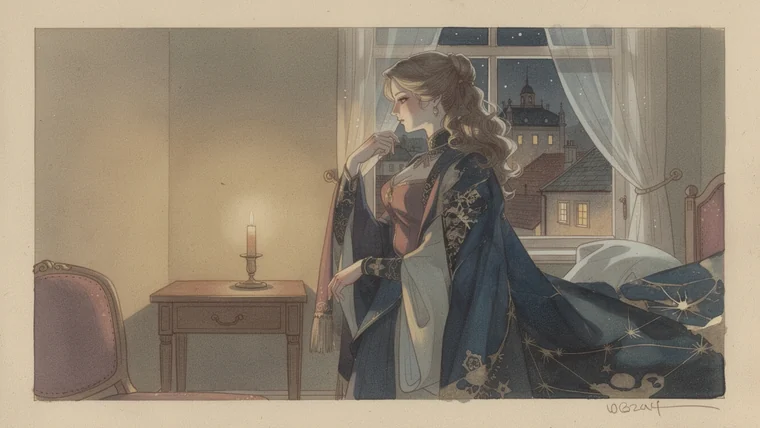
Легче всего он спотыкается на оборотной стороне своей осторожности и проницательности.
Легко споткнуться на обратной стороне его осмотрительности и прозрения. Оттого что сила предвидеть будущий кризис высока, осторожность к неопределённости становится чрезмерной, и, «не двигаясь, пока не исчезнет возможность провала», он порой упускает случай. К тому же, когда внутреннее равновесие чувств нарушается, он чрезмерно замыкается или мрачнеет и влияет на окружающих «атмосферой, к которой трудно подступиться». Одностороннему приказу и указанию, что бьёт на чувство, он на поверхности подчиняется, но внутри сильно противится и молча отстраняется. Но именно это сомнение и осмотрительность и есть источник силы разглядеть незамеченный никем кризис и выбрать надёжный путь — зная это, легче ладить и с собой, и с окружающими.
Соприкоснувшись с деятельным партнёром, ваше предвидение не остаётся нарисованным пирогом, а действительно становится силой, что движет реальностью.
- Силу выйти вперёд и привести обстановку в движение доверьте тому, кому она даётся: «дальше на тебя»
- Помня, что всю неопределённость не устранить, шагните хотя бы на полшага
- Пока неладное ещё мало, облекайте его в слова и выпускайте, доверяясь надёжному человеку
Где вы раскрываетесь
Вы сияете там, где вам сообщают только цель, а остальное доверяют.
Среда, где вы раскрываетесь
Ярче всего Стратег являет силу в среде, где можно хранить собственный темп и поток замысла и рисовать долгую стратегию. На месте, где поджимают сиюминутной нормой и требуют мгновенного отклика, ему трудно выложить силу, а подлинную мощь он раскрывает именно в интеллектуальной работе вроде абстрактного, теоретического построения и проектирования. Место с сильной субординацией и мелкими указаниями ему тяжело; способность его оживает, когда ему сообщают лишь цель, а остальное вверяют. Он ищет личное пространство без вмешательства и духовную свободу.
Как командир на месте
Конкретно ему подходят роли, где оживают долгий прогноз и замысел. Долгосрочный планировщик государственной стратегии и макроэкономики, геополитический аналитик, консультант, что судит об оценке рисков и о том, продолжать ли проект — работа, где решает сила читать наперёд. Или исследование и критика философии, истории мысли, теории цивилизации, область интеллектуального творчества, что замышляет будущее — именно там, где оживает глаз, что читает «долгие последствия» больше сиюминутной выгоды, Стратег являет силу богаче всего.
Диалог — спросить Veronika

Один бесплатный диалог · участники Le Salon — несколько точек зрения. Не реальный человек: обобщённая точка зрения на основе открытого описания.
Отношения и любовь
Можно ли разделить время. Можно ли оставаться на равных.
Любовь — чтить свободу и вместе открывать будущее
Любовь Стратега — узы соратников, что не посягают на свободу и тихо вместе смотрят в одно будущее.
Любовь Стратега осмотрительна. Не увлекаясь внешним обаянием и яркими выходками, он долго, глубоко наблюдает стиль мышления другого и его отношение к будущему — любовь, где вместо любви с первого взгляда он распознаёт, можно ли разделить долгое видение. Он ищет того, с кем можно делить глубокое размышление, не посягая на его индивидуализм. Сильные требования чувств и вмешательство ему тяжелы, но с тем, с кем можно быть рядом и в молчании, множа «разделённое время», он тихо и глубоко связывается.
[Женщина] Женщина, что тихо оценивает любовь как часть жизненной стратегии. Не увлекаясь броскими словами и жестами, она глубоко наблюдает за стилем мышления партнёра и его устремлением к будущему и дорожит не тем, чтобы разделять эмоции, а тем, «можно ли резонировать с течением его времени». И брак она выбирает по «с кем можно долго и тихо сосуществовать», ценя выше любви качество мышления, совместимость чувствительности и отношения, где можно уберечь свободу друг друга. В доме она избегает эмоциональных бурь, любит пространство размышления и упорядоченного строя, а детей растит с прицелом на равный разговор после их взросления. Ключом к отношениям станет мягкость — не слишком полагаться на разум и дистанцию и прощать незрелость партнёра.
[Мужчина] Одинокий мыслитель, что придаёт вес лишь собственному замыслу будущего и интуитивному предчувствию. Не увлекаясь чужим течением, он не спеша растит отношения, а выражение чувств у него крайне сдержанно. К тому, чтобы держать инициативу в любви, он равнодушен и смотрит, «чем эти отношения послужат его размышлению». Брак он мыслит идеалом как нестрогий союз двух самостоятельных людей и избегает созависимости и подчинения. В семье он не столько выходит вперёд, сколько ведёт себя как тихая опора из тыла, что даёт партнёру простор для роста и самоуглубления. Он не торопит с выводом, чтит молчание и время наедине, а в невзначай выпавший миг способен на философский диалог — такие отношения с простором этот человек ощущает как самые уютные.
Как вы любите — любовь тихой подготовки
Yours is a love that reads a partner's future with temporal intuition (Ni) and gives it shape with practical logic (Te). Rather than stringing together sweet words, you try to hand the person you love something real and useful. When they're at a loss, before comforting their feelings you've already quietly prepared the concrete fix — the plan, the steps, the information: “here's how to solve this.” That is your most sincere expression of love. You may look cool on the surface, but you're acting with their next several years in view. It isn't showy — yet the length of that gaze is exactly the depth of your love.
Совместимость — рекомендуемые партнёры
 Постановщик
 SEE-QПрирождённый Постановщик, что читает обстановку и ведёт людей к примирениюДуалМощно встаёт впереди, согревает обстановку и собирает людей воедино Советник
 IEE-QЧеловек, что мягко рядом и слушает сердцеРезонансПусть косвеннее дуальных, но здесь текут тёплое сопереживание и доверие Преобразователь
 SLE-QДеятель, что силой пробивает и переписывает привычноеПринадлежностьДаёт родное и надёжное спокойствие принадлежности Судья
Судья ESI-QТихий судья, различающий добро и злоАктивацияИскренностью и чувством дела он зажигает вашу совесть и поступки Философ
 EII-QЧеловек, что в тишине продолжает вопрошать о смысле мираБлагодетельЕстественно хочется отдать ему глубину взгляда на людей Инспектор
 LSI-QЛогик, что отвергает мишуру и прозревает истинуБлагополучательРядом с этим человеком естественно обретаешь упорядоченное спокойствие Первопроходец
 LIE-DРеалистичный первопроходец, что прокладывает путь результатомЗеркальныйНаправление одно, способ разный. Оттачивают друг у друга глаз, что читает наперёд. Руководитель
 LSE-DНаладить, привести в движение и довести до концаНаставникНевольно, как наставник, хочется передать долгосрочное предвидение Герой
Герой EIE-DМир меняет именно это чувствоУченикОт этого человека невольно перенимаешь и учишься страсти и движущей силеОстальные отношения (ещё 22 типов)
Верхние полосы — легче быть рядом, нижние — быстрее утомляют. Нажмите на название отношения, чтобы прочитать о паре.
 Ремесленник
 SLI-DМастер, что устраивает мир своими ладонямиДеловые отношенияПартнёр, с которым легко действовать сообща: вы подстраиваетесь под ситуацию и работаете слаженно. Пророк
 IEI-DВзгляд, что видит судьбу, которую пока никто не замечаетРодственные отношенияПартнёр, с которым хочется выражать себя в одном направлении, и разговор течёт легко. Но стоит скатиться в соперничество, и вы быстро устаёте друг от друга. Исследователь
 ILE-QИскатель приключений разума, разгадывающий мирДополняющие отношенияПартнёр, рядом с которым вы чувствуете себя принятым и получаете подсказку, куда двигаться дальше. Миротворец
 SEI-DМост между ощущением и заботойОтношения супер-ЭгоПартнёр, который непринуждённо воплощает то, к чему вы сами стремитесь, — им легко восхититься. Но при слишком тесном сближении быстро наступает усталость. Энтузиаст
 ESE-DВесёлое пламя, зажигающее мир чувствомКорректирующие отношенияПартнёр, чьи замечания вы принимаете близко к сердцу, — они становятся поводом пересмотреть себя. Аналитик
 LII-QИз тишины письменного стола заново пересобирать мирОтношения самотрансценденцииПартнёр, рядом с которым хочется превзойти себя, — вы поднимаете друг друга на новый уровень. Командир
 LIE-QСтроить, готовиться, держать логику — штаб порядкаОтношения созависимостиПартнёр, рядом с которым вы всё берёте на себя и перестараетесь с компенсацией, — усталость копится медленно, но верно. Хранитель
 ESI-DТихий щит, что за спиной с правотой отстаивает людейРасслабляющие отношенияПартнёр, рядом с которым напряжение спадает и становится спокойно, но легко войти в роль ожидающего чего-то от него. Политик
 SEE-DПрирождённый лидер, что читает сердца и связывает потокиМиражные отношенияПартнёр, к которому интерес разгорается с трудом, — общение легко становится ровным и безучастным. Критик
 ILI-QПроницательный Критик, что в глубине тишины видит противоречиеАдаптивные отношенияПартнёр, с которым вы находите равновесие, просто выполняя каждый свою роль, — общение выходит ровным и безопасным. Вдохновляющий лидер
 EIE-QЗнаменосец страсти, что говорит об идеале и сплачивает сердцаОтношения подревизногоПартнёр, рядом с которым не покидает чувство, что за вами наблюдают, — это легко приводит к выгоранию. Блюститель
 LSI-DСтальной практик, что дисциплиной и ответственностью выполняет задачуНапряжённый получательПартнёр, рядом с которым прибавляется тревог и лишних раздумий, и сердце легко закрывается. Завоеватель
 SLE-DНадёжный командный центр, что горит тем ярче, чем труднееОтношения недоверияПартнёр, которому трудно довериться до конца, — рядом с ним сложно раскрыть свои силы в полную мощь. Мечтатель
 IEI-QРассказчик грёз, что мечтой и страстью расцвечивает мирОтношения долгаПартнёр, рядом с которым вы всё понимаете, но действовать почему-то трудно, а желание получить признание только растёт. Администратор
 LSE-QШтаб дела, что крутит процесс и двигает людей и работуОтношения ревизораОтношения, в которых вы, сами того не замечая, легко вызываете у партнёра тревогу. Эмпат
Эмпат EII-DУлавливать глубину чувств и становиться кому-то опоройНапряжённое благодеяниеПартнёр, рядом с которым вы невольно стараетесь через силу, а напряжение не отпускает. Промоутер
 IEE-DПроповедник идей, что двигает мир увлекательностьюОтношения скукиПартнёр, рядом с которым наваливается вялость, а дела и сближение хочется отложить на потом. Художник
 SLI-QВыражать «в самый раз» природы и бытаФормальные отношенияПартнёр, с которым в отношениях прибавляется формальностей и условностей, и расслабиться не так просто. Гармонизатор
 ESE-QЕё улыбка и голос смягчают пространствоКонфликтные отношенияПартнёр, который легко задевает самое уязвимое место, — рядом с ним вы истощаетесь сильнее всего. Архитектор
 LII-DТихо возводимая архитектура логикиКвази-тождественные отношенияПартнёр, похожий на вас, но не совпадающий по сути, — усилия буксуют, и усталость приходит быстро. Провидец
 ILE-DПроектировщик знания, что парадоксом и теорией заново изобретает мирОтношения погашенияПартнёр, от которого невольно хочется отдалиться и замкнуться в себе. Исполнитель
 SEI-QМягкий вестник, что придаёт форму ощущению и чувствуРолевые отношенияПартнёр, рядом с которым на первый план выходит «так положено», и оставаться собой становится трудно.Совместимость определяется не только типом: зрелость, подтип и обстоятельства меняют её.
С человеком, с которым вы связаны, можно прочитать личный разбор отношений по ответам вас обоих ($8.99 за пару, для участников Le Salon — без ограничений).
Совместимость с вашими связями →Узнать о Le Salon →
Что вы на самом деле ищете в глубине сердца
В глубине сердца вы втайне ищете силы нажима и исполнения. Именно потому, что вы порой слишком далеко читаете наперёд и не можете сдвинуться…
В любовной версии: что нужно вашему сердцу / точки, от которых замирает сердце / недопонимания и болевые точки / узнаваемые сценарии любви / химия с каждым из 32 типов / в семье и как родитель / практический плейбук / секреты долгих отношений / инструкция для вашего партнёра
Работа и стиль работы

Ваш стиль работы — тип «Прозрение и замысел»
Вы естественно сильны в двух вещах. Первая — читать наперёд и видеть суть и течение событий. Вторая — эффективно запускать механизмы и добиваться результата.
Ваш интерес направлен на обсуждение идей и теорий. В обычной жизни вы держите свой темп, никуда не спешите и плывёте по течению, не насилуя себя.
С людьми вы сдержанны в эмоциях и держите дистанцию, следуя правилам и установленному порядку. Действуя, вы продумываете эффективность и способ.
Глаз, что читает наперёд, и рука, что эффективно запускает дело.
- Заранее определите материалы для решения и срок и к этому сроку примите предварительное решение
- Прежде чем указывать на ошибки, признайте одно обоснованное место в предложении собеседника
- На совещании не ограничивайтесь перечислением одних лишь дыр в логике

Примеры подходящей работы
Здесь напрямую работают ваша сила читать наперёд и умение оценивать риски и решать, продолжать ли проект.
Здесь напрямую работает ваш глаз, что читает «долгие последствия», а не сиюминутную выгоду.
Ваша осторожная манера раскладывать ходы так, чтобы «не потерять смертельно», прямо становится сильной стороной.
Ваши сильные стороны и работа, которой лучше избегать
Ваше ядро — сочетание «глаза, что читает наперёд», и «руки, что эффективно запускает дело». Эти две силы не только позволяют высказывать прогнозы…
В бизнес-версии: сильные стороны и работа, которой стоит избегать / устойчивость к стрессу и группа социализации / стиль работы / мотивация и восстановление сил / как выстраивать общение и управление с этим человеком / совместимость и подбор команды / отрасли по шкале ◎○△ (23 отрасли) с обоснованием / подходящие роли
Чертёж психики
Ваша психика работает через восемь блоков. В каждом блоке есть две функции — «как вы воспринимаете мир» и «как вы это выражаете», — и для каждого блока определены и широта возможностей, и то, дорожите вы им или нет. Специальные символы мы добавим лишь мелким шрифтом, а объясним всё обычными словами.
Провидеть и проверять.
Ведущий Ваш центрI Know
+Ni-pПредвидение и эволюцияИнтуиция времени-Te-cПрименение и экспериментДеловая логикаПо малейшим переменам вы непрерывно рисуете в душе кривую будущего: «куда в конце концов повернёт этот поток».
Этот замысел вы проверяете, действуя руками. Вы множите маленькие пробы и опыты и сверяете всё с реальностью.
Провидеть, пробовать и исправлять. Эта единая линия — ваша стратегия, что подводит дело к надёжному пути.
Обучение — Наблюдать и перенимать
На входе — способность срезать лишнее и распознавать оптимальный спосо…
В полном издании: все 8 блоков чертежа / 6 способов восстановиться / ситуации / обоснование примеров
Глубже — как восстановиться и ситуации
На обратной стороне того же стержня вы легко спотыкаетесь именно в таких ситуациях. Дальше — шесть способов вернуть равновесие.
«Не двигаясь, пока не исчезнет возможность неудачи», вы порой упускаете шанс.
Когда внутреннее равновесие чувств нарушается, вы чрезмерно замыкаетесь или мрачнеете.
Одностороннему приказу вы внешне подчиняетесь, но внутри сильно противитесь и молча отстраняетесь.
Партнёр, что мощно встаёт впереди, даёт вашему предвидению силу реальности.
Способ вернуть равновесие 1 — одалживайте силу выходить вперёд
Ваш глаз, что читает наперёд, — дар свыше. Но чтобы превратить замысел в реальность, нужна сила выйти вперёд и привести обстановку в движение…
В полном издании: 6 способов восстановиться / ситуации (дом, работа, друзья, стресс, покупки, выходные)
Люди, которых относят к этому типу
Разные сферы и эпохи, но всех этих людей объединяет одно: они «прозревали долгие последствия, не примыкали к ажиотажу и тихо подготавливали путь к победе».
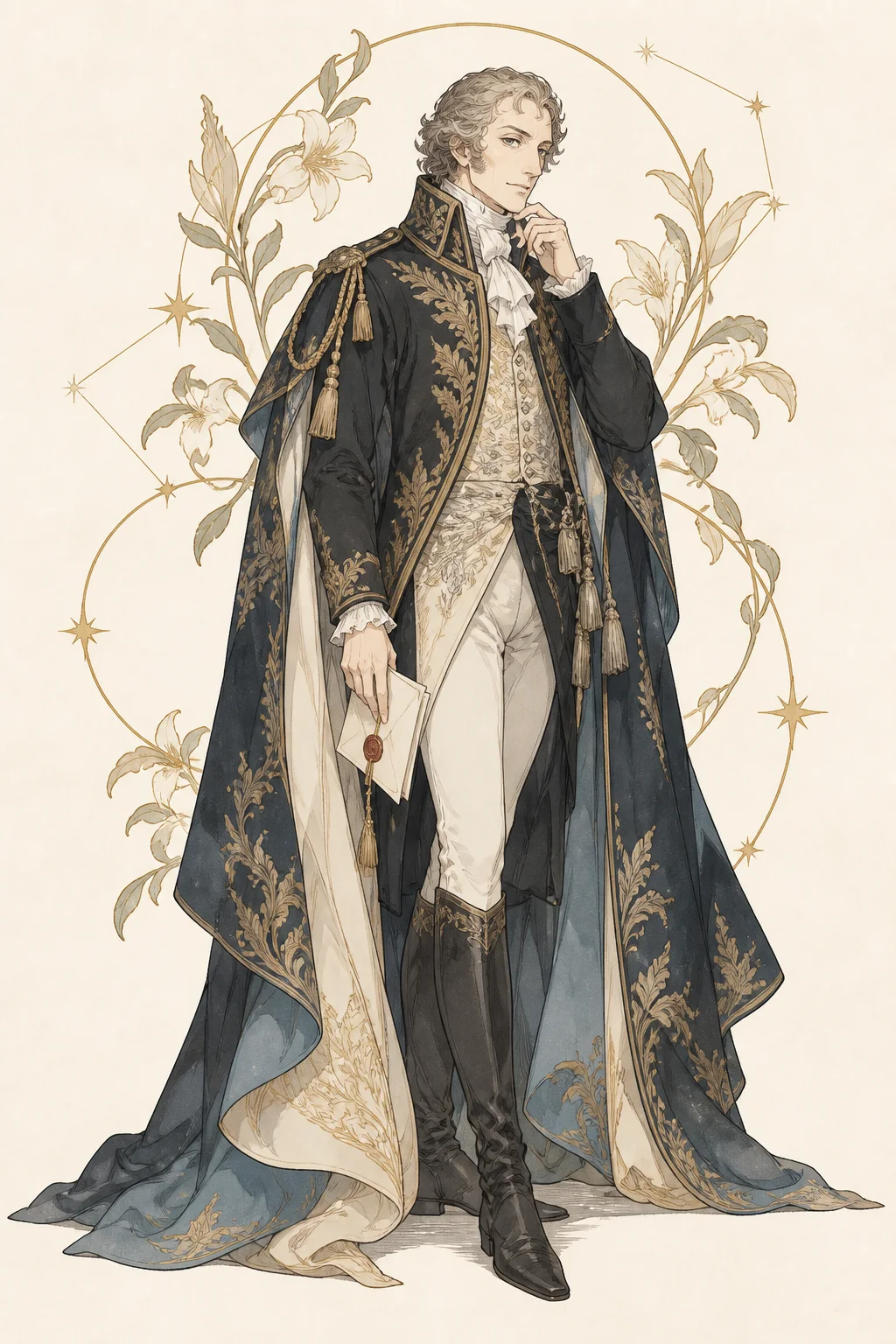 Франция · политик и разведчикЖозеф ФушеМастер отступничества, переживший все режимы — действовал из тени, владея информацией и умами людей
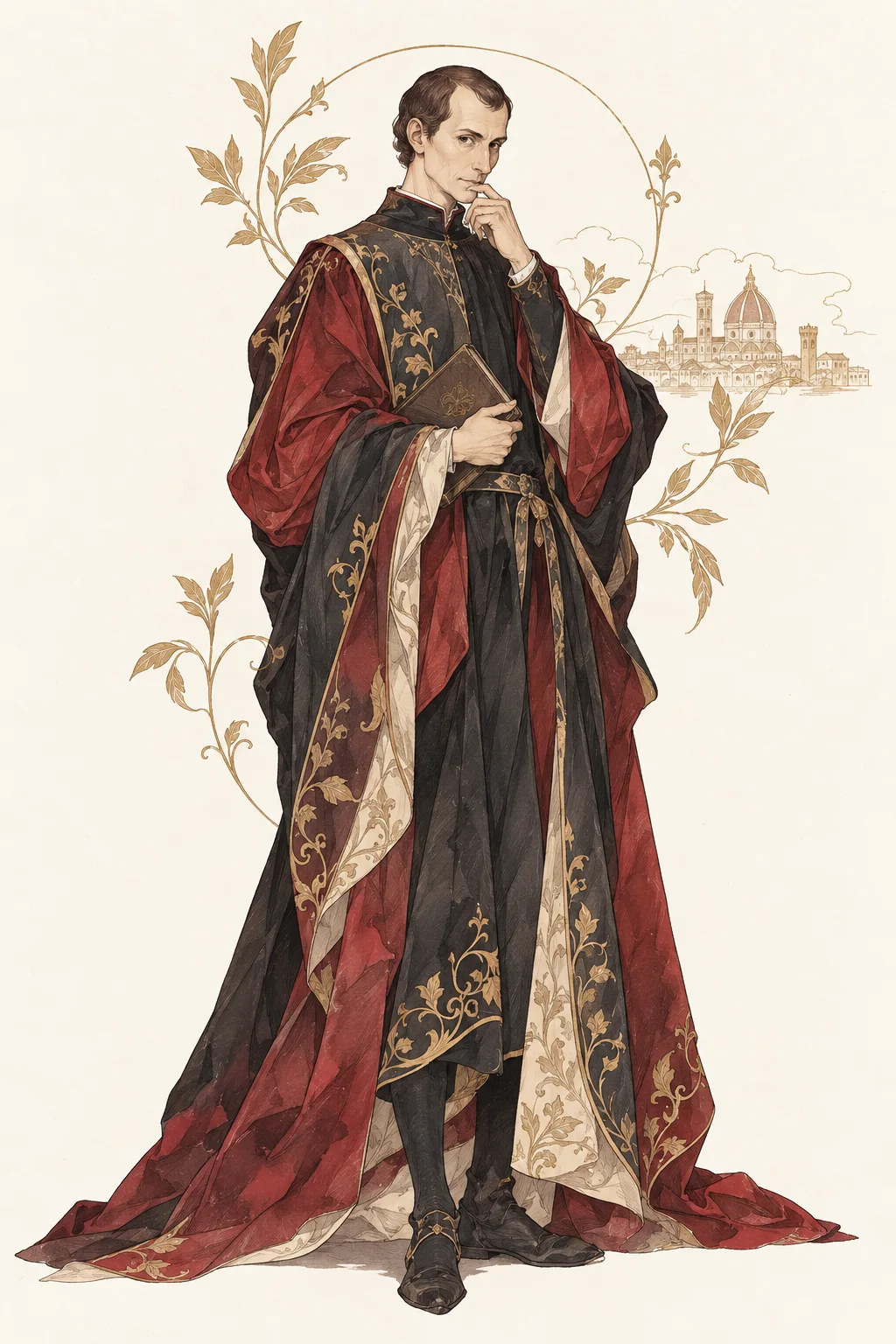 Италия · мыслитель и дипломатНикколо Макиавелли«Государь» — хладнокровно изложил реальную политику и дал начало слову «макиавеллизм»
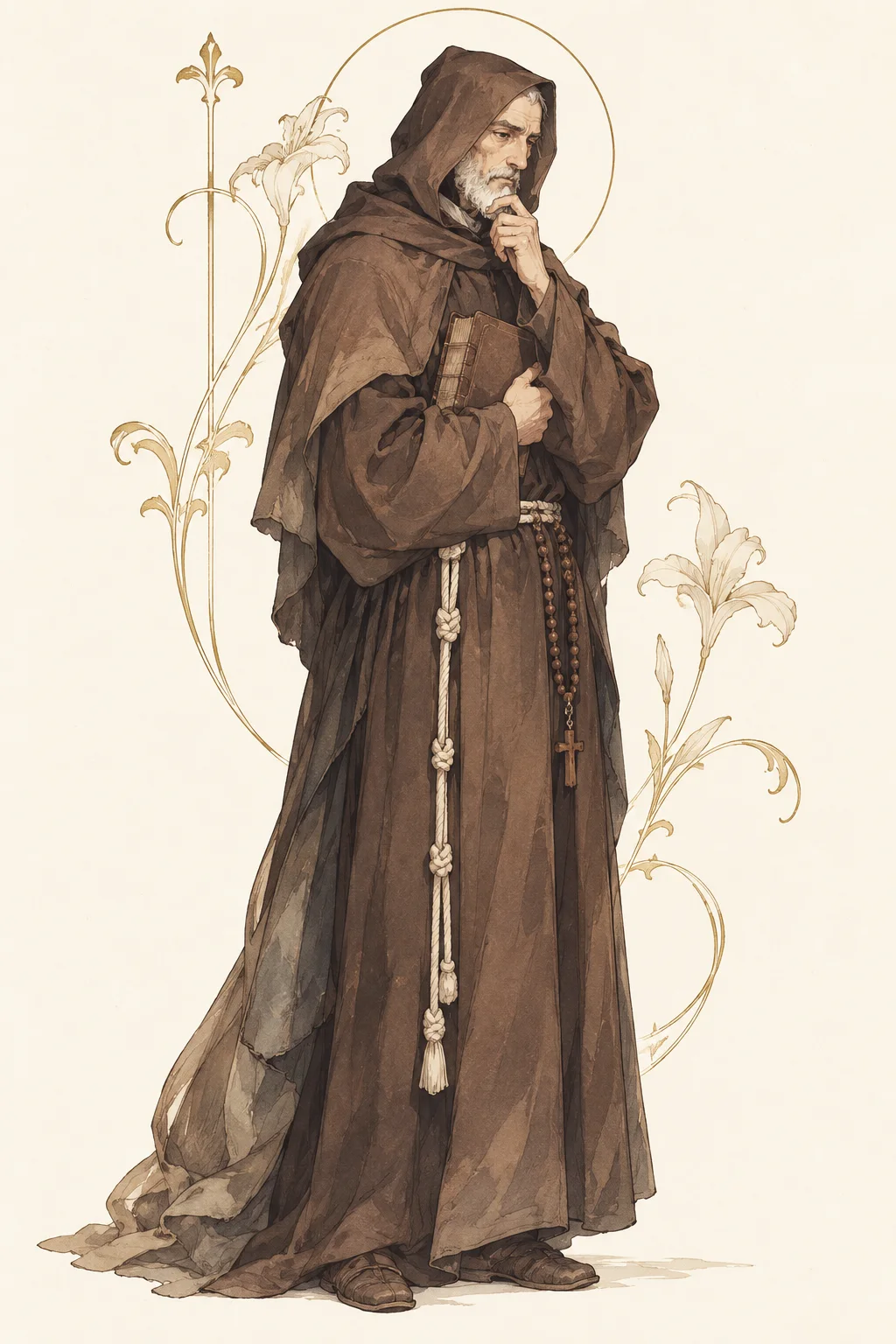 Франция · монах и советник по дипломатииСерый кардинал (отец Жозеф)Как правая рука Ришельё тридцать лет из тени двигал дипломатию Франции
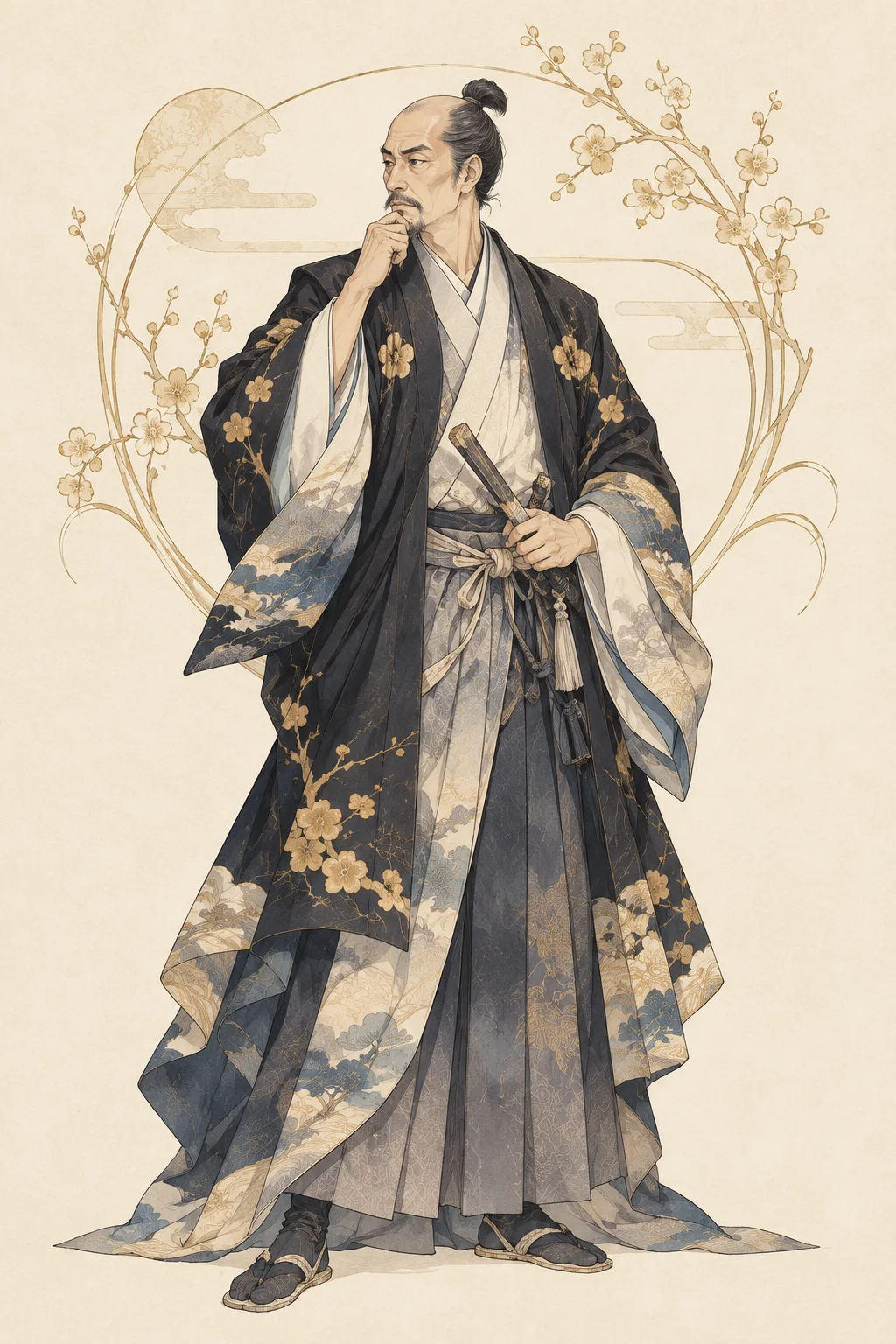 Япония · полководец и военный стратегКурода КамбэйРедкостный мудрый полководец, что посоветовал Великий бросок из Тюгоку — читал будущее и владел моментом
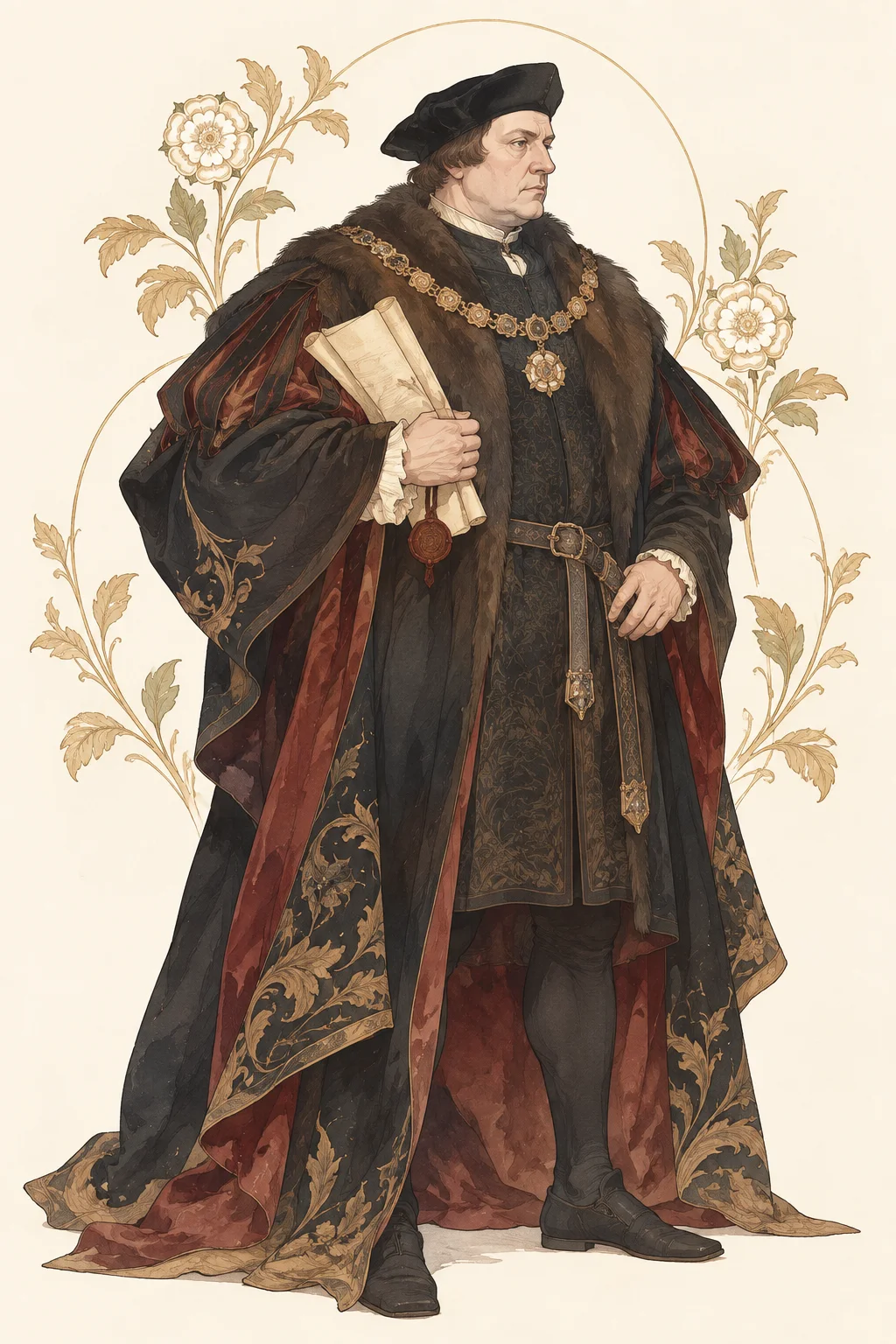 Англия · политик и юристТомас КромвельКанцлер Генриха VIII — искусно вёл Реформацию и парламентский суверенитет
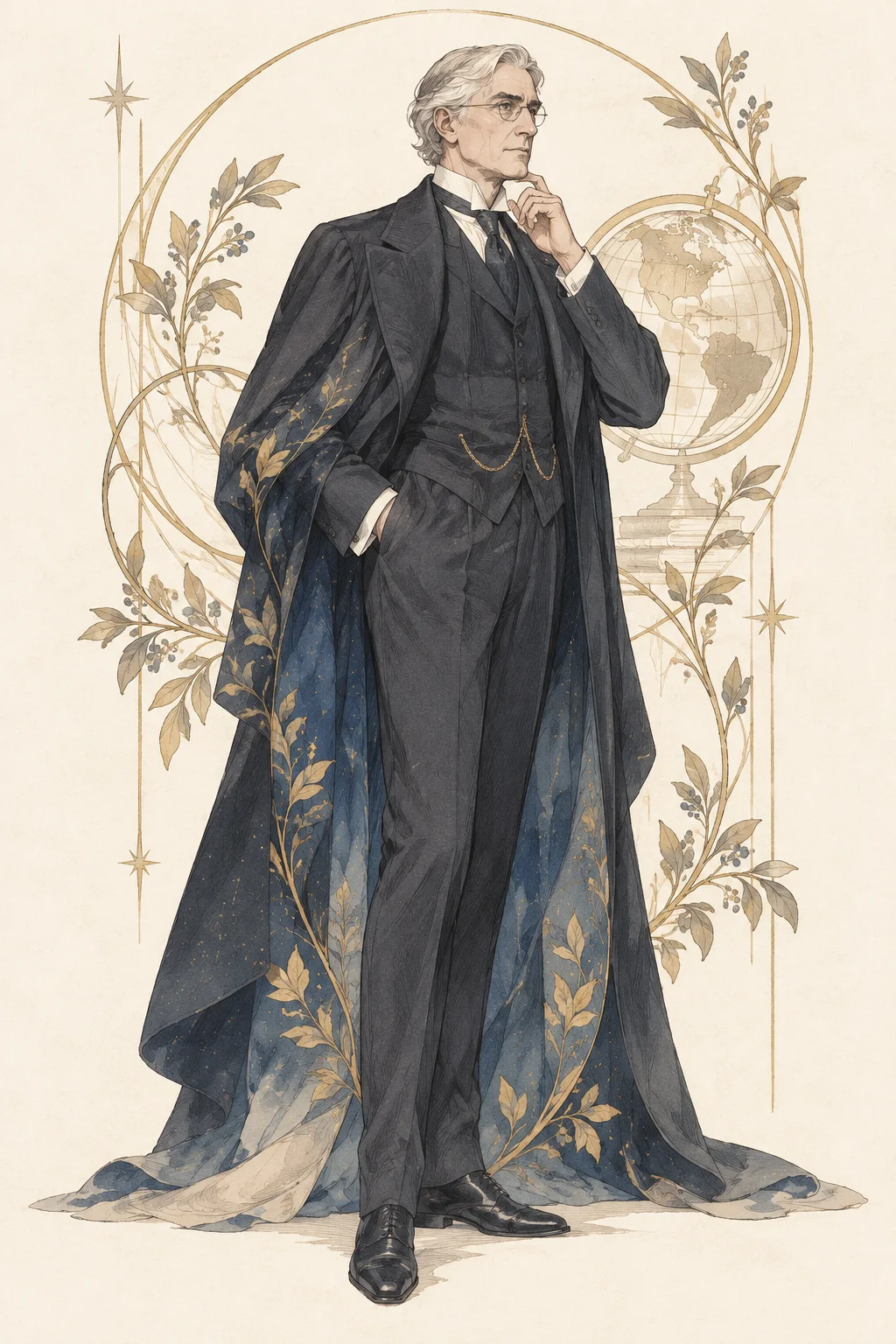 США · финансист и советник президентаБернард БарухШтабист, что нажил богатство как биржевой игрок и в двух мировых войнах ведал экономической мобилизацией
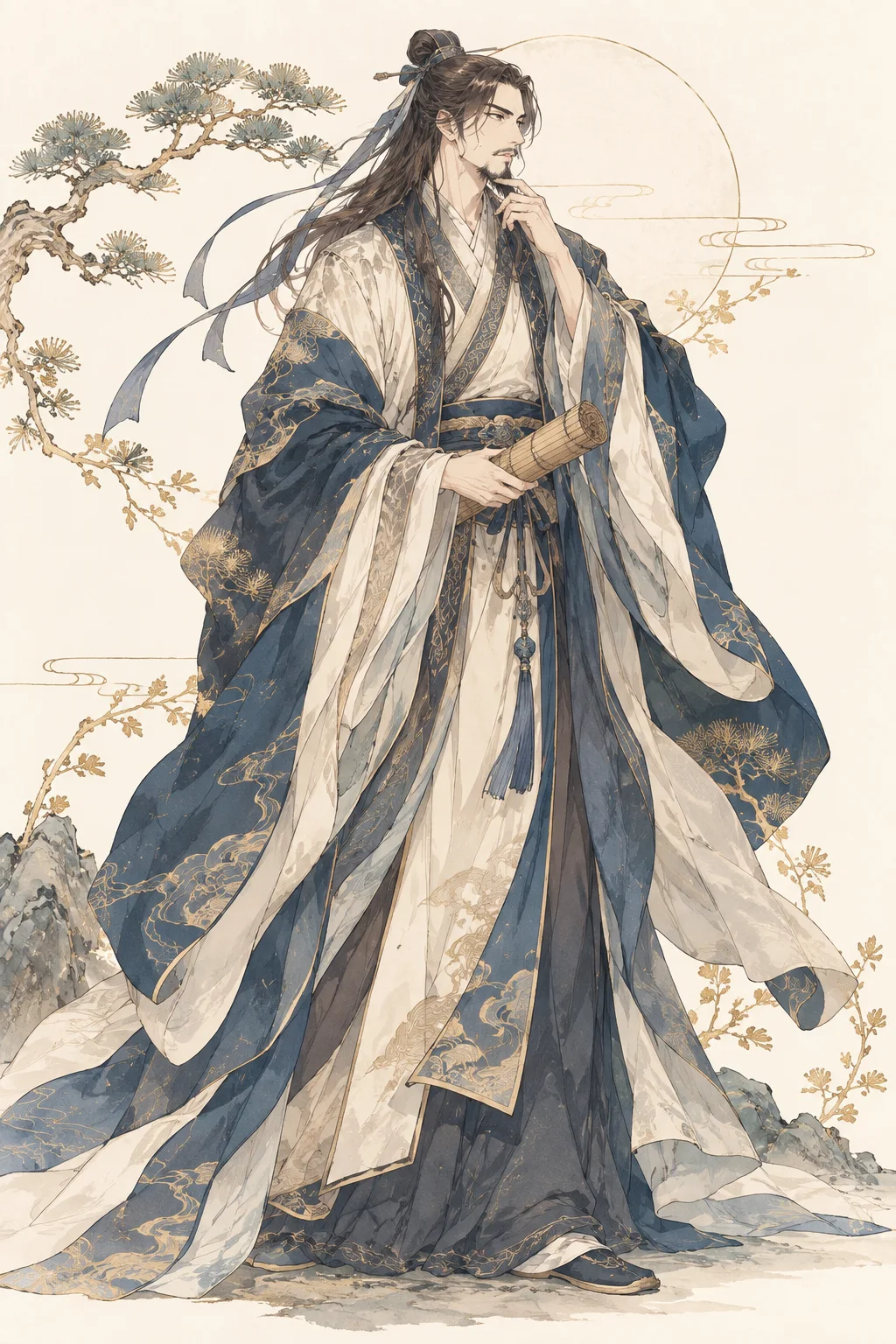 Китай · военный советникЧжан ЛянОдин из трёх героев Хань — стратегически поддержал в войне Чу и Хань и привёл к завоеванию Поднебесной
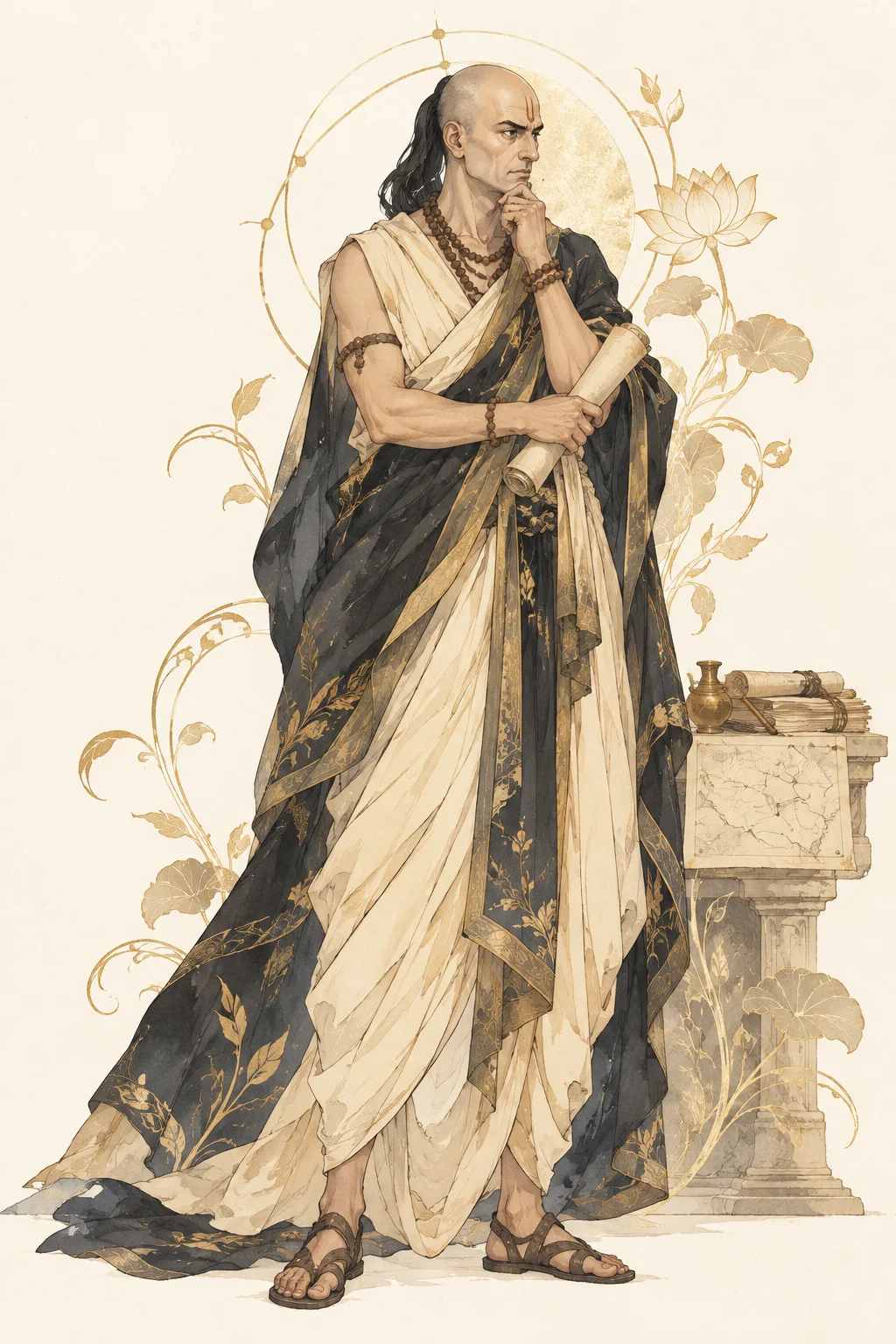 Индия · мыслитель и министрКаутилья«Артхашастра» — из тени поддержал основание империи Маурьев
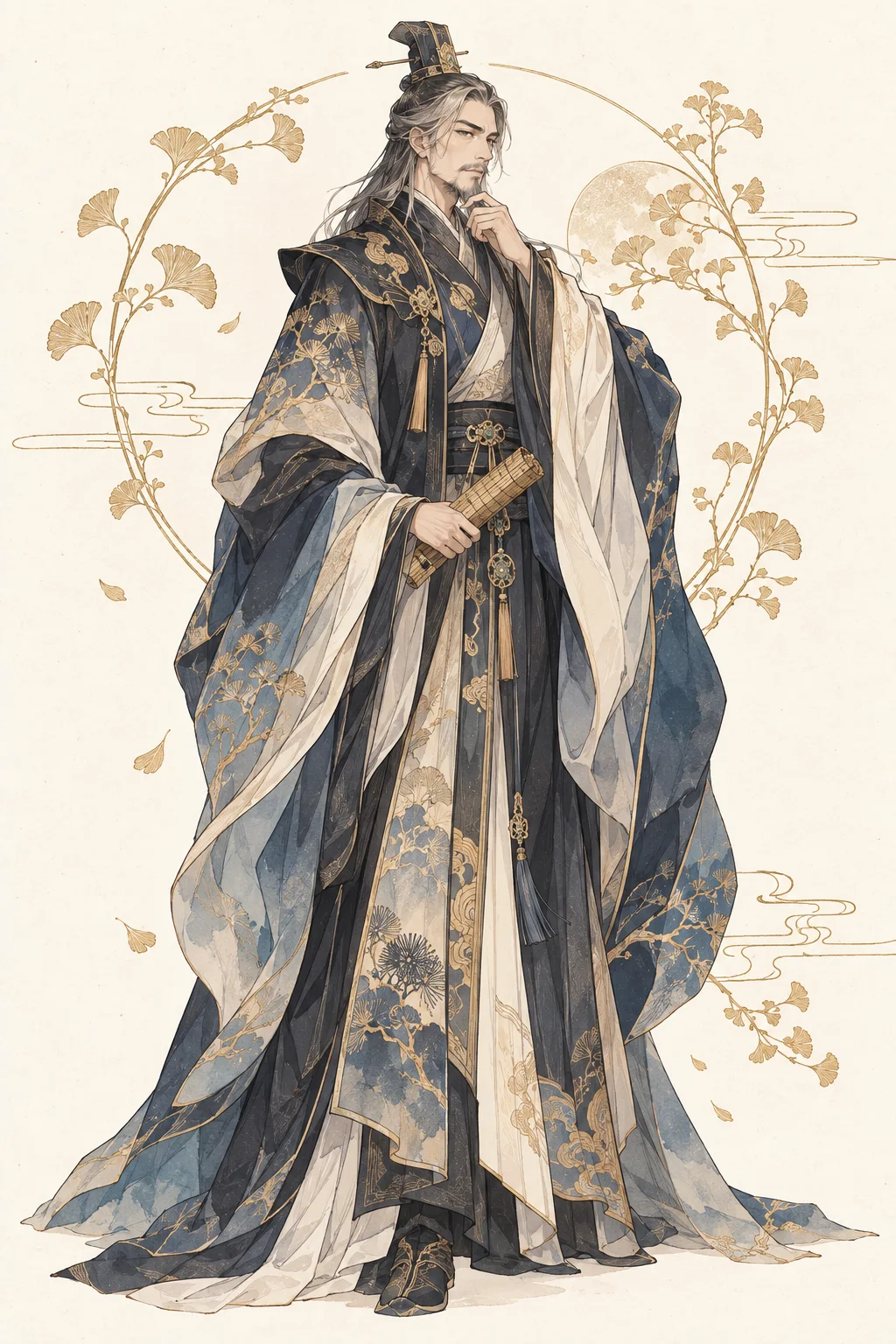 Китай · полководец и политикСыма ИТерпение и сдержанность — десятилетиями ждал момента и наконец захватил власть
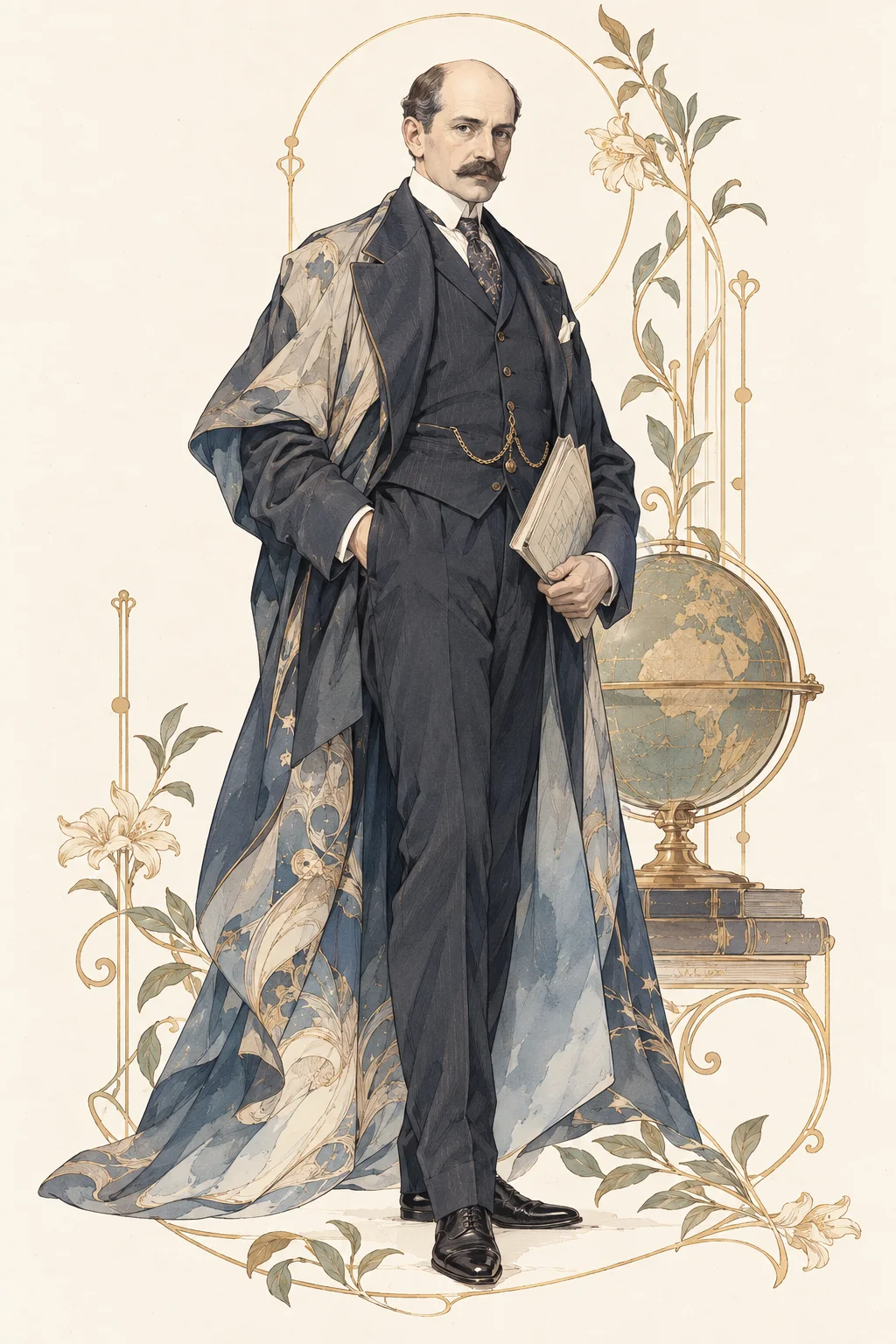 Германия / США · банкирПол ВарбургТихий герой финансовой реформы, что искусно спроектировал Федеральную резервную систему
Определение типа — это рассуждение на основе открытой информации, а не нечто окончательное.
Карта групп
Стратег — один из 32 типов, и в то же время он принадлежит к группам людей со схожими качествами. Сначала — четыре основные. Откройте карточку, чтобы перейти в соответствующий зал.
 Квадра (ценности)Гамма-квадра (γ)Рынок Market
 Букет (темперамент)Восприимчиво-адаптивный темпераментРаспознавать поток и отзываться
 Клуб (интересы)Клуб исследователейИсследователи знания
 Мотивация (стимульные группы)Группа стимула самоуваженияВ поисках внутренней ценности.
Все группы (ещё 25)
 Стиль коммуникацииХладнокровныйСпокойно обмениваться информацией
 Модель поведенияМетодологПриземлять результат эффективностью
 Стиль аргументацииРеконструкторСомневаться в посылке и пересобирать.
 Группа восприятияАссоциативностьУлавливать мир сетью ассоциаций
 Когнитивный стильДиалектико-алгоритмическийРасщеплять и синтезировать противоречия
 Романтика (взгляд на любовь)ИроникЛегко подшучивать над тяжёлой судьбой
 СтрессоустойчивостьЗамираниеПрилипнуть и не выбраться
 Группа социализацииРеалистНадёжно всё организовывать
 Кольцо инфляцииСумматор информацииКопить информацию и оставлять опыт
 Проектная группаИдейный процессИнтегрировать наблюдение в теорию.
 Группа воплощенияТехническое изобретениеИзобретать и широко внедрять технологию
 Квадрат (отдых)СорвиголоваДерзкая бесстрашность
 Бизнес-квадрат (сотрудничество)МэверикЕретики
 Октада (надценностная группа)ГерольдВозвещать ценность и нести её миру
 Реактор (группа возбуждения)ДистилляцияОчищать возбуждение вовнутрь
 Мобилизация (мобилизация)КристаллизацияКристаллизовать регулярную структуру
 Кондиционирование (регулирующая группа)НастройкаНастраивать тончайшие колебания
 ЛабиринтЭмпориумКоммерческая авантюра и теплота сообщества
 Блок-группа (группа гашения)СценаЗатевать, впечатлять и читать выигрышный путь.
 Кольцо социального прогресса (SPR)ХроникаКольцо управления великой рекой
 Надзорное кольцо (SVR)СимфонияСимфония, объединяющая противоречия
 Кольцо общественного порядка (SOR)АтласСтолп, что держит великую реку
 Кольцо преемственности (SR)НаследиеПостепенная преемственность народа
 Кольцо благодеяния (BR)ПреданиеЧастная мудрость народа
 Мастер-кольцо (MR)МелосМелодия, звучащая для всех
Открыть полное, любовное и деловое издания

- Чертёж психики (8 блоков)
- Шесть способов вернуть равновесие
- Гид по ситуациям (6 сценариев)
- Обоснование выбора знаменитостей

- Что нужно вашему сердцу / что вас волнует / болевые точки
- Узнаваемые сценарии любви
- Химия с каждым партнёром (32 типа)
- В семье и как родитель / практический плейбук

- Сильные стороны / работа, которой стоит избегать
- Стиль работы / управление
- Отрасли по шкале ◎○△ (23 отрасли)
- Подходящие роли
На $24.98 дешевле, чем покупать три издания по отдельности