
IEI-D – Пророк –
Взгляд, что видит судьбу, которую пока никто не замечает
Вы всматриваетесь в перелом эпохи, которого пока никто не замечает.
Вы не спрашиваете, а тихо возвещаете: «будет так», «всё хорошо, путь есть».
Силы своими руками превратить увиденное будущее в реальность в вас нет.
- Квадра
- Фи Φ
- Букет
- Восприимчиво-адаптивный темперамент
- Клуб
- Гуманитарии
Портрет — Пророк

Пророк — человек, что читает течение времени. Из малейших ежедневных признаков он непрерывно следит за тем, «как всё будет меняться дальше», и тихо, но с убеждённостью провидит поворот, которого другие пока не заметили. Даже когда приходит беда, он знает: «это не навсегда, со временем пройдёт». Он способен с улыбкой говорить даже о мрачных событиях, потому что чувствует: будущее не закрыто.
Это прозрение обретает силу, будучи облечено в слова. Не спрашивать, а возвещать. «Будет так», «всё хорошо, путь есть» — обиняком и символично, но с непоколебимой убеждённостью. Слова для него — не инструмент, а катализатор, чтобы коснуться истины. Речь Пророка тихо впитывается в сердце слушающего и мягко стабилизирует атмосферу.
С другой стороны, силы своими руками превратить увиденное будущее в реальность в Пророке нет. Крушить стены, перестраивать структуру, двигать реальность — этой подавляющей силы действия Пророк жаждет глубже всех. Именно поэтому рядом с тем, кто крушит стены, — дуальным Преобразователем — взгляд Пророка достаёт дальше всего, а его слова обретают наибольшую силу.
Время — материал, что растягивается и сжимается.
Знакомо?
- Миг, что тронул сердце, тянется долго, а скучное время пролетает мгновенно.
- Прежде чем конфликт разгорится всерьёз, вы тихо меняете позицию и уходите от столкновения.
- Почувствовав «сейчас не время действовать», вы терпеливо ждёте, пока созреет момент.
- Когда обстановка чрезмерно накаляется, вы плавно делаете шаг назад и понижаете температуру.
- Вас сильно притягивают уверенные в себе люди, что рвутся к цели.
- Прекрасное и непрекрасное вы различаете отчётливо.
- На книги, искусство и всё, что питает душу, вы тратите деньги не скупясь.
- О повседневном недовольстве вы почти не говорите и тихо проглатываете его в одиночку.
- В замыслы будущего вы можете погрузиться с головой, а от ежедневной канцелярии запал быстро вянет.
- Единообразным правилам и указаниям сверху вы внутренне сильно сопротивляетесь.
Поведение

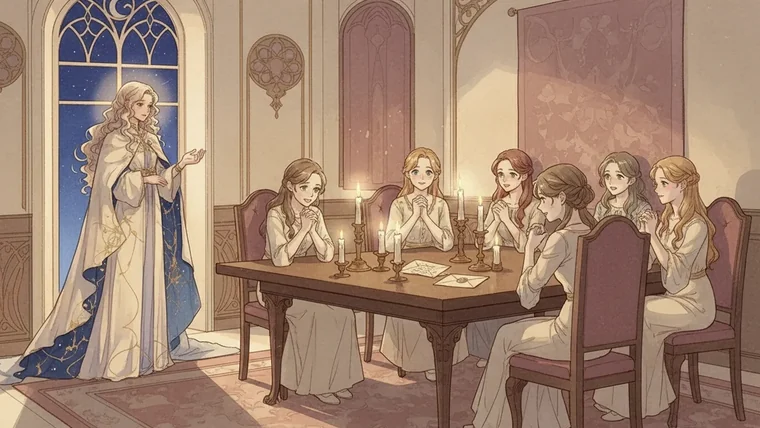
В поведении Пророка есть отрешённая тишина и внезапный, в какой-то миг, эмоциональный блеск.
Первое впечатление Пророка — тишина. На людях он скромен и учтив, во взгляде и жестах нет лишнего. Он избегает движений, что нарушили бы атмосферу, и сдержанным поведением тихо хранит свой мир. Движения плавны и мягки, жесты изящны и легки. В походке есть чувство направления, но что-то в ней задумчиво-томное, и в целом впечатление покорное. Взгляд рассеянный, будто грезящий — но в глубине его он беспрестанно ловит тончайшие перемены в воздухе эпохи.
В пространстве с близкими всё меняется. Он вдруг может явить речь с глубокомысленной метафорой или причудливую повадку. В сдержанное движение внезапно вплетается поэтичное, символическое действие и придаёт смотрящему запоминающуюся инаковость. Волны чувств существуют, но он не выносит их напоказ, а старается тихо переварить внутри. Впрочем, в добром настроении дружеской улыбкой он вдруг осветляет место, а лицо у него переменчивое и богатое — нередко выражение меланхолии оборачивается неожиданной улыбкой.
Не на взгляды людей, а на тончайшие перемены в воздухе эпохи.
- На людях скромны, во взгляде и жестах нет ничего лишнего
- В кругу близких проявляете поэтичные и символические поступки
- От практических дел и распорядка запал мгновенно вянет
Если бы вы могли работать там, где можно двигаться в своём ритме, ваше предвидение дошло бы удивительно далеко.
Как вы говорите и слушаете

Диалог символичен и тихо глубок.
Манера речи Пророка тиха и втягивает. На вид он немногословен, но внутри непрерывно течёт информация, и он толкует смысл будущего и отношений. Что он посреди разговора вдруг умолкает, — это когда он улавливает предвестие, чтобы прочитать наперёд. Речь расплывчата, содержит поэтичные метафоры и символы и оставляет слушателю простор для толкования — манера говорить, что не утверждает своего мнения категорично, а намеренно оставляет пустоту.
В разговоре речь вдруг перескакивает в другую эпоху, культуру, религиозную тему. Это результат вольного развёртывания внутренней ассоциации, и разговор углубляется не по прямой, а спирально. Он заглядывает собеседнику в глаза и слушает с сопереживанием — будто за всю жизнь не слыхал речи умнее. А в конце спора он мягко подводит итог, льня к настроению места, порой вплетая юмор, и оставляет свою догадку, сгущённую в одно слово.
Расплывчатые, поэтичные метафоры оставляют простор для толкования.
Сердцевина — что движет и где уязвимо
Провидеть и смягчать.
Один тихий мотор, что есть в сердце.
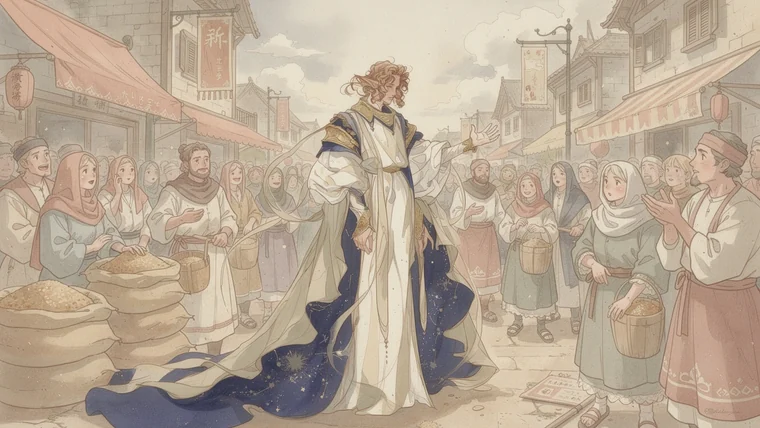
В центре Пророка — взгляд, что непрестанно следит за эволюцией будущего, и сила, что мягко налаживает атмосферу в обстановке.
В сердцевине Пророка — две соединённые силы. Одна — глаз, что непрерывно преследует ещё никем не замеченный признак будущего (+Ni-p) — сила из ежедневной малой перемены непрерывно чертить пологую кривую эволюции. Даже без крупного события он продолжает подбирать тончайшие сдвиги «воздуха» эпохи. Не предсказывать результат, а непрерывно преследовать сам поток эволюции — вот его полнота. Даже придёт беда, он знает «это не навсегда» — рассеянная убеждённость, что будущее не закрыто, лежит в стержне Пророка.
Другое — сила тихо погладить место и стабилизировать атмосферу (-Fe-c) — сила мягким сопереживанием смягчать натянутое чувство и возвращать чрезмерный шум к тихому тону. Не взрывообразно распалять место, а в сторону снижения температуры и стабилизации. Улыбкой, поддакиванием, спокойной интонацией он мало-помалу расширяет ощущение спокойствия — что рядом с Пророком почему-то становится спокойнее, оттого что эта сила всегда тихо работает.
То, что он умеет, но чему не придаёт значения
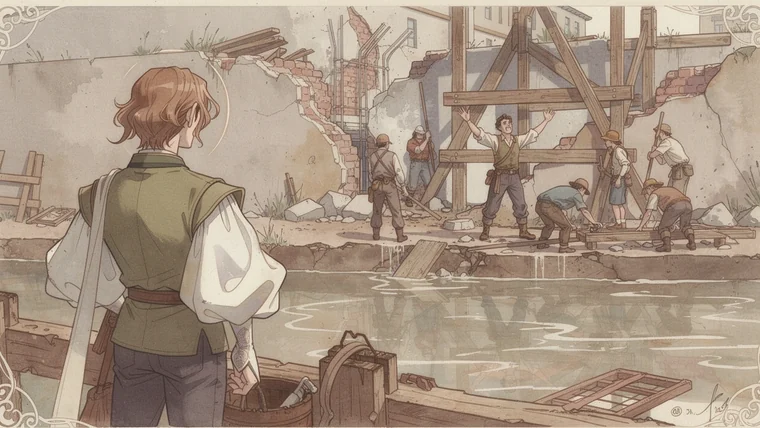
На самом деле Пророк в немалой мере обладает силой исполнять долг и силой мягко создавать согласие.
Пророк обладает выдающейся силой невозмутимо держать обещание и молча исполнять верность (+Fi-p) и, не спеша и не ломая, спокойно менять (-Ne-c). Но сама ценность сюда не помещена. Больше того, чтобы блюсти долг, ему куда важнее без устали следовать за течением будущего.
То, чего втайне жаждет сердце
То, что Пророк не может рождать сам и чего жаждет глубже всех, — это подавляющая сила действия, что дробит стены.
То, что Пророк держать не может, а между тем в глубине души жаждет — это сила раздвигать предел и дробить стену (+Se-p) и логика, что мгновенно пересобирает разрушенную структуру (-Ti-c). Будущее ему видно. Но не хватает средства превратить его в действительность. Он чтит того, кто уверен и неостановимо идёт к цели, восхищается им и хочет войти «под его крыло» — жажда Пророка это сама ведущая двойника-Преобразователя (SLE-Q). Когда Преобразователь дробит стену и идёт вперёд, Пророк рядом с ним, возвещая увиденное будущее, ощущает самое глубокое насыщение.
Самое хрупкое место.
Слабость Пророка проступает в поддержании деловой эффективности и уюта быта.
Самое хрупкое у Пророка — в двух частях. Одно — гнаться за эффективностью, мерить результат цифрами и выдавать итог, соразмерный издержкам (+Te-p) — на вопрос «эффективно ли это?», «окупаются ли издержки?» Пророку ответить трудно. К тому, чтобы тратить время на работу, которой не может насладиться, у него сильное сопротивление, и он склонен откладывать. Другое — самому налаживать уют быта (-Si-c) — домашний порядок, ежедневный распорядок, поддержание окружающих вещей ему не даются, и, сперва полный рвения, наткнувшись на трудность, он остывает. Но это изнанка глаза, что непрерывно провидит будущее. Практику пусть восполнит тот, кому она даётся.

- Стержень: следить за признаками будущего, которых пока никто не замечает, и мягко налаживать атмосферу вокруг
- Движущая сила: отдача от того, что непрерывно следите за переменами, облекаете их в слова и доносите до людей
- Уязвимое место: деловая эффективность и поддержание бытового уюта
Сильные стороны и где вы спотыкаетесь
Сильные стороны — провидеть, налаживать, задавать направление.
Тот, кто крушит стены и двигает реальность.
Где легко споткнуться

Легче всего он спотыкается на оборотной стороне своей прозорливости и богатства чувств.
Поддерживать самому эффективность практики и уют быта ему трудно, и работу, которой не может насладиться, он склонен откладывать. Порой ему хочется избежать ответственного суждения, и он оттягивает решение до последнего. В материальном управлении — деньги, распорядок, поддержание порядка — он сперва полон рвения, но, наткнувшись на трудность, остывает. Есть волны настроения, и, когда чувство не удаётся переработать внутри, он вдруг сникает или невзначай роняет острое слово. Оттого что убеждённость в прогнозе сильна, если её отвергнут или проигнорируют, он глубоко ранится. Но эта слабость — изнанка прозорливости и силы чувства — практику пусть возьмёт на себя тот, кому она даётся, а сам он пусть являет силу на своём участке.
Соприкоснувшись с человеком действия, ваше прозрение не остаётся нарисованным пирогом, а действительно доходит до реальности.
- Превращайте провидённое в маленький шаг: написать, рассказать, попробовать
- За большую работу беритесь, решив: «сначала всего пять минут»
- Не отдаляйте тех, кто одалживает вам крылья
Где вы раскрываетесь
От голоса, что возвещает «это пройдёт», обстановка смягчается.
Среда, где вы раскрываетесь
Ярче всего Пророк являет силу в среде, где можно чувствовать поток времени, погружаться в глубокое размышление и двигаться в собственном ритме. Гибкое расписание, тихое пространство, место, где чтят духовный поиск — работа, связанная с искусством, литературой, философией, образованием, консультированием, культурой, стратегическая роль замысла будущего, посредничество, что спокойно улаживает между людьми — именно там Пророк сияет ярче всего. Наоборот, плен строгого плана, практика, оцениваемая одними цифрами, среда сплошной эффективности, что игнорирует чувства — большой источник стресса.
Как пророк
Конкретно — творчество и критика литературы, поэзии, искусства, исследование философии, мысли, религии, психологическое консультирование и улаживание отношений, образование (особенно там, где подпирают духовный рост), планирование культурных проектов, замысел долгого видения — именно в работе облечь в слово и форму ещё невидимый признак будущего прозорливость и сила чувства Пророка оживают богаче всего. «Глаз, что всматривается в ещё никем не замеченную судьбу», там и востребован.
Диалог — спросить Elias

Один бесплатный диалог · участники Le Salon — несколько точек зрения. Не реальный человек: обобщённая точка зрения на основе открытого описания.
Отношения и любовь
Созвучны ли души. Есть ли тихая связь.
Любовь — в поисках резонанса душ.
Любовь Пророка выражается в глубокой духовной связи и непоколебимой тихой преданности.
Любовь Пророка укоренена не столько в поверхностной страсти, сколько в «духовной связи» и «разделяемых ценностях». Выражение чувств сдержанно, и в отношениях он держится тихой позиции наблюдателя. Но к тому, кто откликается на его идеал и образ будущего, он не жалеет глубокой верности и самоотверженной опоры. На развитие уходит время, но, однажды открыв сердце, он держит эту связь глубоко и долго. Тип ирониста — манера любви, что даже тяжёлую судьбу легко обращает в шутку и вплетает юмор в самую серьёзность.
[Женщина] Женщина, окутанная тишиной и таинственностью. Мягкие, задумчивые глаза словно устремлены к далёкому миру. Одежда скромна, но подобрана тонко, и она бессознательно несёт утончённую ауру. Больше самой любви она ценит духовную связь, редко подходит инициативно и, тихо наблюдая внутренний мир партнёра, отыскивает признак созвучия.
[Мужчина] Мужчина, чьи облик с тенью и задумчивый взгляд запоминаются. Тихая наружность, что напоминает «мыслителя». Говорит сдержанно и учтиво. С выражением чувств осмотрителен и ценит внутренние идеалы и созвучие с будущим. Тому, с кем однажды выстроил отношения, он не жалея вливает тихую искренность и глубокую духовную поддержку.
Как вы любите — одобрение, похожее на тихое пророчество
Your way of loving dwells in believing in and watching over the other person's “future no one has yet noticed.” With temporal intuition (Ni) you sense where they're headed, and with emotional ethics (Fe) you stay close to the temperature of their heart. So when your partner is down, what you do is not to line up solutions but to sit quietly beside them and tell the one at the bottom of despair, “It's alright — you're not someone who ends here,” as though you'd already gone ahead and seen the future. Concretely, on a night when they've failed at something, if you neither blame the failure nor rush them with encouragement, but instead describe their figure a few years down the line, your love reaches deepest. Not flashy devotion but this quiet, prophecy-like affirmation is the form of love that only you can give.
Совместимость — рекомендуемые партнёры
 Преобразователь
 SLE-QДеятель, что силой пробивает и переписывает привычноеДуалСила, дробящая стены, превращает увиденное будущее в реальность Исследователь
 ILE-QИскатель приключений разума, разгадывающий мирРезонансИнтеллектуальное любопытство резонирует, и можно разделить тёплое чувство покоя Постановщик
 SEE-QПрирождённый Постановщик, что читает обстановку и ведёт людей к примирениюПринадлежностьДеятельность и яркость пробивают застой Инспектор
 LSI-QЛогик, что отвергает мишуру и прозревает истинуАктивацияЯсность логики зажигает вашу внутреннюю мысль Аналитик
 LII-QИз тишины письменного стола заново пересобирать мирБлагодетельРади этого человека естественно хочется выкладывать силу Судья
Судья ESI-QТихий судья, различающий добро и злоБлагополучательРядом с этим человеком естественно обретаешь уверенность в нормах Герой
Герой EIE-DМир меняет именно это чувствоЗеркальныйЦенности одни, выражение разное. Отражают друг в друге страсть и безмолвие Энтузиаст
 ESE-DВесёлое пламя, зажигающее мир чувствомНаставникНевольно поддаёшься ведению и учишься умению согревать обстановку Первопроходец
 LIE-DРеалистичный первопроходец, что прокладывает путь результатомУченикНевольно, как наставник, хочется научить видеть будущееОстальные отношения (ещё 22 типов)
Верхние полосы — легче быть рядом, нижние — быстрее утомляют. Нажмите на название отношения, чтобы прочитать о паре.
 Миротворец
 SEI-DМост между ощущением и заботойДеловые отношенияПартнёр, с которым легко действовать сообща: вы подстраиваетесь под ситуацию и работаете слаженно. Стратег
 ILI-DЗадумчивый Стратег, что тихо читает наперёд и расставляет ходыРодственные отношенияПартнёр, с которым хочется выражать себя в одном направлении, и разговор течёт легко. Но стоит скатиться в соперничество, и вы быстро устаёте друг от друга. Вдохновляющий лидер
 EIE-QЗнаменосец страсти, что говорит об идеале и сплачивает сердцаОтношения созависимостиПартнёр, рядом с которым вы всё берёте на себя и перестараетесь с компенсацией, — усталость копится медленно, но верно. Блюститель
 LSI-DСтальной практик, что дисциплиной и ответственностью выполняет задачуРасслабляющие отношенияПартнёр, рядом с которым напряжение спадает и становится спокойно, но легко войти в роль ожидающего чего-то от него. Завоеватель
 SLE-DНадёжный командный центр, что горит тем ярче, чем труднееМиражные отношенияПартнёр, к которому интерес разгорается с трудом, — общение легко становится ровным и безучастным. Мечтатель
 IEI-QРассказчик грёз, что мечтой и страстью расцвечивает мирАдаптивные отношенияПартнёр, с которым вы находите равновесие, просто выполняя каждый свою роль, — общение выходит ровным и безопасным. Советник
 IEE-QЧеловек, что мягко рядом и слушает сердцеДополняющие отношенияПартнёр, рядом с которым вы чувствуете себя принятым и получаете подсказку, куда двигаться дальше. Ремесленник
 SLI-DМастер, что устраивает мир своими ладонямиОтношения супер-ЭгоПартнёр, который непринуждённо воплощает то, к чему вы сами стремитесь, — им легко восхититься. Но при слишком тесном сближении быстро наступает усталость. Руководитель
 LSE-DНаладить, привести в движение и довести до концаКорректирующие отношенияПартнёр, чьи замечания вы принимаете близко к сердцу, — они становятся поводом пересмотреть себя. Философ
 EII-QЧеловек, что в тишине продолжает вопрошать о смысле мираОтношения самотрансценденцииПартнёр, рядом с которым хочется превзойти себя, — вы поднимаете друг друга на новый уровень. Командир
 LIE-QСтроить, готовиться, держать логику — штаб порядкаОтношения подревизногоПартнёр, рядом с которым не покидает чувство, что за вами наблюдают, — это легко приводит к выгоранию. Хранитель
 ESI-DТихий щит, что за спиной с правотой отстаивает людейНапряжённый получательПартнёр, рядом с которым прибавляется тревог и лишних раздумий, и сердце легко закрывается. Политик
 SEE-DПрирождённый лидер, что читает сердца и связывает потокиОтношения недоверияПартнёр, которому трудно довериться до конца, — рядом с ним сложно раскрыть свои силы в полную мощь. Критик
 ILI-QПроницательный Критик, что в глубине тишины видит противоречиеОтношения долгаПартнёр, рядом с которым вы всё понимаете, но действовать почему-то трудно, а желание получить признание только растёт. Гармонизатор
 ESE-QЕё улыбка и голос смягчают пространствоОтношения ревизораОтношения, в которых вы, сами того не замечая, легко вызываете у партнёра тревогу. Архитектор
 LII-DТихо возводимая архитектура логикиНапряжённое благодеяниеПартнёр, рядом с которым вы невольно стараетесь через силу, а напряжение не отпускает. Провидец
 ILE-DПроектировщик знания, что парадоксом и теорией заново изобретает мирОтношения скукиПартнёр, рядом с которым наваливается вялость, а дела и сближение хочется отложить на потом. Исполнитель
 SEI-QМягкий вестник, что придаёт форму ощущению и чувствуФормальные отношенияПартнёр, с которым в отношениях прибавляется формальностей и условностей, и расслабиться не так просто. Администратор
 LSE-QШтаб дела, что крутит процесс и двигает людей и работуКонфликтные отношенияПартнёр, который легко задевает самое уязвимое место, — рядом с ним вы истощаетесь сильнее всего. Эмпат
Эмпат EII-DУлавливать глубину чувств и становиться кому-то опоройКвази-тождественные отношенияПартнёр, похожий на вас, но не совпадающий по сути, — усилия буксуют, и усталость приходит быстро. Промоутер
 IEE-DПроповедник идей, что двигает мир увлекательностьюОтношения погашенияПартнёр, от которого невольно хочется отдалиться и замкнуться в себе. Художник
 SLI-QВыражать «в самый раз» природы и бытаРолевые отношенияПартнёр, рядом с которым на первый план выходит «так положено», и оставаться собой становится трудно.Совместимость определяется не только типом: зрелость, подтип и обстоятельства меняют её.
С человеком, с которым вы связаны, можно прочитать личный разбор отношений по ответам вас обоих ($8.99 за пару, для участников Le Salon — без ограничений).
Совместимость с вашими связями →Узнать о Le Salon →
Что вы на самом деле ищете в глубине сердца
В глубине сердца вы втайне ищете «силы решения и действия», что отсекает колебания. Именно потому, что вы замираете между множеством вариантов будущего…
В любовной версии: что нужно вашему сердцу / точки, от которых замирает сердце / недопонимания и болевые точки / узнаваемые сценарии любви / химия с каждым из 32 типов / в семье и как родитель / практический плейбук / секреты долгих отношений / инструкция для вашего партнёра
Работа и стиль работы

Ваш стиль работы — тип «Прозрение и замысел»
Вы естественно сильны в двух вещах. Первая — читать наперёд и видеть суть и течение событий. Вторая — мягко налаживать атмосферу и смягчать чувства людей.
Ваш интерес направлен на такие темы, как идеалы, искусство и человеческая душа. В обычной жизни вы держите свой темп, никуда не спешите и плывёте по течению, не насилуя себя.
Размышляя, вы сталкиваете противоположные идеи и находите ответ внутри противоречия. Действуя, вы опираетесь на атмосферу и чувства людей.
Глаз, что читает наперёд, и сила трогать чувства людей.
- Назначьте себе «личный промежуточный срок» на 10–20% раньше дедлайна
- Перед совещанием запишите «один пункт, которым не поступитесь», и его обоснование
- Не уносите опасения с собой, а высказывайте их в тот же день в форме вопроса

Примеры подходящей работы
Это работа, где невидимые признаки будущего обретают форму слов и историй.
Вы разбираетесь в чувствах и настроениях людей и умеете поддержать каждого так, как нужно именно ему.
Здесь работает ваша сила читать атмосферу эпохи и символическими словами доносить её до сердец людей.
Ваши сильные стороны и работа, которой лучше избегать
Ваше ядро — сочетание «глаза, что читает наперёд», и «силы трогать чувства людей». Не оставляя прогноз лишь в голове…
В бизнес-версии: сильные стороны и работа, которой стоит избегать / устойчивость к стрессу и группа социализации / стиль работы / мотивация и восстановление сил / как выстраивать общение и управление с этим человеком / совместимость и подбор команды / отрасли по шкале ◎○△ (23 отрасли) с обоснованием / подходящие роли
Чертёж психики
Ваша психика работает через восемь блоков. В каждом блоке есть две функции — «как вы воспринимаете мир» и «как вы это выражаете», — и для каждого блока определены и широта возможностей, и то, дорожите вы им или нет. Специальные символы мы добавим лишь мелким шрифтом, а объясним всё обычными словами.
Провидеть и смягчать.
Ведущий Ваш центрI Know
+Ni-pПредвидение и эволюцияИнтуиция времени-Fe-cГармония и настроениеЭтика эмоцийВы тихо сматываете признаки будущего, которых пока никто не замечает. Из малейших ежедневных перемен вы непрерывно чертите пологую кривую будущего.
Это прозрение вы воплощаете силой, что смягчает обстановку. Мягким сопереживанием вы возвращаете натянутые чувства к спокойному тону.
Провидеть и смягчать. Эта единая линия — источник силы тихо возвещать: «будет так», «всё хорошо, путь есть».
Обучение — Наблюдать и перенимать
Неосознанно вы владеете силой в один миг воодушевить человека и силой …
В полном издании: все 8 блоков чертежа / 6 способов восстановиться / ситуации / обоснование примеров
Глубже — как восстановиться и ситуации
На обратной стороне того же стержня вы легко спотыкаетесь именно в таких ситуациях. Дальше — шесть способов вернуть равновесие.
За деньги и ежедневную канцелярию вы поначалу берётесь с рвением, но, наткнувшись на трудность, остываете.
Работу, которой не можете насладиться, вы склонны откладывать и порой оттягиваете решение до последнего.
Оттого что убеждённость сильна, когда её отвергают или игнорируют, вы глубоко ранитесь.
Сила действия, что крушит стены, придаёт вашему прозрению форму реальности.
Способ вернуть равновесие 1 — превращайте увиденное в маленькие действия
От одного лишь того, что вы видите будущее, реальность не сдвинется. Воплотите провидённое хотя бы на один шаг — напишите, расскажите, попробуйте…
В полном издании: 6 способов восстановиться / ситуации (дом, работа, друзья, стресс, покупки, выходные)
Люди, которых относят к этому типу
Разные сферы и эпохи, но всех этих людей объединяет одно: они «возвещали то, что увидели».
 Франция · поэтАртюр РембоВ 16 возвестил революцию в поэзии, в 20 умолк. Увиденный мир он запечатлел, как молнию.
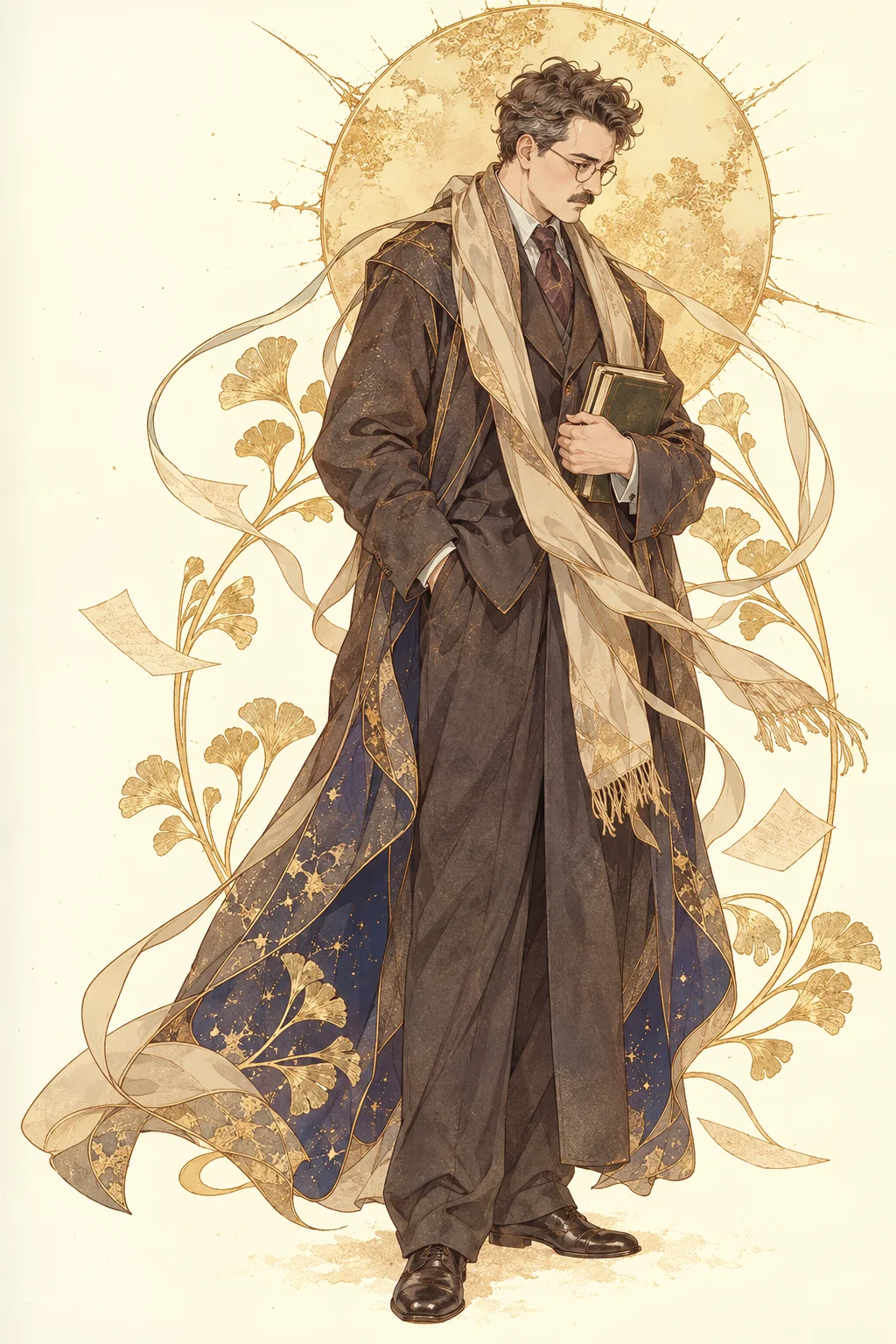 Германия · философ / критикВальтер БеньяминИстину, что таится в руинах современности, он тихо возвещал философскими фрагментами.
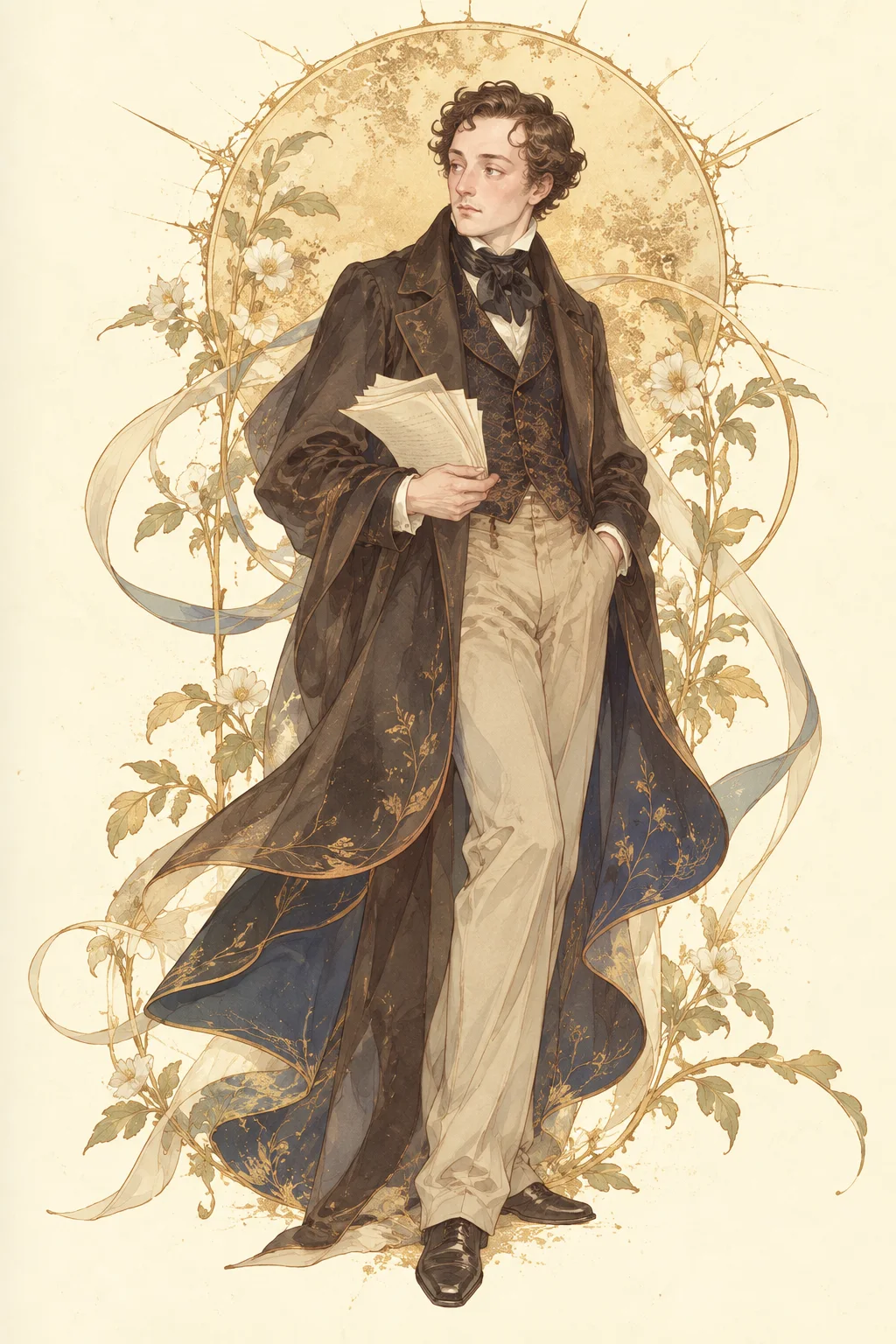 Германия · драматургГеорг БюхнерДо ранней смерти в 23 года в трёх произведениях запечатлел пустоту революции и одиночество человека
 Япония · романистОсаму ДадзайВ «Исповеди неполноценного человека» как исповедь поведал о маске человека и структуре стыда
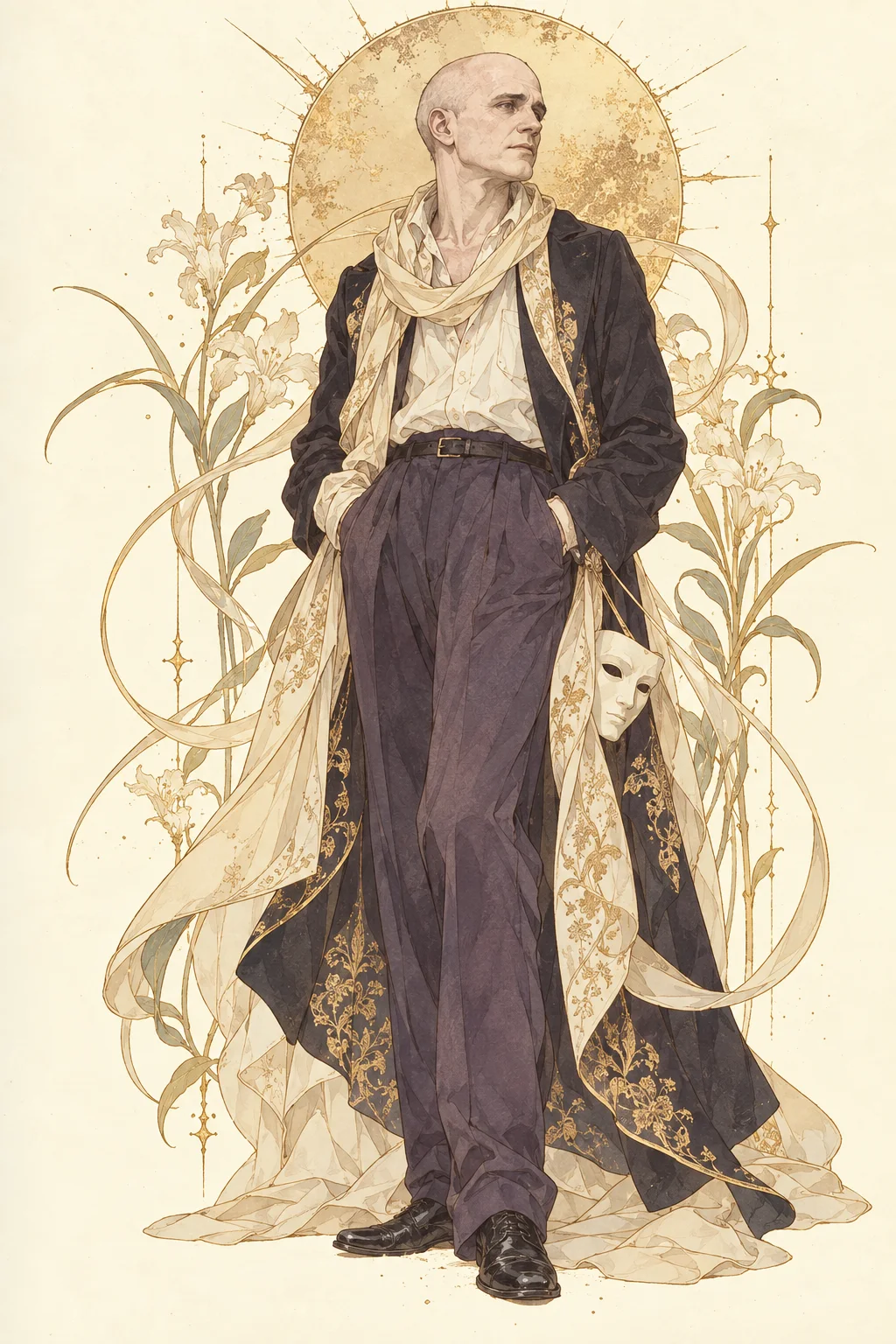 Франция · романист / драматургЖан ЖенеИз тюрьмы провозгласил как красоту святость, обитающую в преступлении и на дне
 Греция · поэтКонстантинос КавафисТихой поэзией продолжал возвещать повторение истории и неизбежность её исхода
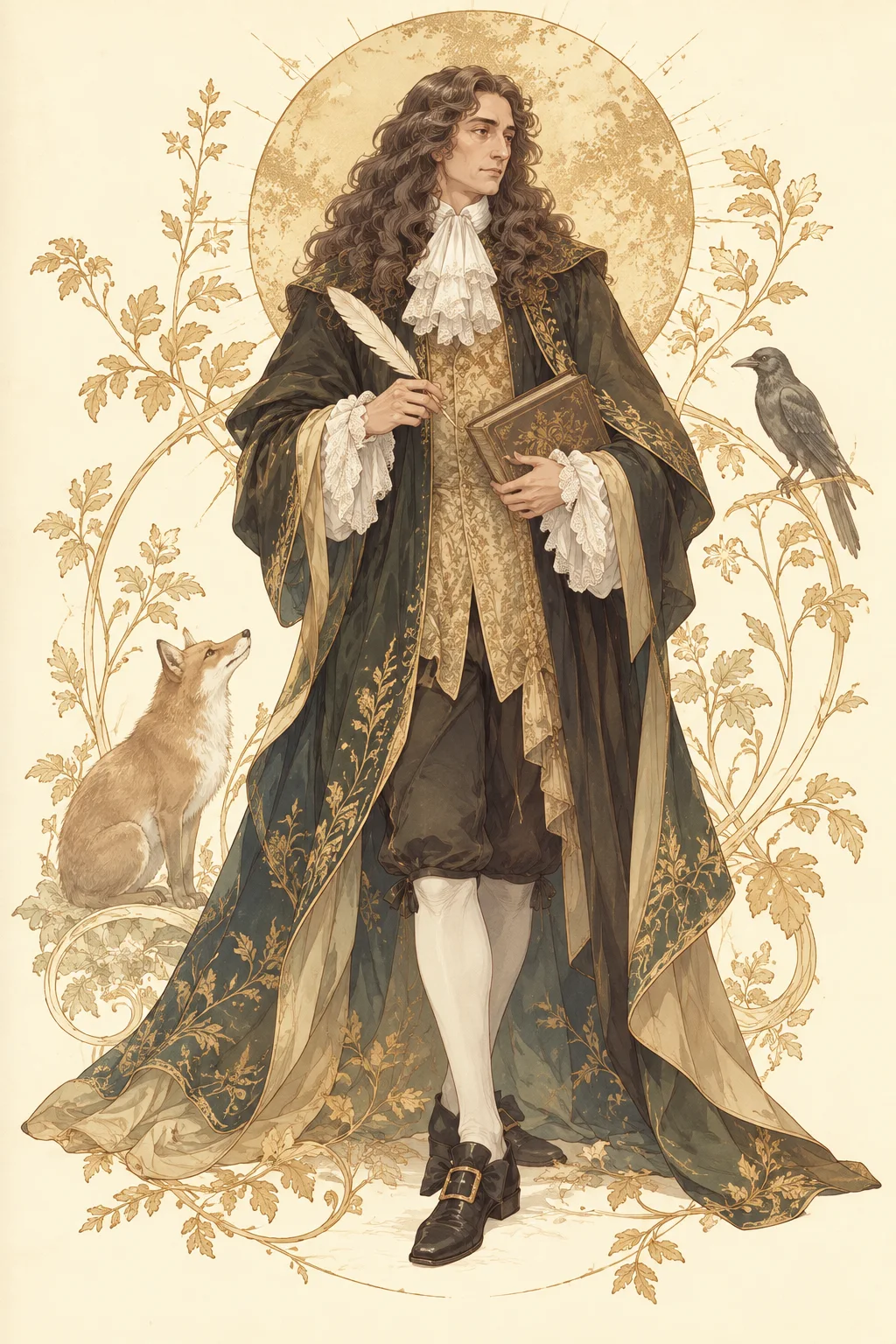 Франция · поэт / баснописецЖан де ЛафонтенУстами животных поведал аллегорическую правду о власти и человеческой природе
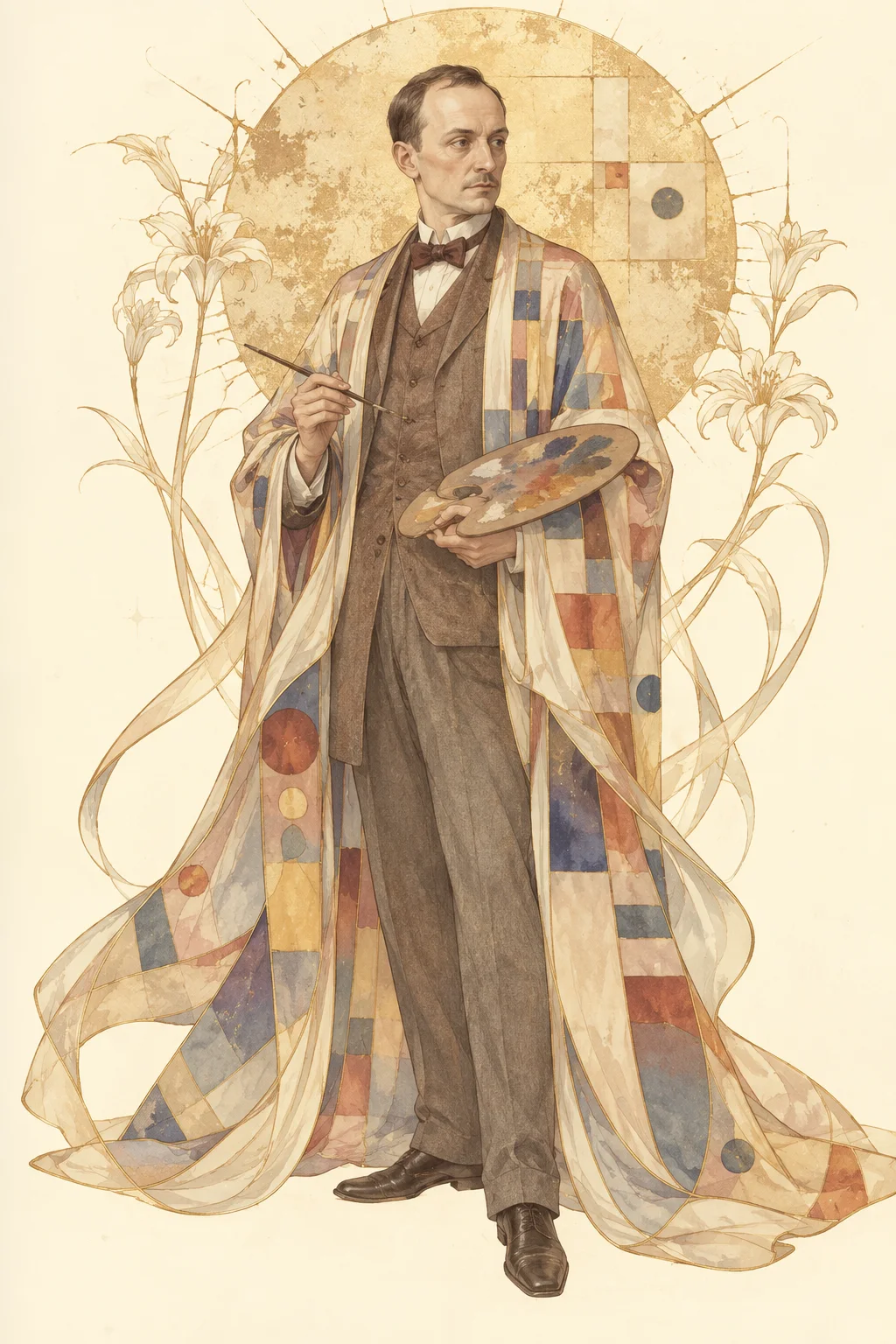 Швейцария / Германия · художникПауль КлееПровозгласил: «Искусство не воспроизводит видимое, а делает видимым»
 Россия · романист / драматургАнтон ЧеховПьесами, где ничего не происходит, поведал о тихой трагедии повседневности
 Япония · поэт / детский писательКэндзи МиядзаваВ сказках и стихах возвестил непрерывность космоса и жизни как «счастье всего мира»
Определение типа — это рассуждение на основе открытой информации, а не нечто окончательное.
Карта групп
Пророк — один из 32 типов, и в то же время он принадлежит к группам людей со схожими качествами. Сначала — четыре основные. Откройте карточку, чтобы перейти в соответствующий зал.
 Квадра (ценности)Фи-квадра (Φ)Революция Revolution
 Букет (темперамент)Восприимчиво-адаптивный темпераментРаспознавать поток и отзываться
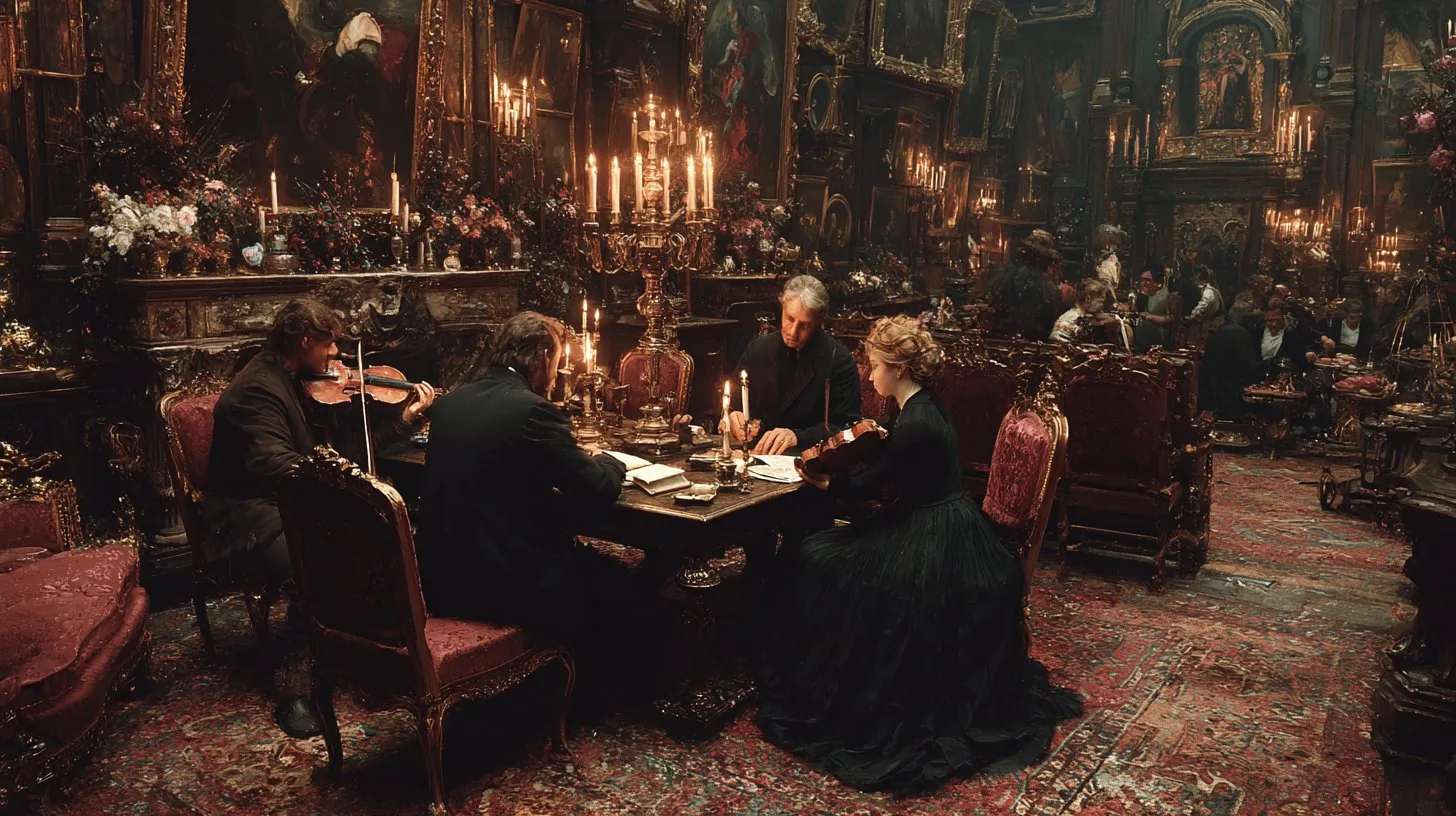 Клуб (интересы)Клуб гуманитарного искусстваЛюди, что прядут душу и историю
 Мотивация (стимульные группы)Группа стимула самоуваженияВ поисках внутренней ценности.
Все группы (ещё 25)
 Стиль коммуникацииИскренностьМедленно взращивать глубокую связь
 Модель поведенияВоодушевительДвигать людей накалом
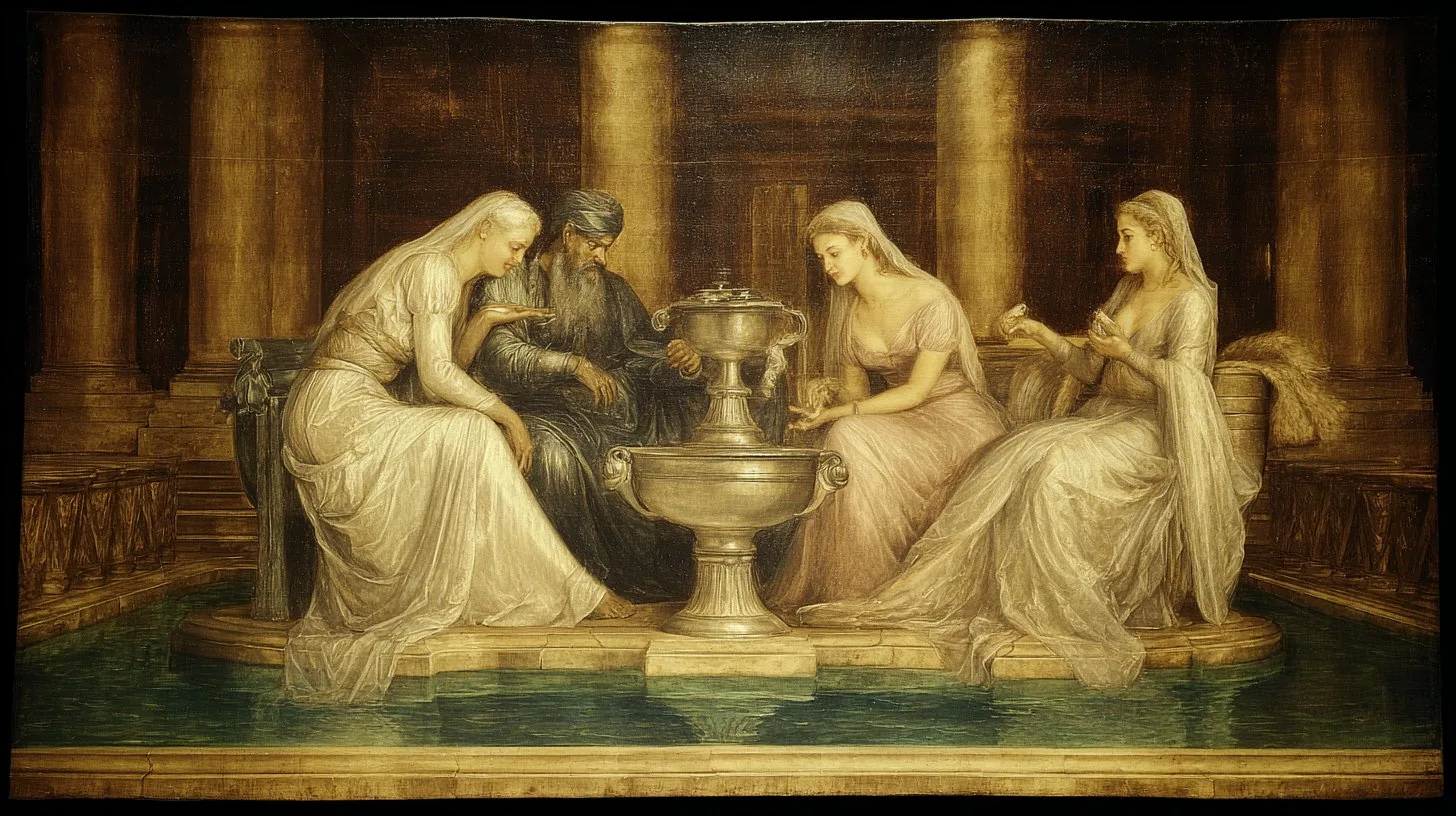 Стиль аргументацииДипломатСчитывать атмосферу и подстраивать
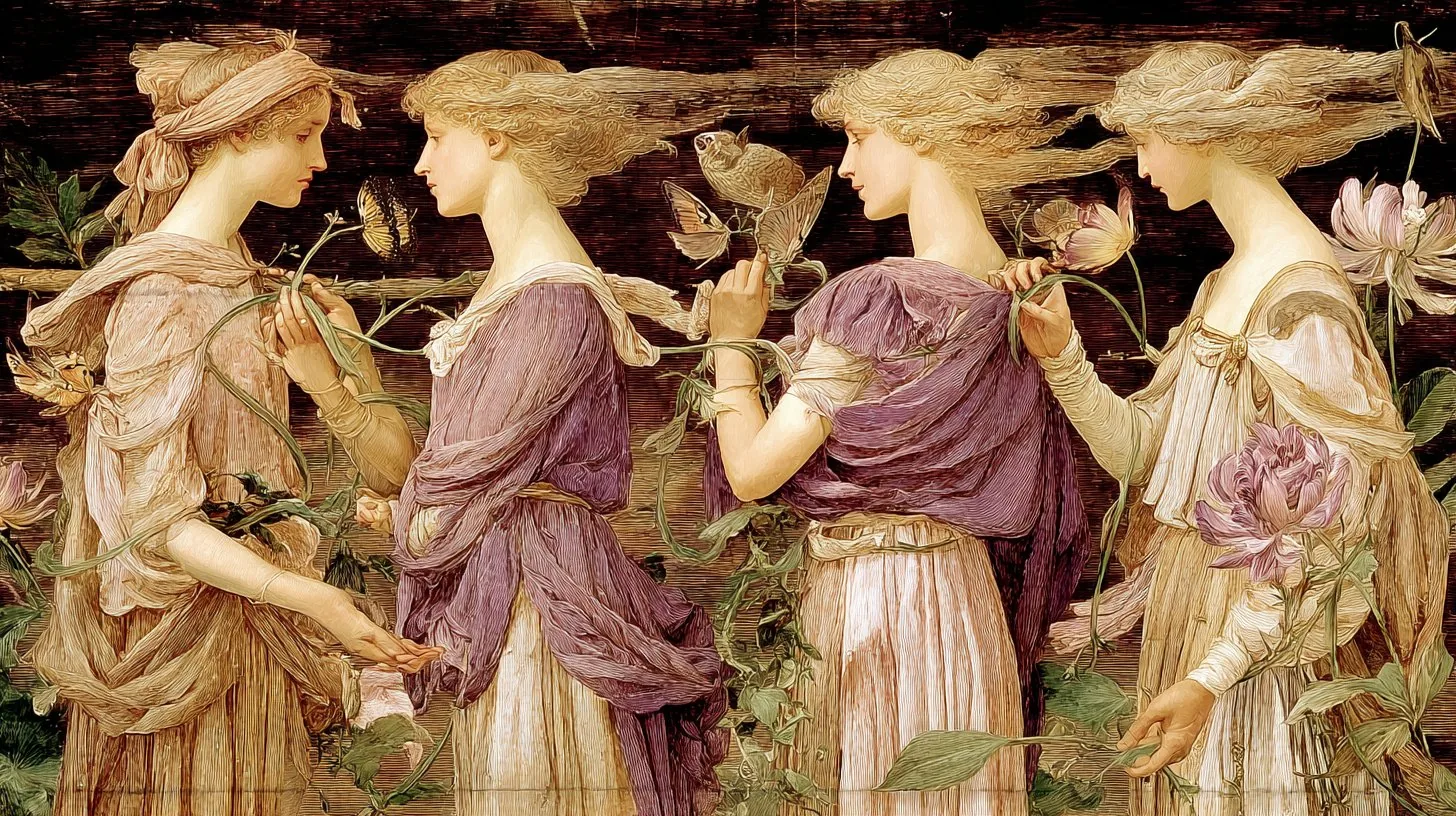 Группа восприятияАссоциативностьУлавливать мир сетью ассоциаций
 Когнитивный стильДиалектико-алгоритмическийРасщеплять и синтезировать противоречия
 Романтика (взгляд на любовь)ИроникЛегко подшучивать над тяжёлой судьбой
 СтрессоустойчивостьЗамираниеПрилипнуть и не выбраться
 Группа социализацииПрозорливецТрезво читать динамику отношений
 Кольцо инфляцииСумматор информацииКопить информацию и оставлять опыт
 Проектная группаИдейный процессИнтегрировать наблюдение в теорию.
 Группа воплощенияСоциальное закреплениеУкоренять обычаи в обществе
 Квадрат (отдых)СорвиголоваДерзкая бесстрашность
 Бизнес-квадрат (сотрудничество)БогемаСвободный человек
 Октада (надценностная группа)ГерольдВозвещать ценность и нести её миру
 Реактор (группа возбуждения)ДистилляцияОчищать возбуждение вовнутрь
 Мобилизация (мобилизация)ЭкстракцияГибко извлекать суть
 Кондиционирование (регулирующая группа)РазминкаСогревать и активировать эмоции
 ЛабиринтВавилонПрактика и провидение · ремесленник и герой
 Блок-группа (группа гашения)ШколаЗатевать реформы и передавать дальше
 Кольцо социального прогресса (SPR)АвангардКольцо реформ подводного течения
 Надзорное кольцо (SVR)ОракулГолос, рождённый из противоречия
 Кольцо общественного порядка (SOR)ВесталкаЖрец, хранящий священный огонь
 Кольцо преемственности (SR)РенессансВозвращение забытого
 Кольцо благодеяния (BR)РеликвияВозрождение реликвии
 Мастер-кольцо (MR)ОчагВозвращение к домашнему очагу
Открыть полное, любовное и деловое издания

- Чертёж психики (8 блоков)
- Шесть способов вернуть равновесие
- Гид по ситуациям (6 сценариев)
- Обоснование выбора знаменитостей

- Что нужно вашему сердцу / что вас волнует / болевые точки
- Узнаваемые сценарии любви
- Химия с каждым партнёром (32 типа)
- В семье и как родитель / практический плейбук

- Сильные стороны / работа, которой стоит избегать
- Стиль работы / управление
- Отрасли по шкале ◎○△ (23 отрасли)
- Подходящие роли

На $24.98 дешевле, чем покупать три издания по отдельности