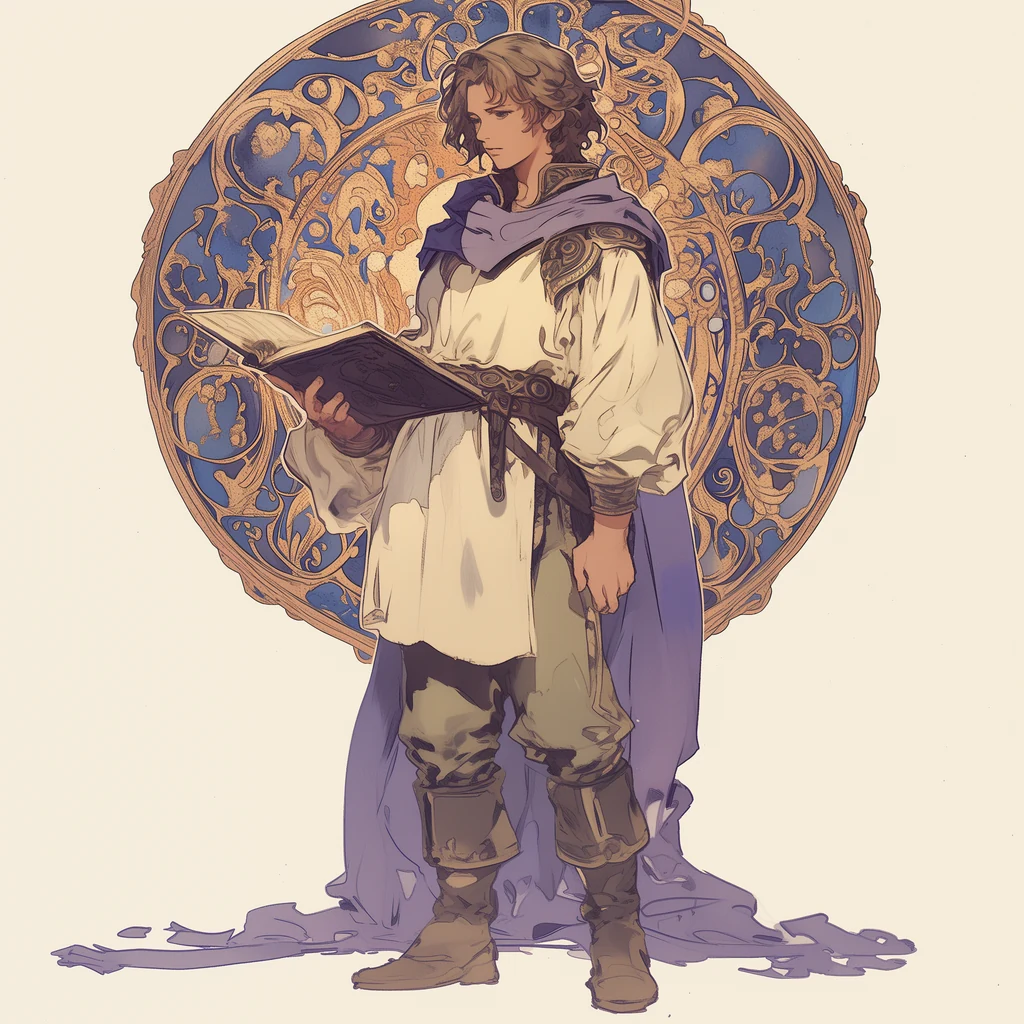
EII-Q – Philosopher –
One who, in the stillness, keeps questioning the meaning of the world
You are someone who, in the stillness, keeps questioning the meaning of people and the world.
With a conscience so delicate it wounds you, you try to believe in and protect the goodness in each person.
Coming on strong isn't your forte, yet on anything that touches your conscience, you quietly and stubbornly refuse to bend.
- Quadra
- Psi Ψ
- Bouquet
- Balanced-Stable temperament
- Club
- Humanitarian Arts
Portrait — the Philosopher

The Philosopher takes in what happens before them only after turning it into a question: "Is this right?" "What does it mean?" The folds of feeling that flow between people, the subtleties of a relationship, an atmosphere not yet put into words — they sense all of it at a glance, as a single map of the whole. And rather than declaring that map outward, they first carry it back inside themselves.
"Did that one remark hurt them?" "Was the way I engaged neither too much nor too little?" — quiet second-guessing and the finest inner adjustments run beneath this person's every day. If someone's expression clouds even slightly, they don't miss it, and gently try to correct course.
Imagination works just as much as questioning. From small differences they form a hypothesis — "perhaps this person is really like this" — and, choosing only what draws them, they quietly dig deeper. Their eye goes not to flashy possibilities but to the options that tend to be overlooked, to goodness that has not yet budded.
So the Philosopher does not judge people; they picture the self that person could become, and gently try to draw them toward it. To understand deeply, believe in the possibility, and watch over — that is this person's way of relating.
Coming on strong was never their forte. Raising their voice, shoving others aside, going for the win — such exercises of force wear this person down. On anything unimportant they will yield endlessly, yet on whatever touches their conscience alone they will not bend, quietly and stubbornly.
Within the Philosopher lies another rich world. The power to weave stories, to sense the omens of what is coming, to be quietly elated by beautiful things — this inner sea, which usually stays out of sight, lends depth and shadow to their thought. When someone they can trust takes on the reliable practical work and the daily caretaking beside them, this person can, with peace of mind, dive deep toward meaning.
Not judging, but believing in the self a person could become.
Does this sound like you?
- Before entering a room, you first take in who relates to whom, and how.
- You preface what you say with "perhaps" or "if I'm not mistaken."
- Even when someone says "I'm fine," you notice from their tone of voice that they really aren't.
- When you stand between two people at odds, you try to be fair to both.
- When someone pushes with strong words, you can't answer back and end up enduring it in silence.
- When someone confides in you, you listen to the very end without minding the time.
- You work on one thing carefully until you're satisfied.
- Beautiful things and sudden moments of emotion warm your heart, unseen by anyone.
- When everything is locked down with rules, you feel suffocated.
- Your own health and daily life keep getting put off.

How you move

The Philosopher's conduct shows in how they observe others without pushing forward — caring quietly for the harmony of the room and for each person's heart rather than stepping into the spotlight.
The Philosopher observes first. Before entering a room, they read who relates to whom and how, and where the relationships seem to be heading, and only then do they begin to speak. They almost never move to seize the initiative themselves.
Their bearing is gentle; they rarely show emotion intensely, answering instead with a smile. Not through flashy gestures or loud assertions but through stillness and composure, they are someone who hands a sense of ease to those around them.
In a group they choose silence over confrontation. Instead of asserting loudly, they slip in a small-voiced suggestion, stand between those who are quarreling, and meet both sides with sincerity. They don't take the front; they quietly attend to things from behind.
Observe first, rather than move first.
- Takes in how relationships stand before entering a room
- Rarely shows emotion intensely
- Slips in a quiet alternative rather than confronting
If you had someone you could leave real-life matters to, you could dive deep toward meaning with peace of mind.
How you speak and listen

In dialogue they listen deeply to what the other truly feels, and rather than pressing them, they return a question, waiting for that person to arrive at their own answer.
Their manner of speaking is reserved: they preface things with "perhaps" or "if I'm not mistaken," avoid asserting, and lay out several viewpoints side by side. Their voice drops a little, hesitant — yet they never miss the mark.
When they listen, they become deep, as if another person entirely. They pick up the slightest change of expression, a fray in the tone of voice, a gap between words and face, and resonate directly with the sway of the other's heart. That is why people come to this person when they are hurting, and pour out their hearts without minding the time.
They don't try to win an argument. Rather than talking the other down, they want to search out the truth together. So this person's dialogue does not hand over an answer; it quietly helps the other notice the feelings that lie deep within themselves.
Not asserting, but waiting for the other person to notice for themselves.
What lies at the core — drive and tender spots
The one eye at the heart that gazes on meaning and conscience
At the Philosopher's center are a conscience that deeply senses the goodness in each person (-Fi-p) and an imagination that pictures the self that person could become (+Ne-c).
"Is this right?" "What is truly good for this person?" — to that question, the Philosopher dives deep inside to search for an answer. Reading the other's heart from the faint sway of expression and voice, they finely adjust themselves so as to engage without wounding, in a form that is neither too much nor too little. Onto this is layered an imagination that, from small clues, forms the hypothesis "perhaps this person is really like this."
These two mesh into a quiet, sure gaze that "questions meaning, and believes in and protects the goodness in people." Their pride lies not in conspicuous achievements or in winning and losing, but in the modest fact that "that person is able to be who they are."
Not rightness, but the self a person could become.
What they can do, yet do not prize

The Philosopher also holds within them the power to inspire people, to raise a banner and set a room alight (+Fe-p).
When it comes to it, they have the power to move hearts with strong words, to turn righteous anger into energy and lead a crowd in one direction. But ordinarily they don't bring this to the fore. Raising ideals loudly and stirring people into motion is not this person's way — it is a quiet choice: they will use it if they must, but they place no value there. Rather than standing out front and taking command, they would rather draw close, gently, to each person's inner life.
What the heart secretly craves
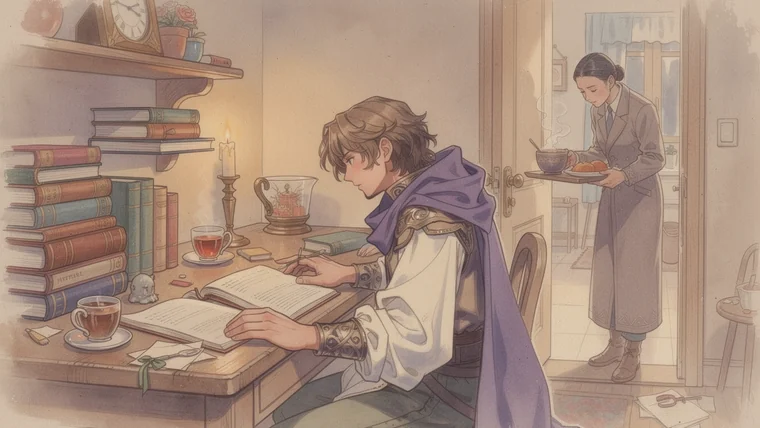
What they can hardly kindle on their own, and yet long for deeply, is dependable practical work and attentive care.
Though they are skilled at questioning meaning and reading people's hearts, they are, in truth, poor at setting up procedures, running things efficiently, and actually keeping daily life in order (-Te-p · +Si-c). That is exactly why, when someone who takes all that on lightly is beside them, they feel a heartfelt relief. When the ground of daily life is supported for them by sure handiwork and warm care, the Philosopher can, with peace of mind, dive deep toward meaning. The dual Executive (LSE-D) is precisely the partner who gives them this ground.
The most fragile place
Where they are most fragile is any scene that involves controlling people by force and locking everything down with rules.
Competing to win, making people obey on command, wresting away the initiative (-Se-p) — such pushes of force wear this person down and make them freeze up. Faced with unreasonableness, they can't answer back forcefully and end up enduring in silence. And standardizing everything without a single gap, binding it all in a perfect system (+Ti-c) suffocates them too. People each have their own particular circumstances, and rules alone cannot settle everything — because they feel this, the Philosopher's conscience cannot work well inside a cold system.

- Core: questioning meaning, and believing in and protecting the goodness in people
- What drives you: a place where you aren't rushed and can think quietly and deeply
- Where you're fragile: conflict by force, reliable practical work
Strengths, and where you stumble
Strengths — question, listen, and believe in the goodness of people
A dependable hand that takes charge of reality.
Where they tend to stumble

Where they tend to stumble is the flip side of that delicate conscience and that power to sink deep in thought.
The eye for possibilities others have overlooked is a great strength too. Goodness not yet budded, options no one notices, the meaning and structure lying deep within things — they scoop these up from small clues and, quietly and doggedly, dig them out. Not broad and shallow but deep, the concentration with which they master one thing produces, in thought and creation, a depth found nowhere else.
And then there is the rich inner world. A sensibility that weaves stories, feels the premonition of what is coming, and is gently moved by beautiful things lends their thought a distinctive depth and shadow. They seem gentle, as if avoiding conflict, yet within they hold a clear line, and at the decisive moment they quietly take their distance to protect themselves — deep beneath that unassuming bearing, an unshakable strength is alive.
Where they stumble is, first, in scenes of force. Faced with unreasonableness, they usually cannot answer back forcefully or press a demand through. Rather than voicing anger or discontent, they endure through silence and distance. Because of this, their kindness gets taken advantage of; unable to refuse a request, they tend to shoulder everything themselves. That said, only when a line is crossed — insincerity, or the trampling of a person's dignity — does what they usually hold back sometimes erupt as a quiet but fierce ethical anger.
They can also sink too far into detail. Pursuing one thing so carefully takes time, and they tire out before surveying the whole. Even knowing "what should be done," they overthink "what meaning does it have?" and "which choice sits best?", so that action is delayed and chances are missed. On top of that they are hard on their own achievements, prone to underrate them as "I could have done more," and they can be disappointed by the gap between high ideals and reality, sinking into dark forebodings.
And they tend to put themselves last. Turning their heart so fully to caring for others, they leave their own body, daily life, and rest behind. Out of the wish to "want to believe," they expect too much of people, and when that expectation is betrayed, they are deeply wounded and may close their heart. That is exactly why entrusting the dependable practical work to someone they can rely on, quietly choosing whom to pour their heart into, and treasuring their own comfort and rest as much as anyone else's becomes the support that lets this person hold their strength over the long run.
When someone you trust keeps real life running, you can dive deep toward meaning and conscience with peace of mind. That's where your room to grow lies.
- Leave practical work, with peace of mind, to someone who is good at it
- Say "no" not in silence, but in quiet words
- When you sink too far into detail, step back and view the whole again
Where you thrive
In a place where you aren't rushed and can think quietly and deeply.
Environments Where They Thrive
The Philosopher performs at their best in a harmonious, equal setting where they are not rushed and can think quietly and deeply. An environment where each person is respected as an individual, where meaning and depth are valued, and where there is little conflict — it is exactly there that this person's conscience and insight come freely alive. The more they are trusted to deepen things at their own pace, rather than bound by fine-grained rules of method, the more they give their all of their own accord.
Conversely, in places where winning and losing and shoving matches of force swirl about, in environments that constantly demand snap decisions and strong assertions, they wear out fast. An air of brandishing authority and titles, an atmosphere that settles everything by rules and efficiency, are cramped for this person too. High-handed coercion is especially counterproductive; the more they are given room to think quietly and a tangible sense that the subtleties of the heart are valued, the more vividly they move.
At the same time, they tend to turn their heart too much to caring for others and put their own needs last. Before they know it they are carrying things alone, and they may feel guilty about resting. That is exactly why having beside them someone who takes on the dependable practical work and supports the ground of daily life — someone who gently tells them "it's all right to lean on me" — becomes the support that lets them hold their strength over the long run.
The fields where they shine
They flourish richly in fields where the work is to engage deeply with people's hearts and support the self they could become. Counseling and psychological support, introspective and interpersonal care, humanitarian and welfare work, and small-group, dialogue-based education in the humanities — roles that quietly attend to each person, loosen the tautness of the heart, and foster inner growth are this person's true calling.
They are also most deeply suited to fields of writing, deepening thought, and questioning meaning — the pursuit of philosophy, ethics, and religion; literary criticism and the essay; work that sets down ideas; and quiet forms of expression such as photography, poetry, and symbolic art. Rather than staging things before a crowd, they give the essence of a matter words and form through solitary creation and the honing of thought. It is precisely in settings that call for digging down to the roots of people and meaning, over logic and efficiency, that this person's power comes most surely alive.
Dialogue — ask Jonas

One free dialogue · Le Salon members can explore several perspectives. Not a real person: a representative perspective based on the public profile.
Relationships and love
Can you deeply affirm the other's very existence?
How You Love — Quiet Affirmation
When the Philosopher loves someone, at its root lies <relational ethics>—a delicate sense of with whom, and how deeply in the heart, one is bound. For this person, love is the work of carefully reading the other’s inner world and quietly continuing to believe in that one person’s unique worth. Add <intuition of possibilities>, and even “the potential that might yet blossom” in the person before them becomes dear. Concretely, sensing in advance the feelings the other can’t yet put into words, and staying quietly beside them without interrogating—it is in such reserved closeness that the Philosopher’s love dwells. Rather than declaring love loudly, deeply affirming the other’s very existence is this person’s way of loving.
Compatibility — recommended partners
 Executive
 LSE-DSet it in order, get it moving, see it throughDualityThe deepest complement of all. With dependable practical work and daily care, they support the ground of your thought Enthusiast
 ESE-DThe cheerful flame that sets the world ablaze with feelingIllusionaryYou can share warmth and liveliness. They light a lamp in a heart that tends to sink Pioneer
 LIE-DCarving the way through results — the realist's frontierSemi-dualityYou are encouraged by their broad perspective. They carry the possibilities you've nurtured into reality Craftsman
 SLI-DThe artisan who sets the world in order in the palm of his handActivationThe tension leaves your shoulders. Gentle handiwork and consideration naturally well up energy in you Peacemaker
 SEI-DA bridge between sensation and compassionBenefactorYou receive comfort and calm. You can be at their side with peace of mind Strategist
 ILI-DThe contemplative Strategist who quietly reads ahead and lays the groundworkBeneficiaryYou take in their quiet insight. Their deep foresight stimulates your thought Advisor
 IEE-QOne who quietly draws near and listens to the heartMirrorA partner who sees the same thing from a different angle. Together you widen the possibilities Orchestrator
 SEE-QA natural orchestrator who reads the room and guides people toward reconciliationSupervisee (mirror)You can learn from a vigorous doer. You gain the strength to step out into the world Seeker
 ILE-QAn intellectual adventurer who unravels the worldSupervisor (mirror)A forerunner in inquiry. They hand you new questions and frameworksSee the other relationships (22 more types)
The upper bands are easier to be with; the lower bands tend to wear you down. Tap a relation name to read about the pair.
 Analyst
 LII-QFrom the quiet of the desk, reassembling the worldBusinessA partner you can easily work alongside, adapting to the situation together. Judge
Judge ESI-QThe quiet arbiter who discerns right from wrongKindredA partner whose conversation flows easily, someone who likes to express things in the same direction as you. It can wear you out once it turns competitive. Administrator
 LSE-QThe hands-on command post that keeps the field running and moves people and workDetachedA partner who's hard to feel drawn to, leading to a rather flat, low-key relationship. Empath
 EII-DSensing what lies beneath feeling, and becoming someone's quiet supportAdaptiveA partner you settle into by simply playing your roles, an easy, unremarkable relationship. Promoter
 IEE-DMoving the world through fascination — an evangelist of ideasCodependencyA partner who wears you down little by little, caught in a cycle of bottling things up and overcompensating. The Artist
 SLI-QGiving form to the “just-rightness” of nature and daily lifeRelaxationA partner who puts you at ease, though you tend to end up waiting on them with quiet expectation. Reformer
 SLE-QAn executor who breaks through by force and rewrites conventionCorrectionA partner whose feedback becomes a chance to take stock of yourself. Prophet
 IEI-DAn eye that gazes upon a destiny no one has yet noticedTranscendenceA partner who makes you want to surpass yourself when you're together, pushing each other to grow. Hero
Hero EIE-DIt is this conviction that changes the worldCompassA partner who gives you a sense of being accepted, along with a hint of which direction to move in. Inspector
 LSI-QThe logician who strips away pretense and sees through to the truthIdealA partner who naturally embodies what you aspire to be, easy to admire. Getting too close tires you out. Commander
 LIE-QBuild, prepare, hold the line — the command center of orderDistrustA partner you can't quite bring yourself to trust, which makes it hard to show your own strength. Guardian
 ESI-DA silent shield that protects people, with rightness at its backDutyA partner who leaves you understanding what to do yet unable to act on it, while your need to be recognized grows stronger.
SEE-DA born leader who reads hearts and rallies the currentPlayerA partner around whom you constantly feel watched, prone to leaving you burned out. Critic
 ILI-QThe insightful Critic who sees through contradictions in the depths of silenceTense BeneficiaryA partner who leaves you worrying and overthinking, prone to closing your heart off. Harmonizer
 ESE-QTheir smile and their voice soften the space around themTediumA partner who leaves you feeling sluggish, prone to putting things off and keeping your distance. The Architect
 LII-DThe architecture of logic, quietly built up piece by pieceFormalA relationship where formality and appearances pile up, and it's hard to ever fully relax. Visionary
 ILE-DThe architect of ideas who reinvents the world through paradox and theorySupervisorA relationship where you tend to unsettle the other person without ever realizing it. Performer
 SEI-QA gentle conveyor who gives form to sensation and feelingTense BenefactorA partner around whom you tend to try too hard, unable to shake off the tension. Mentor
 EIE-QA passionate standard-bearer who speaks of ideals and binds hearts togetherDistanceA partner who makes you want to keep your distance and close your heart off. Enforcer
 LSI-DThe steel operator who carries out the mission through discipline and responsibilityRoleA relationship where "you should" comes first, making it hard to just be yourself. Conqueror
 SLE-DA dependable field general who only burns brighter the harder things getConflictThe partner most likely to strike your weakest point, the one relationship that drains you the most. Dreamer
 IEI-QA teller of fantasies who colors the world with dreams and passionQuasi-IdentityA partner who looks similar to you yet never quite clicks, leaving you spinning your wheels and worn out.Compatibility is not decided by type alone; maturity, subtype and circumstances all change it.
With someone you are connected to, you can read a personal Relationship Reading drawn from both of your answers ($8.99 per pair, unlimited for Le Salon members).
See compatibility with your connections →Explore Le Salon →
What You Truly Long For
What this person, living in the world of contemplation, secretly craves deep down is a down-to-earth, dependable grip on reality. Though the Philosopher excels at questioning meaning and essence, before a practical judgment like "how do we actually run this?" they often freeze…
In the Love Edition: What your heart longs for / What excites you / Where you clash and your landmines / Classic love scenarios / Chemistry by partner, all 32 types named / At home and as a parent / A practical playbook / Secrets to lasting love / A manual for your partner
Work and ways of working

Your Working Style — Trust-and-Care Builder
You naturally excel in two main ways: staying close to each person and building trust, and coming up with one new idea or possibility after another.
Your interest gravitates toward themes like ideals, art, and the human heart, and you stay calm and unshaken, keeping a steady pace. Your motivation switch is being recognized and recovering your confidence.
Your habit of thought is to layer many viewpoints to grasp the whole picture. When you act, you move by valuing relationships and trust with people.
The power to read hearts deeply, and ideas that keep welling up.
- When you start looking into something, decide first by when and what you'll examine
- Put decisions out as hypotheses, and fix them as you go
- Offer objections gently, as an added perspective

Careers That Fit
Your power to write, deepen thought, and question meaning seeps straight into the work.
Your power to read the subtleties of the human heart deeply comes alive in designs that stay close to users' feelings.
Your stance of believing in and supporting the goodness in each person comes straight into play in work that faces people.
Your Strengths, and Work Better Avoided
Your weapon is the multiplication of a caring depth that reads the subtleties of the human heart by the hypotheses and ideas that well up from it one after another. Choose a post where "understanding people × ideation" becomes value — user research, UX design, the early conception of a plan — and…
In the Business Edition: Natural strengths / work better avoided, Stress tolerance and socialization group, Work style, Motivation and recharging, How to work with and manage this person, Compatibility and team-building, Industry fit ◎○△ across 23 industries with rationale, Suitable roles
Blueprint of the mind
Your mind runs on eight blocks. Each block carries two functions — how you take in the world, and how you express yourself — and together they set both the range you're skilled in and how much you actually value using it. We've kept the technical notation small and explained everything in plain language.
Sense deeply, and picture the self a person could become.
Leading Your centerI Care
-Fi-pCompassion & DiscretionRelational ethics+Ne-cHypothesis & ImaginationIntuition of possibilitiesYou first sense, in the finest detail, the subtleties of feeling that flow between people. The slightest clouding of an expression, a gap between words and true feeling — you pick these up almost unconsciously.
Onto this is layered an imagination that, from small clues, forms an image: "perhaps this person is really like this."
The goodness of the one person before you, and the self they are meant to become, come into view quietly but vividly. This is the power at your center.
Mirror — Picked up by watching
At the entry point sits an associative power that spreads possibility …
In the Full Portrait: all 8 blocks of the blueprint / 6 ways back / situational guide / the reasoning behind the exemplars
Going deeper — ways back and situational guide
On the flip side of that same core, these are the situations where you tend to stumble. After that, six ways to get back on your feet.
Even faced with unreasonableness, you usually can't answer back forcefully or press a demand through. Rather than voicing anger or discontent, you endure through silence and distance.
Pursuing one thing so carefully takes time, and you tire out before surveying the whole. Sometimes you overthink and your action is delayed.
Turning your heart so fully to caring for others, you leave your own body, daily life, and rest behind.
Someone who takes charge of reality lets you feel at ease.
Way to Recover 1 — Entrust Reliable Practical Work to Someone Dependable
Organizing logistics and running things efficiently is a domain you were never good at. Rather than trying to shoulder everything yourself, by entrusting it with peace of mind to someone who excels at it…
In the Full Portrait: 6 ways back / situational guide (home, work, friends, under stress, shopping, days off)
People thought to share this type
They questioned the meaning of the world in stillness, believed in the goodness of people with a conscience so delicate it wounded them, and spun it into words — these are people thought to be Philosophers (EII-Q), resonating as "those who question, listen, and write." Different fields, different eras, yet all of them kept turning a deep gaze toward each person's inner life and the meaning deep within things.
 Germany · PhilosopherFriedrich NietzscheWrote "God is dead" and questioned the roots of value anew. In solitude, he kept his gaze fixed on the heights a human being could reach
 France · PhilosopherSimone WeilShe placed herself in factories and on battlefields, drawing close to the souls of the afflicted. A thinker who lived her conscience to the full
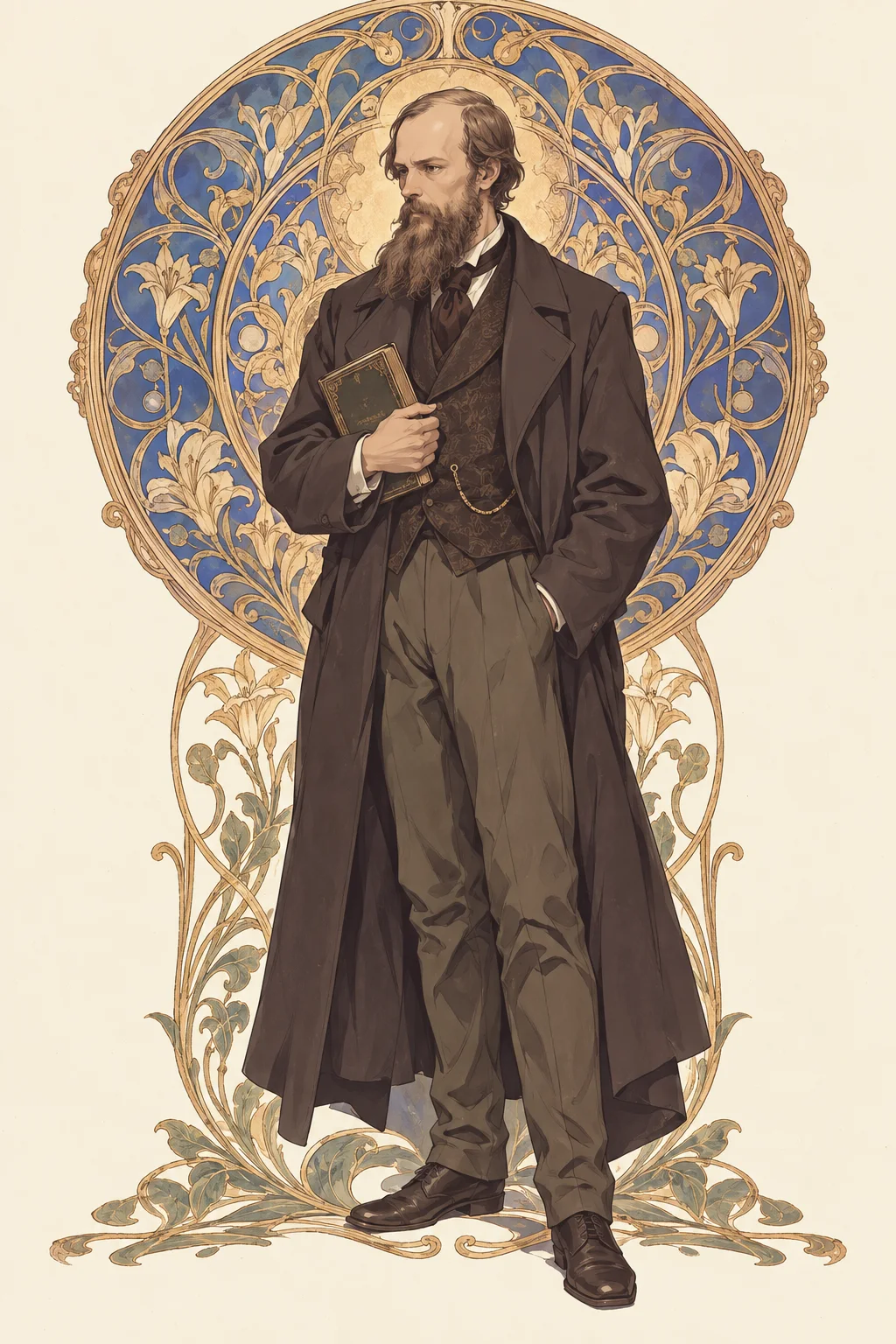 Russia · WriterFyodor DostoevskyHe depicted crime and forgiveness, the space between good and evil, by descending into the deepest interior of his characters
 Germany/USA · Political PhilosopherHannah ArendtShe saw through the banality of evil and quietly kept questioning the danger of people ceasing to think
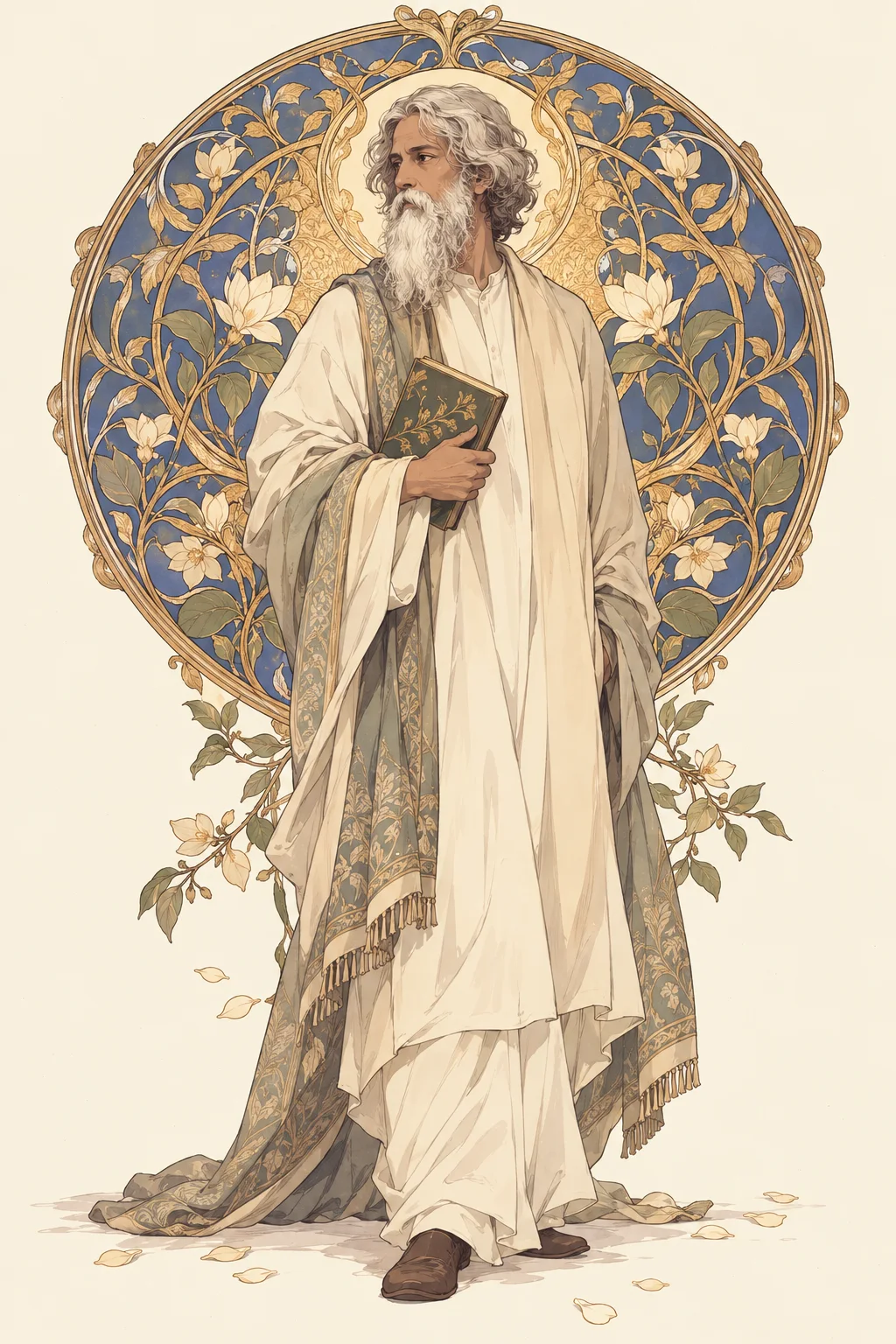 India · Poet/PhilosopherRabindranath TagoreA poet-sage who sang the melody of nature and the soul, and believed in the inner goodness and universality of humankind
 Germany/Switzerland · WriterHermann HesseIn Siddhartha and Demian, he portrayed the soul's pilgrimage inward toward the self
 France · Writer/PhilosopherAlbert CamusIn an absurd world, he never let go of human dignity and integrity
 Germany/Netherlands · WriterAnne FrankA girl who kept believing in people amid the extreme, quietly setting down the depths of her heart
 United Kingdom · Writer/JournalistGeorge OrwellHe saw through the deceptions of totalitarianism and kept writing the truth in obedience to his conscience
 Austria · PoetRainer Maria RilkeIn solitude and introspection, he sublimated the ineffable subtleties of the soul into poetry
Type attributions are informed speculation based on public information, not confirmed fact.
Map of group memberships
The Philosopher is one of 32 types, and also belongs to several groups of kindred natures. Here are the four main ones first — open a card to step into its own gallery room.
 Quadra (Values)Psi Quadra (Ψ)Civil Society
 Bouquet (Temperament)Balanced-Stable temperamentKeeping a quiet equilibrium, supporting from within
 Club (Interest)Humanitarian Arts ClubSeekers of people and meaning
 Motivation (Stimulus Group)Self-Esteem stimulus groupSeeking the fulfillment of their own worth and conscience
See all groupings (25 more)
 Communication StyleSincereRelating wholeheartedly and directly
 Behavioral StyleHarmonizerOrdering relationships through trust
 Argumentation StyleGuardianBuilding arguments along a line that protects people
 Perception GroupReductionismBreaking down into prototypes and reconstructing through concepts
 Cognitive StyleHolographic-PanoramicTaking in the whole at a glance, contemplating meaning
 Romance (View of Love)WandererHeart racing at the mysteries of the unknown
 Stress ToleranceTrainedTurning blows into nourishment while keeping one’s frame
 Socialization GroupDiscernerReading the dynamics of relationships with cool detachment
 Inflation RingInformation GeneratorVerifying results and weaving them into information
 Project GroupGeneral ResultGrasping the broad outline and growing it
 Implementation GroupIdeal IntroductionShaking up daily life with ideals
 Square (Rest)GuildsmanThe artisan folk
 Business Square (Collaboration)EdenA paradise of hospitality
 Octad (Cross-Value Group)JudgeVerifying and polishing results
 Reactor (Excitation Group)DistillRefining excitation inward
 MobilizationExtractionFlexibly drawing out the essence
 Conditioning (Adjustment Group)CalibrationCalibrating to a standard and setting things in order
 LabyrinthThebesSteel authority and an introspective conscience
 Block Group (Extinguishing Group)CreedRaising a principle high and setting it as discipline
 Social Progress Ring (SPR)ReflectionThe ring of moonlit contemplation
 Supervision Ring (SVR)TheoriaA vantage that sees the whole at once
 Social Order Ring (SOR)DianaThe critic who becomes a mirror
 Succession Ring (SR)HeritageThe people’s gradual succession
 Benefit Ring (BR)LoreThe people's private wisdom
 Master Ring (MR)AtelierThe creation of the individual workshop
Open the full, love and business editions

- The blueprint of your mind (8 blocks)
- Six ways to recover from stumbles
- A situation-by-situation guide (6 situations)
- The reasoning behind the celebrity picks

- What your heart longs for / What excites you / Your landmines
- Classic love scenarios
- Chemistry by partner (all 32 types)
- At home and as a parent / A practical playbook

- Natural strengths / Work better avoided
- Work style / Management
- Industry fit ◎○△ (23 industries)
- Suitable roles

Save $24.98 compared with buying the three separately