01 · OBSERVE
마음이 움직이기 쉬운 순간
- 이해되지 않던 것이 마음속에서 납득됐을 때
- 과거의 경험과 앞으로의 일이 이어져 보였을 때
- 혼자 조용히 생각하며 자신만의 의미를 찾았을 때
02 · DO NOT REDUCE
이 명칭이 뜻하지 않는 것
자신감의 강약이나 사회 적응도를 뜻하는 이름이 아닙니다. 내적 정합성과 의미가 동기가 되는 방식을 가리키는 이론적 명칭입니다.
03 · DIALOGUE
스스로 돌아보는 질문
- 최근 여러 번 생각하게 되는 것이 있습니까?
- 언제 “이것은 나에게 잘 맞는다”고 느낍니까?
- 내면의 중요한 것을 누군가에게 이해받고 싶을 때 어떻게 전합니까?
04 · TYPE PORTRAITS
이 관점을 공유하는 타입
이론적 배경과 연구상의 정리 읽기
아래 내용은 자극군 이론의 계보와 원전 표현을 검토하기 위한 이론 노트입니다. 시대와 연구자에 따른 강한 표현이 포함되어 있지만 협회의 현재 인물 평가나 단정이 아닙니다. 개인을 이해할 때는 위의 주의 사항과 본인과의 대화를 우선해 주세요.
집단의 본질
자존심 자극군은 직관(N) × 내향(I)을 가진 8 유형(ILI-D・ILI-Q・IEI-D・IEI-Q・LII-D・LII-Q・EII-D・EII-Q)으로 구성됩니다. 이 유형들은 개인적 호기심・대상이나 방법에 대한 깊은 내적 관심・자신이 몰두하는 문제에 대한 긍정적인 주관적 평가에 의해 구동됩니다. 굴렌코는 「외계나 사회에 대한 관여의 약함, 내성적 경향, 정신적 발언력의 발달」로 특징지었습니다. 「인생의 투쟁에 충분히 적응하지 못하고 자존심의 힘이 낮은 직관 × 내향 유형은 아래로 굴러간다」고도 적었지만, 이는 사회적 경쟁의 측면이며 내적 세계에서는 독자적인 깊이와 지적 엄밀성을 갖습니다.
자극군의 특징
내성・지적 엄밀성・주관적 가치 판단・현실에 대한 관여의 약함・정신적 발언력.
강점
깊은 사고・내적 가치 판단・지적 엄밀성・독립된 정신성・장기적 시야.
과제
우울 경향・무관심・무위・끈기의 결여・낮은 자존심・외적 세계에 대한 적의감.
지각 기능과 동기
| 속성 | 내용 |
|---|---|
| 자극군명 | 자존심 자극군 / Self-Confidence Stimulus Group |
| 공유하는 지각 기능 | 직관(N) × 내향(I) |
| 주요 동기 | 내적 흥미・주관적 가치 판단을 추구 |
| 고전적 위치 | 직관 × 내향 유형 전반 ─ 개인적 호기심・대상이나 방법에 대한 깊은 내적 관심・문제에 대한 긍정적 주관 평가 |
보완하는 자극군(쌍대 관계)
쌍대 관계(가장 자연스러운 상보 관계)를 성립시키는 자극군:
Status Stimulus Group
NI↔SE ─ 지각 기능의 극이 완전히 반전되는 보완 쌍. 8 쌍 모두가 쌍대 관계.
8 유형의 3축 구조
이 자극군에는 8 유형이 속합니다. 이 8 유형은 3개의 축(명랑/진지축・민주/귀족축・Q/D축)에 의해 입방체의 꼭짓점으로 배치됩니다.
구조 입방체 ─ 유형 배치
각 유형이 3축에서 어디에 위치하는지를 나타냅니다. 명랑 측이 왼쪽 절반, 진지 측이 오른쪽 절반.
궁합 입방체 ─ 모델 K 관계 맵
입방체의 각 변・면대각・입방체대각이 모델 K의 서로 다른 관계에 대응합니다. 이 구조는 4 자극군 모두에 공통입니다.
※ 각 축의 변에는 2종류의 관계가 혼재(양방향의 비대칭 관계를 갖는 쌍 그룹). 입방체대각은 3축 모두가 반대인 유형끼리이며, 형식 관계 또는 의무 관계가 됩니다.
면의 대각선(2축 다름)의 관계
입방체의 면대각(2축이 다른 유형끼리)은 대칭적인 관계를 가지며, 모두 단일 관계 종별로 통일됩니다:
- 명랑/진지축을 고정하고 2축 다름 → 적응 관계(동일 쿼드라 기질, Q/D와 민주/귀족이 다름)
- 민주/귀족축을 고정하고 2축 다름 → 자기 초월 관계(명랑/진지와 Q/D가 다름)
- Q/D축을 고정하고 2축 다름 → 유사 동일 관계(동일 Q/D 서브타입, 명랑/진지와 민주/귀족이 다름)
8 유형 간의 관계 매트릭스
소속 8 유형 간 모델 K 관계를 일람 표시합니다. 색은 관계의 종류를 나타냅니다.
각 셀을 클릭하면 관계 상세 페이지로 이동합니다.
소속된 8 유형
| 유형 | 한국어명 | 명랑/진지 | 민주/귀족 | Q/D | 쿼드라 | 클럽 |
|---|---|---|---|---|---|---|
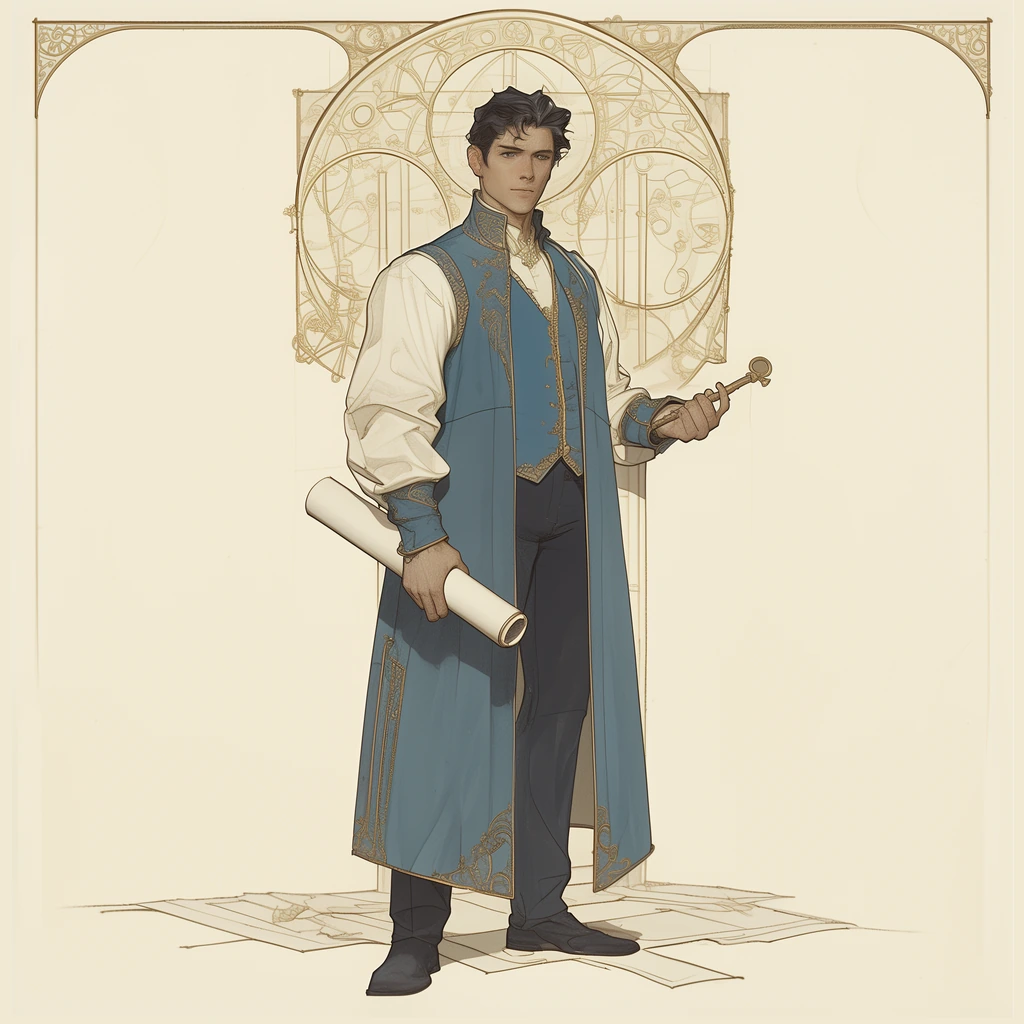
| ILI-D | 전략가 | 진지 | 민주주의 | D형(선언) | γ 감마 | 연구 |
| ILI-Q | 비평가 | 진지 | 귀족주의 | Q형(질문) | Ω 오메가 | 연구 |
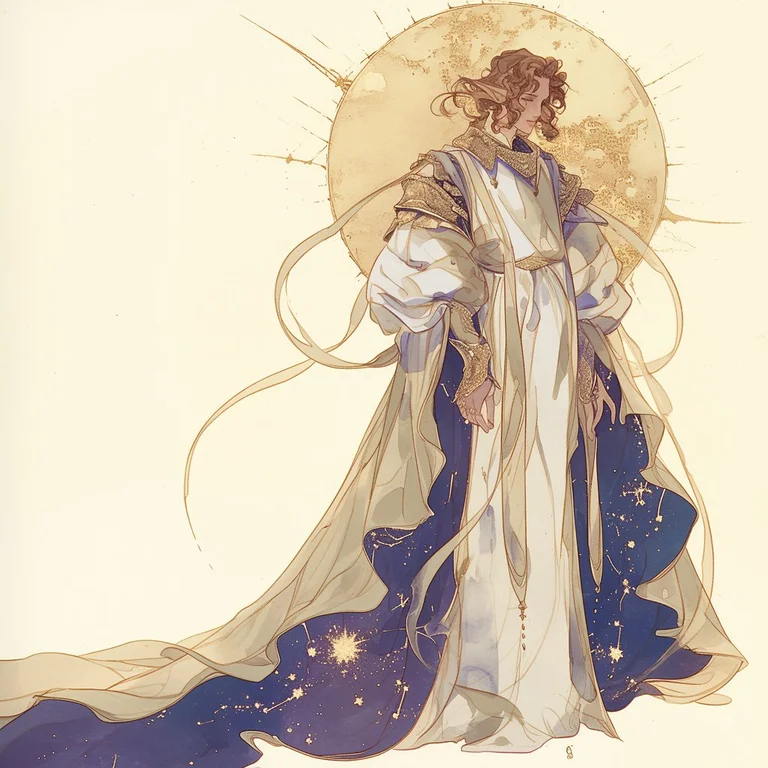
| IEI-D | 예언자 | 명랑 | 민주주의 | D형(선언) | Φ 피 | 인문예술 |
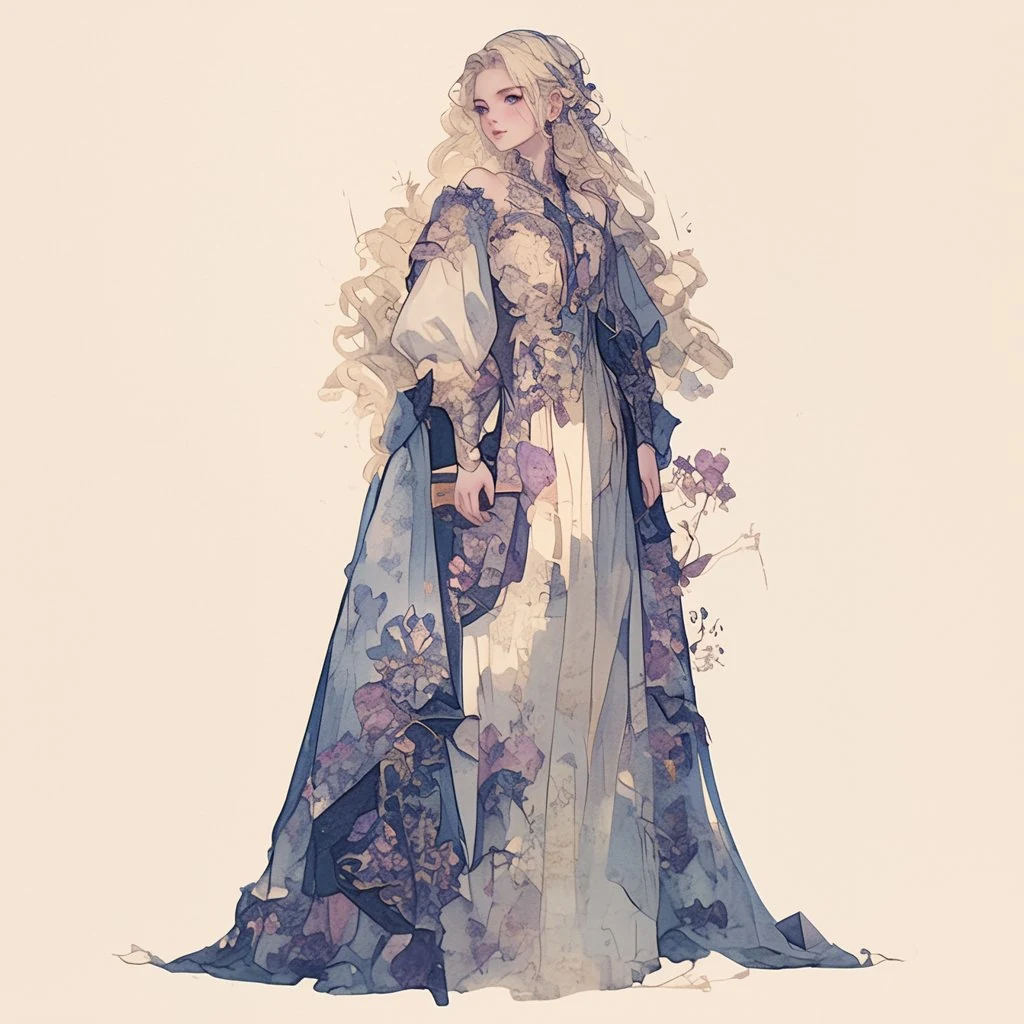
| IEI-Q | 몽상가 | 명랑 | 귀족주의 | Q형(질문) | β 베타 | 인문예술 |
| LII-D | 설계자 | 명랑 | 귀족주의 | D형(선언) | Χ 카이 | 연구 |
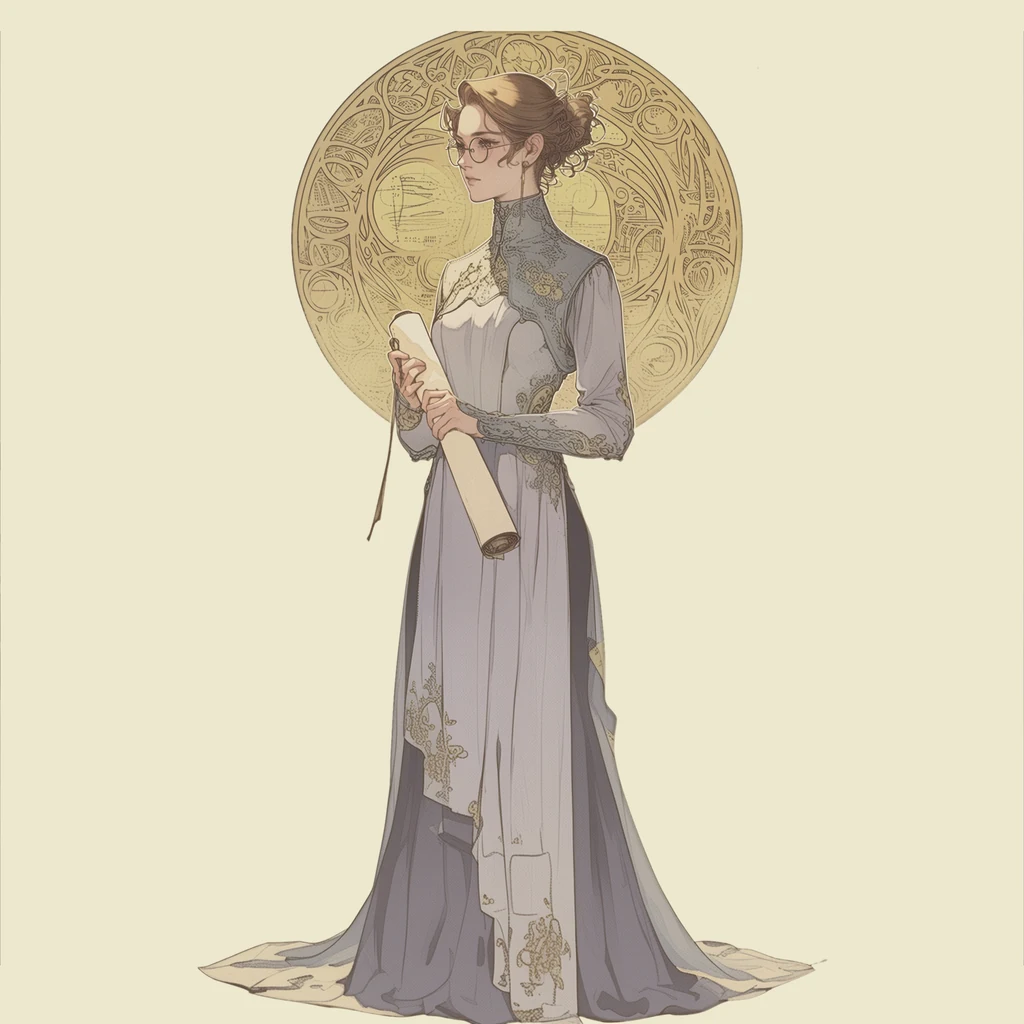
| LII-Q | 분석가 | 명랑 | 민주주의 | Q형(질문) | α 알파 | 연구 |
| EII-D | 공감가 | 진지 | 귀족주의 | D형(선언) | δ 델타 | 인문예술 |
| EII-Q | 철학자 | 진지 | 민주주의 | Q형(질문) | Ψ 프시 | 인문예술 |
내부 관계의 특징
자극군은 쌍대 관계를 포함하지 않는 집단입니다. 소속 8 유형 간의 관계는 3축(명랑/진지 × 민주/귀족 × Q/D)에 의한 입방체 구조로 배치되며, 각 변・면대각・입방체대각이 각각 특정 모델 K 관계에 대응합니다. 구체적으로는 적응・자기 초월・유사 동일・비즈니스・친족・수익・은혜・긴장 수익・긴장 은혜・형식・의무 등의 관계로 구성되며, 가치관의 일치나 깊은 심리적 보완은 전제되지 않습니다. 그렇기 때문에 자극군은:
- 공통 주제에서의 토론과 활동에는 매우 활발하고 생산적
- 장기적인 친밀 관계나 생활 공유에는 적합하지 않으며 자연스럽게 쿼드라 동료끼리로 갈라짐
- 전문성・직업적 정체성의 형성에 강하게 기여
입방체 내 28 쌍의 쾌적도 분포(모델 K 「통상 쾌적도」 값):
- 쾌적도 75(최고, 8 쌍): 비즈니스 관계・친족 관계(X축 변), 수익 관계・은혜 관계(Z축 변) ── 자극군 내에서 가장 쾌적하게 협조할 수 있는 관계. 동일한 명랑/진지축 또는 동일한 민주/귀족축을 공유하면서 실무적・보완적 역할 분담이 성립.
- 쾌적도 50(중, 8 쌍): 적응 관계(X 고정 면대각)・자기 초월 관계(Y 고정 면대각) ── 동일한 명랑/진지축 또는 동일한 민주/귀족축을 공유하지만 다른 2축이 반전되는 중간 수준의 관계.
- 쾌적도 25(8 쌍): 긴장 수익 관계・긴장 은혜 관계(Y축 변), 형식 관계・의무 관계(입방체대각) ── 민주/귀족의 벽 또는 3축 전 반전에 의한 긴장을 포함하는 관계.
- 쾌적도 0(최저, 4 쌍): 유사 동일 관계(Z 고정 면대각) ── 동일한 Q/D 서브타입끼리이며 명랑/진지와 민주/귀족이 모두 반전되는 가장 어려운 쌍.
이 자극군에서 다른 자극군으로의 관계
자극군 간의 관계는 서로의 동기 조합에 기반합니다. 동일한 지각 기능을 공유하면서 외향/내향이 반대인 조합이 쌍대 관계(가장 보완적)가 됩니다.
| 다른 자극군 | 자존심 자극군과의 관계 |
|---|---|
| 스테이터스(SE) | 모든 쌍이 쌍대 관계(8 쌍)를 포함하는 가장 보완적인 자극군 쌍. 직관(N) × 내향(I)과 감각(S) × 외향(E)이 지각 기능의 방향성에서 완전한 상보를 이룸. 충돌 관계 8 쌍・수정 관계 8 쌍・정관 관계 8 쌍도 포함하여, 가장 깊고 강한 관계성이 밀집. |
| 안녕(SI) | 동일한 내향성을 공유하지만 지각 기능(직관↔감각)이 반대. 이완 관계 8 쌍・활성화 관계 8 쌍・이상 관계 8 쌍・역할 관계 8 쌍 등이 핵심이며, 쌍대 관계는 0 쌍. 조용한 세계를 공유하면서 관념 중시와 현실 중시로 관심 영역이 다른 활성화계. |
| 독자성(NE) | 직관 기능(NI/NE)을 공유하면서 외향성이 반대. 거울 관계 8 쌍・나침반 관계 8 쌍・공의존 관계 8 쌍・거리 관계 8 쌍 등이 핵심이며, 쌍대 관계는 0 쌍. 본질 통찰과 가능성 개척이 대칭을 이루는 관계성. |
| 자존심(NI) | 동일한 직관(N) × 내향(I)을 공유하는 동료. 내성적 경향과 지적 엄밀성이 공명하지만 행동으로의 진입이 약해짐. 입방체 내에서 쾌적도 75・50・25・0의 구조로 관계가 분포. |
소속 타입 일람
각 타입을 클릭하면 상세 페이지로 이동합니다.