IEI-Q「공상작가」
꿈과 열정으로 세상을 물들이는, 환상의 이야기꾼
당신은 감지한 것을 이야기로 바꾸어, 감동으로 사람을 잇는 사람입니다.
아름다운 것, 마음을 움직이는 것에 강하게 끌리고, 자리의 분위기를 민감하게 읽습니다.
마음을 준 상대에게는, 감정을 아낌없이 쏟습니다.
개요 ── 공상작가라는 사람
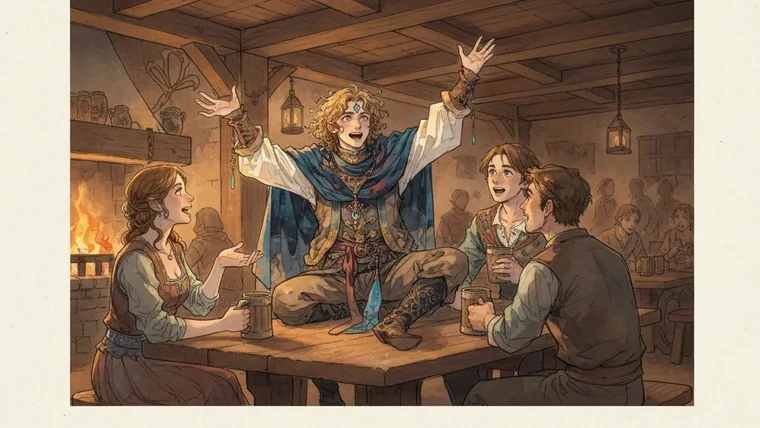
표정이 생기 있게 움직이고, 곁에 있는 것만으로 분위기가 환하게 밝아지는 ── 공상작가는 감정과 이미지로 세상을 물들이는 사람입니다. 눈앞의 일 그 자체보다, 그 안쪽에 흐르는 공기나 앞으로 향할 곳의 기색을 예리하게 감지하고, 그것을 이야기나 말, 목소리나 표정에 실어 생생하게 내놓습니다. 현실을 넘어선 꿈과 로맨스를 사랑하고, 형형색색의 착상이 잇따라 솟아오르는, 타고난 이야기꾼입니다.
향하는 곳은 효율이나 승패가 아니라, 의미와 정서입니다. 아름다운 것·마음을 움직이는 것에 강하게 끌리고, 자리의 분위기를 민감하게 읽어, 가라앉은 분위기를 보면 밝게 하려 합니다. 몸짓과 목소리를 다루며 마치 무대 위처럼 이야기하여 사람을 끌어들이고 ── 그리고 '분명 괜찮아' '아직 가능성은 있어'라며 희망을 감정에 실어 내놓고, 부드럽게 자리를 아우릅니다. 풍부한 상상력은 때로 불안으로도 흔들리지만, 그것을 창작이나 표현으로 승화해 가는 것도 이 사람다움입니다.
그리고 마음을 준 상대에게는, 감정을 아낌없이 쏟습니다. 사람 마음의 미묘함에 민감하여, 다가가고 격려하며 그 사람의 세계를 물들이는 공감의 사람. 사랑도 우정도 '이야기'처럼 키우고 싶어 하는 사람으로, 함께 감동하고 때로 눈물짓는 시간을 무엇보다 소중히 여깁니다. 원하는 것은 자신의 감수성을 있는 그대로 받아 주는 안심 ── 그것이 채워지는 곳에서, 공상작가는 가장 빛납니다.
효율보다, 의미와 정서.
이런 적, 있지 않나요
- 사람들 앞에서는 화려하게 행동하고, 가까운 사람 앞에서는 감정이 단숨에 넘쳐흐릅니다.
- 이야기가 '그런데 말이야…' 하고, 잇따라 흥미가 향하는 쪽으로 튀어 갑니다.
- 감정이 고조되면, 무심코 큰 약속을 해 버립니다.
- 가라앉은 분위기를 알아채면, 살며시 밝게 하려고 움직이게 됩니다.
- 영화나 음악으로, 사람들과 함께 울고 웃는 것을 좋아합니다.
- 차가운 정론보다, 통째로 받아 주는 말에 안심합니다.
- 정해진 순서보다, 그 자리의 흐름에 맞추어 움직이는 편이 능숙합니다.
- 시간 관리나 마감을 깜빡 잊어버릴 때가 있습니다.
- 비판적인 말에, 생각보다 과민하게 반응해 버립니다.
- 중요한 순간에는, 의외의 실행력으로 일을 해냅니다.
행동
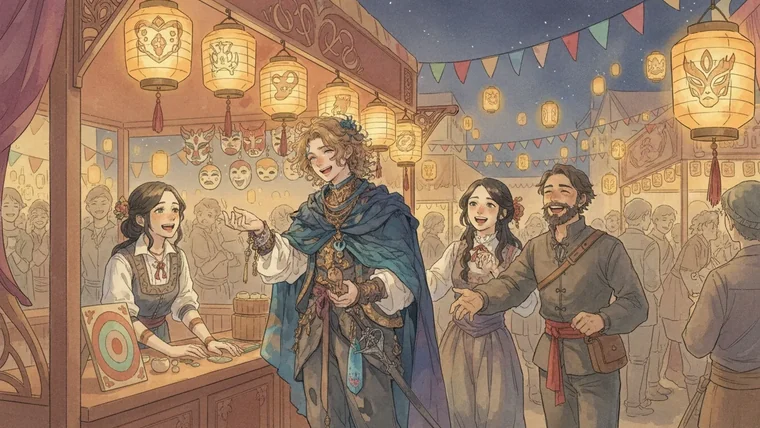
공상작가의 행동에는, 화려한 연출성과, 넘쳐흐르는 감정의 진폭이 있습니다.
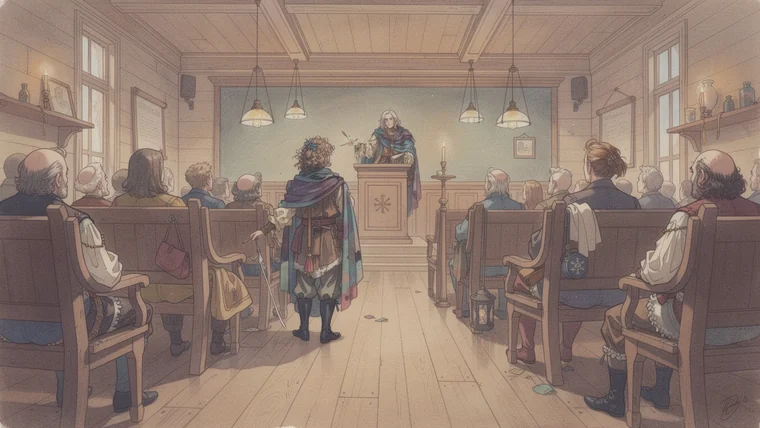
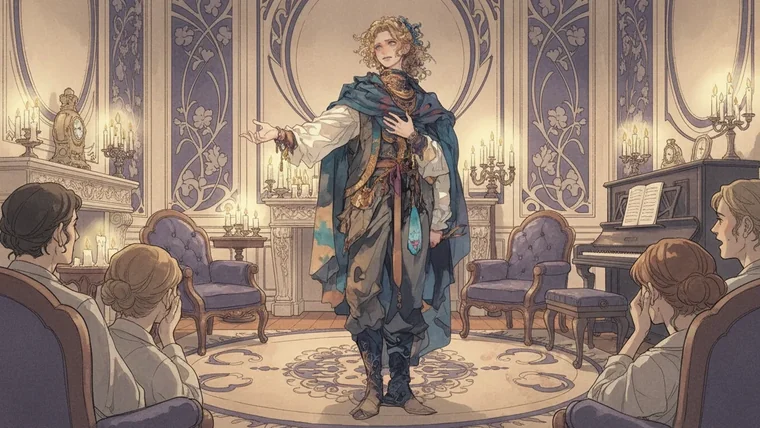
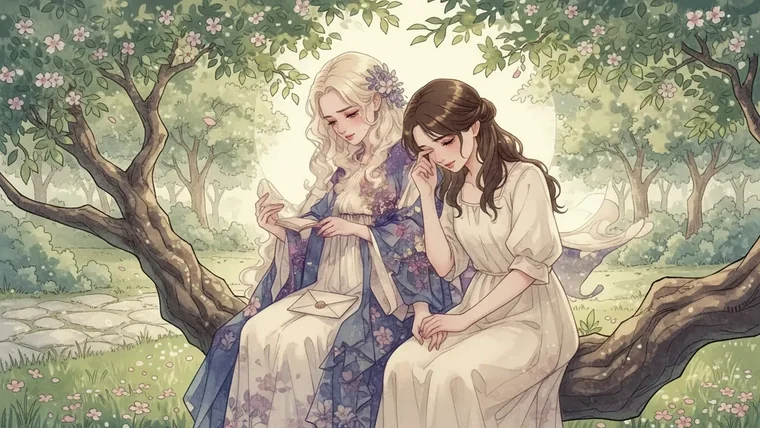
공상작가는, 사람들 앞에서의 몸가짐에 어딘가 연출적인 화려함이 있습니다. 가벼운 미소나 무대 같은 몸짓으로, 자연스럽게 사람들의 시선과 감정을 끌어당깁니다. 장의 분위기에 매우 민감하여, 필요에 따라 슬쩍 배역을 바꾸는 능숙함도 있습니다. 가까운 사람 앞에서는, 감정이 단숨에 넘쳐흐릅니다. 농담을 던지며 장난치는가 싶더니, 갑자기 감상적이 되어 눈물짓는 ── 그 진폭의 크기가, 주위에 선명한 인상을 남깁니다. 일상 속에도 아름다움과 로맨스를 들이고 싶어하고, 예술적인 것이나 마음 설레는 것에 대한 애착을, 아낌없이 겉으로 드러냅니다. 그리고, 자신의 감정을 억누르기보다, 겉으로 드러내어 받아들여지는 것을 소중히 합니다. 피로나 불안도 솔직하게 나누고, 위로와 공감을 구합니다. 때로 쌓아둔 마음이, 어느 순간 단숨에 넘쳐흐르는 극적인 해방도 ── 감정을 주고받으며 사람과 이어지려 하는, 솔직한 사람입니다.
절차보다, 그 자리의 감정의 흐름으로.
- 가벼운 미소나 몸짓으로, 자연스럽게 사람들의 시선과 감정을 끌어당김
- 가까운 사람 앞에서는, 감정이 단숨에 넘쳐흐름
- 시간 관리나 절차는 깜빡 뒤로 밀리기 쉬움
감성을 살릴 수 있는 곳에서 일할 수 있다면, 당신의 표현은 놀랄 만큼 사람의 마음을 움직입니다.
말하는 법·듣는 법
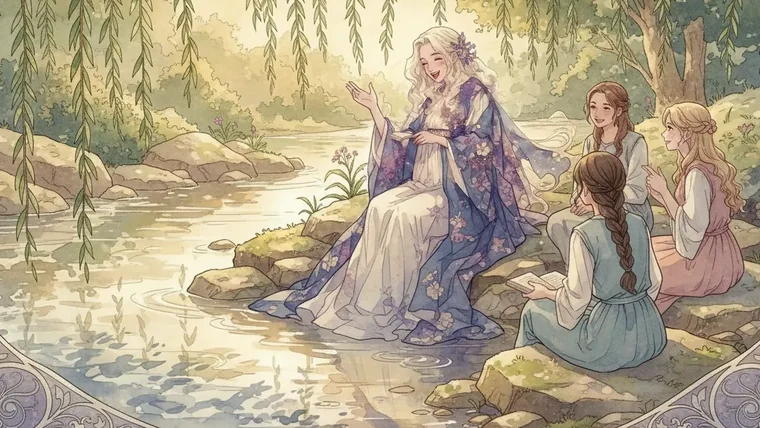
공상작가의 대화는, 감정이 풍부하고, 이야기처럼 사람을 끌어들입니다.
공상작가는, 대화 속에 감정의 억양을 자연스럽게 엮어 넣습니다. 목소리나 표정, 사이를 나누어 쓰며, 마치 이야기를 상연하듯 이야기하여 사람을 끌어들입니다. 화제가 자신에게 향하면 보이는 수줍은 웃음이나 고양감은, 이 사람만의 사랑스러움입니다. 이야기는 하나에 머물지 않고, 잇따라 흥미가 향하는 쪽으로 넓어져 갑니다. 「그런데 말이야…」라며 갑자기 튀는 연상이나 탈선도, 이 사람에게는 매력의 일부. 정합성보다, 그 자리의 감정적 임팩트나 재미를 소중히 합니다. 자신의 체험을 이야기처럼 들려주고, 공감이나 웃음을 이끌어내는 것도 능숙 ── 때로 결말을 일부러 흐려, 「뒷이야기는 상상에 맡길게」라며 여운을 남깁니다. 감정이 고조되면, 무심코 큰 약속을 하는 일도 있습니다. 하지만 그것은 거짓이 아니라, 그 순간의 마음이 진짜이기 때문. 그리고 중요한 순간에는, 의외의 실행력으로 일을 해내는 심지의 강함도 보입니다. 장의 감정을 읽어내고, 미래를 향한 희망을 이야기하여 사람을 아우르는 ── 부드럽게, 그러나 확실하게 장을 이끄는 이야기꾼입니다.
이야기처럼 들려주고, 여운을 남긴다.
중심에 있는 것 ── 움직이는 힘과 약한 곳
감지하고, 불을 밝힌다. 이 한 줄기 선.
마음에 단 하나 있는, 강력한 엔진
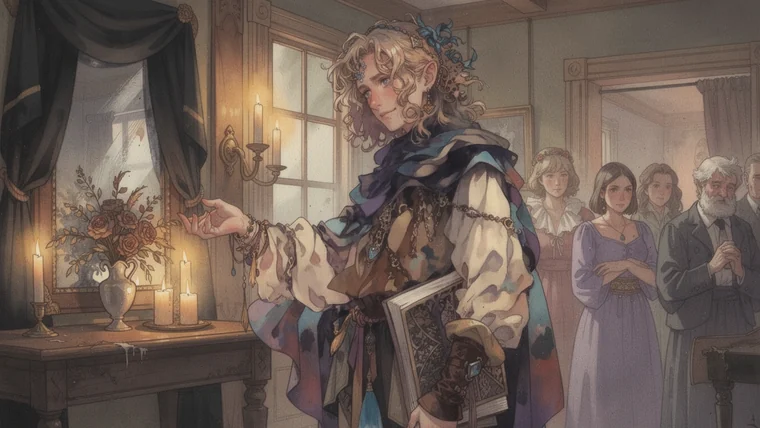
공상작가의 중심에는, 조짐을 감지하여, 이야기와 정서로 바꾸는 힘이 있습니다.
공상작가의 중심에는, 눈에 보이지 않는 조짐을 감지하여, 그것을 이야기나 정서로 바꾸어 가는 힘이 있습니다. 앞으로 향할 곳의 기색, 사람 마음 깊은 곳에 흐르는 것 ── 말이 되기 전의 것을 예리하게 알아채고, 이미지나 말로 만들어 내놓습니다. 그리고, 그 번뜩임을 혼자 끌어안는 것이 아니라, 감동과 함께 사람과 나누고, 장의 분위기를 슬쩍 끌어올립니다. 가슴속에 예감이나 이야기를 그리는 힘과, 그것을 표현에 실어 사람의 마음을 움직이는 힘 ── 받아들이는 손과, 밝히는 손. 이 둘이 짝을 이루어 작동하는 것이, 공상작가가 가장 잘하고, 가장 보람을 느끼는 부분입니다. 의미 있는 것, 아름다운 것, 마음을 움직이는 것을 향할 때, 이 사람은 가장 생기 있게 빛납니다.
할 수 있는데도, 중히 여기지 않는 것
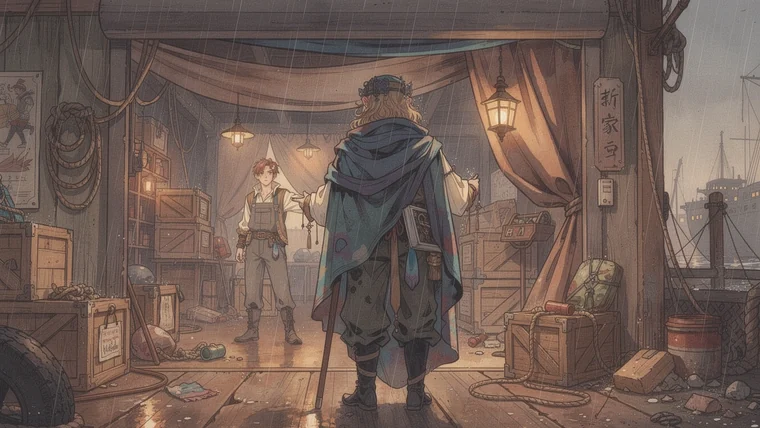
의외로, 공상작가는, 사람의 사소한 감정의 흔들림을 알아채고 살며시 배려하는 것도, 희미한 조짐에서 「혹시」 하며 가설을 세우는 것도, 실은 꽤 능숙하게 해냅니다. 말없는 상대의 표정 변화를 알아채고, 짧은 말로 분위기를 다스리는 ── 그 섬세한 배려는, 사실 상당한 수준입니다. 다만 본인은, 그것을 특별히 중히 여기지 않습니다. 꾸준히 사람의 기미를 헤아리거나, 세세하게 가능성을 늘어놓기보다, 감정을 나누고, 이야기를 만들어 내는 쪽으로 의식이 향합니다. 할 수 있는데도 「내가 할 일은 아니다」라며, 자연스럽게 손을 놓아 버리는 영역이 있는 ── 여기가, 이 사람을 이해하는 하나의 열쇠입니다.
은밀히, 마음이 원하고 있는 것
은밀히 원하는 것은, 망설임 없는 결단력과, 흔들리지 않는 질서입니다.
감수성과 표현력을 타고난 공상작가가, 스스로는 만들어 내기 어렵고, 그러면서도 누구보다 깊이 원하는 것 ── 그것은, 망설임 없는 결단력과, 흔들리지 않는 질서·구조입니다. 꿈과 이미지는 풍부하게 솟아오르는데, 그것을 현실로 밀어붙이고, 형태로 짜올리는 단계가 되면, 갑자기 마음이 미덥지 않아집니다. 그렇기에, 주저 없이 앞에 나서 길을 개척하고, 일을 제대로 구조로 정리해 주는 존재에, 깊이 끌리고, 채워집니다. 이것은 「소속욕구·안전한 애착·깊은 갈망의 충족」으로 나타납니다. 자신의 예민함을 통째로 받아들이고, 현실의 땅 위에 서게 해 주는 상대 ── 바로 그 힘을 가장 잘 발휘하는 쌍대인 정복자(SLE-D) 곁에서, 공상작가는 안심하고 날개를 펼칠 수 있습니다. 꿈을 현실로 잇고, 팽팽한 불안을 풀어 주는, 최고의 보완자입니다.
가장, 무른 곳
공상작가가 가장 무른 곳은, 현실적인 절차와, 꾸준한 실무입니다.
가장 무른 곳은, 효율을 파고들어 절차를 최적화하는 것과, 꾸준한 실무나 보살핌을 묵묵히 계속 돌리는 것입니다. 군더더기 없는 순서를 짜고, 시간이나 숫자를 꼼꼼히 관리하며, 자잘한 현실 처리를 빈틈없이 이어가는 ── 어느 것도, 감성과 이야기에 사는 공상작가에게는, 가장 힘든 영역입니다. 이곳을 밖에서 추궁당하거나, 「좀 더 계획적으로」 「좀 더 현실을 봐」라고 다그쳐지면, 공상작가는 불안에 삼켜져, 현실에서 공상으로 도망치거나, 감정이 흐트러지고 맙니다. 결점으로서 고쳐야 할 곳이 아니라, 믿을 수 있는 시스템이나 사람에게 맡기고, 살며시 지탱받아야 할, 가장 부드러운 곳이라고 생각해 주세요.
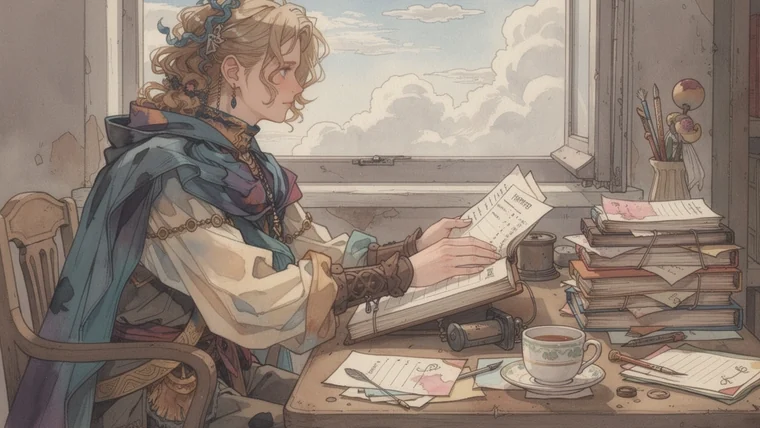
- 핵심: 눈에 보이지 않는 조짐을 감지하여, 이야기나 정서로 바꾼다
- 움직이는 힘: 기대받고, 누군가에게 도움이 되고 있다는 실감
- 약한 부분: 현실적인 절차, 꾸준한 실무
강점과, 넘어지기 쉬운 곳
망설임 없이 길을 개척하는, 결단력을 지닌 존재.
강점 ── 공감하고, 밝히고, 유연하게 응하다
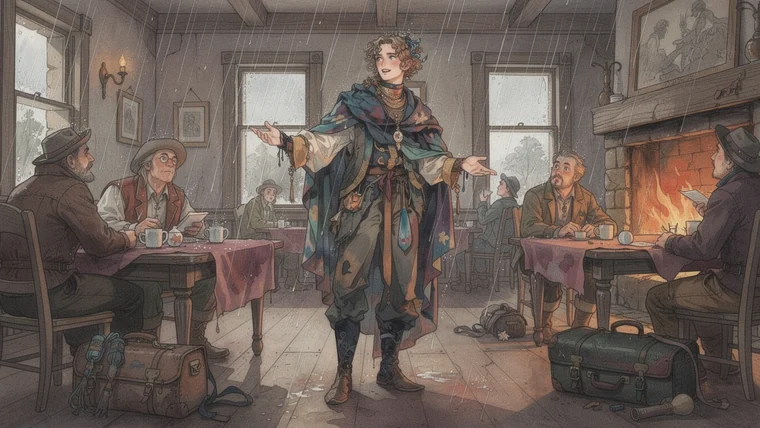
공상작가의 강점은, 사람의 감정에 깊이 공명하는 공감력과, 희망을 전하는 무드메이커의 힘입니다. 팀의 분위기를 누그러뜨리고, 비관적인 순간에도 「분명 괜찮아」라며 앞을 보게 하는 ── 그 존재만으로, 주위의 감정 에너지를 높일 수 있는 사람입니다. 매뉴얼보다, 그 자리에 맞춘 유연함과 즉흥성에 뛰어나, 돌발적인 문제에도 감성과 번뜩임으로 응합니다. 말투나 몸가짐에는 예술적인 센스가 배어나고, 문화적인 교양과 유머로 장에 색을 더합니다. 개인플레이보다, 집단의 감정의 흐름이나 이야기성을 소중히 하고, 일에서 의미와 아름다움을 찾아내며, 창조적으로 처신합니다.
걸려 넘어지기 쉬운 곳
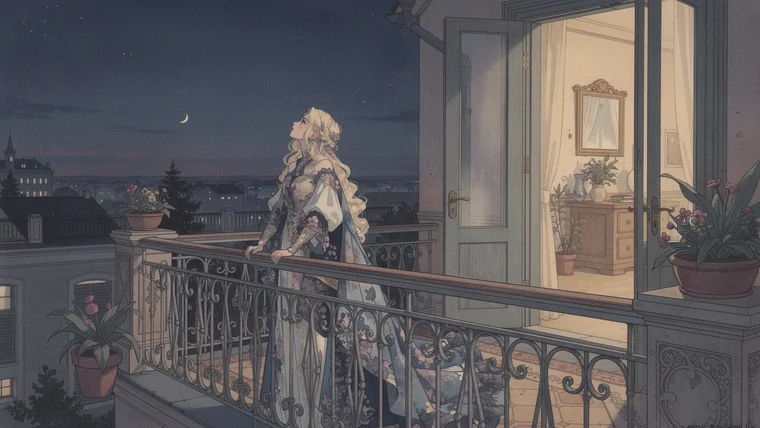
걸려 넘어지기 쉬운 곳은, 그 풍부한 감수성의 이면입니다.
걸려 넘어지기 쉬운 곳은, 그 풍부한 감수성의 이면입니다. 감정의 파도가 크고, 그날의 기분이나 장의 분위기에 집중이 좌우되기 쉽습니다. 이야기나 표현에 몰두한 나머지, 시간 관리나 절차가 뒤로 미뤄지고, 마감이나 예정을 깜빡 잊어버리는 일도. 공명을 지나치게 구하여, 주고받음이 연극조가 되거나, 비판적인 말에 과민하게 반응해 버리는 장면도 있습니다. 다만, 이것들은 결점이라기보다, 세계를 깊이 감지하기에 생기는 이면입니다. 냉정한 수치 분석이나, 감정에 좌우되지 않는 판단을, 혼자서 짊어질 필요는 없습니다. 현실의 절차는 믿을 수 있는 시스템이나 사람에게 맡기고, 자신은 감성과 표현을 살릴 수 있는 곳에 몸을 두는 ── 그렇게 「의미를 느낄 수 있는 환경」과, 감수성을 받아들여 주는 상대를 고르는 것이, 공상작가가 자유롭게 꽃피는 열쇠가 됩니다.
흔들리지 않는 강함을 지닌 상대와 만나면, 당신의 꿈은 현실의 땅에 단단히 이어집니다.
- 조짐을 읽는 직관은, 가슴속에 담아 두지 말고 말로 옮겨 본다
- 현실의 절차는, 시스템과 믿을 수 있는 사람에게 맡긴다
- 불안이 부풀면, 이야기나 표현으로 흘려보내 본다
살아나는 환경
'분명 괜찮아'라는 한마디가, 자리를 비춘다.
살아나는 환경
공상작가가 가장 힘을 발휘하는 것은, 감정적인 공명과, 따뜻한 인간관계가 있는 환경입니다. 차갑고 형식적인 상하관계에서는 의욕이 떨어지고, 공감적이고 따뜻한 동료 속에서야말로 본령을 발휘합니다. 루틴 워크보다, 감성·미의식·표현력을 살릴 수 있는 창조적인 일에 끌리고, 연출·홍보·교육·아트·집필 등의 영역에서, 의외의 집중력과 공감력을 보입니다. 동기부여는, 물질적인 보상 이상으로 「내가 기대받고, 누군가에게 도움이 되고 있다」는 실감입니다. 「이 일로 무엇을 바꿀 수 있는가」라는 이상에 대한 공헌 의식이, 노력을 지탱합니다. 사소한 감사나 작은 선물, 놀이심 있는 농담 같은, 소소한 미의식과 상징적인 이어짐이, 이 사람의 직장에 대한 애착을 깊게 합니다.
이야기의 작가로서
구체적으로는, 감정이나 경험, 문화적인 상징을 감성적으로 전하는 분야가 맞습니다. 작가·편집자·각본가·인터뷰어·내레이터·팟캐스트 ── 말이나 목소리, 영상을 통해 사람의 마음에 호소하는 일. 출판이나 미디어, 교육(창조 표현·감정 교육), 아트 세러피 등의 대인 지원, 감정적인 이어짐을 축으로 한 발신의 장에서도 힘을 발휘합니다. 공감이나 감동을 나누면서, 사람의 삶에 빛을 비추는 이야기의 작가로서, 사회에 영향을 미쳐 가는 ── 그것이, 공상작가에게 최대의 자기표현입니다.
대화 ── Kaspar에게 묻기
무료 1회 대화 · Le Salon 회원은 여러 관점으로. 실존 인물의 재현이 아니라 공개 해설에 기반한 대표적 관점입니다.
사람과의 관계와 연애
이야기를 함께 나눌 수 있는가. 감동을 함께할 수 있는가.
연애 ── 이야기처럼, 사랑을 키우다
공상작가의 사랑은, 감정과 환상으로 물든, 한결같은 이야기입니다.
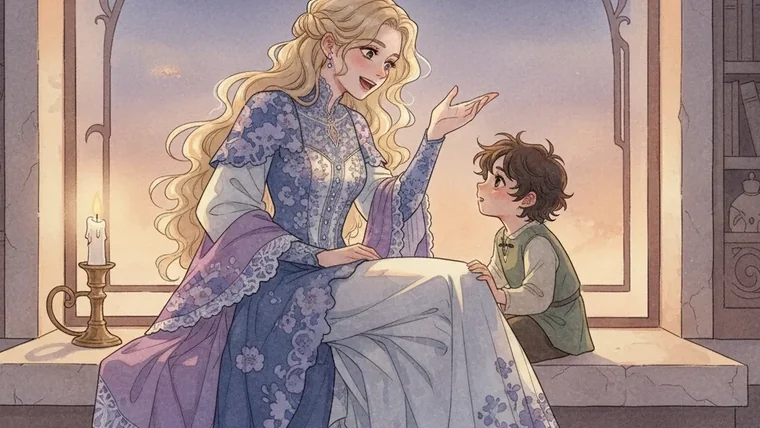
공상작가의 사랑은, 감정의 고조와 환상성으로 물들어 있습니다. 이상적인 사랑의 드라마를 마음에 그리고, 만남도 관계도 「이야기」처럼 소중히 키우고 싶어하는 사람입니다. 애정이나 동경을 시처럼 이야기하고, 감정을 아낌없이 쏟는 ── 한결같고 표현이 풍부한 만큼, 기대와 불안의 진폭도 커서, 상대에게는 자극적이고, 조금 손이 가는 존재가 되기도 합니다. 그래도, 마음을 준 상대를 곧게 생각하고, 그 세계를 물들이며, 격려하려 하는 ── 그 한결같음이, 공상작가의 사랑의 심지에 있습니다.
〔여성〕화려함과 환상성을 겸비하고, 풍부한 표정으로 사람을 끌어당깁니다. 사랑은 감정의 고조로 가득하고, 애정을 시처럼 이야기하는 로맨티스트. 이해받고, 감수성을 받아들여지면, 깊은 안심 속에서 사랑을 건강하게 키웁니다.
〔남성〕시적이고, 어딘가 우수를 띤 매력을 두르며, 사랑을 이야기처럼 살아갑니다. 열정적이고 표현이 풍부하며, 감정의 공유를 무엇보다 소중히 하는 유형. 이상은 높고 로맨틱하지만, 통째로 받아들여 주는 상대 곁에서, 곧은 애정을 쏟습니다.
당신의 사랑법 ── 이야기로 끌어올리는 사랑
당신의 사랑 방식은 상대를 자기 이야기의 주인공으로 삼아 그 인생을 정열적으로 채색하는 데 있어요. 시간직관(Ni)으로 상대의 운명을 감지하고, 감정윤리(Fe)로 그 감정을 시처럼 높이 들어 올려요. 그래서 연인이 자신의 꿈을 이야기하기 시작했을 때 당신이 하는 일은 그저 듣는 것이 아니라, 그 꿈이 이미 이루어진 미래를 생생하게 그려 내고 상대보다 더 뜨겁게 '반드시 그렇게 돼, 내 눈에는 벌써 보여'라고 믿게 만드는 것이에요. 구체적으로는 상대가 자신감을 잃은 장면에서 그 사람이 가장 빛나던 순간을 영화의 한 장면처럼 이야기해 주면, 당신의 사랑은 상대의 마음에 불을 밝혀요. 냉정한 조언이 아니라 감정째 상대를 높이 들어 올리는 이 힘이야말로 당신만이 건넬 수 있는 사랑의 형태예요.
상성 ── 추천 상대







다른 상성 보기 (22개 타입 더)
위쪽 띠일수록 편하게 지낼 수 있고, 아래쪽일수록 소모되기 쉬운 조합입니다. 관계 이름을 누르면 두 사람의 상성 해설로 이동합니다.

















상성은 타입만으로 정해지지 않습니다. 서로의 성숙, 서브타입, 그때의 상황에 따라 달라집니다.
연결된 상대와는 두 사람의 응답 데이터로 개별 상성 리딩을 읽을 수 있습니다(1쌍 $8.99 / 르 살롱 회원은 무제한).
마음 깊은 곳에서 진짜로 바라는 것
당신이 마음 깊은 곳에서 강하게 원하는 것은, 흔들리는 당신을 통째로 받아 주는 '흔들리지 않는 강함과 결단력'입니다. 혼자서는 발 디딜 곳을 잃어버리기 때문에…
연애판 수록 내용: 마음이 원하는 것/설렘 포인트/엇갈림과 지뢰/연애 공감 포인트/상대별 화학반응(32유형별)/가정・부모로서/실전 플레이북/오래가는 비결/파트너를 위한 사용설명서
일과 일하는 방식
당신의 일하는 방식 ── 통찰구상형
당신이 자연스럽게 힘을 발휘하는 것은 크게 두 가지입니다. 하나는 앞을 내다보고 본질과 흐름을 꿰뚫어 보는 것, 다른 하나는 분위기를 띄워 사람의 마음을 움직이는 것입니다.
관심은 이상·예술·사람의 마음 같은 테마로 향합니다. 평소에는 자기 페이스대로 느긋하게, 흐름에 몸을 맡기며 무리하지 않는 타입입니다.
생각할 때는, 시행착오 속에서 문득 답이 떠오릅니다. 행동할 때는 자리의 분위기를 띄우며 움직입니다.
앞을 읽는 상상력과, 사람의 마음을 움직이는 표현력.
- 착수 전에 '첫 시안을 언제 보여 줄지'를 날짜로 확정한다
- 스토리 뒤에, 근거 데이터를 한 장만 준비해 둔다
- 그 자리에서 선뜻 떠맡지 말고, 가지고 돌아가 다음 날 답한다
어울리는 직업의 예
말이나 목소리를 통해 사람의 마음에 호소하는, 당신에게 최대의 자기표현입니다.
감정이나 경험, 문화적인 상징을 감성적으로 전하는 힘이 그대로 살아납니다.
창조 표현이나 감정 교육 등, 사람의 삶에 빛을 비추는 일에 어울립니다.
잘하는 능력과, 피하는 편이 좋은 일
당신의 핵심은 '앞을 읽고 위태로움과 가능성을 남보다 먼저 감지하는 상상력'과 '분위기를 고양시켜 사람의 마음을 움직이는 표현력'의 곱셈입니다…
비즈니스판 수록 내용: 잘하는 능력・피하는 편이 좋은 일/스트레스 내성과 사회화군/일하는 방식/동기부여와 재충전/이 사람과 어울리는 법・매니지먼트/궁합・팀 구성/업계별 ◎○△(23개 업계)와 근거/적합한 역할
마음의 설계도
당신의 마음은 여덟 개의 블록으로 움직입니다. 블록마다 '세상을 어떻게 받아들이는가'와 '어떻게 표현하는가'라는 두 가지 작용이 있으며, 잘하는 폭과 중요하게 여기는지 여부가 정해져 있습니다. 전문 기호는 작게 곁들이는 정도로 하고, 일상의 언어로 설명합니다.
감지하고, 불을 밝힌다.
기본 당신의 중심I Dream
-Ni-p위기와 공상시간 직관+Fe-c고양과 계시감정 윤리사소한 기색에서 '앞으로 어떻게 될지'를 순간적으로 알아채고, 위기나 전환점을 한 장의 그림처럼 붙잡습니다.
그 예감을, 번뜩임을 나누는 힘으로 형태를 만듭니다. 마음에 내려앉은 감동이나 시적인 고조를, 표정과 말에 실어 내보냅니다.
감지하고, 불을 밝힌다. 이 한 줄기 선이, 자리의 분위기를 부드럽게 승화시키는 당신의 힘의 원천입니다.
거울 ── 관찰하여 몸에 익히다
입구에 있는 것은, 사명감에 불을 밝혀 사람을 고무하는 작용입니다. 이념과 확신을 열기에 실어, 사람들의 사기를 높게 유지합니…
전문판 수록: 마음의 설계도 8블록 전부 / 회복법 6가지 / 상황별 가이드 / 유명인의 근거
더 깊이 ── 회복법과 상황별 가이드
같은 핵심의 이면에서, 당신은 이런 상황에서 걸려 넘어지기 쉽습니다. 그다음에는 다시 일어서는 방법 여섯 가지를 소개합니다.
이야기나 표현에 몰두한 나머지, 마감이나 예정을 깜빡 잊어버리는 일이 있습니다.
주고받음이 연극조가 되거나, 비판적인 말에 과민하게 반응해 버리는 순간이 있습니다.
'좀 더 계획적으로'라고 다그쳐지면, 현실에서 공상으로 도망치거나 감정이 흐트러집니다.
흔들리지 않는 결단력이, 당신의 이야기에 현실의 뼈대를 부여한다.
다시 일어서는 법 1 ── 당신의 최대 무기 ── 감수성과 이야기하는 힘
당신은 눈에 보이지 않는 기색이나 사람의 마음을 감지하여, 그것을 이야기나 표현으로 바꿀 수 있는 드문 사람입니다. 그 감수성과 이야기하는 힘은, 무엇보다 자랑스러워해도 좋은 자질…
전문판 수록: 회복법 6가지 / 상황별 가이드 (가정·직장·친구·스트레스·쇼핑·휴일)
같은 타입으로 여겨지는 사람들
분야도 시대도 다르지만, 모두 '꿈과 열정으로 세상을 물들였다'는 한 점에서 서로 통합니다.
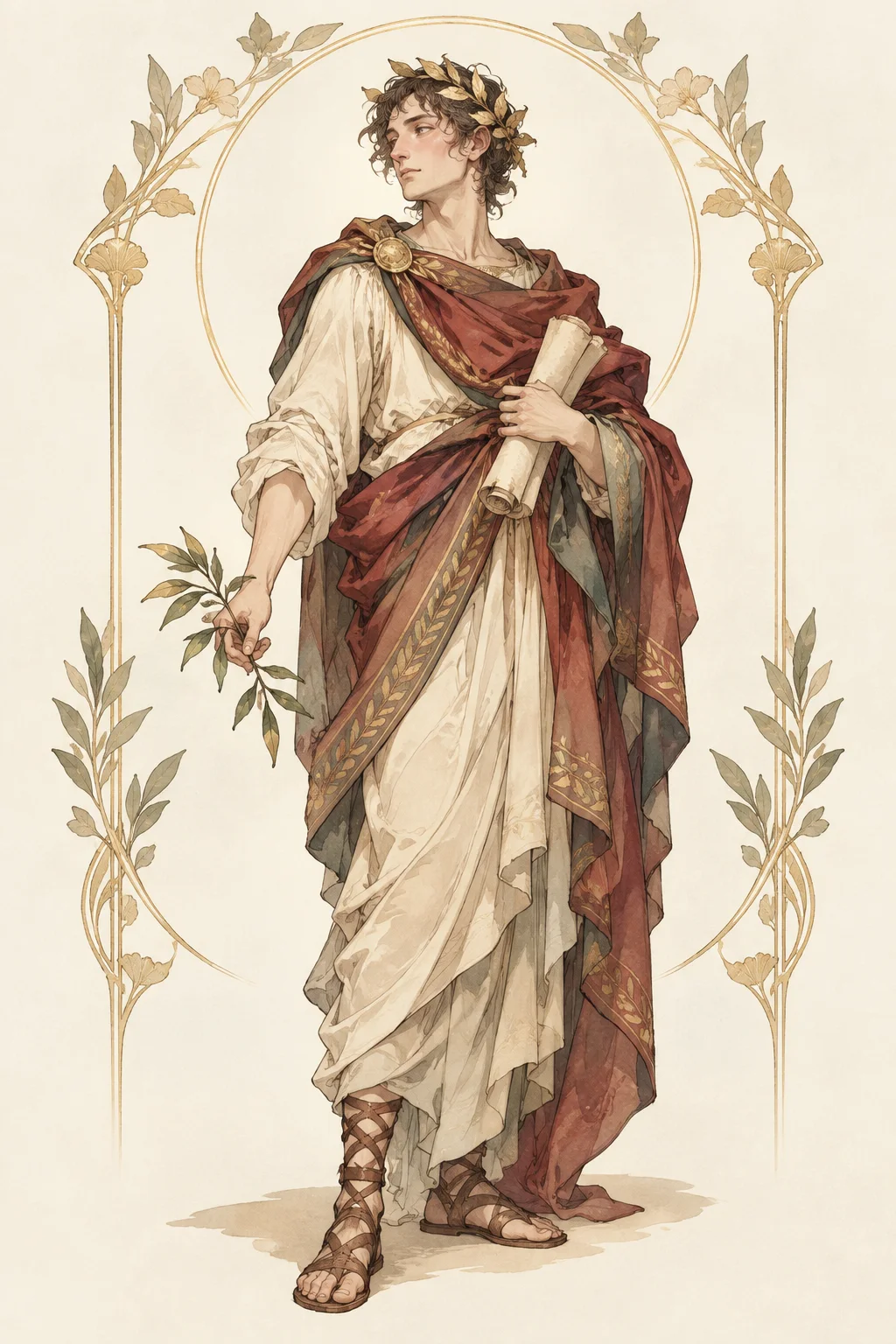 시인호라티우스로마 · 기원전 1세기
 시인세르게이 예세닌러시아 · 20세기
 작곡가프레데리크 쇼팽폴란드/프랑스 · 19세기
 시인·소설가에드거 앨런 포미국 · 19세기
 화가빈센트 반 고흐네덜란드/프랑스 · 19세기
 작곡가표트르 차이콥스키러시아 · 19세기
 시인프리드리히 횔덜린독일 · 18-19세기
 시인·화가윌리엄 블레이크영국 · 18세기
 시인·신비주의자루미페르시아 · 13세기
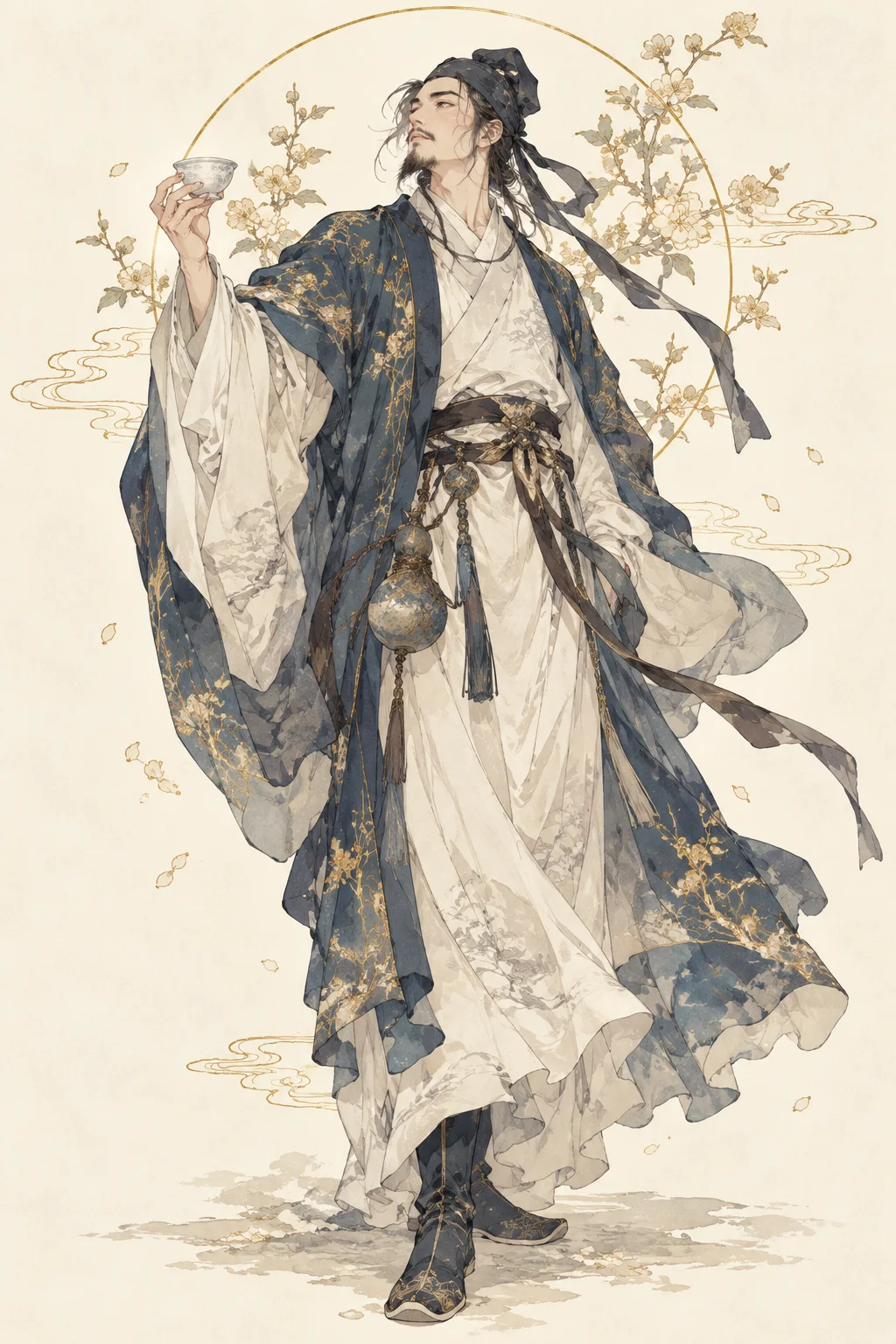 시인이백중국 · 8세기
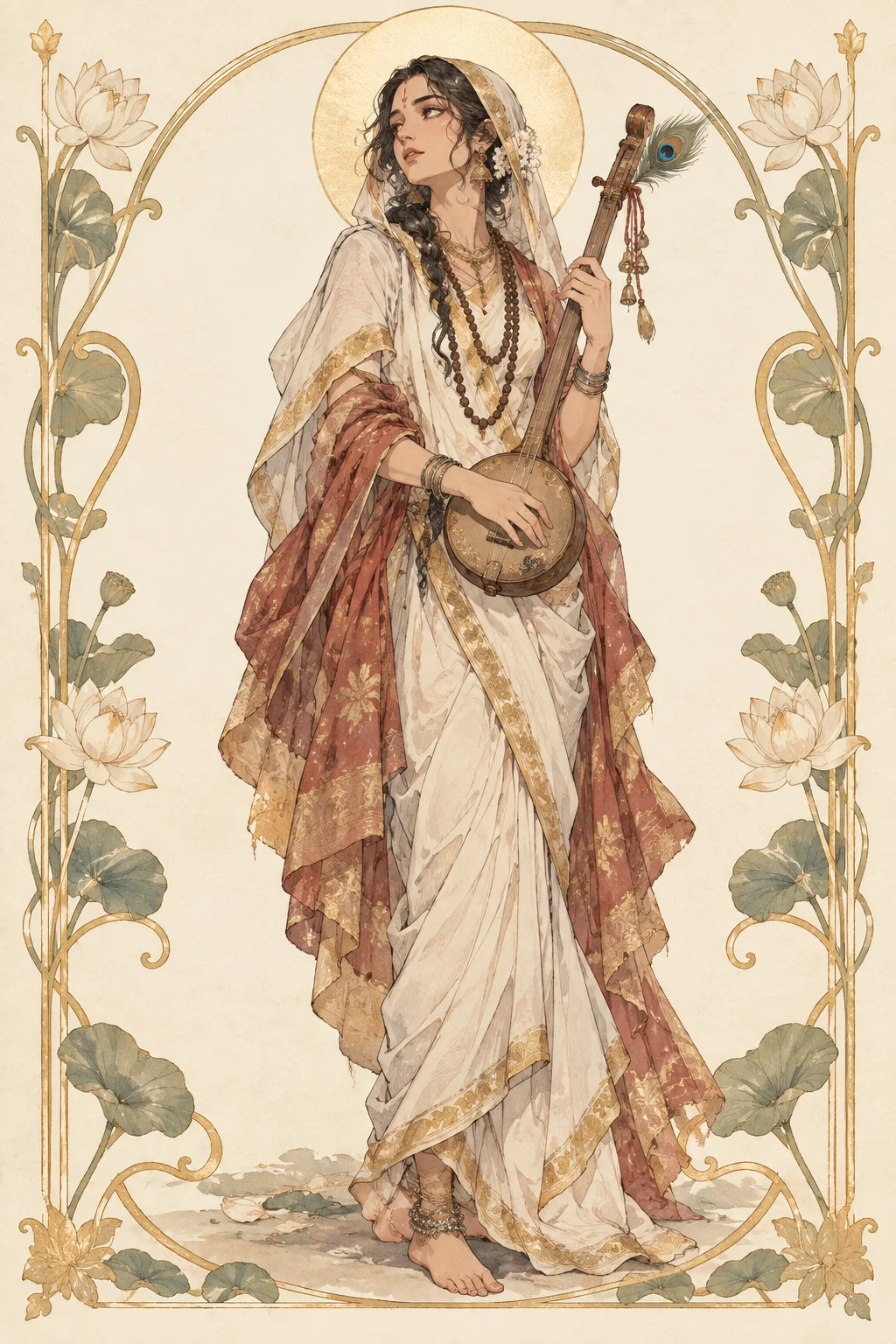 시인·성자미라바이인도 · 16세기
유형 추정은 공개된 정보에서 나온 고찰이며, 확정적인 것이 아닙니다.
소속 그룹 지도
공상작가는 32유형 중 하나인 동시에, 성질이 비슷한 사람들의 그룹에도 속해 있습니다. 먼저 주요한 네 가지입니다. 카드를 열면 각각의 전시실로 이동합니다.
 쿼드라(가치관)베타 쿼드라 (β)제국 Empire
 부케(기질)수용적응 기질흐름을 간파하여 응하다
 클럽(관심)인도예술 클럽영혼과 이야기를 엮다
 모티베이션(자극군)자존심 자극군내면의 가치를 추구하다
모든 분류군 보기 (25개 더)
 커뮤니케이션 스타일성실깊은 유대를 천천히 키우다
 행동 양식고무자열정으로 사람들을 움직이다
 논증 스타일외교관분위기를 읽고 조정하다
 지각 그룹연상성연상의 그물로 세계를 파악하다
 인지 스타일소용돌이형·시너지적시행착오에서 본질 발견
 로맨스(연애관)드리머꿈꾸던 사랑을 운명에 겹치다
 스트레스 내성강함웅크렸다가 되받아치다
 사회화군헌신자시간을 들여 몸을 바치다
 인플레이션 링정보 생성자결과를 검증하여 정보로 엮다
 프로젝트 그룹일반적 결과큰 틀을 잡고, 키우다
 구현 그룹이념 도입이념으로 일상을 뒤흔들다
 스퀘어(휴식)소브린군림하는 권력자
 비즈니스 스퀘어(협동)히에로판트비의 집행자
 옥타드(가치 횡단군)퀘스트미지를 탐색하고 물음을 열다
 리액터(여기군)리저브안으로 여기를 축적하다
 모빌리제이션(동원)뉴트럴라이제이션대립을 중화하여 안정화
 컨디셔닝(조정군)치어링장의 열기를 고무하다
 래버린스(미궁)아크로폴리스비전과 구현의 교차
 블록 그룹(소화군)시장(바자르)사람과 물건이 직접 움직이다
 사회진보환(SPR)브레이크스루번개의 창발환
 감독 링(SVR)노바소용돌이에서 돌발하는 신성
 사회질서 링(SOR)허밋왜곡을 바로잡는 비평자
 계승환(SR)카논명령의 깊은 계승
 베네핏 링(BR)오벨리스크돌의 영속 규범
 마스터 링(MR)베리타스정통 진리의 수립