Суть группы
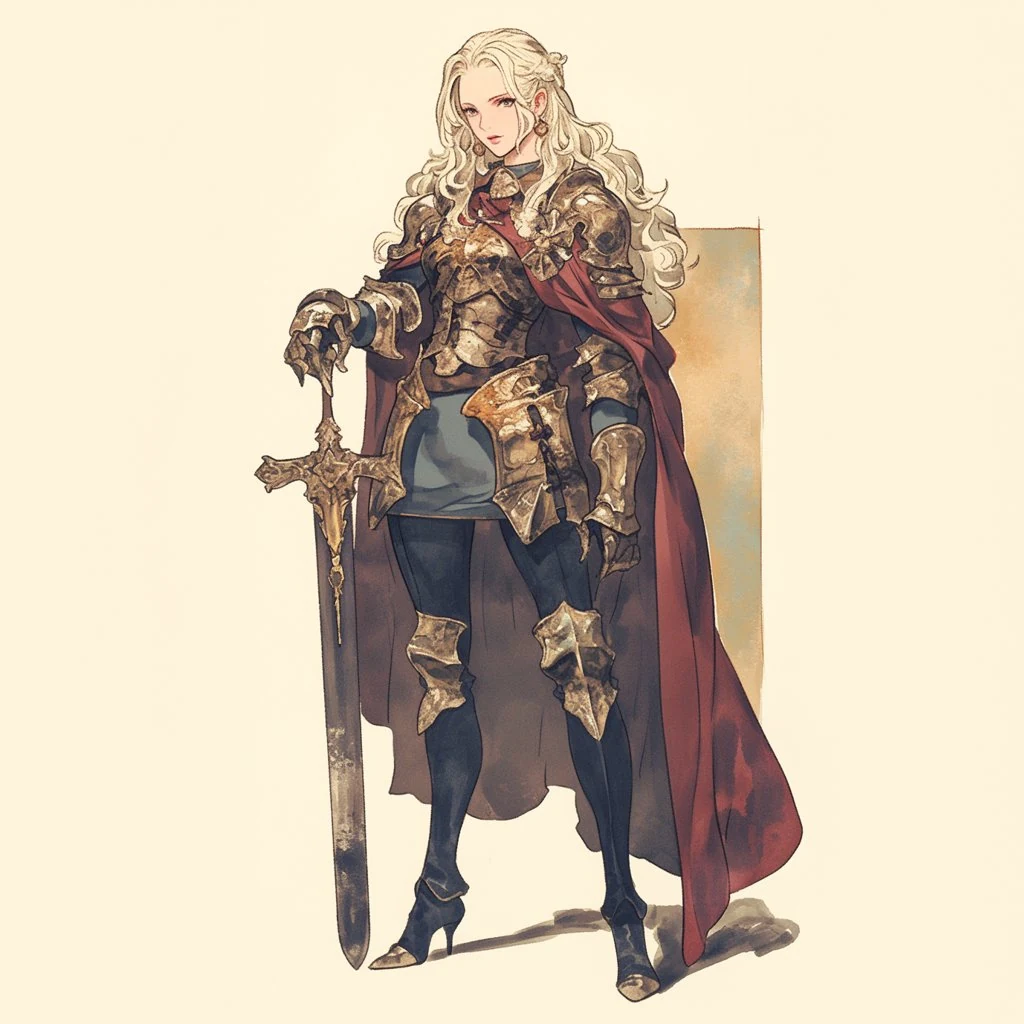
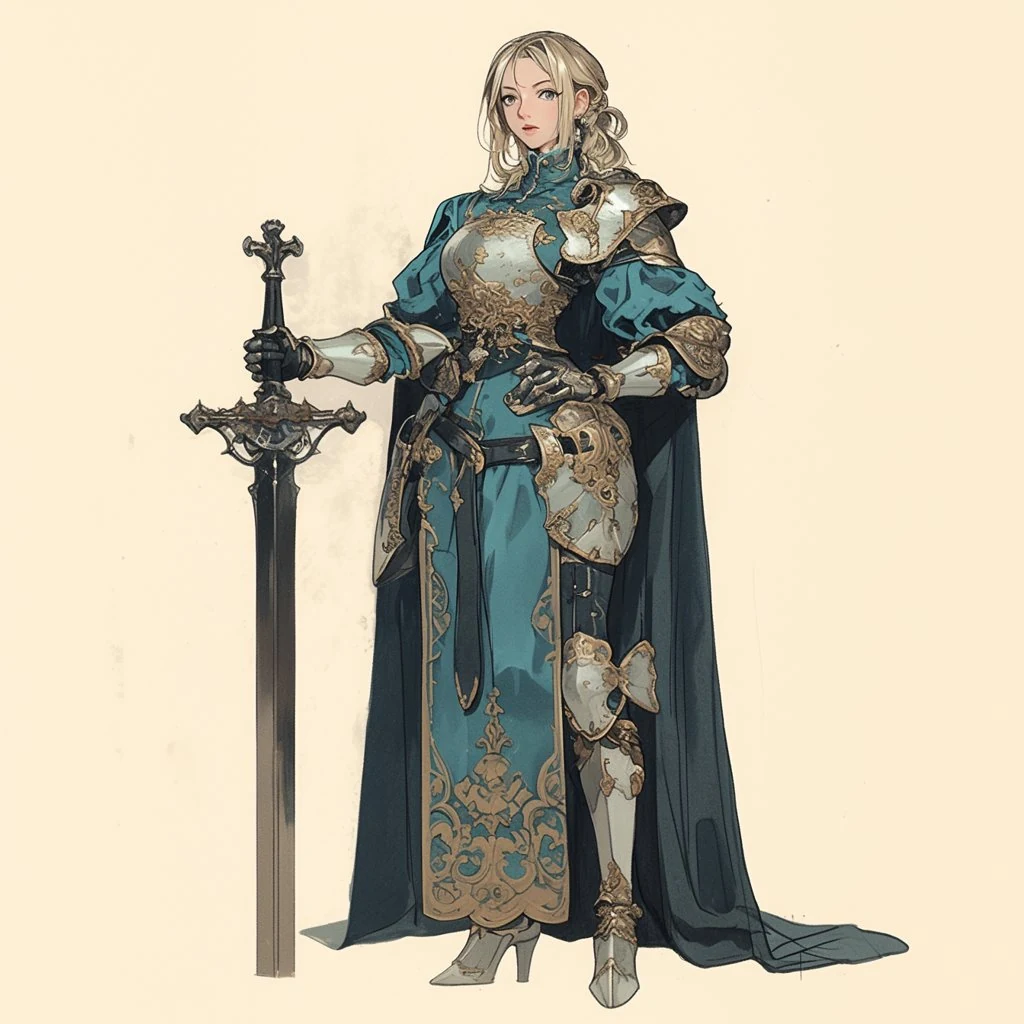
Клуб Прагматиков — группа, чья общая ось — функции восприятия (Se, Si) и функции суждения (Te, Ti). Разговор вращается вокруг конкретных вещей — технологий, инструментов, управления организацией. Беседа поворачивает к тому, как решить стоящую перед ними проблему и как использовать собственные руки, чтобы завершить дело, а не к теоретической абстракции. Спорт, практическое обсуждение инженерных проектов и сотрудничество, автоклубы, DIY и ремонтные работы — центральные элементы их взаимодействия.
Общие области интересов
Черты Клуба
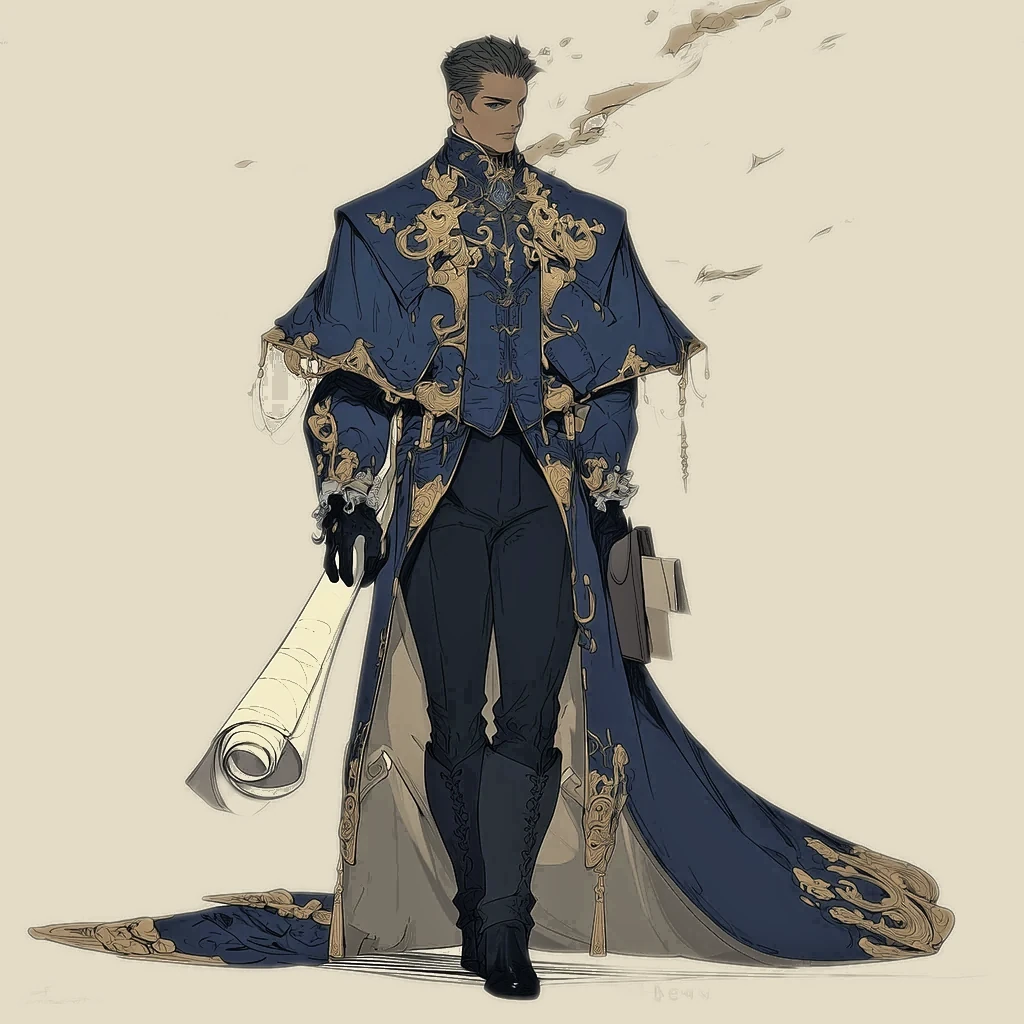
Управленцы находят наибольшую полезность в формальных управленческих структурах, технологии и материальном производстве. Их отличительные черты — твёрдая позиция и организованность в работе, реалистический взгляд и действие; они безжалостно отвергают фантазии и излишне дерзкие планы. Вместо того чтобы рассуждать о «что если», они предпочитают тех, кто действует. Реализм усилен прагматизмом.
Типичная деятельность и групповые контексты
Взаимодействие в группах членов Клуба Прагматиков, как правило, основано на спорте либо на обсуждении и сотрудничестве в практических, инженерно ориентированных проектах. Типичные примеры: автоклубы (где члены сами чинят и тюнингуют свои автомобили), инженерные команды, додзё боевых искусств, военные организации, гильдии ремесленников, производственные команды, полиция и пожарные службы, альпинистские клубы и клубы выживания на природе, группы, построенные вокруг ковыряния в технике. Когда группа выдерживает время, она расщепляется на Тяжёлых прагматиков и Лёгких прагматиков.
Подходящие профессиональные области
Производство и строительство; инженерия (механическая, электротехническая, гражданская); контроль качества; управление производством; логистика и управление цепочками поставок; разработка продукции; управление линией/площадкой; военные, полиция, пожарные; мастера боевых искусств; ремесленники и мастера; повара (техническая сторона); машинные техники; хирурги (техническое мастерство); спортсмены и тренеры; гражданское инженерное проектирование; полевое управление; бюрократическое администрирование; гостиничный и объектовый менеджмент.
Тяжёлые прагматики и Лёгкие прагматики
Этот Клуб делится далее на Тяжёлых прагматиков и Лёгких прагматиков. Оба принадлежат одному Клубу и разделяют область интересов, но различаются масштабом, характером и социальным контекстом своей деятельности.
Управление, основанное на силе, централизованное. Контроль через прямое давление и иерархический авторитет. Преуспевают в областях, требующих силы и порядка, — армии, полиции, высшем менеджменте крупных предприятий, государственной машине. Решительные квадры (β / Φ).
Географически распределённое, автономное управление. Ценят ремесленную независимость на месте, контроль качества и эффективность. Преуспевают в практических областях цеха — производстве, ремёслах, эксплуатации объектов, среднем менеджменте. Рассудительные квадры (δ / Ψ).
Кубическая структура восьми типов
В 32-типной системе этот Клуб содержит восемь типов, размещённых в вершинах куба вдоль трёх осей.
Структурный куб — расположение типов
Куб совместимости — карта отношений Модели K
Каждое ребро и диагональ куба точно соответствует своему отношению в Модели K. Это универсальная структура, общая для всех четырёх Клубов.
※ Зеркальные (сильнейшие по ребру), Компасные и Адаптивные отношения соответствуют трём осям куба. Типы, различающиеся по всем трём осям, находятся в Квази-тождественных отношениях.
Отношения по диагонали грани (разница по двум осям)
Диагонали граней куба (типы, различающиеся по двум осям) также соответствуют конкретным отношениям:
- Разница по осям Ценностей + Рациональности → Отношения Превосхождения
- Разница по осям Ценностей + Демократизма/Аристократизма → Дистанционные отношения
- Разница по осям Рациональности + Демократизма/Аристократизма → Созависимые отношения
Матрица отношений среди восьми типов
各セルをクリックすると相性詳細ページに移動します。
| SLE-D | SLE-Q | LSI-D | LSI-Q | SLI-Q | SLI-D | LSE-Q | LSE-D | |
|---|---|---|---|---|---|---|---|---|
| SLE-D | 同一関係 | 適応関係 | 鏡像関係 | 共依存関係 | 羅針関係 | 距離関係 | 自己超越関係 | 疑似同一関係 |
| SLE-Q | 適応関係 | 同一関係 | 共依存関係 | 鏡像関係 | 距離関係 | 羅針関係 | 疑似同一関係 | 自己超越関係 |
| LSI-D | 鏡像関係 | 共依存関係 | 同一関係 | 適応関係 | 自己超越関係 | 疑似同一関係 | 羅針関係 | 距離関係 |
| LSI-Q | 共依存関係 | 鏡像関係 | 適応関係 | 同一関係 | 疑似同一関係 | 自己超越関係 | 距離関係 | 羅針関係 |
| SLI-Q | 羅針関係 | 距離関係 | 自己超越関係 | 疑似同一関係 | 同一関係 | 適応関係 | 鏡像関係 | 共依存関係 |
| SLI-D | 距離関係 | 羅針関係 | 疑似同一関係 | 自己超越関係 | 適応関係 | 同一関係 | 共依存関係 | 鏡像関係 |
| LSE-Q | 自己超越関係 | 疑似同一関係 | 羅針関係 | 距離関係 | 鏡像関係 | 共依存関係 | 同一関係 | 適応関係 |
| LSE-D | 疑似同一関係 | 自己超越関係 | 距離関係 | 羅針関係 | 共依存関係 | 鏡像関係 | 適応関係 | 同一関係 |
Восемь типов-членов
| Тип | Название | Тяж./Лёг. | Рациональность | Дем./Арист. | Квадра | Темперамент |
|---|---|---|---|---|---|---|
| SLE-D | Завоеватель | Тяжёлые | Иррациональный | Аристократизм | β Бета | Гибко-управляющий |
| SLE-Q | Реформатор | Тяжёлые | Иррациональный | Демократизм | Φ Фи | Гибко-управляющий |
| LSI-D | Инспектор | Тяжёлые | Рациональный | Аристократизм | β Бета | Уравновешенно-стабильный |
| LSI-Q | Надзиратель | Тяжёлые | Рациональный | Демократизм | Φ Фи | Уравновешенно-стабильный |
| SLI-Q | Художник | Лёгкие | Иррациональный | Аристократизм | δ Дельта | Восприимчиво-адаптивный |
| SLI-D | Ремесленник | Лёгкие | Иррациональный | Демократизм | Ψ Пси | Восприимчиво-адаптивный |
| LSE-Q | Администратор | Лёгкие | Рациональный | Аристократизм | δ Дельта | Прямолинейно-настойчивый |
| LSE-D | Исполнитель | Лёгкие | Рациональный | Демократизм | Ψ Пси | Прямолинейно-настойчивый |
Особенности внутренних отношений
Клуб не содержит пар Дуальности. Внутренние отношения составлены в основном из Компасных, Зеркальных, Адаптивных и Квази-тождественных; полное согласие ценностей и глубокая психологическая взаимодополняемость здесь не предполагаются. В результате Клуб:
- Высоко активен и продуктивен в обсуждении общей темы и совместной деятельности
- Не подходит для долговременной близости или совместной жизни; члены со временем естественно расходятся по своим Квадрам
- Сильно способствует формированию специальной и профессиональной идентичности
- Внутренняя сплочённость поддерживается Зеркальными (сильное взаимопонимание внутри одной Квадры) и Компасными (мост между Тяжёлыми и Лёгкими) отношениями
Как этот Клуб видит другие Клубы
Меж-Клубные восприятия проявляются, когда каждая группа рассматривается через призму деятельности и интереса. Когда взаимодействие углубляется, на первый план выходит восприятие на уровне Квадры.
| Другой Клуб | Взгляд Прагматиков |
|---|---|
| Исследователи | Видит Исследователей со смесью презрения и настороженного уважения. Считает их бесполезными во всём, что касается «реальной работы» и «реального мира», но порой бывает сбит с толку, когда Исследователи демонстрируют глубокое прозрение и знание. |
| Прагматики | — |
| Гуманитарии | Видит Гуманитариев либо как совершенно непостижимых в их идеях и убеждениях, либо как ошеломительно восхитительных по той же причине. |
| Социалы | Видит Социалов как весёлую компанию, но несколько легковесную. |
得意な機能
このクラブの所属タイプが共通して扱う Se・Si・Te・Ti のレイヤー4機能。行=機能、列=極性(±)×位置(p/c)。















苦手な機能
所属タイプが共通して苦手とする Ne・Ni・Fe・Fi のレイヤー4機能。