
EIE-Q – Mentor –
A passionate standard-bearer who speaks of ideals and binds hearts together
You are someone who draws people in through the richness of your feelings and your expressiveness.
Your sense for what lies ahead is sharp, and you picture ideals and how things "ought to be" with great force.
You're sensitive to injustice and unreason, and your heart goes out to people in a weak position.
- Quadra
- Beta β
- Bouquet
- Linear-Assertive temperament
- Club
- Humanitarian Arts
Portrait — the Mentor

The EIE-Q "Mentor" is someone who draws people in through the richness and expressiveness of their feelings. Joy and anger alike swing more widely in them than in others, and they bring those feelings vividly to the surface through their voice, their expression, and their sense of timing. A gifted speaker, they can tell even an ordinary event so dramatically that the listener is pulled in — whether one-on-one or before a crowd, they have the power to color the mood of a room with their own emotion.
Their sense for what lies ahead is sharp as well, and they respond quickly to the premonition that "if things go on like this, something bad is bound to happen." They grasp matters from a broad vantage point and hold strong convictions about ideals and about how things "ought to be." Sensitive to injustice and unreason, they take the side of the weak, and for the sake of what they believe in they will throw themselves in even at their own expense.
Inside, they are more complex than they look. However full of conviction they may appear, an offhand word can wound them deeply, and they care about how others see them. Their moods rise and fall greatly, swinging between elation and dejection. Because they picture their ideals so vividly, they suffer over the gap with reality, living with doubt and passion at once. They are poor at day-to-day paperwork and at looking after their own health, and when they get absorbed in something they forget to eat or rest.
Burning for ideals, and looking for someone who gives them structure.
Does this sound like you?
- Joy and indignation alike swell in you more than in others, and they show at once in your face and voice.
- You're sensitive to the mood of a room, and your own emotion ends up changing its temperature.
- A premonition that "if this goes on, something bad will happen" won't let you sit still.
- Everyday paperwork and looking after your health keep getting put off.
- You protest fiercely against unreasonable remarks and the way authority throws its weight around.
- When you talk, you use pitch and pauses to pull your listeners right in.
- When someone talks about ideals or injustice, you get as fired up as if it were your own concern.
- Cold attitudes and remarks that don't add up hurt you more than most.
- You can't help checking, through words and gestures, whether a relationship is still going strong.
- When you throw yourself into something, you forget to eat or rest.

How you move

The Mentor's conduct is full of feeling and dramatic.
Joy and indignation alike surge more strongly in them than in others, and that turbulence shows directly in their expression, their gestures, and the tension in their voice. Sensitive to the mood of a room, they have the power to change its very temperature with their own emotion. When their spirits rise they are swept up all at once, carrying those around them forward; but should they suddenly sink, they fall silent and can take on a shadow like another person entirely. Their moods swing widely, and that very range is a sign of how fully this person is alive. They grasp things from a broad perspective, leave the fine arrangements to others, and try to take the role of guiding the whole. When the premonition that "this will turn out badly if it goes on" takes hold, they cannot sit still: they sound a warning and try to move people. On the other hand, everyday paperwork and looking after their health tend to be put off, and once they throw themselves into something they forget even to eat or rest. Though they crave order and discipline intensely, they are poor at keeping it up steadily by their own hand, and they need someone to support them. They react keenly to unreason and to the conduct of authority. If they feel something doesn't add up they protest fiercely, and for the sake of what they believe in they spare no effort. That single-mindedness becomes a great driving force — but at the same time it can turn into a blade that drives them into a corner.
Not gain or loss, but ideals and justice.
- Emotions show directly in face and voice
- Protests fiercely against unreason and unfairness
- Moves people by holding up a big direction rather than working the details
If you meet someone who supports your footing, your ideals will take real shape and move forward.
How you speak and listen

The Mentor's way of talking is woven to move people's hearts.
When they speak they use pitch and pauses skillfully, pulling the listener in with force. Even an ordinary event becomes a story when this person tells it — weaving together humor and gravity, they make their listeners laugh, catch their breath, and feel their hearts grow warm. One-on-one or before a crowd, they work on people's emotions and draw the whole room together into a single mood. They don't merely convey; they excel at getting others "into the spirit of it." They speak of the ideals and the sense of urgency they believe in with heat, trying to move their listeners in the same direction. Their words carry force, and because they sometimes portray things almost extravagantly, the hearts of those listening are naturally drawn along. On the other hand, they can be swept up by their own feelings and let the talk run away with them, or grow so mindful of the other person's reaction that their words waver. When someone speaks of ideals or of injustice, they resonate strongly and grow as impassioned as if it were their own concern. Conversely, they are sensitive to cold attitudes and to remarks that don't add up, and reveal an easily wounded side. Behind their air of full conviction, they are quietly wondering, "am I truly understood?"
Heated words that get people "into the spirit of it."
What lies at the core — drive and tender spots
Not gain or loss, but whether you can believe in it.
The one powerful engine at the heart

At the Mentor's center lies a single powerful engine.
It is the power to move people's hearts and lead them in one direction. When they offer up what they believe in, carried on their words, their expression, and their intensity, the feelings of those listening are moved before anyone notices. Reading the mood of the room, they gather scattered feelings into one and press them forward. Working inseparably alongside this is a sense for seeing ahead. They sense sooner than others "what will happen if we take this road," and vividly sketch out the signs of danger or of a turning point. So they raise their voice early and urge people to prepare. The heat that rouses others and the intuition that reads what is to come — these two working in concert are what the Mentor is best at and holds most dear. In the moments of leading people and turning them toward an ideal, this person shines.
What they can do, yet do not prize

Surprisingly, the Mentor is also reasonably good at generating new ideas and at reading people's true feelings to ease the tension in a room. A richness of imagination, and an instinct for untangling knotted emotions, are in fact things they possess. Yet they themselves place no particular weight on it. Rather than individual bright ideas or the subtleties of each person in front of them, their attention turns toward a larger mission and the story that must be told. There is a domain they set aside even though they have the power for it — and here is one key to understanding this person.
What they secretly wish to entrust to others
What they are truly poor at is building order and steadily keeping it up.
Setting up a coherent system, carrying out what has been decided reliably, upholding discipline on the ground — however painfully aware they are of how important this is, they cannot keep it all running on their own. They can hold an ideal aloft, but building the structure that undergirds it is not their strength. That is exactly why they are supported, more deeply than they realize, by someone who quietly takes on that role. A presence who supports this forward-charging person from the footing beneath — that, somewhere in their heart, is what the Mentor seeks.
The most fragile place
The Mentor is most fragile at their own daily life and body.
Once they throw themselves into something, meals and rest are put off, and they don't notice until they are nearly at their limit. To rest calmly, to keep going without strain, to be kind to oneself — these ordinary things are the hardest of all for this person. The sight of them offering themselves up for an ideal is noble, but the cost often comes back upon their own mind and body. And so what supports the Mentor is an environment that, while honoring that heat, gently urges them to pause and to care for their body.

- Core: moving people's hearts and leading them in one direction
- What drives you: a place to give form to principles, and the ideals you believe in
- Where you're fragile: steadily keeping order, your own daily life and body
Strengths, and where you stumble
A quiet partner who supports your footing.
Strengths — binding hearts, lighting the way ahead

The Mentor's strength is a magnetic power that binds people into one through emotion. Reading the morale and mood of a room in an instant, they carry their own conviction on their words and intensity to turn scattered feelings in a single direction. Beyond that, they read where a situation is heading, sense the signs of a looming problem or of coming disorder early, and urge those around them to prepare. They also have a delicacy that sees into people's inner lives, sensing who needs what before it is put into words. Sensitive to anything that departs from justice or principle, they keep asking anew, "is this a meaningful thing to do?"
Where they tend to stumble

Where they tend to stumble is the flip side of that sensitivity.
Because they cannot overlook injustice or contradiction, they react strongly even to small unfairnesses, and can wear themselves down carrying more anger inside than they can process. However self-assured they look from the outside, they are deeply shaken by others' judgments and attitudes, and a slight coldness can wound them greatly. In their guard against the worst-case scenario they can become categorical, and find it hard to revise a conclusion even when the situation has changed. And they are poor at patient paperwork and at managing their own health, and emotional friction arises easily. Yet these are less flaws than the reverse side of a strong sensitivity and idealism. Rather than blaming and trying to fix them, choosing a partner and an environment that complement them — that is the key to this person exercising their powers freely.
The systems and discipline shown by someone you trust help you deeply, and let you bring your ideals down into real form. That's where your room to grow lies.
- When you feel tired, put rest first
- Entrust order and arrangements to someone who is good at them
- When judgments shake you, let some time pass before taking them in
Where you thrive
You're at your strongest when the work ties into your principles.
Environments Where They Thrive
The Mentor performs at their best in a place where they can give form to their principles and their vision. When they take on a theme that overlaps with the vision inside them, their inner heat becomes driving force directly. Strongly drawn to opportunities for learning and dialogue, they are someone who finds value in continually updating their worldview. On the other hand, though they deeply understand the importance of order and of time, keeping it running steadily by their own hand is not their forte. When there are clear deadlines and arrangements set from outside, their true powers are drawn out. That is exactly why this leadership works best when they are paired with a supporting deputy — for example, an Enforcer LSI-D who silently builds coherent systems and discipline, or a Conqueror SLE-D who drives things powerfully forward on the ground. The Mentor holds up principle and direction, and the deputy translates it into real-world order. This division of roles meshes on the level of compatibility theory as well.
As a leader
Rather than working the details themselves, the Mentor prefers to move people by holding up a vision and a direction. They function less as the working force on the ground than as the emotional and ideological standard-bearer of a movement or a group. Investing meaning in their every gesture, they guide the mood of a room and the flow of the story like a performer on a stage. What they prize — cause over gain, a sincere process over efficiency, resonance over obedience. It is with such values that they draw people and settings together.
Dialogue — ask Eleonore

One free dialogue · Le Salon members can explore several perspectives. Not a real person: a representative perspective based on the public profile.
Relationships and love
Can your hearts burn for the same ideal?
How You Love — Living an Ideal Together
At the core of your love sits a strong wish — “emotional ethics” — to set your heart ablaze over the same ideals and the same feelings as your partner. Without suppressing emotion, proudly and directly, you speak of love, and you carry a strength of devotion that will support your partner even by putting yourself second. On top of that, your sense for seeing into the future — “temporal intuition” — is at work, so you paint what this relationship means and where it is heading as a story, giving the two of you a weight almost like a mission on your journey. On the night your partner voices a dream, for instance, you don’t laugh at it; you earnestly vow, “I will watch its realization come true from beside you.” In just this way, you raise love from a mere exchange of passion into an ideal to be lived together.
Compatibility — recommended partners
 Enforcer
 LSI-DThe steel operator who carries out the mission through discipline and responsibilityDualityThe best complement. Secure attachment and deep fulfillment Architect
 LII-DThe architecture of logic, quietly built up piece by pieceSemi-dualityWarm interdependence and a sense of belonging Guardian
 ESI-DA silent shield that protects people, with rightness at its backIllusionaryGentle empathy and trust Conqueror
 SLE-DA dependable field general who only burns brighter the harder things getActivationMutual arousal, where just being together stirs your drive Politician
 SEE-DA born leader who reads hearts and rallies the currentBenefactorYou give your all for this person (the giving side) Visionary
 ILE-DThe architect of ideas who reinvents the world through paradox and theoryBeneficiaryYou receive their benefit and are fulfilled (the receiving side) Dreamer
 IEI-QA teller of fantasies who colors the world with dreams and passionMirrorDrawing out each other's intellectual strengths Critic
 ILI-QThe insightful Critic who sees through contradictions in the depths of silenceSupervisor (mirror)The side that gives and guides as a master Performer
 SEI-QA gentle conveyor who gives form to sensation and feelingSupervisee (mirror)The side that learns and receivesSee the other relationships (22 more types)
The upper bands are easier to be with; the lower bands tend to wear you down. Tap a relation name to read about the pair.
 Commander
 LIE-QBuild, prepare, hold the line — the command center of orderBusinessA partner you can easily work alongside, adapting to the situation together. Harmonizer
 ESE-QTheir smile and their voice soften the space around themKindredA partner whose conversation flows easily, someone who likes to express things in the same direction as you. It can wear you out once it turns competitive. Administrator
 LSE-QThe hands-on command post that keeps the field running and moves people and workIdealA partner who naturally embodies what you aspire to be, easy to admire. Getting too close tires you out. Empath
 EII-DSensing what lies beneath feeling, and becoming someone's quiet supportCompassA partner who gives you a sense of being accepted, along with a hint of which direction to move in. Promoter
 IEE-DMoving the world through fascination — an evangelist of ideasTranscendenceA partner who makes you want to surpass yourself when you're together, pushing each other to grow. The Artist
 SLI-QGiving form to the “just-rightness” of nature and daily lifeCorrectionA partner whose feedback becomes a chance to take stock of yourself. Reformer
 SLE-QAn executor who breaks through by force and rewrites conventionRelaxationA partner who puts you at ease, though you tend to end up waiting on them with quiet expectation. Prophet
 IEI-DAn eye that gazes upon a destiny no one has yet noticedCodependencyA partner who wears you down little by little, caught in a cycle of bottling things up and overcompensating. Hero
Hero EIE-DIt is this conviction that changes the worldAdaptiveA partner you settle into by simply playing your roles, an easy, unremarkable relationship. Inspector
 LSI-QThe logician who strips away pretense and sees through to the truthDetachedA partner who's hard to feel drawn to, leading to a rather flat, low-key relationship. Seeker
 ILE-QAn intellectual adventurer who unravels the worldTense BeneficiaryA partner who leaves you worrying and overthinking, prone to closing your heart off. Peacemaker
 SEI-DA bridge between sensation and compassionPlayerA partner around whom you constantly feel watched, prone to leaving you burned out. Enthusiast
 ESE-DThe cheerful flame that sets the world ablaze with feelingDutyA partner who leaves you understanding what to do yet unable to act on it, while your need to be recognized grows stronger. Analyst
 LII-QFrom the quiet of the desk, reassembling the worldDistrustA partner you can't quite bring yourself to trust, which makes it hard to show your own strength.
SEE-QA natural orchestrator who reads the room and guides people toward reconciliationTense BenefactorA partner around whom you tend to try too hard, unable to shake off the tension. Strategist
 ILI-DThe contemplative Strategist who quietly reads ahead and lays the groundworkSupervisorA relationship where you tend to unsettle the other person without ever realizing it. Pioneer
 LIE-DCarving the way through results — the realist's frontierFormalA relationship where formality and appearances pile up, and it's hard to ever fully relax. Judge
Judge ESI-QThe quiet arbiter who discerns right from wrongTediumA partner who leaves you feeling sluggish, prone to putting things off and keeping your distance. Advisor
 IEE-QOne who quietly draws near and listens to the heartQuasi-IdentityA partner who looks similar to you yet never quite clicks, leaving you spinning your wheels and worn out. Craftsman
 SLI-DThe artisan who sets the world in order in the palm of his handConflictThe partner most likely to strike your weakest point, the one relationship that drains you the most. Executive
 LSE-DSet it in order, get it moving, see it throughRoleA relationship where "you should" comes first, making it hard to just be yourself. Philosopher
 EII-QOne who, in the stillness, keeps questioning the meaning of the worldDistanceA partner who makes you want to keep your distance and close your heart off.Compatibility is not decided by type alone; maturity, subtype and circumstances all change it.
With someone you are connected to, you can read a personal Relationship Reading drawn from both of your answers ($8.99 per pair, unlimited for Le Salon members).
See compatibility with your connections →Explore Le Salon →
What You Truly Long For
What you, who speak your ideals so ardently, truly want deep in your heart is a single pillar of logic that quietly supports those ideals. A person who orders the world along an unwavering line of reasoning and shows you clearly "this is right, that is wrong." Driving forward on emotion and a sense of mission, you have moments of anxiety even in yourself: is this passion pointed in the right direction…
In the Love Edition: What your heart longs for / What excites you / Where you clash and your landmines / Classic love scenarios / Chemistry by partner, all 32 types named / At home and as a parent / A practical playbook / Secrets to lasting love / A manual for your partner
Work and ways of working

Your Working Style — Passionate Inspirer
You naturally excel in two main ways: lifting the mood of the room and moving people's hearts, and reading ahead to see through to the essence and the flow of things.
Your interest gravitates toward themes like ideals, art, and the human heart, and you push toward your goals without pausing. Your motivation switch is getting fired up by the new and the different.
Your habit of thought is to clash opposing ideas and draw the answer out of the contradiction. When you bring a discussion together, you argue from a stance of protecting cherished values and people.
The charisma to bind people's hearts, and an eye that reads a crisis.
- Before an important decision, deliberately let the arguments for and against clash
- When the foundation is shaky, avoid major changes of direction
- Win over opponents not by the force of your voice but by building their concerns in

Careers That Fit
Your power to guide the mood of a room and the flow of a story comes straight into play in work that moves an entire stage.
Your power to speak with heat about ideals and a sense of urgency takes shape as stories that move people.
You're someone who feels deep joy in handing the ideals and foresight you believe in to the next generation.
Your Strengths, and Work Better Avoided
Your two headline strengths are "Mission & Prestige (the charisma that binds people's hearts)" and "Warning & Divergence (the power to read a crisis ahead and adjudicate the course)." This combination — as the standard-bearer of change, the spokesperson in a crisis, decision-making support at management's forks in the road…
In the Business Edition: Natural strengths / work better avoided, Stress tolerance and socialization group, Work style, Motivation and recharging, How to work with and manage this person, Compatibility and team-building, Industry fit ◎○△ across 23 industries with rationale, Suitable roles
Blueprint of the mind
Your mind runs on eight blocks. Each block carries two functions — how you take in the world, and how you express yourself — and together they set both the range you're skilled in and how much you actually value using it. We've kept the technical notation small and explained everything in plain language.
Speak of a mission, and read the crisis.
Leading Your centerI Make
+Fe-pMission & PrestigeEmotional ethics-Ni-cWarning & DivergenceTemporal intuitionYou first take in the world as mission and prestige. It is the power to speak of the ideals you believe in with passion and pride, and to bind people's hearts together as one.
You then turn that heat toward what lies ahead, in the form of warning and divergence. You read the signs of coming danger and turning points early, and urge people to prepare.
Speaking of a mission, and reading a crisis. Your center lies where these two join.
Mirror — Picked up by watching
Crisis and fantasy is the function of picturing situations that might …
In the Full Portrait: all 8 blocks of the blueprint / 6 ways back / situational guide / the reasoning behind the exemplars
Going deeper — ways back and situational guide
On the flip side of that same core, these are the situations where you tend to stumble. After that, six ways to get back on your feet.
Because you can't overlook injustice or contradiction, you react strongly even to small unfairnesses, and can wear yourself down carrying more anger inside than you can process.
However self-assured you look from the outside, you're deeply shaken by others' judgments and attitudes, and a slight coldness can wound you greatly.
When you throw yourself into something, meals and rest get put off, and you don't notice until you're nearly at your limit.
Someone who supports a coherent system gives your ideals a backbone.
Way to Recover 1 — Manage Your Mental Load
You tend to find deep meaning even in casual events, and that can throw your inner balance off. Rather than forcing your feelings down, through means of expression — writing, speaking, putting them into sound…
In the Full Portrait: 6 ways back / situational guide (home, work, friends, under stress, shopping, days off)
People thought to share this type
Their eras and fields differ, but all of them are historical figures and public figures thought to be Mentors (EIE-Q). They are people who held up the ideals they believed in and bound people's hearts together as one.
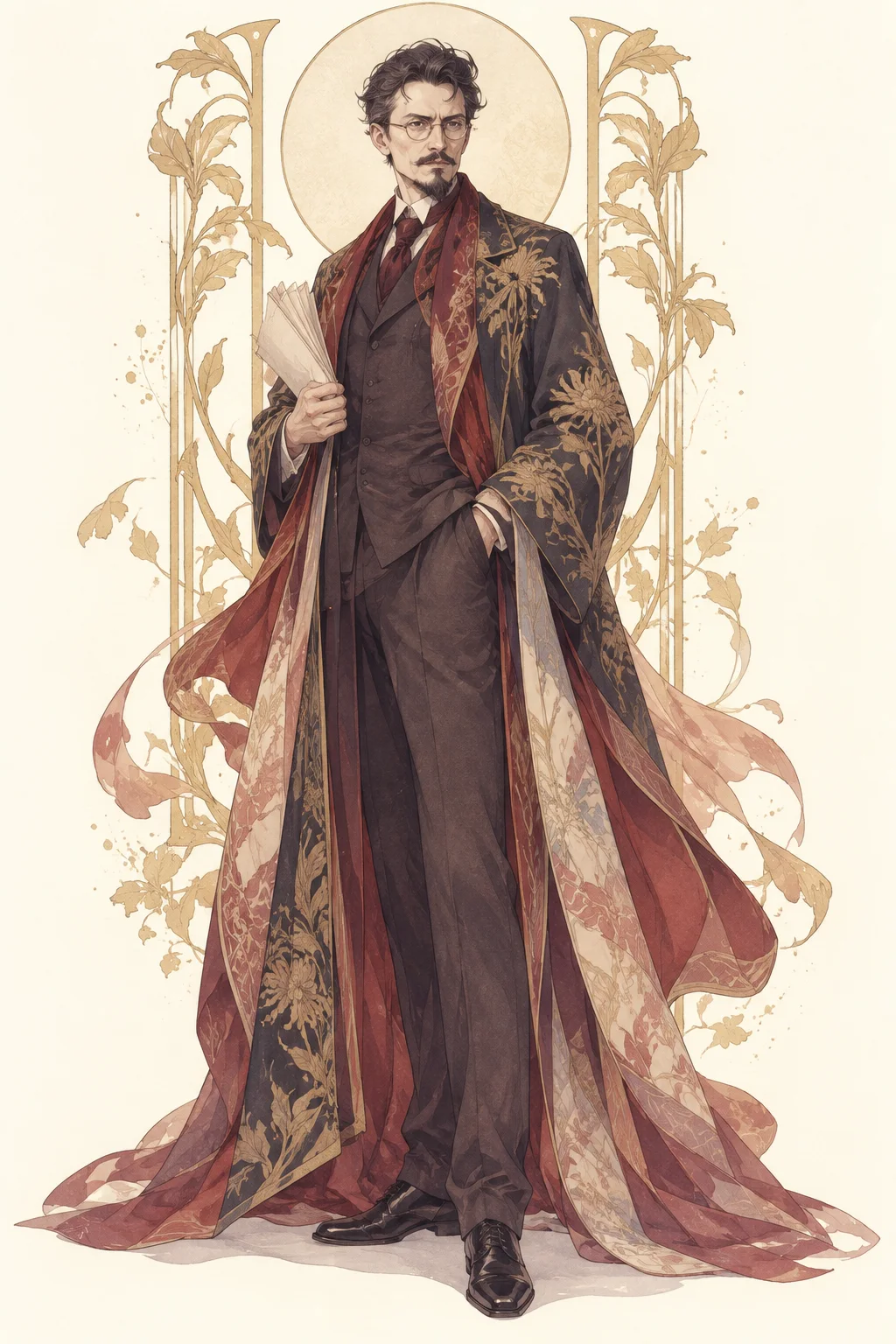 RevolutionaryLeon TrotskyRussia · 19th–20th c.
 Saint · soldierJoan of ArcFrance · 15th c.
 RevolutionaryFidel CastroCuba · 20th c.
 RevolutionaryDolores IbárruriSpain · 20th c.
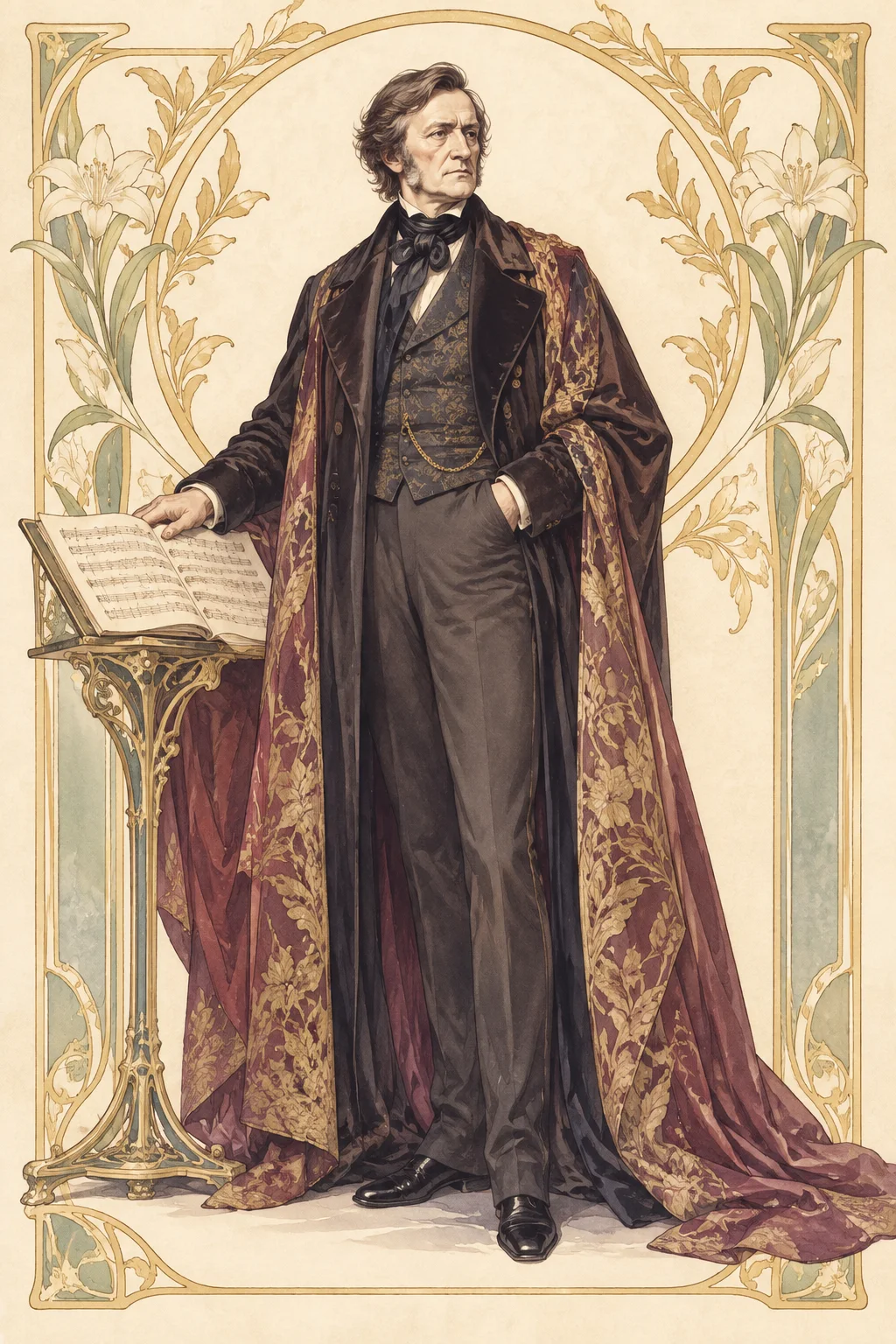 ComposerRichard WagnerGermany · 19th c.
 MentorAdolf HitlerGermany · 20th c.
 Civil rights leaderMalcolm XUnited States · 20th c.
 Friar · prophetGirolamo SavonarolaItaly · 15th c.
 Lord ProtectorOliver CromwellEngland · 17th c.
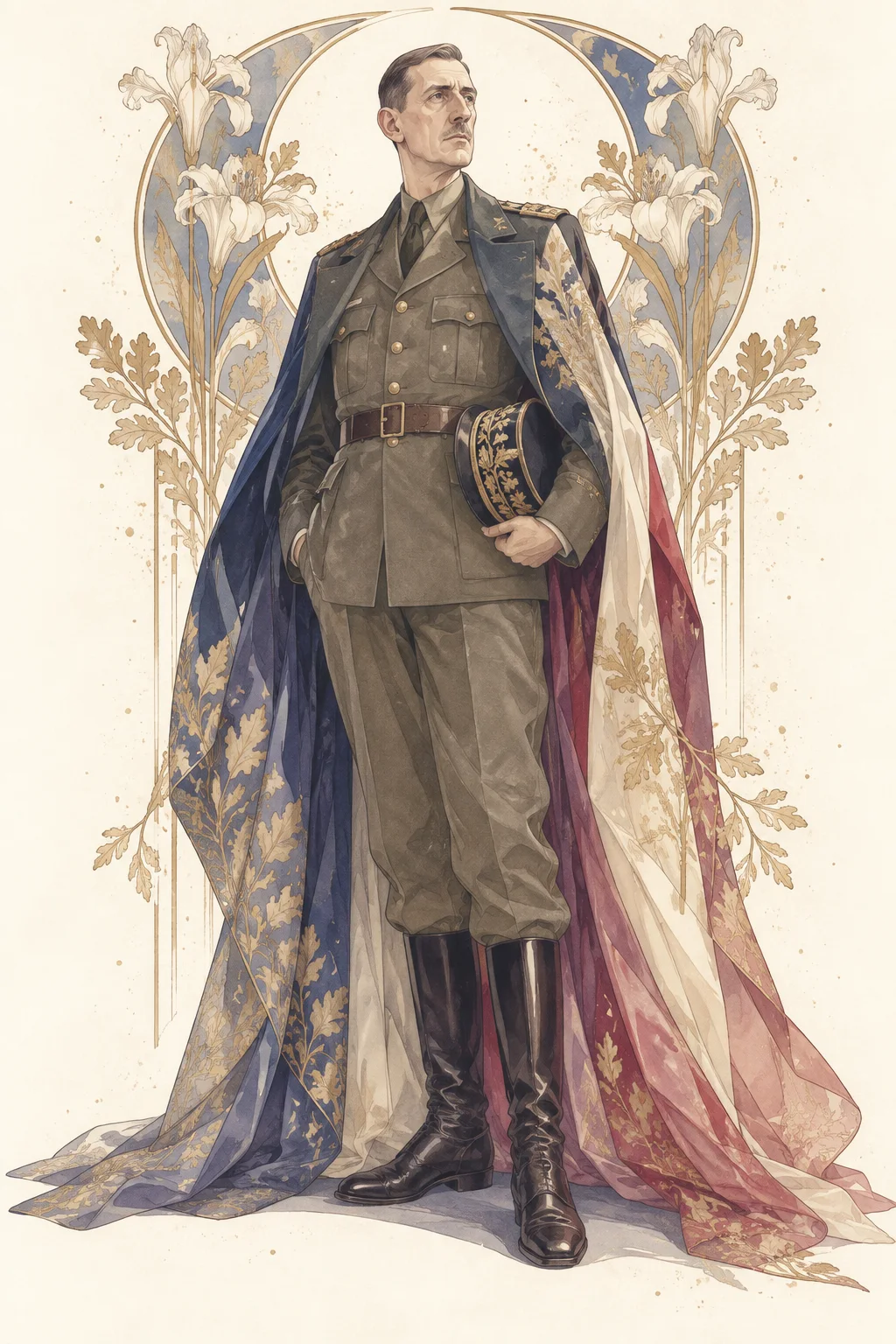 Soldier · statesmanCharles de GaulleFrance · 20th c.
Type attributions are informed speculation based on public information, not confirmed fact.
Map of group memberships
The Mentor is one of 32 types, and also belongs to several groups of kindred natures. Here are the four main ones first — open a card to step into its own gallery room.
 Quadra (Values)Beta Quadra (β)Empire
 Bouquet (Temperament)Linear-Assertive TemperamentMoves the world toward how it ought to be
 Club (Interest)Humanitarian Arts ClubWeaving soul and story
 Motivation (Stimulus Group)Uniqueness Stimulus GroupSeeking novelty and pioneering spirit
See all groupings (25 more)
 Communication StylePassionWarming the atmosphere through emotion
 Behavioral StyleInspirerMoving people through sheer fervor
 Argumentation StyleGuardianDiscerning worth through morality
 Perception GroupReductionismBreaking down into prototypes and reconstructing through concepts
 Cognitive StyleDialectical-AlgorithmicBranching and integrating opposites
 Romance (View of Love)DreamerLaying a dreamed-of love over destiny
 Stress ToleranceWeakBreaks when the foundation is lost
 Socialization GroupRadicalShaking the field with strong emotion
 Inflation RingEnergy GeneratorIgniting information and stirring the field
 Project GroupIdeational processIntegrating observation into theory
 Implementation GroupSocial EntrenchmentRooting customs into society
 Square (Rest)IdeologueSchool of Thought
 Business Square (Collaboration)KnightAn order of knights for a great cause
 Octad (Cross-Value Group)JudgeVerifying and polishing results
 Reactor (Excitation Group)EruptionErupting excitation outward
 MobilizationAlloyAlloys disparate elements together
 Conditioning (Adjustment Group)ConfigurationSetting the configuration of the whole
 LabyrinthAcropolisWhere vision and implementation cross
 Block Group (Extinguishing Group)CreedRaising a principle high and setting it as discipline
 Social Progress Ring (SPR)ChronicleThe governing ring of the great river
 Supervision Ring (SVR)SymphonyA symphony that integrates opposition
 Social Order Ring (SOR)CrownThe king who sets an age in motion
 Succession Ring (SR)DynastyThe bloodline's reclaiming of the throne
 Benefit Ring (BR)KaiserLeader of the new dynasty
 Master Ring (MR)DeusThe dynasty's sacred kingship
Open the full, love and business editions

- The blueprint of your mind (8 blocks)
- Six ways to recover from stumbles
- A situation-by-situation guide (6 situations)
- The reasoning behind the celebrity picks

- What your heart longs for / What excites you / Your landmines
- Classic love scenarios
- Chemistry by partner (all 32 types)
- At home and as a parent / A practical playbook

- Natural strengths / Work better avoided
- Work style / Management
- Industry fit ◎○△ (23 industries)
- Suitable roles
Save $24.98 compared with buying the three separately