
LSI-D – Enforcer –
The steel operator who carries out the mission through discipline and responsibility
You are someone who, unswayed by moods or sentiment, sees a task through to the end with discipline and responsibility.
You keep the established rules faithfully, and you expect the same integrity from those around you.
What you long for most is someone who gives you the meaning and direction to head toward.
- Quadra
- Beta β
- Bouquet
- Balanced-Stable temperament
- Club
- Practical Management
Portrait — the Enforcer

The LSI-D "Enforcer" is a person who, with discipline and responsibility as their backbone, carries any assigned task through to the end. They keep the established rules faithfully and expect the same integrity from those around them. Rather than letting things slide with a vague "good enough," they want to finish the job properly, the right way — they place great value on an organization or group running without a hitch.
They dislike improvising on the fly; their strength is drawing up a step-by-step plan toward a goal and advancing steadily, right on schedule. They give juniors and subordinates precise instructions and evaluate them strictly but fairly. Rather than a leader who stands at the front waving the banner, they are the "unsung backbone" who supports the whole — and being called that is something they take pride in.
At their core lies a conviction not easily bent. They do not lightly change their values or principles, and they expect integrity from the colleagues they work alongside. They grow stern when trust is betrayed, but toward someone they have once trusted they devote themselves for the long haul. More than acting alone, they find security and joy in carrying a role within a group — being part of an orderly whole is where this person belongs.
Not mood, but discipline and responsibility.
Does this sound like you?
- From childhood you were obedient and exemplary, faithfully following the directions of your superiors.
- You keep your living space in an order and cleanliness that could almost be called military.
- You can't be tolerant of dishonesty or betrayal.
- When talk wanders off track, you gently steer it back.
- You have little taste for idle chatter, and in explaining procedures or reasoning, you value orderly sequence.
- Unpredictable change or a sudden idea makes you uneasy.
- You can lack flexibility, insisting "because those are the rules."
- You carry a chronic tension inside, and at your limit your emotions can overflow.
- You value cost-performance and use what can be used to the very last.
- With a sudden task, you display remarkably high focus.

How you move

The Enforcer's conduct is orderly and exemplary.
The Enforcer naturally respects organizations and hierarchies, and earnestly fulfills their role within them. From childhood they are obedient and exemplary, faithfully following the directions of their superiors. Once given a post, they act as a fair and resolute manager, unswayed by emotion and centered on institution and rule. They carry out assigned responsibilities without fail, and demand the same high standard of their subordinates and juniors. In relationships they prize moral standards and cast a stern eye on anyone who defies them. They treat those worthy of trust with loyalty, yet they are not tolerant of dishonesty or betrayal. They believe in morality, tradition, and order, and feel at ease when these are being upheld. Even in their living space they maintain an order and cleanliness that could almost be called military. There are clear rules for where things go and for the rhythm of the day, and they seek to extend those norms through the small society of the household as well.
Not improvisation, but a step-by-step plan.
- Draws up a step-by-step plan toward a goal and advances on schedule
- Gives juniors and subordinates precise instructions and evaluates them fairly
- Stiffens with anxiety and confusion when thrown outside a fixed frame
Given a place where you can carry clear responsibility and a defined role, your command surely supports the organization.
How you speak and listen

The Enforcer's dialogue is woven to build trust and order.
The Enforcer honors a certain etiquette and formality, building relationships while keeping a healthy distance from others. In public settings especially, they show a polite, composed manner and act as a dependable "builder of trust." They accept even formal pleasantries as the manners that keep relations running smoothly. Within a group they take the initiative to organize the agenda and serve as the facilitator who sets the course of discussion. When talk grows muddled or wanders off track, they gently steer it back. They have little taste for idle chatter, but in explaining procedures or reasoning they value courtesy and orderly sequence above all. When the topic turns to practical work, institutions, or procedures, the Enforcer warms to it. They insist on the correctness of figures, rules, and standards, and explain things methodically, documents and manuals in hand. More than enlivening the room, this person's strength is directed at fostering an orderly understanding.
Not idle chatter, but orderly explanation.
What lies at the core — drive and tender spots
Not mood, but seeing it through the right way.
The one powerful engine at the heart
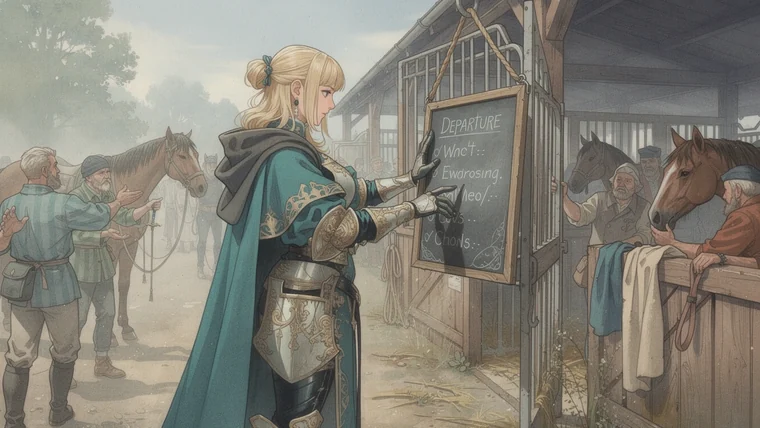
At the Enforcer's center lies the power to build order and make it be kept.
At the Enforcer's center lies the power to build a coherent system and make it be kept on the ground. They set norms, arrange roles and procedures, and assemble things into a framework that stays firm to any eye. And they see that framework enforced — allowing no disorder or slackness, and, when necessary, correcting resolutely to preserve order. The hand that designs and the hand that enforces — these two working together is what the Enforcer does best and holds most dear. Carrying order through a chaotic scene, making promises be honored, keeping the organization reliably running. In the moment of seeing a task through to the end "the right way," this person shines unshakably.
What they can do, yet do not prize

Surprisingly, the Enforcer can also, competently enough, tend to the comforts of daily life and use their hands to fix and run things. Keeping their health and daily rhythm in order, handling tools and equipment precisely, testing things in practice and clearing up problems — their skill at this is, in fact, considerable. Yet they themselves make no special point of it. Rather than comfort or dexterity, their attention turns toward the responsibilities to be met and the order to be kept. There is a domain where, though capable, they set it aside as "not really worth mentioning" — and this is one key to understanding this person.
What they secretly wish to entrust to others
What they truly are poor at is rallying people with passion and raising up the great cause to head toward.
Rallying people's hearts with passion, speaking of ideals, seeing what is to come — such brilliant, magnetic pull is something the Enforcer finds hard to generate on their own. They can keep order, but setting people's emotions ablaze in a single direction and raising high the great cause to advance toward is their weak point. That is exactly why they are supported, more deeply than they themselves realize, by a partner who offers this naturally. A presence who raises up ideals and passion and lights the way ahead — somewhere in their heart, the Enforcer longs for it. Someone who gives this keeper of order the meaning and direction to head toward.
The most fragile place
What makes the Enforcer most fragile is being taken outside a fixed frame.
What makes them most fragile is being thrown outside a fixed frame. An unprecedented situation, an abrupt change of course, a volley of ideas that are too free — steering by improvisation, or untangling snarled emotions on the spot, is the hardest thing for this person. When roles or procedures break down, the Enforcer stiffens with anxiety and confusion. If they are blamed for this from the outside, or pressed to "be more flexible" or "drop the template," they grow stubborn and close up their shell. Think of it not as a flaw to be fixed, but as their softest place — one to be quietly protected with a clear framework and predictability.

- Core: the power to build a coherent system, and the power to see it kept
- What drives you: seeing a task through to the end the right way
- Where you're fragile: rallying people with passion, being taken outside a fixed frame
Strengths, and where you stumble
Someone who gives you the meaning and direction to head toward.
Strengths — carry order through, and see the mission done

The Enforcer's strengths are the practical ability to carry out a task without fail and the command that brings order to an organization. They break down what must be done into concrete terms — what, in what order, with whom, by when — and set to work only after preparations are complete the day before. Unswayed by emotion, they make fair judgments centered on institution and rule, manage progress strictly, and embody the reliability of the whole team. The tenacity to steadily improve techniques and systems, refining ways to reduce mistakes, is also this person's own.
Where they tend to stumble

Where they tend to stumble is the flip side of that steadiness.
Their weakness lies on the flip side of that steadiness. Because their loyalty to existing institutions is so strong, they are vulnerable to environmental changes that break those institutions down, and when roles or procedures are vague they easily fall into anxiety and confusion. Being strict with rules, they are poor at making exceptions for individual circumstances or at changing course on the fly, and they can lack flexibility, insisting "because those are the rules." Inwardly they carry a chronic tension, and when pushed to their limit their emotions may overflow in unexpected ways. Yet these are less flaws than the reverse side of a strong sense of responsibility and a love of order. Rather than blaming and trying to fix them, choosing a clear framework and a partner who can complement them — that is the key to this person exercising their powers freely.
Someone who raises up ideals and passion and lights the way ahead supports you deeply, and beside them you can keep order with peace of mind. That's where your room to grow lies.
- Before judging, discern the motive and circumstances behind an action
- With a new idea, first calmly organize the information
- Show what's right through a model of behavior, not preaching
Where you thrive
When you can carry clear responsibility and a defined role in an orderly environment.
Environments Where They Thrive
The Enforcer comes into their own most fully in an orderly environment where they can carry clear responsibility and a defined role. They are suited to being a hands-on, field-type leader who guides and supervises subordinates while working alongside them, able to lead a team of eight to ten in practice and to enforce the necessary discipline and day-to-day progress management. Their true worth shows in settings that demand high precision and reliability — as a site foreman in maintenance, manufacturing, construction, or logistics, or in the military, police, fire service, security, railway or aviation maintenance, accounting, and the like. On the other hand, when upper management's direction is vague or contradictory, they set about restoring order themselves. A realist who believes effort "ought to be rewarded," they are sensitive to unfair treatment and to irresponsibility left unchecked. It is precisely in an environment with clear standards and fair evaluation that this person's loyalty and strength endure for the long haul.
Their figure as an executor
Rather than a standard-bearer who raises ideas or policies on high, the Enforcer is an executor who translates them into real-world order and carries them through to the end. They respect the vertical chain of command and show a willingness to follow their immediate superior's instructions even when they hold a private opinion of their own. Even in situations that seem unreasonable, they discipline themselves with "because those are the organization's rules" and prefer to work as a guardian of the institution. What they prize — duty over mood, planning over improvisation, steady execution over loud assertion. With such values, they go on supporting the organization and the field.
Dialogue — ask Augusta

One free dialogue · Le Salon members can explore several perspectives. Not a real person: a representative perspective based on the public profile.
Relationships and love
Can you protect it for the long haul, with sincerity and responsibility?
How You Love — Love That Protects
The Enforcer's way of loving shows not in words but in building “a form you can protect.” You welcome the one you've let in inside your own territory and try to shield them, whole, from the disorder and anxiety outside. Making the relationship's rules and division of roles clear, and letting your partner live at ease within that framework, is this person's own expression of affection. Rather than throwing a lavish anniversary, say, you crush their life's sources of worry one by one and quietly take on the household budget and the logistics — offering, that way, a foundation that says “as long as you're here, you'll be fine.” Being the commanding type, your possessiveness runs strong, and you pour all your strength into the one you've chosen.
Compatibility — recommended partners
 Mentor
 EIE-QA passionate standard-bearer who speaks of ideals and binds hearts togetherDualityThe most complementary. Gives them the meaning and warmth to protect. Harmonizer
 ESE-QTheir smile and their voice soften the space around themSemi-dualityWarm interdependence and a sense of belonging Commander
 LIE-QBuild, prepare, hold the line — the command center of orderIllusionaryCalm trust and gratitude Dreamer
 IEI-QA teller of fantasies who colors the world with dreams and passionActivationA mutual awakening where their mere presence stirs up drive and direction Critic
 ILI-QThe insightful Critic who sees through contradictions in the depths of silenceBenefactorFor this person's sake, strength comes to you naturally Performer
 SEI-QA gentle conveyor who gives form to sensation and feelingBeneficiaryA peak experience of being supported and fulfilled Conqueror
 SLE-DA dependable field general who only burns brighter the harder things getMirrorEach other's executive drive is honed by mutual reflection Politician
 SEE-DA born leader who reads hearts and rallies the currentSupervisor (mirror)A learning where they are given to and led toward integration Visionary
 ILE-DThe architect of ideas who reinvents the world through paradox and theorySupervisee (mirror)A learning where they receive and grow suppleSee the other relationships (22 more types)
The upper bands are easier to be with; the lower bands tend to wear you down. Tap a relation name to read about the pair.
 Guardian
 ESI-DA silent shield that protects people, with rightness at its backBusinessA partner you can easily work alongside, adapting to the situation together. The Architect
 LII-DThe architecture of logic, quietly built up piece by pieceKindredA partner whose conversation flows easily, someone who likes to express things in the same direction as you. It can wear you out once it turns competitive. Administrator
 LSE-QThe hands-on command post that keeps the field running and moves people and workCompassA partner who gives you a sense of being accepted, along with a hint of which direction to move in. Empath
 EII-DSensing what lies beneath feeling, and becoming someone's quiet supportIdealA partner who naturally embodies what you aspire to be, easy to admire. Getting too close tires you out. Promoter
 IEE-DMoving the world through fascination — an evangelist of ideasCorrectionA partner whose feedback becomes a chance to take stock of yourself. The Artist
 SLI-QGiving form to the “just-rightness” of nature and daily lifeTranscendenceA partner who makes you want to surpass yourself when you're together, pushing each other to grow. Reformer
 SLE-QAn executor who breaks through by force and rewrites conventionCodependencyA partner who wears you down little by little, caught in a cycle of bottling things up and overcompensating. Prophet
 IEI-DAn eye that gazes upon a destiny no one has yet noticedRelaxationA partner who puts you at ease, though you tend to end up waiting on them with quiet expectation. Hero
Hero EIE-DIt is this conviction that changes the worldDetachedA partner who's hard to feel drawn to, leading to a rather flat, low-key relationship. Inspector
 LSI-QThe logician who strips away pretense and sees through to the truthAdaptiveA partner you settle into by simply playing your roles, an easy, unremarkable relationship. Seeker
 ILE-QAn intellectual adventurer who unravels the worldPlayerA partner around whom you constantly feel watched, prone to leaving you burned out. Peacemaker
 SEI-DA bridge between sensation and compassionTense BeneficiaryA partner who leaves you worrying and overthinking, prone to closing your heart off. Enthusiast
 ESE-DThe cheerful flame that sets the world ablaze with feelingDistrustA partner you can't quite bring yourself to trust, which makes it hard to show your own strength. Analyst
 LII-QFrom the quiet of the desk, reassembling the worldDutyA partner who leaves you understanding what to do yet unable to act on it, while your need to be recognized grows stronger.
SEE-QA natural orchestrator who reads the room and guides people toward reconciliationSupervisorA relationship where you tend to unsettle the other person without ever realizing it. Strategist
 ILI-DThe contemplative Strategist who quietly reads ahead and lays the groundworkTense BenefactorA partner around whom you tend to try too hard, unable to shake off the tension. Pioneer
 LIE-DCarving the way through results — the realist's frontierTediumA partner who leaves you feeling sluggish, prone to putting things off and keeping your distance. Judge
Judge ESI-QThe quiet arbiter who discerns right from wrongFormalA relationship where formality and appearances pile up, and it's hard to ever fully relax. Advisor
 IEE-QOne who quietly draws near and listens to the heartConflictThe partner most likely to strike your weakest point, the one relationship that drains you the most. Craftsman
 SLI-DThe artisan who sets the world in order in the palm of his handQuasi-IdentityA partner who looks similar to you yet never quite clicks, leaving you spinning your wheels and worn out. Executive
 LSE-DSet it in order, get it moving, see it throughDistanceA partner who makes you want to keep your distance and close your heart off. Philosopher
 EII-QOne who, in the stillness, keeps questioning the meaning of the worldRoleA relationship where "you should" comes first, making it hard to just be yourself.Compatibility is not decided by type alone; maturity, subtype and circumstances all change it.
With someone you are connected to, you can read a personal Relationship Reading drawn from both of your answers ($8.99 per pair, unlimited for Le Salon members).
See compatibility with your connections →Explore Le Salon →
What You Truly Long For
Inside that strong exterior, what you secretly long for is the emotional power that warmly lights up a room. Because you're clumsy at showing feeling in a big way, and not good at getting a laugh or easing the mood, you're drawn to someone who does it naturally…
In the Love Edition: What your heart longs for / What excites you / Where you clash and your landmines / Classic love scenarios / Chemistry by partner, all 32 types named / At home and as a parent / A practical playbook / Secrets to lasting love / A manual for your partner
Work and ways of working

Your Working Style — System-Building
You naturally excel in two main ways: reasoning things through and properly organizing and analyzing them, and taking charge of the ground and seeing decisions carried through.
Your interest gravitates toward getting hands-on, practical work done. Day to day, you are calm and unshaken and keep a steady pace. A quiet, comfortable everyday life is your greatest driving force.
With people, you keep your emotions restrained and hold your distance by following rules and procedures. Your thinking puts logic first, working through ordered chains of "cause → effect."
The power to build a coherent system, and the power to see it kept.
- Before judging, check the circumstances behind an action
- Try taking in a new way of thinking once, without prejudging it
- Consciously try broadening the range of your hobbies and interests
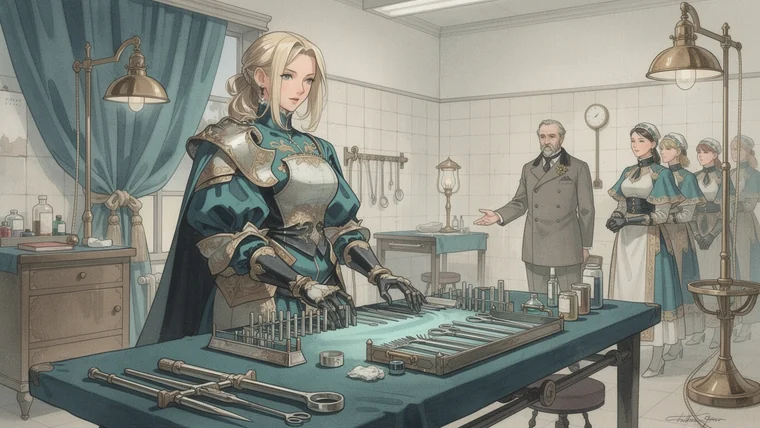
Careers That Fit
Your power to build a coherent system and make it be kept on the ground comes into direct play.
You can show your power to set norms, arrange roles and procedures, and assemble a framework that stays firm.
Your power to display high focus and responsibility even with sudden tasks comes into play.
Your Strengths, and Work Better Avoided
Your core is the combination of "Organization & Rules" — the power to organize and analyze things into a system — and "Discipline & Order" — the power to take charge of the ground and see decisions carried through. Being able to be both the one who makes the rules and the one who enforces them, in a single person, is rare — so…
In the Business Edition: Natural strengths / work better avoided, Stress tolerance and socialization group, Work style, Motivation and recharging, How to work with and manage this person, Compatibility and team-building, Industry fit ◎○△ across 23 industries with rationale, Suitable roles
Blueprint of the mind
Your mind runs on eight blocks. Each block carries two functions — how you take in the world, and how you express yourself — and together they set both the range you're skilled in and how much you actually value using it. We've kept the technical notation small and explained everything in plain language.
Build the system, and see it kept on the ground.
Leading Your centerI Order
+Ti-pOrganization & RulesStructural logic-Se-cDiscipline & OrderVolitional sensingAt your center is the power to build a coherent system. You set norms, arrange roles and procedures, and assemble things into a framework that stays firm to any eye.
Onto this overlaps the power to make that framework be kept on the ground. You enforce what has been decided, allow no disorder or slackness, and correct resolutely when necessary.
The hand that designs and the hand that enforces. These two are always in motion at once, and they have become your conviction: "I can keep the organization reliably running, the right way."
Mirror — Picked up by watching
At the entry point sits the working that quietly reads the initiative …
In the Full Portrait: all 8 blocks of the blueprint / 6 ways back / situational guide / the reasoning behind the exemplars
Going deeper — ways back and situational guide
On the flip side of that same core, these are the situations where you tend to stumble. After that, six ways to get back on your feet.
Because your loyalty to existing institutions is so strong, you're vulnerable to environmental changes that break them down, and when roles or procedures are vague, you easily grow confused.
Being strict with rules, you're poor at making exceptions for individual circumstances, and you can lack flexibility, insisting "because those are the rules."
Inwardly you carry a chronic tension, and when it reaches its limit, your emotions can surface in unexpected ways.
Someone who raises up ideals and passion shows you the direction.
Way to Recover 1 — Discern Motives and Circumstances Before Judging
You tend to deal sternly with acts that disturb order, but at times you may fall into excessive pressure or a punitive response. Before you pass judgment, keep the perspective of discerning the motive and circumstances behind an action…
In the Full Portrait: 6 ways back / situational guide (home, work, friends, under stress, shopping, days off)
People thought to share this type
Different eras, different fields — yet every one of them resonates on the same note: they built order and defended it to the end through discipline.
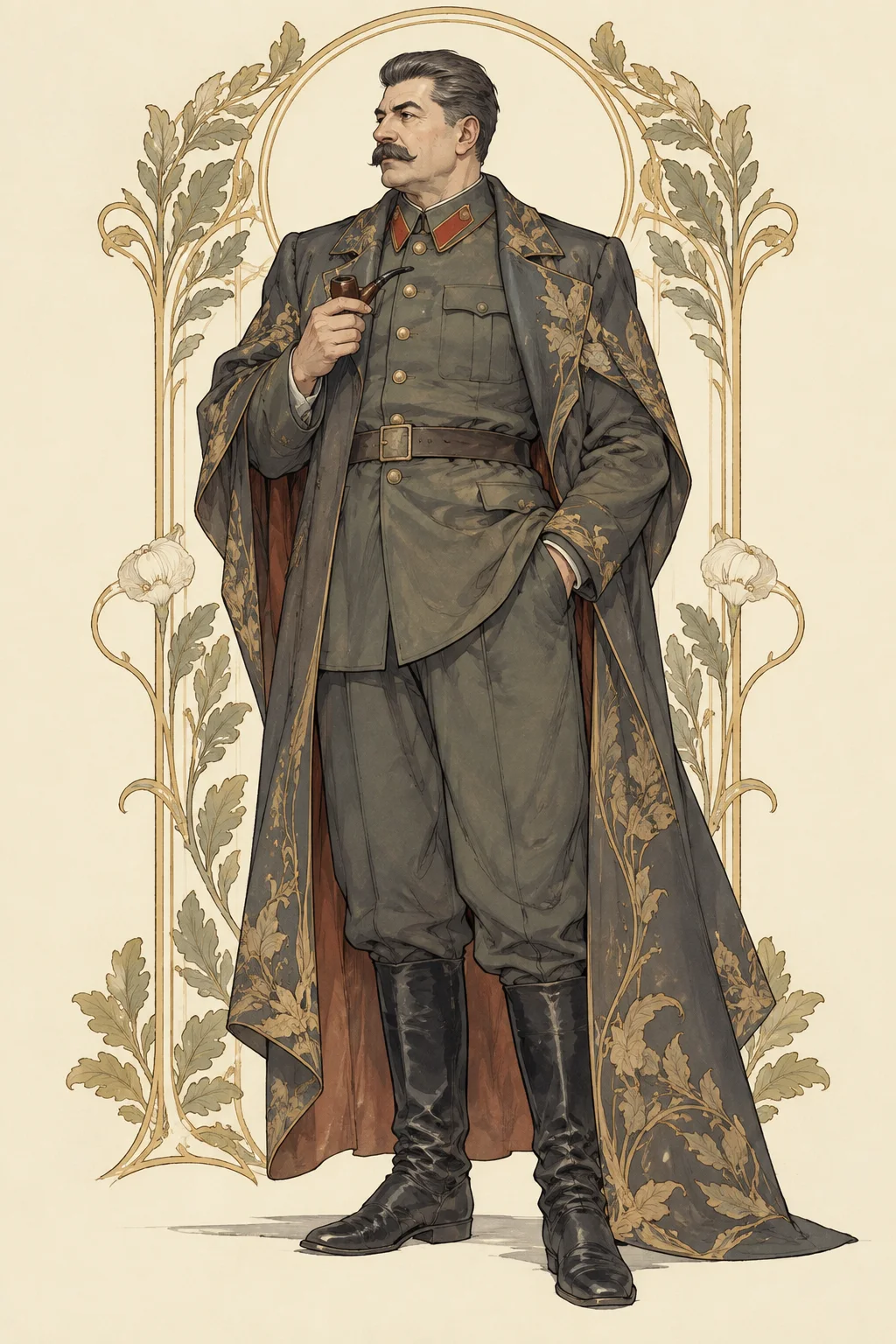 MentorJoseph StalinRussia · 20th century
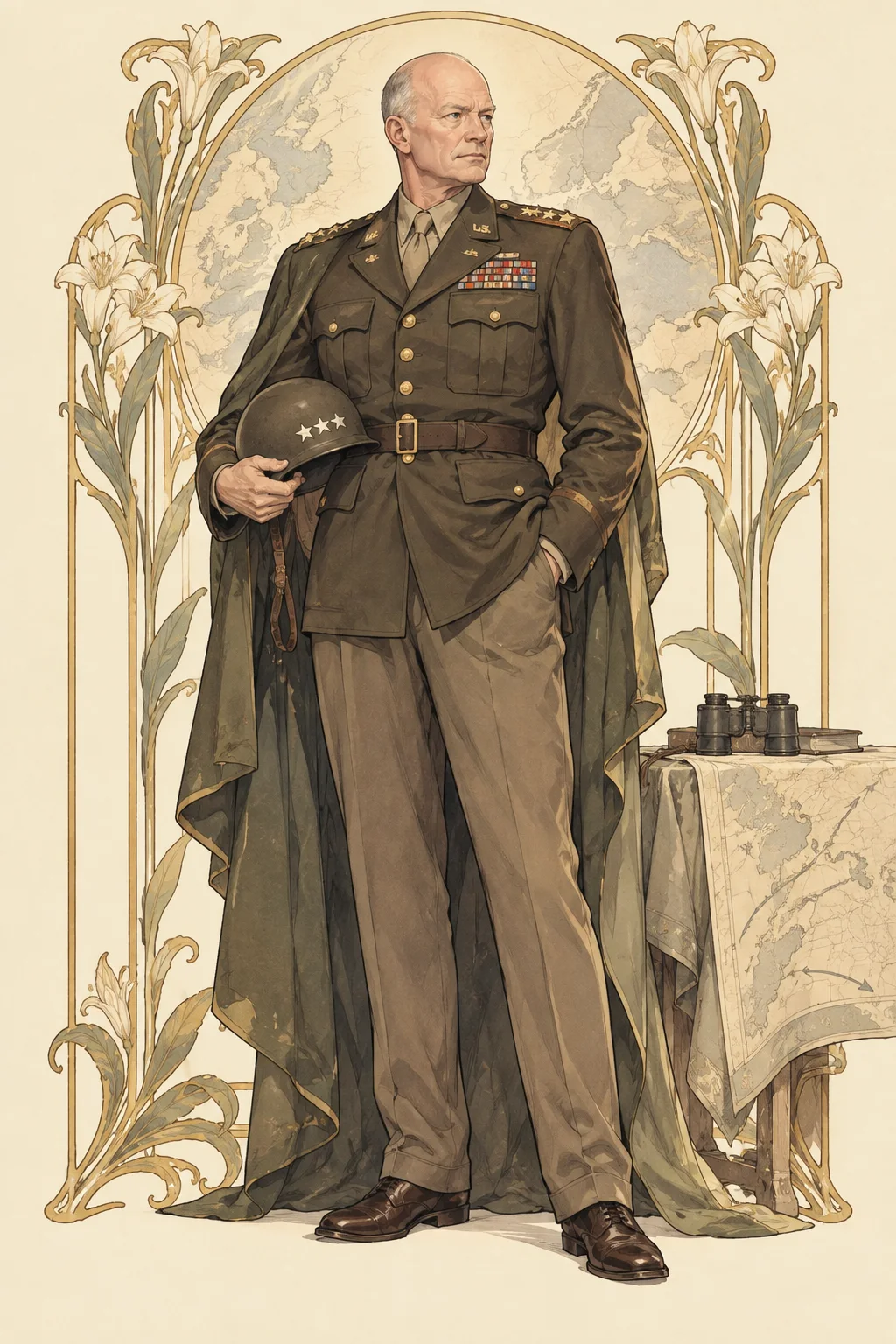 Soldier · PresidentDwight D. EisenhowerUnited States · 20th c.
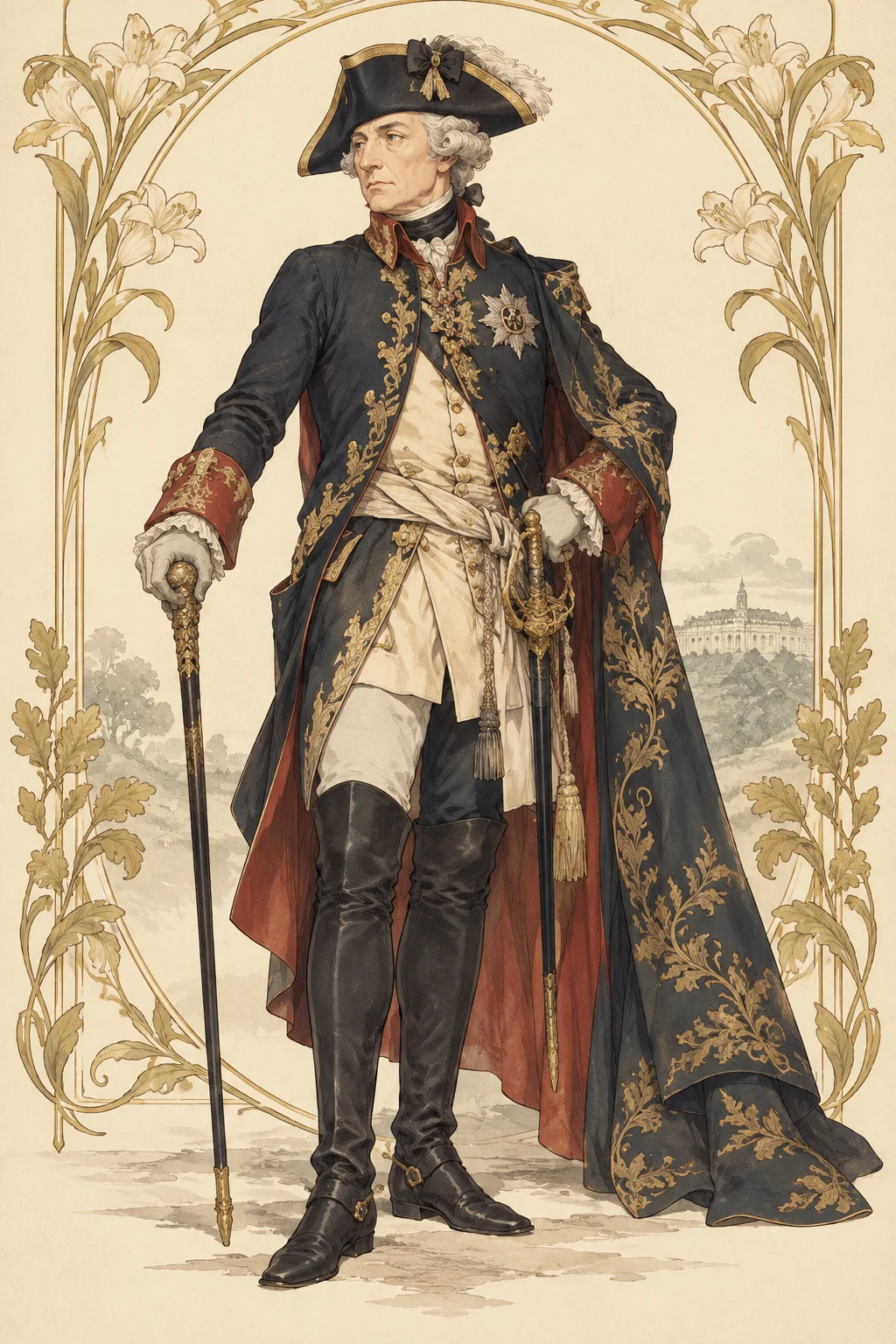 King of PrussiaFrederick the GreatGermany · 18th century
 Religious ReformerJohn CalvinFrance / Switzerland · 16th century
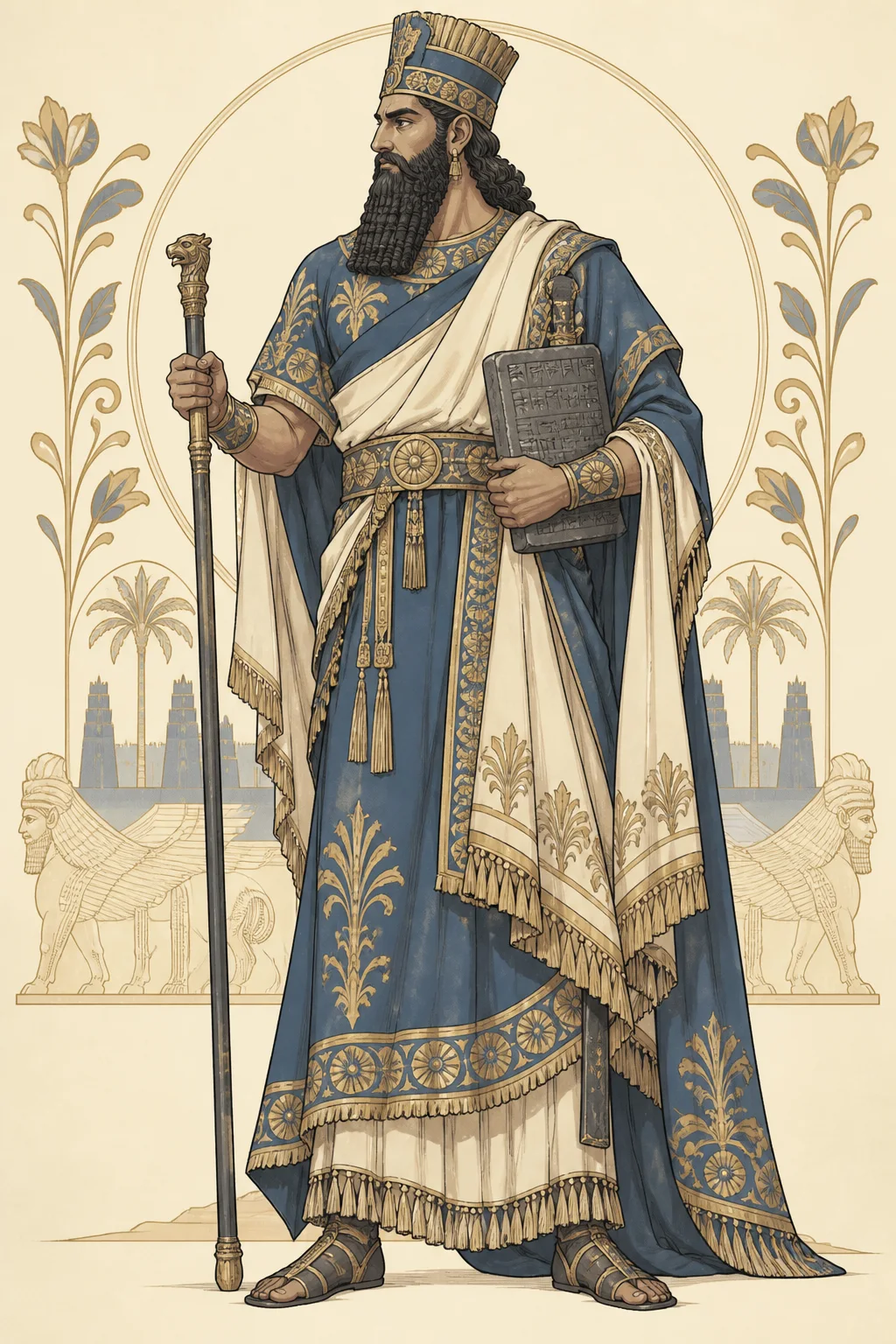 King of BabylonHammurabiMiddle East · 18th century BC
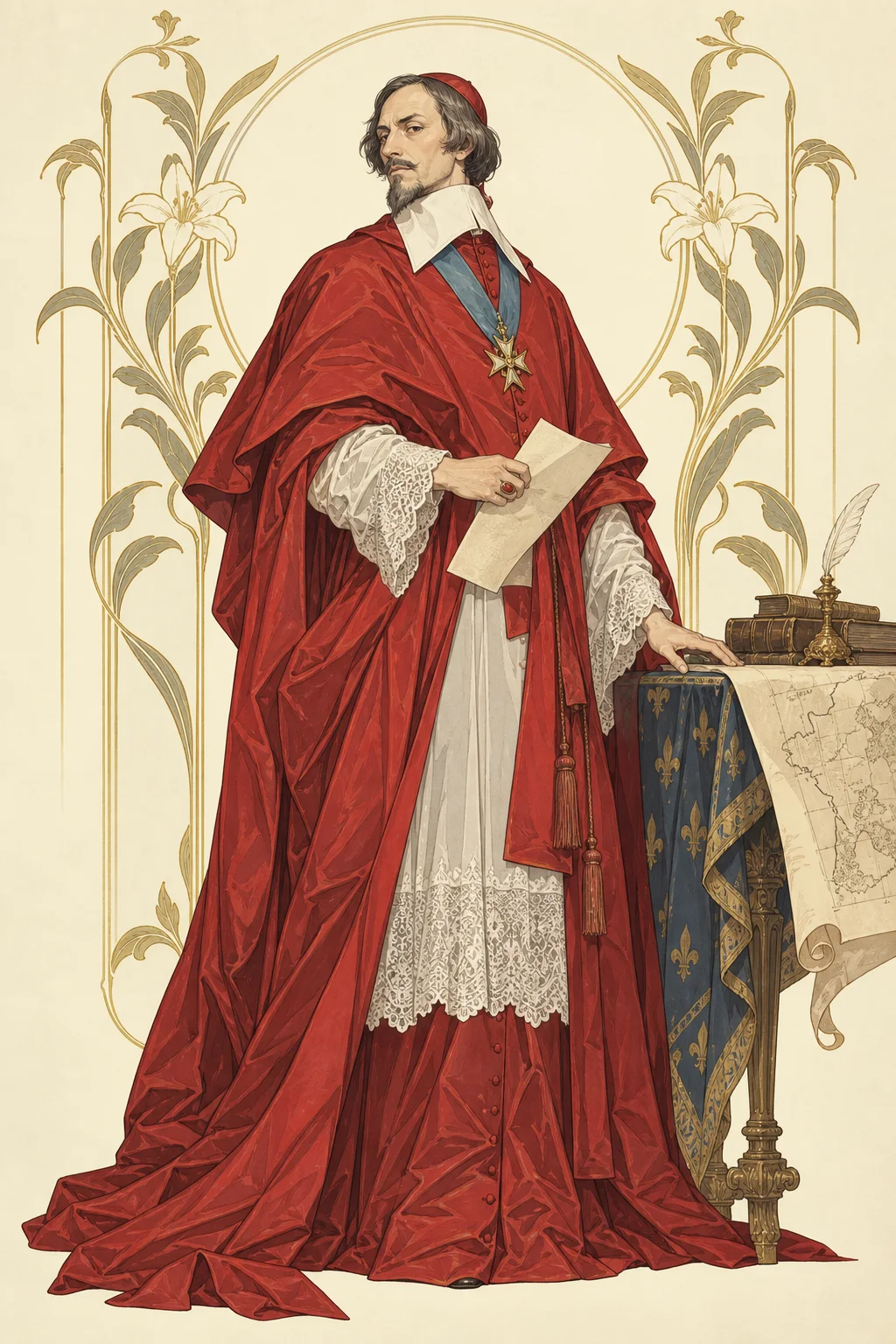 Cardinal · Chief MinisterRichelieuFrance · 17th century
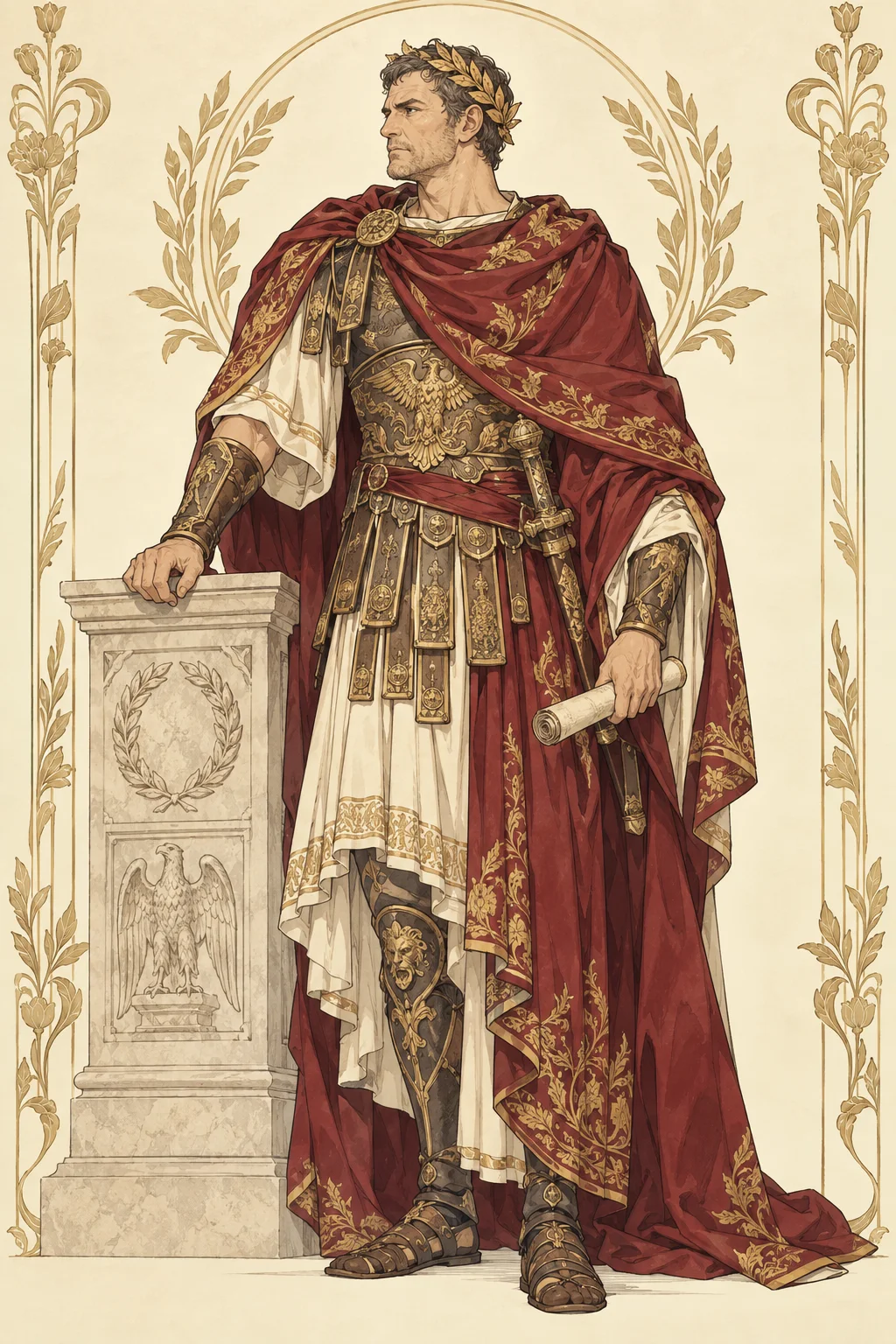 Roman EmperorDiocletian3rd–4th century
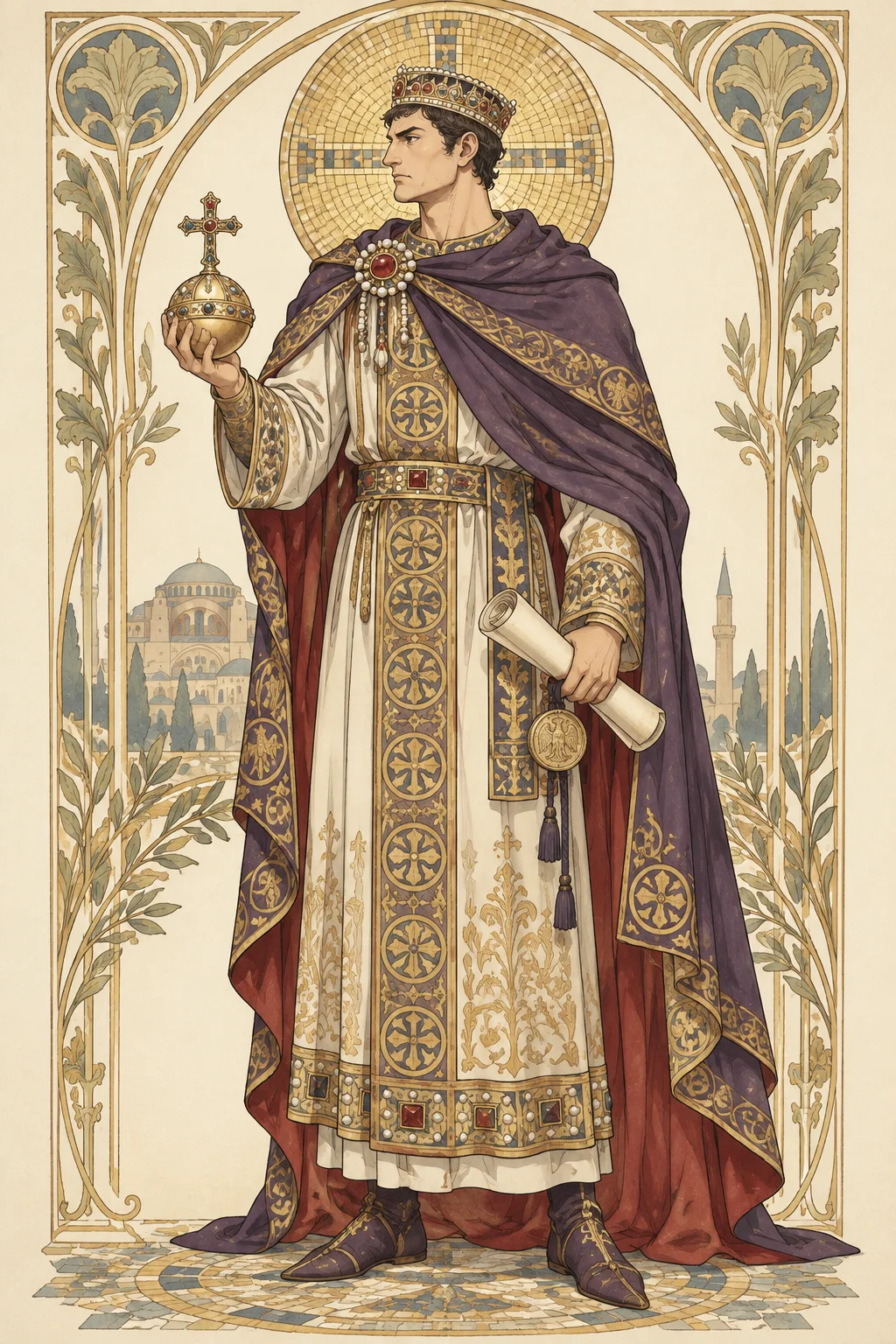 Byzantine EmperorJustinian I6th century
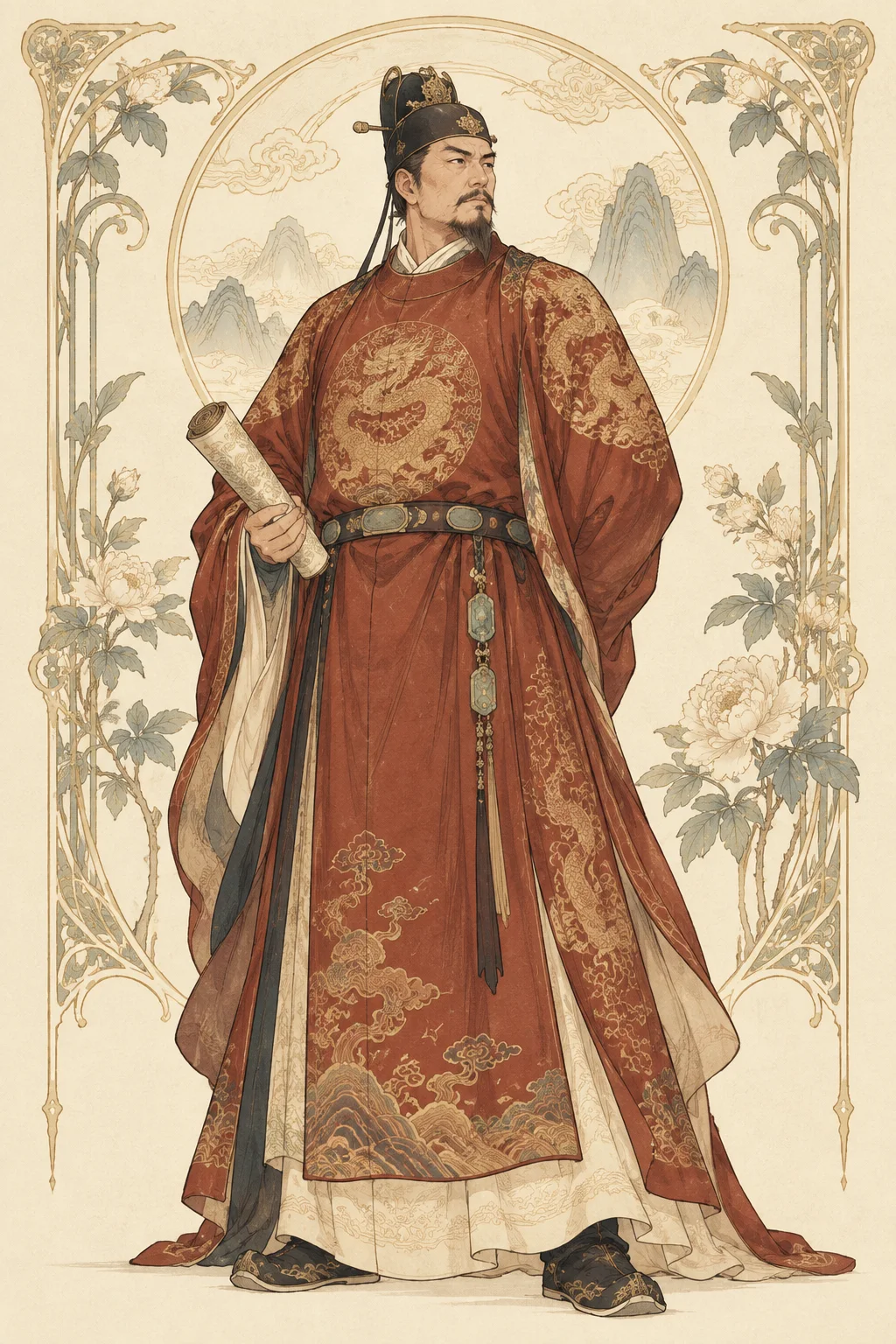 First Emperor of the MingZhu Yuanzhang (the Hongwu Emperor)China · 14th century
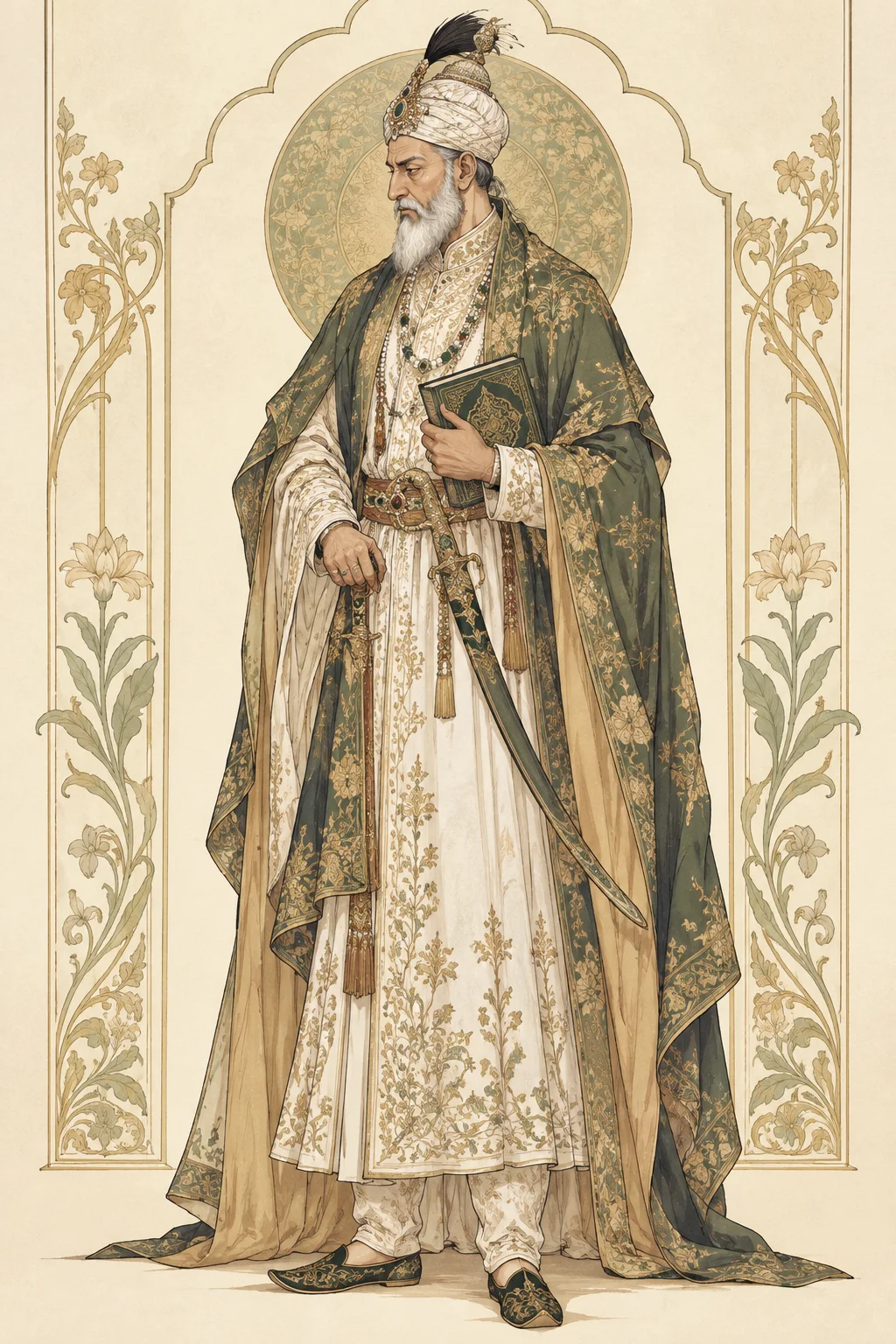 Mughal EmperorAurangzebIndia · 17th–18th century
Type attributions are informed speculation based on public information, not confirmed fact.
Map of group memberships
The Enforcer is one of 32 types, and also belongs to several groups of kindred natures. Here are the four main ones first — open a card to step into its own gallery room.
 Quadra (Values)Beta Quadra (β)Empire
 Bouquet (Temperament)Balanced-Stable temperamentBuilding a sure foundation
 Club (Interest)Practical Management ClubBearers of practice and order
 Motivation (Stimulus Group)Happiness Stimulus GroupSeeks comfort and stability
See all groupings (25 more)
 Communication StyleCold-BloodedExchanges information coolly
 Behavioral StyleConceptualistOrdering the world through structure
 Argumentation StyleArchitectBuilds through argument and consistency
 Perception GroupOrderlinessSets rank and distributes by tradition
 Cognitive StyleCausal-DeterministicMechanistically from cause to effect
 Romance (View of Love)OwnerPossesses the chosen one
 Stress ToleranceWeakBreaks when the foundation is lost
 Socialization GroupIdealistBelieving, and letting the vision lead
 Inflation RingInformation AccumulatorStoring information and leaving experience behind
 Project GroupConcrete ProcessPrecise in the details, for people's sake
 Implementation GroupTechnical InventionInventing, and implementing technology widely
 Square (Rest)IdeologueSchool of Thought
 Business Square (Collaboration)KnightAn order of knights for a great cause
 Octad (Cross-Value Group)ForgeBuilding structure from zero
 Reactor (Excitation Group)ReserveStoring up excitation inward
 MobilizationAlloyAlloys disparate elements together
 Conditioning (Adjustment Group)CheeringRouses the fervor of the room
 LabyrinthThebesSteel authority and an introspective conscience
 Block Group (Extinguishing Group)CreedRaising a principle high and setting it as discipline
 Social Progress Ring (SPR)ChronicleThe governing ring of the great river
 Supervision Ring (SVR)PyramidThe cornerstones of an accumulating civilization
 Social Order Ring (SOR)AtlasThe pillars that support the great river
 Succession Ring (SR)DynastyThe bloodline's reclaiming of the throne
 Benefit Ring (BR)EmblemThe bloodline that upholds the dynasty
 Master Ring (MR)GrandeurThe dynasty's magnificent institutions
Open the full, love and business editions

- The blueprint of your mind (8 blocks)
- Six ways to recover from stumbles
- A situation-by-situation guide (6 situations)
- The reasoning behind the celebrity picks

- What your heart longs for / What excites you / Your landmines
- Classic love scenarios
- Chemistry by partner (all 32 types)
- At home and as a parent / A practical playbook

- Natural strengths / Work better avoided
- Work style / Management
- Industry fit ◎○△ (23 industries)
- Suitable roles
Save $24.98 compared with buying the three separately