
EII-D – Empath –
Sensing what lies beneath feeling, and becoming someone's quiet support
You are someone who gently senses the depths of feeling that words can't capture.
You hold a quiet, unshakable conviction about what is right.
You can't leave someone in trouble alone, and you quietly stay close and support them.
- Quadra
- Delta Δ
- Bouquet
- Balanced-Stable temperament
- Club
- Humanitarian Arts
Portrait — the Empath

The Empath naturally reads what others leave unsaid — from their expressions, their gestures, the tone of their voice. Who is hurting, who is keeping their distance — they pick up the emotional temperature flowing through a room without even trying. That is why they sense the first signs of conflict early, and move to soften things quietly before any waves can rise.
Beneath that lies a quiet, unshakable conviction. What is right, and what worth the person before them holds — these are things they simply "know," steadily, across their whole life. Yet they never brandish that conviction loudly. They do not judge; they stay gentle, keeping to the middle way. For them, rightness is something carried not to condemn, but to protect someone.
When they see someone in trouble, they cannot leave them be. They find it hard to turn down a request, and in trying to meet others' expectations they end up pushing themselves too far. Among family and friends they naturally take on the role of supporting everyone, and their own needs tend to come last. Their way of helping is neither command nor persuasion but quiet action — drawing close, lending a hand, and loosening the tension in the room.
Sudden change and outlandish schemes are not their forte. They feel at ease within values handed down from long ago and procedures they know well. They judge carefully in the light of experience, and prefer the slow flow of time spent with people they trust. Not flash, but the reassurance of being reliably there — that is this person's finest quality.
There are also things they find hard to supply on their own. Briskly handling practical errands, and untangling stagnation or tension on the spot — such practical strength is shaky for them. They are especially weak against conflicts that push by force and pressure that seeks to dominate; when someone comes on strong, they freeze, quietly withdraw, and are deeply wounded inside. That is exactly why, when someone is beside them who keeps reality running briskly and takes the load off their shoulders, the Empath can feel most at ease and give their warmth to the fullest.
Moving forward by kindness, rather than by being right.
Does this sound like you?
- When someone is feeling low, you notice without being told.
- When waves threaten to rise, you step in yourself to mediate and smooth things over.
- You're bad at turning down requests, and you end up taking on too much.
- Even when you're unhappy about something, you'd rather quietly keep your distance than confront it head-on.
- When someone raises their voice at you, you freeze and can't answer back.
- Until trust has grown, you're reserved and quiet.
- Sudden changes and outlandish schemes aren't really your thing.
- Fine practical tasks and logistics keep getting put off.
- You naturally discover the good in people that hasn't shown itself yet.
- Rather than settling things as black or white, you look for a gentle landing place: "there's this way too, isn't there."

How you move

The Empath's conduct is threaded through with a gentle attentiveness to others' hearts and a quiet care to avoid conflict and keep the peace.
Their movements are unhurried, and they rarely raise their voice. Always mindful of the emotional currents around them, they are quick to notice whether someone has grown downcast or whether the air in the room has drawn tight. When waves threaten to rise, they never sharpen the edges themselves; they mediate the space and move toward gently smoothing things over.
If someone is in trouble, they reach out before being asked. But their help takes the form of drawing alongside and supporting quietly, rather than stepping forward to give orders. They put others' circumstances ahead of their own convenience, and unable to say no, they sometimes take on far too much. Even when dissatisfied, they show it by quietly keeping their distance rather than confronting it head-on — and because they don't let it show, they feel it quite deeply within.
In daily life they are highly sensitive to comfort and atmosphere, and they enjoy arranging a space where people can relax; but fine practical tasks and logistics tend to get put off, and fatigue builds up easily. Strung too tight, one day they simply go slack. Even so, once a relationship with someone they trust settles into place, their innate warmth and dependability slowly rise to the surface.
Not appearances, but the state of the other person's heart.
- Moves unhurriedly and rarely raises their voice
- When waves threaten to rise, quietly steps in to mediate
- Reaches out to someone in trouble before being asked
If you had someone you could leave real-life matters to, your kindness could shine with far more ease.
How you speak and listen

Their dialogue is a sincere exchange that attends carefully to how the other person feels, nurturing a gentle trust little by little.
Whether speaking or listening, they turn their heart first to the other person's feelings. Rather than the surface of the words, they try to draw out the feeling beneath them — never rushing, never denying, receiving it slowly. Unafraid of silence, with a nod or a gentle expression they create an air that says, "here, you can feel safe."
They avoid clashes of opinion as much as they can, and dislike forcing their own views through. Even when they believe they are right, they value keeping the relationship gentle over winning the argument. When someone grows emotional, they soften it with a smile and let it pass, quietly cooling the heat of the room.
They are the type to convey sincerity through unchanging conduct rather than clever words. The longer you know them, the more a deep trust grows — "with this person, I can talk." In place of flashy self-assertion, they are simply there, always at the same warmth — and that steady gentleness becomes an anchor for the hearts of those around them.
Rather than talking, taking in how the other person feels.
What lies at the core — drive and tender spots
Not judging, but staying on someone's side.
The one quiet conviction that keeps burning at the heart

At the Empath's center lie a conscience that knows, without wavering, what is right (+Fi-p) and a breadth of spirit that chooses the gentle path without stirring up waves (-Ne-c).
"Is this an honest thing to do?" "Is this person worthy of trust?" — to such questions, this person holds an answer that does not waver. What is right, and what worth the person before them holds, they feel out deeply over a long stretch of time, and once a conviction takes hold it is not easily shaken. Yet it is not a loud, clamoring justice. Over it is layered a sense that quietly searches for the overlooked, gentle alternative path. Rather than declaring black and white outright, they settle things without sharpening the edges — "there's this way too, isn't there" — and find a landing place where no one gets hurt.
These two mesh together into a quiet, supportive conviction: "I am on your side." Their pride lies not in conspicuous work or achievement but in a small, quiet fact — "that person is a little more at ease because I am here."
What they can do, yet do not prize

The Empath holds within them both the power to foresee a coming turn for the worse and the power to move a room's emotions all at once.
They have the power to quietly foresee how things will turn out, where events are heading. They truly possess, too, the power to gather people's feelings and rouse them ardently in a single direction. But ordinarily they don't let this show. Whipping people up with grand gestures, proclaiming the future in a loud voice — that is not this person's way; it is a gentle choice that quiet companionship is better. These powers only open to full throttle when they are truly cornered. In such moments the mild Empath shows another face, foreseeing crisis and moving people — but far from being fulfilled by it, they are left utterly drained.
What the heart secretly craves
What they find hard to supply on their own, yet long for deeply, is a dependable hand that will take charge of reality.
Though they are more sensitive than anyone to the human heart, they are actually poor at deftly handling the practical matters in front of them — logistics, efficiency, the little errands. And so they long, from the bottom of their heart, for someone who keeps reality running briskly (+Te-p) and who, on the spot, unravels the tension and lingering knots that have built up (-Si-c) — such a partner. What they want is not glittering words but a presence who says, "I'll take the troublesome things off your hands," who shoulders reality in their stead and lets them rest at ease. The dual Administrator (LSE-Q) quietly satisfies this very craving simply by being at their side.
The most fragile place
The Empath's weakness shows in pressure that tries to force them into submission and in head-on confrontation.
Faced with someone who raises their voice and pushes, or an atmosphere that seeks to dominate by force, this person freezes. Unable even to answer back, they quietly withdraw and are deeply wounded inside — and they carry that pain for a long time. They are especially vulnerable, too, to being cut off from their ties with others and left all alone. These are less flaws than an area best left to someone who is good at it — the dual Administrator (LSE-Q) becomes a shield in exactly this place, gently protecting them from the pressures of reality.

- Core: knowing what is right, and choosing the gentle path
- What drives you: stable human relationships bound by trust
- Where you're fragile: real-life practical work, conflict by force
Strengths, and where you stumble
A dependable hand that takes charge of reality.
Strengths — connecting and supporting people

The Empath senses the fine subtleties of others' emotions and keeps the harmony of a room so that no one gets hurt. They perceive unspoken anxiety and confusion, and draw quietly close when needed — that quiet empathy brings a deep sense of safety to those around them. They are also skilled at the art of mediation, stepping between people on the verge of conflict and gently repairing the relationship.
Above all, this person's true worth is the steadiness of being reliably there. They take in worries and complaints without denying them, becoming an emotional support. Possessed of sincerity and a moral conscience, they serve long and deeply anyone once bound to them by trust. Within an organization or group, they are the inconspicuous but indispensable "lubricant of the heart," keeping the whole atmosphere warm.
Where they tend to stumble

Where they tend to stumble is the flip side of that gentleness and the strength of their care for others.
Because they cannot leave someone in trouble alone, they cannot refuse a request and end up taking on too much. Putting their own convenience and health last to prioritize others, they may find themselves pushing to the very limit before they notice. "For others' sake" wears them down before they realize it.
Their urge to avoid conflict is strong, and they tend to bottle up what ought to be said. Rather than conveying dissatisfaction or unease head-on, they show it by quietly keeping their distance — but that silence can, instead, breed misunderstanding. Because they don't let it show, they are hurt quite deeply within.
They are especially weak against those who push by force and against head-on confrontation. Under strong pressure they freeze, unable to answer back, and simply withdraw. They carry that pain for a long time, and may even blame themselves for it.
They are also poor at briskly handling practical matters — logistics, efficiency, the little procedures. Though they can read the human heart, they tend to feel a frustration when it comes to prioritizing the errands in front of them or quickly shifting a tense atmosphere.
But that gentleness and fragility are two sides of the same coin as their power to draw close to others and soften a room. Simply knowing this spares them from self-blame, and makes their relationships with those around them far easier.
When someone you trust keeps real life running, you can feel at ease and give your natural warmth to the fullest. That's where your room to grow lies.
- Before taking on a request, pause for a breath
- Voice a dissatisfaction in a single word while it's still small
- If you're pushed by force, it's all right to leave the scene
Where you thrive
With people you trust, in calm, unhurried time.
Environments Where They Thrive
The Empath performs at their best within stable human relationships bound by trust. A place where values are gently shared, sudden upheavals are few, and each person can meet the others sincerely — it is exactly there that this person's warmth and care blossom richly. They feel a quiet fulfillment in the role of supporting others and keeping the harmony of a place.
Conversely, in a place where values change dizzyingly, or an environment rife with insincere dealings, they are drained rapidly. An air of emotional clashes with others, or a competitive atmosphere that constantly rushes them toward conclusions, also becomes a mental burden. Rebuke and coercion are especially counterproductive: when blamed, their self-esteem drops and they shrink back. The more they are gently guided and entrusted with trust, the more their willingness to contribute of their own accord grows.
At the same time, unable to leave others' suffering alone and putting others before themselves, they tend to overextend without noticing. Somewhere in their heart they carry the thought that they ought to be more useful, and they may even feel guilty about resting. That is exactly why a gentle word from those around them — that it is all right to value their own time and health — becomes the support that lets them keep their strength over the long run.
The fields where they shine
They flourish most richly in domains where drawing close to and supporting the human heart is itself the work. Roles that face people deeply one-on-one and take in their emotions — counselor, advisor, helping professions — are a true calling. In the caregiving fields of nursing, care work, and welfare, too, their fine-grained attentiveness and patient devotion come alive.
They are also suited to work that watches over people's growth and guides them within relationships of trust — education, talent development, human resources. A mediator who softens conflict, a counseling desk that becomes an organization's "pillar of the heart," the fields of nonprofit, community, and religious service — it is precisely in domains that call for weaving warm bonds between people and keeping harmony that this person's power comes alive, most quietly and most deeply.
Dialogue — ask Raphael

One free dialogue · Le Salon members can explore several perspectives. Not a real person: a representative perspective based on the public profile.
Relationships and love
Sincerity, and a closeness that never changes.
How You Love — Quiet Affirmation
When the Empath loves, <relational ethics> is always at the center. You feel the finest tremors of the other person's feelings almost as if they were your own. So your way of loving turns less toward demanding something of them and more toward making a place where they can open their heart in safety. On top of that, <possibility intuition> is at work, and you keep spotting the “good that hasn't bloomed yet” in the person before you — quietly believing in it, trying to nurture it. In concrete terms: on a day they're low, instead of lining up words of encouragement, you simply sit beside them and wait for their pace to return — that kind of understated devotion is where your love shows through. Rather than saying “I love you” out loud, quietly and continually affirming that person's world is, for the Empath, what love is.
Compatibility — recommended partners
 Administrator
 LSE-QThe hands-on command post that keeps the field running and moves people and workDualityThe one who complements you most deeply. They deftly clear away the practical matters, dissolve the tension, and let you rest at ease Harmonizer
 ESE-QTheir smile and their voice soften the space around themIllusionaryWarm empathy and gratitude. More indirect than your dual, yet trust and reassurance softly fill the space Commander
 LIE-QBuild, prepare, hold the line — the command center of orderSemi-dualityA warm, nostalgic connection. The reassurance of being able to lean on each other Artist
 SLI-QGiving form to the “just-rightness” of nature and daily lifeActivationWith comfort and sure handiwork, they gently rekindle a downcast heart Performer
 SEI-QA gentle conveyor who gives form to sensation and feelingBenefactorA relationship where you naturally want to give your all for this person Critic
 ILI-QThe insightful Critic who sees through contradictions in the depths of silenceBeneficiaryYou naturally receive their quiet foresight and composure Promoter
 IEE-DMoving the world through fascination — an evangelist of ideasMirrorYou share the value of reading people, but enter from opposite directions — together you hone an eye that sees possibility Politician
 SEE-DA born leader who reads hearts and rallies the currentSupervisee (mirror)You can't help wanting to teach them the subtleties of the human heart and how to draw close to others Visionary
 ILE-DThe architect of ideas who reinvents the world through paradox and theorySupervisor (mirror)You find yourself being led, learning fresh ideas and a wider view in spite of yourselfSee the other relationships (22 more types)
The upper bands are easier to be with; the lower bands tend to wear you down. Tap a relation name to read about the pair.
 Guardian
 ESI-DA silent shield that protects people, with rightness at its backKindredA partner whose conversation flows easily, someone who likes to express things in the same direction as you. It can wear you out once it turns competitive. The Architect
 LII-DThe architecture of logic, quietly built up piece by pieceBusinessA partner you can easily work alongside, adapting to the situation together. Mentor
 EIE-QA passionate standard-bearer who speaks of ideals and binds hearts togetherCompassA partner who gives you a sense of being accepted, along with a hint of which direction to move in. Enforcer
 LSI-DThe steel operator who carries out the mission through discipline and responsibilityIdealA partner who naturally embodies what you aspire to be, easy to admire. Getting too close tires you out. Conqueror
 SLE-DA dependable field general who only burns brighter the harder things getCorrectionA partner whose feedback becomes a chance to take stock of yourself. Dreamer
 IEI-QA teller of fantasies who colors the world with dreams and passionTranscendenceA partner who makes you want to surpass yourself when you're together, pushing each other to grow. Advisor
 IEE-QOne who quietly draws near and listens to the heartCodependencyA partner who wears you down little by little, caught in a cycle of bottling things up and overcompensating. Craftsman
 SLI-DThe artisan who sets the world in order in the palm of his handRelaxationA partner who puts you at ease, though you tend to end up waiting on them with quiet expectation. Executive
 LSE-DSet it in order, get it moving, see it throughDetachedA partner who's hard to feel drawn to, leading to a rather flat, low-key relationship. Philosopher
 EII-QOne who, in the stillness, keeps questioning the meaning of the worldAdaptiveA partner you settle into by simply playing your roles, an easy, unremarkable relationship. Seeker
 ILE-QAn intellectual adventurer who unravels the worldSupervisorA relationship where you tend to unsettle the other person without ever realizing it. Peacemaker
 SEI-DA bridge between sensation and compassionTense BenefactorA partner around whom you tend to try too hard, unable to shake off the tension. Enthusiast
 ESE-DThe cheerful flame that sets the world ablaze with feelingTediumA partner who leaves you feeling sluggish, prone to putting things off and keeping your distance. Analyst
 LII-QFrom the quiet of the desk, reassembling the worldFormalA relationship where formality and appearances pile up, and it's hard to ever fully relax.
SEE-QA natural orchestrator who reads the room and guides people toward reconciliationPlayerA partner around whom you constantly feel watched, prone to leaving you burned out. Strategist
 ILI-DThe contemplative Strategist who quietly reads ahead and lays the groundworkTense BeneficiaryA partner who leaves you worrying and overthinking, prone to closing your heart off. Pioneer
 LIE-DCarving the way through results — the realist's frontierDistrustA partner you can't quite bring yourself to trust, which makes it hard to show your own strength. Judge
Judge ESI-QThe quiet arbiter who discerns right from wrongDutyA partner who leaves you understanding what to do yet unable to act on it, while your need to be recognized grows stronger. Reformer
 SLE-QAn executor who breaks through by force and rewrites conventionConflictThe partner most likely to strike your weakest point, the one relationship that drains you the most. Prophet
 IEI-DAn eye that gazes upon a destiny no one has yet noticedQuasi-IdentityA partner who looks similar to you yet never quite clicks, leaving you spinning your wheels and worn out. Hero
Hero EIE-DIt is this conviction that changes the worldDistanceA partner who makes you want to keep your distance and close your heart off. Inspector
 LSI-QThe logician who strips away pretense and sees through to the truthRoleA relationship where "you should" comes first, making it hard to just be yourself.Compatibility is not decided by type alone; maturity, subtype and circumstances all change it.
With someone you are connected to, you can read a personal Relationship Reading drawn from both of your answers ($8.99 per pair, unlimited for Le Salon members).
See compatibility with your connections →Explore Le Salon →
What You Truly Long For
What you — so skilled at supporting others — secretly long for in the depths of your heart is almost the exact opposite. It is a yearning for someone dependable who keeps real, everyday life running briskly and without hesitation. You can read the human heart endlessly, yet before a practical judgment like "how do I organize this"…
In the Love Edition: What your heart longs for / What excites you / Where you clash and your landmines / Classic love scenarios / Chemistry by partner, all 32 types named / At home and as a parent / A practical playbook / Secrets to lasting love / A manual for your partner
Work and ways of working

Your Working Style — Trust-and-Care Builder
You naturally excel in two main ways: staying close to each person and building trust, and coming up with one new idea or possibility after another.
Your interest gravitates toward themes like ideals, art, and the human heart, and you stay calm and unshaken, keeping a steady pace. Your motivation switch is being recognized and recovering your confidence.
With people, you're reserved, gauging distance carefully, and earnest in your dealings. When you act, you move by valuing relationships and trust with people.
The power to read hearts, and ideas that keep welling up.
- When you're unsure, set a deadline for deciding first
- Voice concerns together with your reasons and an alternative
- Keep in mind that holding off is also a decision

Careers That Fit
Roles that face people deeply one-on-one and take in their emotions are a true calling for this person.
Your power to sense the fine subtleties of the human heart and keep the harmony of a room comes straight into play.
A path that suits your sincerity and moral conscience, and your way of giving long and deeply to those bound to you by trust.
Your Strengths, and Work Better Avoided
Your weapon is the pairing of the deep trust you build by staying close to each person and long-term ideas for improvement rooted in good sense. Choose a post where "trust becomes an asset" — ethics and compliance, an internal consultation desk, community management — and…
In the Business Edition: Natural strengths / work better avoided, Stress tolerance and socialization group, Work style, Motivation and recharging, How to work with and manage this person, Compatibility and team-building, Industry fit ◎○△ across 23 industries with rationale, Suitable roles
Blueprint of the mind
Your mind runs on eight blocks. Each block carries two functions — how you take in the world, and how you express yourself — and together they set both the range you're skilled in and how much you actually value using it. We've kept the technical notation small and explained everything in plain language.
Be deeply convinced, and settle things softly.
Leading Your centerI Know
+Fi-pMorality & DutyRelational ethics-Ne-cGood Sense & PeaceIntuition of possibilitiesYou first take in the world through a single measure: "is this honest, what is right?" Are promises being kept? Is there consideration? A conviction once formed is held long and deep, and is not easily shaken.
You then offer that conviction as a gentle path that stirs up no waves. Rather than declaring black or white, you lead toward a landing place where no one gets hurt: "there's this way too, isn't there."
To be deeply convinced, and to settle things softly. The quiet conviction "I am on your side" sits at your very center.
Mirror — Picked up by watching
At the entry point sits a sensitivity to what lies hidden deep in a pe…
In the Full Portrait: all 8 blocks of the blueprint / 6 ways back / situational guide / the reasoning behind the exemplars
Going deeper — ways back and situational guide
On the flip side of that same core, these are the situations where you tend to stumble. After that, six ways to get back on your feet.
Because you can't leave someone in trouble alone, you can't refuse requests and you take on too much. You tend to put your own convenience and health last.
Your urge to avoid conflict is strong, and you tend to hold in what ought to be said. Because you don't let it show, you're hurt quite deeply inside.
You're especially weak against people who push by force and against head-on confrontation. Under strong pressure you freeze, can't answer back, and simply withdraw.
Someone who takes charge of reality lets you feel at ease.
Way to Recover 1 — Turn Kindness Toward Yourself, Too
Though you can draw so close to others, you tend to put yourself last. First, give yourself permission: "it's all right to value my own time and health too." Your power to support others…
In the Full Portrait: 6 ways back / situational guide (home, work, friends, under stress, shopping, days off)
People thought to share this type
They sensed what lies beneath feeling, connected people with one another, and remained at the side of the weak — these are, among those who upheld the world with compassion and good sense, the people thought to be Empaths (EII-D). Different fields, different eras, yet all of them resonate on one point: someone who quietly stays close and supports people through sincerity and morality.
 India · Nun/CharityMother TeresaShe devoted her whole life to the side of the weakest, staying quietly present as a neighbor to the poor.
 China · ThinkerConfuciusHe taught benevolence and propriety, placing sincere relationships between people at the foundation of society.
 Vietnam · Zen Monk/Peace ActivistThích Nhất HạnhHe brought mindfulness and reconciliation to the world, healing conflict with quiet compassion.
 United Kingdom · NovelistJane AustenShe depicted, with a gentle pen and fine precision, the subtleties of the human heart and the folds of morality.
 Netherlands · HumanistErasmusRejecting fanaticism, he spread across Europe a humanism founded on tolerance and good sense.
 Japan · Social Activist/PastorToyohiko KagawaLiving in the slums, he supported the lives of the weak through cooperatives and love of neighbor.
 Poland · Educator/PediatricianJanusz KorczakAs a father to orphans, he stayed by the children to the very end and shared their fate.
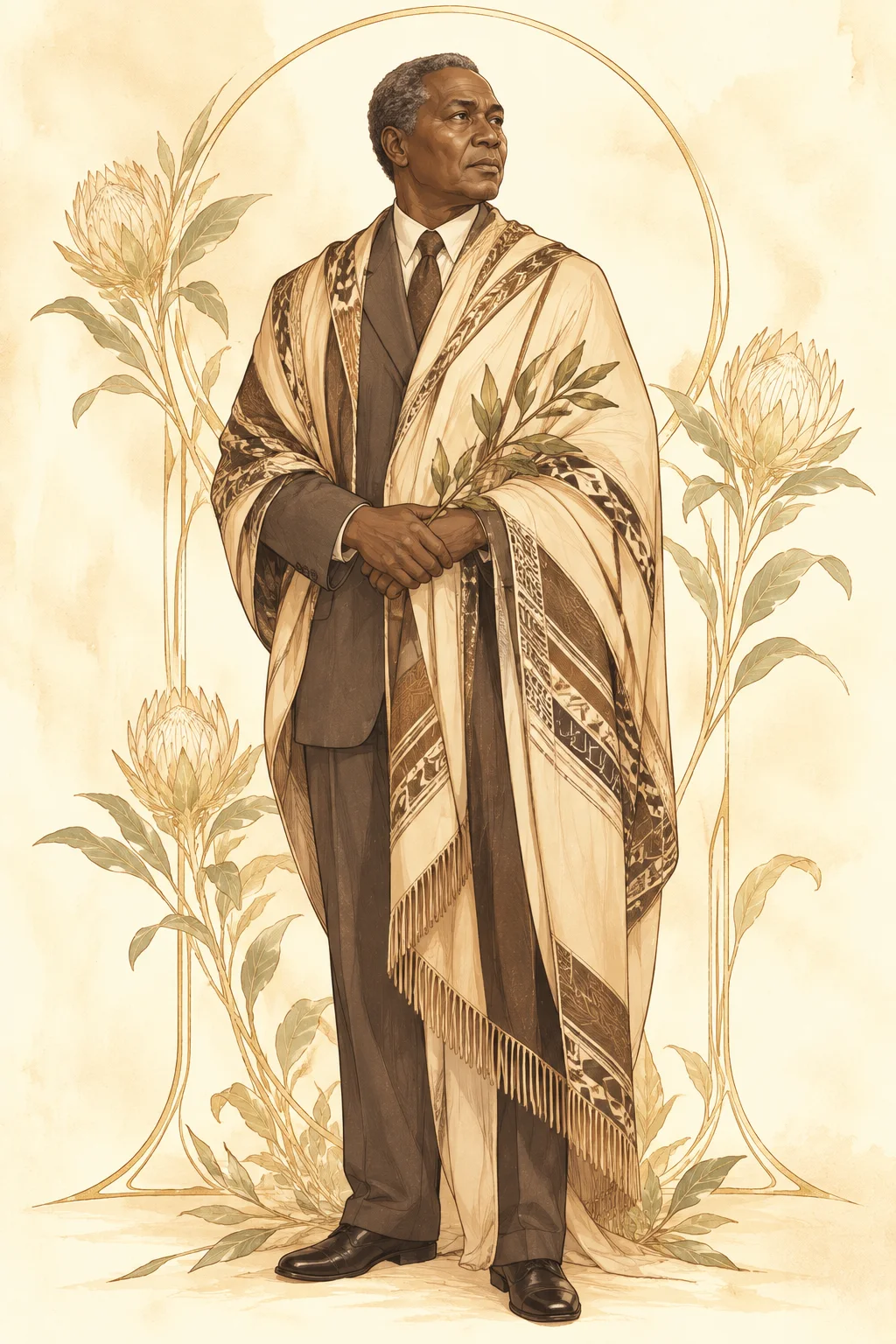 South Africa · ActivistAlbert LutuliA Nobel Peace Prize laureate who held to nonviolence and confronted injustice with reconciliation and dignity.
 Sweden · UN Secretary-GeneralDag HammarskjöldWith quiet conviction and introspection, he devoted himself to mediating a world in conflict.
 United States · QuakerJohn WoolmanHe quietly resisted the injustice of slavery and, following his conscience, moved people's hearts.
Type attributions are informed speculation based on public information, not confirmed fact.
Map of group memberships
The Empath is one of 32 types, and also belongs to several groups of kindred natures. Here are the four main ones first — open a card to step into its own gallery room.
 Quadra (Values)Delta Quadra (δ)Tradition · Traditional
 Bouquet (Temperament)Balanced-Stable temperamentBuilding a sure foundation
 Club (Interest)Humanitarian Arts ClubThose who weave souls and stories
 Motivation (Stimulus Group)Self-esteem stimulus groupSeeking inner worth
See all groupings (25 more)
 Communication StyleSincereGrowing deep bonds slowly
 Behavioral StyleHarmonizerOrdering relationships through trust
 Argumentation StyleGuardianDiscerning worth through morality
 Perception GroupReductionismBreaking down into prototypes and reconstructing through concepts
 Cognitive StyleCausal-DeterministicMechanistically from cause to effect
 Romance (View of Love)MentorQuietly guiding from beside you
 Stress ToleranceWeakBreaks when the foundation is lost
 Socialization GroupDevoteeDevoting oneself over time
 Inflation RingInformation AccumulatorStoring information and leaving experience behind
 Project GroupIdeational processIntegrating observation into theory
 Implementation GroupSocial EntrenchmentRooting customs into society
 Square (Rest)PatronResponsible ladies and gentlemen
 Business Square (Collaboration)FounderBuilders of good sense
 Octad (Cross-Value Group)ForgeBuilding structure from zero
 Reactor (Excitation Group)ReserveStoring up excitation inward
 MobilizationNeutralizationNeutralizing conflict and stabilizing
 Conditioning (Adjustment Group)ConfigurationSetting the configuration of the whole
 LabyrinthChartresTraditional charity and revolutionary oversight
 Block Group (Extinguishing Group)MaturationBuilding trust through careful planning
 Social Progress Ring (SPR)ChronicleThe governing ring of the great river
 Supervision Ring (SVR)PyramidThe cornerstones of an accumulating civilization
 Social Order Ring (SOR)AtlasThe pillars that support the great river
 Succession Ring (SR)DynastyThe bloodline's reclaiming of the throne
 Benefit Ring (BR)EmblemThe bloodline that upholds the dynasty
 Master Ring (MR)GrandeurThe dynasty's magnificent institutions
Open the full, love and business editions

- The blueprint of your mind (8 blocks)
- Six ways to recover from stumbles
- A situation-by-situation guide (6 situations)
- The reasoning behind the celebrity picks

- What your heart longs for / What excites you / Your landmines
- Classic love scenarios
- Chemistry by partner (all 32 types)
- At home and as a parent / A practical playbook

- Natural strengths / Work better avoided
- Work style / Management
- Industry fit ◎○△ (23 industries)
- Suitable roles

Save $24.98 compared with buying the three separately