
IEI-D – Prophet –
An eye that gazes upon a destiny no one has yet noticed
You are someone who gazes at the turning points of an age that no one has noticed yet.
You don't ask; you quietly tell: "this is how it will be," "it's all right, there is a way."
The power to turn the future you see into reality with your own hands is not within you.
- Quadra
- Phi Φ
- Bouquet
- Receptive-Adaptive temperament
- Club
- Humanitarian Arts
Portrait — the Prophet

The Prophet is someone who reads the flow of time. From the faint signs of each day, they keep tracking "how things will change from here," and foresee, quietly yet with conviction, the turning points others haven't noticed yet. Even when hardship comes, they know "this won't last; it will pass in time." They can speak of even dark events with a smile because they sense the future is not closed.
That foresight gains its power when it's put into words. They don't ask; they tell. "This is how it will be," "It's all right, there is a way," in roundabout, symbolic expressions, yet with unshakable conviction. Words are not a tool but a catalyst for touching truth. The Prophet's speech seeps quietly into the hearts of those who listen, and gently steadies the mood of the room.
On the other hand, the power to turn the future they see into reality with their own hands is not within the Prophet. Breaking through walls, reshaping structures, moving reality: the Prophet craves that overwhelming drive more deeply than anyone. That is exactly why, beside the one who breaks through walls — their dual, the Reformer — the Prophet's eye reaches farthest, and their words carry the most power.
Time is a material that stretches and shrinks.
Does this sound like you?
- A moment that moves you feels long, and dull time flies by.
- Before a conflict fully sets in, you quietly shift your position and avoid the collision.
- When you feel "now is not the time to move," you wait patiently for the moment to ripen.
- When a room gets overheated, you quietly step back and lower the temperature.
- You're strongly drawn to people full of confidence who drive toward their goals.
- You clearly sense what is beautiful and what is not.
- You spend generously on books, art, and whatever nourishes your heart.
- You rarely voice everyday complaints, and quietly swallow them alone.
- You can lose yourself in envisioning the future, yet everyday paperwork drains your energy at once.
- Inside, you strongly resist uniform rules and orders from above.

How you move

The Prophet's conduct holds a detached stillness and, in sudden moments, an emotional radiance.
The Prophet's first impression is quietness. In public they are modest and courteous, with no waste in their gaze or gestures. They avoid movements that would disturb the mood of a room, and through measured conduct they try to keep their own world quietly intact. Their movements are smooth and soft, their gestures graceful and light. Their gait has a sense of direction, yet something languid about it, giving an overall impression of compliance. Their gaze is diffuse and dreamlike — yet behind it, they are ceaselessly picking up the subtle shifts in the mood of the times.
In a space with people they are close to, this changes completely. They may suddenly show speech laced with profound metaphor, or eccentric behavior. Within their restrained movements, poetic and symbolic acts abruptly mingle, giving onlookers a striking sense of otherness. Waves of emotion exist, but they do not show them openly; they try to digest them quietly within. Yet when in good spirits, a friendly smile suddenly brightens the room, and their expressions are changeable and rich — often a melancholy look turns, unexpectedly, into a smile.
Not appearances, but the subtle shifts in the mood of the times.
- Modest in public, with no wasted glances or gestures
- With close friends, shows poetic, symbolic behavior
- Energy wilts at once with practical work and arrangements
Given a place where you can move at your own rhythm, your foresight reaches surprisingly far.
How you speak and listen

Their dialogue is symbolic, and quietly deep.
The Prophet's way of speaking is quiet and draws people in. They may appear to be of few words, but within, information flows ceaselessly as they interpret the meaning of the future and of relationships. When they suddenly fall silent mid-conversation, it is when they are sensing an omen for reading what lies ahead. Their speech is ambiguous, holding poetic metaphor and symbol, leaving room for the listener to interpret — a way of speaking that does not assert their own opinion but deliberately leaves a margin of space.
In conversation, the talk may suddenly leap to another era, another culture, or a religious theme. This is the result of inner associations unfolding freely, and the conversation deepens not in a straight line but in a spiral. They peer into the other person's eyes and listen with empathy — as if they had never heard so wise a story in all their life. And at the end of a discussion, they close softly in a way that stays close to the mood of the room, at times weaving in humor, leaving their reading of things distilled into a single phrase.
Ambiguous, poetic metaphors that leave room to interpret.
What lies at the core — drive and tender spots
See ahead, then soften.
The one quiet engine at the heart

At the Prophet's center lie an eye that keeps tracking the evolution of the future and a power that gently orders the mood of a room.
At the Prophet's center lie two powers meshed together. One is an eye that keeps tracking the signs of a future no one has yet noticed (+Ni-p) — the power to continually draw a gentle curve of evolution out of the faint changes of daily life. Even without any great event, they keep picking up the subtle shifts in the "mood" of the times. Not predicting outcomes, but keeping track of the very flow of evolution — that is this person's fulfillment. Even when hardship comes, they know "this will not last" — a diffuse conviction that the future is not closed lies at the Prophet's core.
The other is a power that gently strokes the room and steadies its atmosphere (-Fe-c) — the power to soften tense feelings with quiet empathy and draw excessive commotion back to a calm tone. Not explosively whipping up the room, but lowering the temperature and steadying it. With a smile, a nod, a composed tone of voice, they spread a sense of ease little by little — the reason you somehow feel calm beside the Prophet is that this power is always quietly at work.
What they can do, yet do not prize

In fact, the Prophet holds a considerable measure of the power to fulfill duties and the power to build agreement gently.
The Prophet has outstanding ability in the power to keep promises matter-of-factly and quietly fulfill their good faith (+Fi-p), and the power to change things gently without rushing or breaking them (-Ne-c). But they place no value in this itself. Keeping duties matters far less to them than continuing to track the flow of the future.
What the heart secretly craves
What the Prophet cannot generate on their own, and craves more deeply than anyone, is an overwhelming capacity for action that breaks through walls.
What the Prophet cannot supply for themselves, yet craves in the depths of their heart — it is the power to push past limits and break through walls (+Se-p), and the logic that instantly reassembles the structures they have broken (-Ti-c). The future is visible to them. But they lack the means to turn it into reality. They respect and admire those who are confident and unstoppable toward their goals, and feel a wish to come "under their wing" — the Prophet's craving is the very Leading function of the dual Reformer (SLE-Q). When the Reformer breaks through walls and presses forward, the Prophet, at their side, feels the deepest fulfillment in telling the future they have seen.
The most fragile place
The Prophet's weakness shows in maintaining the efficiency of practical work and the comfort of daily life.
The Prophet's most fragile parts are two. One is chasing efficiency, measuring results by numbers, and producing outcomes worth their cost (+Te-p) — to questions like "Is that efficient?" "Does the cost add up?" the Prophet finds it hard to answer. They have a strong resistance to spending time on work they cannot enjoy, and tend to put it off. The other is arranging the comfort of daily life for themselves (-Si-c) — they are poor at household order, day-to-day logistics, and the upkeep of their surroundings, and even if they start with enthusiasm, they cool off once they run into difficulty. But that is the flip side of the eye that keeps tracking the future. Practical matters can simply be supplemented by someone who is good at them.

- Core: tracking the signs of a future no one has noticed yet, and gently settling the mood of a room
- What drives you: the felt response of tracking change, putting it into words, and delivering it to people
- Where you're fragile: keeping practical work efficient and daily life comfortable
Strengths, and where you stumble
Someone who breaks through walls and moves reality.
Strengths — foreseeing, ordering, and giving direction

The Prophet's strengths are a foresight that catches the first signs of change no one has yet noticed, and an emotional power that gently orders the mood of a room. They intuitively sense the turning points of an age, and even in moments when others grow flustered, they give calm through the quiet conviction that "this is temporary." Their foresight is spoken in symbolic words that sink deep into the hearts of those who listen. Attuned to people's emotions and moods, they build trust with an approach suited to each individual. They make many acquaintances and remember each one's information to a remarkable degree. They pour effort into gathering the information they deem important, and keep a wide range of trustworthy sources. They sense the signs of conflict before it ripens and, changing tactics, guide the situation gently — this person naturally possesses the art of making time their ally.
Where they tend to stumble

Where they tend to stumble is the flip side of that foresight and richness of feeling.
They are poor at maintaining the efficiency of practical work and the comfort of daily life on their own, and tend to put off work they cannot enjoy. They can become inclined to avoid responsible judgments, and may drag out a decision until the last moment. Material management — money, logistics, keeping order — may begin with enthusiasm, but they cool off once they hit difficulty. They have swings of mood, and when feelings cannot be fully processed within, they may suddenly sink low or let a sharp word slip out unexpectedly. Because their conviction in their foresight is strong, being denied or ignored on it wounds them deeply. But that weakness is the flip side of the power of foresight and feeling — they can leave practical matters to those who are good at them and exercise their strength in their own place.
When you meet someone with drive, your foresight doesn't end as pie in the sky; it becomes something that truly reaches reality.
- Turn what you foresee into a small step: write it, tell it, try it
- With a big task, decide "just five minutes first" and get started
- Don't push away the people who lend you wings
Where you thrive
When your voice says "this will pass," the room softens.
Environments Where They Thrive
The Prophet performs at their best in an environment where they can feel the flow of time, immerse themselves in deep contemplation, and move at their own rhythm. A flexible schedule, a serene space, a place where spiritual exploration is respected — in work involving art, literature, philosophy, education, counseling, and culture, in strategic roles that envision the future, and in mediating work that gently adjusts things between people, the Prophet shines most brightly. Conversely, being bound by rigid plans, practical work evaluated by numbers alone, and an environment single-mindedly devoted to efficiency at the expense of feeling are great sources of stress.
As a Prophet
Concretely: creating and critiquing literature, poetry, and art; research in philosophy, thought, and religion; psychological counseling and the mediation of human relationships; education (especially in settings that support spiritual growth); planning cultural projects; envisioning long-term visions — in work that gives words and form to the invisible signs of the future, the Prophet's foresight and emotional power come alive most richly. "An eye that gazes upon a destiny no one has yet noticed" is what is needed there.
Dialogue — ask Lunaria

One free dialogue · Le Salon members can explore several perspectives. Not a real person: a representative perspective based on the public profile.
Relationships and love
Do your spirits resonate? Is there a quiet bond?
How You Love — Affirmation Like a Quiet Prophecy
Your way of loving dwells in believing in and watching over the other person's “future no one has yet noticed.” With temporal intuition (Ni) you sense where they're headed, and with emotional ethics (Fe) you stay close to the temperature of their heart. So when your partner is down, what you do is not to line up solutions but to sit quietly beside them and tell the one at the bottom of despair, “It's alright — you're not someone who ends here,” as though you'd already gone ahead and seen the future. Concretely, on a night when they've failed at something, if you neither blame the failure nor rush them with encouragement, but instead describe their figure a few years down the line, your love reaches deepest. Not flashy devotion but this quiet, prophecy-like affirmation is the form of love that only you can give.
Compatibility — recommended partners
 Reformer
 SLE-QAn executor who breaks through by force and rewrites conventionDualityTheir power to break through walls turns the future you see into reality Seeker
 ILE-QAn intellectual adventurer who unravels the worldIllusionaryYour intellectual curiosity resonates, and you can share a warm sense of ease Orchestrator
 SEE-QA natural orchestrator who reads the room and guides people toward reconciliationSemi-dualityTheir drive and flair break through stagnation Inspector
 LSI-QThe logician who strips away pretense and sees through to the truthActivationThe clarity of their logic sets fire to your inner thought Analyst
 LII-QFrom the quiet of the desk, reassembling the worldBenefactorFor this person, you naturally want to give your strength Judge
Judge ESI-QThe quiet arbiter who discerns right from wrongBeneficiaryWith this person, you naturally receive confidence in norms Hero
Hero EIE-DIt is this conviction that changes the worldMirrorThe same values, expressed differently. Passion and serenity mirror each other Enthusiast
 ESE-DThe cheerful flame that sets the world ablaze with feelingSupervisor (mirror)You find yourself being led, learning the power to warm a room in spite of yourself Pioneer
 LIE-DCarving the way through results — the realist's frontierSupervisee (mirror)Like a master, you find yourself wanting to teach them how to see the futureSee the other relationships (22 more types)
The upper bands are easier to be with; the lower bands tend to wear you down. Tap a relation name to read about the pair.
 Peacemaker
 SEI-DA bridge between sensation and compassionBusinessA partner you can easily work alongside, adapting to the situation together. Strategist
 ILI-DThe contemplative Strategist who quietly reads ahead and lays the groundworkKindredA partner whose conversation flows easily, someone who likes to express things in the same direction as you. It can wear you out once it turns competitive. Mentor
 EIE-QA passionate standard-bearer who speaks of ideals and binds hearts togetherCodependencyA partner who wears you down little by little, caught in a cycle of bottling things up and overcompensating. Enforcer
 LSI-DThe steel operator who carries out the mission through discipline and responsibilityRelaxationA partner who puts you at ease, though you tend to end up waiting on them with quiet expectation. Conqueror
 SLE-DA dependable field general who only burns brighter the harder things getDetachedA partner who's hard to feel drawn to, leading to a rather flat, low-key relationship. Dreamer
 IEI-QA teller of fantasies who colors the world with dreams and passionAdaptiveA partner you settle into by simply playing your roles, an easy, unremarkable relationship. Advisor
 IEE-QOne who quietly draws near and listens to the heartCompassA partner who gives you a sense of being accepted, along with a hint of which direction to move in. Craftsman
 SLI-DThe artisan who sets the world in order in the palm of his handIdealA partner who naturally embodies what you aspire to be, easy to admire. Getting too close tires you out. Executive
 LSE-DSet it in order, get it moving, see it throughCorrectionA partner whose feedback becomes a chance to take stock of yourself. Philosopher
 EII-QOne who, in the stillness, keeps questioning the meaning of the worldTranscendenceA partner who makes you want to surpass yourself when you're together, pushing each other to grow. Commander
 LIE-QBuild, prepare, hold the line — the command center of orderPlayerA partner around whom you constantly feel watched, prone to leaving you burned out. Guardian
 ESI-DA silent shield that protects people, with rightness at its backTense BeneficiaryA partner who leaves you worrying and overthinking, prone to closing your heart off.
SEE-DA born leader who reads hearts and rallies the currentDistrustA partner you can't quite bring yourself to trust, which makes it hard to show your own strength. Critic
 ILI-QThe insightful Critic who sees through contradictions in the depths of silenceDutyA partner who leaves you understanding what to do yet unable to act on it, while your need to be recognized grows stronger. Harmonizer
 ESE-QTheir smile and their voice soften the space around themSupervisorA relationship where you tend to unsettle the other person without ever realizing it. The Architect
 LII-DThe architecture of logic, quietly built up piece by pieceTense BenefactorA partner around whom you tend to try too hard, unable to shake off the tension. Visionary
 ILE-DThe architect of ideas who reinvents the world through paradox and theoryTediumA partner who leaves you feeling sluggish, prone to putting things off and keeping your distance. Performer
 SEI-QA gentle conveyor who gives form to sensation and feelingFormalA relationship where formality and appearances pile up, and it's hard to ever fully relax. Administrator
 LSE-QThe hands-on command post that keeps the field running and moves people and workConflictThe partner most likely to strike your weakest point, the one relationship that drains you the most. Empath
 EII-DSensing what lies beneath feeling, and becoming someone's quiet supportQuasi-IdentityA partner who looks similar to you yet never quite clicks, leaving you spinning your wheels and worn out. Promoter
 IEE-DMoving the world through fascination — an evangelist of ideasDistanceA partner who makes you want to keep your distance and close your heart off. The Artist
 SLI-QGiving form to the “just-rightness” of nature and daily lifeRoleA relationship where "you should" comes first, making it hard to just be yourself.Compatibility is not decided by type alone; maturity, subtype and circumstances all change it.
With someone you are connected to, you can read a personal Relationship Reading drawn from both of your answers ($8.99 per pair, unlimited for Le Salon members).
See compatibility with your connections →Explore Le Salon →
What You Truly Long For
What you secretly long for, deep in your heart, is "the power of decision and action" that cuts through your hesitation. Precisely because you stand frozen among so many futures…
In the Love Edition: What your heart longs for / What excites you / Where you clash and your landmines / Classic love scenarios / Chemistry by partner, all 32 types named / At home and as a parent / A practical playbook / Secrets to lasting love / A manual for your partner
Work and ways of working

Your Working Style — Insightful Visionary
You naturally excel in two main ways: reading ahead and seeing through to the essence and flow of things, and gently settling the mood of a room and softening people's feelings.
Your interest turns to themes like ideals, art, and the human heart. Day to day, you're easygoing and unhurried; you go with the flow and don't force things.
When you think, you clash opposing ideas together and draw the answer out of the contradiction. When you act, the mood of the room and people's feelings are your axis.
An eye that reads ahead, and the power to move people's feelings.
- Set a "personal deadline" 10–20% ahead of the real one
- Before a meeting, jot down your "one non-negotiable point" and its grounds
- Don't take concerns home; raise them the same day, in the form of a question

Careers That Fit
Work that gives the invisible signs of the future the form of words and stories.
Attuned to people's emotions and moods, you can stay close to each person in a way that suits them.
Your power to read the mood of the times and deliver it to people's hearts in symbolic words comes into play.
Your Strengths, and Work Better Avoided
Your core is the combination of "an eye that reads ahead" and "the power to move people's feelings." Rather than leaving your predictions inside your head…
In the Business Edition: Natural strengths / work better avoided, Stress tolerance and socialization group, Work style, Motivation and recharging, How to work with and manage this person, Compatibility and team-building, Industry fit ◎○△ across 23 industries with rationale, Suitable roles
Blueprint of the mind
Your mind runs on eight blocks. Each block carries two functions — how you take in the world, and how you express yourself — and together they set both the range you're skilled in and how much you actually value using it. We've kept the technical notation small and explained everything in plain language.
See ahead, then soften.
Leading Your centerI Know
+Ni-pPrediction & EvolutionTemporal intuition-Fe-cHarmony & SentimentEmotional ethicsYou quietly reel in the signs of a future no one has noticed yet. From the faint changes of each day, you keep drawing a gentle curve of the future.
You give that foresight shape with a power that softens a room. With calm empathy, you bring tense feelings back to a quiet tone.
See ahead, then soften. This single line is the source of your power to quietly tell people, "this is how it will be," "it's all right, there is a way."
Mirror — Picked up by watching
Without being aware of it, you have the power to lift people up in an …
In the Full Portrait: all 8 blocks of the blueprint / 6 ways back / situational guide / the reasoning behind the exemplars
Going deeper — ways back and situational guide
On the flip side of that same core, these are the situations where you tend to stumble. After that, six ways to get back on your feet.
With money and everyday paperwork, you may start out enthusiastic, but you cool off once you hit difficulty.
You tend to put off work you can't enjoy, and sometimes drag out a decision until the last moment.
Because your conviction is strong, being denied or ignored hurts you deeply.
The drive to break through walls gives your foresight a real shape.
Way to Recover 1 — Turn What You See into Small Actions
Seeing the future alone does not move reality. Give what you foresee a form, even just one step: write it, tell it, try it…
In the Full Portrait: 6 ways back / situational guide (home, work, friends, under stress, shopping, days off)
People thought to share this type
Different fields, different eras — yet every one of them resonates on the same note: telling what they saw.
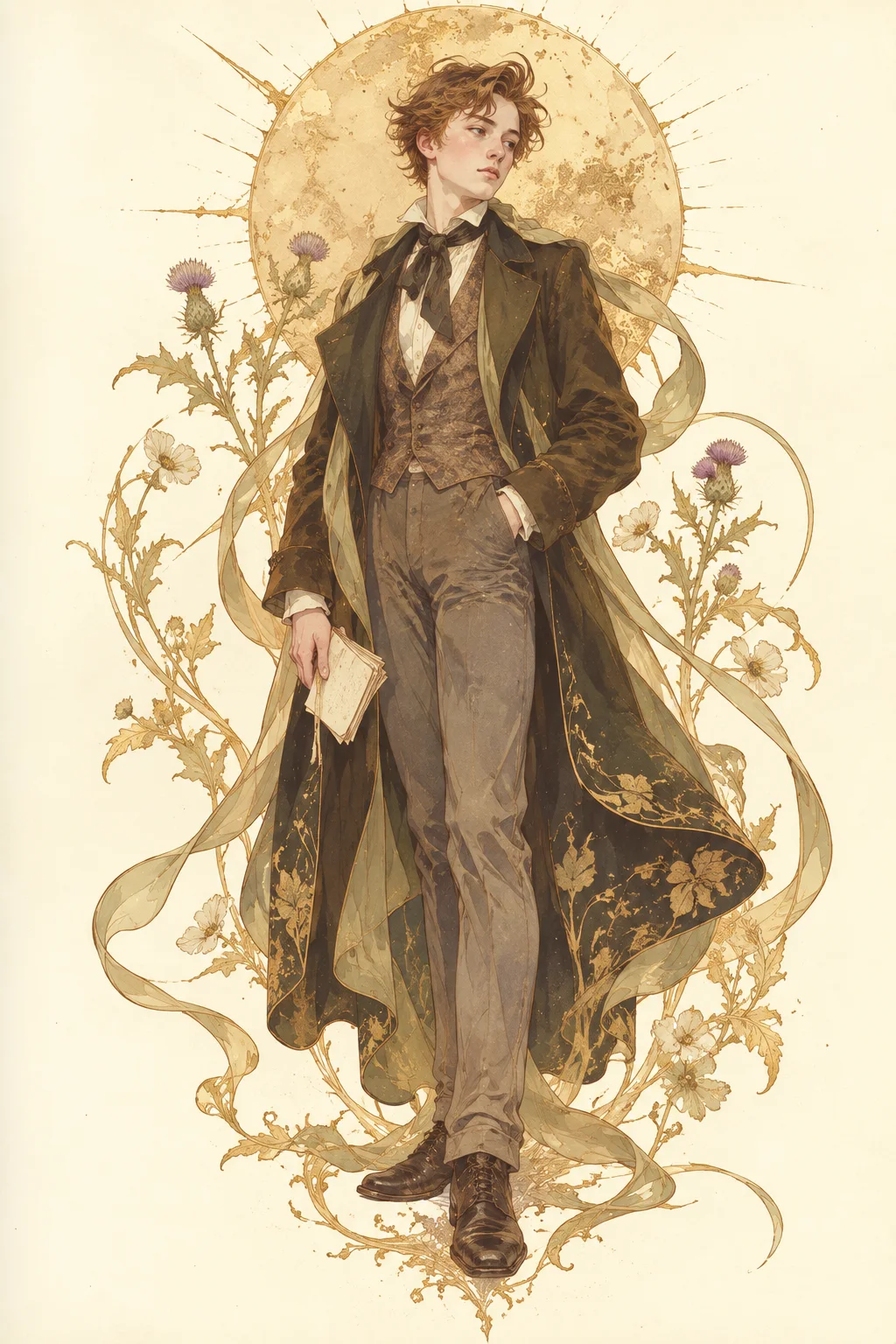 France · PoetArthur RimbaudHe proclaimed a revolution in poetry at sixteen and fell silent at twenty. The world he saw, he left written down like a bolt of lightning
 Germany · Philosopher/CriticWalter BenjaminHe went on quietly telling, in philosophical fragments, the truth that lurks in the ruins of the modern age
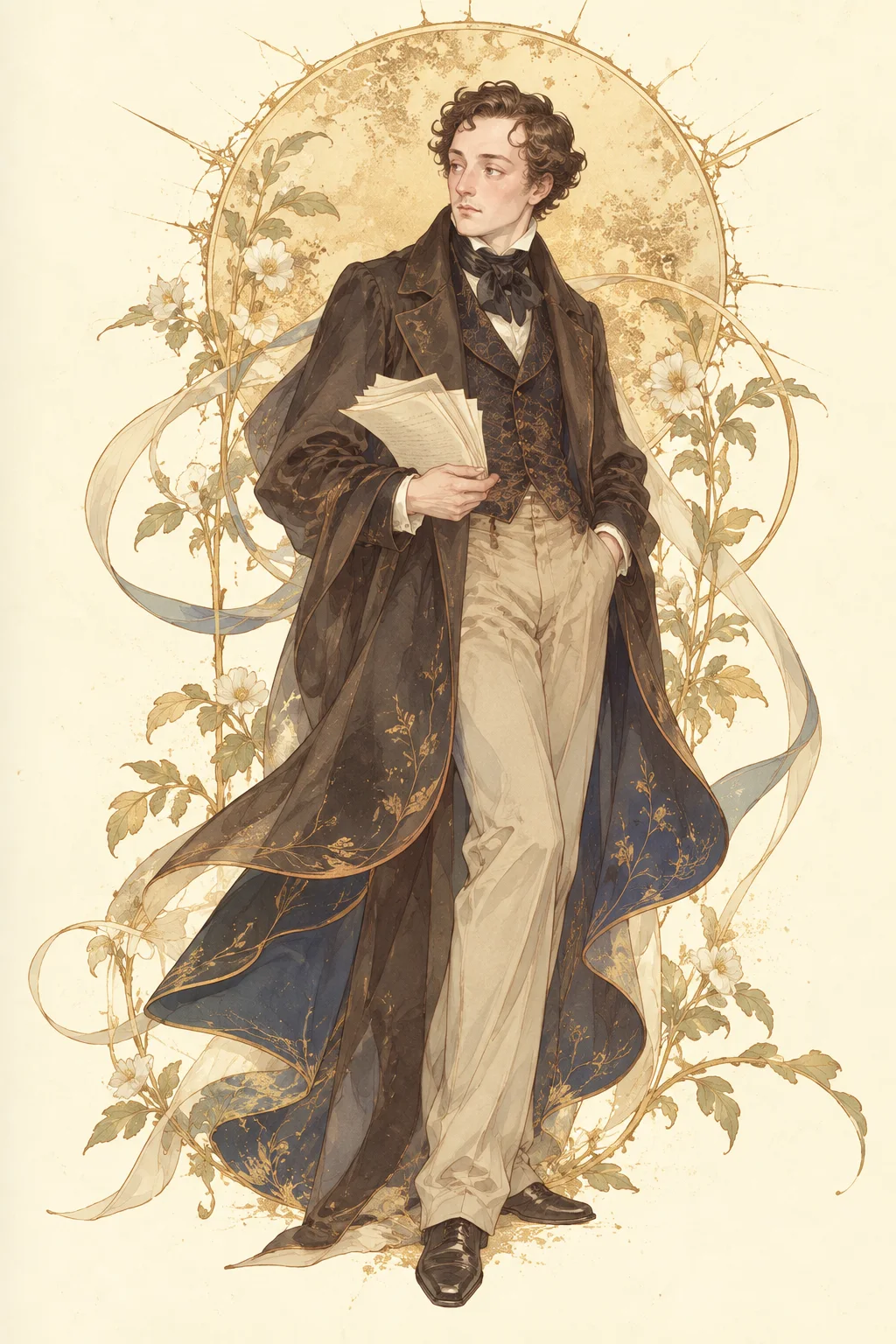 Germany · PlaywrightGeorg BüchnerBefore dying young at twenty-three, he engraved the void of revolution and the solitude of humankind in three works
 Japan · NovelistOsamu DazaiHe told, as confession, the mask and the structure of shame in the human being, in "No Longer Human"
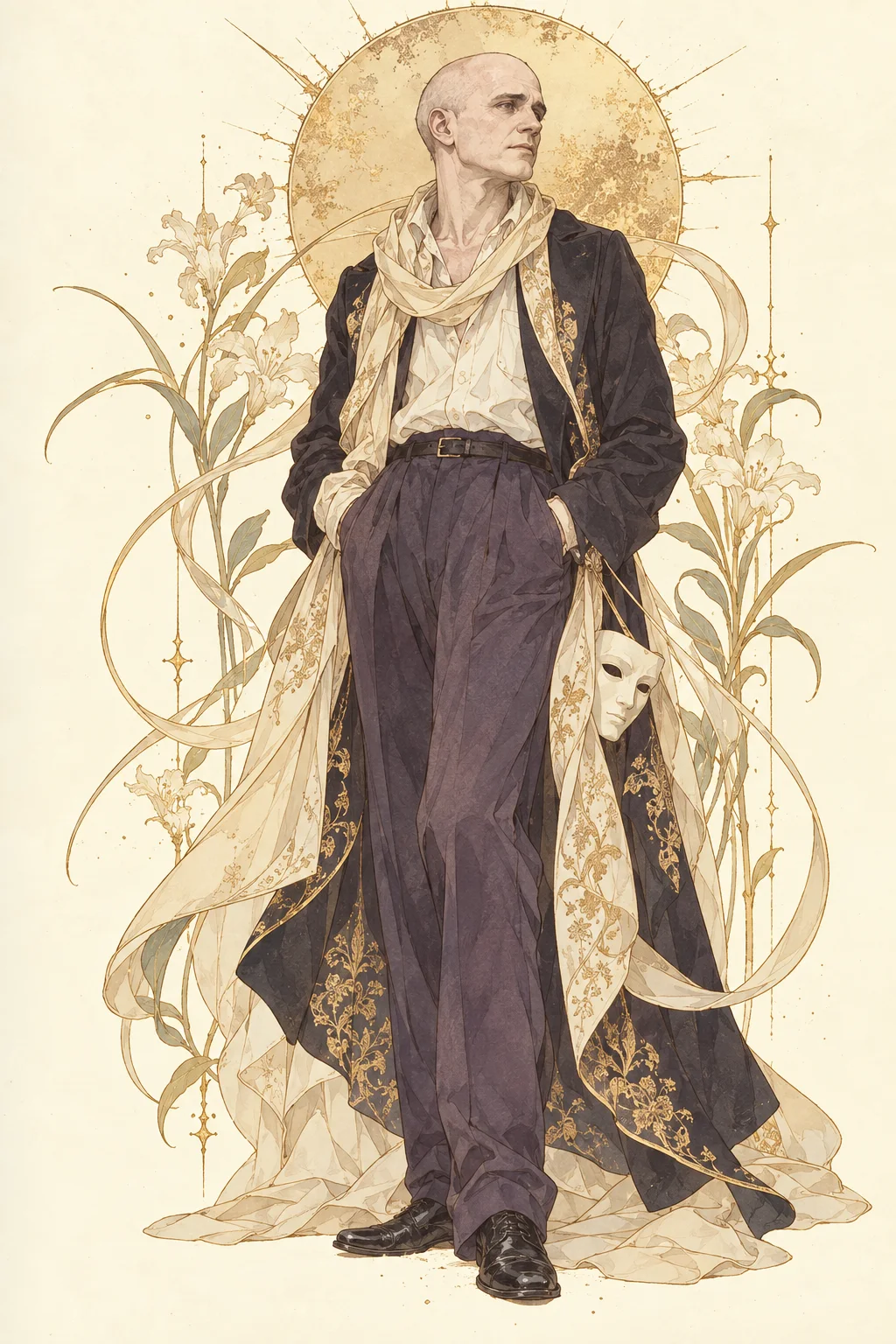 France · Novelist/PlaywrightJean GenetFrom prison he declared, as beauty, the sanctity that dwells in crime and the lowest depths
 Greece · PoetConstantine CavafyHe went on telling, in quiet poems, the repetition of history and the inevitability of its outcomes
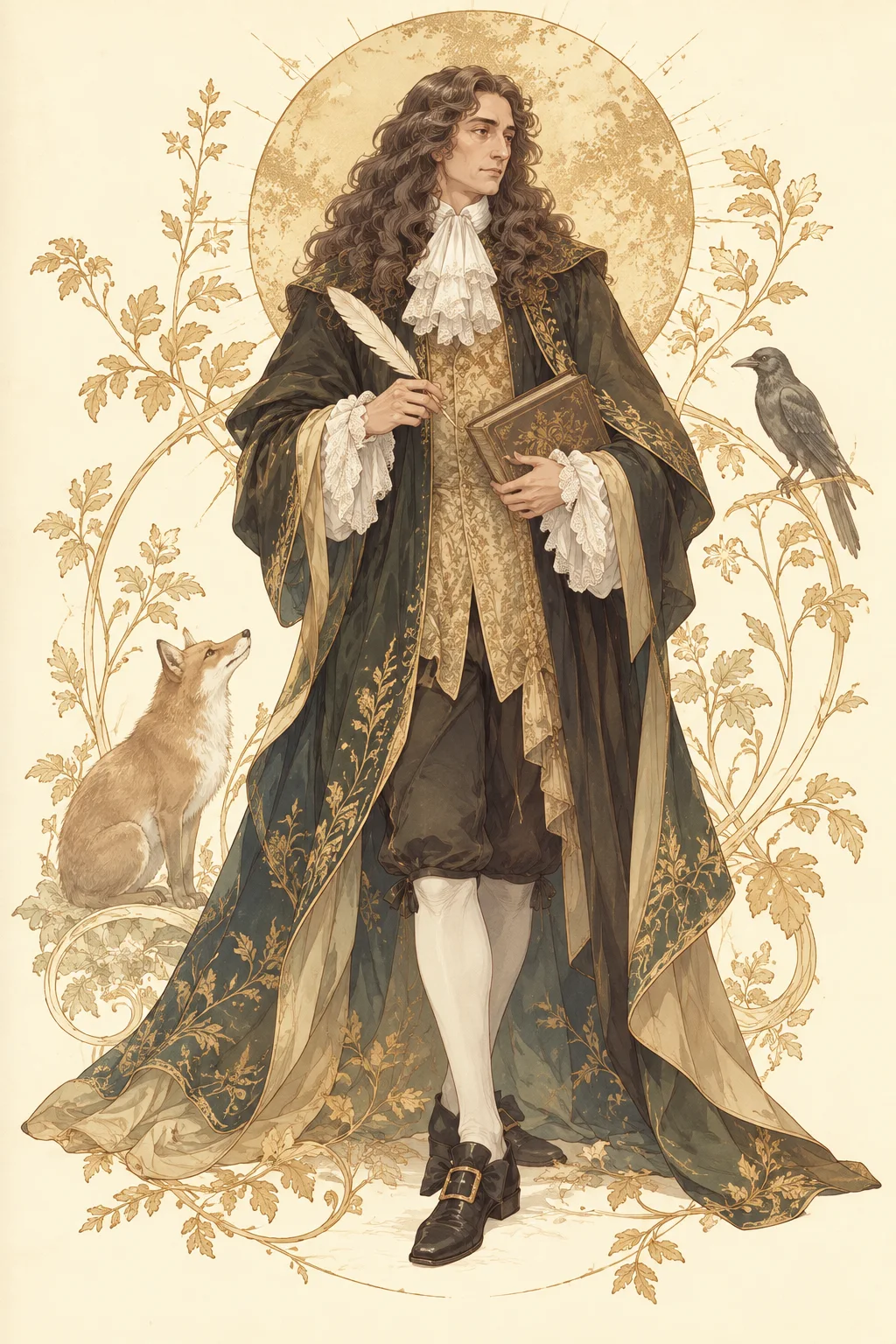 France · Poet/FabulistJean de La FontaineBorrowing the mouths of animals, he told the fabled truth of power and human nature
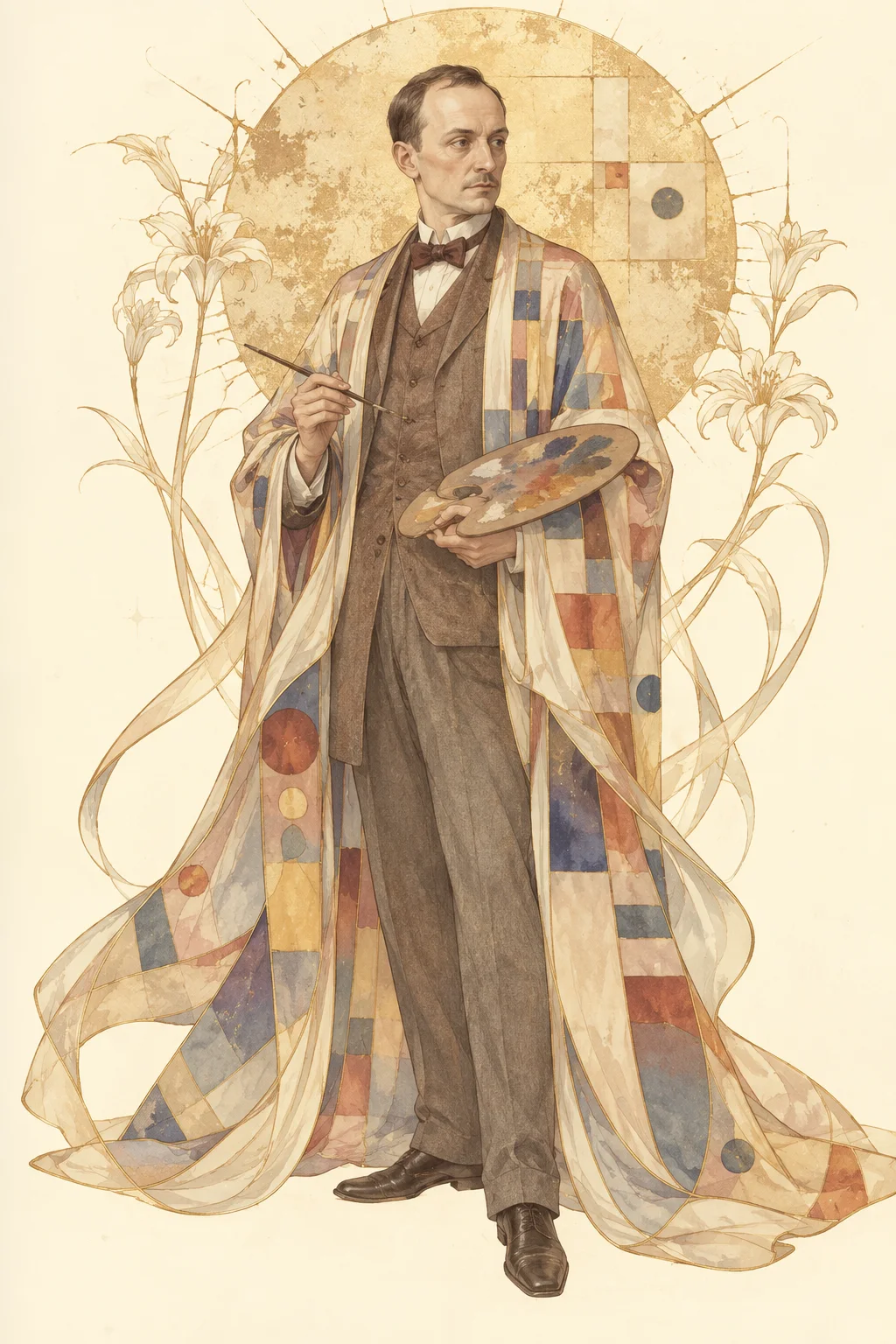 Switzerland/Germany · PainterPaul KleeHe declared that "art does not reproduce the visible, but makes visible"
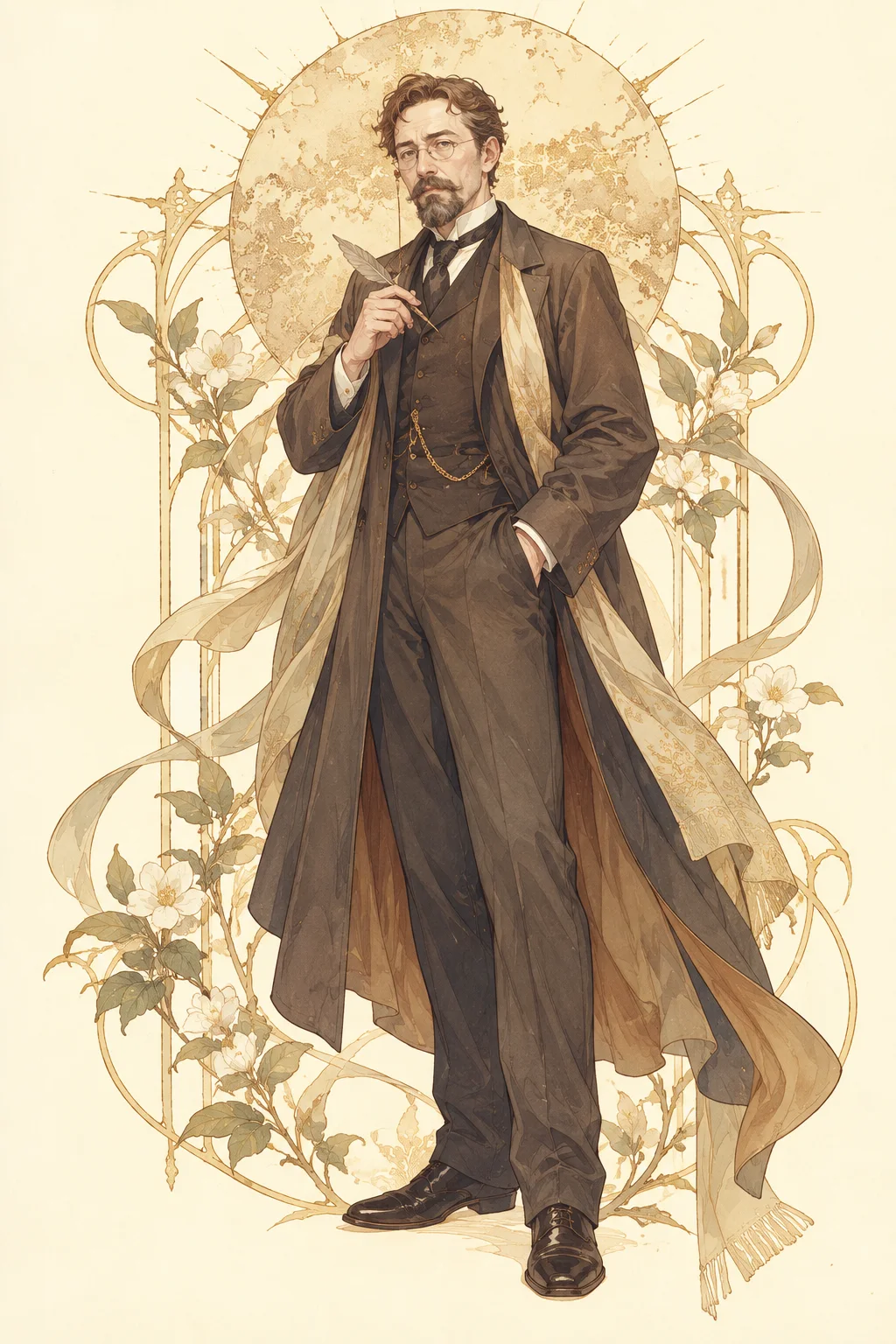 Russia · Novelist/PlaywrightAnton ChekhovIn plays where nothing happens, he told the quiet tragedy within everyday life
 Japan · Poet/Children's AuthorKenji MiyazawaHe told the continuity of cosmos and life, in fairy tales and poems, as "the happiness of the whole world"
Type attributions are informed speculation based on public information, not confirmed fact.
Map of group memberships
The Prophet is one of 32 types, and also belongs to several groups of kindred natures. Here are the four main ones first — open a card to step into its own gallery room.
 Quadra (Values)Phi Quadra (Φ)Revolution
 Bouquet (Temperament)Receptive-Adaptive temperamentDiscerning the flow and responding to it
 Club (Interest)Humanitarian Arts ClubThose who weave souls and stories
 Motivation (Stimulus Group)Self-esteem stimulus groupSeeking inner worth
See all groupings (25 more)
 Communication StyleSincereGrowing deep bonds slowly
 Behavioral StyleInspirerMoving people through sheer fervor
 Argumentation StyleDiplomatReads the room and adjusts
 Perception GroupAssociativenessGrasping the world through a web of associations
 Cognitive StyleDialectical-AlgorithmicBranching and integrating opposites
 Romance (View of Love)IronistLightly teasing heavy fate
 Stress ToleranceFrozenSticking fast, unable to break free
 Socialization GroupDiscernerReading the dynamics of relationships with cool detachment
 Inflation RingInformation AccumulatorStoring information and leaving experience behind
 Project GroupIdeational processIntegrating observation into theory
 Implementation GroupSocial EntrenchmentRooting customs into society
 Square (Rest)DaredevilBold and dauntless
 Business Square (Collaboration)BohemianFree spirits
 Octad (Cross-Value Group)HeraldProclaims values and delivers them to the world
 Reactor (Excitation Group)DistillRefining excitation inward
 MobilizationExtractionFlexibly drawing out the essence
 Conditioning (Adjustment Group)Warm-upWarming and activating emotion
 LabyrinthBabylonPractice and vision, artisan and hero
 Block Group (Extinguishing Group)SchoolSparks reform and passes it on
 Social Progress Ring (SPR)Avant-GardeThe undercurrent ring of reform
 Supervision Ring (SVR)OracleA voice born of contradiction
 Social Order Ring (SOR)VestalA priestess who guards the sacred flame
 Succession Ring (SR)RenaissanceThe return of the forgotten
 Benefit Ring (BR)RelicThe revival of a relic
 Master Ring (MR)HearthA homecoming to the hearth
Open the full, love and business editions

- The blueprint of your mind (8 blocks)
- Six ways to recover from stumbles
- A situation-by-situation guide (6 situations)
- The reasoning behind the celebrity picks

- What your heart longs for / What excites you / Your landmines
- Classic love scenarios
- Chemistry by partner (all 32 types)
- At home and as a parent / A practical playbook

- Natural strengths / Work better avoided
- Work style / Management
- Industry fit ◎○△ (23 industries)
- Suitable roles
Save $24.98 compared with buying the three separately