
LII-Q – Analyst –
From the quiet of the desk, reassembling the world
You are someone who senses, almost on your skin, the small contradictions hidden in the thread of an argument.
To you, the world ought, by its very nature, to be coherent.
You like neither to be ruled by anyone nor to rule anyone.
- Quadra
- Alpha α
- Bouquet
- Balanced-Stable temperament
- Club
- Research
Portrait — the Analyst

In meetings and in idle chatter alike, the Analyst listens quietly. And then, on the one point no one else took notice of, they gently speak up — "Doesn't that contradict what was said earlier?" The voice is calm and the manner reserved, yet the remark often changes how the whole discussion looks. To this person, the small holes hidden in the thread of an argument are almost palpable, as though felt on the skin.
But that remark is never meant to defeat anyone. To the Analyst, the world ought, by its very nature, to be coherent. So when they find a place that doesn't add up, they can't leave it alone — and a hypothesis, "then perhaps this is how it really is," at once begins to sprout in their mind. An eye that finds the tears, and an imagination that envisions what lies beyond them. Critique and creation joined into one: a labor of polishing the truth. And this person turns that very same eye even on their own thoughts. They don't rush to a conclusion; they let it rest for years until it has been verified, and they trust the second thought over the first — and that integrity lends a quiet weight to the Analyst's words.
Another core of this person is independence. They like neither to be ruled by anyone nor to rule anyone. To a commanding tone or intimidation, rather than talking back, they quietly close their heart and leave the scene. More than titles or authority, they look at whether something is coherent. Courteous to everyone in the same way, and frank in the same way — never fawning on those above, never lording it over those below, they are a person of natural equality, born that way.
At first glance they may seem cool, a person with little emotional fluctuation. But that composure is also a shield protecting a delicate inner world. Within the circle they've let in, this person is astonishingly warm, showing a sun-like side that makes people laugh with witty jokes. And deep in their chest, unbeknownst to others, they long profoundly to be swept up in ardent emotion and to be attentively cared for. Beneath the quiet of the desk lies a soft heart waiting to be warmed — that is who the Analyst is.
Not sentiment, but whether it holds together.
Does this sound like you?
- On the one point no one noticed, you gently speak up: "Doesn't that contradict…?"
- You don't rush to a conclusion, and you trust your second thought over your first.
- When there's something you don't know, you turn to books and materials before asking anyone.
- To a commanding tone or intimidation, you quietly close your heart and leave the scene.
- Your attire is understated; the thinking in your head is always the main act.
- You're not good at praising good work; your eyes turn naturally to the flaws.
- When a topic that doesn't interest you drags on, you quietly slip out of the conversation.
- With people you've let in, you make them laugh with witty jokes.
- When your ideas are made light of, you sink quietly, and for a long time.
- Your own meals and rest get put off, forgotten in the absorption of thought.

How you move

The Analyst's conduct reveals a measured stillness and a will to keep their own rhythm.
Their movements are calm, their gestures few, with no air of hurry. And yet they are not behind — they make it in time for the people who matter, and the work that must be done gets finished. At their own deeply rational pace, one you'd want to call "hurrying without haste," this person carries their days along. Time, to them, is a precious resource for thought and inquiry. They value their own time, and respect others' time just the same. They appear precisely at the appointed hour — or they don't appear at all from the start. There is no halfway.
Their attire is understated, in calm neutral colors. They have little interest in drawing the eye with appearance; the thinking underway in their head is always the main act. Their way of living is the same: they dispatch the affairs around them quickly, only so far as not to disturb their thought, and the time freed up is poured into reading, thinking, and self-study in fields that interest them. Quietly mastering a language or new knowledge in a free stretch of time — such a figure suits this person well.
And it is in their conduct before pressure that this person's core shows most clearly. When someone raises their voice and tries to force submission through power, the Analyst does not quarrel — they simply switch off the power to their heart and quietly withdraw themselves from the scene. Unintimidated before a superior, yet neither challenging, they keep their dignity matter-of-factly. Rather than yield to crude force, they will choose the disadvantage. Beneath the softness of their manner runs a single unbending core.
Not hurrying, but keeping to the rhythm that suits you.
- Calm in movement, and still in time
- Turns to books and materials before asking people
- Before pressure, quietly switches off the power to the heart
Observed Behavior

When there's something they don't know, this person turns first not to people but to books, papers, and diagrams. What they trust is not someone's assertion, but a line of reasoning they can verify for themselves. Give them a quiet desk and a single book, and they can pass long hours in happiness — at times, a dialogue with a book feels more agreeable to them than a lively gathering.
This person is in no hurry to reach a conclusion. Rather than voice a thought the moment it occurs, they set it aside for a while, examine it from another angle, and confirm there are no holes before offering it up. They know from experience that the second answer is more accurate than the first. So they are cautious in both announcing and deciding, sometimes keeping something at hand with "the verification isn't enough yet" — and by that same measure, a conclusion once put forth is not easily shaken.
Against unjust treatment, they resist quietly but tenaciously. When they feel that they or their comrades have been treated unreasonably, this person, instead of raising their voice, builds up a line of reasoning and rebuts. They will set their own gain and loss aside to stand on the side of the one who was wronged — but their weapon is, from first to last, words and logic. From any scene of contesting by muscle or by volume, they withdraw without hesitation.
They rarely praise good work — because a job done properly is only to be expected, and their eyes turn naturally to the flaws that still remain and the problems still unsolved. The closer someone is, the more this frankness loses its reserve. It is not coldness but their own kind of sincerity, though it is often not received as such.
Given a place where you're entrusted with trust and discretion, your focus burns on, quietly and long.
How you speak and listen

The Analyst's dialogue is quiet, precise, and full of questions.
Their way of speaking is calm and concise, with little ornament, the words carefully chosen. In discussion, rather than assert, they pose questions — "Why is that?" "What happens in this case?" They carefully trace the thread of the other's claim, and when they hit a place that doesn't add up, they point it out quietly, but clearly. It is not an attack. It is simply that logic which doesn't mesh is something they truly cannot overlook.
When the topic turns intellectually substantial, this person visibly comes alive. Ideas well up one after another, and with deft use of comparison and metaphor, they name the essence of a complex matter in a few concise words. Conversely, when a topic they can't take interest in, or empty social pleasantries, go on and on, they quietly slip out of the conversation — they want to spend their time on what has meaning. While unfailingly courteous and polite to everyone, they say almost nothing of their private life, and they open their inner heart only to a very few.
And within a circle they trust, an entirely different face appears. The restrained, expressionless mask comes undone, and out come a warm smile and refined, witty jokes. Those close to them know — that this person's quietness is not coldness, but the shield of a delicate nature.
Questions over assertions. "Why is that?"
What lies at the core — drive and tender spots
Not nitpicking, but drawing nearer the truth.
The one powerful engine at the heart

At the Analyst's center are an eye that finds the tears and an imagination that envisions what lies beyond them.
At the Analyst's center is a single strong driving force. It is the power to sense, almost as a reflex, the small contradictions hidden in the thread of things. A slight leap in someone's explanation, an unevenness mixed into the edge of the data, a discrepancy between the clauses of a system — the moment they touch such a "hole," this person's thought quietly boots up and goes to pinpoint where the causal chain is missing. At its root lies a deep conviction: that the world ought to be coherent.
And this driving force has a paired counterpart. It is the imagination that raises, beyond the tear they've found, a hypothesis: "then, isn't it really like this?" From the very smallest sense of unease, an unexpectedly large bud of hypothesis grows — verification and creation are not separate things within this person. They find a contradiction and form a hypothesis; they examine the hypothesis and polish it again. That quiet back-and-forth is the very feeling of being alive for the Analyst.
This is not a matter confined to work. In a book they're reading, in a friend's troubles brought for advice, in the workings of the world — the same engine that asks "is this coherent?" and "how is it really?" starts up. Thinking itself is, for this person, breathing.
What they can do, yet do not prize

Surprisingly, the Analyst actually possesses a considerable knack for the practical work of running things efficiently, and an instinct for sensing the dangers that lie ahead. They quickly find the most waste-free way, meticulously pile up procedures and records, and read, from the slightest sign, the turning point where "at this rate, we'll eventually hit a wall" — and if asked, they share that optimal solution with others without stinting.
But the person themselves plants no flag there. Boasting of efficiency or results, or showing off by calling a crisis correctly, holds no appeal for them. Those are merely the backstage powers that support their true vocation of verifying the truth, working quietly. Being able to, yet gently setting it aside with "that's not my banner" — this modesty is one of the keys to understanding the Analyst's outline.
What the heart secretly craves
What they secretly seek is emotion that heats the heart, and a warmth that attentively cares for them.
What the Analyst, blessed with reason, finds hard to generate for themselves and yet craves more deeply than anyone — it is the uplift of heart-heating emotion, and a warmth that attentively looks after daily life. Skilled as they are at constructing thoughts, when it comes to brightening a room and kindling the fire of feeling in others, they suddenly grow unsure. Their own meals, rest, and the comfort of their surroundings, too, get put off, their attention taken up by contemplation.
This appears as "the need to belong, secure attachment, and the satisfaction of deep longing." A partner who sweeps the heart up with warmth beyond reason and cares for them as a matter of course — beside the dual Enthusiast (ESE-D), who is precisely the most gifted at this very power, the Analyst's shield of composure slowly comes undone. Caring while loving, loving while caring — it is such a partner that this person believes in, deep in their heart, and waits for.
The most fragile place
Where the Analyst is most fragile is in the clash of wills and the maneuvering that reads what's in people's hearts.
Where they are most fragile is the scene where will collides head-on with will. An opponent who tries to push through by sheer volume, an atmosphere that tries to force submission through displays of power — such pressure the Analyst cannot take head-on. Neither resisting and striking back, nor supplely deflecting, the power to their heart simply cuts out. Before unreasonable force, they will concede the win and step off the stage — that is this person's utmost self-defense.
The other fragility is the maneuvering that reads what's in people's hearts and works on their motives. Who is after what, what to say to make that person move — reading such subtleties is something this person is inherently poor at. So in the midst of maneuvering they are prone to misjudge, and can even be used while still in good faith. This is not a flaw to be blamed, but a place that gets protected by keeping beside them a partner who takes on the collisions of power and the subtleties of the human heart.
And one more thing. This person, who looks so composed, is wounded unexpectedly deeply when their own thoughts are made light of. Rebuttal they welcome — a coherent critique is, if anything, a help in drawing nearer the truth. But when they are dismissed without their substance even being examined, this person sinks quietly, and for a long time. That is how earnestly this person stakes their heart on thinking.

- Core: an eye that finds the tears, and an imagination that envisions what lies beyond them
- What drives you: the interest of "this is interesting" and "I want to verify this"
- Where you're fragile: clashes of force, the maneuvering that reads what's in people's hearts
Strengths, and where you stumble
Someone who gives you emotion that heats the heart, and attentive care.
Strengths — finding the tears, refining with hypotheses

The Analyst's strength lies in precision and imagination being tied into one. In the thread of an argument, a column of data, the design of a system — wherever it is, a verifying eye that never misses the single point that doesn't add up. And, beyond that tear, the imagination of hypothesis that raises a new reading: "isn't it really like this?" Through this back-and-forth, this person names the essence of complex matters in astonishingly concise words. Intellectual integrity, too, is this person's unseen asset — they turn the verifying eye even on their own conclusions, and if they meet a truer thought, they are unafraid to rebuild with their own hands what they have built.
At the bottom of that quiet runs a sure core. An independence that fawns on neither authority nor the majority, looking only at whether something is coherent. A sense of fairness that stands on the side of the wronged, setting their own gain and loss aside. A calm foresight that does not lose composure before pressure, sensing a dangerous current early and quietly sounding a warning. It isn't flashy, but when those around them lose their way, it is this person's read that is relied on last — such quiet trust the Analyst builds up over time.
Where they tend to stumble

What tends to trip them up is the flip side of that sharpness of verification and that caution.
The disposition to fix its gaze on flaws and unsolved problems, left unchecked, gets taken as nitpicking. What has been done properly passes by as a given, and words of praise grow extremely scarce — the person's own sincerity can look, to those close, like coldness. The caution of piling up verification, too, becomes a shackle if taken too far. They keep letting a conclusion rest with "not verified enough yet," and miss the moment to announce or to decide. And to a conclusion once reached, they show an unexpected obstinacy in not budging.
The quiet exit from pressure is a wisdom that protects this person, but at the same time it can nip the bud of dialogue. In the seat they left with the power to their heart switched off, only misunderstanding can remain. Their poorness at the maneuvering that reads people's hearts leads to the danger of being used while still in good faith. The habit of putting their own comfort and rest last wears down mind and body before they notice. And the wound of having their thoughts made light of runs deep and lingers — inside that composed exterior, this person can, unbeknownst to others, sink for a long while.
With someone who sweeps your heart up with warmth beyond reason, your shield of composure slowly comes undone. That's where your room to grow lies.
- Before reaching a conclusion, decide the line at which you'll release it
- When you leave, leave one word: "let's talk once things have settled"
- When goodwill is offered, receive it with "thank you," however awkwardly
Where you thrive
When you can feel "this is interesting" or "I want to verify this," your focus burns long.
Environments Where They Thrive
Where the Analyst shines most is an environment where quiet and autonomy are protected and thinking itself becomes a value. A place not micromanaged, without formal orders or coercion. Time to dive deep into themes that interest them, at their own rhythm. What moves this person is neither fear nor obligation, but interest — when they can feel "this is interesting" or "I want to verify this," their focus burns quietly and long. Conversely, in a workplace where clashes of will are a daily affair, an environment where emotional maneuvering carries the day, or a culture that loudly pits results against one another, they wear out before they can bring their power to bear.
What this person needs, first, is "trust and discretion." To be entrusted rather than directed down to the last detail — that is recognition for the Analyst. And then, warm-blooded companions or partners who warm the mood of the place and take on the fine details of daily living. With that support, this person can, in security, devote themselves to the verification and contemplation they are good at.
As one who reassembles the world
The eye that finds the tears, the imagination that forms hypotheses, and the unshakable independence come alive at posts where truth and quality are in question. Research and analysis, the construction of theory, the work of untangling the essence of complex matters. The role of verification and evaluation that combs out the contradictions in a design or plan. The writing and exposition that assembles concepts and restates the obscure concisely. And the position of review and counsel where fairness is demanded — in all of them, this person's power to see through "whether it is coherent" becomes value directly.
On the other hand, leadership that moves people by command, negotiations that require probing each other's minds, roles that heat a room with emotional temperature — these do not suit them. At such posts, before their strong verification can come alive, they get worn down by the tests of strength and the maneuvering they are weak at. The form that most brings this person to life is one where the energy of the room and the subtleties of the human heart are entrusted to a warm-blooded partner, while they concentrate on verifying, discerning, and polishing.
Dialogue — ask Clara

One free dialogue · Le Salon members can explore several perspectives. Not a real person: a representative perspective based on the public profile.
Relationships and love
Can you open up slowly, within a trust you've verified?
Love — slowly opening within a trust they've verified
The Analyst's love grows through quiet verification, and once it has opened, it is deep and faithful.
The Analyst's love begins slowly. The distance before they let someone in is long. Whether the other's character and values mesh with their own, they confirm quietly, over time, and until they can be sure, they don't step inside the bounds of polite distance. But once trust is tied, this person becomes an astonishingly faithful, unwavering companion. Even with few flashy words or displays, promises are kept, the other's time is respected, and simply being there becomes a quiet expression of love — within the warmth they share, the restrained expression comes undone, and wit and a soft smile appear.
[Women]A quiet person with a firm core. She does not play games to draw attention, nor test a partner through emotional ups and downs; she grows a relationship through sincerity and intellect. Her affection shows less in words than in an unchanging attitude and attentive consideration. Beside a partner who warms her with rich feeling and looks after daily life, this person's delicate inner world opens in security.
[Men]A reserved, courteous, dependable person. He is not good at reading feelings or playing along with games, and the opening moves of love may be awkward. But in proportion to that clumsiness, the promises he puts into words and the sincerity he accumulates are sure. Beside a bright, warm partner who naturally creates the flow of feeling, this person gradually, and deeply, relaxes.
How You Love — Love as Understanding
Your love begins from trying to understand the other person through a line of reasoning. You observe this person’s way of thinking, their values, the consistency of their words without rushing, and carefully build them up in your mind. And only when you can be sure that “this person can be trusted” do you first open the door of your heart. If they say something contradictory, for instance, you don’t blame them; you keep asking, wanting to know the real feeling behind it. The very act of trying to understand is, for you, an act of love. That sincere inquiry, for all the time it takes, holds a depth that will never betray.
Compatibility — recommended partners
 Enthusiast
 ESE-DThe cheerful flame that sets the world ablaze with feelingDualityThe need to belong · secure attachment · a sense of fulfillment · the satisfaction of deep longing — the partner who most complements you, sweeping your heart up in warmth beyond reason, caring for you as a matter of course, and loosening the shield of your composure Hero
Hero EIE-DIt is this conviction that changes the worldSemi-dualityNostalgia · a sense of belonging · interdependence — the partner who, through grand narrative and warmth, gives you a nostalgic, sure sense of connection Executive
 LSE-DSet it in order, get it moving, see it throughIllusionaryEmpathy · gratitude · a sense of trust · the need for safety — more indirect than a dual, but a partner who steadies you deeply with dependable care and organization Peacemaker
 SEI-DA bridge between sensation and compassionActivationActivation · elation · drive · curiosity — a partner whose mere presence eases the tension from your shoulders and lets a natural "I want to think this through" well up Craftsman
 SLI-DThe artisan who sets the world in order in the palm of his handBenefactorYou can move for this person naturally — a relationship where, as their benefactor, you lend your wisdom and receive sure craftsmanship and gratitude in return Prophet
 IEI-DAn eye that gazes upon a destiny no one has yet noticedBeneficiaryFulfillment and trust — a relationship like a contented reassurance, received from a benefactor who offers you deep narrative and intuition Seeker
 ILE-QAn intellectual adventurer who unravels the worldMirrorYour rhythms of ideation and verification align — a partner who draws out each other's intuition and insight, so that thought enters flow Advisor
 IEE-QOne who quietly draws near and listens to the heartSupervisor (mirror)They grant you their read on possibilities — a relationship where, as your master, they quietly hand you the wisdom of reading people and opportunities Reformer
 SLE-QAn executor who breaks through by force and rewrites conventionSupervisee (mirror)They carry on your techniques of verification — a relationship where, as your apprentice, they receive your scrutiny and logicSee the other relationships (22 more types)
The upper bands are easier to be with; the lower bands tend to wear you down. Tap a relation name to read about the pair.
 Philosopher
 EII-QOne who, in the stillness, keeps questioning the meaning of the worldBusinessA partner you can easily work alongside, adapting to the situation together. Inspector
 LSI-QThe logician who strips away pretense and sees through to the truthKindredA partner whose conversation flows easily, someone who likes to express things in the same direction as you. It can wear you out once it turns competitive.
SEE-QA natural orchestrator who reads the room and guides people toward reconciliationCorrectionA partner whose feedback becomes a chance to take stock of yourself. Strategist
 ILI-DThe contemplative Strategist who quietly reads ahead and lays the groundworkTranscendenceA partner who makes you want to surpass yourself when you're together, pushing each other to grow. Pioneer
 LIE-DCarving the way through results — the realist's frontierCompassA partner who gives you a sense of being accepted, along with a hint of which direction to move in. Judge
Judge ESI-QThe quiet arbiter who discerns right from wrongIdealA partner who naturally embodies what you aspire to be, easy to admire. Getting too close tires you out. Harmonizer
 ESE-QTheir smile and their voice soften the space around themDetachedA partner who's hard to feel drawn to, leading to a rather flat, low-key relationship. The Architect
 LII-DThe architecture of logic, quietly built up piece by pieceAdaptiveA partner you settle into by simply playing your roles, an easy, unremarkable relationship. Visionary
 ILE-DThe architect of ideas who reinvents the world through paradox and theoryCodependencyA partner who wears you down little by little, caught in a cycle of bottling things up and overcompensating. Performer
 SEI-QA gentle conveyor who gives form to sensation and feelingRelaxationA partner who puts you at ease, though you tend to end up waiting on them with quiet expectation. Mentor
 EIE-QA passionate standard-bearer who speaks of ideals and binds hearts togetherDistrustA partner you can't quite bring yourself to trust, which makes it hard to show your own strength. Enforcer
 LSI-DThe steel operator who carries out the mission through discipline and responsibilityDutyA partner who leaves you understanding what to do yet unable to act on it, while your need to be recognized grows stronger. Conqueror
 SLE-DA dependable field general who only burns brighter the harder things getPlayerA partner around whom you constantly feel watched, prone to leaving you burned out. Dreamer
 IEI-QA teller of fantasies who colors the world with dreams and passionTense BeneficiaryA partner who leaves you worrying and overthinking, prone to closing your heart off. Administrator
 LSE-QThe hands-on command post that keeps the field running and moves people and workTediumA partner who leaves you feeling sluggish, prone to putting things off and keeping your distance. Empath
 EII-DSensing what lies beneath feeling, and becoming someone's quiet supportFormalA relationship where formality and appearances pile up, and it's hard to ever fully relax. Promoter
 IEE-DMoving the world through fascination — an evangelist of ideasSupervisorA relationship where you tend to unsettle the other person without ever realizing it. The Artist
 SLI-QGiving form to the “just-rightness” of nature and daily lifeTense BenefactorA partner around whom you tend to try too hard, unable to shake off the tension. Commander
 LIE-QBuild, prepare, hold the line — the command center of orderDistanceA partner who makes you want to keep your distance and close your heart off. Guardian
 ESI-DA silent shield that protects people, with rightness at its backRoleA relationship where "you should" comes first, making it hard to just be yourself.
SEE-DA born leader who reads hearts and rallies the currentConflictThe partner most likely to strike your weakest point, the one relationship that drains you the most. Critic
 ILI-QThe insightful Critic who sees through contradictions in the depths of silenceQuasi-IdentityA partner who looks similar to you yet never quite clicks, leaving you spinning your wheels and worn out.Compatibility is not decided by type alone; maturity, subtype and circumstances all change it.
With someone you are connected to, you can read a personal Relationship Reading drawn from both of your answers ($8.99 per pair, unlimited for Le Salon members).
See compatibility with your connections →Explore Le Salon →
What You Truly Long For
What you truly want is a bright, warm person who creates the flow of feeling naturally. Building the world out of logic, you're inevitably clumsy at putting your own feelings out into the room — which is exactly why…
In the Love Edition: What your heart longs for / What excites you / Where you clash and your landmines / Classic love scenarios / Chemistry by partner, all 32 types named / At home and as a parent / A practical playbook / Secrets to lasting love / A manual for your partner
Work and ways of working

Your Working Style — System-Building
You naturally excel in two main ways: laying out a clear line of reasoning and properly organizing and analyzing things, and coming up with new ideas and possibilities one after another.
Your interest gravitates toward talking through ideas and theories. Day to day, you are calm and unshaken and keep a steady pace. Being recognized is what sustains your motivation.
With people, you keep your emotions restrained and hold your distance by following rules and procedures. Your way of thinking layers many viewpoints to grasp the whole picture.
A verifying eye that sees through contradictions, and an imagination that forms hypotheses.
- Before pointing out a flaw, put into words one point that stands
- Don't let conclusions rest too long — decide the line at which you'll release them
- Don't guess at people's motives — ask, "What do you want to do?"

Careers That Fit
Your verifying eye for contradictions and your imagination for forming hypotheses come into direct play.
You can show your power to see whether something is coherent, and your commitment to fairness.
Your power to assemble concepts and untangle the essence of complex matters comes into play.
Your Strengths, and Work Better Avoided
Your two pillars are "the power to inspect logical consistency (Structure & Truth)" and "the power to generate hypotheses and ideas richly (Hypothesis & Imagination)." This combination is a rare type that can float new ideas while flushing out their flaws yourself — one who can shuttle between divergence and convergence alone — so…
In the Business Edition: Natural strengths / work better avoided, Stress tolerance and socialization group, Work style, Motivation and recharging, How to work with and manage this person, Compatibility and team-building, Industry fit ◎○△ across 23 industries with rationale, Suitable roles
Blueprint of the mind
Your mind runs on eight blocks. Each block carries two functions — how you take in the world, and how you express yourself — and together they set both the range you're skilled in and how much you actually value using it. We've kept the technical notation small and explained everything in plain language.
See through contradictions, then form hypotheses and polish them.
Leading Your centerI Verify
-Ti-pStructure & TruthStructural logic+Ne-cHypothesis & ImaginationIntuition of possibilitiesAt your center is the power to grasp in an instant, from the slightest unease, the contradiction hidden in the reasoning of things.
The moment you touch a leap in the argument or an irregularity in the data, your thinking quietly starts up and pinpoints the place where the causal chain is missing.
The imagination that raises a hypothesis beyond the tear you've found — "then, isn't it really like this?" — is always at work alongside it.
Mirror — Picked up by watching
At the entry point sits the working by which, the moment you touch int…
In the Full Portrait: all 8 blocks of the blueprint / 6 ways back / situational guide / the reasoning behind the exemplars
Going deeper — ways back and situational guide
On the flip side of that same core, these are the situations where you tend to stumble. After that, six ways to get back on your feet.
Your disposition to fix your gaze on flaws and unsolved problems, left unchecked, gets taken as nitpicking.
You may keep letting a conclusion rest with "not verified enough yet," and miss the moment to announce or decide.
Reading what's in people's hearts is something you're inherently poor at, and you can even be used while still in good faith.
Someone who gives you warmth beyond reason loosens your shield.
Way to Recover 1 — Set Your Own Deadline for Verification
Your caution is a strength, but "still not verified enough" has no end. The longer you wait for perfect verification, the more the moment for your appraisal to reach the world slips away. Draw for yourself, in advance, a line that says "when I have checked this far, I release it"…
In the Full Portrait: 6 ways back / situational guide (home, work, friends, under stress, shopping, days off)
People thought to share this type
Different fields, different eras — yet every one of them resonates on the same note: they served logic, not authority, and left behind unshakable work.
 Serbia→USA · inventorNikola TeslaSystematized alternating-current transmission and quietly built the foundation of modern electric power
 Austria · philosopherWittgensteinExamined the limits of language and, by his own hand, rewrote philosophy twice
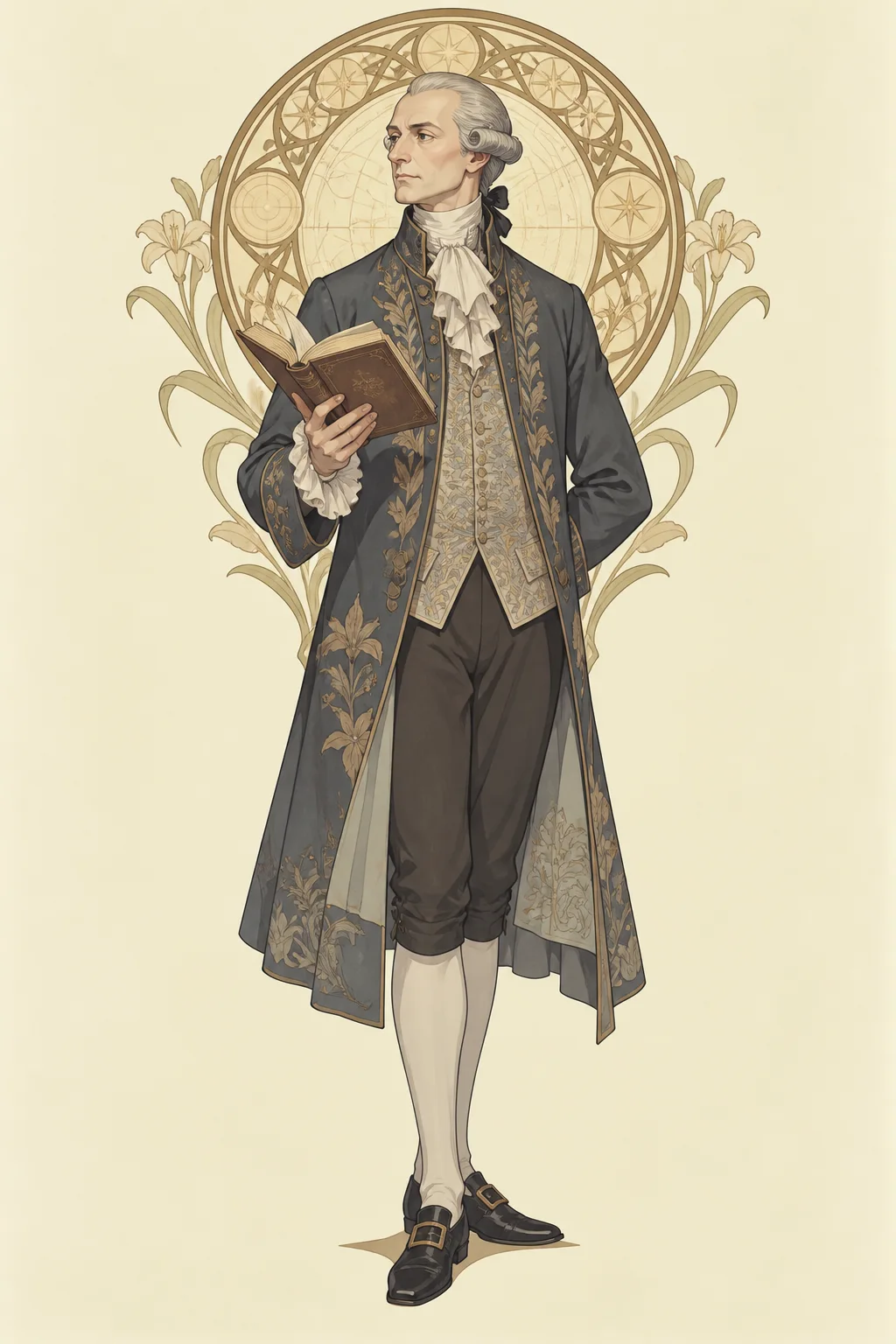 Germany · PhilosopherImmanuel KantPut reason itself on trial and laid the cornerstone of modern philosophy with the three Critiques
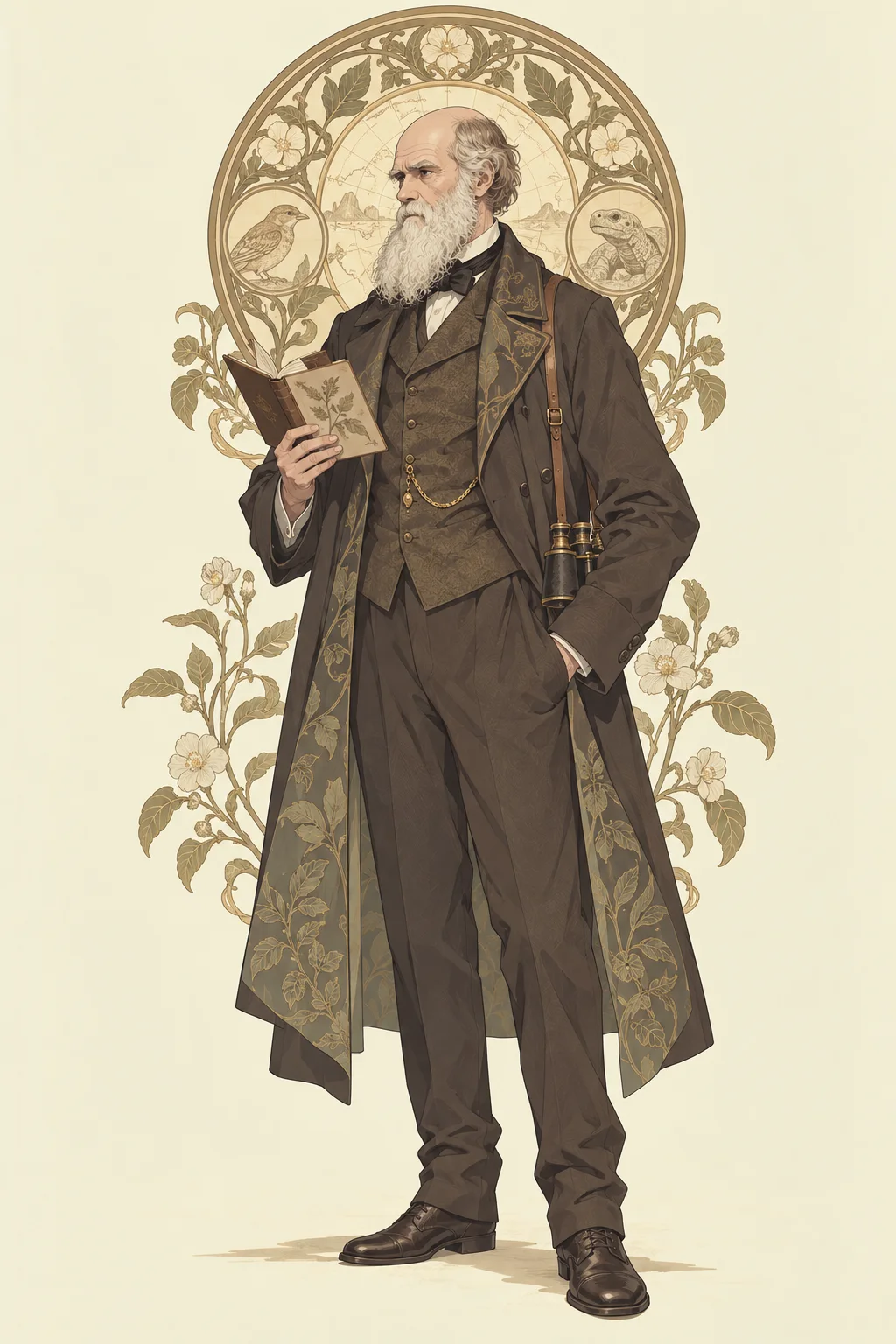 UK · natural scientistCharles DarwinPiled up twenty years of verification and quietly offered the theory of evolution to the world
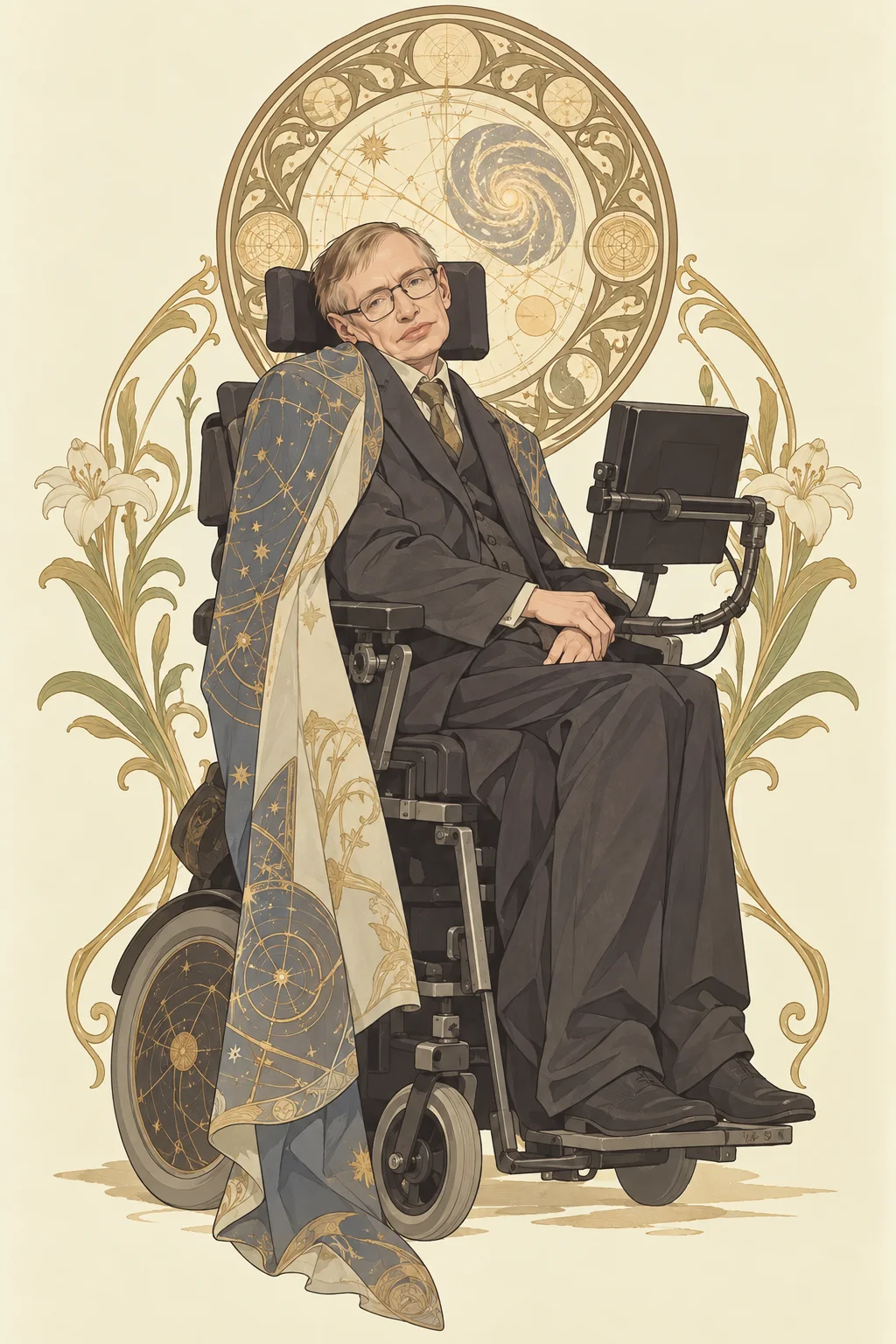 UK · physicistStephen HawkingSolved the contradictions of the cosmos and, from a wheelchair, spoke of the stars to all
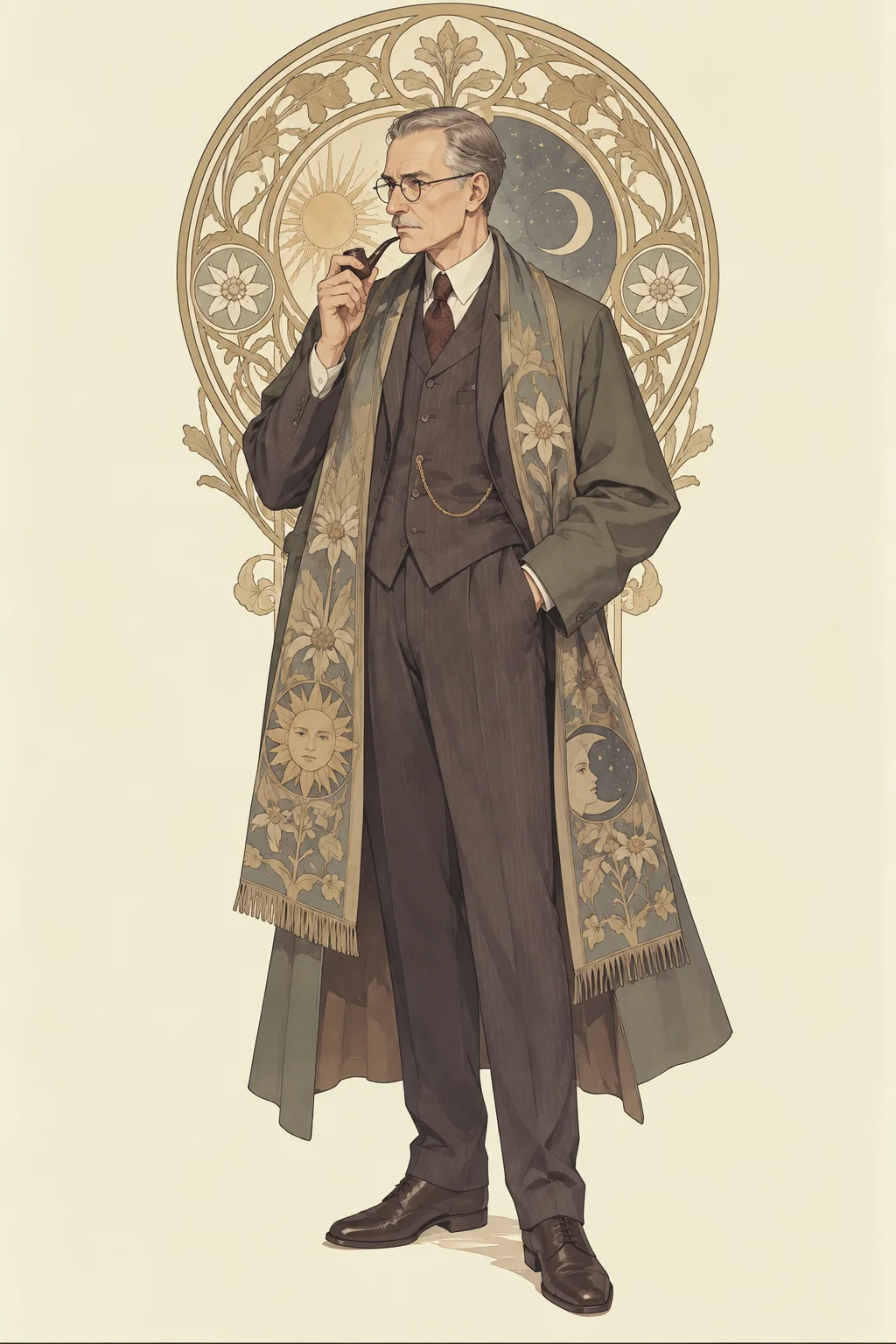 Switzerland · psychologistCarl JungTypologized the depths of the psyche and drew up a map of the unconscious
 UK · MusicianGeorge HarrisonThe quiet Beatle — explored the depths of the spirit through introspective melody
 Germany · sociologistMax WeberUnraveled the link between religion and capitalism with precise ideal types
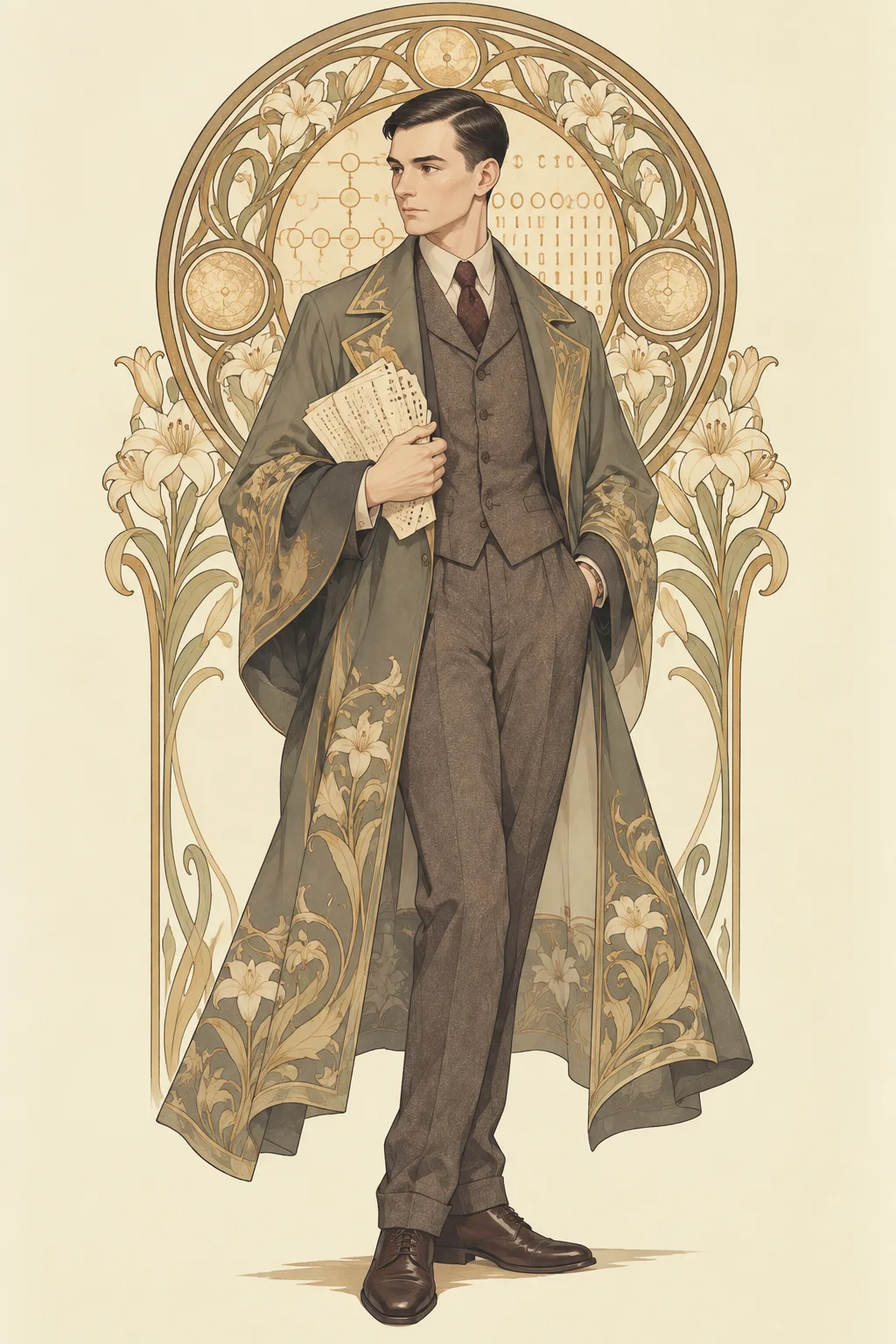 UK · mathematicianAlan TuringProved the limits of computation and asked, “can machines think?”
 USA · linguistNoam ChomskyChanged linguistics with generative grammar and keeps questioning the structures of power
Type attributions are informed speculation based on public information, not confirmed fact.
Map of group memberships
The Analyst is one of 32 types, and also belongs to several groups of kindred natures. Here are the four main ones first — open a card to step into its own gallery room.
 Quadra (Values)Alpha Quadra (α)Genesis
 Bouquet (Temperament)Balanced-Stable temperamentBuilding a sure foundation
 Club (Interest)Research ClubSeekers of knowledge
 Motivation (Stimulus Group)Self-esteem stimulus groupSeeking inner worth
See all groupings (25 more)
 Communication StyleCold-BloodedExchanges information coolly
 Behavioral StyleConceptualistOrdering the world through structure
 Argumentation StyleArchitectBuilds through argument and consistency
 Perception GroupReductionismBreaking down into prototypes and reconstructing through concepts
 Cognitive StyleHolographic-PanoramicReading the whole by grasping many facets at once
 Romance (View of Love)WandererHeart racing at the mysteries of the unknown
 Stress ToleranceTrainedTurning blows into nourishment while keeping one’s frame
 Socialization GroupRealistPlans things out steadily
 Inflation RingInformation GeneratorVerifying results and weaving them into information
 Project GroupGeneral ResultGrasping the broad outline and growing it
 Implementation GroupTechnology IntroductionSending promising technology into production
 Square (Rest)RomanticRomantics
 Business Square (Collaboration)EdenA paradise of hospitality
 Octad (Cross-Value Group)JudgeVerifying and polishing results
 Reactor (Excitation Group)DistillRefining excitation inward
 MobilizationCrystallizationCrystallizes regular structure
 Conditioning (Adjustment Group)AspirationInspires toward great ambition
 LabyrinthKnossosThe mysteries of knowledge and silent power
 Block Group (Extinguishing Group)CouncilDebates policy and establishes order
 Social Progress Ring (SPR)BreakthroughThe ring of emergent lightning
 Supervision Ring (SVR)MandalaA cosmic map layering many viewpoints
 Social Order Ring (SOR)HermitA critic who sets distortions right
 Succession Ring (SR)RenaissanceThe return of the forgotten
 Benefit Ring (BR)RelicThe revival of a relic
 Master Ring (MR)PharosA lighthouse that illuminates the classics
Open the full, love and business editions

- The blueprint of your mind (8 blocks)
- Six ways to recover from stumbles
- A situation-by-situation guide (6 situations)
- The reasoning behind the celebrity picks

- What your heart longs for / What excites you / Your landmines
- Classic love scenarios
- Chemistry by partner (all 32 types)
- At home and as a parent / A practical playbook

- Natural strengths / Work better avoided
- Work style / Management
- Industry fit ◎○△ (23 industries)
- Suitable roles
Save $24.98 compared with buying the three separately