
SEI-D – Peacemaker –
A bridge between sensation and compassion
You are someone who never stops handing out the small conditions people need to live in comfort.
When a sharp edge enters the air, you naturally step in between and quietly bring the room's temperature back.
While you tend the comfort underfoot, you secretly long for someone who lights up the possibilities far ahead.
- Quadra
- Alpha α
- Bouquet
- Receptive-Adaptive temperament
- Club
- Social
Portrait — the Peacemaker
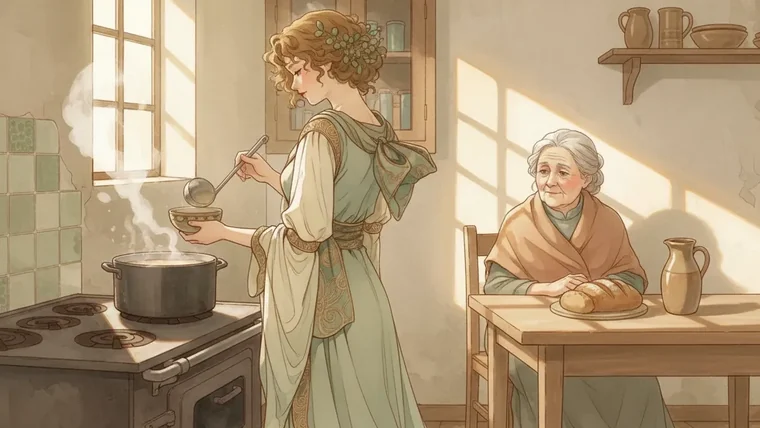
Where the Peacemaker is, the air is a little warmer. A well-set table, just the right lighting, a cup quietly placed in front of someone tired — this is someone who never stops handing out the small conditions people need to live in comfort. For them, comfort isn't a luxury but a bridge built between people. True to the words "a bridge between sensation and compassion," they connect bodily ease and harmony of heart through everyday tending.
Their other post is the friction between people. When sharp words fly and the air grows tense, the Peacemaker naturally starts to move — softening the topic, letting both sides save face, slipping in a laugh, and bringing the temperature of the room back. Not persuasion that defeats someone, but mediation that protects a place where everyone can stay seated. That is their unchanging way.
There's a tenacity to how they care. They don't abandon tending once they've started, they see a requested task through to the end, and they patiently keep daily life in order. None of it is flashy, but the homes and workplaces where this person has spent a long time are left with a real legacy: a feeling of being "somehow comfortable."
And what this person of the real world secretly longs for is the breeze of possibility. What could lie ahead, where the doors they don't yet know are hidden — the Peacemaker is deeply drawn to someone who can vividly throw those open. Themselves, tending the comfort underfoot, and a partner who lights up possibilities far ahead: within that pairing, their world grows with a sense of safety.
Not efficiency first, but "just right" first.
Does this sound like you?
- On a day you have guests, you set even the lighting and music and turn it into a small celebration.
- You notice someone's discomfort before they say a word.
- At a gathering of strangers, you start out by observing. Once you warm up, you suddenly get talkative.
- When a quarrel breaks out, you find yourself stepping in and going back and forth between the two sides.
- You can't quite measure what your own work is worth.
- On a day you're praised, you picture a bright future; on a day you're scolded, the worst possible ending.
- You remember kindnesses you've received astonishingly deeply, and for a long time.
- When you're slighted, you don't shout — you sulk in a way that's meant to be noticed.
- When you pass your limit, you don't explode; you freeze and can't move.
- You're slow to get started on work, but once you begin, you get an astonishing amount done.
How you move

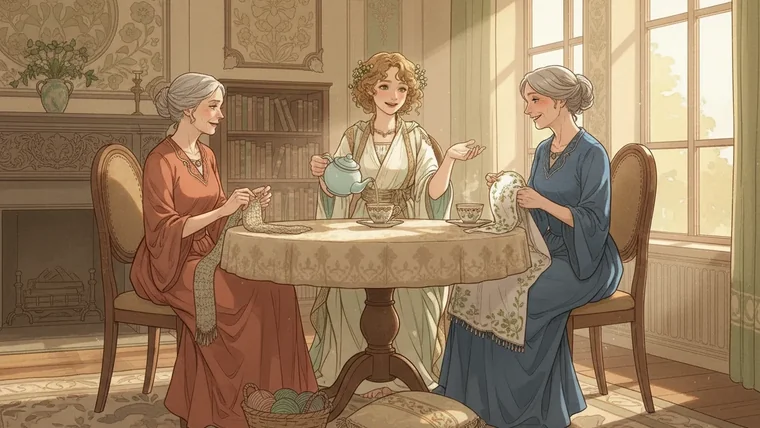
The Peacemaker's conduct shows up clearly in the tending of comfort and in a bearing that calms friction.
What first catches the eye is the sureness of their hand in daily life. The balance of seasoning in a dish, the arrangement of a room, the preparations for receiving guests — in everything touching the five senses, this person knows "just right." At a celebration they set even the lighting, the music, and the laying of the plates in order, building up a small festival. That thoughtfulness is no passing whim; it is piled up plainly, day by day, as care that can be sustained.
They notice another's discomfort astonishingly fast. A room too hot, shoes that look too tight, a complexion that betrays strain — they sense it before the person says a word and quietly remove the cause. There is nothing self-congratulatory about it, and often it goes unnoticed. Yet the place this person has left behind always turns, somehow, less comfortable.
Their way of keeping order is non-coercive. Rather than scolding those who make a mess, they patiently keep putting things back where they belong. Rather than brandishing rules, they let them take root as comfortable habit — this is a person who guards the shape of daily life not with force, but with the tenacity to keep at it.
Not standing out, but the order of daily life.
- Rather than scolding those who make a mess, patiently keeps putting things back where they belong
- Slow to get started on work, but gets an astonishing amount done once underway
- Poor at putting a price on their own work
Observed Behavior

The care of family and those close by sits at the center of their values. They arrange things so that meals and rest are never lacking, lend a hand with troubles, and see to it that daily life holds together. Ahead of their own enjoyment, this is a person who first makes sure everyone else's cup is full.
They take responsibility for promises and requests. They do not abandon a burden they have taken on midway, and they get through even plain repetition, resolved that it is "a necessary thing." They keep their work face and their private face apart, and in either setting they choose a stance that does not disturb the harmony.
Bargaining over gain and loss, and reckoning with numbers, are their weak points. Hard worker though they are, they are poor at putting a price on their own labor and tend to swallow unfavorable terms. Driven by deadlines and profitability, they visibly lose their spirit.
Dissatisfaction, they store up. To guard the room they keep swallowing it, and once past the limit they either can no longer move or make a tense air of their own and refuse to budge until it is resolved — a frozen tenacity appears, unimaginable from their usual softness.
Given a place where gratitude comes back in words, your hands will keep moving again and again.
How you speak and listen

The Peacemaker's dialogue is made of the art of putting people at ease and the wisdom of letting both sides save face.
On the surface they are cheerful, warming the room with anecdotes and jokes. Yet within there is restraint: at a first gathering they avoid the spotlight and turn first to observing. Only once the bond grows close does this person's true relaxed, warm talkativeness come out.
They are nimble at the first sign of trouble. Before an argument takes on heat they shift the topic, scoop up the parts of each side's claim that can stand, and, going back and forth between them, guide the way to a point of compromise. Even when criticism is needed, they choose a soft form that leaves no wound, and if they feel they have said too much, they turn it into a joke and withdraw — not breaking the room is the foundation of this person's art of negotiation.
And they hold a respect for coherent talk. To information of sure provenance and explanations with connected logic they listen closely, and they catch contradictions in the details with surprising sharpness. To vague talk they will, smile intact, quietly decline to nod along.
Not breaking the room is the foundation of every negotiation.
What lies at the core — drive and tender spots
Not winning or losing, but a temperature where everyone can stay seated.
The one powerful engine at the heart

At the Peacemaker's center are a hand that hands out comfort and an art that tunes the mood of a place.
At the Peacemaker's center is one strong driving force: the power to arrange and keep handing out the conditions for people to be at ease — a warm meal, a restful place, an environment suited to the body. When they sense the signs of someone's discomfort, this person's hands move before thought. For this person, comfort is not something to keep to oneself; it is completed only by being spread to those around.
This hand has a paired second art: the art of tuning the mood of a place. Softening a tense air, filing down the sharp corners of feeling, guiding the place to a landing point where both sides save face — it is a restrained steering of emotion that works not to inflame but to calm and ease. The hand that hands out comfort and the rudder that keeps the harmony. When these two mesh, the Peacemaker gives a gathering of people a gentle endurance.
This is not a matter of the home alone. In the workplace, in the community, the moment they feel "the air here could be made a little more breathable for people," the same engine starts up. A frayed place comes loose, and people sit down again at the same table — that very sight is where the Peacemaker is most deeply fulfilled.
What they can do, yet do not prize

Surprisingly, the Peacemaker is furnished with considerable moral devotion and force of will. A firm sense of obligation that protects the interests of those dear to them, and the discipline and tenacity brought out at the crucial moment — beneath their soft manner, a great willpower in fact lies sleeping.
But this person places no weight there. Their will is not flaunted; it is tucked away as a reserve not used unless needed, and their morality, taking no form of preaching, is dissolved into daily care. Not brandishing their strength is itself this person's way of harmony.
What the heart secretly craves
What they secretly seek is a free intellect that opens the door of possibility.
What the Peacemaker, skilled at the comfort underfoot, finds hard to generate on their own yet longs for more deeply than anyone — is the power to size up the possibilities ahead and throw open new doors. Out of what is not before their eyes, what could be and which to bet on — when it comes to erecting that appraisal by their own power, they suddenly lose confidence and find themselves searching for an advisor. That is precisely why they are deeply drawn to, and fulfilled by, a presence who opens the view with rich imagination and a bold sketch of the terrain.
This appears as "the need to belong, secure attachment, and the fulfillment of a deep craving." Beside the dual Seeker (ILE-Q) — who takes genuine delight in this person's care and, in return, spreads out a map of possibility, and who is the very best at that power — the Peacemaker can devote themselves in peace to the work of comfort and harmony they excel at. This is the finest complement, one who opens a window of adventure onto the guarding days.
The most fragile place
The Peacemaker is most fragile in the reckoning of gain and loss, and in appraising what lies ahead.
What is most fragile is the yardstick of practical gain and efficiency. Hard worker though they are, the moment it comes to putting a price on their labor, calculating profitability, and negotiating favorable terms, they are at once uneasy. They tend to lose out not on the work itself but in the scenes where its worth must be defended in numbers, and the checking of details and the settling of paperwork remain, forever, a heavy piece of homework.
Another fragility is appraising the branchings of what lies ahead. Which road, if chosen, holds what danger — swinging violently between optimism and pessimism, they seldom settle into a concrete form of preparation. Anxious though they are, they stop at merely being anxious.
And when past the limit, this person does not flare up; they freeze. Amid stored-up fatigue and dissatisfaction, they grow unable to move, as if stuck fast — before it comes to that, this person's life needs a partner who takes on the reckoning and the appraisal, and a place to set down dissatisfaction while it is still small.

- Core: a hand that hands out comfort, and a rudder that tunes the emotional mood of a place
- What drives you: words of thanks, and the tangible sense that your care has reached someone
- Where you're fragile: calculating gain and loss, sizing up what lies ahead
Strengths, and where you stumble
Someone who opens the door to possibility.
Strength — hand out, and put at ease
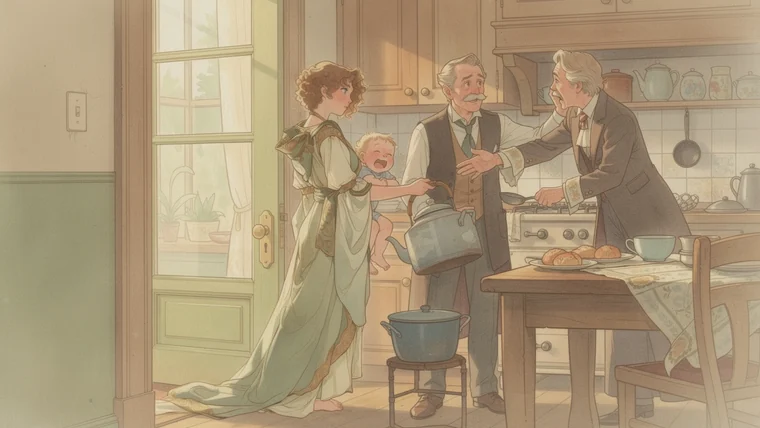
The Peacemaker's strength lies in a twofold sureness: the hand that keeps handing out comfort, and the rudder that calms and tunes the mood of a place. They notice another's discomfort faster than anyone, quietly remove the cause, and keep the foundation of daily life comfortable. Standing between the sides in a quarrel, they guide the way to a point of compromise while letting both save face, leaving no wound. Added to this, a responsibility that sees a burden taken on through to the end, a tenacity that does not begrudge plain repetition, and an observing eye that catches contradictions in the details make this person a quiet linchpin, indispensable to home and organization alike.
And at the bottom of that softness lies a tucked-away strength. A firm sense of obligation that protects those dear to them, and a great willpower for the crucial moment — usually unflaunted, held in reserve, it shows itself quietly only in the moment that matters. To hold strength without brandishing it. That is the deepest reason people gather around the Peacemaker in safety.
Where they tend to stumble
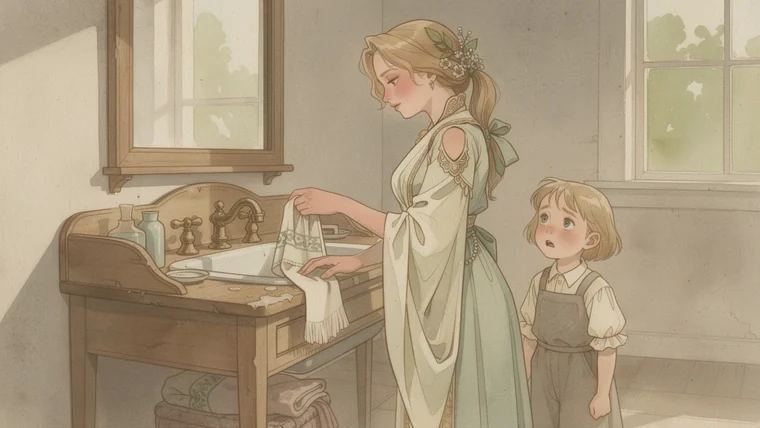
What trips them up is the underside of the swallowing that guards harmony, and of a weakness at reckoning.
When they keep swallowing dissatisfaction to guard the room, the inner balance quietly dwindles. Once past the limit, this person does not flare up but freezes — growing unable to move as if stuck fast, or making a tense air of their own and stubbornly refusing to budge until those around move to resolve it. The gap from their usual softness bewilders those around them deeply. The way they sulk when their care is treated as a given also tends to be exaggerated, and, left unspoken, only the temperature of the room drops.
At the reckoning of practical gain, they are markedly weak. Unable to put a price on their own labor, they swallow unfavorable terms, and chased by deadlines and profitability they lose their spirit. Work tends to appear as "a heavy-hearted necessity," and the reluctance to get started is made heavier still by a habitual lament. Their appraisal of what lies ahead, too, only swings between optimism and pessimism and seldom settles into preparation — they have an anxious heart, yet no concrete move comes.
New ideas from someone you trust move you deeply — and you can answer them with your own brand of comfort. That's where your room to grow lies.
- While the unease is still small, set it down lightly: "actually, I'm having a bit of trouble"
- Before taking on work, check its price with someone who knows the going rate
- When you worry, decide on just one preparation you can make today
Where you thrive
With a simple "thank you," your hands will move again and again.
Environments Where They Thrive
The Peacemaker shines most in an environment where people's comfort and the harmony of a place become value directly. Where the care in their tending is received as "thoughtfulness" and the art of putting people at ease returns as trust — there, this person can work tirelessly. Conversely, in a place ruled by numbers and competition alone, where gentleness is counted as "softness," this person's center quietly freezes over.
What this person needs is, first, "words of thanks." With the sense that their thoughtfulness has landed, the Peacemaker's hands will move any number of times. And a companion who takes on the reckoning and the appraisal — a presence to whom the bargaining over gain and loss, the branchings of what lies ahead, and the appraisal of new possibilities can be entrusted. With that support, this person can sink in peace into the post of comfort and harmony they excel at.
As a linchpin of harmony
The hand that hands out comfort, the rudder that tunes a place, and the wisdom of letting both sides save face come alive in roles that support people's lives and relationships. Hospitality and reception, the frontlines of cooking and food, care such as nursing and elder care, the daily work of childcare and education, work that arranges homes and spaces, the lubricating role of an organization in labor affairs and general administration, the front desk for complaints and arbitration — in all of these, this person's power to sense, art of putting people at ease, and wish to "keep a place where everyone can breathe" become value directly.
On the other hand, they are ill-suited to hard price negotiation, profit-and-loss management, investment decisions that stake on risk, or a post that drives people through competition. At such places, their gift for care spins in vain, and only the reckoning they are poor at is asked of them. A form in which they entrust the contest of numbers and the wager on what lies ahead to a companion or a system, and concentrate themselves on the tending of people and place, is what brings this person most alive.
Dialogue — ask Emilia

One free dialogue · Le Salon members can explore several perspectives. Not a real person: a representative perspective based on the public profile.
Relationships and love
Filling the place you belong with warmth.
Love — filling the home with warmth
The Peacemaker's love shows in a long-breathed devotion that keeps setting daily life in order.
The Peacemaker's love advances through daily warmth rather than grand words. Remembering the other's tastes, setting the table, making a place that heals fatigue — filling the nest of the home with warmth is this person's grammar of love. They are deeply grateful for the kindness they receive and remember it long. Bonds are tied slowly, and once tied, they are kept with astonishing faithfulness.
[Women]A person with a soft manner and a sure hand for daily living. She finely arranges things so her loved one's life holds together, and she deftly shields the family from trouble. When her care is treated as a given she sulks quietly, but a single word of thanks unfurls her like a flower. Beside a free intellect that lights the future with talk of possibility, she blooms in peace.
[Men]A calm man who dislikes conflict and is good at hospitality. Rather than pushy courtship, he closes the distance by layering up pleasant hours, showing affection through home cooking and thoughtful care. He prizes the peace of the home above all and settles friction by standing between the sides himself. Beside a partner who delights in that devotion and opens new doors, he rests deeply.
How You Love — Filling Home with Warmth
The Peacemaker's way of loving shows itself in wrapping a partner in bodily comfort (Si) and warming the mood of the moment (Fe). Before any words are spoken, you have already noticed your partner's fatigue, their hunger, their mood. So your affection moves through your hands first — quietly setting down a warm drink, draping a jacket over their shoulders when it looks cold, preparing their favorite dish when they seem low. Say your partner comes home worn out from work: you ask few questions, warm the room, serve a steaming meal, and simply say 'welcome home.' That one plate carries the whole of your 'you matter to me.' It is not flashy — but there is no love more fully felt through the body than this.
Compatibility — recommended partners
 Seeker
 ILE-QAn intellectual adventurer who unravels the worldDualityThe need to belong, secure attachment, a sense of fulfillment, the fulfillment of a deep craving — the most complementary partner, who spreads out a map of possibility and opens a window of adventure onto the guarding days. Advisor
 IEE-QOne who quietly draws near and listens to the heartSemi-dualityNostalgia, a sense of belonging, interdependence — a partner in whose warm eye for human possibility one feels a fond connection. Reformer
 SLE-QAn executor who breaks through by force and rewrites conventionIllusionaryEmpathy, gratitude, a sense of trust, the need for safety — more indirect than the dual, but a partner in whose power to open a way forward one can feel deeply at ease. Analyst
 LII-QFrom the quiet of the desk, reassembling the worldActivationActivation, elevation, drive, curiosity — with a coherent explanation nearby, the "I want to try" wells up; the partner easiest to warm up to. Inspector
 LSI-QThe logician who strips away pretense and sees through to the truthBenefactorYou can move for this person's sake as a matter of course — a relationship where, supporting them as a benefactor, you are repaid with a sincerity that checks things through to the end, and with gratitude. Philosopher
 EII-QOne who, in the stillness, keeps questioning the meaning of the worldBeneficiaryFulfillment and trust — a relationship like a contented reassurance, received from a benefactor who holds a quiet depth of introspection. Enthusiast
 ESE-DThe cheerful flame that sets the world ablaze with feelingMirrorThe breathing of warmth and care falls into step — a partner with whom you can draw out each other's emotional strengths. Hero
Hero EIE-DIt is this conviction that changes the worldSupervisor (mirror)They impart how to use passion to lead people — a relationship where, as a master, they hand over devotion to a great cause. Executive
 LSE-DSet it in order, get it moving, see it throughSupervisee (mirror)They inherit steady arrangement and diligent work — a relationship where, as an apprentice, they answer with plainspoken honesty.See the other relationships (22 more types)
The upper bands are easier to be with; the lower bands tend to wear you down. Tap a relation name to read about the pair.
 Craftsman
 SLI-DThe artisan who sets the world in order in the palm of his handKindredA partner whose conversation flows easily, someone who likes to express things in the same direction as you. It can wear you out once it turns competitive. Prophet
 IEI-DAn eye that gazes upon a destiny no one has yet noticedBusinessA partner you can easily work alongside, adapting to the situation together.
SEE-QA natural orchestrator who reads the room and guides people toward reconciliationCompassA partner who gives you a sense of being accepted, along with a hint of which direction to move in. Strategist
 ILI-DThe contemplative Strategist who quietly reads ahead and lays the groundworkIdealA partner who naturally embodies what you aspire to be, easy to admire. Getting too close tires you out. Pioneer
 LIE-DCarving the way through results — the realist's frontierCorrectionA partner whose feedback becomes a chance to take stock of yourself. Judge
Judge ESI-QThe quiet arbiter who discerns right from wrongTranscendenceA partner who makes you want to surpass yourself when you're together, pushing each other to grow. Harmonizer
 ESE-QTheir smile and their voice soften the space around themCodependencyA partner who wears you down little by little, caught in a cycle of bottling things up and overcompensating. The Architect
 LII-DThe architecture of logic, quietly built up piece by pieceRelaxationA partner who puts you at ease, though you tend to end up waiting on them with quiet expectation. Visionary
 ILE-DThe architect of ideas who reinvents the world through paradox and theoryDetachedA partner who's hard to feel drawn to, leading to a rather flat, low-key relationship. Performer
 SEI-QA gentle conveyor who gives form to sensation and feelingAdaptiveA partner you settle into by simply playing your roles, an easy, unremarkable relationship. Mentor
 EIE-QA passionate standard-bearer who speaks of ideals and binds hearts togetherSupervisorA relationship where you tend to unsettle the other person without ever realizing it. Enforcer
 LSI-DThe steel operator who carries out the mission through discipline and responsibilityTense BenefactorA partner around whom you tend to try too hard, unable to shake off the tension. Conqueror
 SLE-DA dependable field general who only burns brighter the harder things getTediumA partner who leaves you feeling sluggish, prone to putting things off and keeping your distance. Dreamer
 IEI-QA teller of fantasies who colors the world with dreams and passionFormalA relationship where formality and appearances pile up, and it's hard to ever fully relax. Administrator
 LSE-QThe hands-on command post that keeps the field running and moves people and workPlayerA partner around whom you constantly feel watched, prone to leaving you burned out. Empath
 EII-DSensing what lies beneath feeling, and becoming someone's quiet supportTense BeneficiaryA partner who leaves you worrying and overthinking, prone to closing your heart off. Promoter
 IEE-DMoving the world through fascination — an evangelist of ideasDistrustA partner you can't quite bring yourself to trust, which makes it hard to show your own strength. The Artist
 SLI-QGiving form to the “just-rightness” of nature and daily lifeDutyA partner who leaves you understanding what to do yet unable to act on it, while your need to be recognized grows stronger. Commander
 LIE-QBuild, prepare, hold the line — the command center of orderConflictThe partner most likely to strike your weakest point, the one relationship that drains you the most. Guardian
 ESI-DA silent shield that protects people, with rightness at its backQuasi-IdentityA partner who looks similar to you yet never quite clicks, leaving you spinning your wheels and worn out.
SEE-DA born leader who reads hearts and rallies the currentDistanceA partner who makes you want to keep your distance and close your heart off. Critic
 ILI-QThe insightful Critic who sees through contradictions in the depths of silenceRoleA relationship where "you should" comes first, making it hard to just be yourself.Compatibility is not decided by type alone; maturity, subtype and circumstances all change it.
With someone you are connected to, you can read a personal Relationship Reading drawn from both of your answers ($8.99 per pair, unlimited for Le Salon members).
See compatibility with your connections →Explore Le Salon →
What You Truly Long For
What you truly long for, deep down, is someone who lights up the places your homemaking hands can't reach — "the future" and "possibility." You're gifted at making today comfortable, but where this relationship is heading…
In the Love Edition: What your heart longs for / What excites you / Where you clash and your landmines / Classic love scenarios / Chemistry by partner, all 32 types named / At home and as a parent / A practical playbook / Secrets to lasting love / A manual for your partner
Work and ways of working

Your Working Style — Comfort-and-Optimization
You naturally excel in two main ways: attending closely to detail to make things comfortable, and softening a tense room to put people's feelings at ease.
Your interest turns toward connecting with people and the pleasures of everyday life. Day to day, you set your own relaxed pace and go with the flow rather than force things.
With people, you're reserved and gauge the distance, but you engage sincerely. When you act, you lift the mood of the room to get things moving, and when you bring things together, you smooth out the relationships involved.
Attentive care, and the power to warm a room.
- Before deciding, always get in touch with at least one of these: the actual thing, the actual site, or the voice of the people involved
- Don't answer on the spot under pressure from the mood of a meeting — take it back with you
- Don't let your concerns pass as a passing remark — leave them in a written note
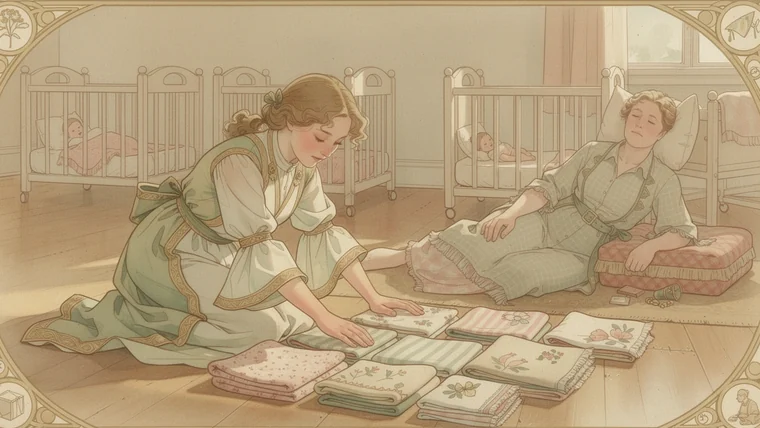
Careers That Fit
Your ability to notice people's discomfort early and arrange for their comfort becomes the very quality of the hospitality.
Your observant eye that never misses a small change, and your patience in keeping up the care, come into their own.
You're sensitive to the subtleties of someone's condition and needs, and your care that leaves no wounds builds trust.
Your Strengths, and Work Better Avoided
Your strength lies in the combination of attending closely to detail to make things comfortable, and warming a room to move people's feelings. In areas like shaping the workplace environment and caring for a team…
In the Business Edition: Natural strengths / work better avoided, Stress tolerance and socialization group, Work style, Motivation and recharging, How to work with and manage this person, Compatibility and team-building, Industry fit ◎○△ across 23 industries with rationale, Suitable roles
Blueprint of the mind
Your mind runs on eight blocks. Each block carries two functions — how you take in the world, and how you express yourself — and together they set both the range you're skilled in and how much you actually value using it. We've kept the technical notation small and explained everything in plain language.
A hand that hands out comfort, and a rudder that tunes the emotional mood of a place.
Leading Your centerI Nurture
+Si-pComfort & TranquilityExperiential sensing-Fe-cHarmony & ResponseEmotional ethicsYour foundation, first of all, is the power to arrange the conditions people need to be comfortable, and to spread them to those around you. Yours is a caring hand that keeps handing out warm meals, restful places, and surroundings that suit the body. At the faintest sign of someone's discomfort, your hands move before you even think.
Layered onto this is the power to calm and tune the emotional mood of a place. Softening a tense atmosphere, filing down the sharp corners of feeling, and guiding the room to a temperature where everyone can stay seated — that is the conviction planted right at your center.
Mirror — Picked up by watching
At the entry point sits a warmth that encourages and lifts people's he…
In the Full Portrait: all 8 blocks of the blueprint / 6 ways back / situational guide / the reasoning behind the exemplars
Going deeper — ways back and situational guide
On the flip side of that same core, these are the situations where you tend to stumble. After that, six ways to get back on your feet.
You're poor at putting a price on your own work, and you tend to accept unfavorable terms.
You swing wildly between optimism and pessimism, and it rarely settles into concrete preparation.
When you pass your limit, you don't flare up — you freeze, and you get stuck, unable to move.
The power to open up possibilities carries a breeze that reaches much farther into your world.
Way to Recover 1 — Set Down Dissatisfaction Before It Freezes
Your endurance is a kindness that protects the room. But if you store it all up until you freeze, both you and the room come to a halt for a long time…
In the Full Portrait: 6 ways back / situational guide (home, work, friends, under stress, shopping, days off)
People thought to share this type
Different eras, different fields — yet every one of them resonates on the same note: someone who handed out comfort and compassion and kept the peace around them.
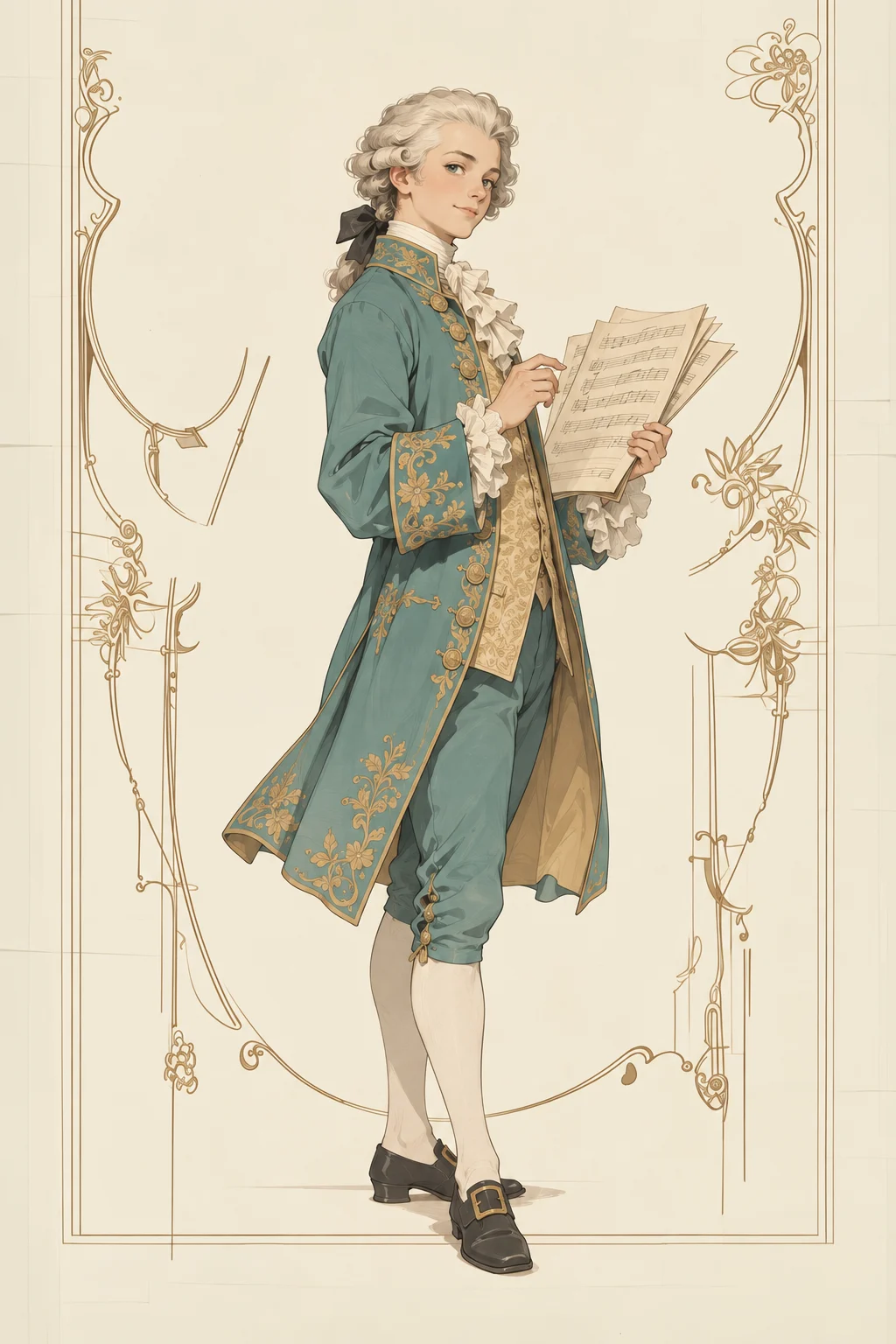 Austria · ComposerMozartHe wrapped even sorrow in grace and, through music, made people happy.
 UK · MusicianPaul McCartneyHe turned the warmth of everyday life into melody and delivered it to tables around the world.
 UK/USA · Actress & philanthropistAudrey HepburnShe devoted the latter, radiant half of her life to caring for children.
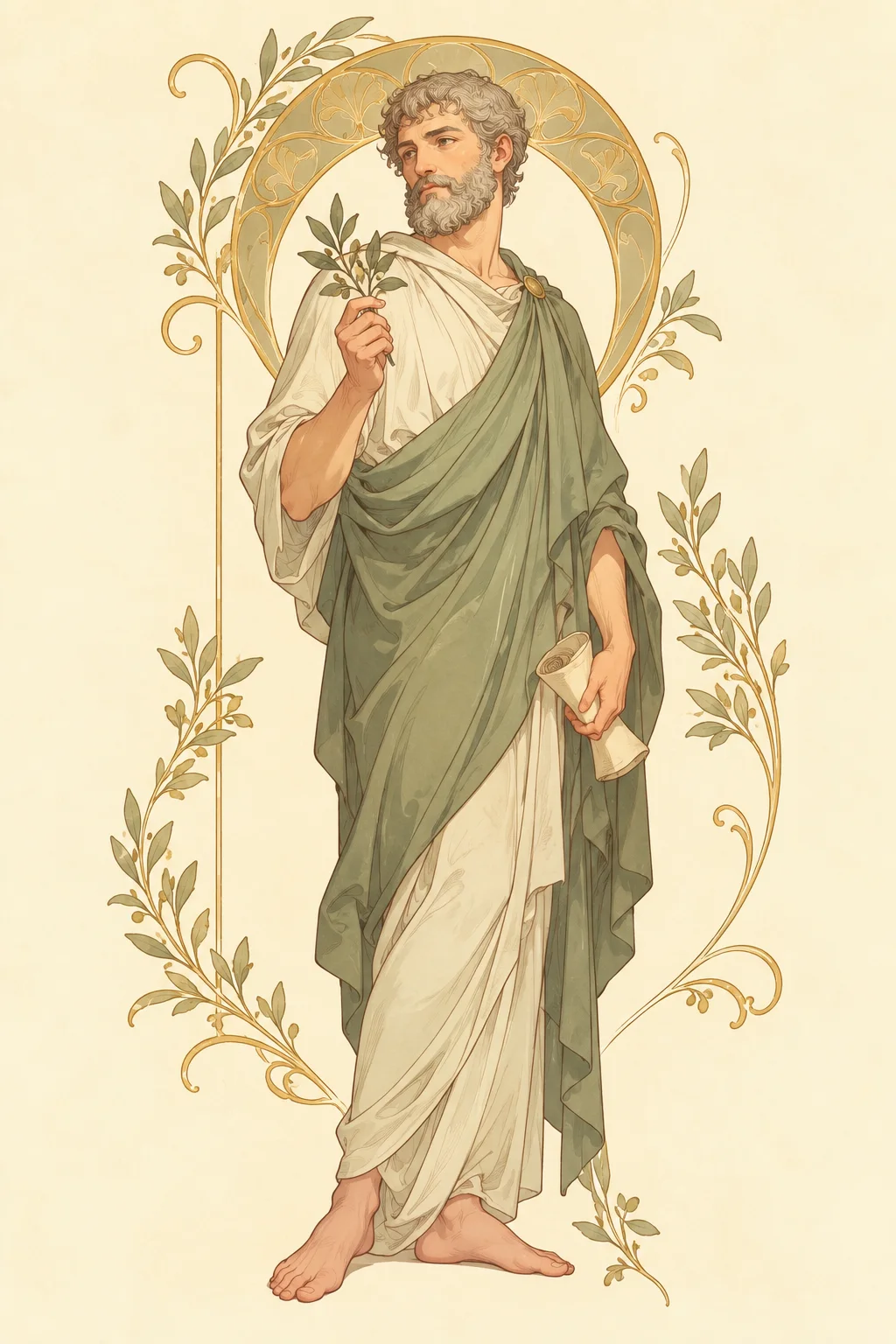 Greece · PhilosopherEpicurusPleasure is friendship and peace of mind — he lived together with others in his Garden.
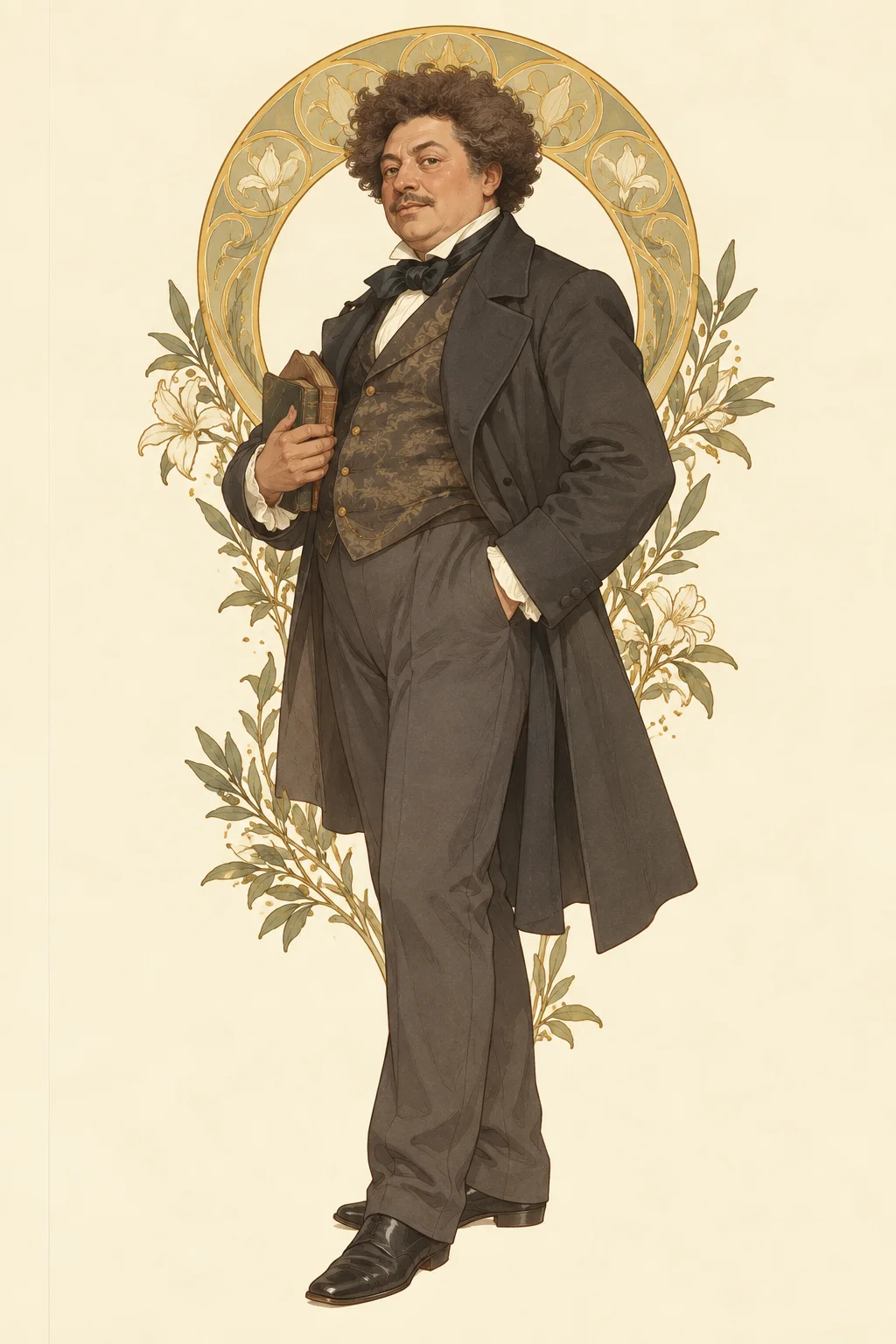 France · WriterAlexandre DumasHe loved adventure and fine food, and made life a festival through story.
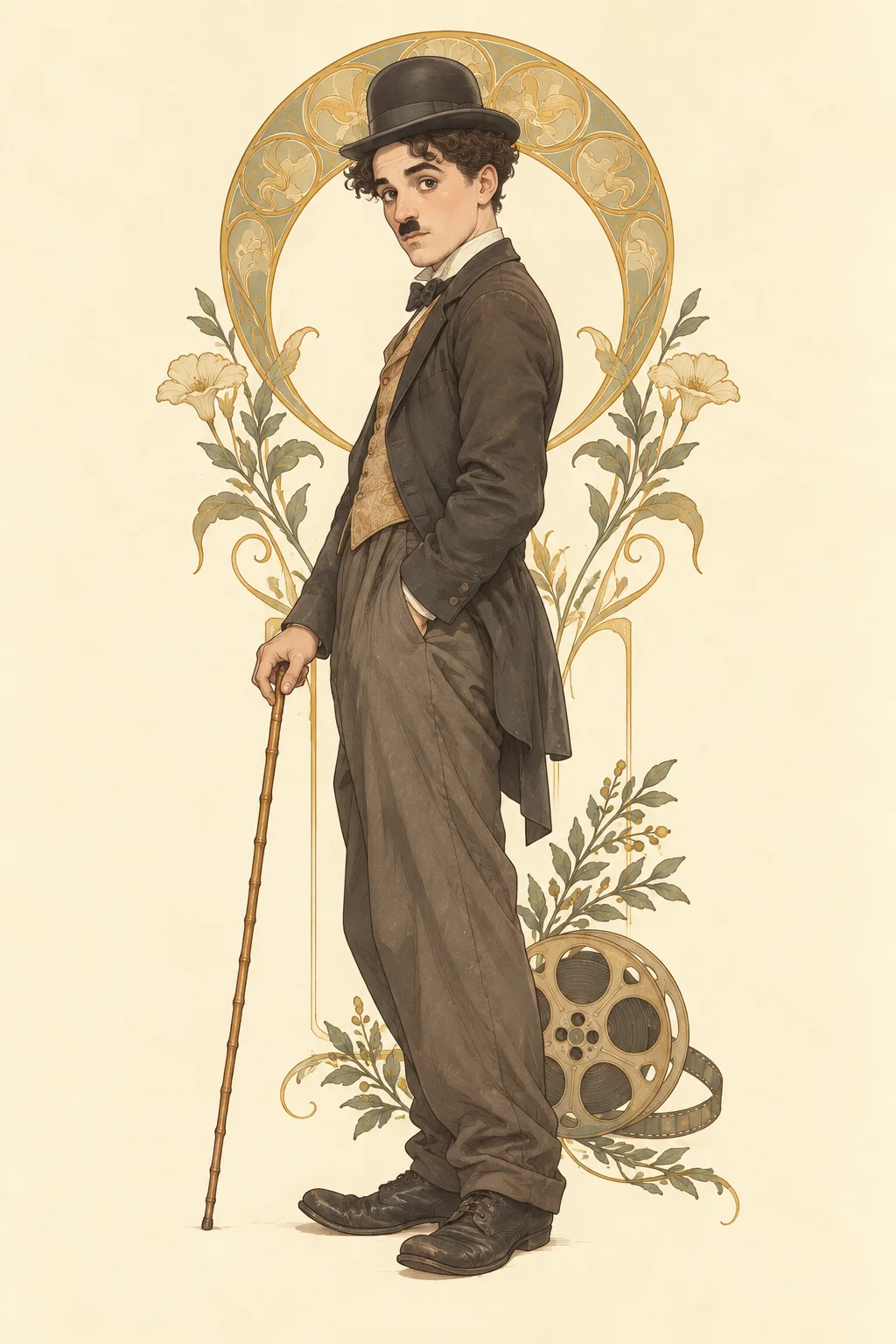 UK/USA · King of comedyChaplinWith laughter as a bridge, he kept standing on the side of the little people.
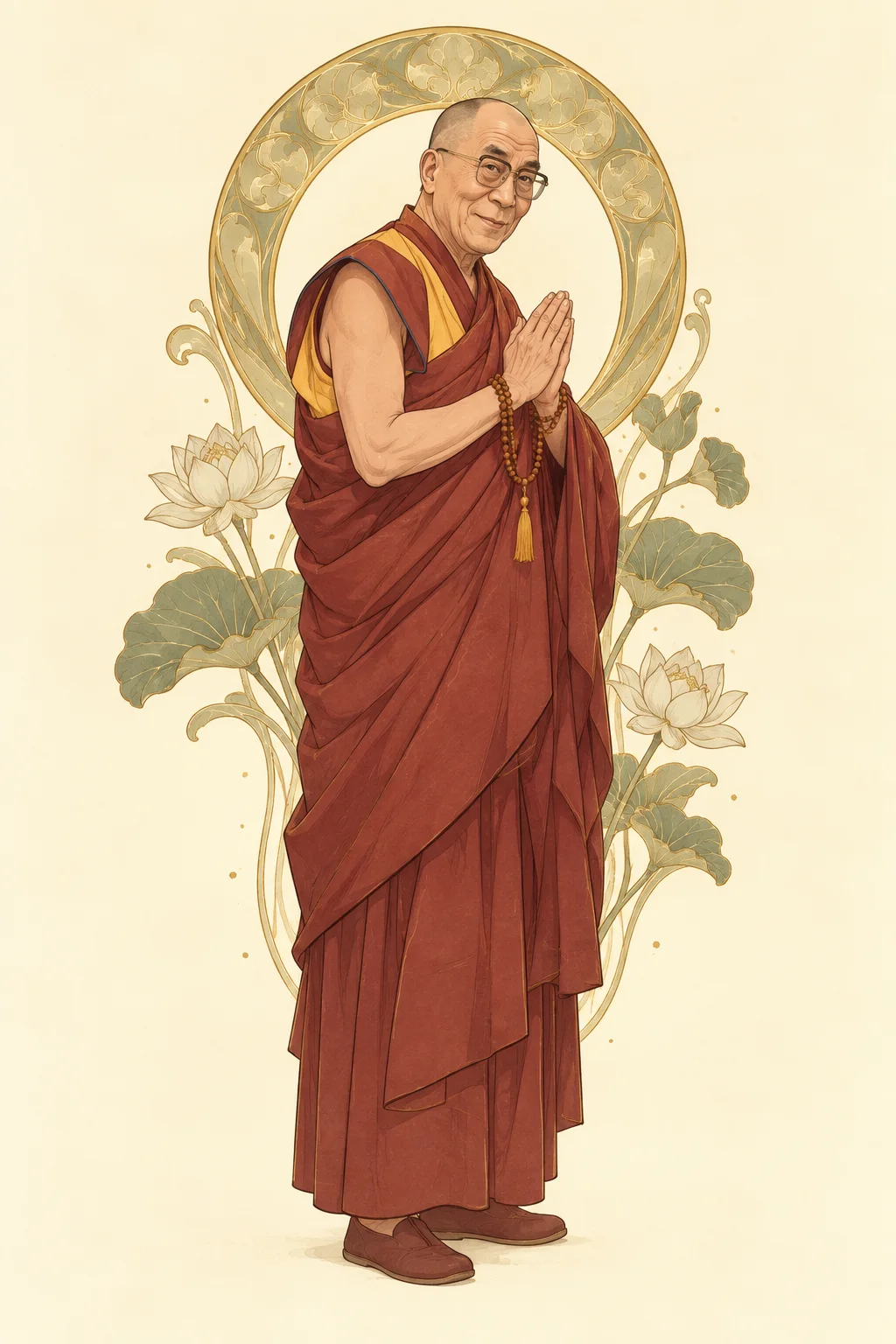 Tibet · Religious leaderThe 14th Dalai LamaEven amid the hardships of exile, he keeps preaching compassion and dialogue.
 USA · ActorTom HanksA national sense of reassurance, able to embody goodness itself.
 Canada · ActorKeanu ReevesLoved the world over for his quiet kindness and humility.
 USA/Monaco · Actress & princessGrace KellyShe poured the grace of the silver screen into the home and welfare of her principality.
Type attributions are informed speculation based on public information, not confirmed fact.
Map of group memberships
The Peacemaker is one of 32 types, and also belongs to several groups of kindred natures. Here are the four main ones first — open a card to step into its own gallery room.
 Quadra (Values)Alpha Quadra (α)Genesis
 Bouquet (Temperament)Receptive-Adaptive temperamentDiscerning the flow and responding to it
 Club (Interest)Social ClubPeople who weave life and ties together
 Motivation (Stimulus Group)Happiness Stimulus GroupSeeks comfort and stability
See all groupings (25 more)
 Communication StyleSincereGrowing deep bonds slowly
 Behavioral StyleInspirerMoving people through sheer fervor
 Argumentation StyleDiplomatReads the room and adjusts
 Perception GroupTactilityFeels things out by touch and sets them moving
 Cognitive StyleDialectical-AlgorithmicBranching and integrating opposites
 Romance (View of Love)HomemakerFills the home with warmth
 Stress ToleranceFrozenSticking fast, unable to break free
 Socialization GroupRadicalShaking the field with strong emotion
 Inflation RingInformation AccumulatorStoring information and leaving experience behind
 Project GroupConcrete ProcessPrecise in the details, for people's sake
 Implementation GroupSocial EntrenchmentRooting customs into society
 Square (Rest)NomadDrifting discoverers
 Business Square (Collaboration)BohemianFree spirits
 Octad (Cross-Value Group)HeraldProclaims values and delivers them to the world
 Reactor (Excitation Group)DistillRefining excitation inward
 MobilizationCatalysisMoving others as a catalyst
 Conditioning (Adjustment Group)AspirationInspires toward great ambition
 LabyrinthEleusisFestive passion and cool critique
 Block Group (Extinguishing Group)ForumWhere inquiry and warmth gather
 Social Progress Ring (SPR)ChronicleThe governing ring of the great river
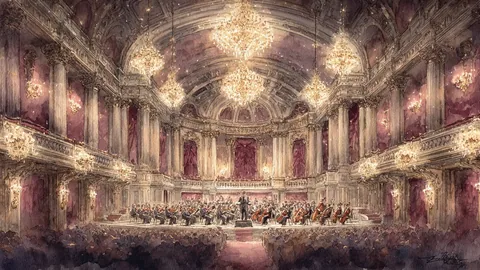 Supervision Ring (SVR)SymphonyA symphony that integrates opposition
 Social Order Ring (SOR)AtlasThe pillars that support the great river
 Succession Ring (SR)HeritageThe people’s gradual succession
 Benefit Ring (BR)LoreThe people's private wisdom
 Master Ring (MR)MelosA melody in which all resound together
Open the full, love and business editions
- The blueprint of your mind (8 blocks)
- Six ways to recover from stumbles
- A situation-by-situation guide (6 situations)
- The reasoning behind the celebrity picks

- What your heart longs for / What excites you / Your landmines
- Classic love scenarios
- Chemistry by partner (all 32 types)
- At home and as a parent / A practical playbook

- Natural strengths / Work better avoided
- Work style / Management
- Industry fit ◎○△ (23 industries)
- Suitable roles
Save $24.98 compared with buying the three separately