
SLE-Q – Reformer –
An executor who breaks through by force and rewrites convention
You are someone who breaks through the walls of convention by force and keeps running — further, bigger.
The moment someone tells you "this is the limit," strength wells up in you.
Beyond what you've broken, you instantly set up a new system that has cut away the old assumptions.
- Quadra
- Phi Φ
- Bouquet
- Flexible-Maneuvering temperament
- Club
- Practical Management
Portrait — the Reformer
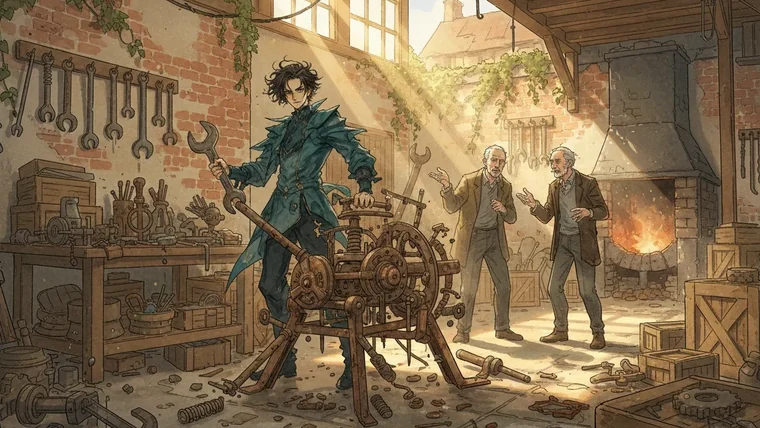
The Reformer is someone in whom strength wells up the moment they're told "this is the limit." Set frameworks, precedent, convention — rather than accept them, they'd sooner break them with their own hands and move on ahead. What they want isn't to prove they're right, but to move reality. Instead of working out a plan before they walk, they move first and build the road as they go. The Reformer feels most fulfilled when action itself keeps turning as a process. Even amid the unknown or in chaos, they never lose their own compass; in fact, it's in a state without order that their creativity shows. That's the kind of person they are.
Their strength is fearless and rebellious. Told to obey, they don't; told to follow precedent, they break it. Unafraid of authority and undeterred by risk, they step into places everyone thought impossible. Yet this isn't roughness — it's an unstoppable force driven by the conviction that "this can be done better" and "there's still further to go." Beyond what they break, they instantly set up a new system that has cut away the old assumptions.
On the other hand, there's something this person finds hard to see. A long view of time — "how will this grow from here?" — and a calm emotional warmth that softens a tense atmosphere are hard for them to keep alight on their own. When someone stands beside the ever-running Reformer and shows them with quiet certainty, "it's all right, the way ahead is in sight," that's when this person's strength reaches the farthest.
Not being right, but whether you can move reality.
Does this sound like you?
- In dull situations, you somehow get restless.
- You keep testing your limits: "I can do more," "I've still got this."
- Even when you get angry, it's brief and doesn't linger.
- Around people you're comfortable with, you suddenly turn cheerful and boisterous.
- With new people, you keep your distance at first and only get closer after gauging their ability and sincerity.
- You hate roundabout preambles and get straight to the point.
- You don't stop at breaking something — you immediately start putting together a new system.
- You push back hard against a commanding tone or one-sided orders.
- When you lose interest, your energy drops off dramatically.
- Once you've been betrayed, you can't let go of that memory for a long time.

How you move

In the Reformer's demeanor there is a fearless drive to act and an insatiable forward motion that loathes boredom.
The Reformer's first impression is energy. A spare, economical way of moving, powerful gestures, and above all — an air of being unable to stay still. In dull situations they are somehow restless, searching for an outlet for their energy. But the moment an obstacle appears, their eyes change. The higher the wall, the greater the difficulty, the more this person's power grows — the classics go so far as to note that their capacity for work and their drive increase in proportion to the number of obstacles.
Their decisions are quick and they do not drag out hesitation. "I can do more," "I've still got this" — they keep testing their limits. Yet they are not reckless: they read a situation fast, seize the moment, and pour all their strength into the one decisive point — a flexible, realistic tactician. Even when angered it is brief and leaves no residue. They possess an iron self-control that governs their emotions and refuses to let mood sway their work. Beneath a cool exterior they hide a fierce passion, but they show it only to their closest companions. Among people they can relax around they turn, all at once, cheerful and boisterous, and lively time is this person's recharge.
With new people they first keep their distance, drawing closer only after they have gauged the other's ability and sincerity. But once they have judged "this person can be trusted," they are astonishingly caring, pour out deep loyalty, and move with all their might for that person's sake.
Move first, before the plan.
- Moves before working out a plan, and builds the road while moving
- Presents a new system as soon as something is broken
- Even after snapping, the anger is brief, and they're the first to seek to resume the conversation
Given a place where you can go about things your own way, your drive stands out above anyone's.
How you speak and listen

Their dialogue is frank and challenging.
The Reformer's way of speaking is unadorned and goes straight to the heart of things. Disliking roundabout preambles, they cut what is unneeded and get to the point. In debate they deliberately jab at contradictions and loose threads, and by raising issues provocatively they prompt the other to realize something and draw out change. "There must be a better way" — they shake up the status quo; more than winning, they care about how to remake the system that exists now. They listen to another's problem and think it through together, asking "how could this be improved?" Sharp and full of wit, they have a knack for describing people and things in a few keen strokes — and, when needed, the humor to entertain even a stranger. They react sharply to evasion; outside their own strong domains they do not force themselves to hold forth, and they show trust through frankness and action.
A frankness that goes straight to the heart of things.
What lies at the core — drive and tender spots
Not theory, but whether you can move reality.
The one unstoppable engine within the heart

At the Reformer's center lie a power that pushes limits outward and a logic that instantly rebuilds what has been broken.
At the Reformer's center are two powers joined together. One is the power to break through the walls of the status quo by force and press further on (+Se-p) — an unstoppable drive that expands, advances, and opens up new territory. The more they are told "this is the limit," the more they burn, and they come most alive amid difficulty. They are a Process type — they do not move for the sake of a result; moving, pushing outward, and the noticing and growth along the way are themselves this person's fulfillment. More than winning, it is "how to remake the system that exists now" that draws out their greatest effort. And that power ends up, as a byproduct, drawing in the comrades they trust, lifting them up and protecting them — yet that is not the aim but the consequence of moving forward.
The other is the logic that reassembles, in an instant, what has been broken (-Ti-c) — the power to cut old premises through in a single stroke and, with confidence, present a new framework at once: "here is how it should be." They do not stop at merely breaking. The moment they break something, they build a new structure — this double motion of "breakthrough plus immediate rebuilding" is what the Reformer is best at and finds most worth living for.
What they can do, yet do not prize

In fact the Reformer holds considerable power to master efficiency, optimize procedures, and keep a site running.
The Reformer has outstanding ability in the efficiency that carves a path with numbers (+Te-p) and the care that clears a bottleneck in the field (-Si-c). They see the worth of things in an instant, move economically without waste, and their work is fast and high in quality — a practitioner who will readily offer help to anyone in trouble. Yet they place no value here as such. Far more than keeping efficiency turning, pushing limits outward is what matters to them.
What the heart secretly craves
What the Reformer finds hard to light on their own, yet deeply longs for, is a long view of time and the peace of a calm emotional warmth.
What the ever-running Reformer finds hard to supply for themselves — it is the quiet, long-range outlook of "how will this grow from here?" (+Ni-p) and the calm emotional warmth that softens a taut setting (-Fe-c). In the power to move forward they yield to no one. But when an uncertain situation drags on they grow unsettled, and impatience at not being able to see ahead swells within them. That is exactly why, beside the dual Prophet (IEI-D) — the one who shows them, with quiet certainty, "It's all right, the way will open in time," and steadies the air with gentle empathy — the Reformer can keep running with the greatest peace of mind.
The most fragile place
The Reformer's weakness shows in silently going on fulfilling obligations and in building consensus gently.
The Reformer's most fragile parts are two. One is keeping promises steadily and silently going on discharging duty and gratitude (+Fi-p) — they are poor at continuing to act on "because that's how it's decided." What moves the Reformer is not obligation but the conviction that "I can do more." The other is building consensus gently, taking time, without rushing or breaking things (-Ne-c) — for the Reformer, "wait and it will get better" is almost unbearable. As a result they can be seen as "disloyal" or "too hasty." That is the flip side of their power to break through, and the strength of duty and the gentleness of consensus can simply be supplied by those who are good at them.

- Core: the power to push limits outward, and the logic to rebuild what's been broken
- What drives you: the discretion to go about things your own way
- Where you're fragile: steadily carrying out obligations, building consensus gently
Strengths, and where you stumble
Someone who quietly shows you how things will grow from here.
Strengths — breaking through, running, rebuilding

The Reformer's strengths are the drive to break through the walls of convention by force, and the rebuilding power to stand up a new system the moment the old one is torn down. It is precisely amid difficulty that their mind grows clear, instantly discerning "what should I move, right here and now?" An insatiable forward drive that keeps testing limits sweeps up the people around them and lifts them along. Their eye for people is sure too: they find the place where each person's strength comes alive, and bind people together through trust. Rather than commanding from above, they move first themselves, and people follow. As a project grows large, they delegate to trusted comrades, respecting each one's way while keeping their eye only on the overall direction — maximizing the team's power through resonant partnership. Strong against adversity, tenacious, they will put their body on the line for the comrades they trust.
Where they tend to stumble

Where they tend to stumble is the flip side of that forward drive and haste.
Because their "further on" drive is so strong, they cannot wait for those around them to reach consensus, and by moving hastily they sometimes create friction. They strongly resist a commanding tone or one-sided orders, and feel intense stress at being made to obey without being convinced — "let me do it my own way" is this person's strongest demand. They are poor at silently going on fulfilling obligations, and can be seen as "disloyal." When they lose interest their energy drops sharply, and their wave-like concentration bewilders those around them. In particular, when their ideals or vision are denied, or a project in motion is halted, they can suddenly turn inward and gloomy. Feelings they normally hold down may burst out, in another setting, toward someone who has nothing to do with it. They are cautious with new people, and once betrayed they cannot let go of that memory for a long time. Yet that haste and awkwardness are two sides of the same coin as the power to break through convention — simply knowing this spares them from blaming themselves and makes their relationships with those around them far easier.
The long-range outlook shown by someone you trust moves you deeply — and you can answer it with your own breakthrough power. That's where your room to grow lies.
- Prepare scenarios for important decisions ahead of time
- Before criticizing, acknowledge "what's worth keeping," then offer an alternative
- Raise your points with people individually beforehand
Where you thrive
"Do it your own way" is the greatest reward of all.
Environments Where They Thrive
Where the Reformer exercises their power most is a field with something to be broken, where reality moves by their own action. Smashing a stagnant system and rebuilding it, opening a breach in a difficult project, implementing new technology to change the world — when there are obstacles and the tangible feel of pushing limits outward, the Reformer's engine runs at full throttle. Conversely, meetings that are mere formality, an immovable adherence to precedent, and dull stability are great sources of stress. What they seek is a field where they can test "I can do more," and a place with the influence to make their vision real. More than promotion or status, discretion and self-determination — being told "go ahead and do it your own way" is, for the Reformer, the greatest reward of all.
As an executor of reform
Entrepreneurship and start-ups, business turnarounds, social enterprise (education reform, regional revitalization, transforming the field of welfare), technology adoption and invention, crisis management and driving projects forward, direction on sports or creative sites — they shine most in work that starts from zero, breaks through walls, and builds a new system. A hands-on, implementation field where you verify by touch and set things moving. Drawing in comrades, running out in front themselves, and rearranging the structure even as they run — it is precisely on such fields that the Reformer's power comes most richly alive.
Dialogue — ask Wolf

One free dialogue · Le Salon members can explore several perspectives. Not a real person: a representative perspective based on the public profile.
Relationships and love
Running together is the greatest expression of love.
How You Love — As a Partner Who Runs Beside Them
The Reformer loves by drawing the other person in with everything as a “partner to run with.” Rather than shielding and enclosing, they find joy in breaking down walls side by side and going past limits together. When a lover tries to take something on, ahead of any reasoning they push their back — “Let’s do it, I’m coming too” — and sweat alongside them. For instance, when the other person hesitates over something they want to do, the Reformer lays out concrete steps, breaks through the obstacles one by one, and carves out the path. That execution of “moving forward together” is this person’s proof of love.
Compatibility — recommended partners
 Prophet
 IEI-DAn eye that gazes upon a destiny no one has yet noticedDualityWith a quiet certainty about the future, gives direction to your relentless drive Peacemaker
 SEI-DA bridge between sensation and compassionIllusionaryWith warmth and reassurance, naturally unwinds your taut nerves Strategist
 ILI-DThe contemplative Strategist who quietly reads ahead and lays the groundworkSemi-dualityA cool long-term vision that backs up what lies beyond your breakthroughs Hero
Hero EIE-DIt is this conviction that changes the worldActivationSpeaks of a burning cause and lights the engine of your action Enthusiast
 ESE-DThe cheerful flame that sets the world ablaze with feelingBenefactorFor this person, you naturally want to give your strength Pioneer
 LIE-DCarving the way through results — the realist's frontierBeneficiaryWith this person, you naturally receive confidence in the future Inspector
 LSI-QThe logician who strips away pretense and sees through to the truthMirrorSame values, a different way of attacking. You hone power and logic against each other Analyst
 LII-QFrom the quiet of the desk, reassembling the worldSupervisor (mirror)You can't help being led, and end up learning the precision of logic Judge
Judge ESI-QThe quiet arbiter who discerns right from wrongSupervisee (mirror)You can't help wanting, like a master, to teach the logic of actionSee the other relationships (22 more types)
The upper bands are easier to be with; the lower bands tend to wear you down. Tap a relation name to read about the pair.
 Seeker
 ILE-QAn intellectual adventurer who unravels the worldBusinessA partner you can easily work alongside, adapting to the situation together.
SEE-QA natural orchestrator who reads the room and guides people toward reconciliationKindredA partner whose conversation flows easily, someone who likes to express things in the same direction as you. It can wear you out once it turns competitive. Mentor
 EIE-QA passionate standard-bearer who speaks of ideals and binds hearts togetherRelaxationA partner who puts you at ease, though you tend to end up waiting on them with quiet expectation. Enforcer
 LSI-DThe steel operator who carries out the mission through discipline and responsibilityCodependencyA partner who wears you down little by little, caught in a cycle of bottling things up and overcompensating. Conqueror
 SLE-DA dependable field general who only burns brighter the harder things getAdaptiveA partner you settle into by simply playing your roles, an easy, unremarkable relationship. Dreamer
 IEI-QA teller of fantasies who colors the world with dreams and passionDetachedA partner who's hard to feel drawn to, leading to a rather flat, low-key relationship. Advisor
 IEE-QOne who quietly draws near and listens to the heartIdealA partner who naturally embodies what you aspire to be, easy to admire. Getting too close tires you out. Craftsman
 SLI-DThe artisan who sets the world in order in the palm of his handCompassA partner who gives you a sense of being accepted, along with a hint of which direction to move in. Executive
 LSE-DSet it in order, get it moving, see it throughTranscendenceA partner who makes you want to surpass yourself when you're together, pushing each other to grow. Philosopher
 EII-QOne who, in the stillness, keeps questioning the meaning of the worldCorrectionA partner whose feedback becomes a chance to take stock of yourself. Commander
 LIE-QBuild, prepare, hold the line — the command center of orderTense BeneficiaryA partner who leaves you worrying and overthinking, prone to closing your heart off. Guardian
 ESI-DA silent shield that protects people, with rightness at its backPlayerA partner around whom you constantly feel watched, prone to leaving you burned out.
SEE-DA born leader who reads hearts and rallies the currentDutyA partner who leaves you understanding what to do yet unable to act on it, while your need to be recognized grows stronger. Critic
 ILI-QThe insightful Critic who sees through contradictions in the depths of silenceDistrustA partner you can't quite bring yourself to trust, which makes it hard to show your own strength. Harmonizer
 ESE-QTheir smile and their voice soften the space around themTense BenefactorA partner around whom you tend to try too hard, unable to shake off the tension. The Architect
 LII-DThe architecture of logic, quietly built up piece by pieceSupervisorA relationship where you tend to unsettle the other person without ever realizing it. Visionary
 ILE-DThe architect of ideas who reinvents the world through paradox and theoryFormalA relationship where formality and appearances pile up, and it's hard to ever fully relax. Performer
 SEI-QA gentle conveyor who gives form to sensation and feelingTediumA partner who leaves you feeling sluggish, prone to putting things off and keeping your distance. Administrator
 LSE-QThe hands-on command post that keeps the field running and moves people and workQuasi-IdentityA partner who looks similar to you yet never quite clicks, leaving you spinning your wheels and worn out. Empath
 EII-DSensing what lies beneath feeling, and becoming someone's quiet supportConflictThe partner most likely to strike your weakest point, the one relationship that drains you the most. Promoter
 IEE-DMoving the world through fascination — an evangelist of ideasRoleA relationship where "you should" comes first, making it hard to just be yourself. The Artist
 SLI-QGiving form to the “just-rightness” of nature and daily lifeDistanceA partner who makes you want to keep your distance and close your heart off.Compatibility is not decided by type alone; maturity, subtype and circumstances all change it.
With someone you are connected to, you can read a personal Relationship Reading drawn from both of your answers ($8.99 per pair, unlimited for Le Salon members).
See compatibility with your connections →Explore Le Salon →
What You Truly Long For
What you truly want is someone who reads the flow and the timing and gives it meaning. Because you're always breaking through on momentum and thinking on the run, where you're actually headed…
In the Love Edition: What your heart longs for / What excites you / Where you clash and your landmines / Classic love scenarios / Chemistry by partner, all 32 types named / At home and as a parent / A practical playbook / Secrets to lasting love / A manual for your partner
Work and ways of working

Your Working Style — Frontline Breakthrough
You naturally excel in two main ways: taking charge of the situation, acting fast, and getting results; and building a clear line of reasoning to organize and analyze things properly.
Your interest gravitates toward getting hands-on, practical work done. Day to day, you're an improviser who moves on mood and inspiration, with big swings between going all out and slacking off.
With people, your style is matter-of-fact, connecting through work and shared activities. Your habit of mind is to think things through in order, from cause to effect.
The drive to move a situation, and the analytical power to rearrange a system.
- For big deadlines, set your own deadline one week earlier
- Build proposals in this order: assessment of the current state, cause and effect of the problem, the smallest change that would fix it
- In meetings, don't poke at every hole in the other person's logic

Careers That Fit
It's amid difficulty that your head grows clear, and your ability to instantly see what needs to move right there comes into its own.
The more tension on the ground, the more strength wells up in you, which suits work that demands split-second decisions.
You can put the very power to push limits outward to work while sharing it with others.
Your Strengths, and Work Better Avoided
Your strength lies in the combination of the drive to move a situation and get results, and the analytical power to rearrange and rebuild a system. When it comes to turning around business processes or optimizing a cost structure…
In the Business Edition: Natural strengths / work better avoided, Stress tolerance and socialization group, Work style, Motivation and recharging, How to work with and manage this person, Compatibility and team-building, Industry fit ◎○△ across 23 industries with rationale, Suitable roles
Blueprint of the mind
Your mind runs on eight blocks. Each block carries two functions — how you take in the world, and how you express yourself — and together they set both the range you're skilled in and how much you actually value using it. We've kept the technical notation small and explained everything in plain language.
The power to push limits outward, and the logic to rebuild what's been broken.
Leading Your centerI Break Through
+Se-pAchievement & ProtectionVolitional sensing-Ti-cSystem & TransformationStructural logicYour foundation, first of all, is the power to break through walls and protect your comrades to the end. The greater the difficulty, the more you shift into leadership gear, sustaining breakthrough and command over long stretches. You're an enduring master of the field who reads the balance of power and concentrates all your strength on the one decisive point.
Layered onto this is the logic to instantly rearrange what lies beyond what you've broken. The moment you find a problem, you work out cause and effect, cut away old assumptions, and present a bold fix — that is the conviction planted right at your center.
Mirror — Picked up by watching
At the entry point sits the power to spot a hidden contradiction in a …
In the Full Portrait: all 8 blocks of the blueprint / 6 ways back / situational guide / the reasoning behind the exemplars
Going deeper — ways back and situational guide
On the flip side of that same core, these are the situations where you tend to stumble. After that, six ways to get back on your feet.
You're poor at continuing to act simply "because that's how it's been decided."
Waiting — without rushing, without breaking anything — is almost unbearable for you.
Being made to comply without being convinced puts you under intense stress.
A quiet, long-range outlook lets your breakthrough power reach much farther.
Way to Recover 1 — Look Around a Little at Where You've Moved
Moving first is one of your strengths. But simply pausing for a breath after you've moved and looking around — "is everyone able to keep up?" —…
In the Full Portrait: 6 ways back / situational guide (home, work, friends, under stress, shopping, days off)
People thought to share this type
Different fields, different eras — yet every one of them resonates on the same note: someone who smashed through walls and blazed a trail with their comrades.
 Argentina / Cuba · RevolutionaryChe GuevaraA man of action who took up the gun by conviction and, together with his comrades, broke down the old regime
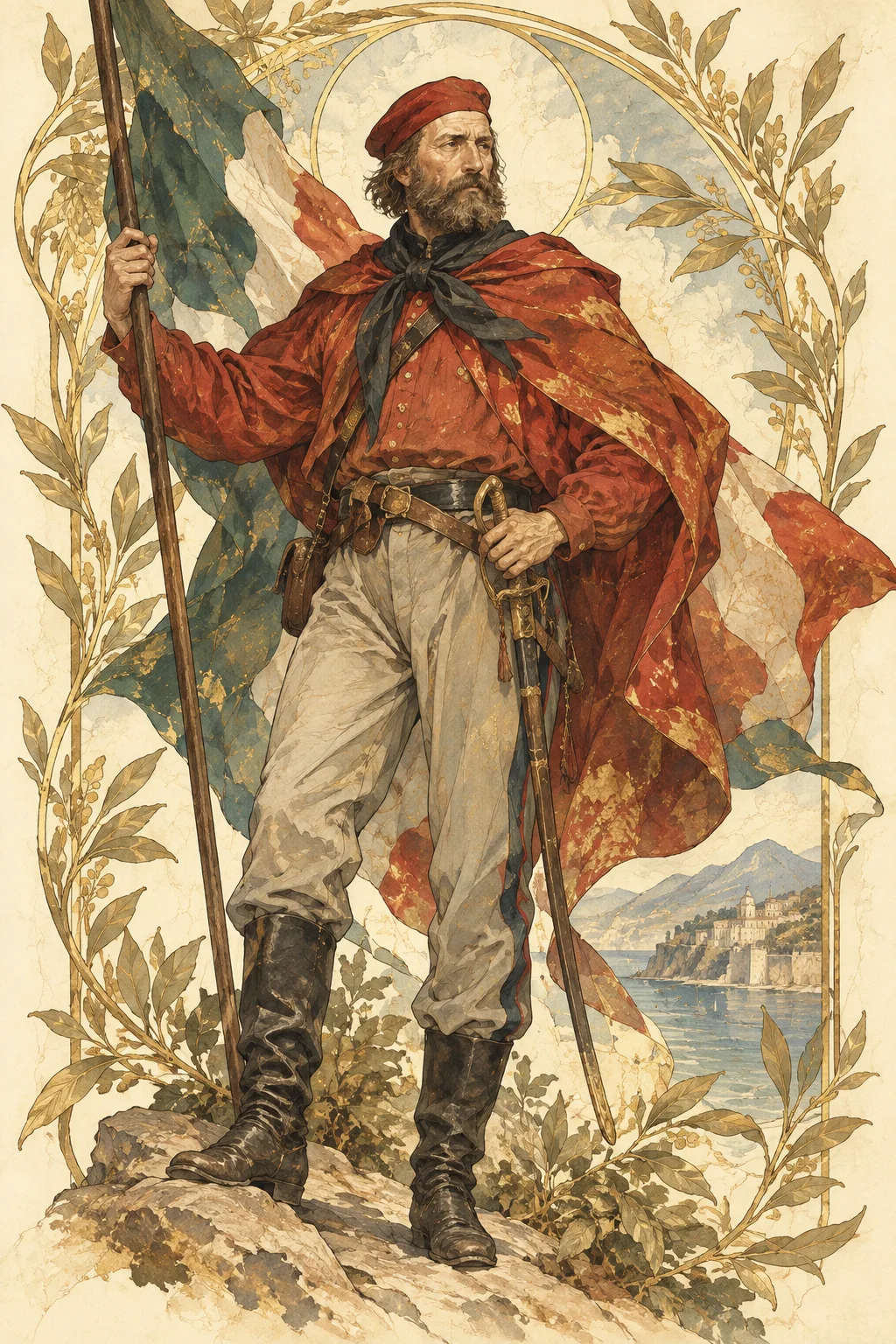 Italy · Soldier / Unification LeaderGiuseppe GaribaldiLeading a thousand volunteers, he broke through the old order by force and opened the road to Italian unification
 Brazil · F1 DriverAyrton SennaFearless of the limit, he kept attacking, breaking through the wall faster than anyone on a rain-soaked circuit
 United States · BusinessmanSteve JobsHe broke convention to build something new, drew in his comrades, and changed the world
 India · Independence LeaderLakshmi BaiA queen who wielded a sword on horseback and sought to break the wall of colonial rule head-on
 USA · Tennis PlayerJohn McEnroeA fighter who let no injustice pass, raised his voice, and rewrote the conventions of the court by force
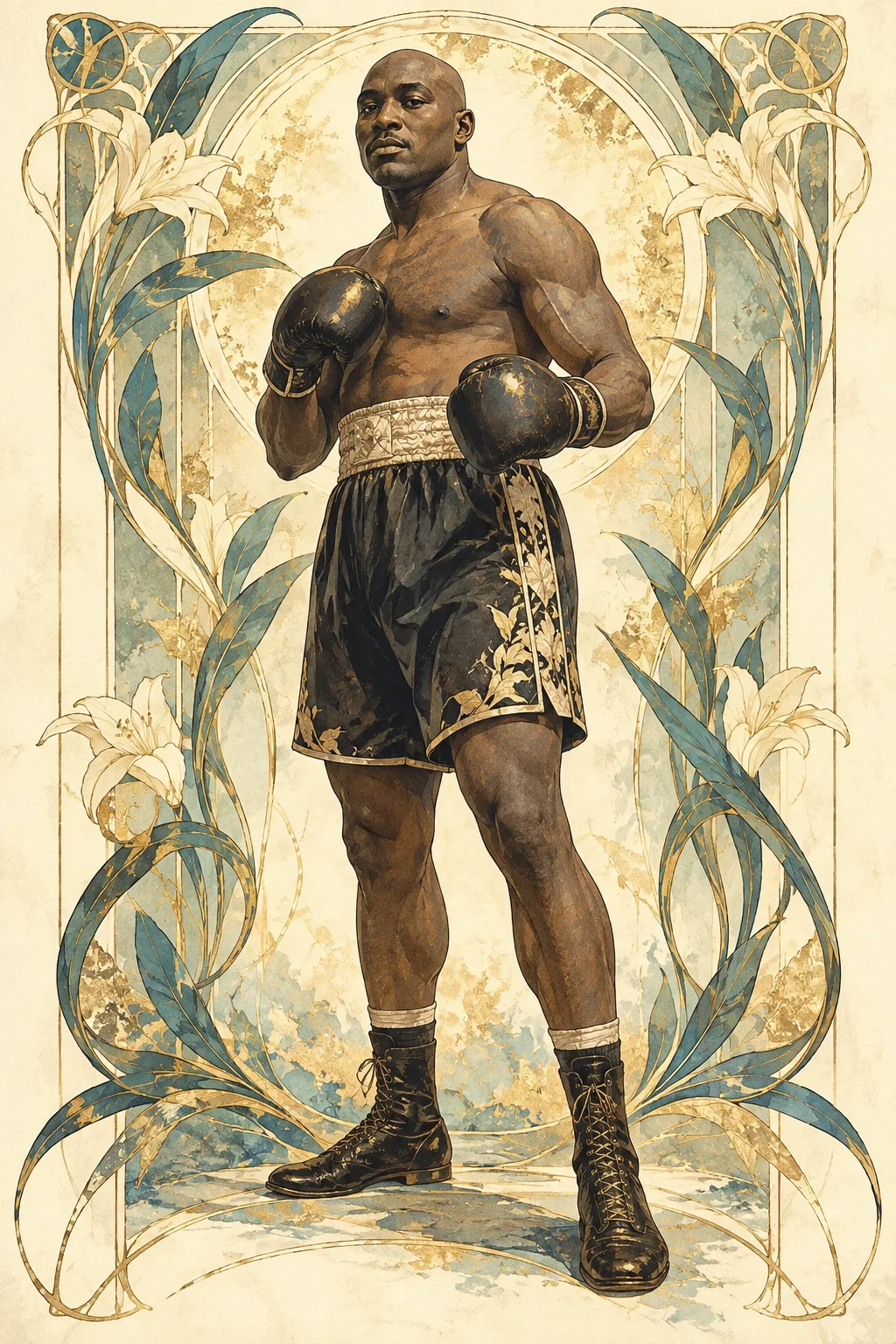 USA · BoxerJack JohnsonA pioneer who shattered the wall of race with his fists and bowed to no one in the ring
 Britain / Caribbean · PirateBlackbeardA rebel who turned his back on the established order and ruled the seas by his own rules
 Australia · OutlawNed KellyA noble outlaw who defied unjust power and took up arms to protect his comrades
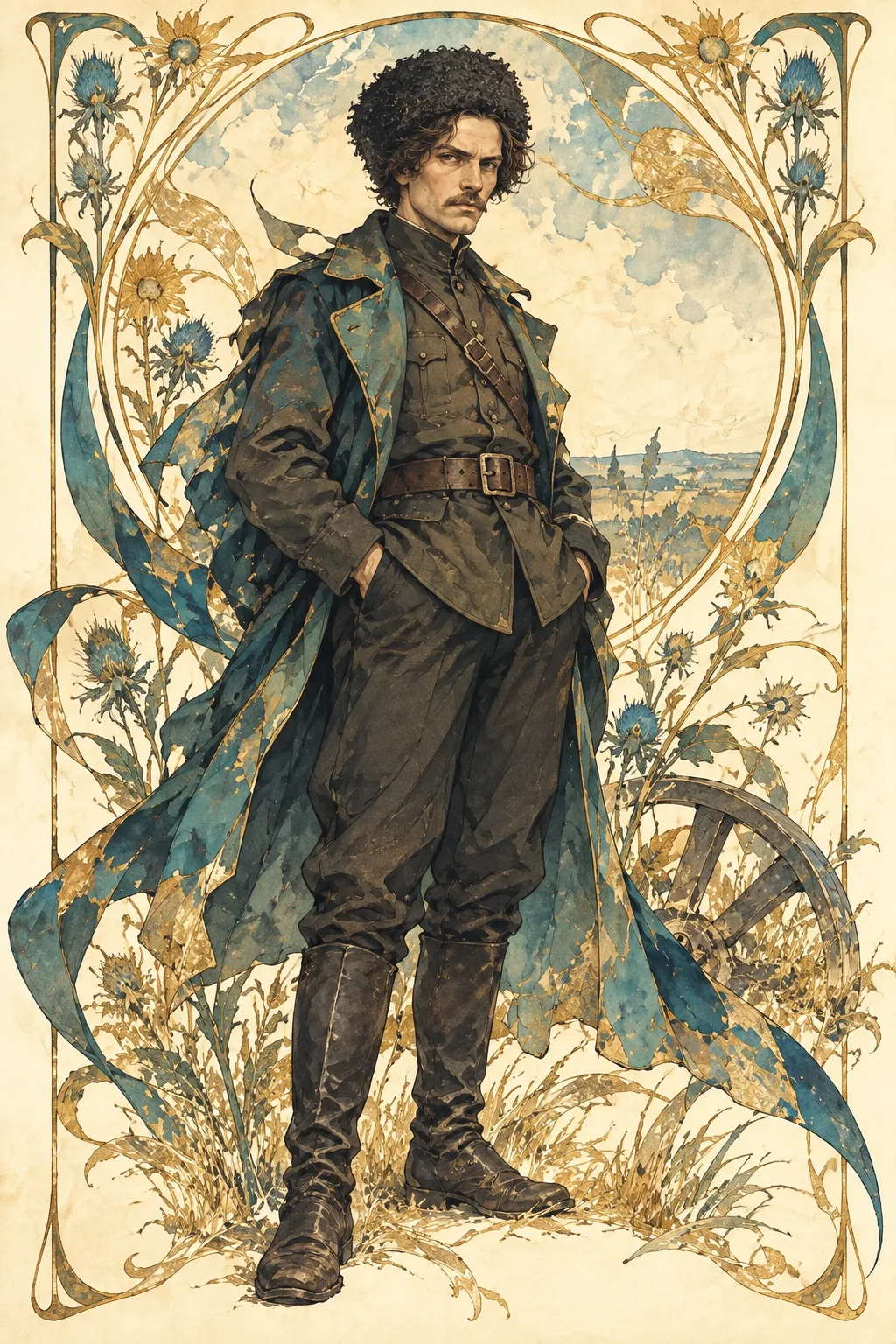 Ukraine · RevolutionaryNestor MakhnoA fighter for freedom who bound the peasants together and sought to break the wall of state power
Type attributions are informed speculation based on public information, not confirmed fact.
Map of group memberships
The Reformer is one of 32 types, and also belongs to several groups of kindred natures. Here are the four main ones first — open a card to step into its own gallery room.
 Quadra (Values)Phi Quadra (Φ)Revolution
 Bouquet (Temperament)Flexible-Maneuvering TemperamentSeizing opportunity and springing into motion
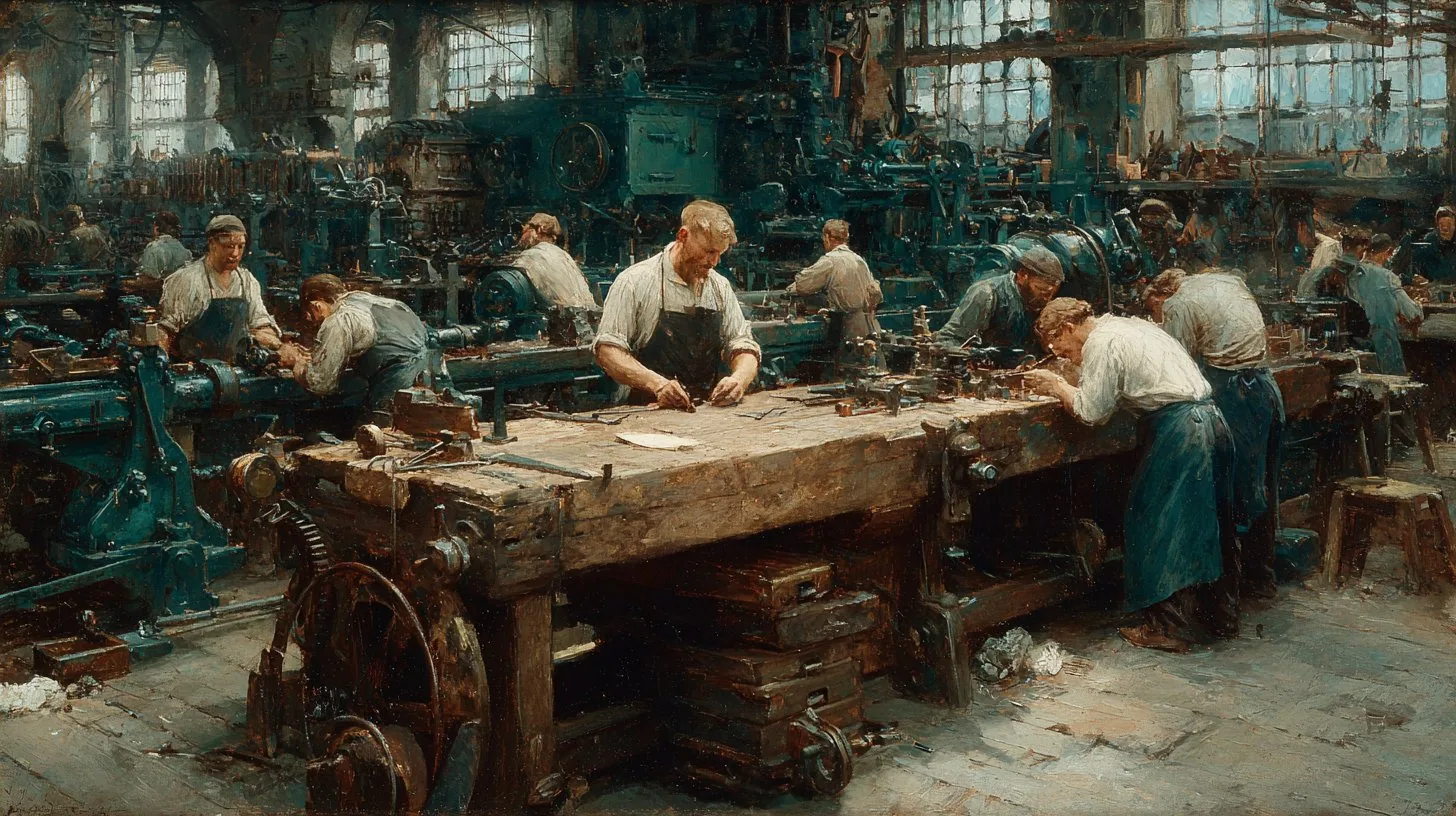 Club (Interest)Practical Management ClubBearers of practice and order
 Motivation (Stimulus Group)Status Stimulus GroupSeeks power, influence, and status
See all groupings (25 more)
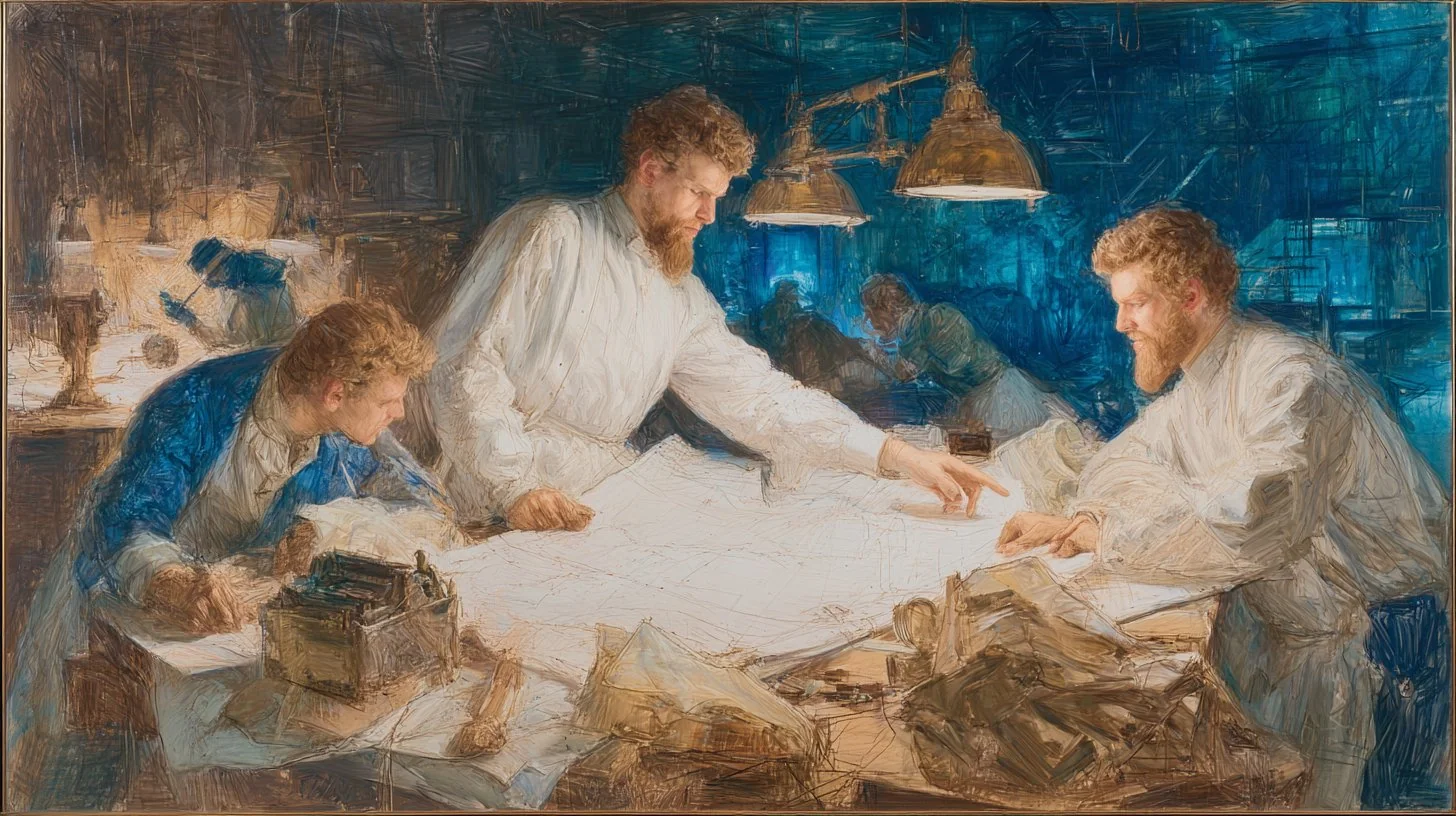 Communication StyleBusiness-likeRelating through shared activity
 Behavioral StyleConceptualistOrdering the world through structure
 Argumentation StyleReconstructorDoubting premises and rearranging them
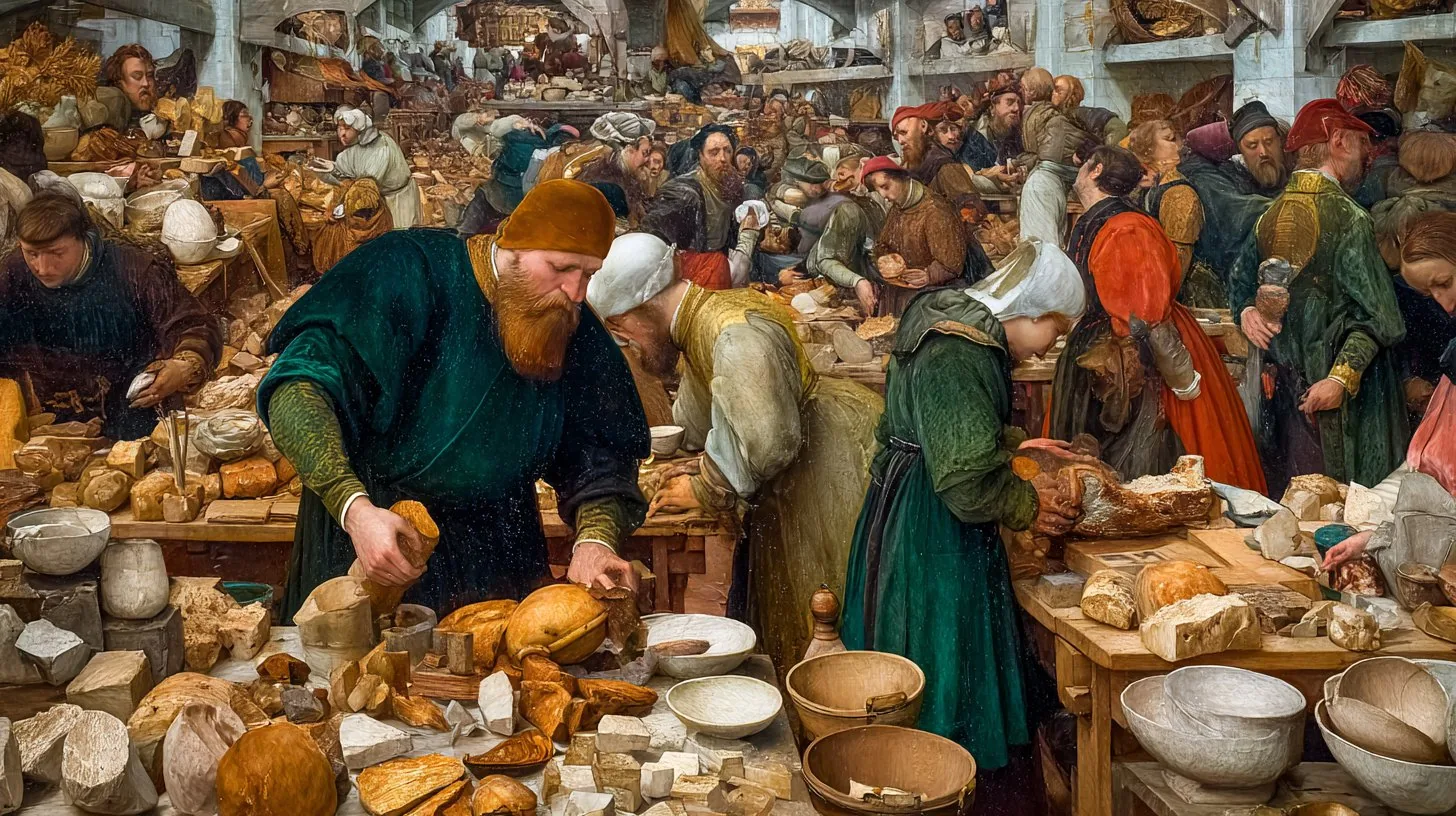 Perception GroupTactilityFeels things out by touch and sets them moving
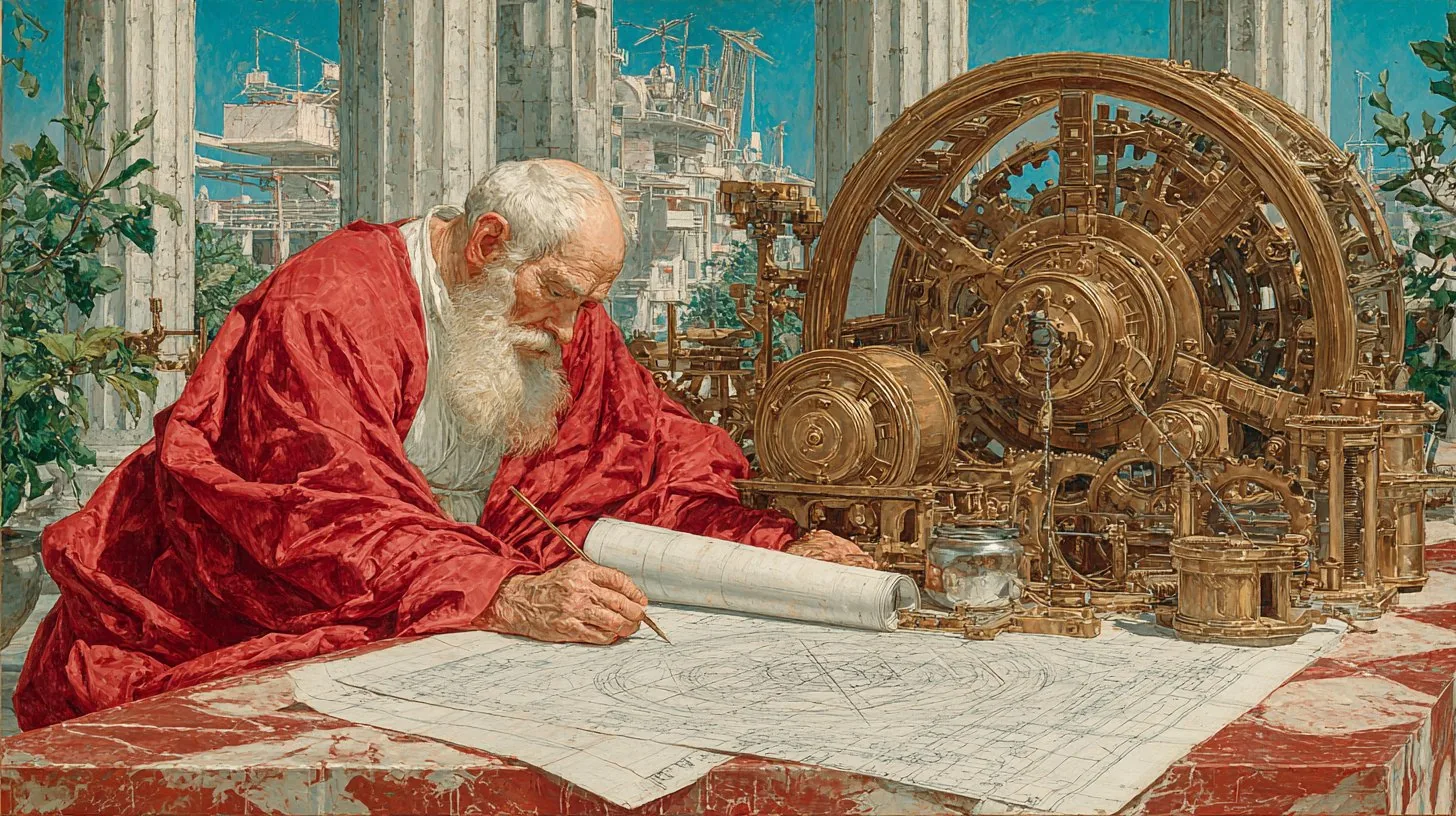 Cognitive StyleCausal-DeterministicMechanistically from cause to effect
 Romance (View of Love)HunterReading the moment and catching the wave
 Stress ToleranceFrozenSticking fast, unable to break free
 Socialization GroupConstructorFinding a mission in long-term construction
 Inflation RingEnergy GeneratorIgniting information and stirring the field
 Project GroupConcrete ProcessPrecise in the details, for people's sake
 Implementation GroupTechnical InventionInventing, and implementing technology widely
 Square (Rest)DaredevilBold and dauntless
 Business Square (Collaboration)BohemianFree spirits
 Octad (Cross-Value Group)QuestExploring the unknown, opening questions
 Reactor (Excitation Group)RadianceRadiating excitation outward
 MobilizationExtractionFlexibly drawing out the essence
 Conditioning (Adjustment Group)CalibrationCalibrating to a standard and setting things in order
 LabyrinthChartresTraditional charity and revolutionary oversight
 Block Group (Extinguishing Group)SchoolSparks reform and passes it on
 Social Progress Ring (SPR)Avant-GardeThe undercurrent ring of reform
 Supervision Ring (SVR)BlueprintA blueprint that dismantles order
 Social Order Ring (SOR)FirebrandA revolutionary who reforges order
 Succession Ring (SR)RenaissanceThe return of the forgotten
 Benefit Ring (BR)IgnisRekindling the embers
 Master Ring (MR)PharosA lighthouse that illuminates the classics
Open the full, love and business editions

- The blueprint of your mind (8 blocks)
- Six ways to recover from stumbles
- A situation-by-situation guide (6 situations)
- The reasoning behind the celebrity picks

- What your heart longs for / What excites you / Your landmines
- Classic love scenarios
- Chemistry by partner (all 32 types)
- At home and as a parent / A practical playbook

- Natural strengths / Work better avoided
- Work style / Management
- Industry fit ◎○△ (23 industries)
- Suitable roles

Save $24.98 compared with buying the three separately