
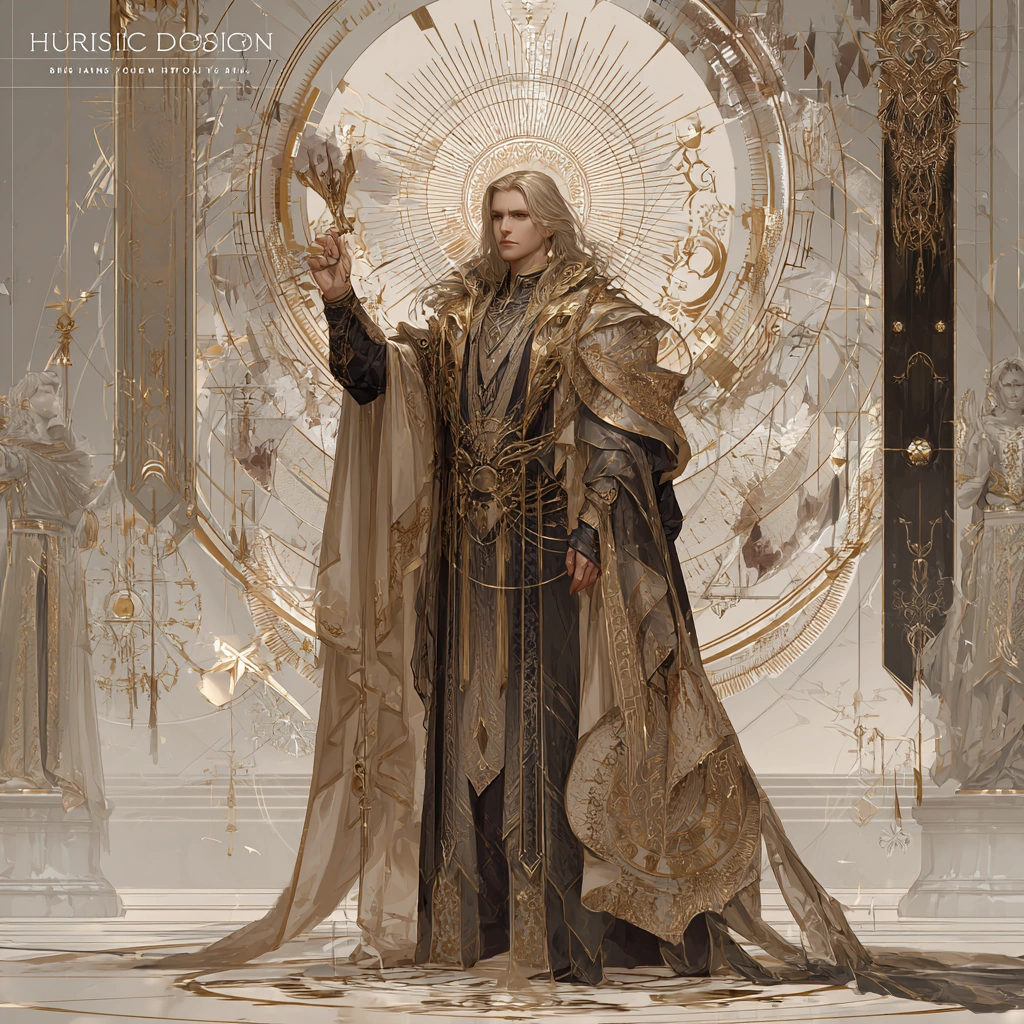

[Cultural Visionary]
Presentation of direction through symbolic expression
Personal creation → cultural symbols → narration to the collective
Presenting "This is beautiful" and "This is valuable"
[Symbolic Creator]
Internal sensations → creation → expression cycle
Unique methods and expression styles
Creation in "one's own domain"
[Cultural Narrator]
Expresses collective mood and values as a whole
Gentle narration, concordant communication
Symbolic narrator within organizations and nations
[Direction Presenter]
Visual and sensory direction-setting
Presentation of cultural direction
Guiding the collective through symbolic expression
[Result-focused Completer]
Completed symbolic expression
High-quality works
Selective cultural influence
[Irrational / Result-oriented / Aristocracy]
Di-c (concordant narration) × Qe-c (cultural creation)
Symbolic expression and cultural direction
Collectivization of personal creation
[Symbolic]
Positive: Direction and influence, Negative: Abstract and detached from reality
[Creative]
Positive: Originality and expressiveness, Negative: Too individualistic and difficult to understand
[Narrative]
Positive: Communication power and resonance, Negative: Propagandistic and manipulative
[Selective]
Positive: Quality-focused and refined, Negative: Exclusive and elitist
[Mild]
Excessive idealism, complete individualism
[Moderate]
Complete isolation, disconnection from reality
Instability in relationships
[Severe]
Health deterioration, burnout
[Path to Recovery]
Moderate realism, acquiring logical thinking
Rebuilding relationships, developing complementary functions
[Early Stage: Simple Creation and Narration Period]
Naive creation and narration, basic symbolic expression
[Middle Stage: Formation of Symbolic Expression]
Establishment of unique style, cultural narration techniques
[Late Stage: Establishment of Cultural Direction]
Integration of symbolism and direction, establishment of cultural influence
[Mature Stage: Deep Integration of Symbolism and Direction]
Complete cultural visionary, mentoring juniors in expression
[Symbolic and Directional Cognition]
Symbolization of personal creation
Internal sensations → cultural symbols
Unique expression → collective narrative
[Result-oriented, Completion-focused]
Presenting "This is beautiful" and "This is valuable"
Visual and sensory direction-setting
Completed symbolic expression
[Aristocratic, Selective]
Unique methods and expression styles
"One's own domain"
High-quality symbolic expression
Selective cultural influence
[Integration of Creation and Narration]
Discomfort → creation → symbolization → narration → direction
Internal sensations → expression → communication to the collective
Personal creation → cultural direction
[Valued Elements]
Symbolic expression, cultural direction
Unique methods and styles
Collective mood and values
"This is beautiful", "This is valuable"
Completed form, results
[Undervalued Elements]
Mediocre expression, lack of individuality
Process only, ambiguity of direction
Lack of symbolism
[Decision Process]
Internal sensations → creative expression → symbolic integration → narration to the collective → presentation of cultural direction
Hours to days of creative decision-making
Criteria: "Symbolic beauty" and "Cultural direction"
[Process of Symbolism and Direction]
Internal sensations: Discomfort, internal mood fluctuations
Creative expression: Unique methods and expression styles
Symbolic integration: Transforming personal creation into cultural symbols
Narration: Expressing collective mood and values as a whole
Presentation of direction: "This is beautiful", "This is valuable"
[Characteristics]
Transforms internal sensations into creation
Symbolizes through unique expression styles
Communicates to the collective through gentle narration
Presents cultural direction
Completed symbolic expression
[Attention Priority]
Symbolic expression (highest sensitivity), cultural direction
Internal sensations, unique style
Collective mood and values, "beauty" and "value"
[Easily Overlooked]
Process details, logical consistency, implementation difficulties, mundane reality
[Daily Life]
Sensitive to internal mood fluctuations
Converts discomfort into creative motivation
Creates with unique methods and expression styles
Expresses collective mood and values as a whole
[Thinking Style]
Symbolic, directional
Integration of creation and narration, result-focused
Aristocratic, selective
[Learning Style]
Prefers: Visual understanding, symbolic learning, completion-focused
Dislikes: Logic only, process only, mediocre expression
[Speaking Style]
Content: Symbolic expression, cultural direction, "beauty" and "value"
Style: Gently, creatively, symbolically
Characteristics: Narrator, visual expression, presentation of direction
[Listening Style]
High sensitivity to symbolic meaning, detection of cultural direction
Triggered by: "Mediocre", "Directionless"
[Discussion Style]
Role: Cultural visionary, symbolic narrator, direction presenter
Effect: Direction becomes clear, symbolic resonance is created, or tendency toward idealism and detachment from reality
[Healthy Range]
Stronger creation, deeper symbolic expression, acceleration of cultural influence
[Moderate Stress]
Excessive idealism, complete individualism
[High Stress]
Complete isolation, health deterioration, burnout
[Signs of Recovery]
Success of symbolic expression, cultural influence, achievement in creation and narration
[Waking Pattern]
Creative, "What is today's expression?"
[Daytime Pattern]
Continuous creation, symbolic expression, presentation of cultural direction
[Evening Pattern]
Reflection on today's creation, confirmation of "Was it expressed symbolically?"
[Days Off]
Deep creation, symbolic expression, cultural exploration
[Integrated Circuit of Symbolism and Direction]
Qe-c component: Culture and creation
↓
Internal mood fluctuations
↓
Discomfort → creation → expression cycle
↓
Unique methods and expression styles
↓
Creation in "one's own domain"
↓
Di-c component: Trends and kinship
↓
Expresses the collective mood and values as a whole
↓
Gentle narration, concordant communication
↓
Spreads collective creeds and values
↓
Symbolic narrator within organizations and nations
↓
Integrated effect: Symbolism and Direction
↓
Symbolization of personal creation
↓
Unique expression → collective narrative
↓
Internal sensations → cultural symbols
↓
Presentation of cultural direction
↓
Presenting "This is beautiful" and "This is valuable"
↓
Visual and sensory direction-setting
↓
Guiding the collective through symbolic expression
↓
Integration of creation and narration
↓
Personal creation → symbolic expression → narration to the collective → cultural direction
[Dopamine (High level, Selective)]
Qe-c component: Achievement in creation, discovery of unique expression
Di-c component: Recognition within the group, role as narrator
Integrated: Success of symbolic expression, reward of cultural influence
[Noradrenaline (Medium level, Selective)]
Qe-c component: Detection of discomfort, motivation for creation
Di-c component: Attention to collective mood, sensing of trends
Integrated: Attention to cultural direction, sensitivity to symbolic meaning
[Serotonin (Medium level, Fluctuating type)]
Qe-c component: Fluctuation during creation
Di-c component: Sense of security within the group
Integrated: Balance of symbolic expression
[Oxytocin (High level, Selective)]
Qe-c component: Creation in "one's own domain"
Di-c component: Sense of unity with the group
Integrated: Selective cultural resonance
[Vasopressin (High level, Sustained)]
Di-c component: Formation of social bonds, herd instinct
Integrated: Collective bonding around cultural direction
[Glutamate (High activity)]
Right hemisphere temporal lobe cortex and insula: Internal sensations, discomfort, self-awareness
Left prefrontal cortex: Verbal communication, social mimicry, narration
Visual expression system: Symbolic imagery, aesthetic judgment
Anterior cingulate cortex: Internal monitoring, tension of selection
[Excitation Conditions]
Transformation of internal sensations into creation
Unique expression style
Creation of symbolic expression
Summarizing collective mood and values
Gentle narration
Presentation of cultural direction
"This is beautiful", "This is valuable"
Symbolic influence on the collective
[Inhibition Conditions]
Forced mediocre expression
Denial of individuality
Ignoring the collective
Ambiguity of direction
Lack of symbolism
[Development Mechanism]
Early: Simple creation and narration → Middle: Formation of symbolic expression → Late: Establishment of cultural direction → Mature: Deep integration of symbolism and direction
[Consumption Pattern]
High (130-160 kcal/hour), fluctuating
Depletion from the integration of creation and narration
[Duration]
Hours to days of creation and narration
Long-term maintenance of cultural influence
[Fatigue and Recovery]
Fatigue: Forced mediocre expression, denial of individuality, ambiguity of direction
Recovery: Success of symbolic expression, cultural influence, achievement in creation and narration
Characteristics: Irrational / Result-oriented / Aristocracy, integration of Di-c (narration) × Qe-c (creation)

 Sign in with Google