
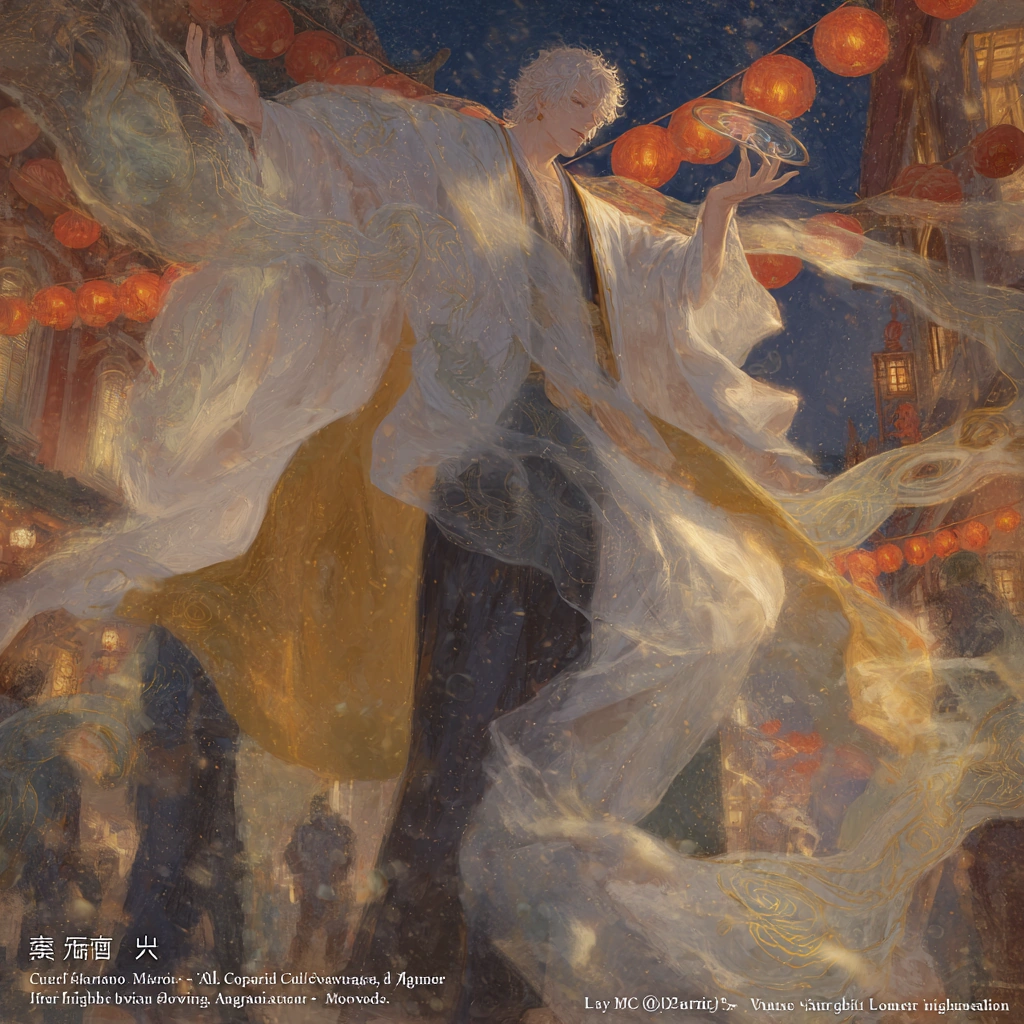

【자리의 융합자(Socializer)】
타인이나 환경과의 일체화・융합
공통의 감정적・신체적 리듬을 만들어냄
대인 거리를 자연스럽게 좁힘
【외적 표현의 담당자】
감정이나 의견을 억제하지 않고 표현
웃음이나 긍정적 감정으로 자리를 끓어오르게 함
다변하고 쾌활
【감정적 허브】
자리를 끓어오르게 함
전원이 감정적으로 참가할 수 있도록 촉진하는 공명 역할
분위기나 텐션의 기점・확성기
【낙관적 실장자】
세상이나 사회를 낙관적으로 파악
"어떻게든 된다" 스탠스
직관적이고 충동적인 선택
【실장자】
공통의 감정적 리듬을 실장
집단적 흐름 속에서 실행
결과보다 프로세스를 즐김
【에너지 축적자】
감정적 교류를 축적
결정적 순간에 단숨에 방출
"기세"나 "두께"를 중시
【사교적】
긍정적: 밝음・친근함, 부정적: 경계의 결여・경박
【낙관적】
긍정적: 긍정적・유연성, 부정적: 무계획・무책임
【충동적】
긍정적: 행동력・스피드, 부정적: 천려・앞뒤 없음
【외향적】
긍정적: 에너지 넘침・영향력, 부정적: 차분하지 못함・지치게 함
【경도】
과도한 사교, 경계의 완전 상실
【중도】
완전한 몰개성, 자아의 상실
인간관계의 혼란
【중증】
자아의 완전 상실, 건강의 악화, 탈진
【회복의 길】
적절한 경계, 개인적 시간의 확보
인간관계의 재구축, 보완 기능의 육성
【초기 단계: 단순한 사교성기】
소박한 사교성, 기본적인 장의 북돋움
【중기 단계: 장의 북돋움기】
감정 표출의 기술, 공명역의 형성
【후기 단계: 감정적 허브 확립기】
소용돌이 시너지 인지의 확립, 융합의 기술
【성숙 단계: 융합의 달인기】
자연스러운 일체화, 후배에 대한 사교 지도
【소용돌이 시너지 인지】
감정↔일체감의 연속 루프
사교→융합→공명의 순환
장의 북돋움→전원 참가→분위기 향상
【결과 지향・융합 구현】
공통의 감정적・신체적 리듬을 만들어 냄
장을 북돋움
전원이 감정적으로 참가
【집단주의적 융합】
개인이 아닌 집단과의 일체감에 가치
집단적인 흐름 속에서 몰개성적인 일원
공감적 접촉
【긍정주의・낙관적 자세】
세계나 사회를 낙관적으로 파악
「될 대로 된다」
문제에 심각해지지 않음
【중시하는 요소】
집단과의 일체감, 공감적 접촉
장의 북돋움, 분위기
「기세」나 「두께」
프로세스를 즐김
긍정적인 감정
【경시하는 요소】
개인적인 경계, 복잡한 사고
심각한 문제, 장기적 영향
결과의 질, 상세한 계획
【결단의 프로세스】
직관적→충동적 선택
복잡하게 생각하지 않음
「될 대로 된다」
낙관적으로 파악
【융합적 구현 프로세스】
일체화: 타인이나 환경과의 융합
감정 표출: 감정이나 의견을 억누르지 않고 표현
장의 북돋움: 웃음이나 긍정적인 감정으로 활성화
공명: 전원이 감정적으로 참가할 수 있도록 촉진
구현: 집단적인 흐름 속에서 실행
【특징】
대인 거리를 자연스럽게 좁힘
누구와도 바로 친해짐
상황을 복잡하게 생각하지 않음
직관적이고 충동적인 선택
【주의의 우선순위】
집단과의 일체감(최고 감도), 장의 분위기
공감적 접촉, 긍정적인 감정
「기세」나 「두께」
【놓치기 쉬운 것】
개인적인 경계, 장기적 영향, 복잡한 문제, 상세한 계획
【일상생활】
대인 거리를 자연스럽게 좁힘
누구와도 바로 친해짐
감정이나 의견을 억누르지 않고 표현
웃음이나 긍정적인 감정으로 장을 북돋움
【연구・일】
개그맨: 장을 북돋우는 감정적 허브
스트리머: 전원이 감정적으로 참가할 수 있도록 촉진
여행자: 환경과의 일체화, 낙관적 자세
댄서: 신체적 리듬의 공유
【학습 스타일】
좋아함: 집단 학습, 실천적 활동, 프로세스 중시
싫어함: 고립 학습, 복잡한 이론, 장시간의 경청
【말하는 방식】
내용: 「다 같이 즐기자」「될 대로 된다」「북돋우자」
스타일: 다변으로, 쾌활하게, 낙관적으로
특징: 중선언, 감정 표출, 융합적
【듣는 방식】
장의 분위기에 대한 높은 감도, 감정의 검지
장시간의 경청은 서툼
【논의 스타일】
역할: 장의 융합자, 외적 표현의 담당자, 구현자
효과: 장이 북돋워진다, 일체감이 생긴다, 또는 얕다, 경박한 경향
【건전 영역】
강한 사교성, 장의 북돋움의 가속, 융합의 심화
【중도 스트레스】
과도한 사교, 경계의 완전 상실
【고도 스트레스】
완전한 몰개성, 자기의 상실, 번아웃
【회복의 사인】
사교적 교류, 장의 북돋움, 집단과의 일체감
【각성 패턴】
사교적, 「오늘의 즐거움은?」
【주간 패턴】
지속적인 사교 활동, 장의 북돋움, 감정 표출
【야간 패턴】
오늘의 교류의 되돌아보기, 「즐길 수 있었는가」의 확인
【휴일】
사교 활동, 집단과의 교류, 즐김
【소용돌이 시너지 인지 회로】
외향적 융합의 기점
↓
타인이나 환경과의 일체화・융합
↓
공통의 감정적・신체적 리듬의 생성
↓
사교적인 분위기
↓
대인 거리를 자연스럽게 좁힘
↓
누구와도 바로 친해짐
↓
밝고 사교적인 분위기
↓
감정의 표출
↓
감정이나 의견을 억누르지 않고 표현
↓
웃음이나 긍정적인 감정으로 장을 북돋움
↓
경계의 낮음
↓
타인의 경계를 그다지 의식하지 않음
↓
신체적・정신적인 거리감이 가까움
↓
다변이고 쾌활
↓
공감적 접촉
↓
타인과의 공감적인 접촉을 통한 일체감
↓
개인이 아닌 집단과의 일체감에 가치
↓
낙관적 자세
↓
문제에 심각해지지 않음
↓
상황을 복잡하게 생각하지 않음
↓
직관적이고 충동적인 선택
↓
세계나 사회를 낙관적으로 파악
↓
「될 대로 된다」 스탠스
↓
프로세스 중시
↓
행동의 질보다 「기세」나 「두께」를 중시
↓
결과보다 프로세스를 즐김
↓
집단적 융합
↓
행동의 영향을 그다지 깊이 내성하지 않음
↓
집단적인 흐름 속에서 몰개성적인 일원으로 행동
↓
편안함을 느낌
↓
감정적 허브
↓
장을 북돋움
↓
모두가 감정적으로 참가할 수 있도록 촉진하는 공명역
↓
분위기나 텐션의 기점・확성기
【도파민(높은 수준・지속형)】
사교적 교류의 보상
장을 북돋우는 쾌감
집단과의 일체감
【노르아드레날린(중간 수준・변동형)】
대인 관계에 대한 적극성
환경 변화에 대한 적응
스트레스 내성
【세로토닌(높은 수준・지속적)】
낙관적 자세
「될 대로 된다」
긍정적 감정
【옥시토신(극고 수준・지속적)】
집단과의 일체감
공감적 접촉
경계의 낮음
【바소프레신(높은 수준・지속적)】
사회적 일체화
집단 내에서의 협조성
무리나 집단과의 연결
【글루타민산(고활성)】
좌측 전전두피질(전두극이나 전전두엽)의 활동이 높음
언어 표현이나 대인 관계에 대한 적극성
측두엽 피질이나 청각 처리의 활성은 낮은 편
말하는 것은 잘하지만 오래 듣는 것은 서툼
【흥분 조건】
타인이나 환경과의 일체화
공감적 접촉
장을 북돋움
누구와도 바로 친해짐
웃음이나 긍정적인 감정
집단과의 일체감
「기세」나 「두께」
프로세스를 즐김
【억제 조건】
대인 거리의 넓음
고립
심각한 분위기
복잡한 사고의 요구
장시간의 경청
【발달 메커니즘】
초기: 단순한 사교성 → 중기: 장의 북돋움 → 후기: 감정적 허브의 확립 → 성숙: 융합의 달인
【소비 패턴】
높음(130-160 kcal/시간), 지속적
사교적 교류와 감정 표출에 의한 소모
【지속 시간】
수 시간의 지속적인 사교 활동
장기적인 집단과의 일체감
【피로와 회복】
피로: 고립, 심각한 분위기, 복잡한 사고
회복: 사교적 교류, 장의 북돋움, 집단과의 일체감
특징: 에너지 축적자, 감정적 교류를 축적하여 결정적 순간에 단숨에 방출





 Google로 로그인