
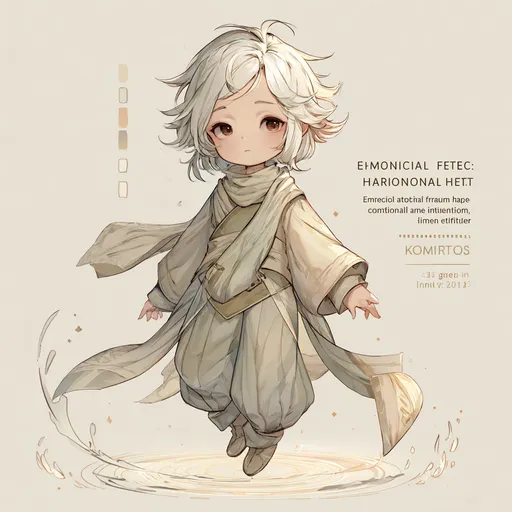

【하모니 키퍼】
- 자리를 살며시 어루만짐
- 공기를 안정시킴
- 온화한 공감을 밝힘
- 강한 흔들림에는 열을 안으로 가라앉힘
- 안정・안심・장기 신뢰를 제공
【공기 컨디셔너】
- 회의・작업 공간의 정서 노이즈를 흡수
- 차분한 작업 모드를 유지
- 긴장을 누그러뜨림
- 자리의 조화 유지
- 조용한 안심감
【공감 로그 생성자】
- 매일의 작은 감정 동향을 메모
- 후속 의사결정 재료로 가산
- 감정의 미세차를 데이터화
- 장기적인 팀 관계를 매끄럽게 키움
- 정보 가산자의 역할
【정서 완충 유전자】
- 부족의 일상 충돌을 조기에 완화
- 장기적 협력을 지킴
- 이것이 진화적 가치
- 관계성의 유지
- 안정의 기반
【충돌 회피】
- 항상 조화를 우선
- 충돌을 피함
- 때로 필요한 대립도 회피?
- 이것이 역할
- 문제의 선미룸?
【과도한 배려】
- 감정에 너무 배려
- 논리를 경시
- 효율을 희생
- 이것이 강점?
- 때로 비효율
【자기 억제】
- 항상 자신을 억제
- "자리를 위해"
- 자기 희생적
- 이것이 미덕?
- 경계선은?
【너무 온화?】
- 항상 온화
- 긴장감이 없음
- "미지근함"
- 이것이 가치
- 때로 자극 부족
【경도】
- 과도한 자기 억제
- 충돌 회피의 강화
- "자신의 감정은 나중에"
- 피로의 축적
- 경계선의 애매화
【중도】
- 완전한 자기 희생
- "자리를 위해서라면"
- 자아의 상실
- 만성적 피로
- 관계성에 대한 과도한 집착
【중증】
- 자아의 완전한 소실
- 정서에 대한 과도한 의존
- 기능 불능
- 우울증
- 번아웃
【이차적 문제】
- 자기 주장의 결여
- 커리어의 정체
- "편리한 사람"
- 착취의 리스크
- 건강의 악화
【유년기(0-12세)】
신경 특성:
- 섬 피질의 고감수성
- 정서에 대한 민감함
- 온화한 기질
행동:
- 「괜찮아?」가 많음
- 친구의 중재역
- 온화한 아이
- 충돌을 싫어함
과제:
- 자기 주장의 결여
- 과도한 배려
- 따돌림의 대상?
키우는 법:
- 공감을 인정
- 자기 표현도 가르침
- 바운더리를
【청년기(13-25세)】
신경 발달:
- 전전두피질의 성숙
- 정서 조정의 세련
- 본질은 유지
행동:
- 친구 관계의 조정역
- 온화한 리더
- 충돌의 중재
과제:
- 자기 주장의 곤란
- 과도한 배려
- 바운더리
발달 과제:
- 자기 표현의 육성
- 바운더리의 확립
- 공감은 유지
【성인기(26-40세)】
성숙:
- 정서 조정의 완성
- 적절한 바운더리
- 창조 기능의 최적화
최적의 역할:
- 휴먼 리소스의 케어 담당
- 의료・간호 현장의 분위기 지킴이
- 장기 프로젝트의 무드 모니터
- 패밀리 기업의 「듣는 역」 참모
과제:
- 바운더리의 유지
- 자기 표현
- 과도한 자기 희생의 회피
【중년기(41-60세)】
특징:
- 정서 조정의 심화
- 경험에 기반한 세련
- 후배에 대한 영향
강점:
- 깊은 공감력
- 육성 능력
- 장의 안정화
과제:
- 자기의 케어
- 바운더리의 유지
【노년기(61세 이후)】
특징:
- 조화의 체현
- 온화한 존재
- 젊은이에 대한 안심
강점:
- 오랜 세월의 지혜
- 깊은 공감
- 안정의 상징
【정서 모니터링 사고】
- 「이 공기는?」
- 끊임없이 흐름을 모니터
- 미세한 변화를 감지
- 조용한 조정을 끼워 넣음
- 차분함을 유지
【조화 지향 사고】
- 충돌의 회피
- 감정에 대한 배려
- 논리보다 정서
- 「온화하게」
- 안심의 우선
【변증 논법적 완화】
- 테제: 긴장・충돌
- 안티테제: 온화함・공감
- 진테제: 조화・안정
- 이것이 정서 조정의 기본 구조
【프로세스 구동 사고】
- 「지금 여기에서」의 정서 상태
- 장기적인 관계 유지
- 지속적인 케어
- 결과가 아니라 과정
- 매일의 작은 조정
【중시하는 것】
- 조화
- 온화함
- 안심
- 정서의 안정
- 장의 고요함
- 장기적인 관계
【경시하는 것】
- 논리적 정확함(과도한)
- 효율(정서를 희생시키는)
- 단기적 성과
- 충돌(필요해도)
- 긴장
【결단의 신경 기반】
- 섬 피질의 정서 판단
- 「장이 온화한가?」
- 전전두피질은 가볍게 관여
- 논리보다 정서
- 조화에 대한 직감
【리스크 평가】
- 정서적 리스크를 중시
- 「장이 무너지지 않을까?」
- 관계성의 파탄을 피함
- 안전 제일
- 보수적
【전형적 프로세스】
1. 미세한 정서의 흔들림을 검지
2. 서서히 공감을 점화
3. 차분한 목소리・미소
4. 조용히 곁에 있음
5. 과잉의 열은 안으로 가라앉힘
6. 장의 고요함을 회복
【특징적인 언어 패턴】
- 「괜찮으세요?」
- 「진정하세요」
- 「천천히」
- 「무리하지 마세요」
- 「그렇네요」(맞장구)
- 차분한 목소리
- 조용히
【신체성의 온화한 표출】
- 미소
- 차분한 목소리
- 조용한 맞장구
- 천천히 움직임
- 긴장하지 않는 자세
- 계산이 아닌 자연
【미세 정서 검지】
- 타인의 감정의 흔들림
- 분위기의 변화
- 긴장의 조짐
- 충돌의 기색
- 정서 노이즈
- 이것들을 민감하게 감지
【주목의 우선순위】
최우선:
- 장의 정서 상태
- 조화의 유지
- 긴장의 완화
- 안심의 확보
이차적:
- 태스크의 진행
- 논리적 정확함
- 효율
놓치기 쉬움:
- 논리적 모순
- 장기적 문제(정서에 가려진)
- 효율의 필요성
- 때로 필요한 충돌
- 자신의 한계
【공감 유지 모드】
- 미소・맞장구
- 차분한 목소리
- 「괜찮으세요?」
- 조용히 곁에 있음
- 온화한 안심감의 확산
- 장시간 계속
【정서 조정】
- 장의 공기를 모니터
- 긴장을 감지
- 미소로 누그러뜨림
- 침묵을 활용
- 공격적 태도도 미소로 받아넘김
- 장의 긴장을 낮춤
【내향적 억제】
- 자신의 감정 열을 조용히 억제
- 과잉의 반응을 피함
- 안으로 가라앉힘
- 정온 톤을 유지
- 쿨다운
【타이밍 조정】
- 상대의 기분에 맞춤
- 부탁의 타이밍 조정
- 제안의 시기를 가늠
- 자연스럽게 조정
- 무리하게 강요하지 않음
【온화한 수용】
- 감정을 드러내지 않음
- 온화하게 받아들임
- 장의 공기를 누그러뜨림
- 조용히 곁에 있음
- 무리하게 격려하지 않음
【맞장구와 침묵】
- 차분한 맞장구
- 침묵을 활용
- 주위의 안심감을 우선
- 천천히 대화
- 재촉하지 않음
【긴장 완화】
- 미소
- 미소로 받아넘김
- 공격적 태도에도 온화하게
- 장의 긴장을 낮추는 노력
- 조화를 중시
【건전 영역】
- 보다 강한 공감
- 「진정시켜야 한다」
- 온화함의 유지 강화
- 정서 조정의 계속
- 자기 억제
【중도 스트레스】
- 과도한 자기 억제
- 「자신의 감정은 나중에」
- 피폐의 축적
- 장을 위한 자기 희생
- 바운더리의 상실
【고도 스트레스(열위 Te의 폭주)】
- 논리의 완전 포기
- 「감정만」
- 효율의 무시
- 관계성에 대한 과도한 집착
- 기능 부전
【회복의 사인】
- 적절한 자기 표현
- 장의 조화 확인
- 온화한 만족감
- 「또 곁에 있을 수 있다」
【각성 패턴】
- 온화한 기상
- 「오늘도 조화를」
- 조용한 준비
- 정서의 확인
【주간 패턴】
- 지속적인 정서 모니터링
- 미세한 조정의 연속
- 온화한 공감
- 장시간의 가동
- 피로하지 않음
【야간 패턴】
- 장의 조화 확인
- 오늘의 정서를 되돌아봄
- 온화한 만족감
- 내일에 대한 준비
- 조용한 취침
【휴일】
- 조용한 환경
- 단독 시간
- 온화한 활동
- 정서의 회복
- 에너지 충전
【지속적 공감 유지 회로】
내측 전전두피질・섬 피질의 지속 활성
↓
희미한 정서 자극으로 서서히 점화
↓
저진폭 도파민 방출
↓
온화한 공감 톤을 장시간 유지
↓
미소・맞장구・차분한 목소리
↓
온화한 안심감을 서서히 확산
【미세 정서 검지 회로】
섬 피질(내수용 감각) ⇄ 편도체(정동)
↓
타인의 미세한 감정의 흔들림
↓
분위기의 변화
↓
즉시 감지하여 반응
↓
장의 정서 노이즈를 흡수
↓
차분한 작업 모드를 유지
【내향적 억제・진정화 회로】
편도체(과부하 검지)
↓
강자극이 임계치를 넘으면
↓
전대상피질이 억제 명령
↓
자신의 감정 열을 조용히 억제(Repressive)
↓
과잉의 소란을 정온 톤으로 끌어들임
↓
장의 고요함과 균형을 유지
【도파민(낮은 수준・지속형)】
- 저진폭의 지속적 방출
- D2 수용체 우위
- 온화한 보상
- 「안심」의 신경 기반
- 장시간 유지 가능
【옥시토신(낮음〜중간 수준・지속적)】
- 공감의 신경 기반
- 「곁에 있음」
- 조용한 연결
- 장기적인 유대
- 온화한 애착
【세로토닌(안정적・약간 높음)】
- 온화한 안정감
- 정서의 조정
- 스트레스 완화
- 「차분함」의 실체
- 불안의 억제
【GABA(높은 수준)】
- 억제성 신경 전달 물질
- 과잉의 흥분을 억제
- 「고요함」의 신경 기반
- 쿨다운 기능
- 균형의 유지
【엔도르핀(미량・지속적)】
- 온화한 행복감
- 「온화함」의 실체
- 고통의 완화
- 조용한 쾌감
【흥분 조건(LT - Low-signal Tonic)】
활성화하는 자극:
- 작은 정서의 흔들림
- 미세한 감정의 흔들림
- 분위기의 변화
- 타인의 긴장
- 장의 부조화
- 충돌의 조짐
지속 패턴:
- 희미한 자극으로 서서히 점화
- 장시간의 온화한 공감 유지
- 미소・맞장구의 계속
- 차분한 목소리
- 안심감의 확산
- 피로하지 않음
【억제 조건(LR - Low-signal Repressive)】
억제되는 상황:
- 감정 과다의 조짐
- 과잉의 소란
- 장의 과열
억제 메커니즘:
- 약한 내향적 억제(Repressive)
- 자신의 감정 열을 조용히 억제
- 안으로 가라앉힘
- 과잉의 소란을 정온 톤으로
- 장의 고요함을 유지
- 쿨다운 행동
【조작형의 특성】
- 흥분=억제(L-L형)
- 훈련 가능
- 의식적으로 세련시킬 수 있음
- 균형이 잡혀 있음
- 이것이 창조 기능의 특징
【소비량】
- 공감 유지 모드: 낮음〜중간(70-90 kcal/시간)
- 지속적인 저소비
- 효율적
- 장시간 지속 가능
【지속 시간】
- 공감 모드: 수 시간〜종일
- 서서히 계속
- 일상적으로 고가동
- 피로하지 않은 체질
【피로 패턴】
- 완만한 피로
- 장의 안정 확인으로 회복
- 정서 노이즈의 감소가 에너지원
- 누적 피로는 있음
【회복 방법】
- 장의 조화의 확인
- 고요함의 달성
- 단독 시간
- 온화한 환경
- 충분한 휴식




 Google로 로그인