
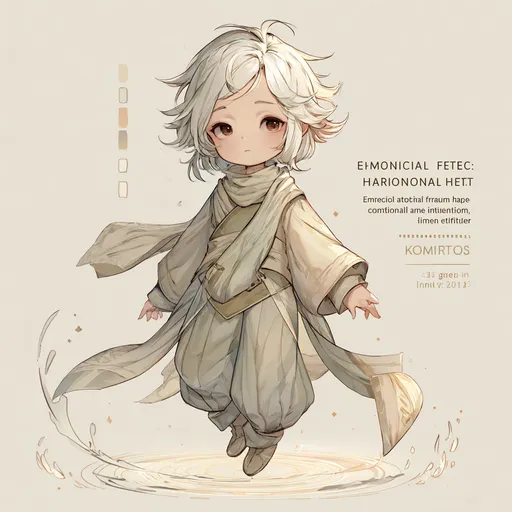

[Harmony Keeper]
- Gently stroking the scene
- Stabilizing the atmosphere
- Kindling gentle empathy
- Sinking heat inward when strongly shaken
- Providing calmness, reassurance, and long-term trust
[Atmosphere Conditioner]
- Absorbing emotional noise in meetings and workspaces
- Maintaining calm working mode
- Easing tension
- Maintaining scene harmony
- Quiet reassurance
[Empathy Log Generator]
- Noting daily small emotional trends
- Adding as material for subsequent decisions
- Converting emotional micro-differences into data
- Smoothly nurturing long-term team relationships
- Role as information accumulator
[Emotional Buffer Gene]
- Soothing daily tribal conflicts early
- Preserving long-term cooperation
- This is the evolutionary value
- Relationship maintenance
- Foundation of stability
[Conflict Avoidance]
- Always prioritizing harmony
- Avoiding conflict
- Even avoiding necessary confrontation?
- This is the role
- Problem postponement?
[Excessive Consideration]
- Caring too much about emotions
- Undervaluing logic
- Sacrificing efficiency
- Is this a strength?
- Sometimes inefficient
[Self-Suppression]
- Always holding back
- "For the sake of the scene"
- Self-sacrificing
- Is this a virtue?
- Where are the boundaries?
[Too Gentle?]
- Always gentle
- Lacking tension
- "Too lukewarm"
- This is the value
- Sometimes lacking stimulation
[Mild]
- Excessive self-suppression
- Strengthened conflict avoidance
- "My feelings can wait"
- Accumulating exhaustion
- Blurring boundaries
[Moderate]
- Complete self-sacrifice
- "If it's for the scene"
- Loss of self
- Chronic exhaustion
- Excessive attachment to relationships
[Severe]
- Complete disappearance of self
- Excessive dependence on emotions
- Dysfunction
- Depression
- Burnout
[Secondary Issues]
- Lack of self-assertion
- Career stagnation
- "Convenient person"
- Risk of exploitation
- Health deterioration
[Childhood (0-12 years)]
Neural characteristics:
- High insula sensitivity
- Emotional sensitivity
- Gentle temperament
Behavior:
- Frequently asking "Are you okay?"
- Mediator among friends
- Gentle child
- Dislikes conflict
Challenges:
- Lack of self-assertion
- Excessive consideration
- Potential bullying target?
Parenting approach:
- Acknowledge empathy
- Also teach self-expression
- Set boundaries
[Adolescence (13-25 years)]
Neural development:
- Prefrontal cortex maturation
- Refinement of emotional regulation
- Core nature preserved
Behavior:
- Mediator in friendships
- Gentle leader
- Conflict arbitration
Challenges:
- Difficulty with self-assertion
- Excessive consideration
- Boundaries
Developmental tasks:
- Cultivating self-expression
- Establishing boundaries
- Preserving empathy
[Emotional Monitoring Thinking]
- "What's this atmosphere?"
- Continuously monitoring the flow
- Detecting subtle changes
- Inserting quiet adjustments
- Maintaining calmness
[Harmony-Oriented Thinking]
- Conflict avoidance
- Emotional consideration
- Emotion over logic
- "Gently"
- Prioritizing reassurance
[Dialectical Mitigation]
- Thesis: Tension/conflict
- Antithesis: Gentleness/empathy
- Synthesis: Harmony/stability
- This is the basic structure of emotional regulation
[Process-Driven Thinking]
- "Here and now" emotional state
- Long-term relationship maintenance
- Continuous care
- Process over results
- Daily small adjustments
[Valued]
- Harmony
- Gentleness
- Reassurance
- Emotional stability
- Scene tranquility
- Long-term relationships
[Undervalued]
- Logical correctness (excessive)
- Efficiency (at the expense of emotions)
- Short-term results
- Conflict (even when necessary)
- Tension
[Neural Basis of Decisions]
- Insula's emotional judgment
- "Is the scene calm?"
- Prefrontal cortex lightly involved
- Emotion over logic
- Intuition toward harmony
[Risk Assessment]
- Emphasizing emotional risk
- "Will the scene break?"
- Avoiding relationship breakdown
- Safety first
- Conservative
[Typical Process]
1. Detecting subtle emotional fluctuations
2. Gradually igniting empathy
3. Gentle tone, smiles
4. Quietly accompanying
5. Sinking excessive heat inward
6. Restoring scene tranquility
[Characteristic Speech Patterns]
- "Are you okay?"
- "Calm down"
- "Take your time"
- "Don't push yourself"
- "I see" (affirmative response)
- Calm tone of voice
- Quietly
[Gentle Physical Expression]
- Smiles
- Calm tone of voice
- Quiet nods
- Slow movements
- Relaxed posture
- Natural, not calculated
[Micro-Emotion Detection]
- Others' emotional fluctuations
- Changes in atmosphere
- Signs of tension
- Hints of conflict
- Emotional noise
- Sensitively detecting all of these
[Attention Priority]
Top priority:
- Scene's emotional state
- Maintaining harmony
- Relieving tension
- Ensuring reassurance
Secondary:
- Task progress
- Logical correctness
- Efficiency
Easily overlooked:
- Logical contradictions
- Long-term issues (hidden by emotions)
- Need for efficiency
- Sometimes necessary conflicts
- Own limitations
[Empathy Maintenance Mode]
- Smiles and nods
- Calm tone of voice
- "Are you okay?"
- Quietly accompanying
- Gradually spreading reassurance
- Sustained for long periods
[Emotional Regulation]
- Monitoring the atmosphere
- Detecting tension
- Softening with smiles
- Utilizing silence
- Deflecting aggressive attitudes with a smile
- Lowering scene tension
[Inward Suppression]
- Quietly suppressing own emotional heat
- Avoiding excessive reactions
- Sinking inward
- Maintaining quiet tone
- Cooling down
[Timing Adjustment]
- Matching the other person's mood
- Timing requests appropriately
- Gauging the right moment for proposals
- Adjusting naturally
- Never forcing
[Gentle Reception]
- Not revealing emotions
- Receiving gently
- Softening the atmosphere
- Quietly accompanying
- Not forcing encouragement
[Nods and Silence]
- Calm acknowledgment
- Utilizing silence
- Prioritizing surrounding reassurance
- Slow-paced dialogue
- Not rushing
[Tension Release]
- Smiles
- Deflecting with a smile
- Responding gently even to aggression
- Efforts to lower scene tension
- Valuing harmony
[Healthy Range]
- Stronger empathy
- "I need to calm things down"
- Strengthened gentleness maintenance
- Continued emotional regulation
- Self-control
[Moderate Stress]
- Excessive self-suppression
- "My feelings can wait"
- Accumulating exhaustion
- Self-sacrifice for the scene
- Loss of boundaries
[High Stress (Inferior Te runaway)]
- Complete abandonment of logic
- "Only emotions"
- Ignoring efficiency
- Excessive attachment to relationships
- Dysfunction
[Recovery Signs]
- Appropriate self-expression
- Confirming scene harmony
- Gentle satisfaction
- "I can be supportive again"
[Waking Pattern]
- Gentle waking
- "Today too, harmony"
- Quiet preparation
- Emotional check-in
[Daytime Pattern]
- Continuous emotional monitoring
- Continuous subtle adjustments
- Gentle empathy
- Long operating hours
- Fatigue-resistant
[Evening Pattern]
- Confirming scene harmony
- Reflecting on today's emotions
- Gentle satisfaction
- Preparing for tomorrow
- Quiet bedtime
[Days Off]
- Quiet environment
- Alone time
- Gentle activities
- Emotional recovery
- Energy recharging
[Sustained Empathy Maintenance Circuit]
Medial prefrontal cortex & insula sustained activation
↓
Gradual ignition from faint emotional stimuli
↓
Low-amplitude dopamine release
↓
Maintaining gentle empathic tone for extended periods
↓
Smiles, nods, calm tone of voice
↓
Gradually spreading gentle reassurance
[Micro-Emotion Detection Circuit]
Insula (interoception) ⇄ Amygdala (emotion)
↓
Others' subtle emotional fluctuations
↓
Changes in atmosphere
↓
Instantly detecting and responding
↓
Absorbing emotional noise in the room
↓
Maintaining calm working mode
[Inward Suppression/Calming Circuit]
Amygdala (overload detection)
↓
When strong stimulus exceeds threshold
↓
Anterior cingulate cortex issues inhibition command
↓
Quietly suppressing own emotional heat (Repressive)
↓
Pulling excessive agitation back to quiet tone
↓
Maintaining scene tranquility and balance
[Dopamine (Low level, Sustained)]
- Low-amplitude sustained release
- D2 receptor dominant
- Gentle reward
- Neural basis of "reassurance"
- Can be maintained long-term
[Oxytocin (Low-Medium level, Sustained)]
- Neural basis of empathy
- "Companionship"
- Quiet bonding
- Long-term attachment
- Gentle affection
[Serotonin (Stable, Slightly elevated)]
- Gentle stability
- Emotional regulation
- Stress relief
- The substance of "calmness"
- Anxiety suppression
[GABA (High level)]
- Inhibitory neurotransmitter
- Suppressing excessive excitation
- Neural basis of "quietness"
- Cooldown function
- Balance maintenance
[Endorphin (Trace, Sustained)]
- Gentle sense of well-being
- The substance of "comfort"
- Pain relief
- Quiet pleasure
[Excitation Conditions (LT - Low-signal Tonic)]
Activating stimuli:
- Small emotional fluctuations
- Subtle emotional tremors
- Changes in atmosphere
- Others' tension
- Disharmony in the space
- Signs of conflict
Sustained pattern:
- Gradual ignition from faint stimuli
- Long-term gentle empathy maintenance
- Continuous smiles and nods
- Calm tone of voice
- Spreading reassurance
- Resistant to fatigue
[Inhibition Conditions (LR - Low-signal Repressive)]
Suppressed situations:
- Signs of emotional excess
- Excessive agitation
- Scene overheating
Inhibition mechanism:
- Weak inward suppression (Repressive)
- Quietly suppressing own emotional heat
- Sinking inward
- Returning excessive noise to quiet tone
- Maintaining scene tranquility
- Cooldown behavior
[Operational Type Characteristics]
- Excitation = Inhibition (L-L type)
- Trainable
- Can be consciously refined
- Well-balanced
- This is the creative function's hallmark
[Consumption]
- Empathy maintenance mode: Low-Medium (70-90 kcal/hr)
- Sustained low consumption
- Efficient
- Can be sustained long-term
[Duration]
- Empathy mode: Several hours to all day
- Gradually continuing
- High daily utilization
- Fatigue-resistant constitution
[Fatigue Pattern]
- Gradual fatigue
- Recovery through confirming scene stability
- Reduced emotional noise as energy source
- Cumulative fatigue does occur
[Recovery Methods]
- Confirming scene harmony
- Achieving tranquility
- Alone time
- Calm environment
- Sufficient rest





 Sign in with Google