
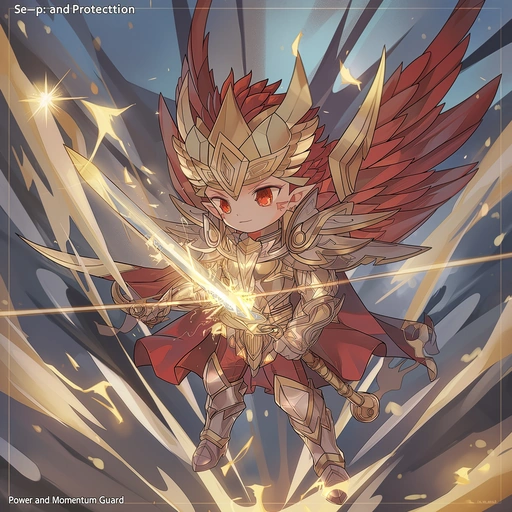

【영웅적 리더십】
- 팀을 이끎
- 솔선수범
- 곤란에 맞섬
- "나에게 맡겨라"
- 위업의 달성
【보호자】
- 약자를 지킴
- 동료를 소중히
- 책임감
- 기사도 정신
- "지켜내겠다"
【강력한 실행력】
- 즉각적인 행동
- 곤란 돌파
- 해냄
- 장애 배제
- 실적을 만듦
【용기】
- 두려워하지 않음
- 리스크를 감수
- 도전함
- "해내고 말겠다"
- 불굴의 정신
【신체적 강함】
- 체력
- 근력
- 지구력
- 높은 에너지
- 터프니스
【지배적】
- 리더적
- 명령함
- "내가 결정한다"
- 강한 존재감
- 위압적이기도
【경쟁적】
- 항상 승부
- "누가 강한가"
- 랭킹 의식
- 지기 싫음
- "내가 최고"
【직접적】
- 돌려 말하는 것을 싫어함
- 스트레이트
- "할지 말지"
- 간결
- 이론은 싫어함
【활동적】
- 가만히 있지 못함
- 항상 움직임
- "쉬지 않음"
- 에너지 넘침
- 조용함은 서툼
【경도】
- 계획성의 결여
- 너무 과도
- 타인에 대한 배려 부족
- "힘으로 해결"
- 위압적
【중도】
- 공격성
- 지배욕
- 타인에 대한 위압
- 고립
- "방해자는 배제"
【중증】
- 폭력성
- 파괴적
- 타인의 존엄 무시
- 지배의 강제
- 반사회적 행동
【이차적 문제】
- 법적 문제
- 인간관계의 파탄
- 고립
- 신체의 손상
- 사회적 제재
【유년기 (0-12세)】
특성:
- 활동적인 아이
- 리더 타입
- 스포츠를 좋아함
- "내가 최고"
- 경쟁적
과제:
- 도가 지나침
- 공격성
- 규칙 무시
- 다른 아이를 위협
육아 접근:
- 강함을 인정
- 그러나 규칙도 가르침
- 보호자 역할로 인도
- 스포츠로 발산
- 균형을 가르침
【청년기 (13-25세)】
특성:
- 리더십
- 스포츠 / 무술
- 도전적
- "내가 해낸다"
- 영웅 지향
과제:
- 폭력 위험
- 법적 문제
- 도가 지나침
- 계획성 부족
발달 과제:
- 건설적 힘
- 보호자 역할
- 리더십 스킬
- 규칙 존중
【성인기 (26-40세)】
특성:
- 리더
- 보호자
- 위업 달성
- 팀을 이끔
- 실적
과제:
- 도가 지나침
- 가족에 대한 배려
- 건강 관리
- 균형
성숙의 징조:
- 건설적 힘
- 보호자로서의 성숙
- 세련된 리더십
- 균형 감각
【중년기 (41-60세)】
특성:
- 성숙한 리더
- 젊은이의 보호자
- 전설의 화신
- 멘토 역할
- 영향력
강점:
- 풍부한 경험
- 성숙한 판단
- 보호자로서의 위엄
- 리더십
과제:
- 신체적 쇠퇴
- 횃불을 넘김
- 새로운 역할 찾기
【노년기 (61세 이상)】
특성:
- 살아있는 전설
- 젊은이를 위한 조언
- 보호자 역할 지속
- "아직 할 수 있다"
- 위엄
강점:
- 오랜 실적
- 경험으로부터의 지혜
- 젊은이에 대한 영향
- 존경받는 존재
【성취 지향】
- "이것을 이루겠다"
- 웅대한 목표
- 영웅적 행동
- "아무도 할 수 없는 것"
- 전설을 만드는 것
【보호자 사고】
- "이것을 지키겠다"
- 약자에 대한 배려
- "내가 방패가 된다"
- 책임감
- 기사도 정신
【직접·구체적】
- 추상적 논의를 싫어함
- "하든가 말든가"
- 행동 지향
- 이론보다 실천
- "먼저 움직이고 생각은 나중"
【경쟁적 사고】
- "누가 더 강한가?"
- 대결
- 순위
- 우열
- "내가 최고"
【현재 지향】
- 지금 여기서의 행동
- 과거나 미래보다 현재
- "지금 한다"
- 즉각적 판단
- 행동 우선
【중요시되는 것】
- 성취
- 웅대한 목표
- 영웅적 행동
- "아무도 할 수 없는 것"
- 전설을 만드는 것
【보호자 사고】
- "이것을 지키겠다"
- 약자에 대한 배려
- "내가 방패가 된다"
- 책임감
- 기사도 정신
【직접·구체적】
- 추상적 논의를 싫어함
- "하든가 말든가"
- 행동 지향
- 이론보다 실천
- "먼저 움직이고 생각은 나중"
【경쟁적 사고】
- "누가 더 강한가?"
- 대결
- 순위
- 우열
- "내가 최고"
【현재 지향】
- 지금 여기서의 행동
- 과거나 미래보다 현재
- "지금 한다"
- 즉각적 판단
- 행동 우선
【전형적 프로세스】
1. 위협이나 도전 인식
2. "내가 처리한다"
3. 즉각적 행동
4. 힘으로 해결
5. 성취
6. 다음 위업으로
【특징적 표현】
- "맡겨라"
- "내가 해낸다"
- "내가 지켜준다"
- "문제없다"
- "가자"
【강점】
- 즉각적 행동
- 강력한 실행
- 보호 능력
- 리더십
- 어려움 돌파
【약점】
- 계획성 부족
- 섬세함 부족
- 이론 경시
- 도가 지나침
- "힘으로 해결"의 한계
【주목하는 것】
- 위협
- 도전
- 경쟁
- 지킬 것
- 약자
- 부정
- 위업의 기회
【놓치는 것】
- 세부
- 이론
- 타인의 감정 (미묘한)
- 계획의 필요성
- 장기적 영향
- 추상적 가치
- 정적인 것
【주의의 특성】
- 위협에 대한 레이더
- 행동에 집중
- 선택적 주의 (강함을 향해)
- 현재 집중
- 동적인 것 우선
【일상생활】
- 활동적
- 스포츠와 운동
- 신체 운동
- "가만히 있지 못함"
- 도전을 추구
- 체력 단련
- 동료를 보호
【업무】
- 리더십
- "내가 처리한다"
- 어려운 미션
- 솔선수범
- 팀을 보호
- 실적을 쌓음
- 위업 달성
【학습】
- 실천 지향
- "실천하면서 배운다"
- 최소한의 이론
- 몸으로 배움
- 스포츠와 무술
- 실용적 스킬 우선
【말하는 방식】
- 강력함
- 단호함
- "한다" / "할 수 있다"
- 간결함
- 가끔은 명령형
- 고취적
- "가자"
【듣는 방식】
- 요점을 원함
- "그래서 뭐?"
- 자세한 이야기를 싫어함
- 행동을 요구
- "알았다, 한다"
- 그러나 동료의 말은 듣는다
【회의·토론】
- 결정을 밀어붙임
- "하든가 말든가"
- 이론보다 실천
- 리더십
- 추진력
- "맡겨라"
【글쓰기】
- 간결함
- 강력함
- 명령형
- 명확한 요점
- 긴 글을 싫어함
- 행동 지향
【건전한 스트레스 반응】
- 더욱 강해지는 행동
- "내가 해낸다"
- 강화된 보호
- 전투 모드
- "지킬 수 있음을 보여준다"
【중간 정도의 스트레스】
- 공격성 증가
- 도가 지나침
- 타인을 위협
- "방해하지 마라"
- 고립
【심한 스트레스 (열등 Ti 인계)】
- 논리 붕괴
- 일관성 없음
- "왜?!"
- 혼란
- 무질서한 폭력 (비정형)
【회복의 징조】
- 건설적 힘
- 보호자로서의 침착함
- 리더십 회복
- "다시 지킬 수 있다"
【아침 패턴】
- 활기찬 기상
- "오늘은 이것을 한다"
- 운동 / 트레이닝
- 고단백 아침
- 활동적 출발
【주간 패턴】
- 활동적
- 리더십
- 문제 해결
- 신체 운동
- "내가 해낸다"
【저녁 패턴】
- 성취 확인
- 웨이트 트레이닝 / 운동
- 동료와의 시간
- 내일 준비
- 충분한 수면
【휴일】
- 스포츠 / 야외 활동
- 도전적 활동
- 친구와 경쟁
- 체력 단련
- "결코 쉬지 않는다"
【영웅적 행동 회로】
전전두피질 → 운동피질의 강력한 지속적 활성화
↓
대뇌기저핵에서의 대규모 운동 프로그램
↓
전신의 협조적 동원
↓
"위업을 이룬다"의 지속적 실행
【보호자 회로】
편도체 (타인을 향한 위협 감지)
↓
전전두피질 (보호 행동의 결정)
↓
운동피질 (개입 / 방어)
↓
"보호하는" 행동의 실행
【내부 처리·억제 회로】
전전두피질 → 편도체
과도한 공격성을 내부에서 억제
파괴적 충동을 제어
건설적 힘으로 변환
【테스토스테론 (고수준)】
- 주요 추진 호르몬
- 근육 발달
- 경쟁 욕구
- 우위 욕구
- 리더십
- 높은 자신감
【도파민 (고수준, 지속형)】
- D1/D2 수용체
- 긴장성(지속적) 고수준 분비
- 위대한 성취를 향한 동기
- 보상계의 강력한 활성화
- "끝까지 해낸다"는 쾌감
【노르아드레날린】
- 각성 수준 유지
- 전투 준비 상태
- 주의 집중
- 위협에 대한 반응
- "가자"는 상태
【엔도르핀】
- 통증 내성
- 전투 중의 진통
- 성취감
- 고양감
- "고통도 보상"
【바소프레신】
- 공격성 조절
- 영역 방어
- 집단 보호
- 충성심
- 동지애
【옥시토신 (중간)】
- 동료에 대한 애정
- 보호 충동
- "지킨다"는 동기
- 신뢰와 결속
- 그러나 적에게는 무자비
【흥분 조건 (HT - High-signal Tonic)】
활성화 자극:
- 도전
- 위협 (타인을 향한)
- 경쟁
- 위업의 기회
- "지킬 것"
- 부정 / 약자에 대한 공격
지속 패턴:
- 한번 활성화되면 수 시간 지속
- 일상적으로 일관되게 높은 에너지
- "전투 모드"의 지속
- 위대한 성취에 대한 집착
- 보호자로서의 지속적 경계
【억제 조건 (LR - Low-signal Repressive)】
억제 상황:
- 위협이 사라짐
- 위업 달성
- 지키는 자가 안전
억제 메커니즘:
- 약한 내부 억제 (Repressive)
- 과도한 공격성을 억제
- 그러나 완전히 멈추지 않음
- 건설적 힘으로 변환
- 다음 위업으로
- 균형 유지의 노력
【관성형 특성】
- 흥분 ≠ 억제
- 멈추기 어려움
- 폭주 위험
- 그러나 건전한 범위에서는 영웅적
- 제어 훈련이 중요
【에너지 소비】
- 매우 높음: 시간당 150-200 kcal
- 대규모 근육 동원
- 높은 기초대사
- 항상 연소
【지속 시간】
- 활동 기간: 수 시간
- 전투 모드: 30분~2시간
- 그러나 일상적으로 일관되게 높은 에너지
- 피로에 강한 체질
【피로 패턴】
- 큰 전투 후의 피로
- 그러나 빠른 회복
- "또 갈 준비가 된"
- 높은 회복력
- 젊음 유지
【회복 방법】
- 충분한 식사 (고단백)
- 깊은 수면 (6-8시간)
- 신체적 활동 (적극적 휴식)
- 성취감 확인
- 다음 목표 설정




 Google로 로그인