
ESI-D – Guardian –
A silent shield that protects people, with rightness at its back
You are someone who, once you've decided to "protect" a person and a promise, quietly sees it through to the very end.
You don't put strong emotion on display, and within you runs an unshakable core of duty and morality.
When you meet unreason or injustice, you quietly endure and take its measure, then face it with resolve.
- Quadra
- Omega Ω
- Bouquet
- Balanced-Stable temperament
- Club
- Social
Portrait — the Guardian

The Guardian is someone who, once they have decided to "protect" a person and a promise, quietly sees it through to the very end. They rarely put strong emotion on display. Yet within that calm bearing runs an unshakable core of duty and morality. "Can this person be trusted?" "Is there mutual sincerity in this relationship?" — the Guardian always views their ties with others from exactly that one point. Trust once formed is cherished for a long time, while relationships in which promises or loyalty remain unclear are cautiously kept at a distance. There may be nothing flashy about them, and yet those beside them feel that "as long as this person is here, we'll be all right" — such is their presence, like a silent shield.
What they lean on is not fashion or gain and loss, but an inner standard of "how things ought to be." They take seriously the role they have taken on within society or a group, bring order to daily life, and carefully uphold it. Careless behavior or the breaking of rules naturally puts them on guard. And when they meet unreasonable treatment or injustice, the Guardian does not immediately raise their voice. At first they quietly endure and take the measure of things, but once their resolve is set, they face it firmly, undistracted by emotion, taking clear aim. For the sake of what must be protected, this is a person who can become stronger than anyone.
What they seek is a long, certain relationship bound by mutual sincerity, and a daily life they can protect with peace of mind. It is precisely beside someone who answers trust with trust, someone with whom they can build the foundations of a shared life, that the Guardian brings out their deep devotion and quiet strength most richly.
Not by feeling, but moving forward by faithfulness and order.
Does this sound like you?
- You leave home early for any appointment.
- You always write down requests and finish them before the deadline.
- Everything has its place, and once you've used something, you always put it back.
- You don't warm up right away with someone new; you take your time to size them up.
- Toward rude behavior, you don't raise your voice, but you draw a clear line.
- You don't flaunt your abilities; you trust your track record to speak for you.
- You feel a certain guilt about play and amusement.
- Everyday medicine in your bag, supplies and insurance at home — you never neglect to prepare for "what if."
- Before receiving guests, you polish the rooms and prepare the food.
- When an established order changes, you feel strong resistance.

How you move

The Guardian's conduct is upheld by a quiet steadiness, run through with trust and duty.
The first thing the Guardian's conduct conveys is a sense of stability. They leave home early so as to arrive ahead of an appointed time. Requests are always written down and quietly finished before the deadline. Weddings and funerals, anniversaries, seasonal greetings — none are neglected, and their commitments almost never waver with their moods. A role once accepted is carried through to the end. For the sake of the people they have designated as "to be protected," a difficult situation, if anything, kindles their sense of duty, and they keep moving quietly but tenaciously. They prize restoring what is right over settling personal grudges — and that consistent stance gives those around them deep reassurance. Their living and working spaces are always kept neatly in order. Everything has its assigned place, and once used it is always returned. They never run out of stocked-up daily necessities and supplies, and they manage the household finances carefully. The day before receiving guests they polish the rooms and prepare the food, and on the day itself welcome everyone with a face that betrays no effort — they prefer a comfort that is "easy to maintain and useful" over excessive decoration, and they carefully keep to the rhythms and set rules of life. Sudden changes and disorder are not their strong suit; it is within a familiar environment and long-accumulated habits that they display their strength most steadily. On the other hand, they also carry a heaviness that comes from their earnestness. Because they feel daily duties and responsibilities so keenly, they tend to pile burdens onto their heart without noticing. At times they feel a certain guilt over play or amusement. "Time that isn't meaningful" unsettles them — and that, too, is the flip side of this person's devotion.
Not mood, but the promises and order you've settled on.
- Leaves home early for any appointment
- Has a set place for everything, and always puts things back
- Draws a line toward rude behavior — quietly, but clearly
If you had someone you could leave judgments of gain and loss to, your sincerity could shine with far more ease.
How you speak and listen

The Guardian's way of conversing is a gentle, well-mannered style rooted in sincerity.
Their manner of speaking is understated and calm, but beneath it lies a quiet sense of mission: "I must convey what is right." If they sense that someone has strayed from the path, they will voice a caution or a piece of advice without hesitation — yet out of goodwill toward that person. Their way of putting it is not condemnation, but carries a protective warmth, something almost pastoral. Their measure of judgment is always "whether it is morally right" — an unwavering standard held up against the norms of the community. Their expression of emotion is restrained, and they have no taste for theatrical laughter or risqué humor that breaks decorum. They will share a laugh, but only within bounds that do not offend the order of right and wrong or their sincerity toward the community. Noisy settings and rude behavior stir an irrepressible discomfort in them, and toward those who cut in line or make a racket in public they may deliver a firm but measured word of caution. They do not join in speaking ill of someone who is not present, quietly changing the subject instead — for the Guardian, courtesy is a manner extended to everyone alike. And in the spacing they keep with others there is a kind of ceremonial distance. They do not warm up right away on a first meeting, and they react sensitively when someone abruptly steps into their private domain. Yet toward those whom, over time, they have come to recognize as "one of us," they open their heart little by little, and deeply — the very way they manage distance is an expression of the Guardian's sincerity.
Before warming up, first take the other's measure.
What lies at the core — drive and tender spots
Not feeling, but faithfulness and order.
The one unstoppable engine within the heart

At the Guardian's center lie a moral core that keeps faith and a quiet power that establishes order.
At the Guardian's center is a single, unshakable core. It is the power to bind human relationships with "faith" and to protect them, held up against morality and duty (+Fi-p) — not a matter of like or dislike, but an inner-standard power that discerns "whether I ought to give this person my full sincerity" and "whether obligation runs true in this relationship." Loyalty to someone they have once decided to "protect" does not fade with the passing of time. Onto this a second power is layered. It is the power to establish order, to guard it, and, when necessary, to assert it resolutely (-Se-c) — the working that spreads discipline through one's life and post, and that stands, quietly but unmistakably, in the way of anyone who crosses a line that must be defended. The strength of core that the normally gentle Guardian shows the moment something precious is threatened comes from this power. A core of faith and a shield of order — together, "faith and responsibility." That is the core of the person we call the Guardian. This holds true at home, at work, and among friends alike. When family is in trouble, before any words of comfort they silently carry out the help they promised. When a companion is spoken ill of behind their back, they quietly but clearly speak up in their defense. They establish order in their own post and protect the people bound to them by trust — and it is when fulfilling that role that the Guardian is in their deepest fulfillment.
What they can do, yet do not prize

It may come as a surprise, but the Guardian is actually quite capable of pleasantly softening the mood of a place, or of gently attending to people's feelings to ease the atmosphere. Their sense for creating comfort and their power to keep emotional harmony — that latent capacity is, in truth, considerable. It is simply that they place no great weight on it. Rather than on geniality itself, their attention turns to whether duty and faith are being fulfilled. Though they can do it, they naturally set it aside, thinking "putting people at ease is not my proper part" — and this is one of the keys to understanding the Guardian. If, in the gaps between their taut duties, they let out a little of the "power to soften" within them, the Guardian themselves becomes far more at ease.
What the heart secretly craves
What they secretly long for is a decision that cuts through hesitation, and a sure path on which their efforts are rewarded.
The thing that the Guardian, who protects faith and order to the very end, finds hard to generate on their own and yet longs for more deeply than anyone — is a manager's eye that judges "whether this effort is worth it," and the decision, at a crossroads, of "which way to go." They can faithfully fulfill the duty in front of them, but when it comes to weighing gains and losses or reading what lies ahead, they suddenly feel uneasy. In confused situations, or scenes where the direction is unclear, they tend to lose their composure without anyone noticing. That is exactly why they feel deep trust and ease with a partner who lights the way with realistic foresight and unhesitating decisions — the Guardian's devotion is most richly rewarded beside someone who shows them a sure direction.
The most fragile place
The Guardian is most fragile when it comes to jumping on far-fetched ideas and going along with the reshuffling of theory.
What they are most fragile at is leaping onto the far-fetched ideas that keep welling up, and onto possibilities without precedent (+Ne-p). The lightness of "let's just try it" or "it looks fun, so let's give it a go" is something the Guardian scarcely possesses. An unverified notion appears to them as a threat to the order they must protect. When pressed to accept a novel proposal, their heart stiffens before their head does. The other is the kind of argument that reshuffles a whole system of logic (-Ti-c). The intellectual play of kneading concepts about in the abstract and overturning entire frameworks exhausts them to the core. The Guardian's certainty is rooted in experience and norms — it cannot take root in logic built on sand. This is less a flaw than the reverse side of a down-to-earth sincerity. As for the far-fetched and the reshuffling of theory, they may safely leave those to people who are good at them.

- Core: protecting people through faithfulness, and establishing order and guarding it to the end
- What drives you: being able to accept the outcome, being trusted
- Where you're fragile: foreseeing gain and loss, far-fetched ideas
Strengths, and where you stumble
A dependable partner with a sure outlook and decisiveness.
Strengths — Test, seize, break through

The Guardian's strength is a trustworthy consistency. A role once accepted, whether or not it interests them, they carry through to the end as "something that must be done for everyone." They waste neither time nor resources, keep courtesy and order, and quietly support the mood of the team. They do not overlook a struggling companion, extending a hand while keeping to their own rhythm, and they can carry on steady, unglamorous work calmly for long stretches — unshowy though it is, this staying power that upholds the foundations of an organization is an asset no one else can imitate. Their eye for the sincerity or insincerity beneath a person's words and deeds is sharp as well, and they are the kind of listener who makes you feel "this is someone I can talk to."
Where they tend to stumble

Where they tend to stumble is the underside of that high sense of ethics.
Where they tend to stumble is the underside of that high sense of ethics. Because their standard of right and wrong is so clear, they are deeply wounded by injustice or betrayal, and while enduring in silence they store up great stress inside. They judge themselves and others harshly, and at times cannot easily be lenient toward another's faults. Because they draw a strong line between "inside" and "outside" in relationships, toward someone they feel has betrayed them they may suddenly turn cold and put up distance. They feel strong resistance to changes in an established order or shifts in environment, and readapting takes more out of them than most. And though they may look composed at a glance, inwardly they are very fragile to criticism from someone they trust — such delicacy they hide beneath a quiet bearing.
Beside someone who lights the way with a realistic outlook and unhesitating decisions, your devotion is most richly rewarded. That's where your room to grow lies.
- Entrust what you can't carry to someone good at seeing ahead
- Loosen your standard of rightness now and then
- Deliberately add a small smile and a bit of humor
Where you thrive
In a place where "what to do and how" is clear.
Environments Where They Thrive
The Guardian performs best in an environment where the course of action is clear and where there are stable relationships and fair returns. When "what to do and how" is plainly laid out, they keep producing steady results even at monotonous work. Conversely, in directionless confusion, or under treatment where reward and result do not balance, they quietly close their heart. At the center of their motivation is not short-term incentive or praise, but "being able to accept the outcome" and "being trusted" — given the purpose of protecting the life of themselves and their family, they are someone who keeps working more tenaciously than anyone.
As a field commander
In concrete terms, roles that make use of order, responsibility, and stable relationships of trust suit them. The medical and health fields, where one supports people carefully and sincerely — nurses, physical therapists, massage therapists, and the like. Bookkeeping, accounting, and record-keeping, where meticulousness shines. Sales, reception, and community services, where honest and courteous handling earns trust. And places where a familiar environment and its norms are preserved, such as local civil service, family-run businesses, or farming — it is in work with a real sense of "supporting and protecting someone's life" that the Guardian's devotion bears its richest fruit.
Dialogue — ask Agatha

One free dialogue · Le Salon members can explore several perspectives. Not a real person: a representative perspective based on the public profile.
Relationships and love
Before words, action moves.
Love — Honoring freedom, opening the future together
The Guardian's love is a long, deep bond, grown by stacking up sincerity.
The Guardian's love is quiet, but straight. With the person they have set their heart on there is no wavering, and they have no liking for games or ambiguous relationships. Over flashy gestures, they choose sincere actions and words. Slowly building up trust, they devote themselves deeply and single-mindedly to the one they have once let into their heart. Their feeling for "the chosen one" is strong to the point of being possessive, and by the same measure they are utterly serious about the sincerity of the relationship — this is someone who regards love as "something to grow and to protect."
[Women] A woman who values a neat and dignified appearance and has a core that is not swept along by fashion. With a sense of responsibility and sincerity burning within, she moves devotedly as a "supporter," both at home and in society. Her expressions of affection may be restrained, but once she opens her heart she is deep and single-minded. She is moved not by passionate games but by sincere actions and words. At home, as a bearer of morality and order, she attends to the smallest details, and she strives to convey to her children, carefully, discipline, a sense of justice, and one's responsibilities as a person.
[Men] A man who, out of a deep sense of ethics, regards love as "something to be grown." His awareness of protecting his partner is strong; step by step he builds up trust, and to the person to whom he has opened his heart he gives devoted service. His emotional expression may be somewhat clumsy, but he conveys love through action and sincerity. Marriage is a sacred covenant of taking on responsibility to family and society — valuing traditional values and the order of the home, he chooses harmony over conflict and becomes someone who quietly supports the household.
How You Love — Protection Shown Through Action
The Guardian’s way of loving lies in discerning “is this person the real thing?” by the unshakable inner yardstick of relational ethics (Fi), and then, on that basis, using force sensation (Se) to guard the other in the real world. Before you line up the words “I love you,” action moves first. If your partner is in trouble you step silently between them and it; if they fall ill you keep their life running as a matter of course; if something unpleasant comes from outside you quietly become the shield. When a lover is treated unfairly, for instance, the Guardian doesn’t sympathize — you cut yourself into the scene and put them behind you: you’re someone who shows “I’ll protect you” not with words but with where you stand. Love, for you, is not a surge of feeling but the accumulation of concrete guarding of the one you’ve chosen.
Compatibility — recommended partners
 Commander
 LIE-QBuild, prepare, hold the line — the command center of orderDualityLights the way forward with sure foresight and decision Mentor
 EIE-QA passionate standard-bearer who speaks of ideals and binds hearts togetherIllusionaryMore indirect than Duality, yet warm trust and gratitude flow between you Administrator
 LSE-QThe hands-on command post that keeps the field running and moves people and workSemi-dualityGives the warm, nostalgic reassurance of belonging Critic
 ILI-QThe insightful Critic who sees through contradictions in the depths of silenceActivationTheir foresight and store of knowledge kindle your readiness Dreamer
 IEI-QA teller of fantasies who colors the world with dreams and passionBenefactorA benefactor who gently bestows quiet insight Artist
 SLI-QGiving form to the “just-rightness” of nature and daily lifeBeneficiaryYour faith and order naturally become a support for them Politician
 SEE-DA born leader who reads hearts and rallies the currentMirrorSame direction, different methods. You sharpen each other's eye for people Conqueror
 SLE-DA dependable field general who only burns brighter the harder things getSupervisor (mirror)Teaches you a deeper stance of execution Promoter
 IEE-DMoving the world through fascination — an evangelist of ideasSupervisee (mirror)Looks up to your eye and stance, and learns from youSee the other relationships (22 more types)
The upper bands are easier to be with; the lower bands tend to wear you down. Tap a relation name to read about the pair.
 Enforcer
 LSI-DThe steel operator who carries out the mission through discipline and responsibilityBusinessA partner you can easily work alongside, adapting to the situation together. Empath
 EII-DSensing what lies beneath feeling, and becoming someone's quiet supportKindredA partner whose conversation flows easily, someone who likes to express things in the same direction as you. It can wear you out once it turns competitive.
SEE-QA natural orchestrator who reads the room and guides people toward reconciliationCodependencyA partner who wears you down little by little, caught in a cycle of bottling things up and overcompensating. Strategist
 ILI-DThe contemplative Strategist who quietly reads ahead and lays the groundworkRelaxationA partner who puts you at ease, though you tend to end up waiting on them with quiet expectation. Pioneer
 LIE-DCarving the way through results — the realist's frontierDetachedA partner who's hard to feel drawn to, leading to a rather flat, low-key relationship. Judge
Judge ESI-QThe quiet arbiter who discerns right from wrongAdaptiveA partner you settle into by simply playing your roles, an easy, unremarkable relationship. Harmonizer
 ESE-QTheir smile and their voice soften the space around themCompassA partner who gives you a sense of being accepted, along with a hint of which direction to move in. The Architect
 LII-DThe architecture of logic, quietly built up piece by pieceIdealA partner who naturally embodies what you aspire to be, easy to admire. Getting too close tires you out. Visionary
 ILE-DThe architect of ideas who reinvents the world through paradox and theoryCorrectionA partner whose feedback becomes a chance to take stock of yourself. Performer
 SEI-QA gentle conveyor who gives form to sensation and feelingTranscendenceA partner who makes you want to surpass yourself when you're together, pushing each other to grow. Advisor
 IEE-QOne who quietly draws near and listens to the heartPlayerA partner around whom you constantly feel watched, prone to leaving you burned out. Craftsman
 SLI-DThe artisan who sets the world in order in the palm of his handTense BeneficiaryA partner who leaves you worrying and overthinking, prone to closing your heart off. Executive
 LSE-DSet it in order, get it moving, see it throughDistrustA partner you can't quite bring yourself to trust, which makes it hard to show your own strength. Philosopher
 EII-QOne who, in the stillness, keeps questioning the meaning of the worldDutyA partner who leaves you understanding what to do yet unable to act on it, while your need to be recognized grows stronger. Reformer
 SLE-QAn executor who breaks through by force and rewrites conventionSupervisorA relationship where you tend to unsettle the other person without ever realizing it. Prophet
 IEI-DAn eye that gazes upon a destiny no one has yet noticedTense BenefactorA partner around whom you tend to try too hard, unable to shake off the tension. Hero
Hero EIE-DIt is this conviction that changes the worldTediumA partner who leaves you feeling sluggish, prone to putting things off and keeping your distance. Inspector
 LSI-QThe logician who strips away pretense and sees through to the truthFormalA relationship where formality and appearances pile up, and it's hard to ever fully relax. Seeker
 ILE-QAn intellectual adventurer who unravels the worldConflictThe partner most likely to strike your weakest point, the one relationship that drains you the most. Peacemaker
 SEI-DA bridge between sensation and compassionQuasi-IdentityA partner who looks similar to you yet never quite clicks, leaving you spinning your wheels and worn out. Enthusiast
 ESE-DThe cheerful flame that sets the world ablaze with feelingDistanceA partner who makes you want to keep your distance and close your heart off. Analyst
 LII-QFrom the quiet of the desk, reassembling the worldRoleA relationship where "you should" comes first, making it hard to just be yourself.Compatibility is not decided by type alone; maturity, subtype and circumstances all change it.
With someone you are connected to, you can read a personal Relationship Reading drawn from both of your answers ($8.99 per pair, unlimited for Le Salon members).
See compatibility with your connections →Explore Le Salon →
What You Truly Long For
What you seek without putting it into words is the power of efficiency and practical command. While you hold absolute confidence in your own ethics and feelings, the real-world call of "is this a loss or a gain?" is actually a little hard for you, and somewhere in your heart you're waiting for someone to lean on…
In the Love Edition: What your heart longs for / What excites you / Where you clash and your landmines / Classic love scenarios / Chemistry by partner, all 32 types named / At home and as a parent / A practical playbook / Secrets to lasting love / A manual for your partner
Work and ways of working

Your Working Style — Trust-and-Care Builder
You naturally excel in two main ways: staying close to each person and building trust, and taking charge of the moment and acting fast to get results.
Your interest gravitates toward human connection and everyday joys, and you stay calm and unshaken, keeping a steady pace. Your motivation switch is a quiet, comfortable daily life.
With people, you're reserved, gauging distance carefully, and earnest in your dealings. Your way of seeing tends to lay things out in order and set them neatly in place.
The power to build trust, and the drive to act at once.
- Before starting, confirm the purpose, steps, and completion criteria in writing
- Have one Plan B ready in advance
- At the first small sense that something's off, say "just to confirm"

Careers That Fit
Your honest, courteous handling earns trust, and the felt sense of supporting people's lives comes straight into play.
Work where your strength of core — keeping order and standing firm against injustice — comes directly into play.
Your stance of building up trust and forming long, sure relationships is the foundation of this work.
Your Strengths, and Work Better Avoided
Your weapon is the combination of "the power to stay close to each person and build trust" and "the power to take charge of the scene and move at once to hold the line." These two are maximized in a post where you "protect people and standards at the same time" — like ethics, quality, or safety — so…
In the Business Edition: Natural strengths / work better avoided, Stress tolerance and socialization group, Work style, Motivation and recharging, How to work with and manage this person, Compatibility and team-building, Industry fit ◎○△ across 23 industries with rationale, Suitable roles
Blueprint of the mind
Your mind runs on eight blocks. Each block carries two functions — how you take in the world, and how you express yourself — and together they set both the range you're skilled in and how much you actually value using it. We've kept the technical notation small and explained everything in plain language.
A core of faith, and a shield of order.
Leading Your centerI Guard
+Fi-pMorality & DutyRelational ethics-Se-cDiscipline & OrderVolitional sensingYou first take in the world as binding relationships with faithfulness and protecting them to the end. You discern by an inner standard "to whom should I give my sincerity" and "is this relationship true to its obligations."
You then turn that faithfulness into letting discipline run through your daily life and your post. You establish order, keep it, and quietly stand in the way of whatever threatens it.
A core of faith, and a shield of order. Together, "faith and responsibility." That is the conviction seated at your center.
Mirror — Picked up by watching
At the entry point sits the power to command a situation without hesit…
In the Full Portrait: all 8 blocks of the blueprint / 6 ways back / situational guide / the reasoning behind the exemplars
Going deeper — ways back and situational guide
On the flip side of that same core, these are the situations where you tend to stumble. After that, six ways to get back on your feet.
You have almost none of the lightness to leap onto far-fetched ideas that keep welling up, or onto possibilities without precedent. When you're rushed to accept a novel proposal, your heart stiffens.
Because your standard of right and wrong is so clear, you're deeply wounded by injustice or betrayal, and while enduring in silence you store up great stress inside.
You feel strong resistance to changes in an established order or shifts in your environment, and readapting takes more out of you than most.
Someone with a sure outlook shows your devotion the way.
Way to Recover 1 — Make Room to "Wait" and to "Entrust"
In confused situations or scenes where you can't see the direction, you may easily lose your composure. But it's all right not to solve everything at once…
In the Full Portrait: 6 ways back / situational guide (home, work, friends, under stress, shopping, days off)
People thought to share this type
They protected a husband or a lord, a nation or a house, to the very end with loyalty and order — these are people thought to be Guardians (ESI-D). Different fields, different eras, yet all of them resonate on one point: people who protected quietly, but to the very end.
 United States · First LadyNancy ReaganA First Lady of devotion and defense, who supported her husband throughout his life and fiercely guarded his surroundings
 Kamakura · Nun ShogunHōjō MasakoThe “Nun Shogun,” who protected the shogunate her husband left behind with loyalty and firm judgment
 France · QueenMadame de MaintenonEmbodying order and faith deep within the court, she quietly supported and guided the Sun King
 Austria · EmpressMaria TheresaTaking on herself the whole duty of protecting house and empire, she supported the nation’s foundations with steady reform
 Spain · QueenIsabella IRaising the norms of faith and order, she achieved the unification of Spain and firmed the kingdom’s cornerstone
 France · House of BonaparteLetizia BonaparteEven amid splendor she kept frugality and provision, and supported her family to the very end — a mother
 United States · PresidentGrover ClevelandHolding to “public office is a public trust,” he kept the discipline of politics through honesty and thrift
 Edo · Chief Retainer of AkōŌishi KuranosukeA model of the loyal retainer, who quietly nursed his fealty to his lord and, seeing the moment, fulfilled his duty of honor
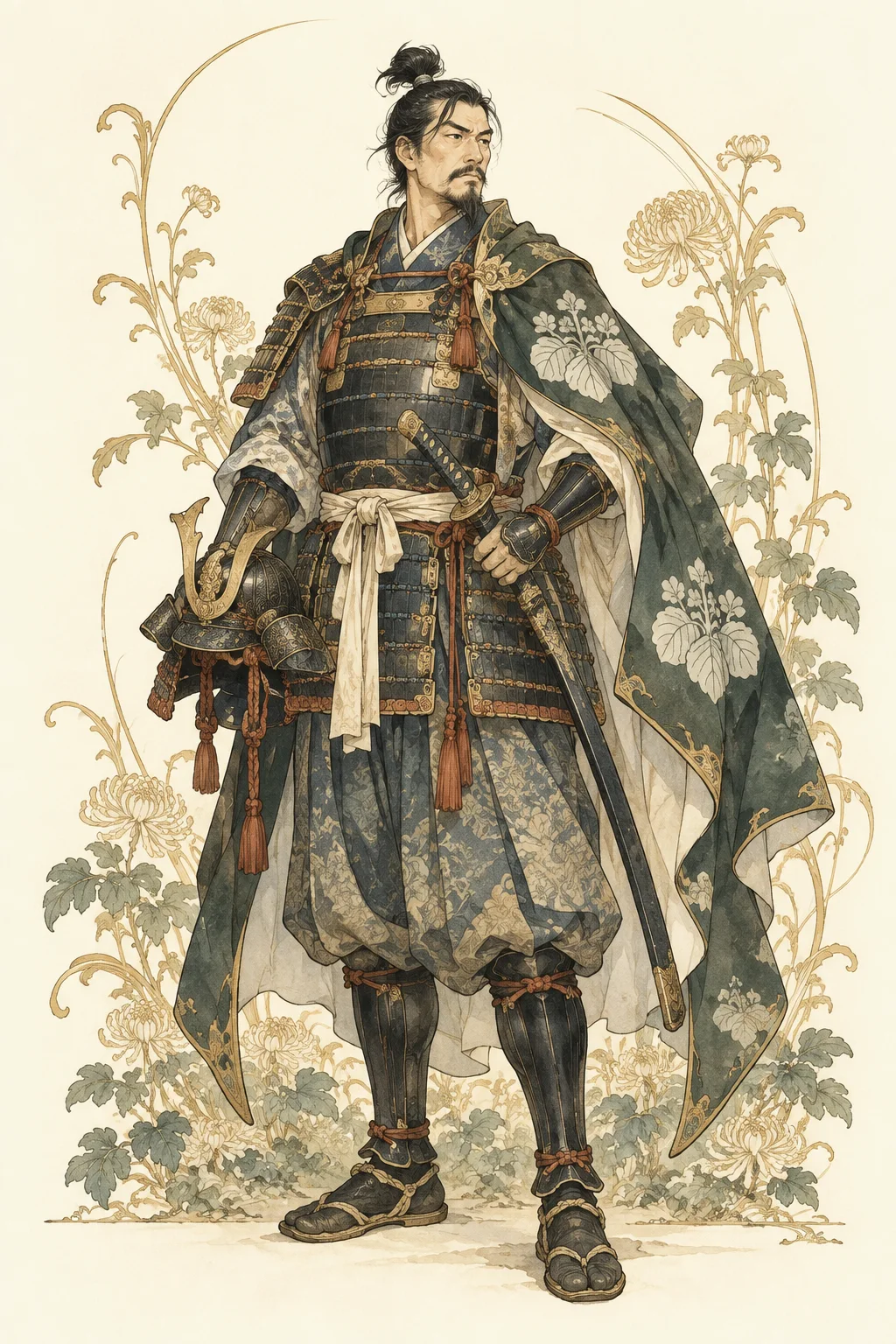 Nanboku-chō · WarlordKusunoki MasashigeA warlord of true loyalty, who kept his fealty to a great cause to the very end
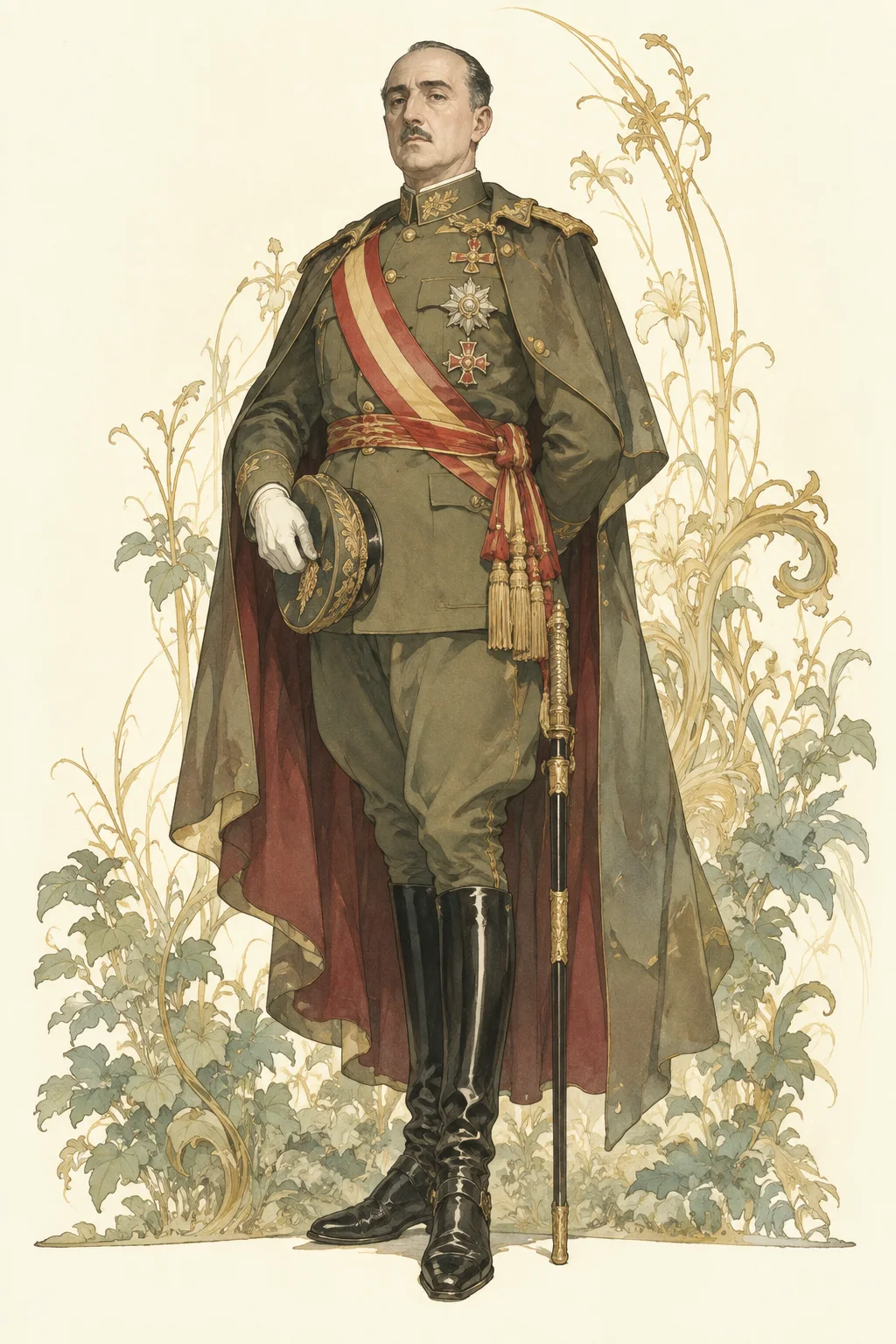 Spain · SoldierFrancisco FrancoRaising the defense of order and tradition, he led the regime long with strict discipline — a soldier
Type attributions are informed speculation based on public information, not confirmed fact.
Map of group memberships
The Guardian is one of 32 types, and also belongs to several groups of kindred natures. Here are the four main ones first — open a card to step into its own gallery room.
 Quadra (Values)Omega Quadra (Ω)Elitism
 Bouquet (Temperament)Balanced-Stable temperamentBuilding a sure foundation
 Club (Interest)Social ClubPeople who weave life and ties together
 Motivation (Stimulus Group)Happiness Stimulus GroupSeeks comfort and stability
See all groupings (25 more)
 Communication StyleSincereGrowing deep bonds slowly
 Behavioral StyleHarmonizerOrdering relationships through trust
 Argumentation StyleGuardianDiscerning worth through morality
 Perception GroupOrderlinessSets rank and distributes by tradition
 Cognitive StyleCausal-DeterministicMechanistically from cause to effect
 Romance (View of Love)OwnerPossesses the chosen one
 Stress ToleranceWeakBreaks when the foundation is lost
 Socialization GroupDevoteeThrowing oneself into people and movements
 Inflation RingInformation AccumulatorStoring information and leaving experience behind
 Project GroupConcrete ProcessPrecise in the details, for people's sake
 Implementation GroupSocial EntrenchmentRooting customs into society
 Square (Rest)PatronResponsible ladies and gentlemen
 Business Square (Collaboration)KnightAn order of knights for a great cause
 Octad (Cross-Value Group)ForgeBuilding structure from zero
 Reactor (Excitation Group)ReserveStoring up excitation inward
 MobilizationEmulsionTemporarily emulsifies foreign matter
 Conditioning (Adjustment Group)AlignmentAligning things into order
 LabyrinthKnossosThe mysteries of knowledge and silent power
 Block Group (Extinguishing Group)CouncilDebates policy and establishes order
 Social Progress Ring (SPR)Avant-GardeThe undercurrent ring of reform
 Supervision Ring (SVR)BlueprintA blueprint that dismantles order
 Social Order Ring (SOR)VestalA priestess who guards the sacred flame
 Succession Ring (SR)CanonThe deep succession of command
 Benefit Ring (BR)ObeliskThe enduring norms of stone
 Master Ring (MR)SentinelA warden who guards the norms
Open the full, love and business editions

- The blueprint of your mind (8 blocks)
- Six ways to recover from stumbles
- A situation-by-situation guide (6 situations)
- The reasoning behind the celebrity picks

- What your heart longs for / What excites you / Your landmines
- Classic love scenarios
- Chemistry by partner (all 32 types)
- At home and as a parent / A practical playbook

- Natural strengths / Work better avoided
- Work style / Management
- Industry fit ◎○△ (23 industries)
- Suitable roles
Save $24.98 compared with buying the three separately