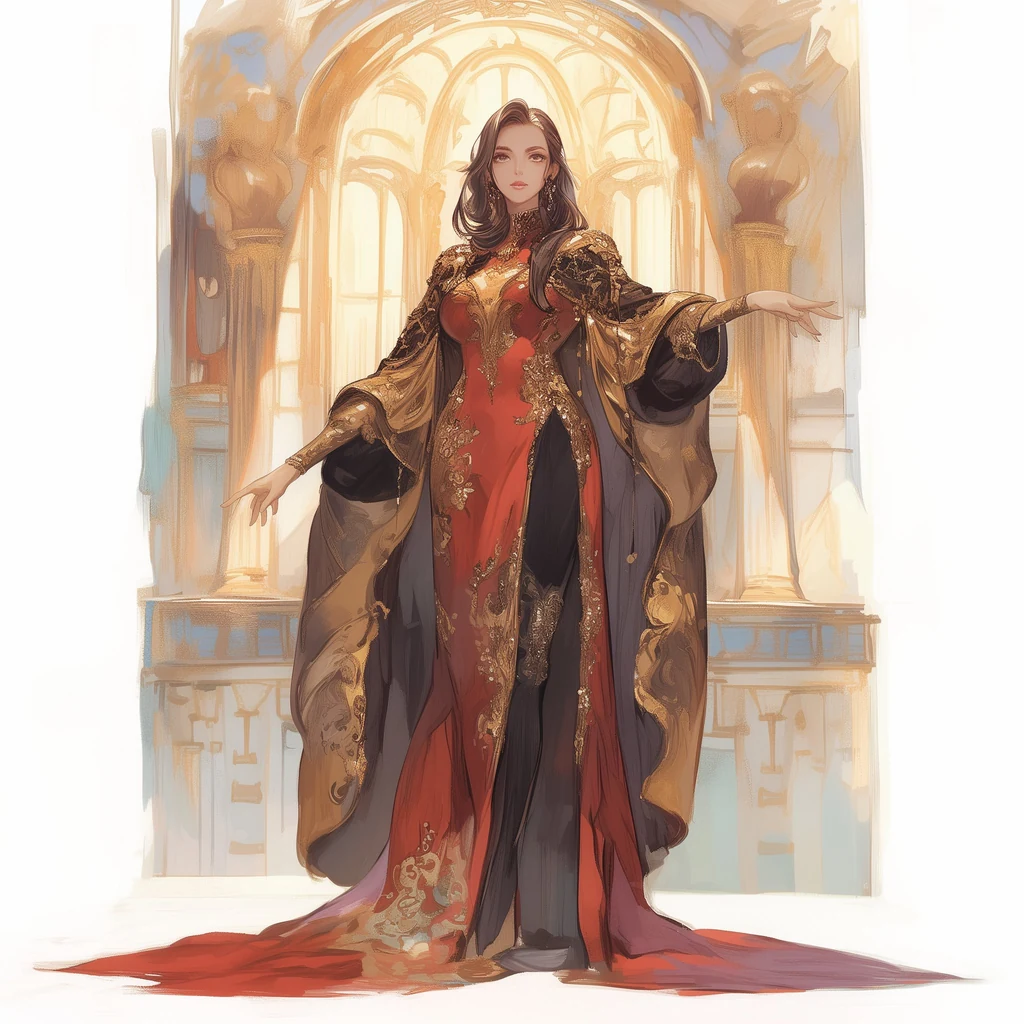
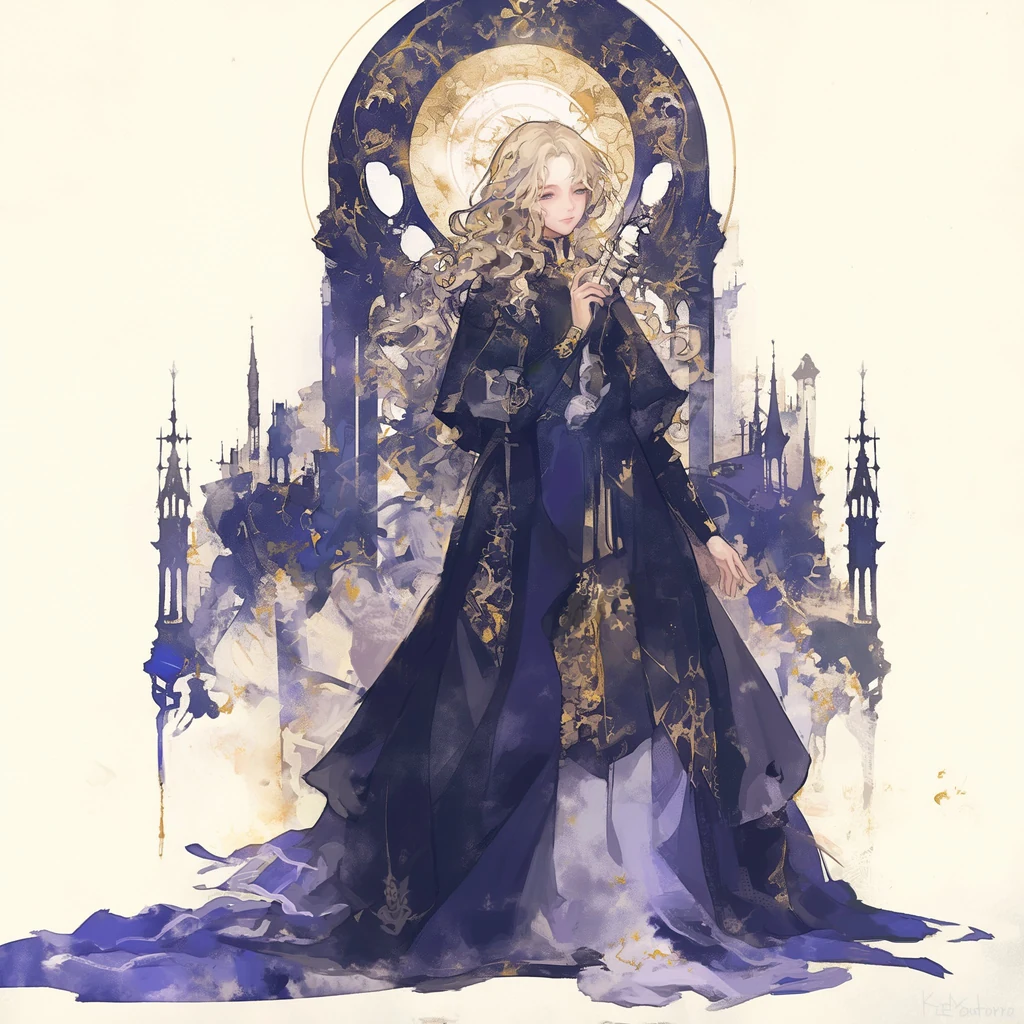
Quadra Classification
| Item | Classification | Details |
|---|
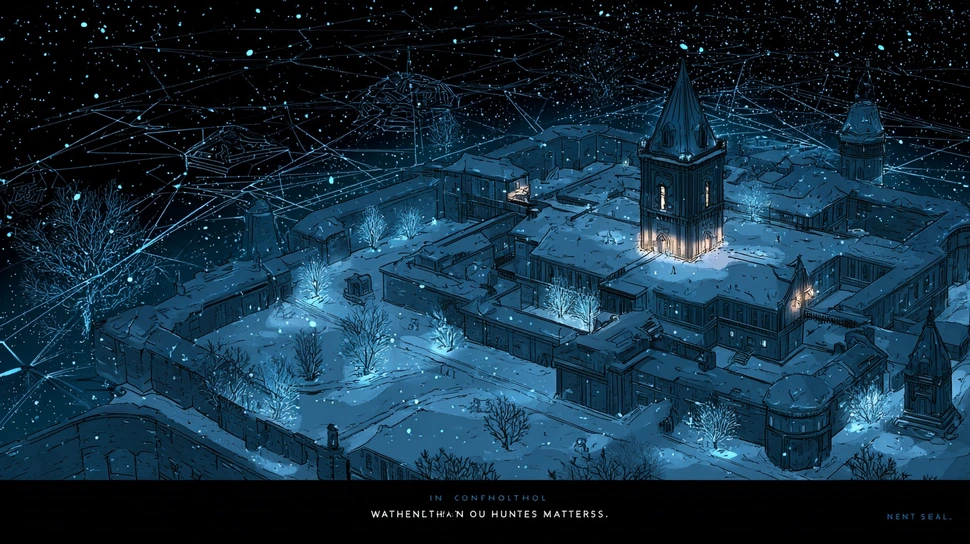
| Season | Winter | The season of preservation and administration |
| Temperature | +Serious (Winter Serious) | Weighty atmosphere, strict order |
| Position | -Bold (Dominant Bold) | Centralized authority, designed order |
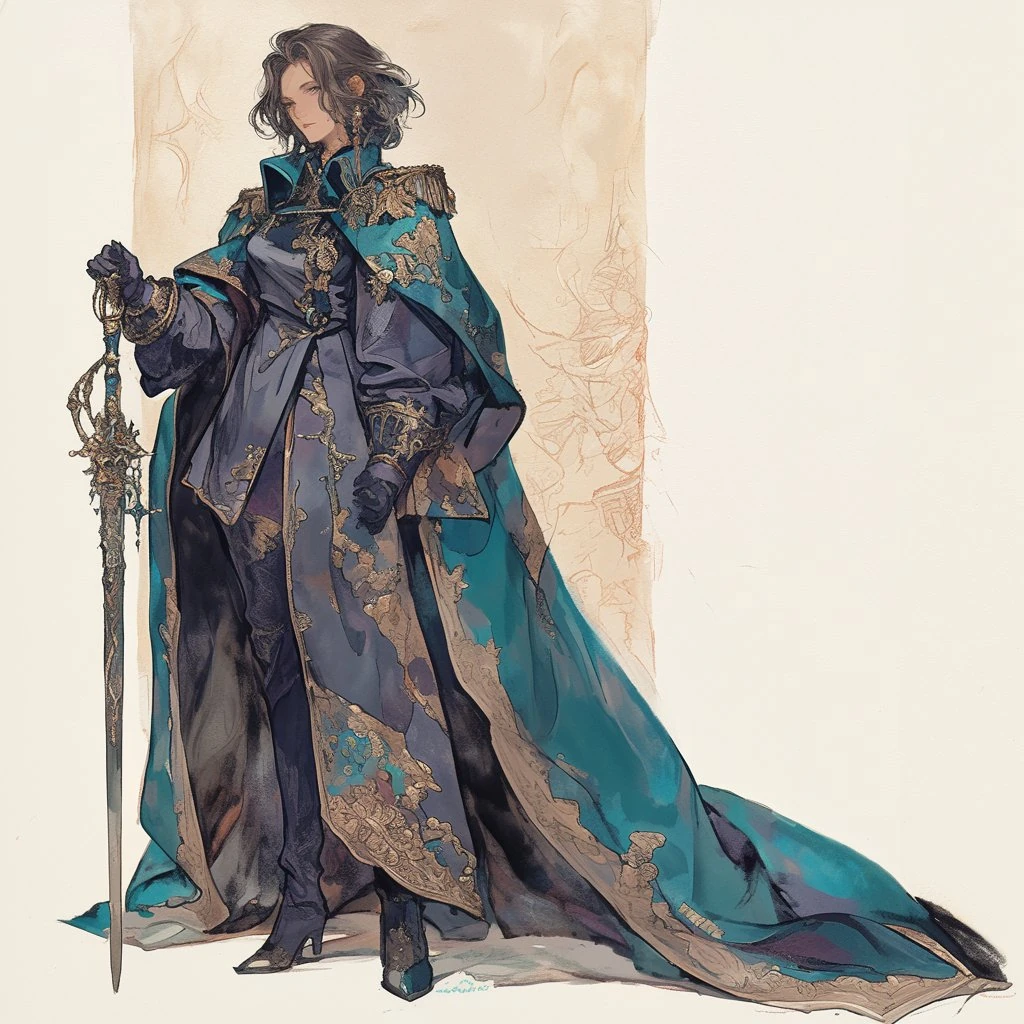
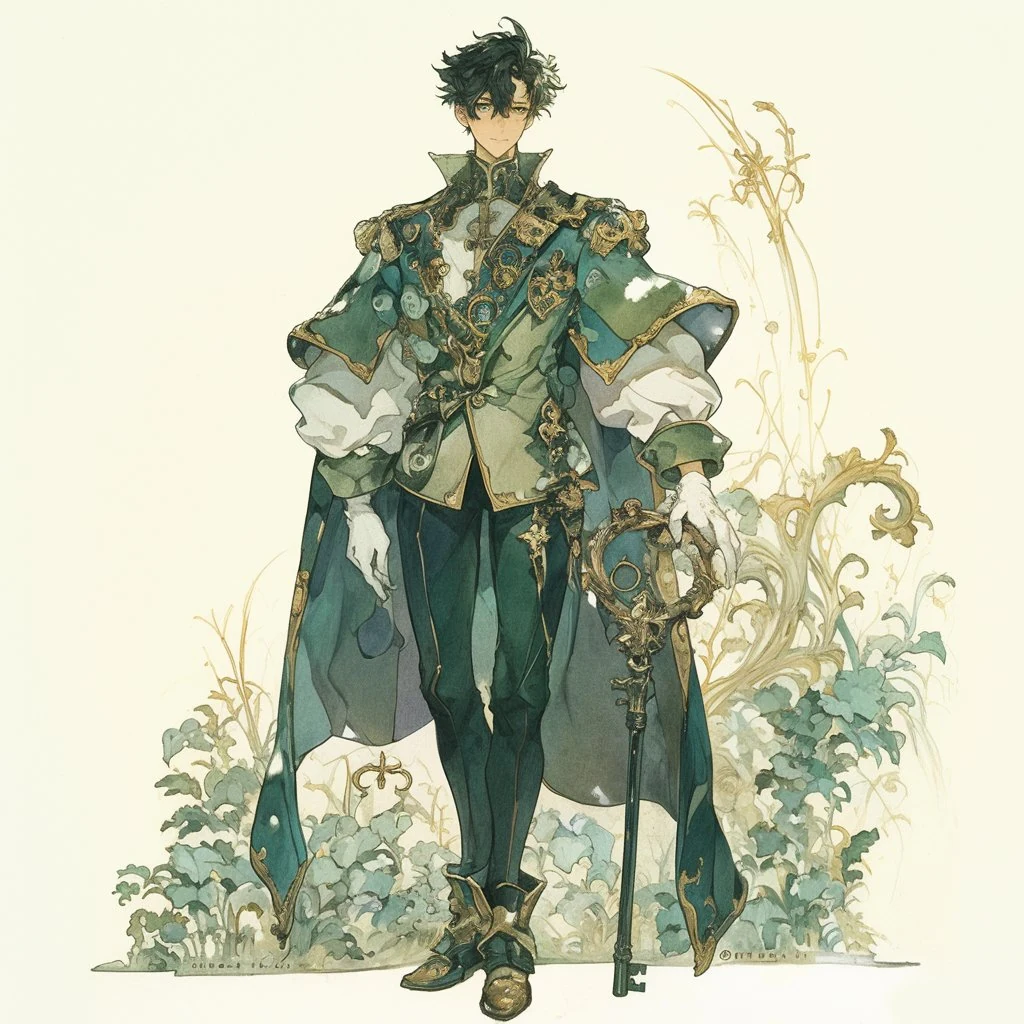
| Regime | Aristocratic (Hierarchism) | Fixed status and roles, vertical ranking |
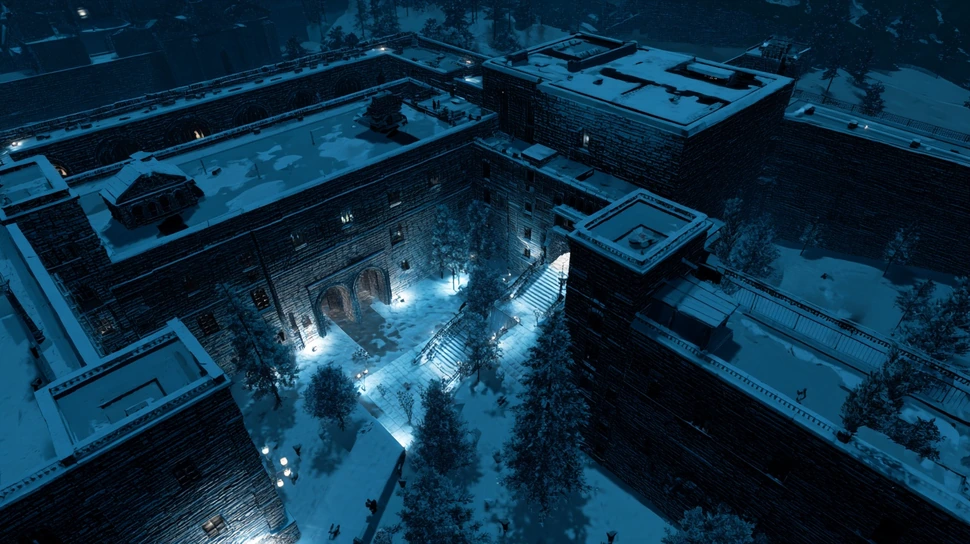
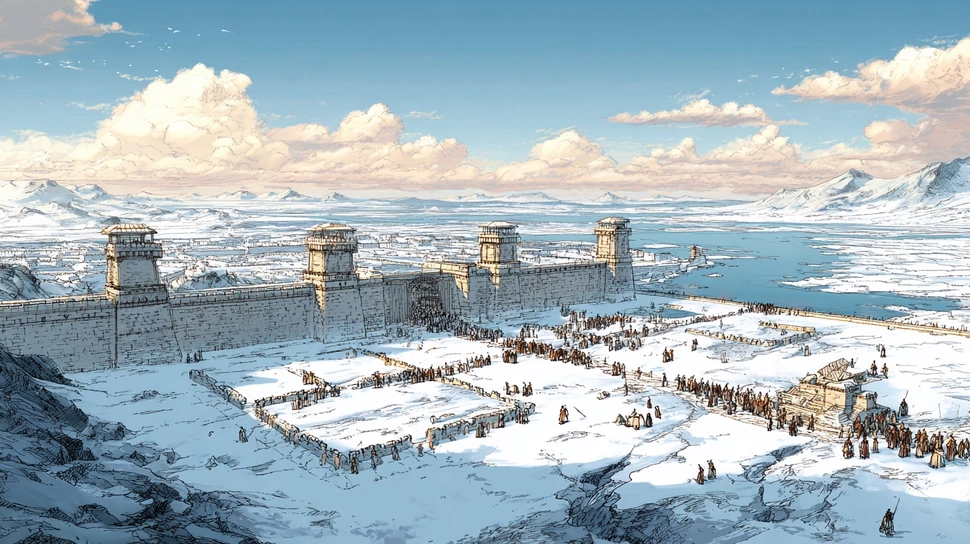
| Regional Type | Institutionalized Central City | Managed large-scale community |
| Typical Scale | Hundreds of thousands to millions | Scale requiring hierarchical management |
Functional Composition
Valued Functions: +Te, +Fi, -Se, -Ni
Logic Functions (Te-type):
* +Te-p (Practicality and Economy): Rationality that drives efficient resource allocation and pragmatic decision-making
* +Te-c (Technology and Accumulation): Systematic accumulation and management of technology, knowledge, and assets
* Integration: Rational design of social institutions, efficient operation of existing structures
Ethics Functions (Fi-type):
* +Fi-p (Morality and Duty): Building relationships based on loyalty, duty, and moral obligation
* +Fi-c (Manipulation and Motivation): The ability to read others' motivations and intentions, and to manage relationships
* Integration: A robust network of human relationships grounded in duty and good faith
Sensation Functions (Se-type):
* -Se-p (Victory and Dominance): Securing advantage in competition, grasping reality through force
* -Se-c (Discipline and Order): Maintaining strict discipline, enforcing institutional order
* Integration: Clarification of power structures, maintenance of hierarchical order
Intuition Functions (Ni-type):
* -Ni-p (Crisis and Fantasy): Foreseeing latent crises, preparing for worst-case scenarios
* -Ni-c (Warning and Divergence): Warnings at decision-making branch points, presenting risks that accompany change
* Integration: Crisis management and long-term stabilization of order
Ignored Functions: +Ne, +Si, -Fe, -Ti
Intuition Functions (Ne-type):
* +Ne-p (Creation and Innovation): Low interest in freely exploring new possibilities
* +Ne-c (Hypothesis and Imagination): Open hypothesis-building and curiosity toward the unknown are suppressed
* Reason: Unmanaged diffusion of possibilities is kept at bay as something that disrupts order
Sensation Functions (Si-type):
* +Si-p (Comfort and Wellbeing): Low priority given to personal comfort and physical satisfaction
* +Si-c (Diligence and Care): Little interest in maintaining a calm daily routine or providing attentive care
* Reason: The discipline and goal-execution of the whole organization take precedence over individual comfort
Ethics Functions (Fe-type):
* -Fe-p (Inspiration and Encouragement): Low interest in open emotional sharing or natural inspiration
* -Fe-c (Harmony and Sentiment): Creating a gentle emotional atmosphere is undervalued
* Reason: Relationships grounded in duty and loyalty are prioritized over spontaneous emotional exchange
Logic Functions (Ti-type):
* -Ti-p (Structure and Truth): Little interest in the pure pursuit of truth or intellectual integrity
* -Ti-c (System and Transformation): Critical rebuilding of existing structures is suppressed
* Reason: Practical efficiency and the maintenance of institutions are prioritized over the free pursuit of truth
Functional Characteristics of this Quadra
Designed Social Institutions:
* +Te (Practicality/Technology) × +Fi (Morality/Duty)
* A combination of efficient institutional management and loyalty-based human relationships
* The cycle: "Rationally designed → Internalized as obligation → The institution self-maintains"
Managed Power Order:
* -Se (Victory/Discipline) × -Ni (Crisis/Warning)
* A structure where the exercise of power and a sense of crisis underpin order
* Vigilance against latent threats becomes the motivation for maintaining rigid hierarchy
The Inevitability of Decisive:
* The ignored functions (+Ne, -Ti) make free intellectual exploration and fundamental re-examination of structures difficult
* This is precisely why management centered on existing institutions and authority is optimized
* The Quadra excels in large hierarchical organizations where management is thorough






 Sign in with Google