
LII-D – Архитектор –
Тихо возводимая архитектура логики
Вы тихо, шаг за шагом возводите механизмы, на которые все могут спокойно опереться.
В вашем центре — убеждённость: «Хорошее правило оберегает людей».
Больше всего вам нужно тепло, которое распускает внутреннее напряжение.
- Квадра
- Хи Χ
- Букет
- Уравновешенно-стабильный темперамент
- Клуб
- Исследователи
Портрет — Архитектор

Архитектор — не человек громкого голоса. Но там, где он долго пробыл, непременно что-то остаётся. Налаженные правила, процедуры, по которым кто угодно действует одинаково, механизмы, при которых реже возникают ссоры, — незримая архитектура, позволяющая людям мирно сосуществовать. Архитектор возводит её не озарением одной ночи, а тихо, ступень за ступенью.
В центре этого человека — убеждённость: «Хорошее правило оберегает людей». Мир, где действуют наобум, по наитию и по расстановке сил, ранит людей по очереди, начиная с самых слабых, — поэтому стройный каркас нужно подготовить заранее. Этот каркас не холодная клетка, а скорее пол, на котором всякий может спокойно стоять. К логике Архитектора всегда добавлен спокойный здравый смысл, и она служит не тому, чтобы рубить людей остротой, а тому, чтобы вести дела к точке, где все могут жить в согласии.
Держится он спокойно и сдержанно, но, если спросят его мнение, не колеблется. Продуманный вывод он с тихой убеждённостью произносит до конца. Каркас, который однажды определил как «должно быть так», он не бросает на полпути, а собирает до конца и после завершения продолжает за ним ухаживать. Яркому развороту он предпочитает путь, на котором начатое завершают, сохраняют и понемногу улучшают, — это упорство придаёт его работе прочность, которая выдерживает время.
И, как ни удивительно, этот тихий зодчий в глубине — светлый человек. Он верит в людей и простодушно представляет простой и добрый мир. Только эта доброта плохо выходит за пределы системы. Втянутый в схватку силой или в столкновение с обнажёнными чувствами, он вдруг теряет опору. Глубже всего Архитектор жаждет тепла, которое распустило бы эту жёсткость, — того, кто, подняв знамя миссии, согреет атмосферу и смягчит натянутое сердце.
Не сила и напор, а то, логично ли это.
Знакомо?
- Документы разложены по категориям, планы составлены, обещания неукоснительно выполняются.
- Даже за новое дело вы берётесь, начиная с общего каркаса.
- Начатую работу вы доводите до завершения, а после завершения тихо продолжаете её поддерживать.
- Вы избегаете расплывчатых формулировок и говорите, сначала уточнив определения.
- Там, где кричат друг на друга или давят силой, вы теряете дар речи и деревенеете.
- Вам немного трудно произнести вслух «я рад» или «вы меня выручили».
- Вы собираете знания и материалы и щедро делитесь ими с теми, кому они нужны.
- Вы чутки к порядку вещей: кто идёт первым и по какому этикету всё проводится.
- Вы восстанавливаетесь в тихом времени наедине с собой.
- Когда рушатся исходные предпосылки, вы погружаетесь так глубоко, что со стороны этого не видно.

Поведение

Поведение Архитектора хорошо проявляется в тихой преданности порядку и в спокойной уверенности.
Первое, что бросается в глаза, — «налаженность» вокруг этого человека. Документы разложены, планы составлены, обещания держатся. Решённое он делает как решил и не сыплет исключениями. Это не показ педантичности, а ежедневная практика убеждённости «человек может быть спокоен лишь там, где правила соблюдаются». И начиная новое дело, он сперва рисует костяк целого и кладёт всё по порядку, от основы.
Действует он осмотрительно и не перенапрягается. Он не идёт на опасные ставки и на рост, гонимый одним порывом, а по одному складывает проверенное. Времени уходит много, но то, что он собрал, потом трудно разрушить. При этом к тому, что он признал своим уделом, он на удивление упорен и не терпит бросать дело на полпути. Начатую работу он доводит до завершения, а после завершения тихо продолжает уход за ней.
Внутри группы он не столько выходит вперёд распоряжаться, сколько поддерживает поле со стороны установлений и распорядка. Распределение ролей, критерии суждений, логическая нить на случай ссоры — такой каркас он загодя готовит наперёд, чтобы всем на своём посту было удобно двигаться. Находясь на неприметном месте, он нередко оказывается фактической опорой порядка на этом поле.
Не внезапная идея, а сначала общий каркас.
- Документы разложены, планы составлены, обещания выполняются
- Начатую работу вы доводите до завершения и продолжаете поддерживать после
- При признаках ссоры вы теряете дар речи и отстраняетесь
Наблюдаемое поведение

Облик его опрятен и сдержан. Моде и роскоши он предпочитает подобающую случаю, аккуратную осанку. Вещи и рабочее место устроены функционально: нужное лежит в нужном месте. Он не поднимает шума из-за беспорядка в мелочах, но то, что попало в его ведение, тихо возвращает на положенное место.
Он дорожит обещаниями и сроками. Взятое не забывает, объявленный план держит. Он ждёт от других той же честности, а потому с тем, кто снова и снова нарушает обещания, он не столько открыто корит, сколько тихо сводит вниз баланс доверия.
Он любит учиться и накапливать. Интересующую область он изучает системно, собирает материалы и складывает собственную упорядоченность. Обретённым знанием он не жадничает: тем, кто просит, щедро и по порядку его раздаёт. Тихо направлять рядом с собой молодых и идущих следом — в этом он находит глубокий смысл.
При первых признаках распри он отстраняется. Крик, силовое давление, столкновение эмоций — попав в такие сцены, этот человек теряет дар речи и цепенеет. Вместо того чтобы силой усмирить разлаженную обстановку, он естественно склоняется к тому, чтобы наладить устройство, при котором разлад вообще труднее возникает.
Если бы вы могли находиться там, где можно основательно подумать, ваши постройки обрели бы прочность, которая выдерживает время.
Как вы говорите и слушаете

Диалог Архитектора точен, спокоен и неожиданно тёпел.
Речь тихая, слова отобраны. Избегая расплывчатых оборотов, он проверяет определение и говорит, выстраивая нить. Но эта точность не ради того, чтобы загнать собеседника в угол. Архитектор дорожит не выигрышем в споре, а тем, чтобы все встали на одно и то же понимание. Запутанное дело он, выстраивая по порядку, бережно объясняет, пока собеседнику не станет ясно — учить этот человек и вправду мастер.
Высказывая мнение, он не боится утверждать. «Я думаю так», «это надо сделать вот так» — тихо, но чётко произносит он до конца. Эта убеждённость не наитие, а подкреплена накопленным объёмом обдумывания. Однако голос он повышает крайне редко, и даже когда ему возражают, отвечает не чувствами, а логической нитью.
В беседе с близким человеком проглядывает его светлость. Мягкая шутка, чуть рассудочный юмор и наивно-положительный взгляд на людей и мир. Он не тот, кто с суровым лицом рассуждает о логике, а тот, кто верит, что хорошее — хорошо, и хочет этим делиться. Только сами чувства облекать в слова ему трудно, и чем сильнее тронуто сердце, тем он немногословнее.
Не чувства, а определения и последовательность. И всё же в глубине вы светлый человек.
Сердцевина — что движет и где уязвимо
Не сила и напор, а точка, с которой согласны все.
Единственный в сердце сильный мотор

В центре Архитектора — сила, что возводит логичную рамку, и сила, что смягчает её здравым смыслом.
В сердцевине Архитектора — один сильный движитель. Сила давать делам имя и порядок, строить понятные всякому правила и систему и надолго их хранить. Встав перед захламлённой действительностью, в голове этого человека тихо воздвигается должный костяк — что основа, что столб. Где перекинуть балку, чтобы целое не рухнуло. И, стоит однажды определиться чертежу, он без колебаний кладёт ступень за ступенью.
У этого движителя есть парная ему вторая работа. Сила спокойным здравым смыслом налаживать возведённую систему. Пусть по логике верно, но правило, что загоняет человека в угол, — не хорошее правило — так чует Архитектор и округляет углы в умеренную форму, с которой все могут согласиться. Строгость и рассудительность, сила строить и глаз, что смягчает. Лишь когда эти две сцепляются, зодчество Архитектора становится зодчеством, в котором можно жить.
Это касается не одной работы. И в домашних уговорах, и в договорённостях среди товарищей, в миг, когда он почувствовал «будь здесь надёжный каркас, всем станет легче», заводится тот же двигатель. Беспорядок обращается в порядок, и люди в нём спокойно приходят в движение — именно эта картина миг, когда Архитектор удовлетворён всего глубже.
То, что он умеет, но чему не придаёт значения

Как ни удивительно, Архитектор обладает изрядной силой в чтении хода вещей. Как нынешний ход покатится дальше, где это течение принесёт плоды, а где упрётся в тупик — тихо сидя, он видит довольно далеко. И ловкость эксперимента — пробно двинуть и проверить — у него на деле надёжна.
Только сам он не придаёт этому веса. Предвидение он держит в груди и не вещает, как пророк. Для этого человека будущее не то, что угадывают, а то, к чему готовятся — чтение тихо вплетается в чертёж и потом сказывается в форме прочности системы. Само то, что он не кичится силой, и держит его спокойствие.
То, чего втайне жаждет сердце
Втайне он жаждет тепла, что зажигает сердце, и покоя, что распускает напряжённое.
То, что Архитектор, одарённый порядком и рассудительностью, сам породить с трудом, а между тем глубже всех жаждет — это ясный огонь чувства, что согревает место, и забота, что распускает скованность. Хоть возводить систему он мастер, когда доходит до того, чтобы осветлить настроение места, ободрить чужое сердце и тихо исцелить усталость, рука его вдруг замирает. Именно поэтому его глубоко влечёт и наполняет существо, что, водрузив тепло, сплачивает людей и смягчает натянутое.
Это проявляется как «потребность в принадлежности, безопасная привязанность, утоление глубокой жажды». Тот, кто вносит огонь в склонное к окоченению сердце этого человека и готовит температуру, к которой можно спокойно прислониться — именно рядом с двойником-Гармонизатором (ESE-Q), что владеет этой силой лучше всего, Архитектор распускает плечи и может отдаться любимому зодчеству. Он лучший восполнитель, что согревает место, куда не дотягивается логика.
Самое хрупкое место.
Самое хрупкое у Архитектора — это силовое противоборство и столкновение с обнажёнными чувствами.
Самое хрупкое — сцена, где воля с волей напирают лоб в лоб. Громкостью владеть залом, силой заставить подчиниться, встать на защищающую сторону, кичась силой — такое поведение Архитектор почти не может извлечь из себя. Продавят — не отдавить, попытается ответить логикой — перед логикой силы не доходит. Оставленный надолго под неразумным нажимом, этот человек зримо изнашивается.
Другая хрупкость — прямой обмен чувствами. Обнажённо изливать друг другу нутро, плакать, сталкиваться и мириться — в таких живых сценах этот человек теряется, что сказать. Не то чтобы чувств нет. Скорее они глубоки. Просто у него нет слов, чтобы обходиться с ними живьём, вне системы.
Потому фундамент Архитектора стоит на предпосылке «здесь можно проложить логическую нить». В месте, где эта предпосылка рушится целиком — где всё решает сила и кружат вихрем чувства — сила этого человека не работает. Это не порок, который нужно винить, а место, которое стоит оберегать, выбирая того, кто возьмёт на себя такие сцены, и заведомо среду, где проба сил вряд ли возникнет.
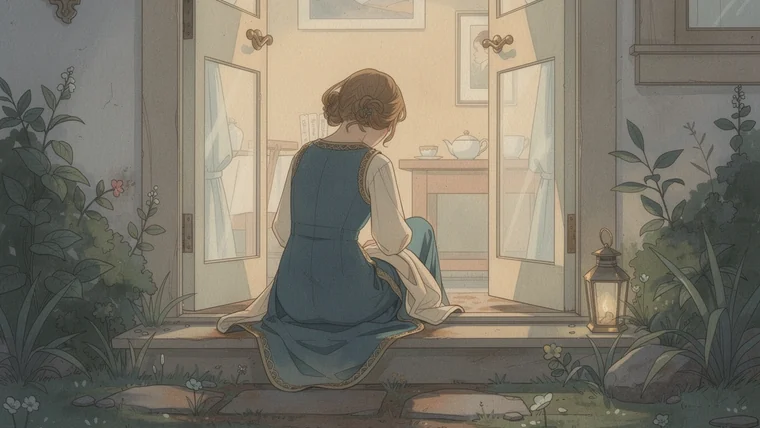
- Стержень: сила возводить стройный каркас и сила смягчать его здравым смыслом
- Движущая сила: ощущение, что с надёжным каркасом всем станет легче
- Уязвимое место: противостояние силой и столкновения с обнажёнными чувствами
Сильные стороны и где вы спотыкаетесь
Тепло, что зажигает сердце, и покой, что распускает напряжение.
Сильная сторона — строить и связывать
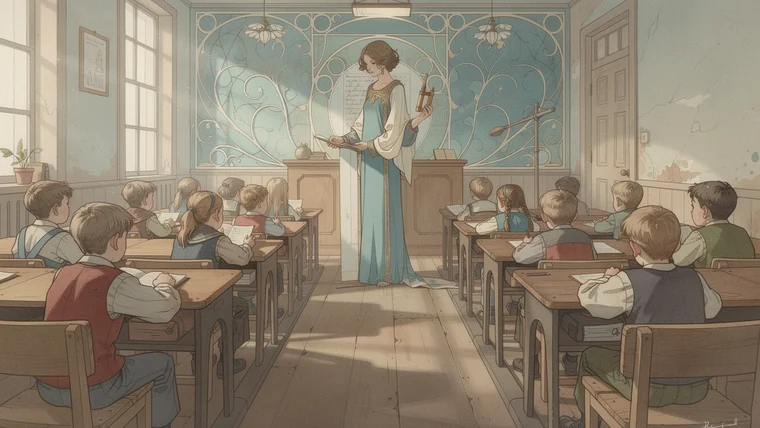
Сила Архитектора — в двойной надёжности: сила возводить систему и здравомыслие, что притягивает её к людям. Он даёт разбросанным вещам имена и порядок и собирает в костяк, что работает, кто бы ни принял дело. Работа его не быстра, но упорна, точна и потом не рушится. Выносливость довести начатое до завершения и после завершения продолжать уход — только его. Вдобавок сноровка по порядку учить запутанному, честность держать обещания и сроки и великодушие, с каким он щедро делится знанием, делают его тихо незаменимым для окружающих.
И на дне этой строгости проходит светлый стержень. Архитектор в корне своём человек, что верит в человека и мир. Хорошее правило делает человека свободным, надёжная основа делает человека добрее — оттого что есть эта простодушная убеждённость, логика этого человека не становится холодной. Не система ради системы, а зодчество ради того, чтобы всем жить в покое. Именно этот тихий оптимизм и возвышает Архитектора из простого резонёра в любимого людьми строителя.
Где легко споткнуться
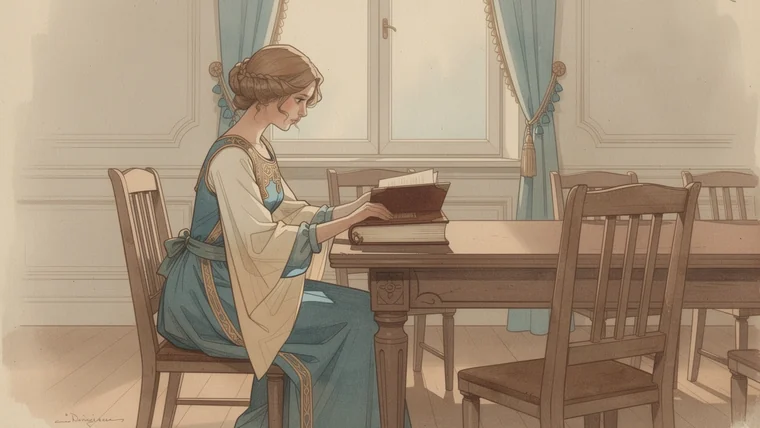
Легче всего он спотыкается на оборотной стороне силы своей убеждённости и слабости в области эмоций и силы.
Оттого что убеждённость в однажды собранной системе сильна, отпустить её трудно. Даже когда предпосылка меняется, он цепляется за чертёж, и «раз так заведено» порой обгоняет саму цель. Когда цепкость к чинности, приличиям и должному порядку дел проступает слишком сильно, он кажется негибким сухарём и воздвигает невидимую стену с окружающими. И то, что, утонув в оттачивании деталей, он всё никак не может объявить завершение, — тоже его привычка.
К силовому напору и прямому столкновению чувств он на редкость слаб. Когда напористый вдавливает его, он не может оттолкнуть, а в водовороте наигранных чувств теряет дар речи. И когда рушится предпосылка, на которую он опирался — механизм рабочего места, многолетний план, каркас, в который верил, — этот человек надламывается неожиданно глубоко. На то, чтобы отстроиться заново, уходит время, и всё это время он изнашивается так тихо, что окружающим и не разглядеть.
Тот, кто сплачивает людей, неся тепло, глубоко вас трогает, и рядом с ним вы можете спокойно сосредоточиться на своём любимом строительстве. Именно здесь скрыт ваш потенциал роста.
- Если вас торопят, сначала спросите, нельзя ли выделить время
- Подумайте, нельзя ли доверить противостояние силой кому-то другому
- Скажите одно слово — «я был рад», — пусть даже неуклюже
Где вы раскрываетесь
Культура, где «создать хороший механизм» признаётся ценностью само по себе.
Среда, где вы раскрываетесь
Ярче всего Архитектор сияет в среде, где можно, прочно посадившись, думать, и где уважают накопленное. Ясная роль и свобода полномочий, время сосредоточения без помех и культура, где само «создание хорошего механизма» признаётся ценностью — именно на таком участке подвигается его зодчество. Частая смена курса, динамика «решает тот, у кого громче голос», площадка, что перебивается наобум импровизацией, начисто обнуляют его сильную сторону. Тихая, стройная, долгая работа. Вот почва Архитектора.
То, в чём нуждается этот человек, — прежде всего «стабильность основы». Чтобы предпосылки не менялись то и дело, чтобы накопленное осталось и завтра. И напарник, что подымает температуру места — тот, кто ободряет чужое сердце, распускает окоченевший воздух и зажигает в работе этого человека огонь «спасибо». При таком тепле Архитектор спокойно может погрузиться в любимую работу над костяком.
Как тихий строитель
Сила возводить систему, сноровка учить по порядку и тихий глаз, что видит долгую перспективу, оживают в роли, где создают костяк знания, хранят его и передают. Исследования и анализ, проектирование институтов и регламентов, образование и системное наставничество, составление документов и знаний, пост хранителя качества и стандартов, профессия, где нужна выдержка в долгом планировании — везде точность и выносливость этого человека и его желание «постелить пол, на котором всем спокойно стоять» прямо становятся ценностью.
С другой стороны, силовые переговоры и состязания, роль, что мобилизует чувства и подгоняет людей, поле, где всё решается сходу и с колёс, ему не подходят. На таком посту его сильная точность буксует вхолостую, и на первый план выходит одна лишь нелюбимая борьба давлением. Форма, где температуру поля и межличностную игру он доверяет напарнику, а сам сосредотачивается на проектировании каркаса и передаче знания, раскрывает этого человека всего полнее.
Диалог — спросить Chloe

Один бесплатный диалог · участники Le Salon — несколько точек зрения. Не реальный человек: обобщённая точка зрения на основе открытого описания.
Отношения и любовь
Можете ли вы тихо направлять партнёра и долго его поддерживать.
Любовь — тихо вести рядом и долго поддерживать
Любовь Архитектора — преданность без блеска, но поразительно долгая.
Любовь Архитектора не вспыхивает, а пускает корни. К тому, к кому лежит сердце, этот человек держит обещание, налаживает костяк быта и долго накапливает доверие. Слов любви мало, выражение чувств неуклюже — но сам его облик, что рядом тихо продолжает вести, чтобы другой учился, рос и спокойно стоял, и есть форма его любви. Однажды завязанные узы этот человек так просто не отпускает.
ЖенщинаТихий, вдумчивый человек с проходящим сквозь стержнем. Больше того, чтобы громко говорить о чувствах, он являет любовь повседневным обещанием и искренностью. Учёбу и рост партнёра он упорно поддерживает, а в дом вносит спокойный порядок и неожиданно светлый юмор. Рядом со светлым, прямым человеком, что поднимет температуру чувств, он понемногу раскрывает сердце.
МужчинаСпокойный, учтивый человек, что не забывает о просьбах. Постановка страсти ему не даётся, но он держит решённое и тихо поддерживает каркас, чтобы быт партнёра стоял на ногах. В глубине рассудочности дремлет наивное, доброе доверие к миру. Рядом с тёплым человеком, что распустит эту жёсткость и рассмешит, он глубоко успокаивается.
Как вы любите — любовь, которая проектирует
Your love begins with drawing, in your head, a blueprint made just for the other person. What troubles this person, and what would let them stand at ease — you read it carefully with logic, and you show love by putting the very mechanics of their life in order. If you notice, say, that your partner is swamped at work, you'll quietly rework the sequence of the housework, or take a tedious procedure off their hands. Reducing one of their burdens feels more sincere to you than saying “I love you” a hundred times. That quiet way of setting things right is a language of love only you can speak.
Совместимость — рекомендуемые партнёры
 Гармонизатор
 ESE-QЕё улыбка и голос смягчают пространствоДуалПотребность в принадлежности, безопасная привязанность, чувство наполненности, утоление глубокой жажды — партнёр, который вносит огонь тепла в склонное к жёсткости сердце и распускает напряжённое; наиболее взаимодополняющий партнёр. Вдохновляющий лидер
 EIE-QЗнаменосец страсти, что говорит об идеале и сплачивает сердцаПринадлежностьНостальгия, чувство принадлежности, взаимозависимость — партнёр, в страсти которого, поднимающей идеал, чувствуешь ностальгическую, надёжную связь. Администратор
 LSE-QШтаб дела, что крутит процесс и двигает людей и работуРезонансСопереживание, благодарность, чувство доверия, потребность в безопасности — партнёр, менее прямой, чем дуал, но рядом с которым глубоко успокаиваешься благодаря основательной манере работать. Исполнитель
 SEI-QМягкий вестник, что придаёт форму ощущению и чувствуАктивацияАктивация, воодушевление, побуждение, любопытство — партнёр, с которым легче всего сойтись: уже одним своим присутствием он расслабляет чувства, и само собой поднимается «хочется попробовать». Художник
 SLI-QВыражать «в самый раз» природы и бытаБлагодетельРади этого человека он способен действовать естественно — отношения, где он поддерживает как благодетель и получает в ответ уважение к тихому ручному труду и благодарность. Мечтатель
 IEI-QРассказчик грёз, что мечтой и страстью расцвечивает мирБлагополучательНаполненность и доверие — отношения, подобные полному спокойствию, которое он получает от благодетеля, исполненного тонкого чувства. Провидец
 ILE-DПроектировщик знания, что парадоксом и теорией заново изобретает мирЗеркальныйДыхание замысла и системы совпадает — партнёр, с которым вы раскрываете интеллектуальные сильные стороны друг друга Промоутер
 IEE-DПроповедник идей, что двигает мир увлекательностьюНаставникДарует взгляд, что видит людей и возможности, — отношения, где он как наставник тихо передаёт чутьё ловить удобный случай. Завоеватель
 SLE-DНадёжный командный центр, что горит тем ярче, чем труднееУченикПеренимает выстроенную систему и испытывает её в реальности — отношения, где он как ученик отвечает непоколебимой исполнительностью.Остальные отношения (ещё 22 типов)
Верхние полосы — легче быть рядом, нижние — быстрее утомляют. Нажмите на название отношения, чтобы прочитать о паре.
 Блюститель
 LSI-DСтальной практик, что дисциплиной и ответственностью выполняет задачуРодственные отношенияПартнёр, с которым хочется выражать себя в одном направлении, и разговор течёт легко. Но стоит скатиться в соперничество, и вы быстро устаёте друг от друга. Эмпат
Эмпат EII-DУлавливать глубину чувств и становиться кому-то опоройДеловые отношенияПартнёр, с которым легко действовать сообща: вы подстраиваетесь под ситуацию и работаете слаженно. Исследователь
 ILE-QИскатель приключений разума, разгадывающий мирОтношения созависимостиПартнёр, рядом с которым вы всё берёте на себя и перестараетесь с компенсацией, — усталость копится медленно, но верно. Миротворец
 SEI-DМост между ощущением и заботойРасслабляющие отношенияПартнёр, рядом с которым напряжение спадает и становится спокойно, но легко войти в роль ожидающего чего-то от него. Энтузиаст
 ESE-DВесёлое пламя, зажигающее мир чувствомМиражные отношенияПартнёр, к которому интерес разгорается с трудом, — общение легко становится ровным и безучастным. Аналитик
 LII-QИз тишины письменного стола заново пересобирать мирАдаптивные отношенияПартнёр, с которым вы находите равновесие, просто выполняя каждый свою роль, — общение выходит ровным и безопасным. Командир
 LIE-QСтроить, готовиться, держать логику — штаб порядкаДополняющие отношенияПартнёр, рядом с которым вы чувствуете себя принятым и получаете подсказку, куда двигаться дальше. Хранитель
 ESI-DТихий щит, что за спиной с правотой отстаивает людейОтношения супер-ЭгоПартнёр, который непринуждённо воплощает то, к чему вы сами стремитесь, — им легко восхититься. Но при слишком тесном сближении быстро наступает усталость. Политик
 SEE-DПрирождённый лидер, что читает сердца и связывает потокиКорректирующие отношенияПартнёр, чьи замечания вы принимаете близко к сердцу, — они становятся поводом пересмотреть себя. Критик
 ILI-QПроницательный Критик, что в глубине тишины видит противоречиеОтношения самотрансценденцииПартнёр, рядом с которым хочется превзойти себя, — вы поднимаете друг друга на новый уровень. Советник
 IEE-QЧеловек, что мягко рядом и слушает сердцеОтношения ревизораОтношения, в которых вы, сами того не замечая, легко вызываете у партнёра тревогу. Ремесленник
 SLI-DМастер, что устраивает мир своими ладонямиНапряжённое благодеяниеПартнёр, рядом с которым вы невольно стараетесь через силу, а напряжение не отпускает. Руководитель
 LSE-DНаладить, привести в движение и довести до концаОтношения скукиПартнёр, рядом с которым наваливается вялость, а дела и сближение хочется отложить на потом. Философ
 EII-QЧеловек, что в тишине продолжает вопрошать о смысле мираФормальные отношенияПартнёр, с которым в отношениях прибавляется формальностей и условностей, и расслабиться не так просто. Преобразователь
 SLE-QДеятель, что силой пробивает и переписывает привычноеОтношения подревизногоПартнёр, рядом с которым не покидает чувство, что за вами наблюдают, — это легко приводит к выгоранию. Пророк
 IEI-DВзгляд, что видит судьбу, которую пока никто не замечаетНапряжённый получательПартнёр, рядом с которым прибавляется тревог и лишних раздумий, и сердце легко закрывается. Герой
Герой EIE-DМир меняет именно это чувствоОтношения недоверияПартнёр, которому трудно довериться до конца, — рядом с ним сложно раскрыть свои силы в полную мощь. Инспектор
 LSI-QЛогик, что отвергает мишуру и прозревает истинуОтношения долгаПартнёр, рядом с которым вы всё понимаете, но действовать почему-то трудно, а желание получить признание только растёт. Постановщик
 SEE-QПрирождённый Постановщик, что читает обстановку и ведёт людей к примирениюКонфликтные отношенияПартнёр, который легко задевает самое уязвимое место, — рядом с ним вы истощаетесь сильнее всего. Стратег
 ILI-DЗадумчивый Стратег, что тихо читает наперёд и расставляет ходыКвази-тождественные отношенияПартнёр, похожий на вас, но не совпадающий по сути, — усилия буксуют, и усталость приходит быстро. Первопроходец
 LIE-DРеалистичный первопроходец, что прокладывает путь результатомОтношения погашенияПартнёр, от которого невольно хочется отдалиться и замкнуться в себе. Судья
Судья ESI-QТихий судья, различающий добро и злоРолевые отношенияПартнёр, рядом с которым на первый план выходит «так положено», и оставаться собой становится трудно.Совместимость определяется не только типом: зрелость, подтип и обстоятельства меняют её.
С человеком, с которым вы связаны, можно прочитать личный разбор отношений по ответам вас обоих ($8.99 за пару, для участников Le Salon — без ограничений).
Совместимость с вашими связями →Узнать о Le Salon →
Что вы на самом деле ищете в глубине сердца
В глубине сердца вы по-настоящему ищете эмоциональное тепло, которое мгновенно освещает всё вокруг. Для вас, выстраивающего мир логикой, то, что вы не умеете создавать сами, — это смех, прямо обращённая к вам симпатия…
В любовной версии: что нужно вашему сердцу / точки, от которых замирает сердце / недопонимания и болевые точки / узнаваемые сценарии любви / химия с каждым из 32 типов / в семье и как родитель / практический плейбук / секреты долгих отношений / инструкция для вашего партнёра
Работа и стиль работы
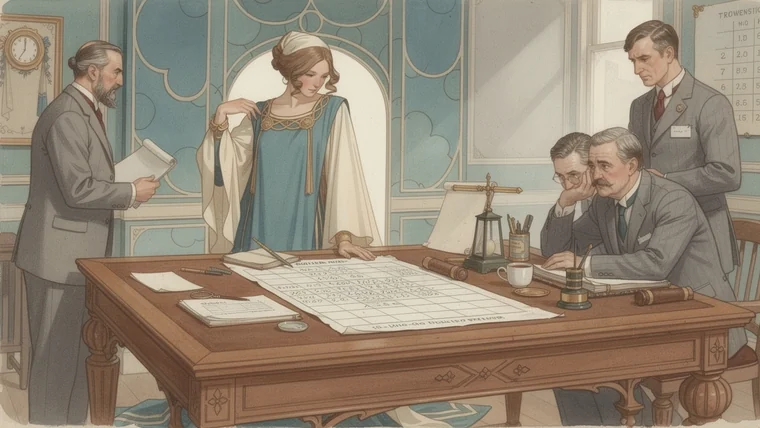
Ваш стиль работы — тип «Построение систем»
Вы естественно сильны в двух вещах. Первая — последовательно и аккуратно упорядочивать и анализировать. Вторая — с долгосрочной перспективой придумывать мягкие перемены.
Ваш интерес направлен на то, чтобы обсуждать идеи и теории. В обычной жизни вы спокойны и невозмутимы и держите ровный темп. Опорой для мотивации служит признание.
С людьми вы сдержанны в эмоциях и держите дистанцию, соблюдая правила и порядок. Ваш образ мыслей — последовательный, в порядке «причина → следствие».
Сила возводить стройный каркас и сила смягчать его здравым смыслом.
- Если подумали «так положено», вернитесь к цели и пересмотрите
- С самого начала назначьте день, когда объявите работу завершённой
- Время для отдыха тоже заранее вписывайте в ежедневник как пункт плана

Примеры подходящей работы
Здесь напрямую работают ваше умение последовательно учить и великодушие, с которым вы щедро делитесь знаниями.
Здесь раскрывается ваша способность поднимать каркас из беспорядочной реальности и собирать систему, которая долго живёт.
Здесь пригодится ваша способность возводить стройный каркас и вести дела к точке, с которой согласны все.
Ваши сильные стороны и работа, которой лучше избегать
Ваши две опоры — «сила последовательно упорядочивать и анализировать (организация и закон)» и «сила с долгосрочной перспективой придумывать мягкие перемены (здравомыслие и мир)». На работе ваше главное поле — проектирование порядка: регламенты, качество, управление…
В бизнес-версии: сильные стороны и работа, которой стоит избегать / устойчивость к стрессу и группа социализации / стиль работы / мотивация и восстановление сил / как выстраивать общение и управление с этим человеком / совместимость и подбор команды / отрасли по шкале ◎○△ (23 отрасли) с обоснованием / подходящие роли
Чертёж психики
Ваша психика работает через восемь блоков. В каждом блоке есть две функции — «как вы воспринимаете мир» и «как вы это выражаете», — и для каждого блока определены и широта возможностей, и то, дорожите вы им или нет. Специальные символы мы добавим лишь мелким шрифтом, а объясним всё обычными словами.
Возводить каркас и смягчать его здравым смыслом.
Ведущий Ваш центрI Build
+Ti-pОрганизация и законСтруктурная логика-Ne-cЗдравомыслие и мирИнтуиция возможностейВ вашем центре — сила давать вещам имена и порядок и надолго делать нормы и процедуры устойчивыми.
Вы поднимаете каркас из беспорядочной реальности, возводите правила и системы, понятные любому, и продолжаете их поддерживать.
Вместе с этим всегда работает здравый смысл, который скругляет систему до формы, в которой все могут жить в согласии.
Обучение — Наблюдать и перенимать
На входе — способность улавливать оборотную сторону вещей, слепые пятн…
В полном издании: все 8 блоков чертежа / 6 способов восстановиться / ситуации / обоснование примеров
Глубже — как восстановиться и ситуации
На обратной стороне того же стержня вы легко спотыкаетесь именно в таких ситуациях. Дальше — шесть способов вернуть равновесие.
Даже когда исходные условия изменились, вы держитесь за чертёж, и «так положено» порой обгоняет саму цель.
Когда напористый человек вас теснит, вы не можете дать отпор, а попытки ответить логикой до него не доходят.
Когда каркас, в который вы верили, рушится, вы погружаетесь так глубоко, что со стороны не видно, и тихо истощаетесь.
Партнёр, несущий тепло, распускает вашу жёсткость.
Способ вернуть равновесие 1 — считайте систему временными лесами
Каркас, который вы собираете, надёжен. Но когда меняются исходные условия, устаревает даже правильный чертёж. Именно в тот миг, когда вы подумали «так положено», вернитесь к цели и спросите себя: «Что это правило защищает сейчас?»…
В полном издании: 6 способов восстановиться / ситуации (дом, работа, друзья, стресс, покупки, выходные)
Люди, которых относят к этому типу
Разные эпохи и сферы деятельности, но всех этих людей объединяет одно: они настелили пол, на котором все могут спокойно стоять.
 США · политический философДжон РолзИз «покрова неведения» спроектировал принцип справедливого общества
 Англия · юрист и мыслительТомас МорОн описал идеальную общину «Утопию» и принял смерть за совесть
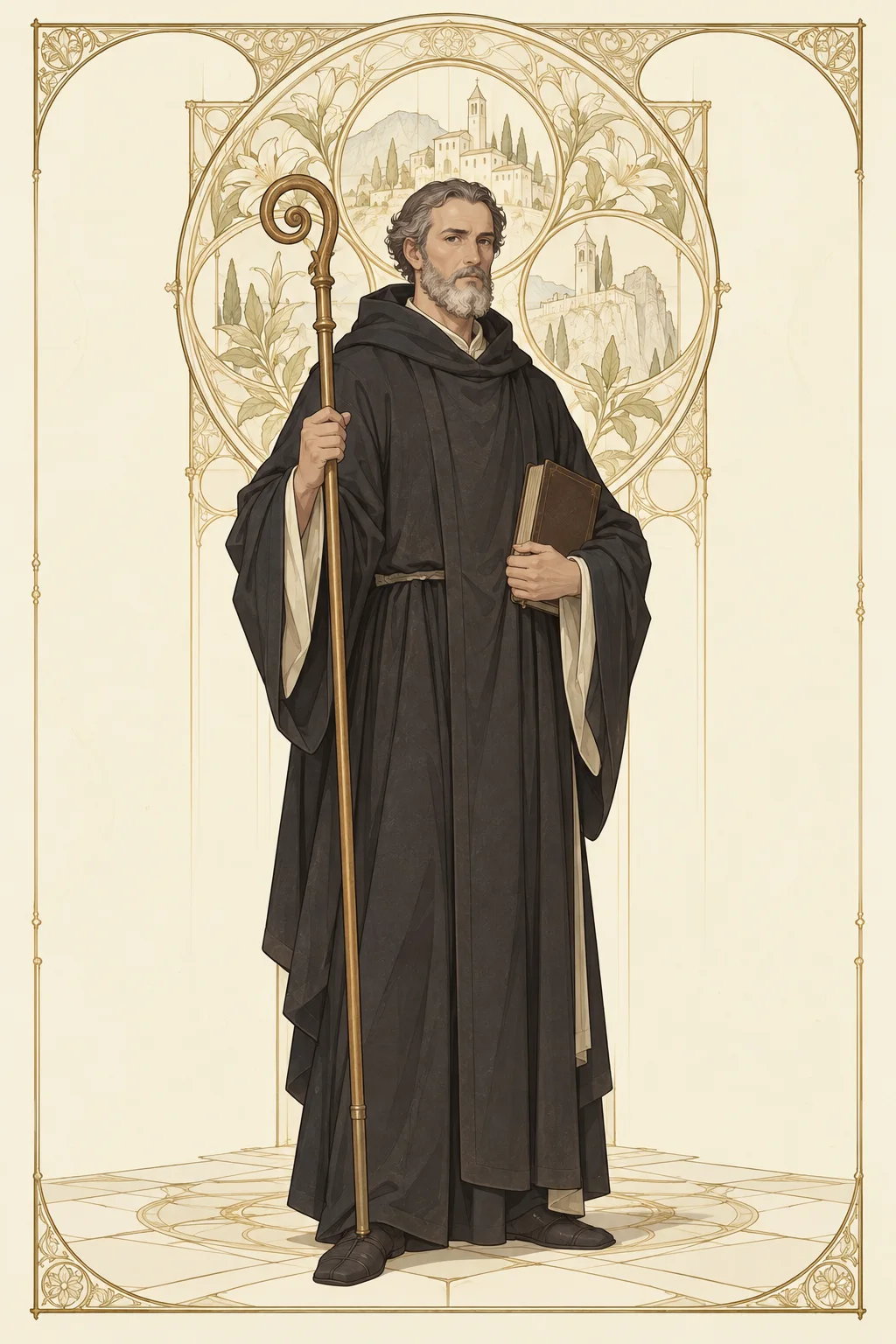 Италия · монах и святойСвятой Бенедикт«Молись и трудись» — он установил устав монашеской жизни
 Япония · ПолитикСётоку-тайсиКонституцией из семнадцати статей и двенадцатью рангами он спроектировал управление в духе гармонии
 США · исследователь ИИ и предпринимательДарио АмодеиСтавит безопасность ИИ высшим приоритетом и выстраивает нормы разработки
 Китай · конфуцианский учёныйЧжу Си (Чжу-цзы)Он свёл воедино Четверокнижие и сплёл философию принципа в единую систему
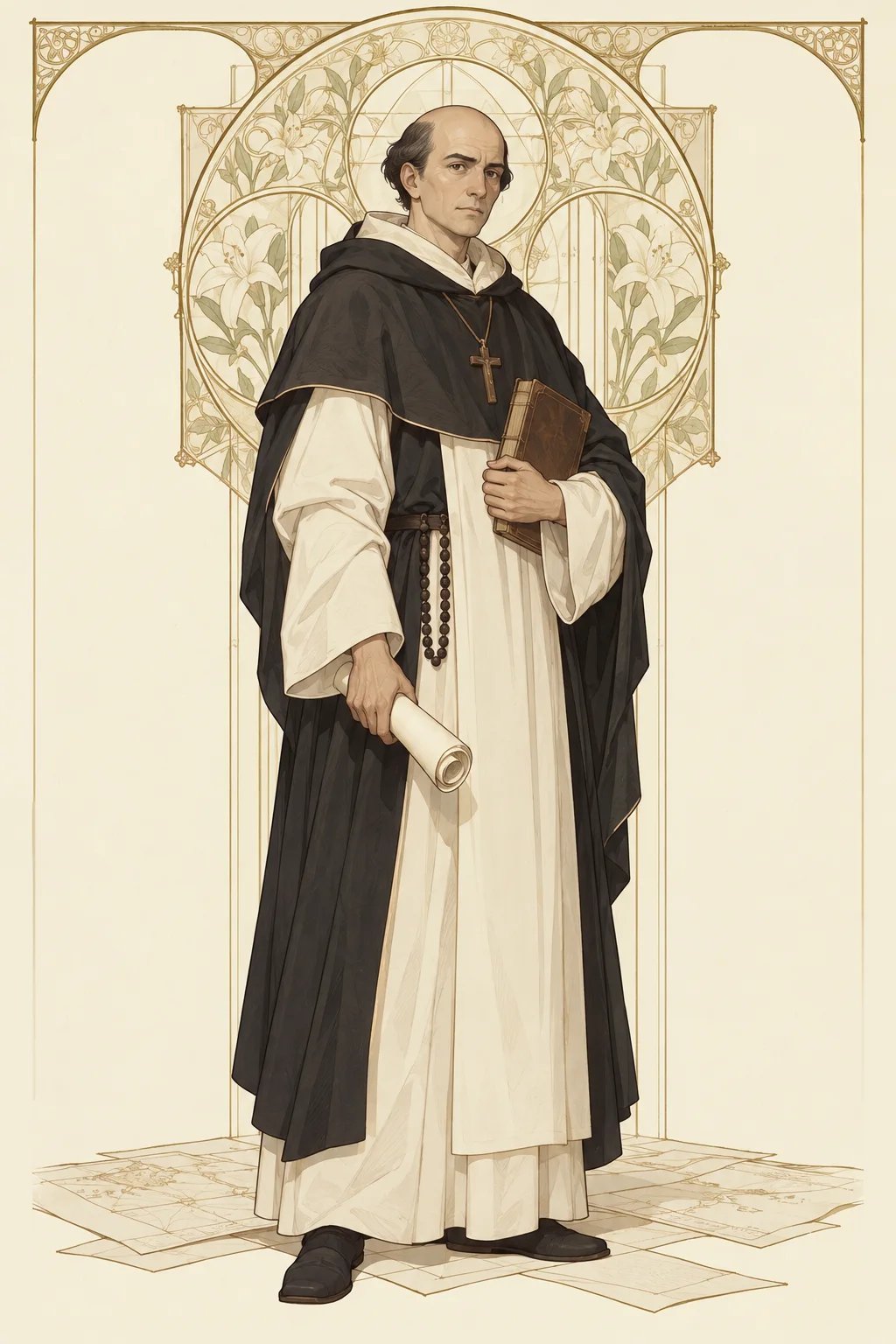 Испания · священнослужитель и правоведЛас КасасВсю жизнь он законом и словом защищал права коренных народов
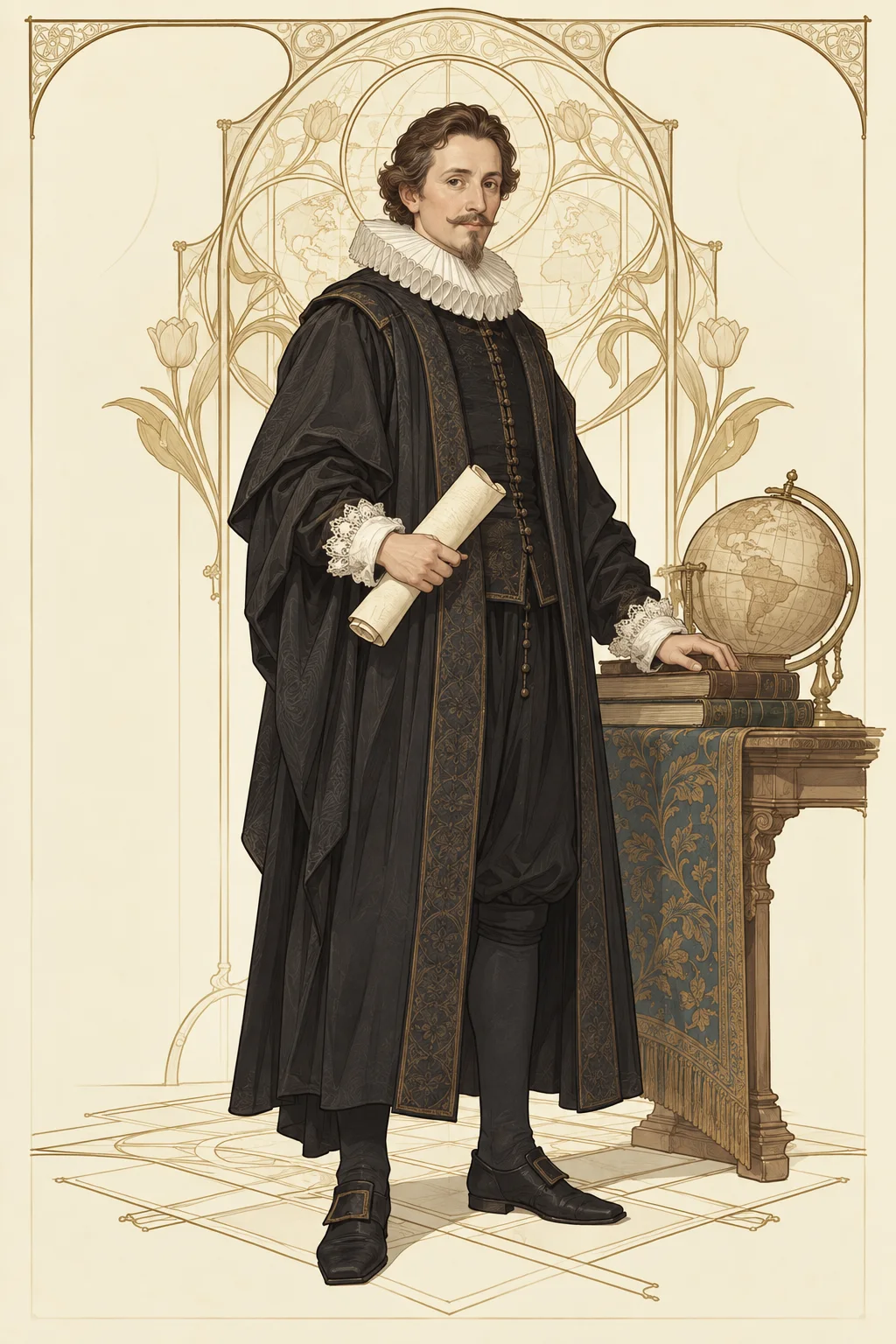 Нидерланды · ПравоведГуго ГроцийТрудом «О праве войны и мира» он заложил основу международного права
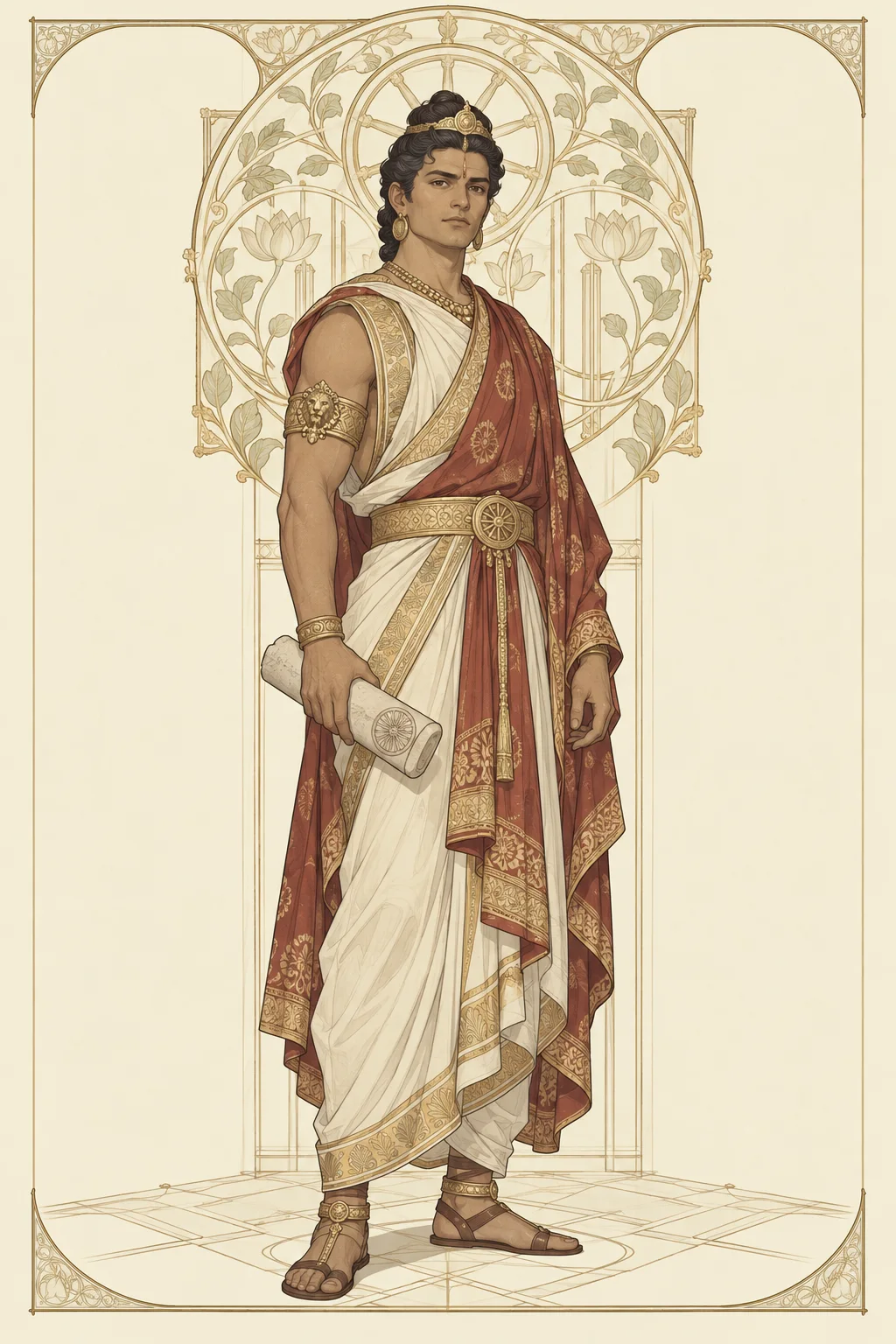 Индия · император МаурьевЦарь АшокаРаскаявшись в бедствиях войны, он обратился к правлению по дхарме (закону)
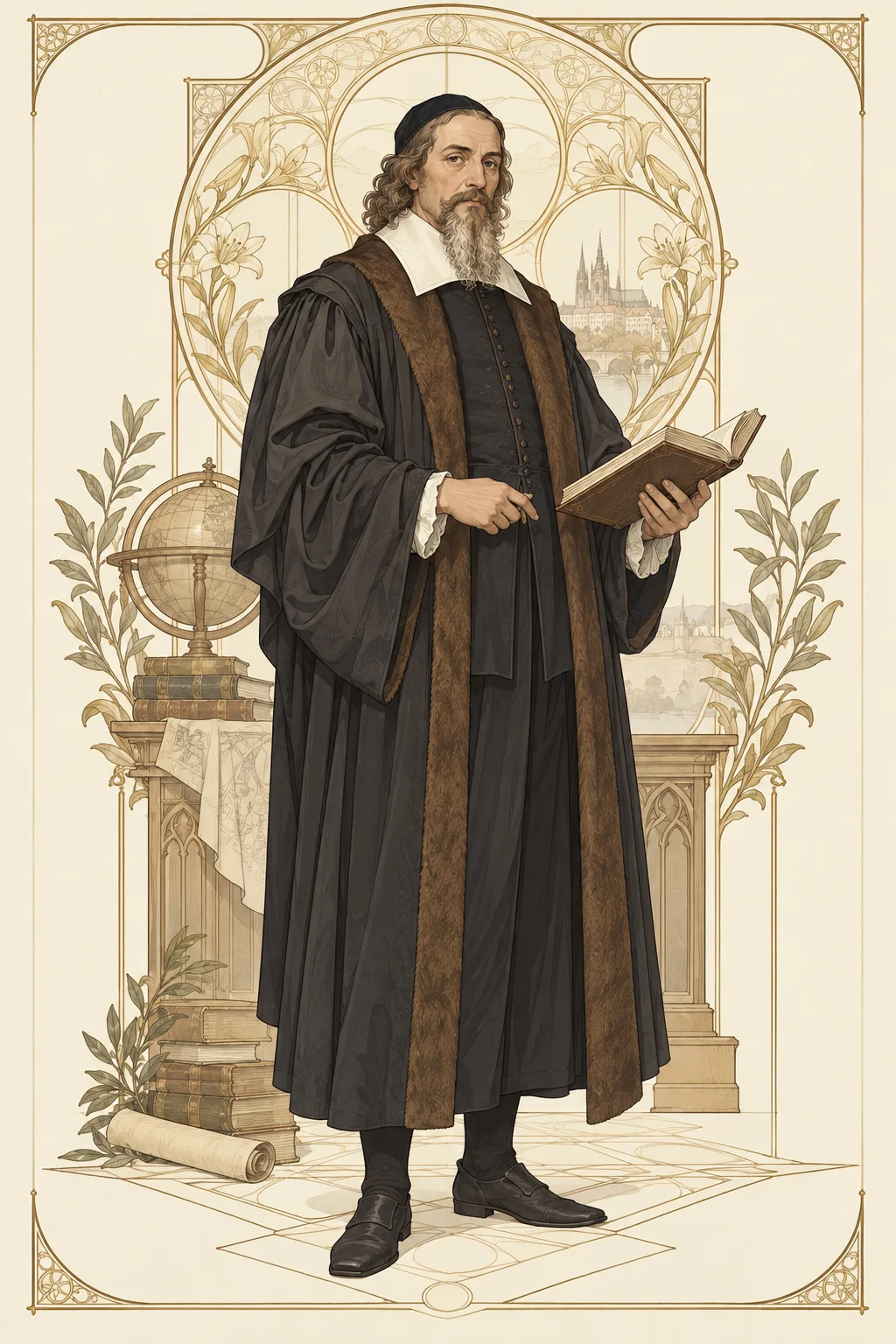 Чехия · педагогКоменский«Всё для всех» — систематизировал всеобщее образование
Определение типа — это рассуждение на основе открытой информации, а не нечто окончательное.
Карта групп
Архитектор — один из 32 типов, и в то же время он принадлежит к группам людей со схожими качествами. Сначала — четыре основные. Откройте карточку, чтобы перейти в соответствующий зал.
 Квадра (ценности)Хи-квадра (Χ)Утопия
 Букет (темперамент)Уравновешенно-стабильный темпераментВозводить надёжную основу
 Клуб (интересы)Клуб исследователейИсследователи знания
 Мотивация (стимульные группы)Группа стимула самоуваженияВ поисках внутренней ценности.
Все группы (ещё 25)
 Стиль коммуникацииХладнокровныйСпокойно обмениваться информацией
 Модель поведенияКонцептуалистУпорядочивать мир структурой
 Стиль аргументацииАрхитекторВыстраивать через доводы и согласованность
 Группа восприятияРедуктивностьРазбирать на прообразы и пересобирать понятиями
 Когнитивный стильПричинно-детерминистскийМеханистически — от причины к следствию
 Романтика (взгляд на любовь)МенторТихо ведёт со стороны
 СтрессоустойчивостьСлабыйЛомается, потеряв опору
 Группа социализацииСтроительНаходить миссию в долгосрочном строительстве
 Кольцо инфляцииСумматор информацииКопить информацию и оставлять опыт
 Проектная группаИдейный процессИнтегрировать наблюдение в теорию.
 Группа воплощенияТехническое изобретениеИзобретать и широко внедрять технологию
 Квадрат (отдых)ИдеологМыслители
 Бизнес-квадрат (сотрудничество)ОсновательСтроитель здравомыслия
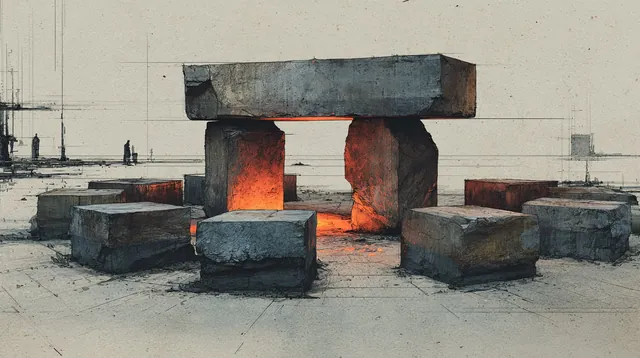 Октада (надценностная группа)КузницаСтроить структуру с нуля
 Реактор (группа возбуждения)РезервНакапливать возбуждение вовнутрь
 Мобилизация (мобилизация)ПолимеризацияДолго полимеризовать высокомолекулярную структуру
 Кондиционирование (регулирующая группа)ЭлевацияВозвышать и сублимировать эмоции
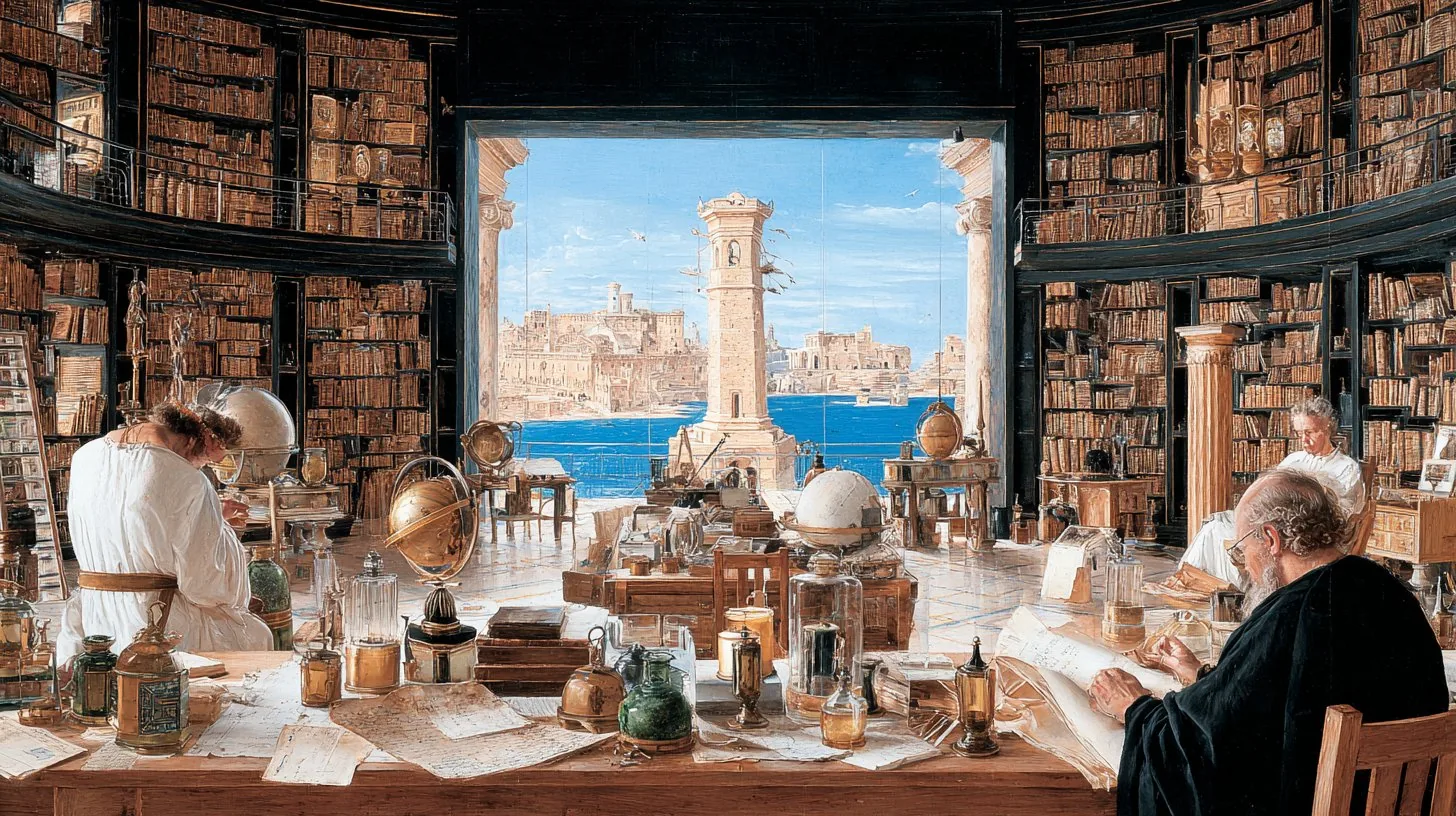 ЛабиринтАлександрияПроектирование идей и оценка их воплощения
 Блок-группа (группа гашения)ДелоСплачивать людей и придавать форму
 Кольцо социального прогресса (SPR)АвангардКольцо реформ подводного течения
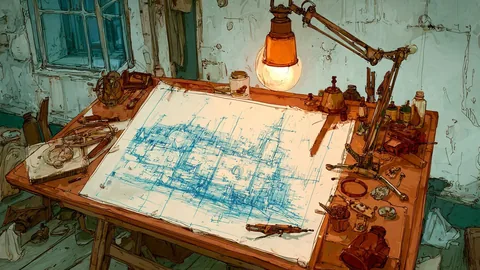 Надзорное кольцо (SVR)ЧертёжЧертёж, разбирающий порядок
 Кольцо общественного порядка (SOR)ВесталкаЖрец, хранящий священный огонь
 Кольцо преемственности (SR)КанонГлубокая преемственность власти
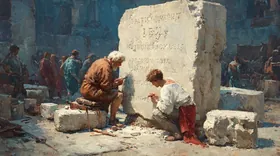 Кольцо благодеяния (BR)ОбелискВечный закон камня
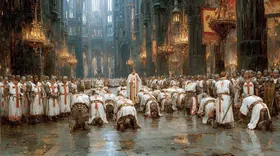 Мастер-кольцо (MR)СтражСтраж, что хранит норму
Открыть полное, любовное и деловое издания

- Чертёж психики (8 блоков)
- Шесть способов вернуть равновесие
- Гид по ситуациям (6 сценариев)
- Обоснование выбора знаменитостей

- Что нужно вашему сердцу / что вас волнует / болевые точки
- Узнаваемые сценарии любви
- Химия с каждым партнёром (32 типа)
- В семье и как родитель / практический плейбук

- Сильные стороны / работа, которой стоит избегать
- Стиль работы / управление
- Отрасли по шкале ◎○△ (23 отрасли)
- Подходящие роли
На $24.98 дешевле, чем покупать три издания по отдельности