
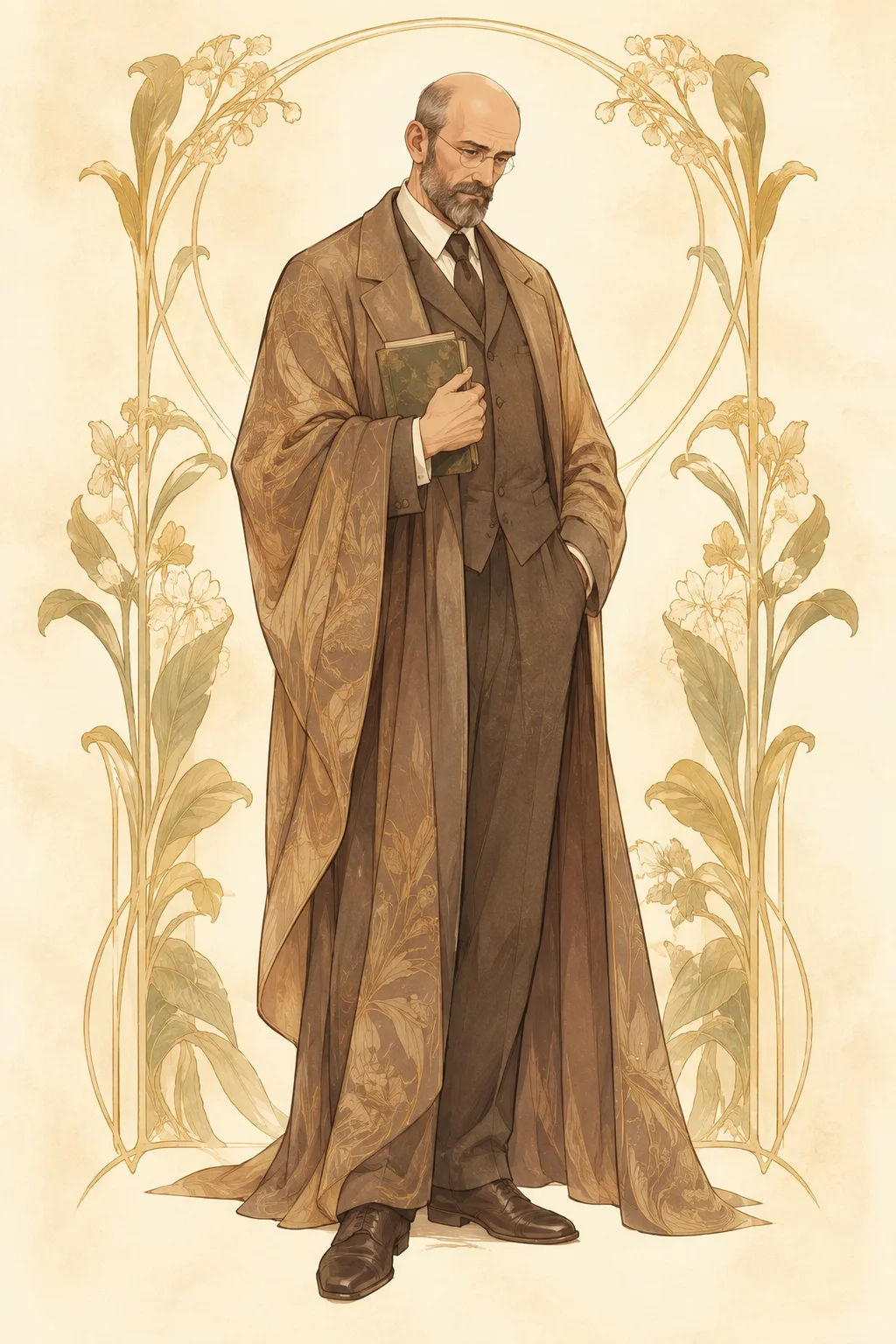
有名人一覧 EII-D "共感者" Janusz Korczak

Janusz Korczak

EII-D "共感者" Educator & Author · Poland · 20c

Polish educator and author (1878–1942). Director of a Warsaw Jewish orphanage who held the pioneering view that "children are not future citizens but citizens right now." Marched 192 orphans to the Treblinka extermination camp rather than abandon them, sharing their fate. Works: "How to Love a Child," "The Child's Right to Respect."

主導機能+Fi-p (Morality & Duty)

"Children are already human beings — not future ones" — a declaration capturing his personal moral dedication to the dignity of children. The core of +Fi-p action.

創造機能-Ne-c (Common Sense & Peace)

"How to Love a Child" — using common sense rather than violence; advocating children's rights through personal dialogue and observation. The core of the -Ne-c creative function.

脆弱機能1+Se-p weak (Achievement & Protection)

The absence of any coercive counter-means under the Warsaw Ghetto's ultimate power domination is evidence of +Se-p weak. Concentration on inner sincerity reduced outward power-seeking.

脆弱機能2-Ti-c weak (System & Transformation)

Weakness in constructing a philosophical and systematic theory of education — evidence of -Ti-c weak. The idea of children's rights functioned as moral practice rather than systematic philosophy.

クアドラ・気質・クラブ

クアドラ: Delta Quadra (Tradition) — deep trust in the dignity of the individual child. Pioneer of children's rights as concept; chose to march 192 orphans to Treblinka rather than abandon them.

気質: A reflective pace and quiet adaptation to outward turmoil — embodiment of the Balanced-Stable temperament. Inner quiet moral tension rather than outer emotional outbursts.

クラブ: Humanitarian-Artistic Club activity through literature, art, and ethics. Korczak's work functioned as the integration of artistic completeness and humanitarian mission.

世界観・変化への態度

The world is simple and inherently good (positivism). Trust in order and cooperation, dedication to a stable community as the premise of action. "Children are already human beings now" — an optimistic view of childhood. Belief that with proper care and respect, every child can grow with dignity.

変化への態度: Implementing change as a realistic plan in a gradual, step-by-step manner. The direction of change toward children's rights pursued through daily orphanage management rather than political agitation.