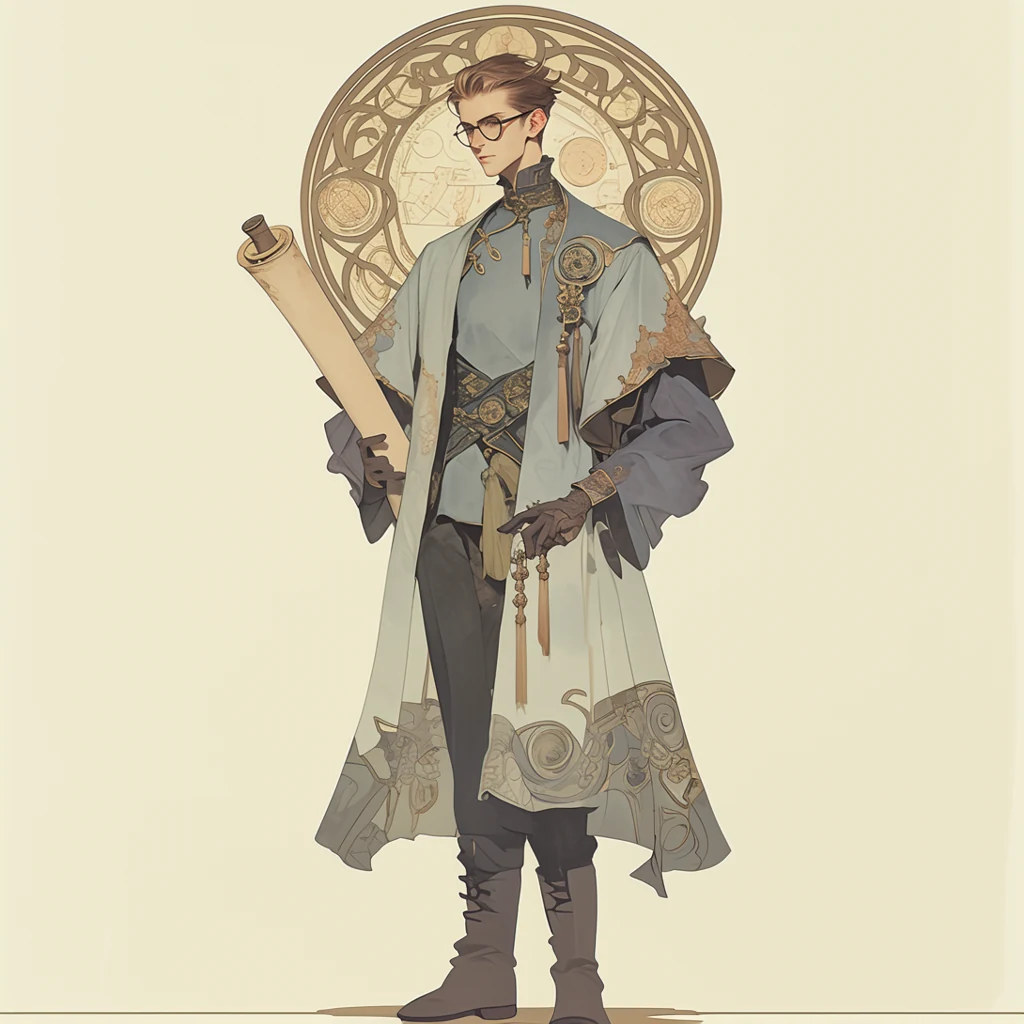
LII-Q – Аналитик –
Из тишины письменного стола заново пересобирать мир
Малое противоречие, скрытое в ходе рассуждения, вы чувствуете почти кожей.
Для вас мир по своей природе должен быть логически связным.
Вы не любите ни подчиняться кому-то, ни подчинять других.
- Квадра
- Альфа α
- Букет
- Уравновешенно-стабильный темперамент
- Клуб
- Исследователи
Портрет — Аналитик

И на совещании, и в непринуждённой беседе Аналитик тихо вслушивается. А потом в той точке, на которую никто не обратил внимания, негромко говорит: «А здесь нет противоречия с тем, что говорилось раньше?» Голос спокоен, манера сдержанна, но это замечание нередко меняет то, как видится весь спор. Малую дыру, скрытую в нити разговора, этот человек словно ощущает почти кожей.
Но его замечание не ради того, чтобы кого-то одолеть. Для Аналитика мир по своей природе должен быть логически связным. Поэтому, найдя нестыковку, он не может оставить её в покое — и в голове тут же прорастает гипотеза: «А не обстоит ли дело на самом деле вот так?» Глаз, что находит изъян, и воображение, что рисует то, что за ним. Критика и творчество слиты воедино — это труд ради того, чтобы отшлифовать истину. Причём тот же взгляд он обращает и на собственные мысли. Не торопя вывода, он выдерживает мысль хоть годами, пока не завершит проверку, и больше верит второй мысли — эта честность придаёт словам Аналитика тихий вес.
Ещё один стержень этого человека — независимость. Он не любит ни подчиняться кому-то, ни подчинять других. На приказной тон и нажим он не возражает, а тихо закрывает сердце и уходит. Он смотрит не на звания и авторитет, а на то, логично ли это. Со всеми одинаково вежлив и одинаково прям — не угодничает перед вышестоящими и не важничает перед нижестоящими; он прирождённый человек равенства.
На первый взгляд он может показаться хладнокровным человеком, чьи чувства почти не колеблются. Но это спокойствие — ещё и щит, оберегающий тонкий внутренний мир. В кругу тех, кому он открыл сердце, этот человек удивительно тёплый: он смешит людей остроумными шутками и показывает свою солнечную сторону. А в глубине души он втайне и глубоко жаждет, чтобы его увлекло горячее волнение и чтобы о нём тонко позаботились. На дне тишины за письменным столом живёт мягкое сердце, которое ждёт, когда его согреют, — вот кто такой Аналитик.
Не эмоции, а то, логично ли это.
Знакомо?
- В той точке, которую никто не заметил, вы тихо говорите: «А здесь нет противоречия?»
- Вы не торопитесь с выводом и больше доверяете второй мысли.
- Если что-то непонятно, вы обращаетесь к книгам и материалам раньше, чем к людям.
- На приказной тон и нажим вы тихо закрываете сердце и уходите.
- Одеваетесь вы сдержанно — главную роль всегда играют мысли в голове.
- Хвалить хорошую работу вам трудно — взгляд сам собой обращается к недостаткам.
- Когда долго говорят о неинтересном, вы незаметно исчезаете.
- С теми, кому открыли сердце, вы смешите людей остроумными шутками.
- Когда ваши мысли не принимают всерьёз, вы тихо и надолго погружаетесь в себя.
- Увлечённые размышлениями, вы откладываете собственную еду и отдых на потом.

Поведение

В поведении Аналитика проявляются размеренное спокойствие и воля сохранять собственный ритм.
Движения спокойны, жестов немного, вида спешки нет. И при этом он не запаздывает — к нужным людям поспевает, что должно быть сделано — сделано. В глубоко рациональном собственном темпе, что хочется назвать «не спеша спешить», этот человек ведёт свои дни. Время для него — драгоценный ресурс для размышления и поиска. Он дорожит своим временем и так же уважает чужое. К назначенному часу он является точно — или не является вовсе с самого начала. Полумер у него нет.
Одежда сдержанная, спокойных нейтральных тонов. К тому, чтобы привлекать взгляд внешностью, интереса мало — главную роль всегда играет мысль, что идёт у него в голове. И образ жизни тот же: домашние дела он расторопно улаживает лишь в той мере, чтобы не мешать мышлению, а высвобожденное время вливает в чтение, размышление, самообразование в интересной области. В свободную пору он молча осваивает язык или новое знание — такой облик этому человеку очень к лицу.
И в поведении под давлением стержень этого человека проступает всего яснее. Когда на него повысили голос и пытаются подчинить силой, Аналитик не вступает в перепалку — он лишь тихо выключает питание сердца и уводит себя с этого места. И перед начальством он не робеет, но и не бросает вызов, а невозмутимо хранит достоинство. Чем покориться грубой силе, он выбирает невыгоду. На дне мягкости повадки проходит одна несгибаемая нить.
Не спешка, а верность своему ритму.
- Движения спокойные, и всё равно вы всё успеваете
- Если что-то непонятно, вы обращаетесь к книгам и материалам раньше, чем к людям
- Перед давлением вы тихо выключаете питание в душе
Наблюдаемое поведение

Встретив непонятное, этот человек прежде спрашивает не людей, а обращается к книгам, статьям и таблицам. Он доверяет не чьему-то утверждению, а логической нити, которую может проверить сам. С тихим столом и одной книгой он способен счастливо провести долгое время — порой диалог с книгой ощущается приятнее шумного собрания.
Выносить вывод этот человек не торопится. Вместо того чтобы тут же произнести пришедшую мысль, он на время выдерживает её, проверяет под другим углом, удостоверяется, что нет дыр, и лишь потом подаёт. Что второй ответ вернее первого, этот человек знает по опыту. Поэтому и объявление, и решение осмотрительны, и он порой продолжает держать при себе «ещё не проверено до конца» — зато однажды вынесенный вывод так просто не колеблется.
Несправедливому обращению он противится тихо, но упорно. Когда он чувствует, что с ним или с товарищами обошлись безрассудно, этот человек вместо того, чтобы повышать голос, выстраивает логическую нить и возражает. Отставив собственную выгоду, он встаёт на сторону того, с кем обошлись несправедливо — но оружие его сугубо слова и логика. Со сцен, где спорят силой рук или громкостью голоса, он без колебаний сходит.
Хвалить хорошую работу он почти не хвалит — ведь то, что сделано как надо, само собой разумеется, и глаз естественно обращается к оставшимся недостаткам и нерешённым проблемам. Чем ближе человек, тем меньше церемоний в этой прямоте. Это не холодность, а его собственная искренность, но нередко так не передаётся.
Если бы вы могли находиться там, где вам доверяют и дают свободу решений, ваша сосредоточенность горела бы тихо и долго.
Как вы говорите и слушаете

Диалог Аналитика тих, точен и полон вопросов.
Речь спокойная и краткая, с малым числом прикрас, слова отобраны. В споре он больше утверждает, чем ставит вопрос — «а почему это так?», «а как в этом случае?». Он бережно прослеживает нить чужого утверждения и, дойдя до несходящегося места, тихо, но отчётливо указывает. Это не нападение. Просто несцепляющуюся логику он никак не может пропустить.
Стоит теме обрести интеллектуальную отдачу, и этот человек заметно оживает. Идеи бьют одна за другой, и, искусно пользуясь сравнением и метафорой, он кратко бьёт в суть сложного дела. Наоборот, когда тянется неинтересная тема или пустые любезности, он плавно стирает своё присутствие из разговора — время он хочет тратить на осмысленное. Со всеми без исключения он вежлив и учтив, но о личной жизни почти не говорит, и внутреннюю сторону сердца открывает лишь очень немногим.
А в кругу тех, кому можно доверять, проступает совсем иное лицо. Сдержанная бесстрастность распускается, и наружу выходят тёплая улыбка и утончённые, полные остроумия шутки. Близкие знают — тишина этого человека не холодность, а щит тонкой чувствительности.
Не утверждение, а вопрос: «А почему так?»
Сердцевина — что движет и где уязвимо
Не придирки, а приближение к истине.
Единственный в сердце сильный мотор

В центре Аналитика — глаз, находящий изъяны, и воображение, рисующее то, что за ними.
В сердцевине Аналитика — один сильный движитель. Сила почти рефлекторно чуять малое противоречие, скрытое в нити дела. Крохотный скачок в чужом объяснении, разнобой, вкравшийся с краю данных, нестыковка между статьями закона — в тот миг, когда он коснётся такой «дыры», мысль этого человека тихо запускается и идёт определять место, где выпало причинно-следственное звено. В корне лежит глубокая убеждённость: мир должен быть логически связным.
И у этого движителя есть парная ему вторая работа. Воображение, что за найденным изъяном воздвигает гипотезу «а не так ли на самом деле?». Из ничтожнейшего диссонанса неожиданно вырастает росток большой гипотезы — проверка и творчество в этом человеке не разные вещи. Найдя противоречие, он строит гипотезу; проверив гипотезу, снова её оттачивает. Именно этот тихий челнок и есть живое ощущение того, что Аналитик жив.
Речь не только о работе. И в читаемой книге, и в жалобе друга, и в устройстве мира — заводится тот же мотор, что спрашивает «сходится ли это по существу», «как оно на самом деле». Само думанье для этого человека и есть дыхание.
То, что он умеет, но чему не придаёт значения

Как ни удивительно, у Аналитика на деле немало и практической хватки, чтобы эффективно проворачивать дела, и чутья, что предугадывает грядущую опасность. Он быстро находит наименее расточительный способ, аккуратно накапливает порядок действий и записи и из ничтожного признака читает точку перелома «так дальше рано или поздно упрёмся в тупик» — а если попросят, щедро делится этим оптимальным решением с людьми.
Только сам он здесь флага не водружает. Ни гордиться эффективностью и результатом, ни угадать кризис напоказ его не влечёт. Они лишь тихо работают как закулисная сила, что подпирает его исконное дело — удостоверять истину. Хоть и умеет, он тихо откладывает в сторону «это не моя вывеска» — эта скромность и есть один из ключей к пониманию очертаний Аналитика.
То, чего втайне жаждет сердце
Втайне он жаждет волнения, что согревает сердце, и тепла того, кто заботливо ухаживает.
То, что Аналитик, одарённый разумом, сам породить с трудом, а между тем глубже всех жаждет — это подъём волнения, что разогревает грудь, и тепло, что тонко о нём заботится. Хоть выстраивать мысль он мастер, когда доходит до того, чтобы осветлить и раззадорить место и зажечь в людях огонь чувства, он вдруг теряется. И собственную еду, отдых, уют вокруг, отвлёкшись на размышление, он невольно откладывает на потом.
Это проявляется как «потребность в принадлежности, безопасная привязанность, утоление глубокой жажды». Тот, кто безрассудным жаром втягивает сердце и как само собой разумеющееся заботится — именно рядом с двойником-Энтузиастом (ESE-D), что владеет этой силой лучше всего, хладнокровный щит Аналитика медленно распускается. Тот, кто любит, заботясь, и заботится, любя — именно в такого этот человек в глубине души верит и такого ждёт.
Самое хрупкое место.
Наиболее уязвим Аналитик в столкновениях силы и в играх, где нужно читать скрытые намерения людей.
Самое хрупкое — сцена, где воля сталкивается с волей в лоб. Тот, кто напирает громкостью голоса, атмосфера, что показом силы пытается подчинить — такое давление Аналитик прямо принять не может. Не противясь и не отбивая, но и не пропуская гибко, он выключает питание сердца. Перед несправедливой силой он, уступив выигрыш, сходит с места — вот его предельная самозащита.
Другая хрупкость — игра читать чужое нутро и воздействовать на мотив. Кто на что метит, как сказать, чтобы тот человек двинулся — читать такое сплетение этому человеку не даётся от природы. Поэтому в водовороте игры он легко ошибается в суждении, и его, простодушного, даже используют. Это не порок, который стоит корить, а место, что оберегается, если держать рядом того, кто возьмёт на себя столкновение сил и тонкости человеческого сердца.
И ещё одно. Этот с виду хладнокровный человек ранится неожиданно глубоко, когда его мысли принижают. Возражение он приветствует — ведь связная критика скорее помогает приблизиться к истине. Но когда его отвергают, даже не рассмотрев содержания, он тихо и надолго погружается. Настолько всерьёз этот человек посвятил своё сердце размышлению.

- Стержень: глаз, что находит изъян, и воображение, что рисует то, что за ним
- Движущая сила: интерес — «это интересно», «хочу проверить»
- Уязвимое место: столкновения силы и игры, где нужно читать тайные намерения
Сильные стороны и где вы спотыкаетесь
Тот, кто дарит волнение, от которого горячо на сердце, и тонкую заботу.
Сильные стороны — находить прорехи и оттачивать гипотезой

Сила Аналитика в том, что точность и воображение связаны в одно. Нить речи, ряд данных, устройство института — где бы это ни было, глаз проверки, что не упустит ни одной несходящейся точки. И воображение гипотезы, что за этим изъяном воздвигает новую догадку «а не так ли на самом деле?». Этим челноком этот человек удивительно кратким словом бьёт в суть сложного дела. Интеллектуальная добросовестность тоже его незримое достояние — он обращает глаз проверки и на собственные выводы и, встретив более верную мысль, не боится своей рукой пересобрать возведённое.
На дне этой тишины пролегает твёрдый стержень. Независимость, что не заискивает ни перед авторитетом, ни перед большинством и смотрит лишь на то, логично ли. Чувство справедливости, что, отложив свою выгоду, встаёт на сторону несправедливо обиженного. Спокойное предвидение, что перед давлением не теряется, рано чует опасное течение и тихо предупреждает. Без блеска, но, когда окружающие сбились с пути, последним, к чьей оценке обращаются, оказывается этот человек — такое тихое доверие Аналитик копит, не жалея времени.
Где легко споткнуться

Легче всего он спотыкается на оборотной стороне остроты проверки и осторожности.
Натура, чей взгляд обращён к изъяну и нерешённой проблеме, если оставить её без присмотра, воспринимается как придирчивость. То, что сделано как следует, он проходит мимо как само собой разумеющееся, и слов похвалы становится крайне мало — его собственная искренность для близких порой кажется холодностью. И осмотрительность, что множит проверку, зайдя слишком далеко, становится путами. «Ещё не проверено до конца», — он всё держит вывод под спудом и упускает срок для объявления и решения. И к выводу, к которому однажды пришёл с убеждённостью, он выказывает неожиданное упрямство, не уступая.
Тихий уход из-под давления — это и мудрость, что оберегает этого человека, и то, что порой обрывает росток диалога. За стулом, откуда он ушёл, выключив питание сердца, порой остаётся одно недоразумение. Неумелость в игре читать чужое нутро оборачивается опасностью того, что его, простодушного, используют. Привычка откладывать собственный уют и отдых незаметно изнашивает тело и душу. И рана от того, что его мысль сочли пустяком, глубока и долга — внутри хладнокровного вида этот человек порой тайно и долго пребывает на дне.
Рядом с тем, кто вовлекает ваше сердце жаром, не требующим доводов, щит хладнокровия медленно распускается. Именно здесь скрыт ваш потенциал роста.
- Прежде чем делать вывод, проведите черту «до этого места — и выпускаю»
- Уходя, оставьте одну фразу: «Давайте поговорим, когда всё успокоится»
- Когда вам предлагают расположение, примите его словом «спасибо», пусть и неловко
Где вы раскрываетесь
Когда можно подумать «это интересно», «хочу проверить», сосредоточенность горит долго.
Среда, где вы раскрываетесь
Ярче всего Аналитик сияет в среде, где оберегаются тишина и самостоятельность и где само мышление становится ценностью. Место без мелочного управления, без формальных команд и принуждения. Время, чтобы глубоко нырять в интересную тему в собственном ритме. Этого человека движет не страх и не долг, а интерес — когда он ощутил «интересно», «хочу проверить», его сосредоточенность горит тихо и долго. Наоборот, в среде, где столкновение воль повседневно, где решает игра на чувствах, в культуре, что заставляет громко состязаться результатом, он изнашивается прежде, чем выложит силу.
То, что нужно этому человеку, — это прежде всего «доверие и усмотрение». Не когда указывают до мелочей, а когда доверяют — вот что для Аналитика и есть признание. И товарищ или напарник с теплотой, что согреет атмосферу места и возьмёт на себя тонкости быта. Будь у него такая опора, этот человек спокойно посвятит себя своей стихии — проверке и размышлению.
Как тот, кто пересобирает мир
Глаз, что находит изъян, воображение, что строит гипотезу, и непоколебимая независимость оживают на участке, где спрашивают об истинности и качестве. Исследование и анализ, построение теории, работа распутывать суть сложного дела. Роль проверки и оценки, что выявляет противоречия в проекте и плане. Писательство и толкование, что собирает понятия и кратко переиначивает непонятное. И положение эксперта или советника, где требуется справедливость — везде сила этого человека распознать, «проходит ли это как нить», напрямую становится ценностью.
С другой стороны, распорядительство, что движет людьми командой, переговоры, где нужно прощупывать чужое нутро, роль разогревать место температурой чувств, ему не подходят. На таком участке, прежде чем оживёт его сильная проверка, его подтачивают неумелое мерянье силой и игра. Форма, при которой он вверяет энергию места и тонкости человеческих сердец тёплому напарнику, а сам сосредоточен на том, чтобы проверять, прикидывать и оттачивать, оживляет этого человека всего сильнее.
Диалог — спросить Clemens

Один бесплатный диалог · участники Le Salon — несколько точек зрения. Не реальный человек: обобщённая точка зрения на основе открытого описания.
Отношения и любовь
Можете ли вы медленно раскрываться внутри проверенного доверия.
Любовь — медленно раскрывается внутри проверенного доверия
Любовь Аналитика растёт, тихо проверяя себя, а раскрывшись — становится глубокой и верной.
Любовь Аналитика начинается медленно. Дистанция до того, как он откроет сердце, длинна. Сходятся ли нрав и ценности другого с его собственными, он не спеша, тихо проверяет и, пока не обретёт убеждённости, не переступает внутрь вежливой дистанции. Но, стоит доверию завязаться, этот человек становится удивительно искренним, непоколебимым спутником. Пусть ярких слов и постановки мало, но обещание держится, время другого уважается, и само его присутствие становится тихим выражением любви — в разделяемом тепле сдержанное лицо распускается, и проступают остроумие и мягкая улыбка.
ЖенщинаТихий человек с крепким стержнем. Он не ведёт игр ради внимания и не испытывает партнёра перепадами чувств, а растит отношения искренностью и умом. Любовь являет не столько словами, сколько неизменной позицией и тонкой внимательностью. Рядом с тем, кто щедро на чувства согревает, кто заботится о его быте, тонкий внутренний мир этого человека спокойно раскрывается.
МужчинаСкромный, учтивый и надёжный человек. Улавливать чувства и вести любовную игру ему не даётся, и первые шаги в любви могут быть неуклюжими. Но насколько он неуклюж, настолько же надёжны его высказанные обещания и накапливаемая искренность. Рядом со светлым, тёплым человеком, что естественно создаёт течение чувств, он понемногу глубоко успокаивается.
Как вы любите — любовь, которая понимает
Your love begins from trying to understand the other person through a line of reasoning. You observe this person’s way of thinking, their values, the consistency of their words without rushing, and carefully build them up in your mind. And only when you can be sure that “this person can be trusted” do you first open the door of your heart. If they say something contradictory, for instance, you don’t blame them; you keep asking, wanting to know the real feeling behind it. The very act of trying to understand is, for you, an act of love. That sincere inquiry, for all the time it takes, holds a depth that will never betray.
Совместимость — рекомендуемые партнёры
 Энтузиаст
 ESE-DВесёлое пламя, зажигающее мир чувствомДуалНасыщение потребности в принадлежности, безопасной привязанности, чувства сытости и глубокой жажды — тот, кто безрассудным жаром вовлекает сердце, как должное хлопочет о заботе и распускает щит хладнокровия, самый восполняющий партнёр. Герой
Герой EIE-DМир меняет именно это чувствоПринадлежностьНостальгия, чувство принадлежности, взаимозависимость — партнёр, который большим рассказом и жаром даёт ощутить ностальгическую, надёжную связь. Руководитель
 LSE-DНаладить, привести в движение и довести до концаРезонансСопереживание, благодарность, чувство доверия, потребность в безопасности — партнёр, менее прямой, чем дуал, но рядом с которым глубоко успокаиваешься благодаря основательной заботе и распорядку. Миротворец
 SEI-DМост между ощущением и заботойАктивацияАктивация, воодушевление, побуждение, любопытство — партнёр, рядом с которым уже одним его присутствием спадает напряжение с плеч и само собой поднимается «хочется подумать». Ремесленник
 SLI-DМастер, что устраивает мир своими ладонямиБлагодетельРади этого человека он движется естественно — отношения, где как благодетель он одалживает мудрость, а в ответ получает надёжную ручную работу и благодарность. Пророк
 IEI-DВзгляд, что видит судьбу, которую пока никто не замечаетБлагополучательНаполненность и доверие — отношения, подобные полному спокойствию, которое он получает от благодетеля, что подносит ему глубокий рассказ и предчувствие. Исследователь
 ILE-QИскатель приключений разума, разгадывающий мирЗеркальныйСовпадает дыхание замысла и проверки — партнёр, что вытягивает интуицию и проницательность друг друга, и мышление входит в поток. Советник
 IEE-QЧеловек, что мягко рядом и слушает сердцеНаставникДарует умение оценивать возможности — отношения, где он как наставник тихо передаёт мудрость читать людей и удобные случаи. Преобразователь
 SLE-QДеятель, что силой пробивает и переписывает привычноеУченикПеренимает приёмы проверки — отношения, где он как ученик получает придирчивое рассмотрение и логику этого человека.Остальные отношения (ещё 22 типов)
Верхние полосы — легче быть рядом, нижние — быстрее утомляют. Нажмите на название отношения, чтобы прочитать о паре.
 Философ
 EII-QЧеловек, что в тишине продолжает вопрошать о смысле мираДеловые отношенияПартнёр, с которым легко действовать сообща: вы подстраиваетесь под ситуацию и работаете слаженно. Инспектор
 LSI-QЛогик, что отвергает мишуру и прозревает истинуРодственные отношенияПартнёр, с которым хочется выражать себя в одном направлении, и разговор течёт легко. Но стоит скатиться в соперничество, и вы быстро устаёте друг от друга. Постановщик
 SEE-QПрирождённый Постановщик, что читает обстановку и ведёт людей к примирениюКорректирующие отношенияПартнёр, чьи замечания вы принимаете близко к сердцу, — они становятся поводом пересмотреть себя. Стратег
 ILI-DЗадумчивый Стратег, что тихо читает наперёд и расставляет ходыОтношения самотрансценденцииПартнёр, рядом с которым хочется превзойти себя, — вы поднимаете друг друга на новый уровень. Первопроходец
 LIE-DРеалистичный первопроходец, что прокладывает путь результатомДополняющие отношенияПартнёр, рядом с которым вы чувствуете себя принятым и получаете подсказку, куда двигаться дальше. Судья
Судья ESI-QТихий судья, различающий добро и злоОтношения супер-ЭгоПартнёр, который непринуждённо воплощает то, к чему вы сами стремитесь, — им легко восхититься. Но при слишком тесном сближении быстро наступает усталость. Гармонизатор
 ESE-QЕё улыбка и голос смягчают пространствоМиражные отношенияПартнёр, к которому интерес разгорается с трудом, — общение легко становится ровным и безучастным. Архитектор
 LII-DТихо возводимая архитектура логикиАдаптивные отношенияПартнёр, с которым вы находите равновесие, просто выполняя каждый свою роль, — общение выходит ровным и безопасным. Провидец
 ILE-DПроектировщик знания, что парадоксом и теорией заново изобретает мирОтношения созависимостиПартнёр, рядом с которым вы всё берёте на себя и перестараетесь с компенсацией, — усталость копится медленно, но верно. Исполнитель
 SEI-QМягкий вестник, что придаёт форму ощущению и чувствуРасслабляющие отношенияПартнёр, рядом с которым напряжение спадает и становится спокойно, но легко войти в роль ожидающего чего-то от него. Вдохновляющий лидер
 EIE-QЗнаменосец страсти, что говорит об идеале и сплачивает сердцаОтношения недоверияПартнёр, которому трудно довериться до конца, — рядом с ним сложно раскрыть свои силы в полную мощь. Блюститель
 LSI-DСтальной практик, что дисциплиной и ответственностью выполняет задачуОтношения долгаПартнёр, рядом с которым вы всё понимаете, но действовать почему-то трудно, а желание получить признание только растёт. Завоеватель
 SLE-DНадёжный командный центр, что горит тем ярче, чем труднееОтношения подревизногоПартнёр, рядом с которым не покидает чувство, что за вами наблюдают, — это легко приводит к выгоранию. Мечтатель
 IEI-QРассказчик грёз, что мечтой и страстью расцвечивает мирНапряжённый получательПартнёр, рядом с которым прибавляется тревог и лишних раздумий, и сердце легко закрывается. Администратор
 LSE-QШтаб дела, что крутит процесс и двигает людей и работуОтношения скукиПартнёр, рядом с которым наваливается вялость, а дела и сближение хочется отложить на потом. Эмпат
Эмпат EII-DУлавливать глубину чувств и становиться кому-то опоройФормальные отношенияПартнёр, с которым в отношениях прибавляется формальностей и условностей, и расслабиться не так просто. Промоутер
 IEE-DПроповедник идей, что двигает мир увлекательностьюОтношения ревизораОтношения, в которых вы, сами того не замечая, легко вызываете у партнёра тревогу. Художник
 SLI-QВыражать «в самый раз» природы и бытаНапряжённое благодеяниеПартнёр, рядом с которым вы невольно стараетесь через силу, а напряжение не отпускает. Командир
 LIE-QСтроить, готовиться, держать логику — штаб порядкаОтношения погашенияПартнёр, от которого невольно хочется отдалиться и замкнуться в себе. Хранитель
 ESI-DТихий щит, что за спиной с правотой отстаивает людейРолевые отношенияПартнёр, рядом с которым на первый план выходит «так положено», и оставаться собой становится трудно. Политик
 SEE-DПрирождённый лидер, что читает сердца и связывает потокиКонфликтные отношенияПартнёр, который легко задевает самое уязвимое место, — рядом с ним вы истощаетесь сильнее всего. Критик
 ILI-QПроницательный Критик, что в глубине тишины видит противоречиеКвази-тождественные отношенияПартнёр, похожий на вас, но не совпадающий по сути, — усилия буксуют, и усталость приходит быстро.Совместимость определяется не только типом: зрелость, подтип и обстоятельства меняют её.
С человеком, с которым вы связаны, можно прочитать личный разбор отношений по ответам вас обоих ($8.99 за пару, для участников Le Salon — без ограничений).
Совместимость с вашими связями →Узнать о Le Salon →
Что вы на самом деле ищете в глубине сердца
На самом деле вам нужен светлый и тёплый человек, который естественно задаёт течение чувств. Выстраивая мир логикой, вы никак не можете ловко выносить свои чувства наружу — именно поэтому…
В любовной версии: что нужно вашему сердцу / точки, от которых замирает сердце / недопонимания и болевые точки / узнаваемые сценарии любви / химия с каждым из 32 типов / в семье и как родитель / практический плейбук / секреты долгих отношений / инструкция для вашего партнёра
Работа и стиль работы

Ваш стиль работы — тип «Построение систем»
Вы естественно сильны в двух вещах. Первая — последовательно и аккуратно упорядочивать и анализировать. Вторая — придумывать одну новую идею и возможность за другой.
Ваш интерес направлен на то, чтобы обсуждать идеи и теории. В обычной жизни вы спокойны и невозмутимы и держите ровный темп. Опорой для мотивации служит признание.
С людьми вы сдержанны в эмоциях и держите дистанцию, соблюдая правила и порядок. Ваш образ мыслей — схватывать общую картину, накладывая друг на друга разные точки зрения.
Проверяющий взгляд, что видит противоречия, и воображение, что выдвигает гипотезы.
- Прежде чем указать на ошибку, назовите словами одну вещь, которая работает
- Не выдерживайте вывод слишком долго — проведите черту «до этого места — и выпускаю»
- О мотивах людей не гадайте, а спрашивайте: «Чего вы хотите?»

Примеры подходящей работы
Здесь напрямую работают проверяющий взгляд, что видит противоречия, и воображение, что выдвигает гипотезы.
Здесь раскрываются ваша способность видеть, логично ли что-то, и приверженность справедливости.
Здесь пригодится ваша способность выстраивать понятия и распутывать суть сложных вещей.
Ваши сильные стороны и работа, которой лучше избегать
Ваши две опоры — «сила проверять логическую согласованность (структура и истина)» и «сила щедро порождать гипотезы и идеи (гипотеза и воображение)». Это сочетание — редкий тип, который может выдвигать новые предложения и сам же выявлять в них изъяны, «в одиночку переходя от расширения к сужению», поэтому…
В бизнес-версии: сильные стороны и работа, которой стоит избегать / устойчивость к стрессу и группа социализации / стиль работы / мотивация и восстановление сил / как выстраивать общение и управление с этим человеком / совместимость и подбор команды / отрасли по шкале ◎○△ (23 отрасли) с обоснованием / подходящие роли
Чертёж психики
Ваша психика работает через восемь блоков. В каждом блоке есть две функции — «как вы воспринимаете мир» и «как вы это выражаете», — и для каждого блока определены и широта возможностей, и то, дорожите вы им или нет. Специальные символы мы добавим лишь мелким шрифтом, а объясним всё обычными словами.
Видеть противоречия, выдвигать гипотезы и шлифовать их.
Ведущий Ваш центрI Verify
-Ti-pСтруктура и истинаСтруктурная логика+Ne-cГипотеза и воображениеИнтуиция возможностейВ вашем центре — сила мгновенно улавливать противоречие, скрытое в логике вещей, по самому малому ощущению неувязки.
В тот миг, когда вы сталкиваетесь со скачком в рассуждении или с разнобоем в данных, мысль тихо запускается и находит место, где выпадает причинная связь.
Вместе с этим всегда работает воображение, которое за найденным изъяном выдвигает гипотезу: «Если так, то, может быть, на самом деле всё вот как?»
Обучение — Наблюдать и перенимать
На входе — способность, при которой, стоит соприкоснуться с интеллекту…
В полном издании: все 8 блоков чертежа / 6 способов восстановиться / ситуации / обоснование примеров
Глубже — как восстановиться и ситуации
На обратной стороне того же стержня вы легко спотыкаетесь именно в таких ситуациях. Дальше — шесть способов вернуть равновесие.
Если оставить без внимания вашу склонность замечать недостатки и нерешённые проблемы, её начинают воспринимать как придирчивость.
Думая «проверено ещё недостаточно», вы всё откладываете вывод и порой упускаете момент для публикации или решения.
Читать тайные намерения людей вам совсем не даётся, и вас порой используют, пока вы действуете из лучших побуждений.
Партнёр, дарящий жар без доводов, распускает ваш щит.
Способ вернуть равновесие 1 — сами назначьте срок проверки
Ваша осторожность — сильная сторона, но у «проверено ещё недостаточно» нет конца. Чем дольше вы ждёте безупречной проверки, тем дальше уходит момент, когда ваш взгляд может выйти в мир. Черту «проверю до сих пор — и выпускаю» заранее проведите сами…
В полном издании: 6 способов восстановиться / ситуации (дом, работа, друзья, стресс, покупки, выходные)
Люди, которых относят к этому типу
Разные эпохи и сферы деятельности, но всех этих людей объединяет одно: они служили не авторитету, а логике и оставили после себя непоколебимую работу.
 Сербия → США · изобретательНикола ТеслаСистематизировал передачу переменного тока и тихо заложил основу современной электроэнергетики
 Австрия · ФилософВитгенштейнПроверил пределы языка и собственной рукой дважды переписал философию
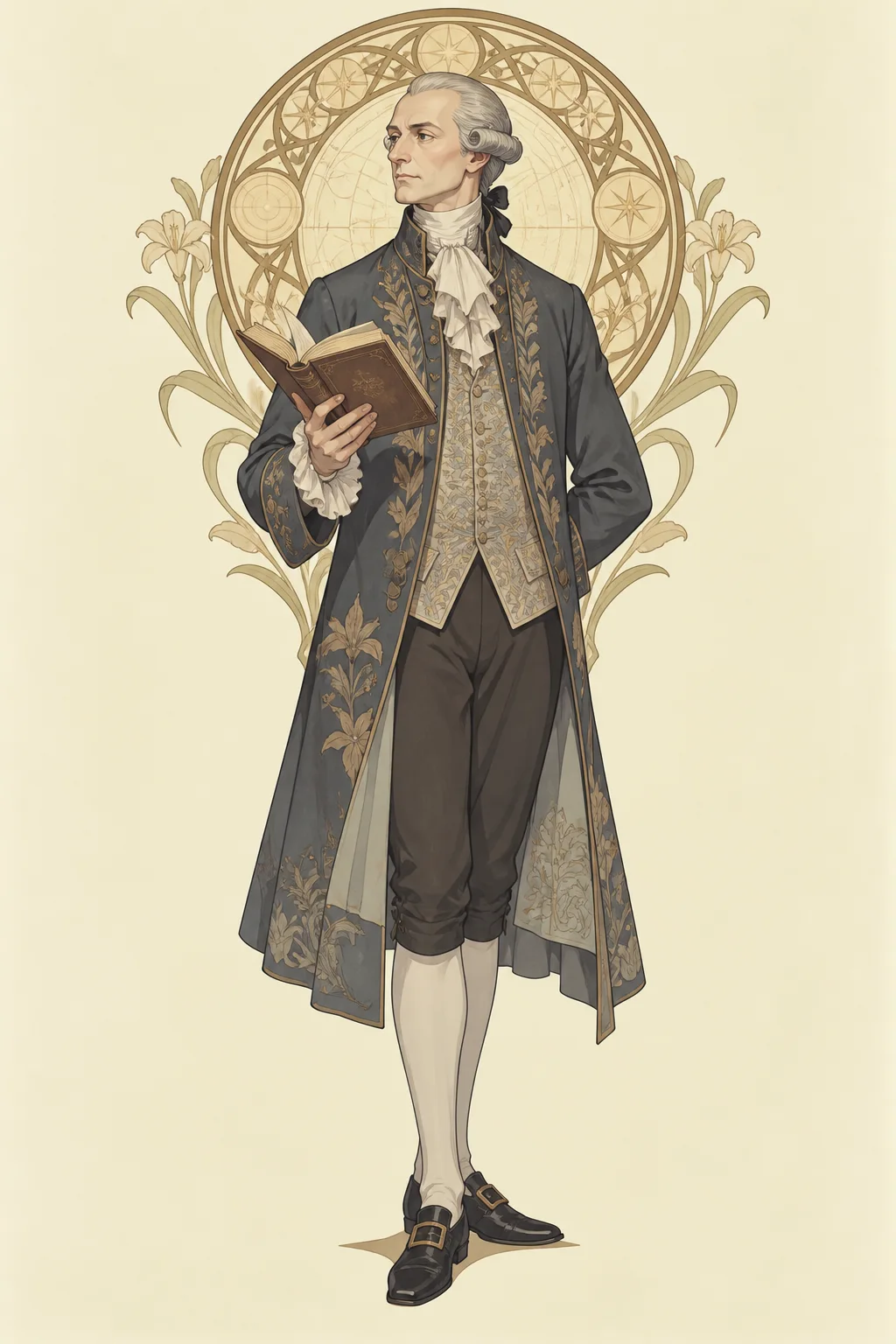 Германия · ФилософИммануил КантДопросил сам разум и тремя «Критиками» заложил краеугольный камень новой философии
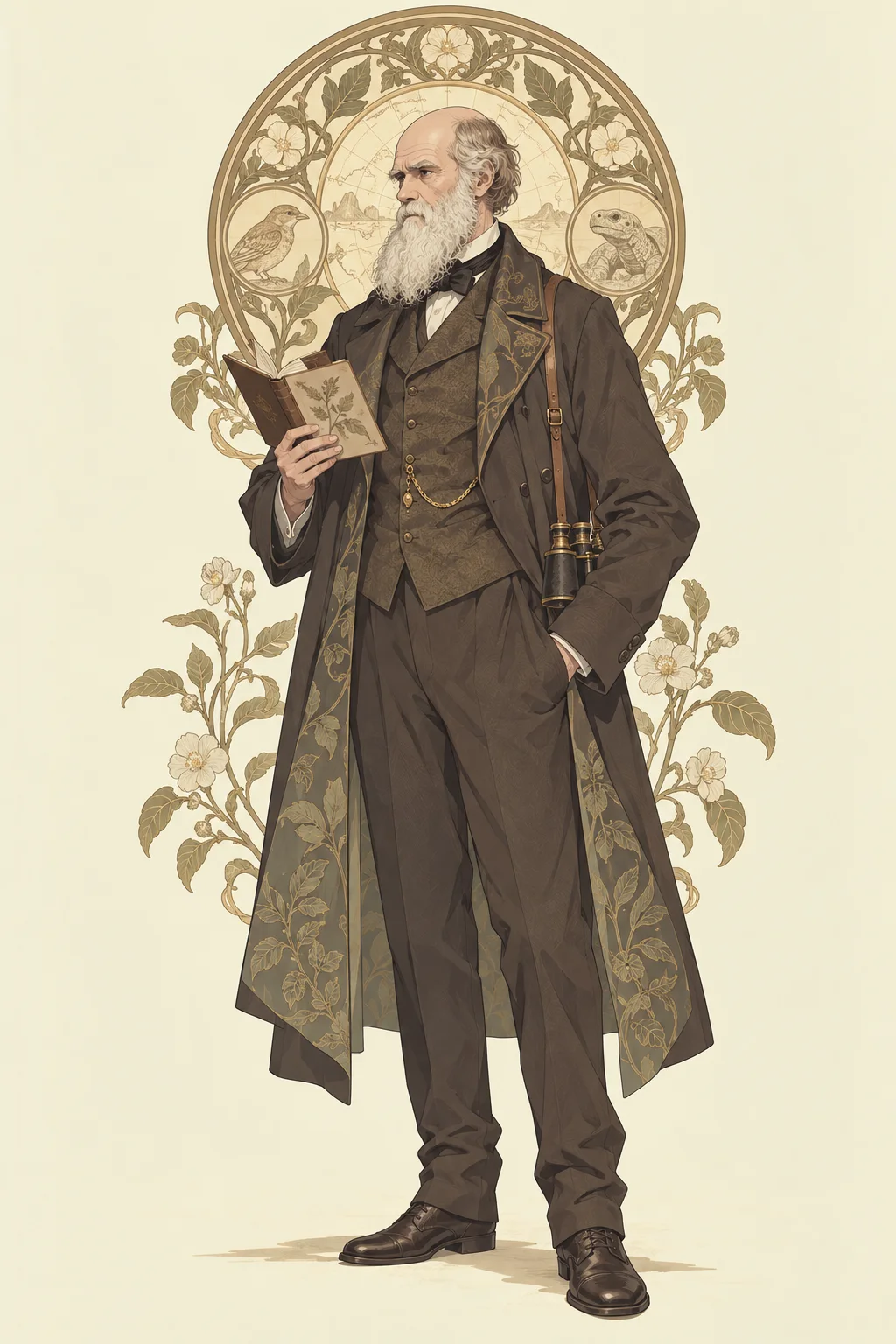 Англия · естествоиспытательЧарльз ДарвинДвадцать лет накапливал проверку и тихо преподнёс миру теорию эволюции
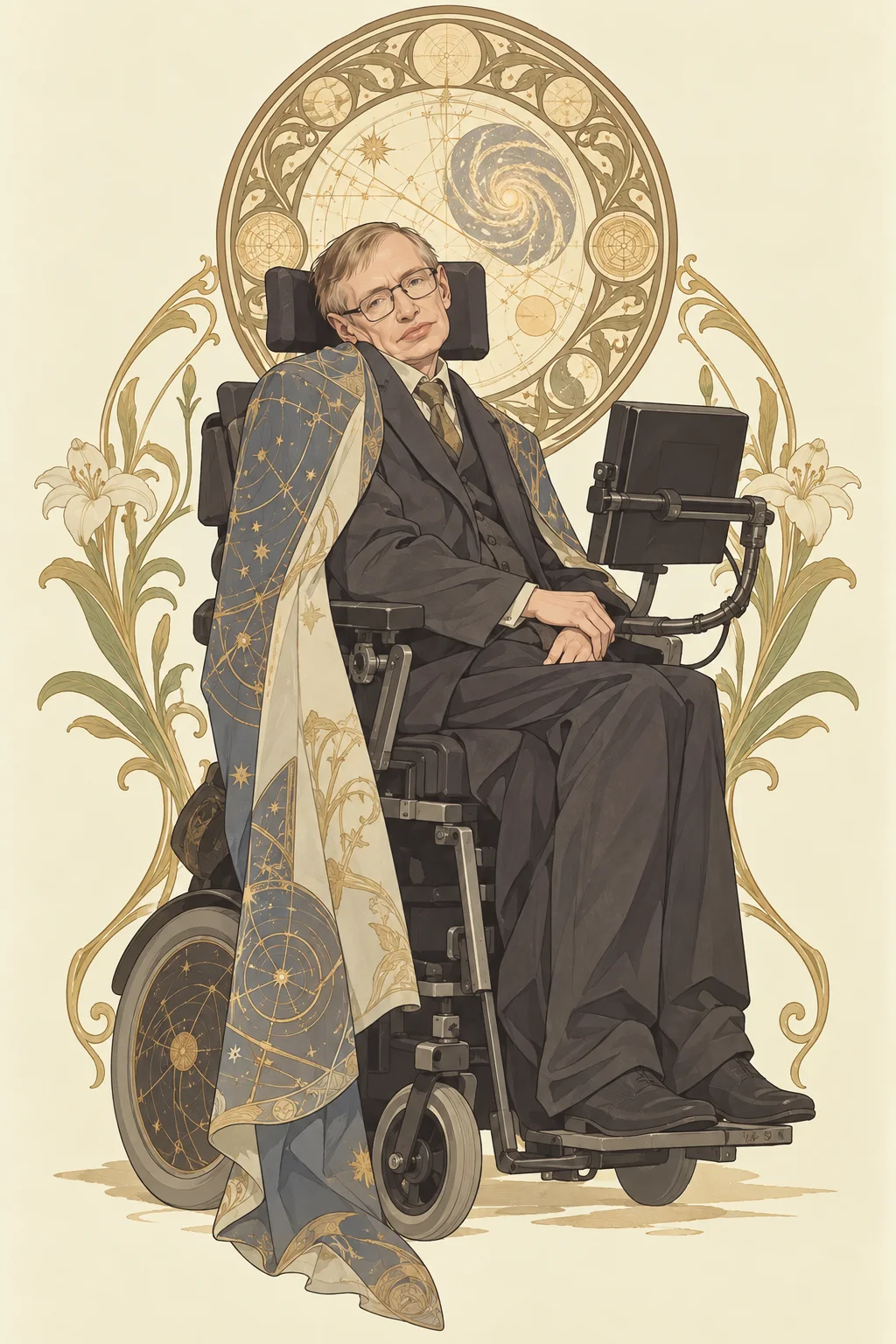 Англия · физикСтивен ХокингРазгадав противоречия вселенной, из инвалидной коляски он рассказывал о звёздах всем.
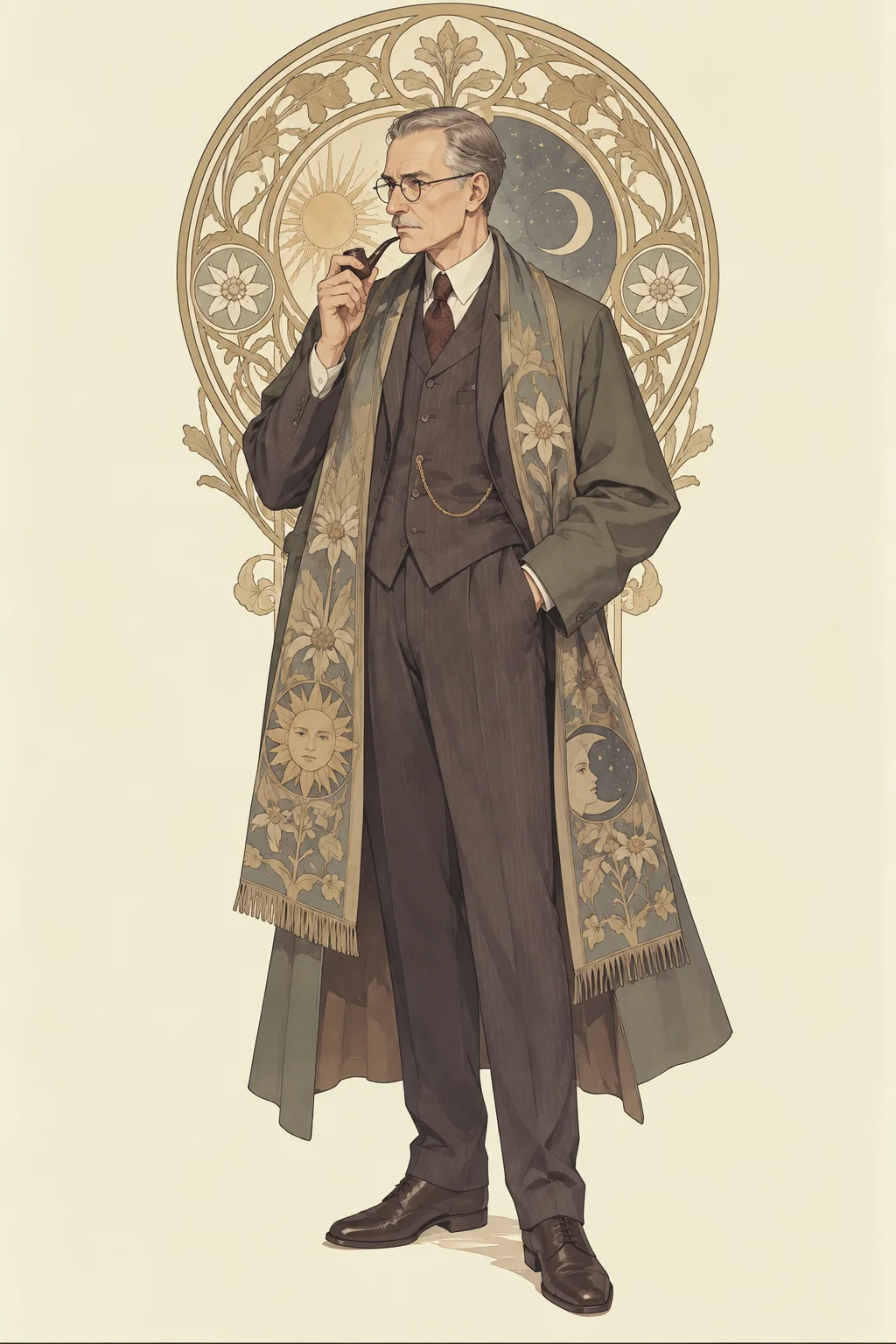 Швейцария · психологКарл ЮнгОн типологизировал глубины души и начертил карту бессознательного
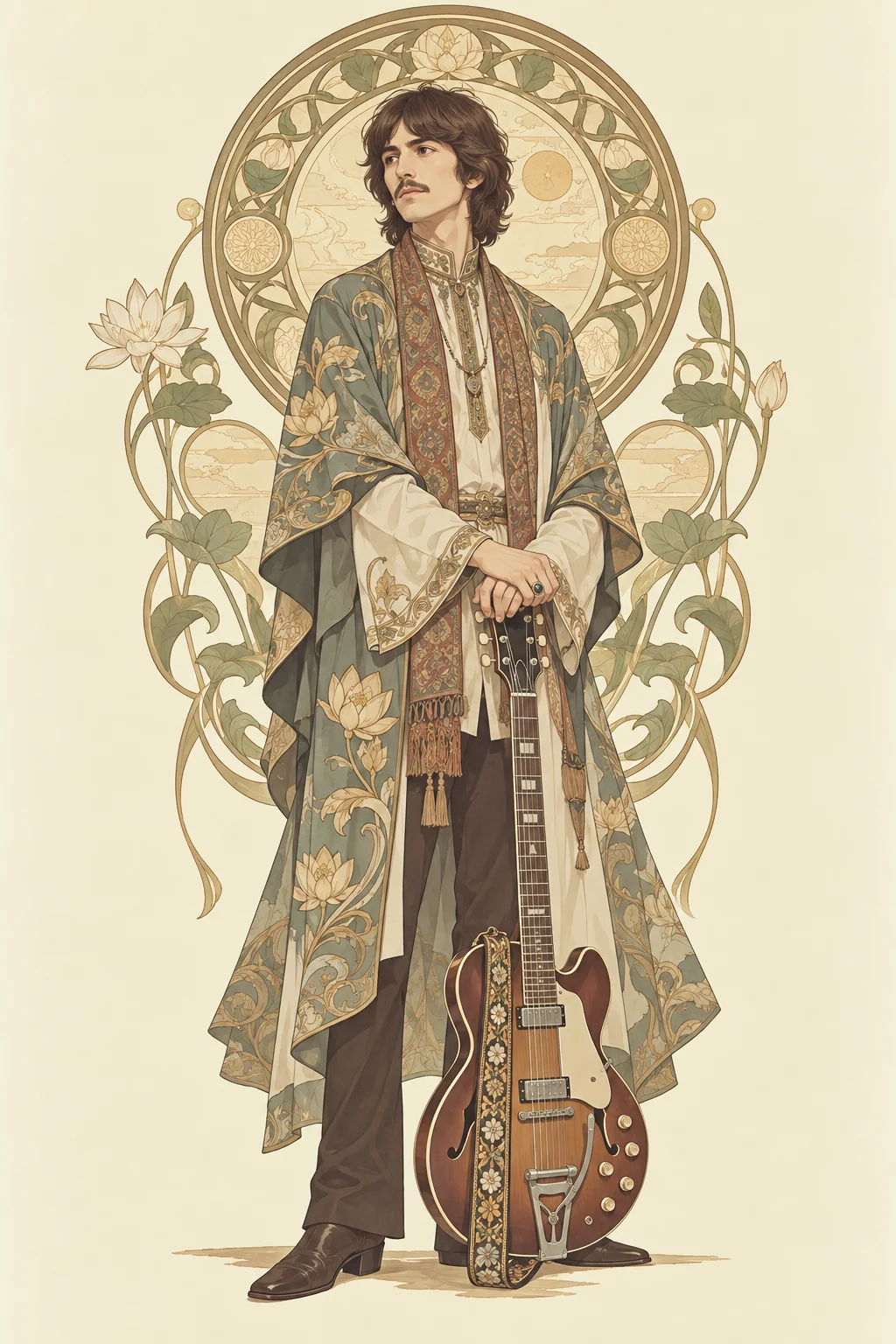 Великобритания · МузыкантДжордж ХаррисонТихий битл — мелодией самоуглубления исследовал глубины духа
 Германия · социологМакс ВеберТочным идеальным типом раскрыл связь религии и капитализма
 Великобритания · математикАлан ТьюрингОн доказал пределы вычислений и задал вопрос «Может ли машина мыслить»
 США · лингвистНоам ХомскийПорождающей грамматикой он изменил лингвистику и продолжает вопрошать о структуре власти
Определение типа — это рассуждение на основе открытой информации, а не нечто окончательное.
Карта групп
Аналитик — один из 32 типов, и в то же время он принадлежит к группам людей со схожими качествами. Сначала — четыре основные. Откройте карточку, чтобы перейти в соответствующий зал.
 Квадра (ценности)Альфа-квадра (α)Бытие
 Букет (темперамент)Уравновешенно-стабильный темпераментВозводить надёжную основу
 Клуб (интересы)Клуб исследователейИсследователи знания
 Мотивация (стимульные группы)Группа стимула самоуваженияВ поисках внутренней ценности.
Все группы (ещё 25)
 Стиль коммуникацииХладнокровныйСпокойно обмениваться информацией
 Модель поведенияКонцептуалистУпорядочивать мир структурой
 Стиль аргументацииАрхитекторВыстраивать через доводы и согласованность
 Группа восприятияРедуктивностьРазбирать на прообразы и пересобирать понятиями
 Когнитивный стильГолографически-панорамныйЧитать целое, схватывая множество граней сразу
 Романтика (взгляд на любовь)СтранникЗамирать сердцем перед неизвестной загадкой
 СтрессоустойчивостьТренировкаДержать каркас, питаясь ударами
 Группа социализацииРеалистНадёжно всё организовывать
 Кольцо инфляцииГенератор информацииПроверять результат и сплетать его в информацию
 Проектная группаОбщий результатСхватывать общий контур и растить
 Группа воплощенияВнедрение технологийОтправлять перспективную технологию в производство
 Квадрат (отдых)РомантикРомантик
 Бизнес-квадрат (сотрудничество)ЭдемРай гостеприимства
 Октада (надценностная группа)СудьяПроверять и оттачивать результаты
 Реактор (группа возбуждения)ДистилляцияОчищать возбуждение вовнутрь
 Мобилизация (мобилизация)КристаллизацияКристаллизовать регулярную структуру
 Кондиционирование (регулирующая группа)АспирацияВоодушевлять к большой цели
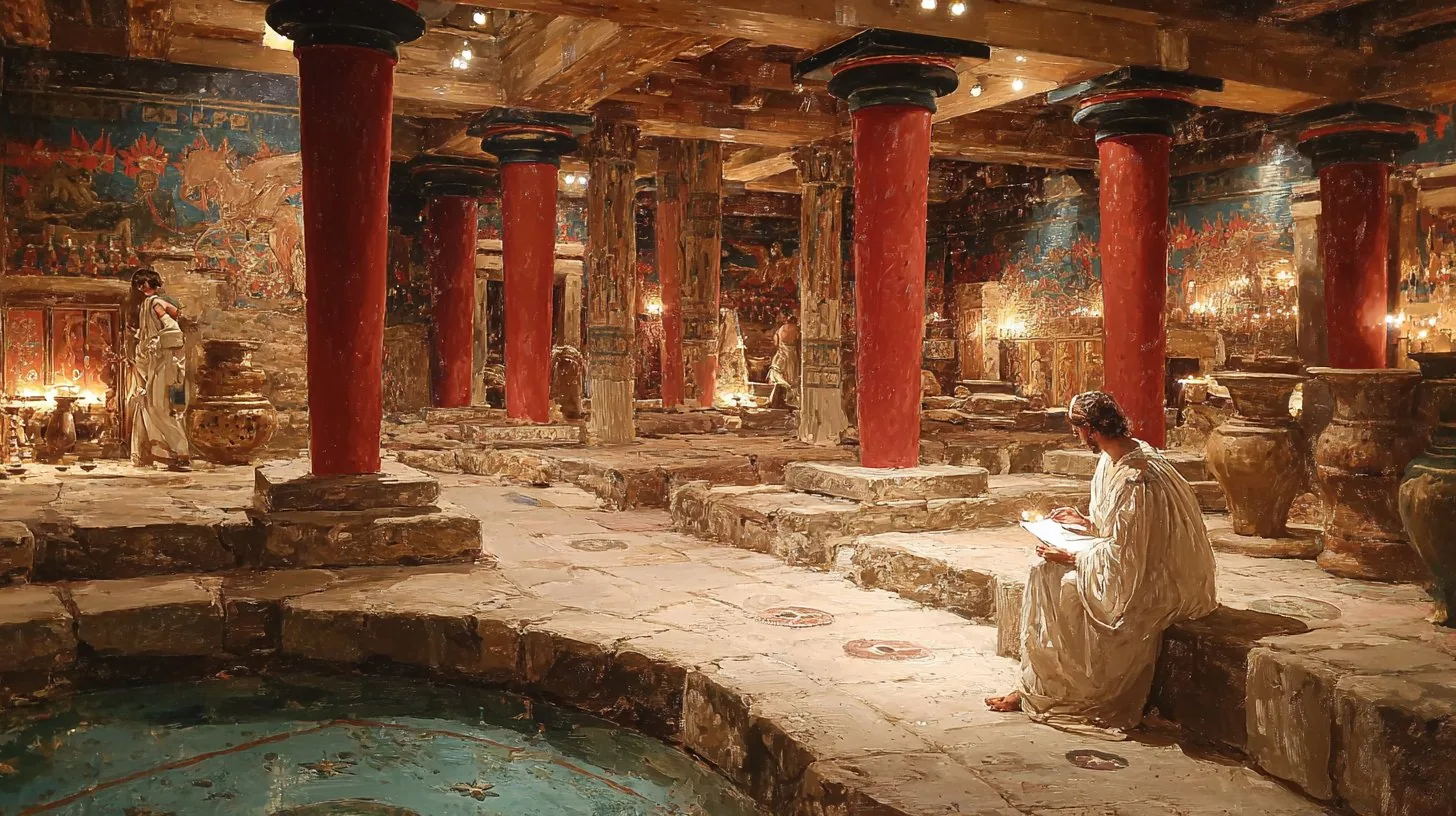 ЛабиринтКноссТайное знание и молчаливая власть
 Блок-группа (группа гашения)СовещаниеОбсуждать курс и устанавливать порядок.
 Кольцо социального прогресса (SPR)ПрорывКольцо эмерджентности молнии
 Надзорное кольцо (SVR)МандалаКарта вселенной из наложенных ракурсов
 Кольцо общественного порядка (SOR)ОтшельникКритик, что правит искажения.
 Кольцо преемственности (SR)РенессансВозвращение забытого
 Кольцо благодеяния (BR)РеликвияВозрождение реликвии
 Мастер-кольцо (MR)ФаросМаяк, что освещает классику.
Открыть полное, любовное и деловое издания

- Чертёж психики (8 блоков)
- Шесть способов вернуть равновесие
- Гид по ситуациям (6 сценариев)
- Обоснование выбора знаменитостей

- Что нужно вашему сердцу / что вас волнует / болевые точки
- Узнаваемые сценарии любви
- Химия с каждым партнёром (32 типа)
- В семье и как родитель / практический плейбук

- Сильные стороны / работа, которой стоит избегать
- Стиль работы / управление
- Отрасли по шкале ◎○△ (23 отрасли)
- Подходящие роли

На $24.98 дешевле, чем покупать три издания по отдельности