01 · OBSERVE
Moments that may feel motivating
- When tension leaves your body and you can breathe easily
- When everyday life has a comfortable rhythm of its own
- When you can share unhurried time with people who matter
02 · DO NOT REDUCE
What the name does not mean
It does not mean resisting change or lacking initiative. Building stability can be active work that allows change to last.
03 · DIALOGUE
Questions for personal reflection
- When did you last feel genuinely at ease?
- What do you naturally do to restore yourself when tired?
- Even amid change, what do you want to keep close?
04 · TYPE PORTRAITS
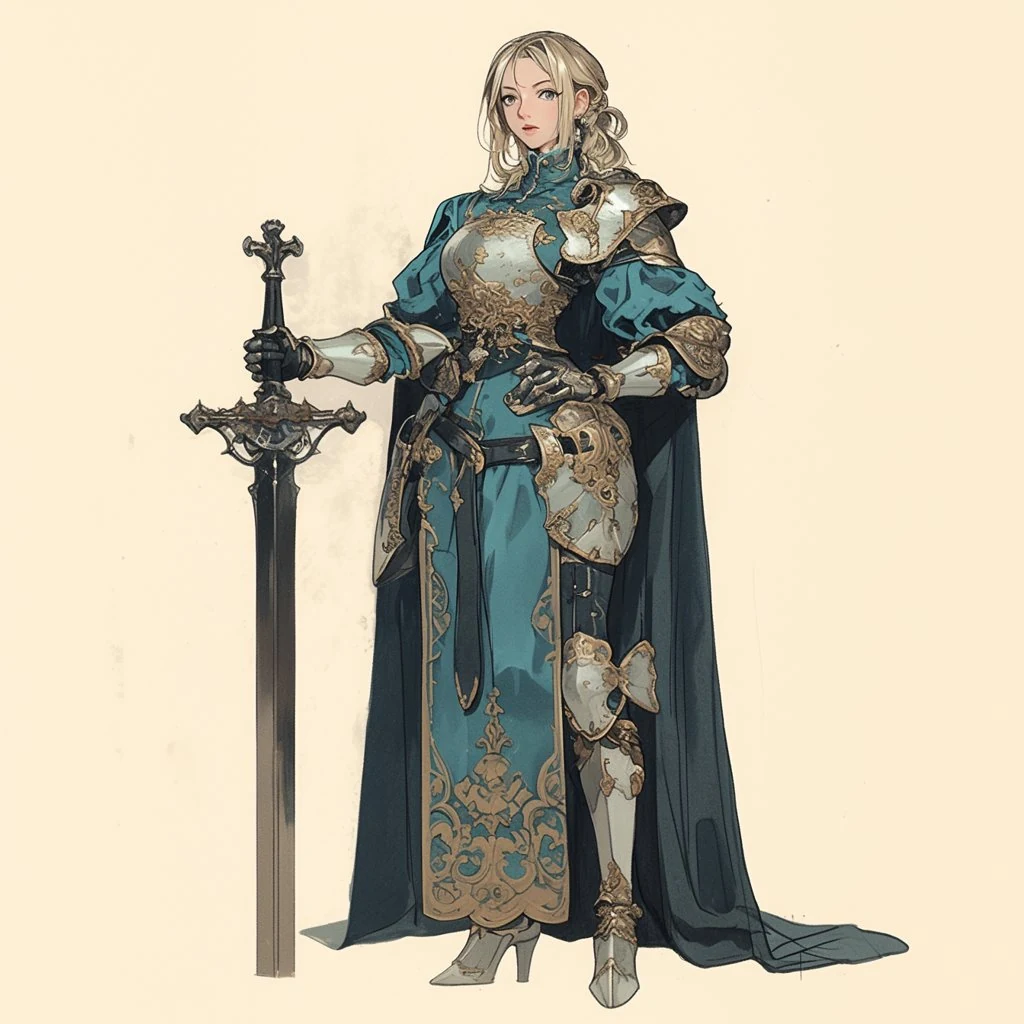
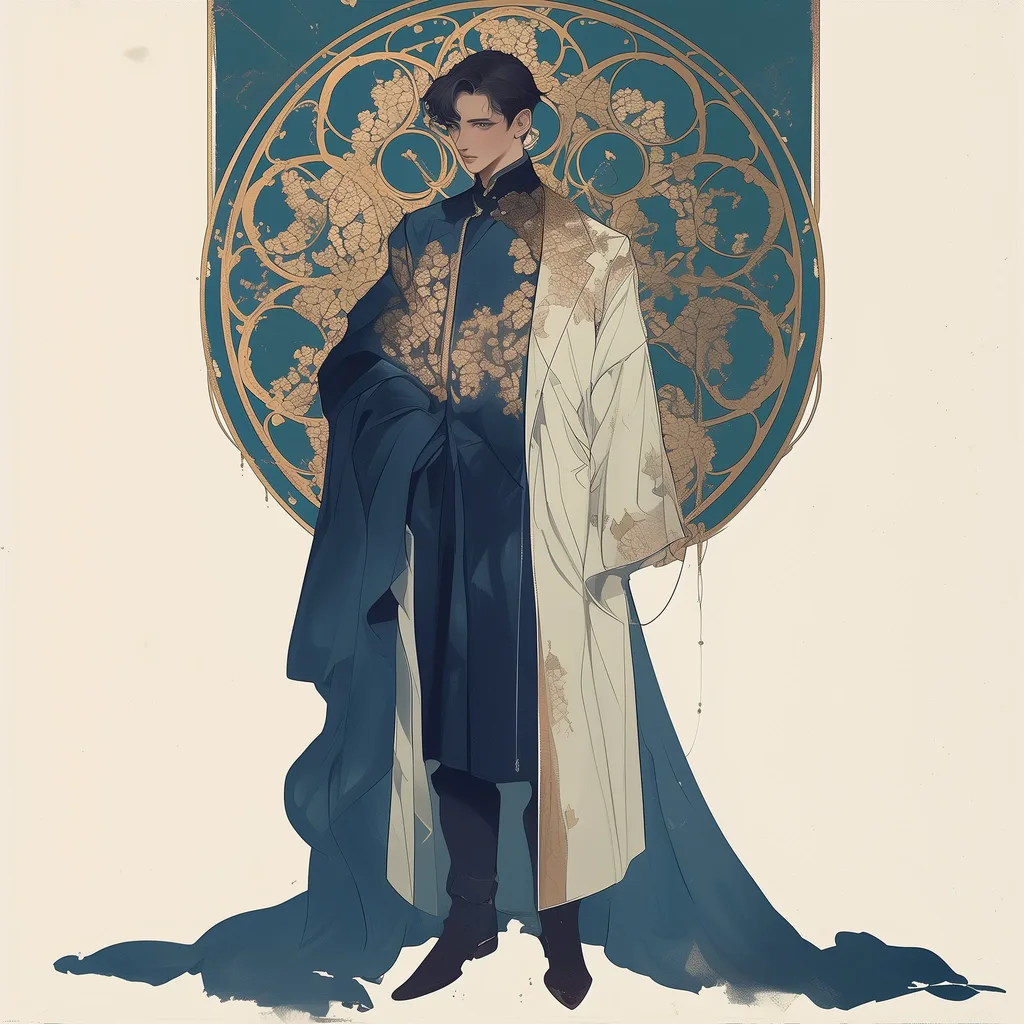
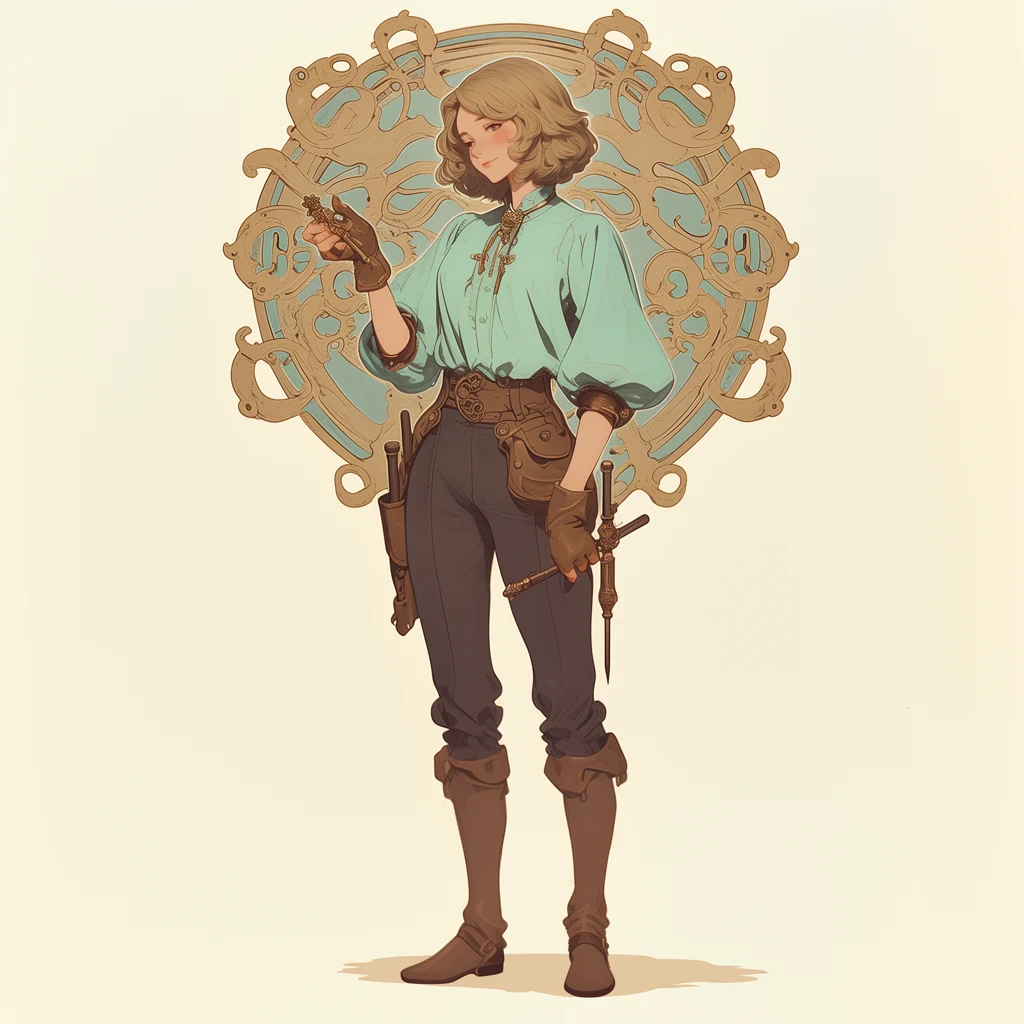
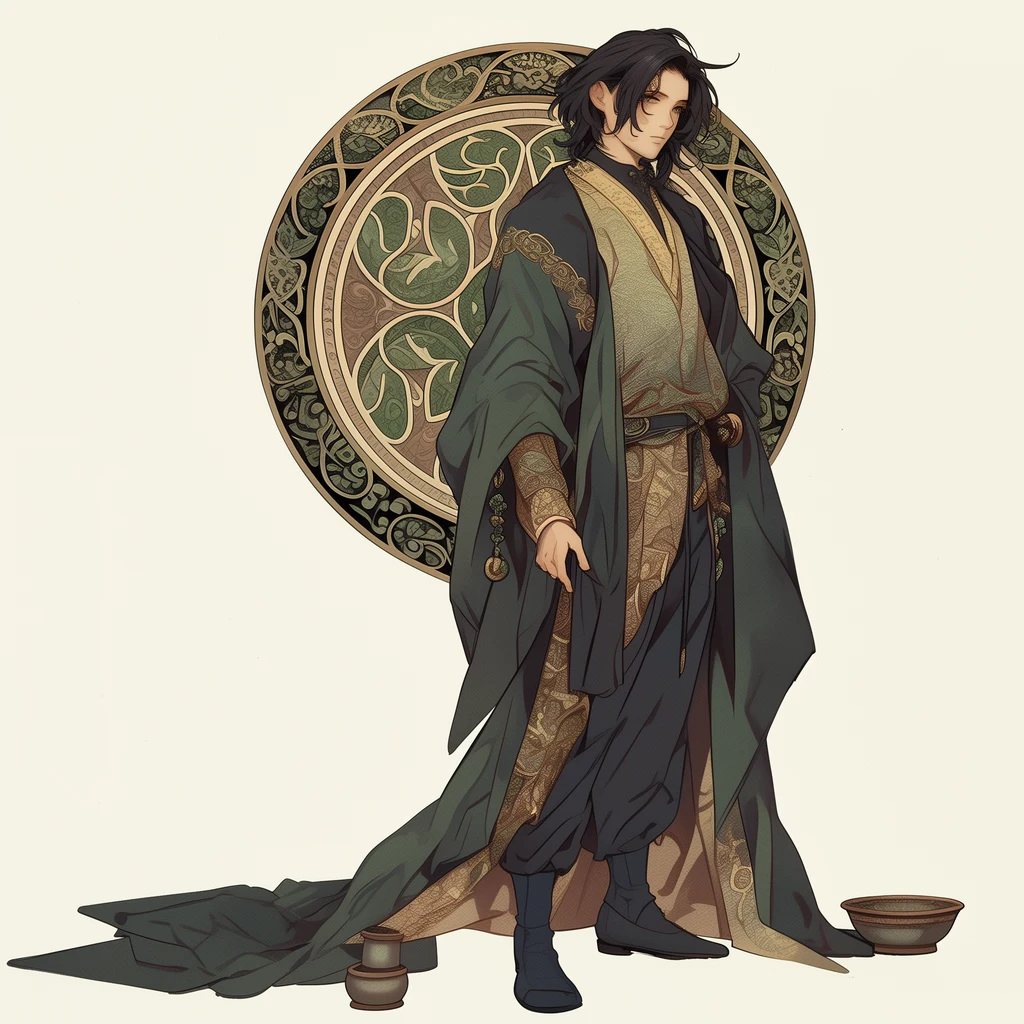
Types sharing this perspective
Read the theoretical background and research notes
The following research notes examine the history of Stimulus Group theory and wording found in earlier sources. They include strong expressions specific to their time and authors; these are not current verdicts about people by the Association. Prioritise the cautions above and dialogue with the person.
Essence of the Group
The Well-being Stimulus Group consists of the eight types that share Sensing (S) × Introversion (I) — SEI-D, SEI-Q, SLI-D, SLI-Q, ESI-D, ESI-Q, LSI-D, LSI-Q. They are driven by the motive of solid material support, comfortable conditions of life, and the security of a stable future. Gulenko called this group "Well-being": rather than prominent social position, it gives priority to the steady quality of daily life for oneself and the people close to one. They prefer "not to be bothered, not to be disturbed, not to be questioned" — quiet, settled environments — and a tendency toward conservatism appears in worldview and lifestyle.
Traits of the Stimulus Group
Stability-oriented; pursuit of comfort; conservative; valuing material foundation; attachment to quiet environments.
Strengths
The power to raise quality of life; practical judgment; continuity; care for the people close to one; composure.
Challenges
Resistance to change; lack of adventurousness; reluctance to take on the new; an "in their own pond" tendency.
Perception Function and Motive
| Attribute | Content |
|---|---|
| Stimulus Group | Well-being Stimulus Group |
| Shared Perception | Sensing (S) × Introversion (I) |
| Primary Motive | Seeks comfort and material stability |
| Classical Position | Sensing × Introversion types in general — solid material support, comfortable conditions of life, security of a stable future. |
Complementary Stimulus Group (Duality)
The Stimulus Group that establishes the most natural complementary relation:
Uniqueness Stimulus Group
SI↔NE — perception poles fully reversed; all 8 pairs are Duality.
Cubic Structure of the Eight Types
Eight types belong to this Stimulus Group, placed at the vertices of a cube along three axes (Merry/Serious, Democratic/Aristocratic, Q/D).
Structural Cube — Type Placement
Compatibility Cube — Model K Relations Map
The cube's edges, face-diagonals, and body-diagonals correspond to different Model K relations. This structure is shared by all four Stimulus Groups.
※ Each axis edge mixes two relations (asymmetric pair group). Body diagonals (all 3 axes reversed) yield Formal or Duty.
Face-Diagonal (Two-Axis Difference) Relations
The face diagonals (types differing on two axes) hold symmetric relations and resolve to a single relation type each:
- Fixed Merry/Serious, two axes differ → Adaptive relation
- Fixed Democratic/Aristocratic, two axes differ → Transcendence relation
- Fixed Q/D, two axes differ → Quasi-Identity relation
Relations Matrix Among the Eight Types
Model K relations among the eight member types. Color indicates the relation type.
Click any cell to open the relation detail page.
The Eight Member Types
| Type | Name | Merry/Serious | Dem./Aris. | Q/D | Quadra | Club |
|---|---|---|---|---|---|---|
| SEI-D | Peacemaker | Merry | Democratic | D (Declaration) | α Alpha | Socials |
| SEI-Q | Performer | Merry | Aristocratic | Q (Question) | Χ Chi | Socials |
| SLI-D | Craftsman | Serious | Democratic | D (Declaration) | Ψ Psi | Pragmatists |
| SLI-Q | Artist | Serious | Aristocratic | Q (Question) | δ Delta | Pragmatists |
| ESI-D | Guardian | Serious | Aristocratic | D (Declaration) | Ω Omega | Socials |
| ESI-Q | Judge | Serious | Democratic | Q (Question) | γ Gamma | Socials |
| LSI-D | Enforcer | Merry | Aristocratic | D (Declaration) | β Beta | Pragmatists |
| LSI-Q | Inspector | Merry | Democratic | Q (Question) | Φ Phi | Pragmatists |
Characteristics of Internal Relations
A Stimulus Group contains no Duality pairs. The eight internal types are arranged on a cubic structure (Merry/Serious × Democratic/Aristocratic × Q/D); concretely, they include Adaptive, Transcendence, Quasi-Identity, Business, Kindred, Beneficiary, Benefactor, Tense Beneficiary, Tense Benefactor, Formal, and Duty relations. As a result:
- Highly active and productive in shared-theme discussion and activity
- Not suited to long-term intimacy or shared living; members naturally diverge into their Quadras
- Strongly contributes to the formation of specialty and professional identity
Distribution of comfort across the 28 internal pairs (Model K "ordinary comfort" values):
- Comfort 75 (highest, 8 pairs): Business / Kindred (X-axis edges); Beneficiary / Benefactor (Z-axis edges).
- Comfort 50 (medium, 8 pairs): Adaptive (X-fixed face diagonal), Transcendence (Y-fixed face diagonal).
- Comfort 25 (8 pairs): Tense Beneficiary / Tense Benefactor (Y-axis edges); Formal / Duty (body diagonals).
- Comfort 0 (lowest, 4 pairs): Quasi-Identity (Z-fixed face diagonal).
How This Stimulus Group Sees the Others
Relations among Stimulus Groups are based on the combination of motives. Pairs sharing the same perception function but with extraversion reversed produce the Duality relation (the most complementary).
| Other Stimulus Group | Relation with Well-being |
|---|---|
| Status (SE) | Shares the Sensing function (SI/SE) but reverses extraversion. Mainly Mirror, Compass, Codependency, Distance pairs (8 each); 0 Duality pairs. Stability and influence form mirror images. |
| Well-being (SI) | Fellows sharing Sensing (S) × Introversion (I). Preferences for comfort align, but the group lacks the impetus to bring change. Internally distributed across comfort levels 75 / 50 / 25 / 0. |
| Uniqueness (NE) | Every pair includes Duality (8 pairs) — the most complementary Stimulus-Group pair. SI and NE fully complement each other on the perception axis. Also includes Conflict (8), Correction (8), Resonance (8) — the deepest and strongest relations cluster here. |
| Self-Confidence (NI) | Shares the same introversion but reverses perception (Sensing ↔ Intuition). Mainly Relaxation, Activation, Ideal, Role pairs (8 each); 0 Duality pairs. Sharing a quiet world but differing in real-world vs ideational focus — an Activation-family relation. |
Member Types
Click any type to open its detail page.