
SLI-D – Craftsman –
The artisan who sets the world in order in the palm of his hand
You are someone who tests the world with your hands and your skin.
You choose things by whether they suit you, not by reputation, and you keep what you love running by fixing it yourself.
Without ever needing the spotlight, you quietly make the people around you more comfortable.
- Quadra
- Psi Ψ
- Bouquet
- Receptive-Adaptive temperament
- Club
- Practical Management
Portrait — the Craftsman
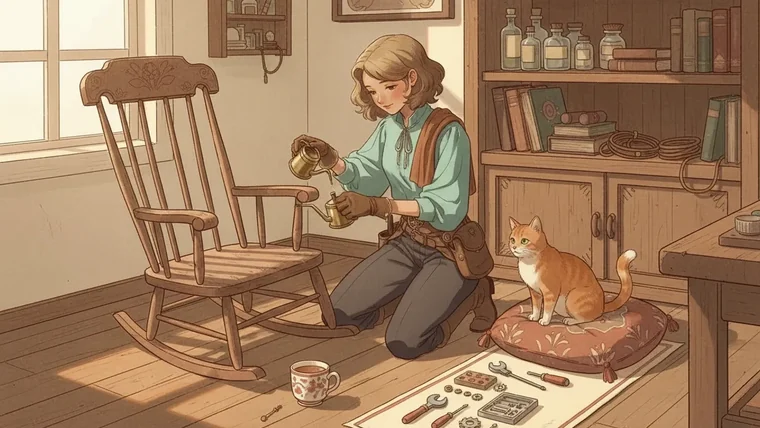
This type's core lies in searching, through the five senses, for a comfort that is entirely their own, and shaping their environment by hand. Texture, temperature, scent — sensitive to fine sensation, they never take a ready-made thing at face value, judging instead by whether it suits their own body. They handle tools with care, repair and refine what they already know, and build a world all their own along the way.
They quietly refuse outside pressure. Political slogans and collective fervor don't sit well with them, and an order that disrupts their own pace meets clear, if quiet, resistance. They put feel and conviction ahead of efficiency and speed — a stance the people around them sometimes read as "particular."
They favor equal, honest relationships over hierarchy. Leading or dominating others doesn't come naturally to them; instead, they're the quiet supporter who offers exactly the help that's needed, exactly when it's needed. They value quiet empathy and mutual aid, and find more meaning in fulfilling their responsibilities within their own discretion than in following someone else's lead.
In their everyday life, they take quiet pride in standing on their own. They question formal rationality and trust their own experience and senses above all else. A calm, quiet life is their ideal — they keep their distance from noise and carefully tend to the small sphere within their reach.
Not efficiency or speed, but feel and conviction.
Does this sound like you?
- Being rushed only makes your hands stop.
- With someone new, you watch and wait first. Listening is easier than talking.
- You keep using the tools you know, fixing them rather than replacing them.
- Being handed the job of hyping up a crowd wears you out completely.
- A simple "you saved me" is more than enough. Being praised extravagantly only makes you uneasy.
- If someone touches your workspace without asking, you quietly put some distance between you.
- You keep clutter out of your room, and you feel no regret when you let something go.
- You won't take an order barked at you, but a polite request will win you over.
- The only relationships that last are the ones where silence never feels awkward.
- You decide about anything new only after trying it yourself, not from the advertising.

How you move
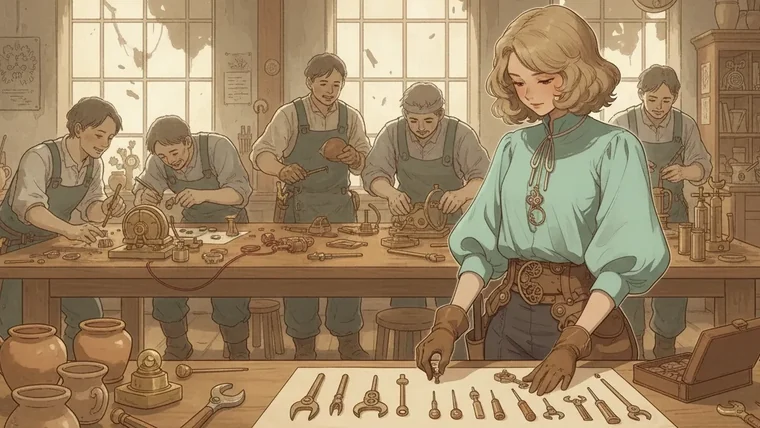
The Craftsman's conduct shows most clearly in a natural rhythm that puts their own conviction ahead of others' eyes, and in a fine attentiveness to the comfort of the five senses.
Their movements are unforced, flowing and natural, and they are sensitive to the “feel” of tools and surroundings. Valuing care and texture over efficiency, they hold their own particular preferences even in choosing tools and in the steps of the work. Rather than minding others' eyes, they prize above all a rhythm and space in which they themselves can feel at ease.
Unswayed by outside orders or generalities, they act only on what they themselves have accepted. It can take time before they set out, but once begun they continue carefully until they reach a sensory fulfillment. They will not move until the needed preparations are in place, instinctively avoiding “wasted effort” and “spinning their wheels.”
Not appearances, but your own conviction.
- Moves without strain, sensitive to the feel of tools and surroundings
- Slow to start, but careful and thorough once underway
- Won't move until the necessary preparation is in place
Observed Behavior

They receive things as a single whole of sensory harmony — 〈is it beautiful, pleasant to the touch, good in smell and taste?〉 — and such delicate perception is often seen in this person. Their dress is simple and comfortable, practical and sporty. Not chasing trends, conservative yet distinctly themselves. They keep nothing extra at home, let go without regret, and from a few things create comfort under any conditions.
They carry out work carefully, by calculation, at a measured pace. Unhurried, attentive to detail, drawing joy from the process itself. They arrange the workshop meticulously and lay out their tools with care — treating that preparation as no less important than the work. They mend broken things with surprising ingenuity and break complex problems into small, workable tasks. And, like serving tea while explaining how it was brewed, they like to teach simply and clearly while their hands keep moving.
They deal with willful pressure in their own distinctive way. They use no commanding tone, and when forced, they simply turn quietly away and leave — saying nothing, impossible to hold back. Prizing inner freedom and independence above all, they let no one violate it. Unflinching even before a superior, they will not obey a commanding tone and move only by their own discretion. Yet if asked gently and persistently, they are a person who will not begrudge a concession.
On the other hand, they strongly seek from outside what they lack: the power to portray a person's potential and nature exactly; the inventiveness to find, vividly, the way out of a difficulty. They deeply value the opinions of those who show them such “a new wind,” and gladly listen to their advice. Somewhere in their heart they need someone who will discover and draw out their talent — and above all, before someone who lightly widens their possibilities, this person is most inspired.
Given a place where you don't have to rush, your results become remarkably steady.
How you speak and listen

They do not readily bring their inner world or convictions to the surface. In conversation they keep a cautious stance, especially wary with someone they meet for the first time. Preferring to listen rather than speak, they weigh the other's words by their own measure. Finding no value in formal courtesy or surface-level talk, they honor a comfortable silence instead.
They value wordless understanding — through silence and time spent together — over persuasion by words. Though they disclose little of themselves, once trust is built they share practical, everyday wisdom without stint. Usually calm, but when someone tramples into their pace or their living space, what they have held inside crosses a threshold and can burst out as a sudden, forceful rejection.
Listening over talking. Silence isn't awkward — it's home.
What lies at the core — drive and tender spots

At the Craftsman's heart is a quiet, unshakeable assurance: “with my own hands and senses, I can set the world around me into something comfortable and sure.”
What supports them from within is the power to verify the world through the five senses and to create comfort. Texture, temperature, light, scent — they read the sensations of detail and shape their environment and tools into a form that fits their own body just right. They never take ready-made things at face value; only what they have touched, verified, and been convinced by do they take into their life.
Onto this is layered the joy of working with the hands and devising. They cut away waste, repair what they are used to, improvise to make do, and improve. From the felt sense gained through trial and error, they refine a technique of their own — unearthing and improving. Not theory, but the thing actually turning in their hands: that is what brings this person most to life.
Not theory, but something actually turning in your hands.
What drives you
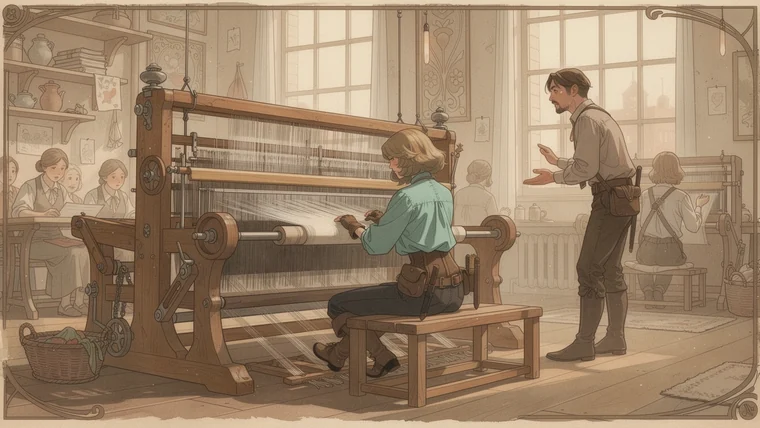
More than outward promotion or flashy success, it is stability tied directly to daily life, and the felt sense of “being of use to someone,” that moves this person from within. The assurance of being useful to society, and the sense that their work is a help to someone — that becomes a great support.
It is precisely in an environment where they can enjoy trial and error at their own pace, undisturbed by anyone, that this person's powers open naturally. Excessive pressure, or excessive praise, rather robs them of motivation. To work with their hands quietly, in conviction — that is this person's own way of being fulfilled.
Tender spots
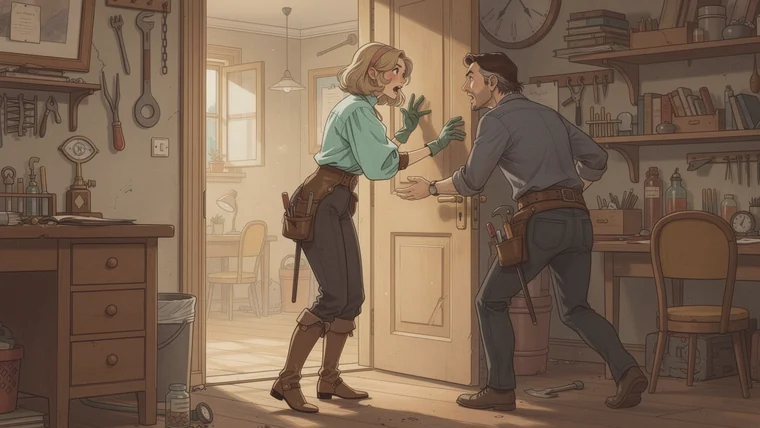
Their greatest weakness lies in the domain of raising the emotion of a room and rousing people. Building heat before a group, setting morale alight, binding people together as a charismatic figure — that staging of emotional elevation is the core of what they struggle with. Political slogans and collective fervor do not sit well with them, and when required to make grand displays of feeling, they are heavily drained.
And foreseeing the far distance, reading dangerous signs, and discerning the road ahead are not their strong suit either. Allocating energy over the long term is difficult; they can focus early on, but when a continuous final push drags on, they quietly fade out. In situations where the goal is unclear, they especially struggle to bring out their power. Usually calm, but when someone tramples into their living space, what they have held inside overflows all at once — with someone beside them who can take in this swing and honor their pace, this person becomes far more at ease.
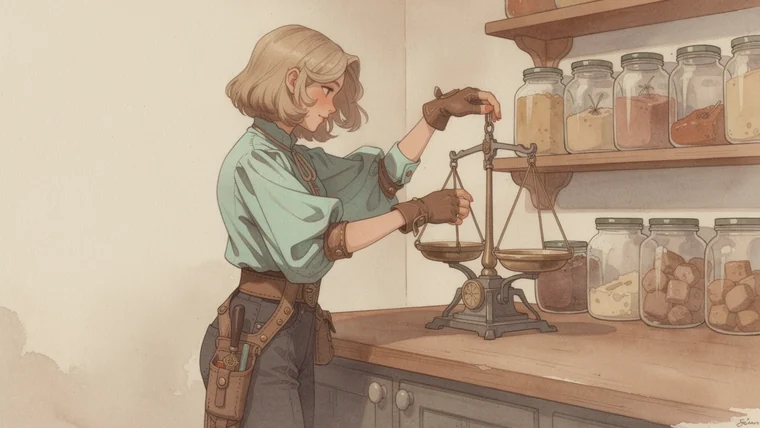
- Core: making what surrounds you comfortable and certain, with your hands and senses
- What drives you: stability that touches daily life, and the felt sense of being useful
- Where you're fragile: firing up a room, seeing far down the road
Strengths, and where you stumble
The Craftsman's charm lies in the delicacy of verifying the world through the five senses, the sure skill of setting things in order with the hands, and an equal, sincere support. That same keenness of sensitivity can, depending on what is asked of them, also become a hardship in living.
Someone you can quietly trust.
Strengths
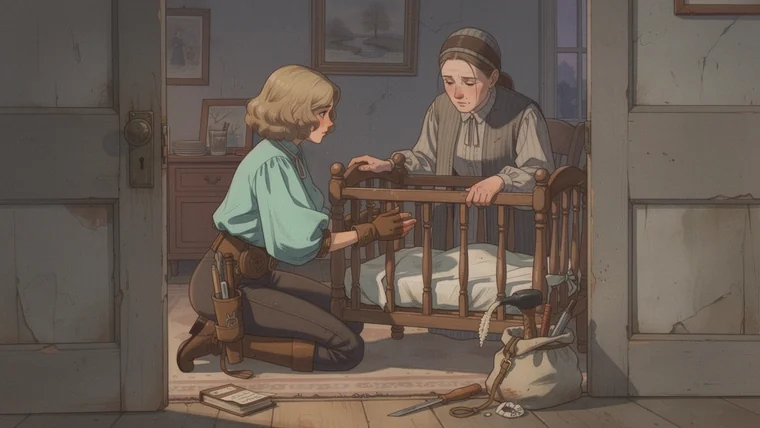
While treasuring the comfort of their surroundings and the balance of mind and body, they finish the work given to them unhurried, at their own pace. That is exactly why their results carry a sense of stability. In a situation they can accept, they work with persistence, ordering space and procedure through meticulous observation and care.
Unswayed by flashy decoration or trends, they treasure a “calm beauty” of their own. They do not swallow whole a novelty that is mere theory or advertising, but by ideas brought by someone they trust, and by novelty they have verified with their own hands and taken to heart, they are deeply moved — and can add their own improvements and develop it further. Never seeking to stand out themselves, staying modest, they help without stint when someone is in trouble — and are valued by those around them as “a quietly dependable presence.”
Where you stumble
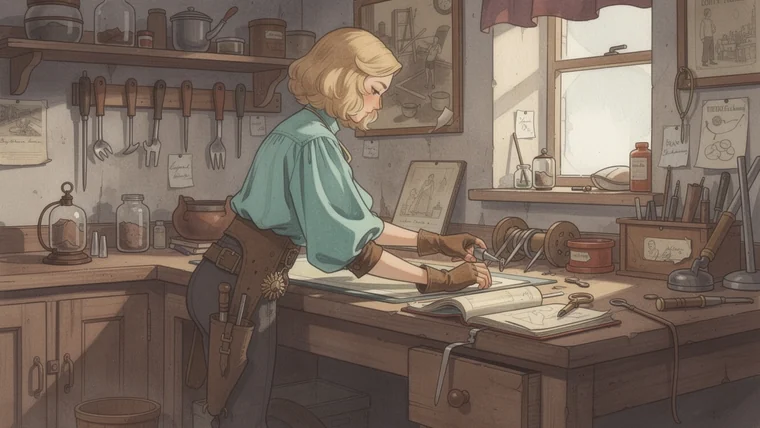
On the other hand, however calm the surface, their inner condition weighs heavily on their productivity. When their mood sinks, the efficiency of their work visibly drops. Excessive closeness or familiarity from others is a source of fatigue, and at times they may close off their heart.
Holding a strong standard of their own, they choose their actions by “meaningful / not meaningful.” When an instruction from above does not fit their values, they stop or slow their movement in ways that cannot be seen. Allocating energy over the long term is difficult, and when a final push or interpersonal negotiation drags on, they quietly fade out. And when their living space is invaded, what they have held inside overflows all at once — these are greatly softened when there is a place they can feel safe and a partner who honors their pace.
Ideas from someone you trust move you deeply — and you can develop them further with your own refinements. That's where your room to grow lies.
- When your mood sinks, start with one small repair or bit of upkeep
- For instructions you can't get behind, ask for "time to check" rather than stopping outright
- Draw the line around your personal space early, and say so
Where you thrive

The Craftsman brings their powers to life most freely when, in a quiet, calm little space, they work with their hands at their own pace and can feel that the work is of use to someone's daily life.
What moves this person is the stability of daily life and the felt sense of “being of use.” A noisy office, or a hectic workplace full of stimulation, does not suit them. Their ideal is a small, calm space — where the needed tools are in order, the flow of movement is simple, and human relationships are considerate. In such a place, this person brings out their power most.
A simple "you're a real help" is more than enough.
The fields where they shine
Where their power lives best is in “work rooted in daily life” that draws on the five senses and handcraft. Nursing care, welfare, childcare — care that supports everyday living. Cooking, confectionery, cafés — work that sets food and space in order. Interior and spatial design, the planning of household goods — designing comfort itself. Linen management and home-environment upkeep — carefully supporting the foundation of daily life. Physical therapy, health management, and other medical support that stays close to the body. In every case, work in which sureness of hand and delicacy of sense come straight to life.
Where they thrive
A small, homey team; a quiet, calm workspace; the discretion to proceed “at one's own pace.” And a field close to daily life, where “thank you” can be heard — these set this person's power free. Merely to be noticed working sincerely brings them great satisfaction. They need no excessive praise; a single “you're a real help” or “nice work” resonates in the heart.
A comfortable, beautiful workplace; an environment where feedback returns at once; short-term projects where emotion can be put to use. And a field where people's reactions are visible on the spot — these unleash this person's power. Frank, warm feedback, and a single word of "that helped," "thank you." That makes this person all the more positive.
Conversely, in a place noisy and swirling with competition and tension, or an environment of constant control and surveillance, they close inward and are drained. When a fixed way of doing things is imposed on them from scratch, or when they are rushed without being convinced, they cannot bring out their true power. Formal hierarchy, too, and an abundance of bureaucratic procedure, quietly tire this person. Yet if there is someone beside them who honors their rhythm, even in such a place this person's sure hands come fully to life.
Dialogue — ask Hanna

One free dialogue · Le Salon members can explore several perspectives. Not a real person: a representative perspective based on the public profile.
Relationships and love

Is being together comfortable? Do the senses align?
Love — Sensory harmony, and equal, non-intrusive trust
The Craftsman's love, rather than a flashy approach, grows quietly over time, treasuring above all “is it comfortable to be together?” and “do the five senses harmonize?”
〔Women〕 They are a person who avoids standing out and opens their heart only to someone who suits their bodily and spatial sense. Valuing “is it comfortable to be together?” over looks, they prefer to show affection through action rather than words. At home they bring a distinctive sense to décor and cooking, giving the whole of daily life a gently ordered beauty. They wish for a calm partner who understands their delicate senses and free rhythm and engages with them as an equal.
〔Men〕 They are a person who, even in love, values a “comfortable sense of distance.” Whether they can relax with the other, and whether their rhythms naturally align, matters most. Though they rarely approach anyone themselves, true feeling stirs only once a quiet intimacy has been built. At home they attend even to the arrangement of furniture, the lighting, and the scent, ordering their living environment themselves. They are deeply drawn to a partner who does not force emotional expression and does not break his “sense of ease.”
How You Love — Love in Action
The Craftsman's way of loving is an “action love” formed by bodily sensation (Si) teaming up with practical logic (Te). Rather than saying “I love you” a hundred times, they warm the room for the hour their partner comes home tired, set out a drink at just the right temperature, and quietly tidy the clutter without a word. Affection is offered not as a statement of feeling but in a form that genuinely eases that person's daily life. If they notice, for instance, that their partner hasn't been sleeping well lately, they'll change the bedding, dim the lights, and set the very environment right before saying anything worried. For this person, “cherishing you” means reducing the friction of your days one piece at a time. And so the love is hard to see — yet it stays on everything it has touched.
Compatibility — recommended partners
 Advisor
 IEE-QOne who quietly draws near and listens to the heartDualityThe partner who complements them most, meeting their need to belong, their safe attachment, and their deep longing. They keep offering, without end, new ideas and heart-opening questions. Seeker
 ILE-QAn intellectual adventurer who unravels the worldSemi-dualityNostalgia, a sense of belonging, interdependence — a partner who makes you feel a fond, warm connection. Orchestrator
 SEE-QA natural orchestrator who reads the room and guides people toward reconciliationIllusionaryEmpathy, gratitude, trust, reassurance — more indirect than the Dual, yet a partner with whom you can find deep ease. Philosopher
 EII-QOne who, in the stillness, keeps questioning the meaning of the worldActivationActivation, elation, drive, curiosity — just having them near makes "I want to do it" well up; the easiest partner to open up with. Judge
Judge ESI-QThe quiet arbiter who discerns right from wrongBenefactorSomeone you can move for naturally — a relationship where you support them as their benefactor and are given back joy and gratitude. Analyst
 LII-QFrom the quiet of the desk, reassembling the worldBeneficiaryFulfillment and trust — a relationship like a contented reassurance received from a benefactor. Executive
 LSE-DSet it in order, get it moving, see it throughMirrorTheir breathing aligns in practical work and planning — a partner who draws out each other's practical strengths. Pioneer
 LIE-DCarving the way through results — the realist's frontierSupervisor (mirror)They give vision and forward motion — a relationship in which, as master, they hand over direction and driving force. Enthusiast
 ESE-DThe cheerful flame that sets the world ablaze with feelingSupervisee (mirror)Inheriting warmth and liveliness — a relationship in which, as apprentice, they receive hospitality and cheer.See the other relationships (22 more types)
The upper bands are easier to be with; the lower bands tend to wear you down. Tap a relation name to read about the pair.
 Peacemaker
 SEI-DA bridge between sensation and compassionKindredA partner whose conversation flows easily, someone who likes to express things in the same direction as you. It can wear you out once it turns competitive. Strategist
 ILI-DThe contemplative Strategist who quietly reads ahead and lays the groundworkBusinessA partner you can easily work alongside, adapting to the situation together. Administrator
 LSE-QThe hands-on command post that keeps the field running and moves people and workCodependencyA partner who wears you down little by little, caught in a cycle of bottling things up and overcompensating. Empath
 EII-DSensing what lies beneath feeling, and becoming someone's quiet supportRelaxationA partner who puts you at ease, though you tend to end up waiting on them with quiet expectation. Promoter
 IEE-DMoving the world through fascination — an evangelist of ideasDetachedA partner who's hard to feel drawn to, leading to a rather flat, low-key relationship. The Artist
 SLI-QGiving form to the “just-rightness” of nature and daily lifeAdaptiveA partner you settle into by simply playing your roles, an easy, unremarkable relationship. Reformer
 SLE-QAn executor who breaks through by force and rewrites conventionCompassA partner who gives you a sense of being accepted, along with a hint of which direction to move in. Prophet
 IEI-DAn eye that gazes upon a destiny no one has yet noticedIdealA partner who naturally embodies what you aspire to be, easy to admire. Getting too close tires you out. Hero
Hero EIE-DIt is this conviction that changes the worldCorrectionA partner whose feedback becomes a chance to take stock of yourself. Inspector
 LSI-QThe logician who strips away pretense and sees through to the truthTranscendenceA partner who makes you want to surpass yourself when you're together, pushing each other to grow. Commander
 LIE-QBuild, prepare, hold the line — the command center of orderSupervisorA relationship where you tend to unsettle the other person without ever realizing it. Guardian
 ESI-DA silent shield that protects people, with rightness at its backTense BenefactorA partner around whom you tend to try too hard, unable to shake off the tension.
SEE-DA born leader who reads hearts and rallies the currentTediumA partner who leaves you feeling sluggish, prone to putting things off and keeping your distance. Critic
 ILI-QThe insightful Critic who sees through contradictions in the depths of silenceFormalA relationship where formality and appearances pile up, and it's hard to ever fully relax. Harmonizer
 ESE-QTheir smile and their voice soften the space around themPlayerA partner around whom you constantly feel watched, prone to leaving you burned out. The Architect
 LII-DThe architecture of logic, quietly built up piece by pieceTense BeneficiaryA partner who leaves you worrying and overthinking, prone to closing your heart off. Visionary
 ILE-DThe architect of ideas who reinvents the world through paradox and theoryDistrustA partner you can't quite bring yourself to trust, which makes it hard to show your own strength. Performer
 SEI-QA gentle conveyor who gives form to sensation and feelingDutyA partner who leaves you understanding what to do yet unable to act on it, while your need to be recognized grows stronger. Mentor
 EIE-QA passionate standard-bearer who speaks of ideals and binds hearts togetherConflictThe partner most likely to strike your weakest point, the one relationship that drains you the most. Enforcer
 LSI-DThe steel operator who carries out the mission through discipline and responsibilityQuasi-IdentityA partner who looks similar to you yet never quite clicks, leaving you spinning your wheels and worn out. Conqueror
 SLE-DA dependable field general who only burns brighter the harder things getDistanceA partner who makes you want to keep your distance and close your heart off. Dreamer
 IEI-QA teller of fantasies who colors the world with dreams and passionRoleA relationship where "you should" comes first, making it hard to just be yourself.Compatibility is not decided by type alone; maturity, subtype and circumstances all change it.
With someone you are connected to, you can read a personal Relationship Reading drawn from both of your answers ($8.99 per pair, unlimited for Le Salon members).
See compatibility with your connections →Explore Le Salon →
What You Truly Long For
What you truly long for, deep down, is a partner who carries possibility your way. Your own world is comfortably arranged, but that comfort can leave it a little closed off…
In the Love Edition: What your heart longs for / What excites you / Where you clash and your landmines / Classic love scenarios / Chemistry by partner, all 32 types named / At home and as a parent / A practical playbook / Secrets to lasting love / A manual for your partner
Work and ways of working
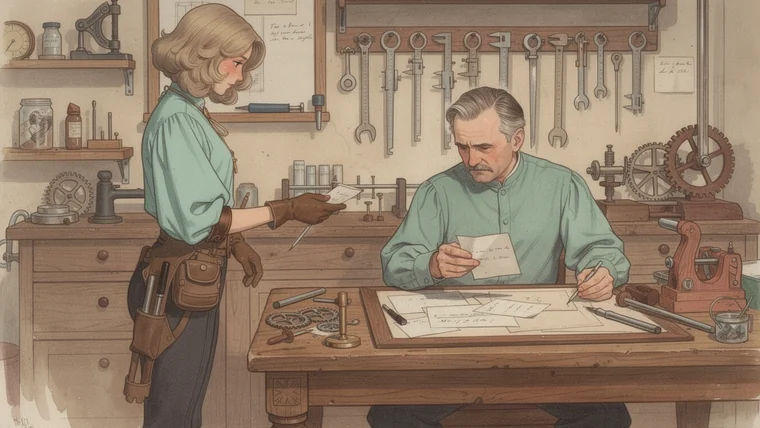
Your Working Style — Comfort-and-Optimization
You naturally excel in two main ways: attending closely to detail to make things comfortable, and using things hands-on, trimming waste and refining as you go until you find what actually works.
Your interest gravitates toward getting hands-on, practical work done. Day to day, you set your own pace and go with the flow rather than force things.
With people, you keep your emotions in check and maintain distance by following procedure. Before acting, you think through efficiency and method, and you question conventional wisdom before reworking it your own way.
Hands that make things comfortable, and the ingenuity to fix things as you use them.
- When unsure, build something tangible first — a prototype, a trial estimate — before deciding
- Rather than work backward from the deadline, start early and build in slack up front
- Turn objections into a question of "under what conditions would this work"
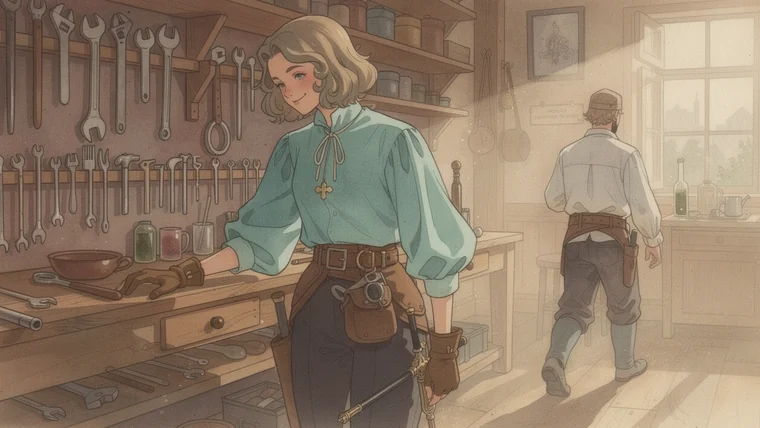
Careers That Fit
Your greatest strength — bodily sensation — comes into direct play, letting you refine the feel of things into a form that holds up without strain.
Work that builds the quiet assurance of things running properly every day. Your grip on practicality and efficiency is rewarded directly.
Grounded in daily life, this is territory where your sensory finesse and sure hands shine without translation.
Your Strengths, and Work Better Avoided
Your strength lies in the combination of a fine attentiveness that keeps environments and processes comfortable, and the ability to turn that into an efficient system that delivers results. At work, "improvements that make everyone's job easier" and…
In the Business Edition: Natural strengths / work better avoided, Stress tolerance and socialization group, Work style, Motivation and recharging, How to work with and manage this person, Compatibility and team-building, Industry fit ◎○△ across 23 industries with rationale, Suitable roles
Blueprint of the mind

Your mind runs on eight blocks. Each block carries two functions — how you take in the world, and how you express yourself — and together they set both the range you're skilled in and how much you actually value using it. We've kept the technical notation small and explained everything in plain language.
Create comfort, then work it out by hand.
Leading Your centerI Know
+Si-pComfort & TranquilityExperiential sensing-Te-cApplication & ExperimentationPractical logicYou first take in the world through the feel of your skin — is this comfortable, does this feel right. Texture, temperature, light, scent. Rather than take a ready-made product at face value, you let only what you've touched and approved into your life.
You then turn that sensation into shape through hands-on ingenuity. Trimming away waste, fixing the tools you already know, improvising when needed — through trial and error, you find the way that actually works.
"Create comfort, then work it out by hand." This unbroken line from taking in to expressing — the ability to make what surrounds you comfortable and certain with your own hands — is the conviction planted right at your center.
Mirror — Picked up by watching
At the entry point sits a quiet knack for spotting the most effective …
In the Full Portrait: all 8 blocks of the blueprint / 6 ways back / situational guide / the reasoning behind the exemplars
Going deeper — ways back and situational guide
On the flip side of that same core, these are the situations where you tend to stumble. After that, six ways to get back on your feet.
Building excitement in front of a group and igniting people's morale sits right at the heart of what you struggle with. Being asked for big, overt emotion drains you fast.
When you're pushed hard toward a goal that was never made clear, you may stay focused at first, but you'll quietly fade out over time.
You're usually easygoing, but when someone barges into your pace or your space without asking, what you've been holding back can suddenly spill over.
A fresh breeze from outside breathes new life into your handiwork.
Way to Recover 1 — Don't Overuse Doubt as a Shield
Bracing for a disappointment that hasn't even happened yet can turn into a sense of foreboding that shuts the future down. Doubt is your shield, but taken too far, it…
In the Full Portrait: 6 ways back / situational guide (home, work, friends, under stress, shopping, days off)
People thought to share this type
Different fields, different eras — yet every one of them resonates on the same note: quiet, sure, and mastered with their own hands.
 US · Actor & Film DirectorClint EastwoodWith a taciturn presence and spare direction, he carried through an artisanal way of making films
 Hong Kong & US · Martial Artist & ActorBruce LeeHe mastered the sensation of the body and founded a martial philosophy of his own, unbound by form
 USA · ActorPaul NewmanKnown for his cool bearing and his passion for handwork like racing and cooking
 USA · ActorHarrison FordBeloved for his unadorned honesty and an artisan's temperament that loved carpentry
 UK · GuitaristKeith RichardsWithout flaunting technique, he kept carving out sound with a groove soaked into the body
 USA · WriterErnest HemingwayHe mastered a pared-down style and the depiction of experience rooted in the five senses
 USA · ActorSteve McQueenKnown for a taciturn coolness and a hands-on devotion to motorcycles and cars
 USA · ActorCharles BronsonHe carried through a plain, taciturn presence, rugged and unpolished
 Canada · MusicianNeil YoungHe carried through an unadorned, textured sound and a fiercely independent creative stance
 UK · ActorSean ConneryWith a composed bearing and unadorned honesty, he radiated presence
Type attributions are informed speculation based on public information, not confirmed fact.
Map of group memberships
The Craftsman is one of 32 types, and also belongs to several groups of kindred natures. Here are the four main ones first — open a card to step into its own gallery room.
 Quadra (Values)Psi Quadra (Ψ)Civil Society
 Bouquet (Temperament)Receptive-Adaptive temperamentDiscerning the flow and responding to it
 Club (Interest)Practical Management ClubBearers of practice and order
 Motivation (Stimulus Group)Happiness Stimulus GroupSeeks comfort and stability
See all groupings (25 more)
 Communication StyleCold-BloodedExchanges information coolly
 Behavioral StyleMethodologistLanding results through efficiency
 Argumentation StyleReconstructorDoubting premises and rearranging them
 Perception GroupTactilityFeels things out by touch and sets them moving
 Cognitive StyleDialectical-AlgorithmicBranches opposition and integrates it
 Romance (View of Love)HomemakerFills the home with warmth
 Stress ToleranceFrozenSticking fast, unable to break free
 Socialization GroupSubverterRearranging the mechanism
 Inflation RingInformation AccumulatorStoring information and leaving experience behind
 Project GroupConcrete ProcessPrecise in the details, for people's sake
 Implementation GroupTechnical InventionInventing, and implementing technology widely
 Square (Rest)NomadDrifting discoverers
 Business Square (Collaboration)MaverickThe heretic who never flocks
 Octad (Cross-Value Group)HeraldProclaims values and delivers them to the world
 Reactor (Excitation Group)DistillRefining excitation inward
 MobilizationCorrosionCorroding the rigid into a new form
 Conditioning (Adjustment Group)CalibrationCalibrating to a standard and setting things in order
 LabyrinthAcropolisWhere vision and implementation cross
 Block Group (Extinguishing Group)BazaarWhere people and things move directly
 Social Progress Ring (SPR)Avant-GardeThe undercurrent ring of reform
 Supervision Ring (SVR)OracleA voice born of contradiction
 Social Order Ring (SOR)VestalA priestess who guards the sacred flame
 Succession Ring (SR)RenaissanceThe return of the forgotten
 Benefit Ring (BR)RelicThe revival of a relic
 Master Ring (MR)HearthA homecoming to the hearth
Open the full, love and business editions
- The blueprint of your mind (8 blocks)
- Six ways to recover from stumbles
- A situation-by-situation guide (6 situations)
- The reasoning behind the celebrity picks

- What your heart longs for / What excites you / Your landmines
- Classic love scenarios
- Chemistry by partner (all 32 types)
- At home and as a parent / A practical playbook

- Natural strengths / Work better avoided
- Work style / Management
- Industry fit ◎○△ (23 industries)
- Suitable roles
Save $24.98 compared with buying the three separately