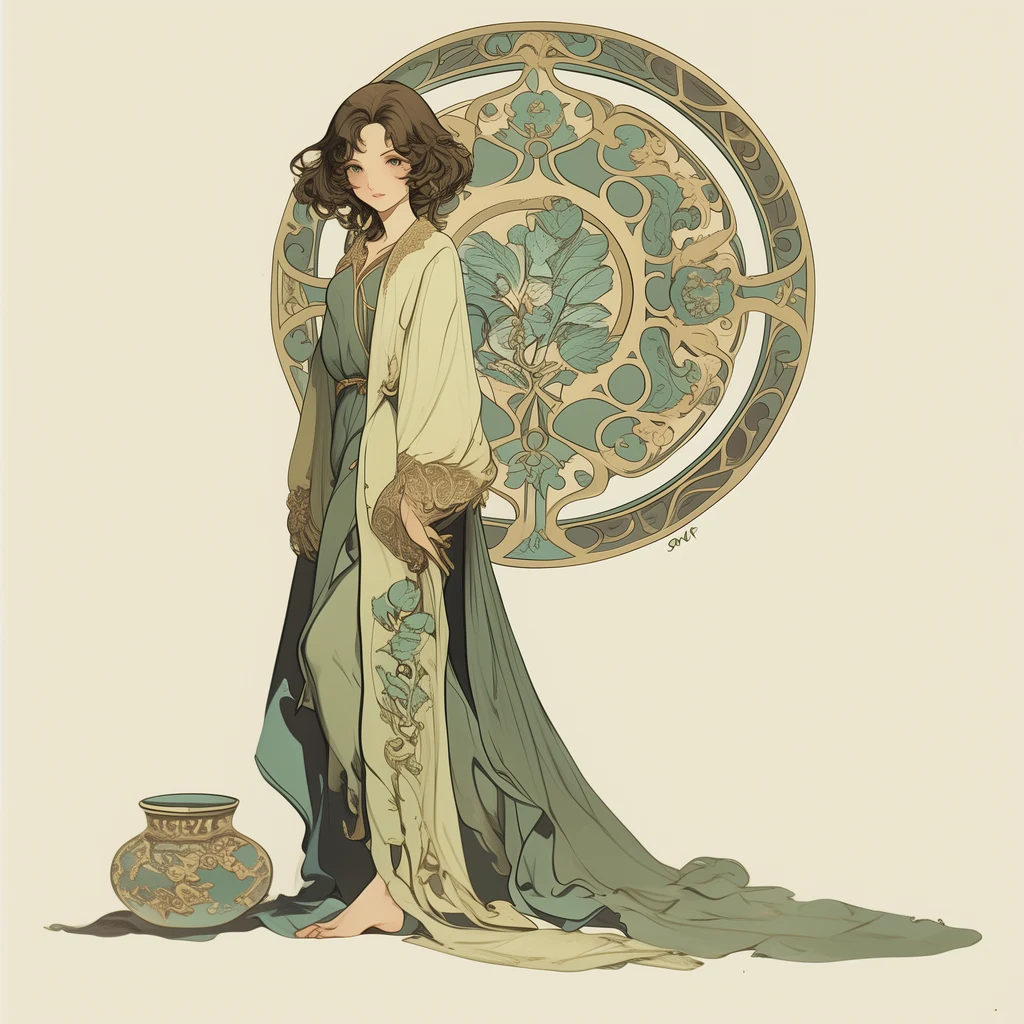
SLI-Q – Artist –
Giving form to the “just-rightness” of nature and daily life
You are someone who takes the quality your senses judge "just right" and, with a sure hand, turns it into something genuinely useful.
The sensation you've grasped, you give form as sure technique. You make beauty and usefulness live together in a single thing.
You deeply need someone who will find the possibilities sleeping within you and open them up.
- Quadra
- Delta δ
- Bouquet
- Receptive-Adaptive temperament
- Club
- Practical Management
Portrait — the Artist

At the root of their craft is a fine sensitivity to a comfort that's neither too much nor too little. Texture, presence, the balance of color and sound — their body grasps where things are "just right" before their mind does. But they don't stop at feeling. The sensation they've grasped, they give form as sure technique. Caring whether it actually works and helps people, they make visual beauty and practical use live together in a single thing.
That sureness grows with experience. Drawing on the knowledge and handcraft they've learned, testing and correcting, they improve little by little through that steady buildup — savoring the process itself. Rather than improvising on a whim, they choose lean procedures that reliably produce results. They tire little even after long hours with their hands, and patiently finish until they reach a quality they're satisfied with.
Curiosity makes them reach for materials and methods they've never tried. They check the quality of what they hold and look for better ways. Even unexpected malfunctions, they get through with wit. Doing the same thing over and over quickly bores them, which is exactly why they value the freedom to decide their own way of proceeding. In their sense of beauty and their way of working, there's a particularity they won't give up.
On the surface they're reserved and prefer time alone to go deep. Yet underneath lies a quiet thirst: they deeply need someone who will find the possibilities sleeping within them and open them up. When they quietly lend a hand to people they know well, and are useful when asked, this person is most alive — and can believe in their own strength and grow.
Not theory, but the one point your senses call "good."
Does this sound like you?
- You take care of your tools, and before you work, you carefully gather everything you need.
- From an uncomfortable place, you quietly slip away without giving a reason.
- Talking concretely about things and procedures calms you more than trading emotions loudly.
- Faced with orders or strong pressure, rather than arguing back, you simply walk away quietly.
- Materials and methods you like, you use for a long time until they fit your hand.
- Doing the same thing over and over bores you fast, and curiosity makes you reach for new materials and methods.
- The one thing you won't give up is the freedom to decide for yourself what to do and how.
- Criticism of your work, you seem to let pass calmly, but you actually carry it deep inside.
- The waves of your mood carry into the movement of your hands.
- Seeing far ahead or picturing the future just isn't your thing.

How you move

The Artist's behavior shows well in their flowing, measured, quiet movements and in the self-defense of surely withdrawing from anything unpleasant.
Their movements are smooth, unhurried, and well-coordinated. Their gestures are few, their changes of expression restrained, and their outward air is soft and composed. They favor simple, comfortable attire and do not chase fashion. When need be, they appear even in work clothes, with a natural grace.
From uncomfortable places they withdraw without hesitation. Prolonged exposure to noise, coarseness, or dimness drains them, so they do not force themselves to stay. If they feel unwell, they slip away without stating a reason or destination. Rather than wear themselves down enduring it, they move to a place where they can keep their comfort, gain fresh strength, and then, before you know it, return.
Not rushing, but building up steadily.
- Takes care of their tools and treats preparation as just as important as the work
- Reaches the best finish with the least force, without wasted strain
- Faced with orders or pressure, quietly steps away before arguing
Observed Behavior
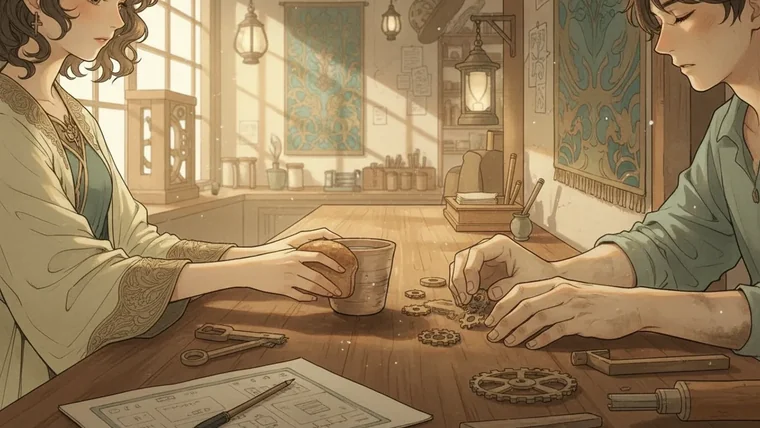
They tend their tools with care and, before work, meticulously gather what they need. They treasure the preparation itself as much as the work. Materials and procedures they have taken a liking to, they use long and hard until they fit the hand.
They have a knack for suddenly seeing through people's hidden sensations and wishes. Sensing from another's look that “they must be hungry,” they casually invite them to a meal. On the other hand their moods have waves, and that carries into the movement of their hands. When they are not in the mood they quietly withdraw, and once settled, return again.
Given a place where you can go at your own pace, your finished work becomes surer than anyone's.
How you speak and listen

Their words are calm and grounded in fact. Rather than trading emotions loudly, talking concretely about things and procedures suits them better. They do not permit emotional behavior directed at them, and with an outward calm and unapproachability they block emotional pressure. To a crude, ill-mannered tone, they clearly withdraw.
At times a wish peeks out to show off their knowledge and stay one step ahead in debate. But that is less about winning or losing than an ironic wink meant to remain “an interesting companion.” They also have a humor that pokes fun at themselves, and never grow too serious.
On the other hand, from direct orders or strong pressure nothing can be drawn out of them. Asked softly and persistently, they yield; but pushed, they simply turn their back and leave. Trying to hold them back is useless, and while they quietly endure any trial, they never submit.
Not emotions, but concrete talk about things and procedures.
What lies at the core — drive and tender spots
At the Artist's core is a quiet, unshakable sense of “I can take the qualities my own senses affirm as ‘right’ and, with a sure hand, give them actual form.”
What supports them from within is a sensitivity to comfort and the ability to trust it. Noticing even the slightest excess or lack, they home in on the just-right point. Being able to grasp that sweet spot, and to produce it again and again with their own hands, becomes the foundation of their sense of self.
Onto this, accumulated skill is layered. Feeding on experience, they make their sense of assurance surer with each thing they take on — that very feeling becomes an unshakable confidence. When beauty and usability melt into one, this person is most fulfilled.
Not theory, but whether your own senses call it "good."
What drives you
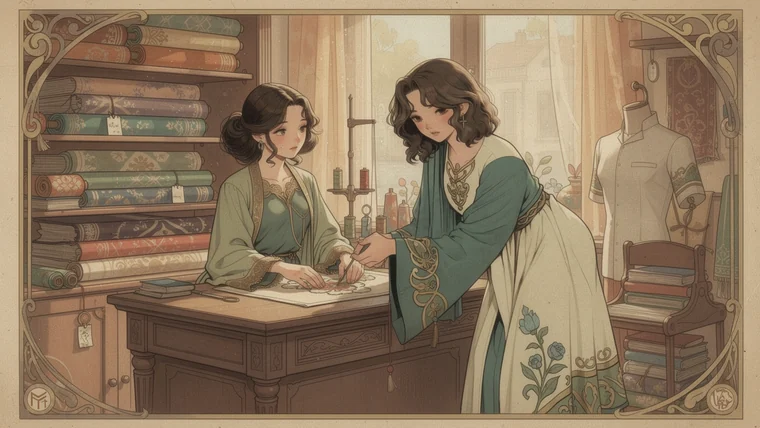
While treasuring time alone on the surface, they carry a deep thirst within. Someone who holds out before their eyes new possibilities they could never draw alone — who finds the talent that lay sleeping and helps it grow. Only with that person there can this person believe in their own strength and move forward.
Also, a warm bond with someone they know well, and situations where they are relied on and can lend a hand, light this person from within. Without imposing, they simply offer. More than words, concrete help is this person's own way of connecting hearts.
Tender spots
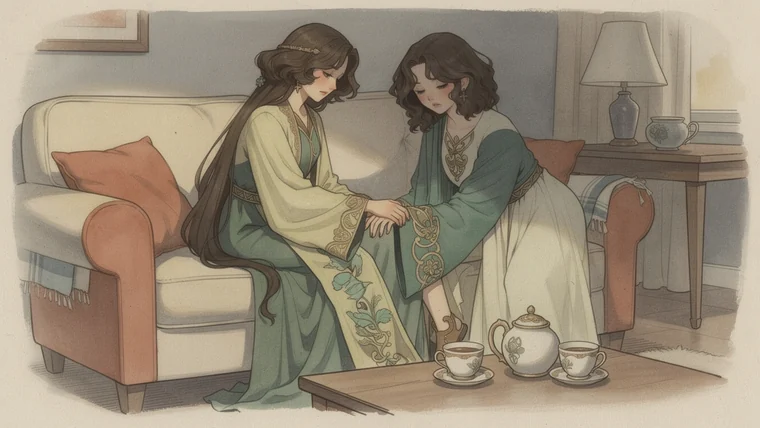
Their greatest weakness is the emotional domain. Whether a room's feelings rise high or sink low, they cannot settle, and stirring up the mood themselves or expressing emotion freely is something they are hopelessly poor at. Fierce clashes of emotion and quarrels leave them utterly drained.
And criticism of their own work they hold deeply, without letting it show. Even when they seem to let it pass calmly, sometimes with a smile, it does not mean they are unhurt. When someone who warmly takes in this emotional burden and softens the atmosphere is beside them, this person becomes far more at ease.
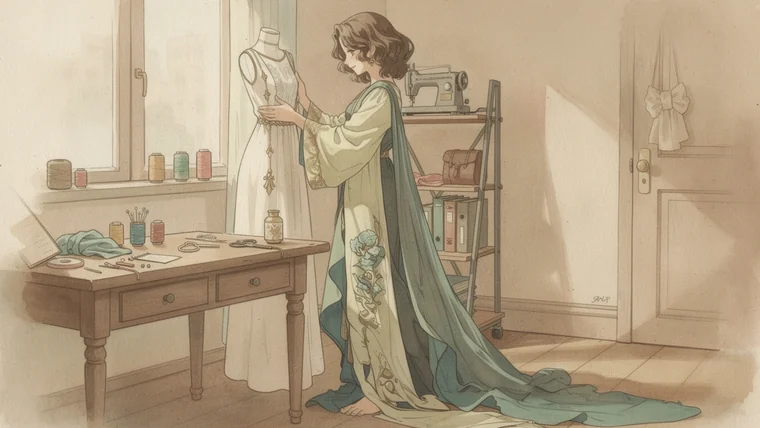
- Core: a sensitivity to comfort, and sure hands that build it up
- What drives you: warm bonds with people you know well, moments when you're relied on and can lend a hand
- Where you're fragile: heightening emotions, seeing far ahead
Strengths, and where you stumble
The Artist's strengths lie in fine sensation, a quiet, accumulating tenacity, and wit. That same keenness of sensitivity can, depending on what is asked of them, also become a hardship.
Someone who finds and opens the talent that was sleeping in you.
Strengths
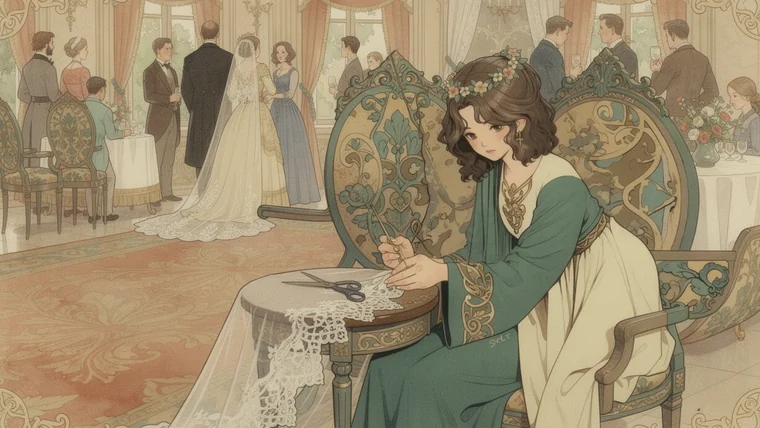
A sensitivity that cannot overlook small discrepancies, and a sure hand to give them form. Texture, finish, harmony — they notice where others pass by and polish until satisfied. They do not tire even continuing steady work for long, and reach the finest finish with the least force.
Even amid unexpected malfunctions, they find a way with wit and ingenuity. Without losing their composure, even in unfavorable circumstances they keep low, let the shock flow past, hold losses down, and rebuild. This calm gives those around them a quiet reassurance.
Where you stumble
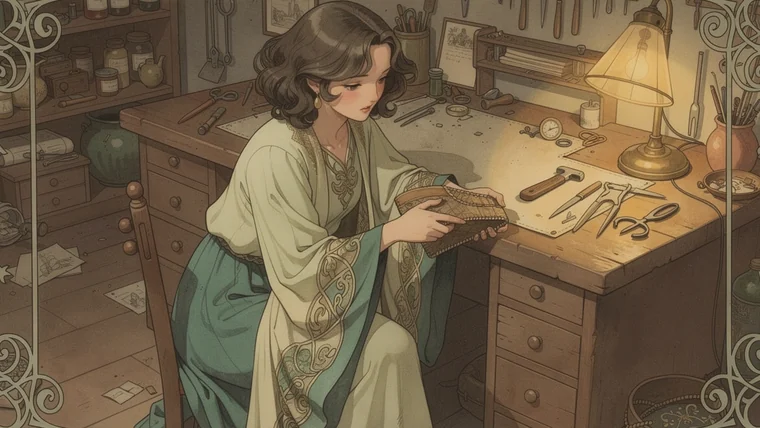
On the other hand, they are weak to coarseness, noise, and dimness. Staying long in a cluttered environment, they close inward, and at the moment to dig in, they may draw back. The waves of their mood can also sway their very condition.
And the emotional domain is the core of their weakness. Unable to warm a room's atmosphere, they are drained by emotional storms. Though they do not show it, they secretly doubt their own ability and wait, in part, to be acknowledged. These are greatly softened when someone who gives them the room's atmosphere and encouragement is present.
The possibilities brought by someone you trust move you deeply — and you can develop them with your own skill. That's where your room to grow lies.
- On days you're not in the mood, don't blame yourself — quietly step back and reset
- Don't take all criticism to heart; take in only the parts that hit the mark
- Every so often, put your view half a step ahead into words
Where you thrive
The Artist exercises their powers most freely where they can work with their hands, relying on their own senses, and decide their way of proceeding at their own discretion.
Where they take to water is a place where sense and handwork connect directly to the object. Where they can be particular about texture and finish and raise quality by testing. And the freedom to decide for themselves what to do and how — this is indispensable. A field suits them where results take visible form, and where they can build trust by skill rather than glib maneuvering.
With "the freedom to decide for yourself," your hands come alive.
Fields that suit them
Where their power lives most is in “the creation of functional beauty,” where sensibility and technique become one. Handwork, crafts, and craft trades; product and industrial design; architectural, spatial, and structural design. Creation that drives detail quality to the limit, like video editing or sound design. Fields that demand precise handcraft and technical improvement, and a way of working where they set up their own workshop and work independently, also suit them. All are work where visual beauty and actual usability can be tied into a single form.
Where they thrive
A quiet, specialized environment — a workshop, a design office, a making or research setting, where they can finish at their own pace until satisfied, is where their power comes out most. A calm space or the nearness of nature settles their senses and restores their usual condition. More than within a large organization, they move most freely from an independent position or in a small team.
A comfortable, beautiful workplace; an environment where feedback returns at once; short-term projects where emotion can be put to use. And a field where people's reactions are visible on the spot — these unleash this person's power. Frank, warm feedback, and a single word of "that helped," "thank you." That makes this person all the more positive.
Conversely, in places where emotional drama or strong pressure and orders swirl, they close inward and are drained. Being required to act lively without cease, or being made to accept a fixed way from scratch and having their freedom bound, is hard on them. Still, if someone who carries a warm atmosphere and fresh ideas is beside them, even in such places this person's hands come fully alive.
Dialogue — ask Bronwen

One free dialogue · Le Salon members can explore several perspectives. Not a real person: a representative perspective based on the public profile.
Relationships and love
Care that gets ahead of the need is your language of love.
How You Love — Care That Gets Ahead of the Need
The Artist loves through “getting ahead of the need” with bodily sensation (Si) and practical logic (Te). Before the other person says it aloud, you notice the trouble and quietly take it on. Your affection lives not in sentimental words but in the concrete hand that senses a need and sets it right. If you notice your partner is swamped, rather than voicing worry, you quietly finish the tiresome arrangements first, prepare a meal, and make the burden itself vanish. For this person, to love is to reduce the friction in a partner's life where it can't be seen. So love makes no noise — yet every time your partner realizes “huh, somehow this got easier,” its quiet depth comes through.
Compatibility — recommended partners
 Promoter
 IEE-DMoving the world through fascination — an evangelist of ideasDualityThe most complementary partner, satisfying the need to belong, secure attachment, and deep longing. They give both inner security and the drive to act at once Visionary
 ILE-DThe architect of ideas who reinvents the world through paradox and theorySemi-dualityNostalgia, a sense of belonging, interdependence — a partner who makes you feel a fond, warm connection. Politician
 SEE-DA born leader who reads hearts and rallies the currentIllusionaryEmpathy, gratitude, trust, security — more indirect than Duality, but a warm, soothing partner Empath
 EII-DSensing what lies beneath feeling, and becoming someone's quiet supportActivationActivation, elation, drive, curiosity — just having them near makes "I want to do it" well up; the easiest partner to open up with. Guardian
 ESI-DA silent shield that protects people, with rightness at its backBenefactorSomeone you can move for naturally — a relationship where you support them as their benefactor and are given back joy and gratitude. Architect
 LII-DThe architecture of logic, quietly built up piece by pieceBeneficiaryFulfillment and trust — a relationship like a full, peak experience received from a benefactor Administrator
 LSE-QThe hands-on command post that keeps the field running and moves people and workMirrorIntuition, insight, flow — a partner with whom you can draw out each other's unconscious intellectual strengths Commander
 LIE-QBuild, prepare, hold the line — the command center of orderSupervisor (mirror)Integration and growth — a relationship where, unable not to give, one hands over knowledge and ingenuity as a master Harmonizer
 ESE-QTheir smile and their voice soften the space around themSupervisee (mirror)Learning and resilience — a relationship where you can't help but receive, inheriting knowledge as an apprenticeSee the other relationships (22 more types)
The upper bands are easier to be with; the lower bands tend to wear you down. Tap a relation name to read about the pair.
 Critic
 ILI-QThe insightful Critic who sees through contradictions in the depths of silenceBusinessA partner you can easily work alongside, adapting to the situation together. Performer
 SEI-QA gentle conveyor who gives form to sensation and feelingKindredA partner whose conversation flows easily, someone who likes to express things in the same direction as you. It can wear you out once it turns competitive. Mentor
 EIE-QA passionate standard-bearer who speaks of ideals and binds hearts togetherCorrectionA partner whose feedback becomes a chance to take stock of yourself. Enforcer
 LSI-DThe steel operator who carries out the mission through discipline and responsibilityTranscendenceA partner who makes you want to surpass yourself when you're together, pushing each other to grow. Conqueror
 SLE-DA dependable field general who only burns brighter the harder things getCompassA partner who gives you a sense of being accepted, along with a hint of which direction to move in. Dreamer
 IEI-QA teller of fantasies who colors the world with dreams and passionIdealA partner who naturally embodies what you aspire to be, easy to admire. Getting too close tires you out. Advisor
 IEE-QOne who quietly draws near and listens to the heartDetachedA partner who's hard to feel drawn to, leading to a rather flat, low-key relationship. Craftsman
 SLI-DThe artisan who sets the world in order in the palm of his handAdaptiveA partner you settle into by simply playing your roles, an easy, unremarkable relationship. Executive
 LSE-DSet it in order, get it moving, see it throughCodependencyA partner who wears you down little by little, caught in a cycle of bottling things up and overcompensating. Philosopher
 EII-QOne who, in the stillness, keeps questioning the meaning of the worldRelaxationA partner who puts you at ease, though you tend to end up waiting on them with quiet expectation. Seeker
 ILE-QAn intellectual adventurer who unravels the worldDistrustA partner you can't quite bring yourself to trust, which makes it hard to show your own strength. Peacemaker
 SEI-DA bridge between sensation and compassionDutyA partner who leaves you understanding what to do yet unable to act on it, while your need to be recognized grows stronger. Enthusiast
 ESE-DThe cheerful flame that sets the world ablaze with feelingPlayerA partner around whom you constantly feel watched, prone to leaving you burned out. Analyst
 LII-QFrom the quiet of the desk, reassembling the worldTense BeneficiaryA partner who leaves you worrying and overthinking, prone to closing your heart off.
SEE-QA natural orchestrator who reads the room and guides people toward reconciliationTediumA partner who leaves you feeling sluggish, prone to putting things off and keeping your distance. Strategist
 ILI-DThe contemplative Strategist who quietly reads ahead and lays the groundworkFormalA relationship where formality and appearances pile up, and it's hard to ever fully relax. Pioneer
 LIE-DCarving the way through results — the realist's frontierSupervisorA relationship where you tend to unsettle the other person without ever realizing it. Judge
Judge ESI-QThe quiet arbiter who discerns right from wrongTense BenefactorA partner around whom you tend to try too hard, unable to shake off the tension. Reformer
 SLE-QAn executor who breaks through by force and rewrites conventionDistanceA partner who makes you want to keep your distance and close your heart off. Prophet
 IEI-DAn eye that gazes upon a destiny no one has yet noticedRoleA relationship where "you should" comes first, making it hard to just be yourself. Hero
Hero EIE-DIt is this conviction that changes the worldConflictThe partner most likely to strike your weakest point, the one relationship that drains you the most. Inspector
 LSI-QThe logician who strips away pretense and sees through to the truthQuasi-IdentityA partner who looks similar to you yet never quite clicks, leaving you spinning your wheels and worn out.Compatibility is not decided by type alone; maturity, subtype and circumstances all change it.
With someone you are connected to, you can read a personal Relationship Reading drawn from both of your answers ($8.99 per pair, unlimited for Le Salon members).
See compatibility with your connections →Explore Le Salon →
What You Truly Long For
What you truly seek is a partner who shares their power to see possibilities with you. Your own life is set to "just right," but that self-contained world, left alone, grows a little narrow…
In the Love Edition: What your heart longs for / What excites you / Where you clash and your landmines / Classic love scenarios / Chemistry by partner, all 32 types named / At home and as a parent / A practical playbook / Secrets to lasting love / A manual for your partner
Work and ways of working
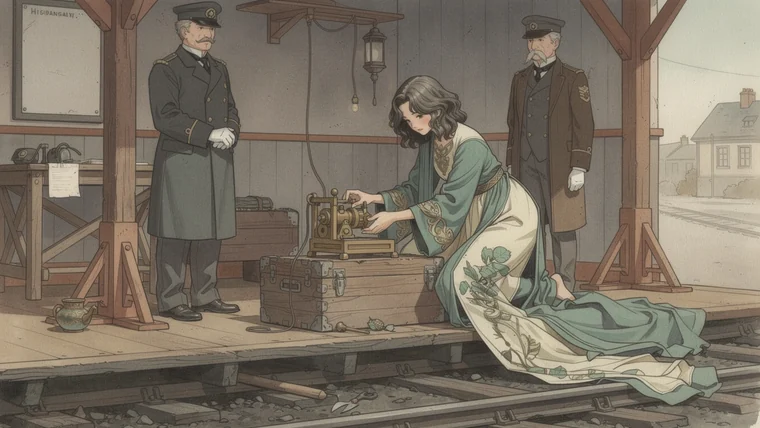
Your Working Style — Comfort-and-Optimization
You naturally excel in two main ways: attending closely to detail to make things comfortable, and running systems efficiently to get results.
Your interest gravitates toward getting hands-on, practical work done. Day to day, you set your own relaxed pace and go with the flow rather than force things.
With people, you keep your emotions in check and maintain distance by following rules and procedures. When you act, you think through efficiency and method as you go.
The power to catch sensation and subtle discrepancies, and the power to build up skill.
- Give estimates as a range from shortest to longest, and update them at midpoint checkpoints
- Lead proposals with the actual thing, or a real before-and-after
- Put even procedures that seem obvious into words and share them
Careers That Fit
Your sensitivity to texture and finish comes directly into play, letting you surely polish things to a quality you're satisfied with.
Your ability to steadily accumulate skills and know-how and quietly keep systems running comes straight into its own.
Your realistic eye for judging whether something actually works, and your sure hands, are valued.
Your Strengths, and Work Better Avoided
Your strength lies in the combination of an aesthetic sensitivity that catches off-notes in texture and detail and finishes things comfortably, and the ability to accumulate skills and knowledge into systems that run efficiently. At work, as "the final guardian of quality"…
In the Business Edition: Natural strengths / work better avoided, Stress tolerance and socialization group, Work style, Motivation and recharging, How to work with and manage this person, Compatibility and team-building, Industry fit ◎○△ across 23 industries with rationale, Suitable roles
Blueprint of the mind
Your mind runs on eight blocks. Each block carries two functions — how you take in the world, and how you express yourself — and together they set both the range you're skilled in and how much you actually value using it. We've kept the technical notation small and explained everything in plain language.
A sensitivity to comfort, and the skill you've built up.
Leading Your centerI Know
-Si-pSensibility & SubtletyExperiential sensing+Te-cTechnology & AccumulationPractical logicYou first take in the world with a very fine sensory yardstick: 〈is this comfortable, or unpleasant?〉 Texture, temperature, smell, sound, the harmony of colors. Your body catches the tiny discrepancies others don't notice before you even think.
You then give the sensations you've grasped form with hands that surely build them up as technique. Without rushing, at a steady pace, you store up what you've tried and the procedures that worked, gaining precision each time — "sense it, then make it surely." That is the conviction planted right at your center.
Mirror — Picked up by watching
At the entry point sits the work of taking in what's in front of you w…
In the Full Portrait: all 8 blocks of the blueprint / 6 ways back / situational guide / the reasoning behind the exemplars
Going deeper — ways back and situational guide
On the flip side of that same core, these are the situations where you tend to stumble. After that, six ways to get back on your feet.
Stirring up the mood yourself or expressing emotion freely is something you're just not good at.
Fierce clashes of emotion and quarrels leave you completely drained.
When you stay long in a cluttered environment, you close inward, and you may pull back just when it's time to dig in.
Someone who discovers your possibilities opens a wider world to your hands.
Way to Recover 1 — Pause, and Picture a Little of the Road Ahead
You're good at sinking into present comfort, but not at turning your eyes to "what happens next." If you stop your hands now and then and think half a step ahead…
In the Full Portrait: 6 ways back / situational guide (home, work, friends, under stress, shopping, days off)
People thought to share this type
Different fields, different eras — yet every one of them resonates on the same note: someone who senses, then surely gives it form with their own hands.
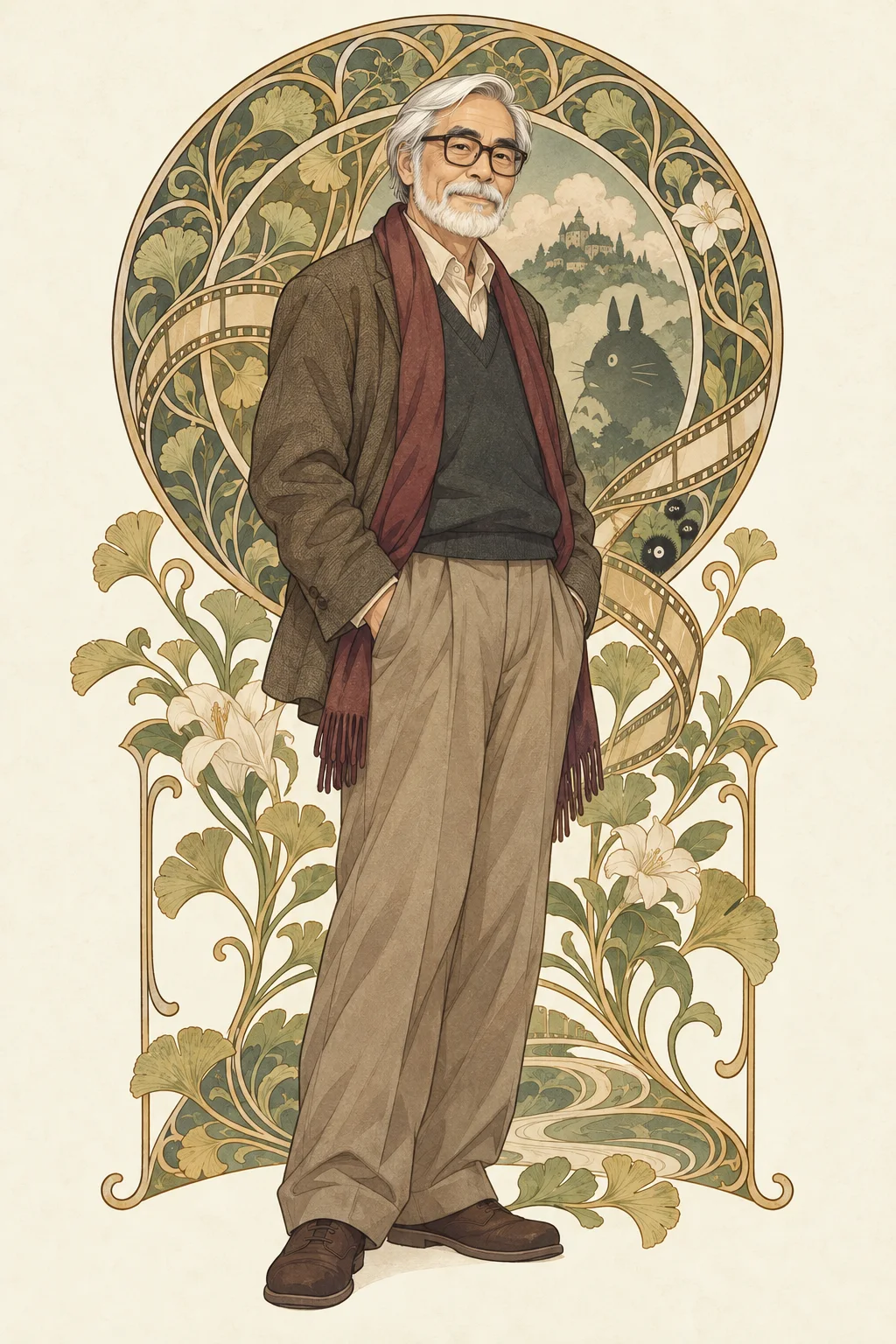 Japan · Animation directorHayao MiyazakiCherishing the details of nature and daily life, he built a sure hand-drawn world
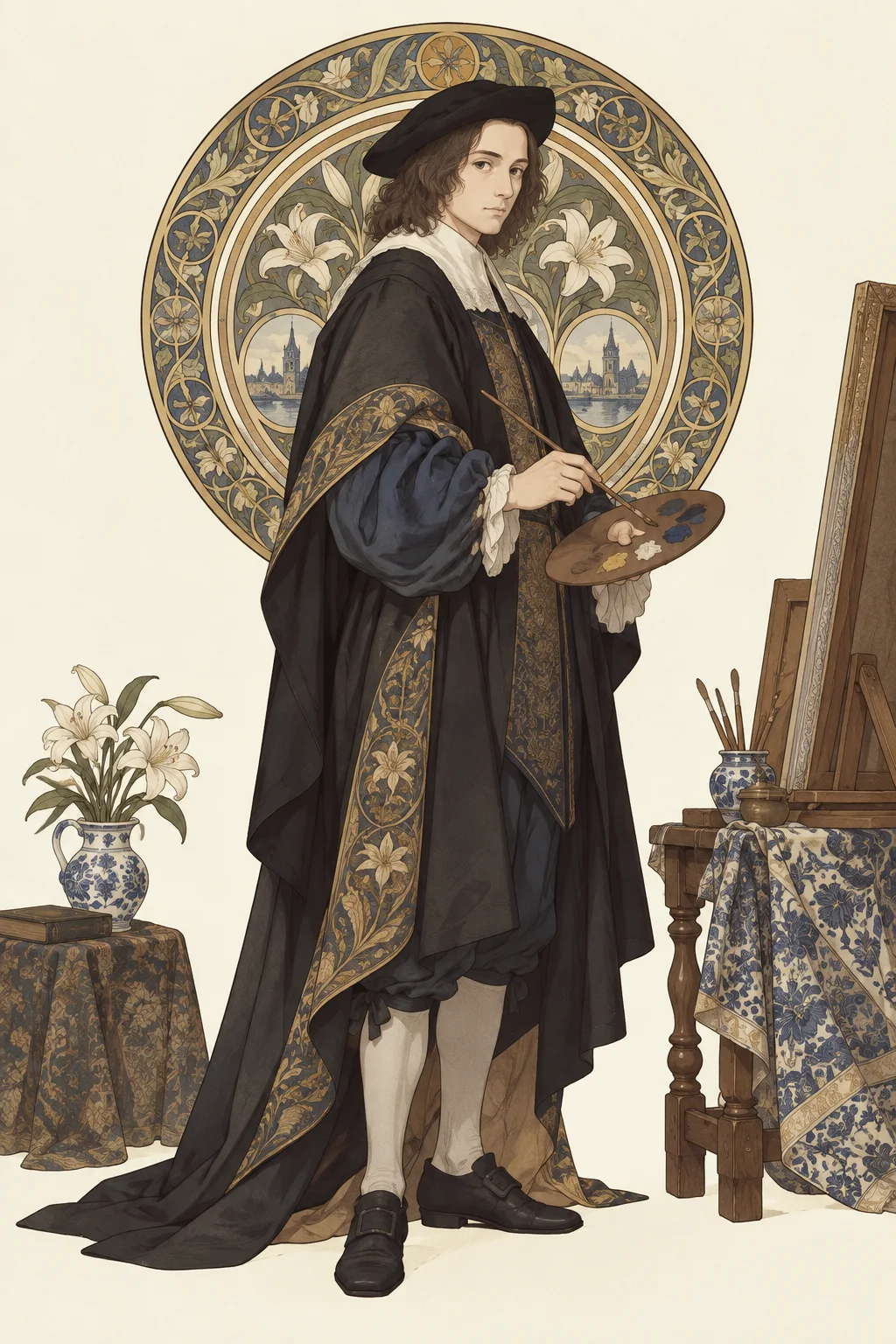 Netherlands · PainterJohannes VermeerHe held the serene light of the everyday forever, with an exquisitely precise brush
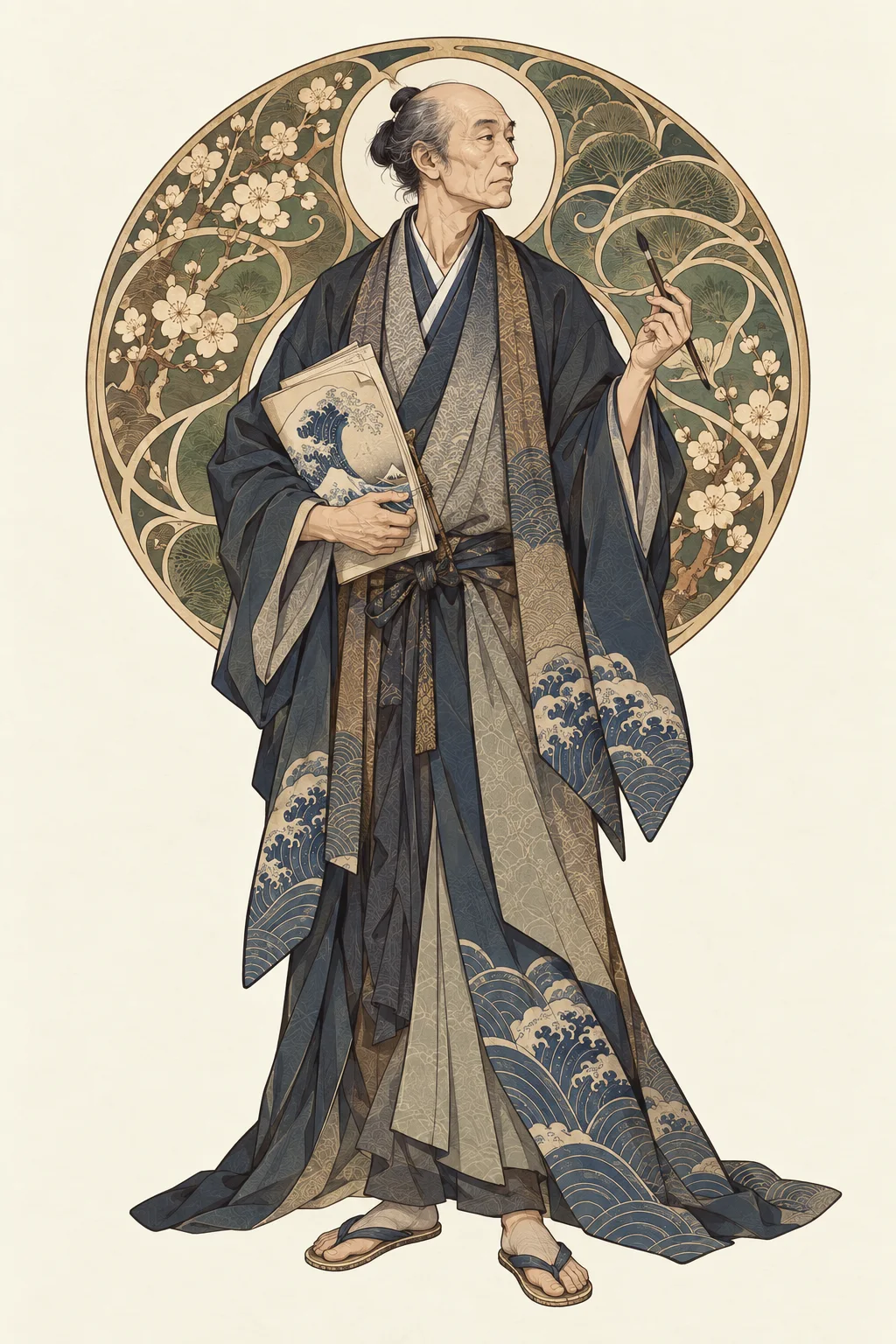 Japan · Painter and printmakerKatsushika HokusaiWith innovative composition and color, he captured the instant of wave and mountain
 Canada · PianistGlenn GouldWith his own interpretation and perfectionism, he immersed himself in a world of solitary recording
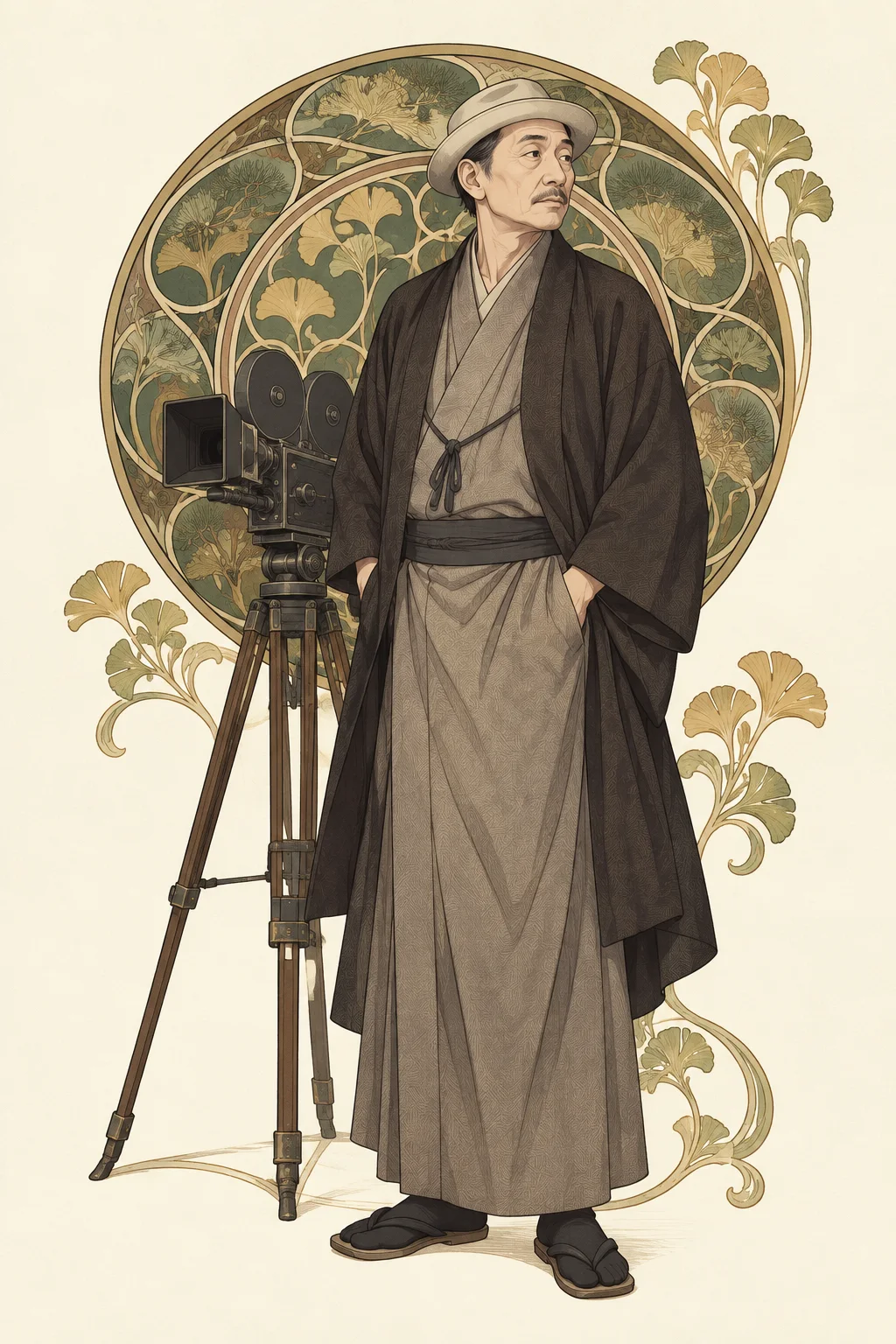 Japan · Film directorYasujirō OzuWith a low gaze and stillness, he depicted the "just-rightness" of the family everyday
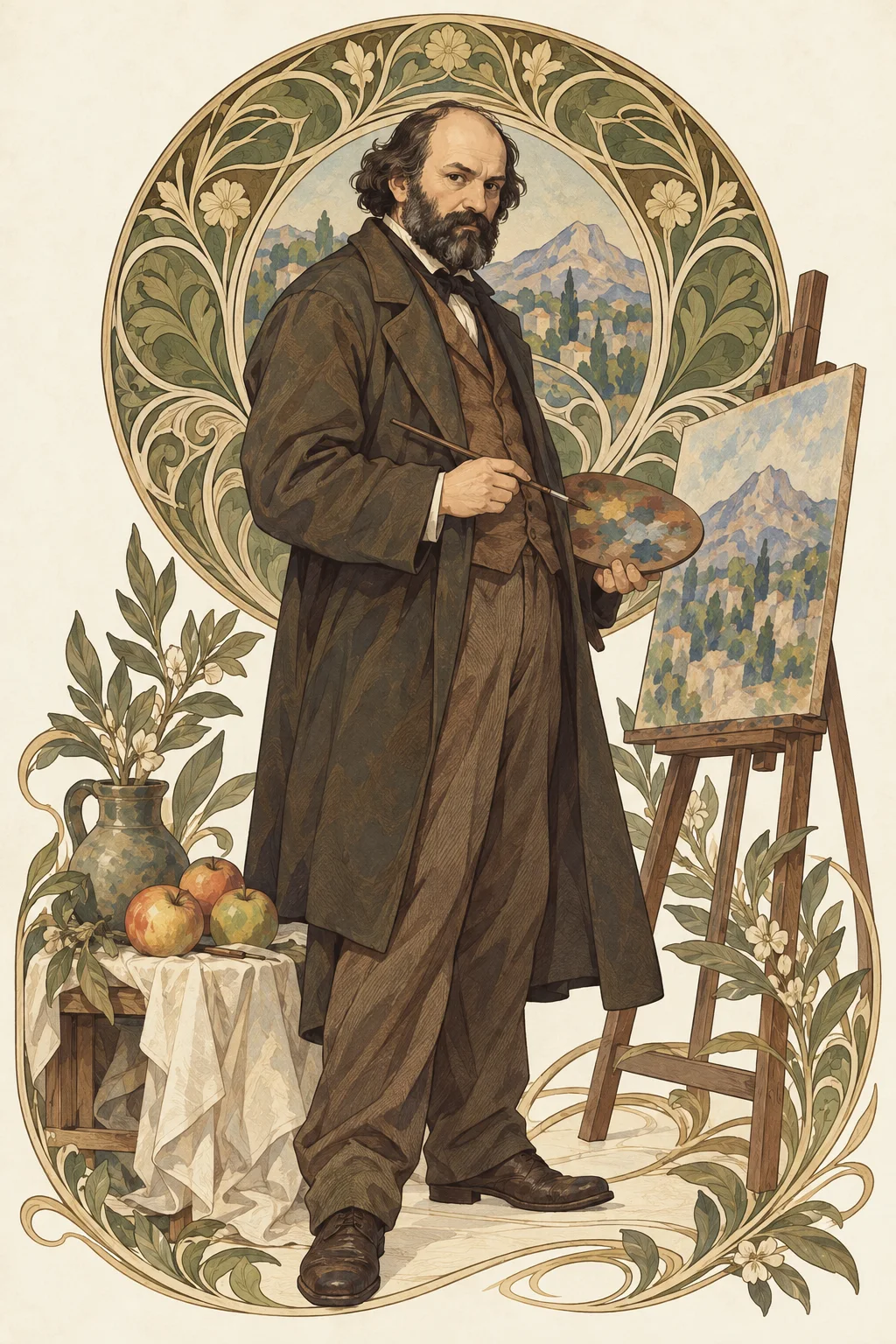 France · PainterPaul CézanneGazing at color and form as structure, he laid the foundation of modern painting
 Russia → United States · ComposerSergei RachmaninoffHe crystallized deep lyricism with polished technique
 Germany · Printmaker and painterAlbrecht DürerWith meticulous line, he carved the spirit of the Renaissance into the North
 United States · Film director and actorBuster KeatonDeadpan throughout, he performed thoroughly calculated stunts
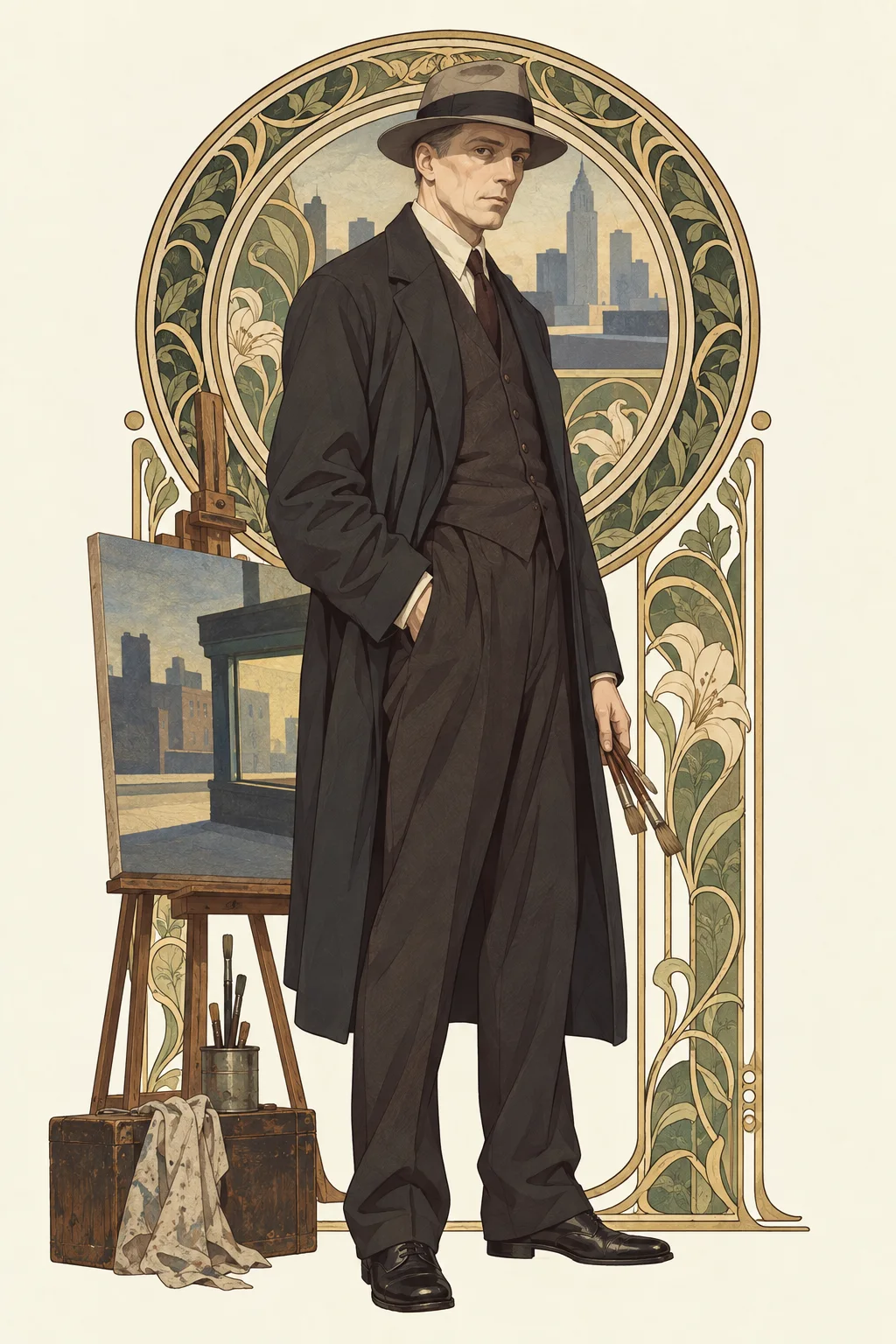 United States · PainterEdward HopperWith stillness and light, he depicted the lonely American everyday
Type attributions are informed speculation based on public information, not confirmed fact.
Map of group memberships
The Artist is one of 32 types, and also belongs to several groups of kindred natures. Here are the four main ones first — open a card to step into its own gallery room.
 Quadra (Values)Delta Quadra (δ)Tradition
 Bouquet (Temperament)Receptive-Adaptive temperamentDiscerning the flow and responding to it
 Club (Interest)Practical Management ClubBearers of practice and order
 Motivation (Stimulus Group)Happiness Stimulus GroupSeeks comfort and stability
See all groupings (25 more)
 Communication StyleCold-BloodedExchanges information coolly
 Behavioral StyleMethodologistLands results through efficiency
 Argumentation StyleReconstructorDoubting premises and rearranging them
 Perception GroupTactilityFeels things out by touch and sets them moving
 Cognitive StyleVortical-SynergeticDiscovers the essence through trial and error
 Romance (View of Love)ConciergeAnticipating needs and setting things in order
 Stress ToleranceStrongCrouches low, then springs back
 Socialization GroupIdealistBelieving, and letting the vision lead
 Inflation RingInformation GeneratorVerifying results and weaving them into information
 Project GroupConcrete ResultsTurns plans into form at once
 Implementation GroupTechnology IntroductionSending promising technology into production
 Square (Rest)AesthetesConnoisseurs of refinement
 Business Square (Collaboration)OperativeCovert operatives
 Octad (Cross-Value Group)QuestExploring the unknown, opening questions
 Reactor (Excitation Group)ReserveStoring up excitation inward
 MobilizationAlloyAlloys disparate elements together
 Conditioning (Adjustment Group)ConfigurationSetting the configuration of the whole
 LabyrinthBabylonPractice and vision, artisan and hero
 Block Group (Extinguishing Group)SchoolSparks reform and passes it on
 Social Progress Ring (SPR)BreakthroughThe ring of emergent lightning
 Supervision Ring (SVR)NovaA new star bursting from the vortex
 Social Order Ring (SOR)HermitA critic who sets distortions right
 Succession Ring (SR)CanonThe deep succession of command
 Benefit Ring (BR)ObeliskThe enduring norms of stone
 Master Ring (MR)VeritasThe establishment of orthodox truth
Open the full, love and business editions

- The blueprint of your mind (8 blocks)
- Six ways to recover from stumbles
- A situation-by-situation guide (6 situations)
- The reasoning behind the celebrity picks

- What your heart longs for / What excites you / Your landmines
- Classic love scenarios
- Chemistry by partner (all 32 types)
- At home and as a parent / A practical playbook

- Natural strengths / Work better avoided
- Work style / Management
- Industry fit ◎○△ (23 industries)
- Suitable roles
Save $24.98 compared with buying the three separately