
SEI-Q – Performer –
A gentle conveyor who gives form to sensation and feeling
You are someone who senses the textures of the world more finely than most.
The beauty you take in, you give back in a form that lifts someone's heart.
You're never easily satisfied with what you put out, and you quietly keep trying until it reaches a texture that feels right.
- Quadra
- Chi Χ
- Bouquet
- Receptive-Adaptive temperament
- Club
- Social
Portrait — the Performer

Around the Performer, the world looks a little more vivid. From the same dish, the same dusk, the same song, this person takes in fine flavors that others miss — the depth of a texture on the tongue, the temperature of light, the faint tremor in a voice. At their center sits a delicate receiver that finely tells apart the textures of the world.
Yet the Performer is no mere sensitive soul. What they take in, they always give back in a form that lifts someone's heart. In a song, a painting, an outfit, a dish, or the color of a casual word, they translate the beauty of the world they've sensed into something that can be shared. That circuit connecting sensation and feeling is what makes them a gentle conveyor.
There's a distinctive tenacity to how they work. The Performer isn't easily satisfied with what they put out. They taste it once more, lay the color down again, sing it over — quietly trying and trying until it reaches a texture they're satisfied with. Cheerful as they seem on the surface, behind it works a stern, discerning eye trained on their own senses. They simply can't help knowing the difference between what's good and what falls short.
And what this person of the senses secretly longs for is the "workings" of the world. Why is the beauty they've grasped beautiful? How is this world really put together? The Performer is deeply drawn to someone who can unravel that mystery with vivid paradox and precise reasoning. Themselves, who sense, and a partner who explains: within that pairing, their world is made complete.
Not theory, but texture you can confirm.
Does this sound like you?
- Even in the same dish, you notice differences in flavor that others don't.
- You try a new tool or method with your own hands first before you adopt it.
- You may be easygoing in front of people, but you rework what you make again and again.
- You sense someone's fatigue or preferences and offer what they need before they say a word.
- When you join a conversation, you first check the temperature of the room before you move.
- You don't fight a strong current; you take it in first, then draw it into your own rhythm.
- You can somehow tell who is sincere and who is putting on a front.
- You take the bait like a child when someone talks about an interesting line of reasoning.
- You take your time choosing who gets let into your true inner circle.
- When you're rushed with efficiency or numbers, you visibly stiffen.

How you move

The Performer's conduct shows up clearly in a fine scrutiny of texture and in the color they add to a place.
What first catches the eye is the sureness of this person's hands. The seasoning of a dish, the tuning of light in a room, the choosing of a gift, the matching of colors in an outfit — in every scene of daily life, the Performer does not miss "just right." That is not merely a heaven-given knack; it is because this person does not begrudge the small back-and-forth of trying, checking, and fixing. What can be touched and confirmed, this person trusts.
In a place with people, they do not push themselves forward, yet they surely add color to the room. A warm drink for someone tired, a soft joke for a sunken mood, a touch of staging for a celebration — the thoughtfulness of offering what is needed before it is asked comes out as naturally as breathing. Rather than raising their voice at the center of the circle, this is a person who quietly improves the very texture of a place.
Their bearing amid the flow is supple too. When plans fall apart they do not panic; they read the situation and reshape things from what is at hand. Against a strong current they do not resist head-on but take it in for a moment and draw it into their own rhythm — they may look bent, but they never let go of the core.
Not pushing forward, but quietly making things better.
- Never begrudges the small back-and-forth of trying, checking, and fixing
- Doesn't fight a strong current; takes it in first, then draws it into their own rhythm
- Quietly keeps trying until it reaches a texture that feels right
Observed Behavior

Their refusal to compromise on what they make is distinctive. Laughing easily in front of others, they will redo their own song, plate, or work any number of times. This person's senses will not allow something put out with a "that'll do" to stand in the world under their name.
Their eye for people is surer than they let on. Who is sincere, who is putting on a front — they see through the subtleties of feeling at a deep level, yet they do not turn it into words of judgment; they only quietly change how much distance they keep.
Pressed by efficiency or numbers, they visibly stiffen. In a place ruled by the language of deadlines and cost-effectiveness, this person's care is counted as "slowness" — and under that pressure, the Performer's texture grows thin.
Even so, they recover quickly from adversity. Pushed down, they crouch for a moment and spring softly back. So long as the core of sensation and expression is in hand, this person can remake their own form, even by changing places.
Given a place where care is recognized as value, your skill will keep on growing.
How you speak and listen

The Performer's dialogue is made of the language of the senses and a softness that lets the other person shine.
Their way of speaking is gentle, rich in a vocabulary of the senses. Taste, color, texture, atmosphere — they speak in words rooted in confirmable texture rather than in abstraction. Sensitive to shifts in the other person's condition, when they sense fatigue or strain they will move the whole conversation to a softer place.
They grow relationships slowly. Seeming to open up to anyone at once, they in fact take time to choose whom they let into their true inner circle. Faithful to a bond once deeply tied, they keep answering it with small daily kindnesses rather than showy words.
And this person has a keen appetite for interesting reasoning. Hearing talk that vividly unravels the workings of the world, the light in their eyes changes and they send back question after question. Because they do not build the framework themselves, their ear for good reasoning is sure, and their questions in turn sharpen the speaker's own thinking.
Speaking in the language of the senses, only about what can be confirmed.
What lies at the core — drive and tender spots
Not theory, but the texture you can sense right now.
The one powerful engine at the heart
At the Performer's center are a reception that discerns texture and an expression that lifts the heart.
At the Performer's center is one strong driving force: the power of a reception that discerns the textures of the world — flavor, color, the feel of skin, the air of a place — on an extremely fine scale. The difference between what is good and what falls short is grasped as sensation, ahead of reason. And to confirm that difference, this person does not shrink from touching, trying, and tasting again.
This reception has a paired transmission: the power to translate the beauty they have sensed into a form that lifts the human heart, and to deliver it. A song, a plate, the setting of a room, even a slight word — the texture of the world they have received, passing through this person, turns into a gift that brightens someone's mood. The ear that discerns and the hand that delivers. When these two mesh, the Performer adds color to people's everyday lives.
This is not a matter of the arts alone. At the family table, in the office break room, the moment they feel "the texture here could be a little better," the same engine starts up. The beauty they have felt reaches someone, and that face softens — that very moment is where the Performer is most deeply fulfilled.
What they can do, yet do not prize

Surprisingly, the Performer holds considerable power when it comes to seeing through the depths of a person's heart. Who can be trusted and who cannot; how the balance of power in a place is tilting — their judgment of worldly matters is, in truth, sure.
But this person places no weight there. They do not turn what they have seen through into words of judgment, nor into a tool of maneuvering. The power to take a person's measure is tucked away in the breast and used gently only in the quiet form of how much distance to keep. To hold a judging eye yet not judge — that is why a sense of safety gathers around this person.
What the heart secretly craves
What they secretly long for is a vivid intellect that unravels the workings of the world.
What the Performer, blessed with sensation and feeling, finds hard to generate on their own yet longs for more deeply than anyone — is an intellect that grasps the workings behind the world and builds them into precise reasoning. When it comes to erecting, by their own power, the framework of "why" their sensed beauty or unease is so, they suddenly feel unsure. That is precisely why they are deeply drawn to, and fulfilled by, a presence who opens the view with vivid paradox and unshakable theory.
This appears as "the need to belong, secure attachment, and the fulfillment of a deep craving." Beside the dual Visionary (ILE-D) — who takes genuine delight in this person's handiwork of daily life and, in return, speaks the layout of the world, and who is the very best at that power — the Performer can devote themselves in peace to the sensation and expression they excel at. This is the finest complement, one who lends a thinking framework to the sensing self.
The most fragile place
The Performer is most fragile under the pressure of efficiency and in reading the long game.
What is most fragile is being pressed by the yardstick of efficiency and optimization. Faster, cheaper, more numbers — before that demand, this person's careful back-and-forth is counted as "waste," and the time to confirm texture is whittled away. Their true feeling — that they would rather stop their hands than lower quality while chased by a deadline — is sometimes mistaken for laziness.
Another fragility is the design of the long game. A strategy fixed on years ahead, a decision to take on risk, where to place a big bet — asked for such reckonings, this person is at a loss. Though they know the texture before their eyes more surely than anyone, the consequences far ahead grow hazy.
And so whether the Performer shines for the long run hinges on who takes on these two. Beside a partner who shoulders the negotiation of efficiency and the design of the long term, this person can return, un-whittled, to the texture work they excel at.

- Core: a reception that discerns texture, and an expression that lifts the heart
- What drives you: an eye that delights in what you do, and the felt sense that it reached someone
- Where you're fragile: the pressure of efficiency, long-term strategy
Strengths, and where you stumble
Someone who vividly unravels how the world works.
Strength — discern, and deliver
The Performer's strength lies in the fineness of a reception that discerns texture and the sureness of a transmission that translates it into a form that reaches people. Taste, color, sound, air — they sense the grain of the world on the smallest scale and, layering trial and confirmation, polish it up to "just right." The finish surely lifts people's moods. Anticipatory thoughtfulness, a soft coloring that loosens a place, a suppleness that answers the flow, and a stillness that sees through people at a deep level yet does not judge — these take root around this person as safety and ease.
And at the bottom of that softness runs a tenacious core. Their scrutiny of what they put out is stern, and they do not shrink from redoing it until satisfied. Pushed down, they crouch and spring back; even when the place changes, they can remake their own form — an unbreakable core together with a supple bearing. That coexistence lifts the Performer from a mere good caretaker into a maker who lingers long in people's memory.
Where they tend to stumble

What trips them up is the underside of that fineness and that readiness to yield.
When scrutiny of texture comes out too strongly, they cannot escape "still not enough," inviting a holding-back and a delayed completion. The suppleness of fitting to others and to the place, taken too far, puts their own wishes last, and before they know it they have set only the comfort of those around them in order while they themselves grow thin. When their care is treated as a given, the way they cool is deep — and, left unspoken, it shows up as a quiet distance.
They are markedly weak to the pressure of efficiency and numbers. The more they are rushed, the thinner the texture grows, and before the language of cost-effectiveness they cannot defend their own care. Poor, too, at long-term strategy and at reading a big bet, they stand frozen when asked for a design of what lies ahead. And they tend to store up their true dissatisfaction, pushing it beneath a smile to the limit before, one day, suddenly stepping down from the scene — an abruptness that can leave those around them bewildered.
Reasoning from someone you trust moves you deeply — and you can answer it with your own sense of texture. That's where your room to grow lies.
- Don't wait for it to be finished — sometimes try handing it over at eighty percent
- While the unease is still small, set it down lightly: "actually, this part bothers me a little"
- Leave negotiations over efficiency to someone who can act as your interpreter
Where you thrive
With "an eye that delights in what you do," scrutiny turns into joy.
Environments Where They Thrive
The Performer shines most in an environment where the quality of texture is appraised straight on. Where care is counted as value rather than "slowness," where time is allowed for the back-and-forth of trying and confirming, and where what is made reaches the pleased faces of people — in a place with that cycle, this person's skill keeps growing. Conversely, in a place ruled by numbers and deadlines alone, where no one notices differences in texture, this person's center quietly withers.
What this person needs is, first, "an eye that takes delight." When there is a partner who notices the nuances of their handiwork and puts its value into words, the Performer's scrutiny turns into joy. And a companion who takes on the negotiation of efficiency and the design of the long term — a presence to whom the outward maneuvering and the reckoning of what lies ahead can be entrusted. With that framework in place, this person can sink, un-whittled, into the texture work they excel at.
As a gentle conveyor
The connoisseurship of the senses, the expression that lifts the heart, and the anticipatory thoughtfulness come alive in roles that make, arrange, and deliver texture. Song and performance, painting and photography, cooking and confectionery, dress and beauty, the setting of spaces, hospitality and reception, the crafts of handiwork, the frontlines of care that support people's daily lives — in all of these, this person's fine reception and warm transmission, and the wish to "brighten people's moods," become value directly.
On the other hand, they are ill-suited to being the driver of efficiency, to hard bargaining, to strategy planning on a scale of years, or to management that drives people with numbers. At such posts, their gift for care spins in vain, and only the optimization they are poor at is asked of them. A form in which they entrust the outward contest and the long-term design to a companion or a system, and concentrate themselves on the crafting of texture and on people's comfort, is what brings this person most alive.
Dialogue — ask Rosette

One free dialogue · Le Salon members can explore several perspectives. Not a real person: a representative perspective based on the public profile.
Relationships and love
One-step-ahead care is your language of love.
Love — slowly and deeply, through anticipatory care
The Performer's love shows in a long-breathed caretaking that anticipates needs and sets things in order.
The Performer's love advances through daily tending rather than grand words. Remembering the other's tastes, sensing the signs of fatigue, offering what is needed before it is asked — setting the texture of daily life in order is this person's grammar of love. Bonds deepen slowly, and once tied, they are kept with astonishing faithfulness.
[Women]Behind a soft manner, she holds a sure discernment. While finely tending to her partner's life and state of heart, she quietly does not yield her own sense of beauty. She does not begrudge care, but if it is treated as a given, she cools deeply. Beside a vivid intellect that lights back the world she has sensed with interesting reasoning, she comes vividly into bloom.
[Men]A calm, tasteful man, good at hospitality. Rather than pushy courtship, he closes the distance by layering up pleasant hours. He shows affection through handiwork and cooking and the setting of a place, and finds joy in soothing his partner's tiredness. Beside a partner who delights in that care and lights the future with a grand vision, he rests deeply.
How You Love — Care That Anticipates
The Performer's way of loving shows in reading a partner's condition with bodily sensation (Si) and making the moment comfortable (Fe). Before your partner opens their mouth, you sense whether they're tired, what they want. So affection, too, first takes shape as arrangement — you set the room in order for when they get home, brew tea at their preferred temperature, quietly place what they need within reach. If you learn, say, that they're having a busy week, you say little and quietly prepare their morning readiness and an evening place of rest. Into each of those one-step-ahead acts is packed your “I see you, truly.” You're the holder of rare hands that can wrap someone with zero air of doing them a favor.
Compatibility — recommended partners
 Visionary
 ILE-DThe architect of ideas who reinvents the world through paradox and theoryDualityThe need to belong, secure attachment, a sense of fulfillment, the fulfillment of a deep craving — the most complementary partner, who vividly unravels the workings of the world and lends a thinking framework to the sensing days. Promoter
 IEE-DMoving the world through fascination — an evangelist of ideasSemi-dualityNostalgia, a sense of belonging, interdependence — a partner in whose bright eye for people and possibility one feels a fond, warm connection. Conqueror
 SLE-DA dependable field general who only burns brighter the harder things getIllusionaryEmpathy, gratitude, a sense of trust, the need for safety — more indirect than the dual, but a partner in whose unwavering drive one can feel deeply at ease. Architect
 LII-DThe architecture of logic, quietly built up piece by pieceActivationActivation, elevation, drive, curiosity — with a sure framework and good sense nearby, the "I want to try" wells up; the partner easiest to warm up to. Enforcer
 LSI-DThe steel operator who carries out the mission through discipline and responsibilityBenefactorYou can move for this person's sake as a matter of course — a relationship where, supporting them as a benefactor, you are repaid with a sincerity that guards order, and with gratitude. Empath
 EII-DSensing what lies beneath feeling, and becoming someone's quiet supportBeneficiaryFulfillment and trust — a relationship like a contented reassurance, received from a benefactor who holds a quiet depth of ethics. Harmonizer
 ESE-QTheir smile and their voice soften the space around themMirrorThe breathing of warmth and nuance falls into step — a partner with whom you can draw out each other's emotional strengths. Mentor
 EIE-QA passionate standard-bearer who speaks of ideals and binds hearts togetherSupervisor (mirror)They impart the art of moving people by holding up an ideal — a relationship where, as a master, they hand over how to use passion. Administrator
 LSE-QThe hands-on command post that keeps the field running and moves people and workSupervisee (mirror)They inherit steady arrangement and diligent work — a relationship where, as an apprentice, they answer with plainspoken honesty.See the other relationships (22 more types)
The upper bands are easier to be with; the lower bands tend to wear you down. Tap a relation name to read about the pair.
 Dreamer
 IEI-QA teller of fantasies who colors the world with dreams and passionBusinessA partner you can easily work alongside, adapting to the situation together. The Artist
 SLI-QGiving form to the “just-rightness” of nature and daily lifeKindredA partner whose conversation flows easily, someone who likes to express things in the same direction as you. It can wear you out once it turns competitive. Seeker
 ILE-QAn intellectual adventurer who unravels the worldDetachedA partner who's hard to feel drawn to, leading to a rather flat, low-key relationship. Peacemaker
 SEI-DA bridge between sensation and compassionAdaptiveA partner you settle into by simply playing your roles, an easy, unremarkable relationship. Enthusiast
 ESE-DThe cheerful flame that sets the world ablaze with feelingCodependencyA partner who wears you down little by little, caught in a cycle of bottling things up and overcompensating. Analyst
 LII-QFrom the quiet of the desk, reassembling the worldRelaxationA partner who puts you at ease, though you tend to end up waiting on them with quiet expectation. Commander
 LIE-QBuild, prepare, hold the line — the command center of orderCorrectionA partner whose feedback becomes a chance to take stock of yourself. Guardian
 ESI-DA silent shield that protects people, with rightness at its backTranscendenceA partner who makes you want to surpass yourself when you're together, pushing each other to grow.
SEE-DA born leader who reads hearts and rallies the currentCompassA partner who gives you a sense of being accepted, along with a hint of which direction to move in. Critic
 ILI-QThe insightful Critic who sees through contradictions in the depths of silenceIdealA partner who naturally embodies what you aspire to be, easy to admire. Getting too close tires you out. Advisor
 IEE-QOne who quietly draws near and listens to the heartDistrustA partner you can't quite bring yourself to trust, which makes it hard to show your own strength. Craftsman
 SLI-DThe artisan who sets the world in order in the palm of his handDutyA partner who leaves you understanding what to do yet unable to act on it, while your need to be recognized grows stronger. Executive
 LSE-DSet it in order, get it moving, see it throughPlayerA partner around whom you constantly feel watched, prone to leaving you burned out. Philosopher
 EII-QOne who, in the stillness, keeps questioning the meaning of the worldTense BeneficiaryA partner who leaves you worrying and overthinking, prone to closing your heart off. Reformer
 SLE-QAn executor who breaks through by force and rewrites conventionTediumA partner who leaves you feeling sluggish, prone to putting things off and keeping your distance. Prophet
 IEI-DAn eye that gazes upon a destiny no one has yet noticedFormalA relationship where formality and appearances pile up, and it's hard to ever fully relax. Hero
Hero EIE-DIt is this conviction that changes the worldSupervisorA relationship where you tend to unsettle the other person without ever realizing it. Inspector
 LSI-QThe logician who strips away pretense and sees through to the truthTense BenefactorA partner around whom you tend to try too hard, unable to shake off the tension.
SEE-QA natural orchestrator who reads the room and guides people toward reconciliationDistanceA partner who makes you want to keep your distance and close your heart off. Strategist
 ILI-DThe contemplative Strategist who quietly reads ahead and lays the groundworkRoleA relationship where "you should" comes first, making it hard to just be yourself. Pioneer
 LIE-DCarving the way through results — the realist's frontierConflictThe partner most likely to strike your weakest point, the one relationship that drains you the most. Judge
Judge ESI-QThe quiet arbiter who discerns right from wrongQuasi-IdentityA partner who looks similar to you yet never quite clicks, leaving you spinning your wheels and worn out.Compatibility is not decided by type alone; maturity, subtype and circumstances all change it.
With someone you are connected to, you can read a personal Relationship Reading drawn from both of your answers ($8.99 per pair, unlimited for Le Salon members).
See compatibility with your connections →Explore Le Salon →
What You Truly Long For
What you seek deep down is someone who reflects the world you've arranged back at you through fascinating reasoning. You're a master of making this very moment comfortable, but where this relationship might spread…
In the Love Edition: What your heart longs for / What excites you / Where you clash and your landmines / Classic love scenarios / Chemistry by partner, all 32 types named / At home and as a parent / A practical playbook / Secrets to lasting love / A manual for your partner
Work and ways of working

Your Working Style — Comfort-and-Optimization
You naturally excel in two main ways: attending closely to detail to make things comfortable, and lifting the mood of a room to move people's feelings.
Your interest turns toward connecting with people and the pleasures of everyday life. Day to day, you set your own relaxed pace and go with the flow rather than force things.
With people, you're reserved and gauge the distance, but you engage sincerely. Your habit of mind is that, in the middle of trial and error, an answer suddenly takes shape.
An eye that discerns texture, and the power to brighten a room.
- Lower the bar for getting started to "just touch it for 15 minutes first"
- Keep a visible record of your trial and error along the way
- Don't withdraw a sensory sense that something's off just because you can't give a reason
Careers That Fit
Your eye for telling apart the finest differences in texture becomes the very beauty of the finished result.
Your one-step-ahead care, sensing what a guest needs before they say it, raises the quality of the hospitality.
Your sense for never missing a small change or a shift in mood comes alive in attentive care.
Your Strengths, and Work Better Avoided
Your strength lies in the combination of catching fine differences with the five senses to finish things comfortably, and brightening a room to move people's feelings. In final quality finishing and improving how things feel to use…
In the Business Edition: Natural strengths / work better avoided, Stress tolerance and socialization group, Work style, Motivation and recharging, How to work with and manage this person, Compatibility and team-building, Industry fit ◎○△ across 23 industries with rationale, Suitable roles
Blueprint of the mind
Your mind runs on eight blocks. Each block carries two functions — how you take in the world, and how you express yourself — and together they set both the range you're skilled in and how much you actually value using it. We've kept the technical notation small and explained everything in plain language.
A reception that discerns texture, and an expression that lifts the heart.
Leading Your centerI Express
-Si-pSensibility & SubtletyExperiential sensing+Fe-cFeeling & ExpressionEmotional ethicsYour foundation, first of all, is the power to finely receive the textures of the world. You're a delicate receiver, trying and checking as you tell apart the faint differences in flavor, color, the feel of things, and the air of a room. You sense the gap between what's good and what falls short before reason does.
Layered onto this is the power to give back what you've sensed in a form that lifts people's hearts. Your hand transmits: adding color to a low mood, kindling small moments of wonder in a room — that is the conviction planted right at your center.
Mirror — Picked up by watching
At the entry point sits a warmth that holds up something everyone can …
In the Full Portrait: all 8 blocks of the blueprint / 6 ways back / situational guide / the reasoning behind the exemplars
Going deeper — ways back and situational guide
On the flip side of that same core, these are the situations where you tend to stumble. After that, six ways to get back on your feet.
In places ruled by the language of deadlines and cost-effectiveness, your care gets counted as "slowness."
When you're asked for a judgment that looks years ahead, you're at a loss.
What you want isn't something in return but the felt sense that it "reached" them — and without it, you cool deeply and quietly.
An intellect that unravels how the world works gives your expression far deeper dimension.
Way to Recover 1 — Practice "Handing It Over at Eighty Percent"
Your scrutiny is a treasure, but while you wait for perfection, the joy that was meant to reach someone slips away. Sometimes hand it over at eighty percent…
In the Full Portrait: 6 ways back / situational guide (home, work, friends, under stress, shopping, days off)
People thought to share this type
Different eras, different fields — yet every one of them resonates on the same note: someone who refined their senses to the utmost and translated them into warm expression.
 USA→France · Singer & DancerJosephine BakerShe enchanted an era with the brilliance of the stage and embraced people with her heart
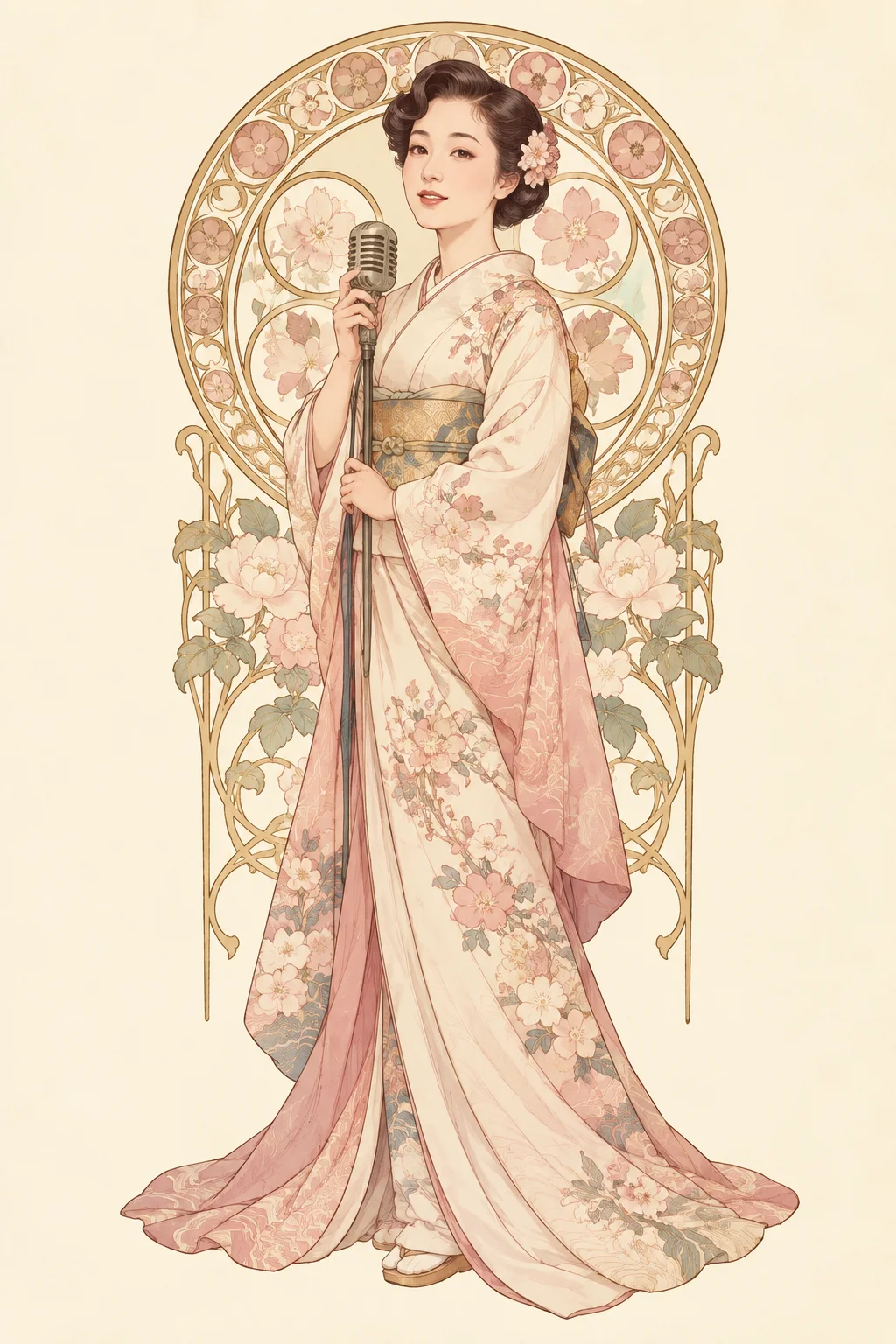 Japan · SingerHibari MisoraThe songstress of the Shōwa era who carved feeling into a thousand songs
 USA · SingerSelena QuintanillaShe sang between two languages and delivered love across the border
 Taiwan · SingerTeresa TengWith a single soft voice, she connected the heart of Asia
 Cuba→USA · SingerCelia CruzEven after losing her homeland, she kept singing the joy of salsa
 USA · Singer & DancerMichael JacksonWith the utmost refinement of voice and movement, he moved the emotions of the world
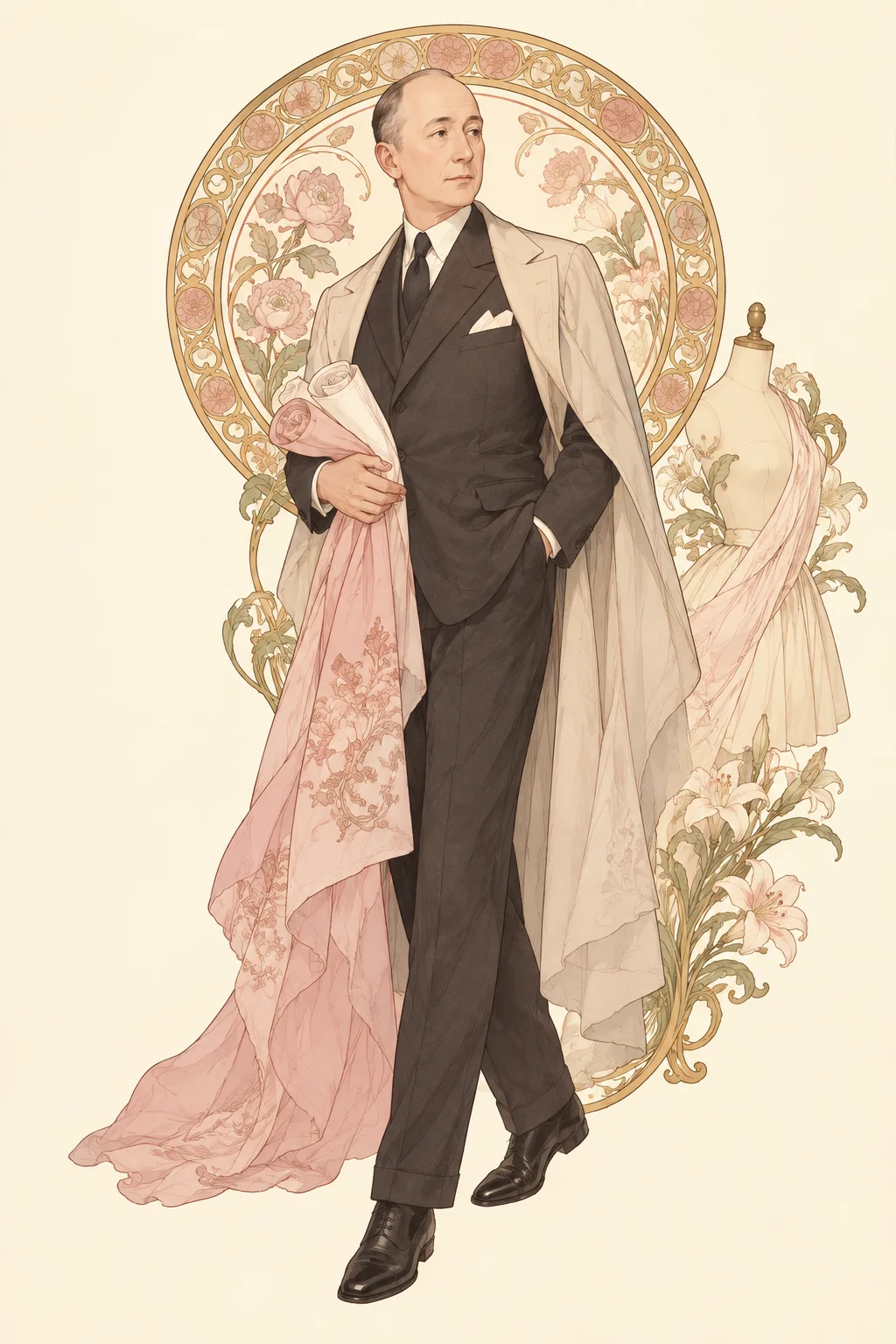 France · DesignerChristian DiorWith the texture and line of fabric, he restored elegance to an era
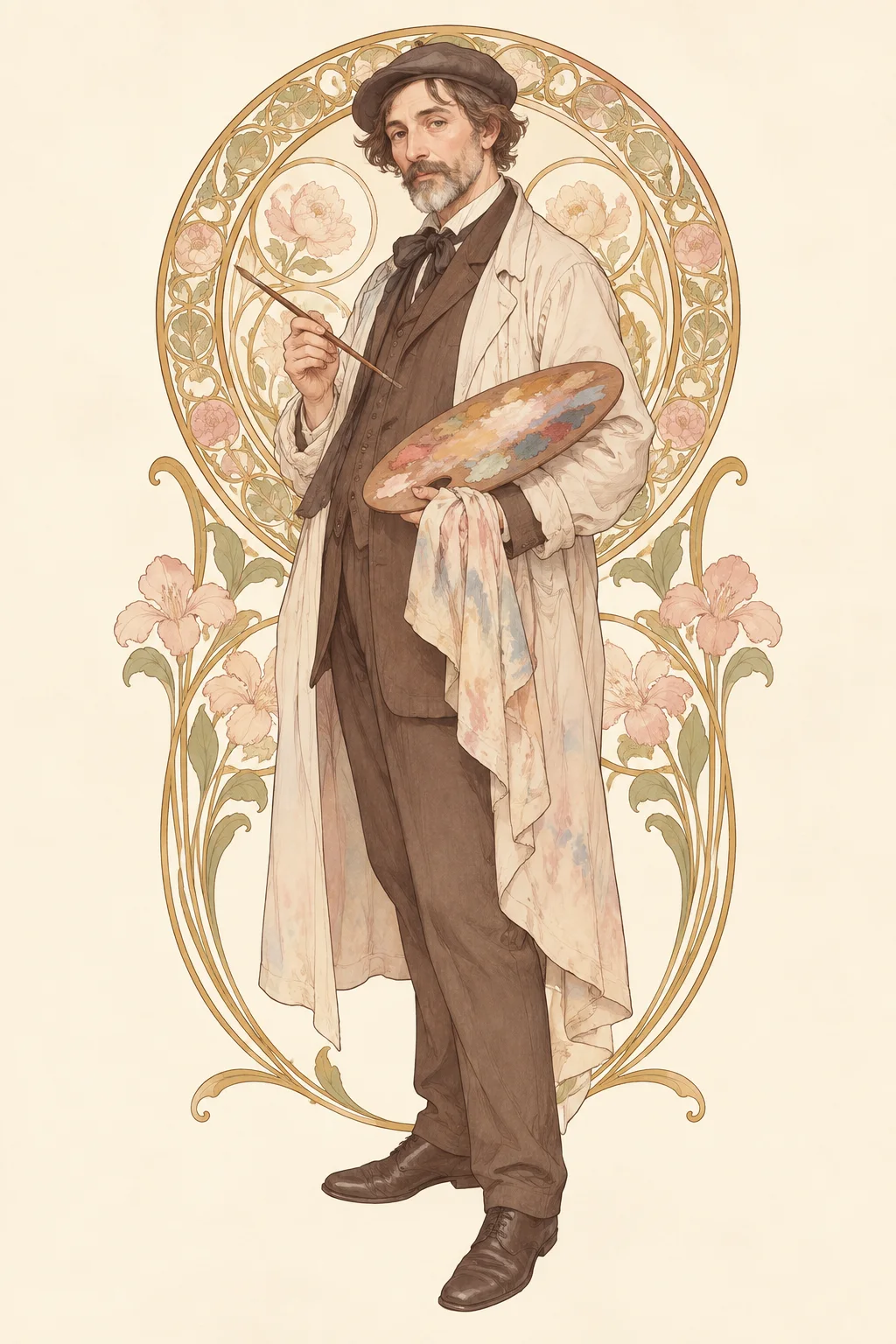 France · PainterRenoirHe kept painting people's joy and the light of the skin, warmly, all his life
 USA · Actress & SingerDoris Day“Que Sera, Sera” — she encouraged people with her cheerfulness
 France · Actor & ComedianFernandelA great actor who, with one droll smile, softened the world
Type attributions are informed speculation based on public information, not confirmed fact.
Map of group memberships
The Performer is one of 32 types, and also belongs to several groups of kindred natures. Here are the four main ones first — open a card to step into its own gallery room.
 Quadra (Values)Chi Quadra (Χ)Utopia
 Bouquet (Temperament)Receptive-Adaptive temperamentDiscerning the flow and responding to it
 Club (Interest)Social ClubPeople who weave life and ties together
 Motivation (Stimulus Group)Happiness Stimulus GroupSeeks comfort and stability
See all groupings (25 more)
 Communication StyleSincereGrowing deep bonds slowly
 Behavioral StyleInspirerMoving people through sheer fervor
 Argumentation StyleDiplomatReads the room and adjusts
 Perception GroupTactilityFeels things out by touch and sets them moving
 Cognitive StyleVortical-SynergeticDiscovers the essence through trial and error
 Romance (View of Love)ConciergeAnticipating needs and setting things in order
 Stress ToleranceStrongCrouches low, then springs back
 Socialization GroupDevoteeThrowing oneself into people and movements
 Inflation RingInformation GeneratorVerifying results and weaving them into information
 Project GroupConcrete ResultsTurns plans into form at once
 Implementation GroupIdeal IntroductionShaking up daily life with ideals
 Square (Rest)AesthetesConnoisseurs of refinement
 Business Square (Collaboration)HierophantsExecutors of the Mysteries
 Octad (Cross-Value Group)QuestExploring the unknown, opening questions
 Reactor (Excitation Group)ReserveStoring up excitation inward
 MobilizationEmulsionTemporarily emulsifies foreign matter
 Conditioning (Adjustment Group)ElevationElevating and sublimating emotion
 LabyrinthEmporiumCommercial adventure and the warmth of community
 Block Group (Extinguishing Group)StageSetting the scene to dazzle and reading the path to victory
 Social Progress Ring (SPR)ReflectionThe ring of moonlit contemplation
 Supervision Ring (SVR)EchoA resonating cultural sphere
 Social Order Ring (SOR)DianaThe critic who becomes a mirror
 Succession Ring (SR)DynastyThe bloodline's reclaiming of the throne
 Benefit Ring (BR)EmblemThe bloodline that upholds the dynasty
 Master Ring (MR)DeusThe dynasty's sacred kingship
Open the full, love and business editions

- The blueprint of your mind (8 blocks)
- Six ways to recover from stumbles
- A situation-by-situation guide (6 situations)
- The reasoning behind the celebrity picks

- What your heart longs for / What excites you / Your landmines
- Classic love scenarios
- Chemistry by partner (all 32 types)
- At home and as a parent / A practical playbook

- Natural strengths / Work better avoided
- Work style / Management
- Industry fit ◎○△ (23 industries)
- Suitable roles
Save $24.98 compared with buying the three separately