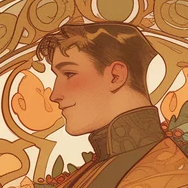
Constructivist
Constructivist types minimize emotional expression in conversation, prioritizing practical, concrete topics and stabilizing their feelings through familiar “emotional anchors.”
Conversation and Relationships
• Minimizes emotional expression in conversation, prioritizing practical and concrete topics
• Tries to skip emotional exchanges: “Let’s get straight to the conclusion”
• Values problem-solving and proposals over attending to the other person’s mood
Relationship with Emotions
• Repeatedly uses “emotional anchors” (favorite places, films, books, etc.) to stabilize their own emotions
• Once caught in an emotion, tends to dwell on it for a long time — and therefore avoids negative feelings
• Re-experiences films and music to recreate feelings that were good
Behavioral Tendencies
• Prefers connecting through practical activities rather than emotional dialogue
• Finds it hard to keep distance from other people’s feelings and worries (draws them into themselves)
Example Remarks
• “Rather than comfort, I want a concrete solution”
• “Even if a film isn’t great, a scene that makes me cry stays with me”
• “I avoid tearjerkers because I’m afraid of getting emotional”
• Minimizes emotional expression in conversation, prioritizing practical and concrete topics
• Tries to skip emotional exchanges: “Let’s get straight to the conclusion”
• Values problem-solving and proposals over attending to the other person’s mood
Relationship with Emotions
• Repeatedly uses “emotional anchors” (favorite places, films, books, etc.) to stabilize their own emotions
• Once caught in an emotion, tends to dwell on it for a long time — and therefore avoids negative feelings
• Re-experiences films and music to recreate feelings that were good
Behavioral Tendencies
• Prefers connecting through practical activities rather than emotional dialogue
• Finds it hard to keep distance from other people’s feelings and worries (draws them into themselves)
Example Remarks
• “Rather than comfort, I want a concrete solution”
• “Even if a film isn’t great, a scene that makes me cry stays with me”
• “I avoid tearjerkers because I’m afraid of getting emotional”