
EII-Q – Философ –
Человек, что в тишине продолжает вопрошать о смысле мира
Вы в тишине не перестаёте вопрошать о смысле людей и мира.
С совестью настолько тонкой, что она ранит вас самих, вы верите в добро каждого человека и стремитесь его оберегать.
Пусть напирать вам не по силам, но в том, что касается совести, вы тихо и упорно не отступаете.
- Квадра
- Сай Ψ
- Букет
- Уравновешенно-стабильный темперамент
- Клуб
- Гуманитарии
Портрет — Философ

Философ принимает происходящее, сначала превратив его в вопросы «правильно ли это?» и «что это значит?». Оттенки чувств, что струятся между людьми, тонкости отношений, ещё не выраженные словами веяния — он с одного взгляда ощущает всё это как карту целого. И эту карту он не провозглашает вовне, а прежде уносит внутрь себя.
«Не ранило ли то слово того человека?», «Не было ли в моём участии чего-то лишнего или недостающего?» — тихое переспрашивание и тончайшая настройка сердца текут на самом дне каждого дня этого человека. Стоит чьему-то лицу чуть омрачиться, как он не упускает этого и мягко старается поправить курс.
Воображение работает в нём так же сильно, как и вопросы. По малым различиям он строит гипотезу «а может, этот человек на самом деле вот такой» и, выбрав лишь то, что его зацепило, тихо углубляется в это. Взгляд его падает не на яркие возможности, а на легко упускаемые варианты и ещё не проросшее добро.
Поэтому Философ не судит человека, а рисует в воображении, каким тот может стать, и мягко старается приблизить его к этому. Глубоко понимать, верить в возможности и бережно наблюдать — таков способ этого человека строить отношения.
Напирать ему изначально не по силам. Повышать голос, расталкивать, идти к победе — такое применение силы изнашивает этого человека. В неважном он уступит сколько угодно, но в том, что касается совести, тихо и упорно не отступает.
Внутри Философа есть ещё один богатый мир. Сила сплетать истории, чувствовать предвестия грядущего, тихо восторгаться прекрасным — это внутреннее море, обычно не выходящее наружу, придаёт его размышлениям глубину и светотень. Когда надёжную практику и повседневную заботу рядом с ним берёт на себя тот, кому можно доверять, этот человек может спокойно погружаться в глубину смысла.
Не судить, а верить в то, каким человек может стать.
Знакомо?
- Прежде чем войти в компанию, вы сначала присматриваетесь, кто с кем и как связан.
- Вы начинаете говорить с оговорок «возможно» и «если я не ошибаюсь».
- Даже когда человек говорит «всё в порядке», по тону голоса вы понимаете, что на самом деле это не так.
- Оказавшись между двумя спорящими, вы стараетесь быть справедливы к обоим.
- Когда на вас напирают резкими словами, вы не можете возразить и терпите молча.
- Откровения другого вы выслушиваете до конца, не думая о времени.
- За одно дело вы берётесь бережно и доводите его до полного внутреннего согласия.
- От красоты или внезапного волнения у вас незаметно для других теплеет в груди.
- Когда всё скреплено правилами, вам становится душно.
- Собственное самочувствие и быт вы невольно откладываете на потом.

Поведение

Поведение Философа хорошо проступает в том, что он не лезет вперёд, а наблюдает людей, и, чем стоять на виду, тихо заботится о согласии обстановки и о сердце каждого.
Философ прежде всего наблюдает. Прежде чем войти в обстановку, он высматривает, кто с кем и как связан, куда, похоже, движутся отношения, и лишь тогда обменивается словами. Сам первым перехватывать инициативу он почти не идёт.
Манеры мягкие, он редко бурно выказывает чувства и отвечает улыбкой. Не броскими жестами и не громкими заявлениями, а тишиной и спокойствием он дарит окружающим ощущение безопасности.
В группе он выбирает молчание, а не конфликт. Вместо того чтобы громко настаивать, он тихим голосом вставляет поправку и, встав между спорящими, искренне встречается лицом к лицу с обоими. Не выходя вперёд, он тихо заботится из-за кулис.
Не действовать первым, а сначала наблюдать.
- Прежде чем войти в компанию, вы присматриваетесь к отношениям
- Вы редко бурно выражаете чувства
- Вместо противостояния вы тихо вставляете поправку
Если бы рядом был тот, кому можно доверить реальные дела, вы могли бы спокойно погружаться в глубину смысла.
Как вы говорите и слушаете

В диалоге он глубоко вслушивается в подлинные чувства собеседника и, не допытываясь, возвращает вопрос, ожидая, пока тот сам доберётся до своего ответа.
Говорит сдержанно, предваряя словами «возможно», «если я не ошибаюсь», избегает категоричности и выкладывает сразу несколько точек зрения. Голос чуть приглушён, с оттенком колебания, но при этом он не бьёт мимо цели.
Когда он слушает, он становится глубок, будто другой человек. Он подхватывает малейшую перемену выражения, надрыв в тембре, расхождение слов и лица и напрямую резонирует с колебанием сердца собеседника. Поэтому люди в тяжёлый час приходят к этому человеку и, забыв о времени, изливают душу.
Побеждать в споре он не стремится. Вместо того чтобы переспорить собеседника, он хочет вместе доискаться до сути. Поэтому диалог этого человека не вручает ответ, а тихо помогает собеседнику самому осознать чувство, что лежит в глубине его самого.
Не утверждать, а ждать, пока человек сам всё поймёт.
Сердцевина — что движет и где уязвимо
Не правота, а то, каким человек может стать.
Единственный в сердце взгляд, что смотрит на смысл и совесть

В центре Философа — совесть, что глубоко чувствует добро каждого («-Fi-p) и воображение, что рисует, кем этот человек может стать (+Ne-c) имеется.
«Верно ли это?», «что для этого человека на самом деле хорошо?» — на этот вопрос Философ ищет ответ, глубоко ныряя внутрь. По едва уловимому колебанию лица и голоса он читает чужое сердце и, чтобы не ранить, взаимодействовать без излишка и недостатка, тонко подстраивает душу. Сюда накладывается воображение, что из малой подсказки строит гипотезу «этот человек на самом деле, может, вот такой».
Когда эти двое сцепляются, получается тихий и верный взгляд: «вопрошать о смысле, верить в добро в человеке и оберегать его». Гордость его не в броских результатах или победах и поражениях, а в скромном факте: «тот человек может быть собой».
То, что он умеет, но чему не придаёт значения

Философ — сила воодушевлять людей, поднимать знамя и зажигать обстановку (+Fe-p) — тоже несёт в себе.
В решающий миг у него есть сила сильным словом двигать сердца людей, обращать праведный гнев в энергию и вести толпу в одном направлении. Но обычно он это на передний план не выставляет. Громко поднимать идеал и, подстрекая, двигать людей — не его манера — тихий выбор: при нужде пользуется, но ценности там не ставит. Чем стоять впереди и распоряжаться, ему лучше тихо быть рядом с внутренним миром каждого.
То, чего втайне жаждет сердце
То, что ему трудно зажечь самому и чего он при этом глубоко жаждет, — это надёжная практичность и заботливый уход.
Хотя он искусен вопрошать о смысле и читать сердца людей, выстраивать распорядок, эффективно вести дела и реально налаживать быт ему на самом деле трудно (-Te-p · +Si-c). Именно поэтому, когда рядом есть тот, кто легко это берёт на себя, на сердце по-настоящему отлегает. Когда надёжным ручным трудом и тёплой заботой ему подпирают повседневную почву, Философ спокойно ныряет глубоко в сторону смысла. Дуальный Руководитель (LSE-D) как раз тот, кто даёт эту почву.
Самое хрупкое место.
Самое хрупкое — это ситуации, связанные с тем, чтобы силой подчинять людей и всё сковывать правилами.
Состязаться и побеждать, повелевать людьми командой, отбирать инициативу (-Se-p) — такой силовой нажим стирает и сковывает этого человека. Перед неразумным он не может резко возразить и невольно терпит молчанием. И связывать всё без пропусков в стандарт и сковывать идеальной системой («+Ti-c) тоже вызывает у него ощущение удушья. У каждого человека свои особые обстоятельства, которые нельзя решить одними правилами, — именно поэтому в холодной системе совесть этого человека не может работать как следует.

- Стержень: вопрошать о смысле, верить в добро в людях и оберегать его
- Движущая сила: место, где вас не торопят и можно тихо и глубоко думать
- Уязвимое место: противостояние силой и надёжная практическая работа
Сильные стороны и где вы спотыкаетесь
Сильные стороны — спрашивать, слушать и верить в доброту людей
Надёжные руки, что берут на себя реальность.
Где легко споткнуться

Легче всего он спотыкается на оборотной стороне тонкой совести и способности глубоко погружаться в раздумья.
Глаз, что замечает упущенную возможность, — тоже большая сила. Ещё не проросшее добро, никем не замеченный выбор, смысл и структура в глубине вещей — он зачерпывает их из малой зацепки и тихо, упорно копает вглубь. Не широко и мелко, а глубоко, до конца доводя одно — эта концентрация рождает в размышлении и творчестве глубину, какой нет у других.
И богатый внутренний мир. Чувствительность, что ткёт истории, чует предвестие грядущего и тихо трогается прекрасным, придаёт его размышлению особую глубину и светотень. При кажущейся кротости и избегании столкновений он несёт внутри ясную черту и в решающий час тихо отходит на дистанцию и оберегает себя — в глубине этой сдержанной осанки дышит непоколебимая сила.
Легко споткнуться прежде всего в силовых сценах. Даже перед несправедливостью он обычно не может сильно возразить и продавить требование. Вместо того чтобы вслух сказать о гневе и недовольстве, он терпит молчанием и дистанцией. Оттого, что на его мягкости играют, он не может отказать в просьбе и склонен один взваливать на себя. Однако лишь тогда, когда переходят черту неискренности и попрания человеческого достоинства, обычно сдерживаемое им вырывается тихим, но яростным нравственным гневом.
Бывает, что он слишком тонет в деталях. Дотошно докапываясь до одного, он тратит время и устаёт, не успев окинуть взглядом целое. Он знает «что надо делать», но, слишком много думая, «а какой в этом смысл», «какой выбор больше всего убедит», запаздывает с действием и упускает возможность. К тому же к своим результатам он строг и склонен недооценивать — «мог бы и лучше», — а разочаровавшись от разрыва между высоким идеалом и реальностью, порой тонет в мрачном предчувствии.
И ещё он склонен откладывать себя на потом. Слишком обращая сердце к заботе о людях, он бросает своё тело, быт, отдых. Из желания «хочу верить» он чрезмерно ждёт от людей, а когда это ожидание обмануто, глубоко ранится и порой замыкает сердце. Именно поэтому вверить надёжную практику тому, на кого можно опереться, тихо выбирать, кому изливать сердце, и дорожить своим уютом и отдыхом наравне с людьми — вот опора, что позволит этому человеку долго сохранять силу.
Когда надёжный партнёр ведёт реальные дела, вы можете спокойно погружаться в глубину смысла и совести. Именно здесь скрыт ваш потенциал роста.
- Практические дела спокойно доверьте тем, кому они удаются
- Говорите «нет» не молчанием, а тихими словами
- Если слишком ушли в детали, заново окиньте взглядом целое
Где вы раскрываетесь
В месте, где вас не торопят и можно тихо и глубоко думать.
Среда, где вы раскрываетесь
Ярче всего Философ являет силу в приветливом, равном месте, где, не торопясь, можно тихо и глубоко думать. Среда, где каждого чтят как личность, где дорожат смыслом и глубиной и мало раздоров — именно там вольно оживают его совесть и прозрение. Больше, чем быть мелочно скованным в способе, он выкладывается по своей воле тем сильнее, чем больше ему доверяют углубляться в собственном темпе.
И наоборот, там, где кружат вихрем победа и поражение и проба силы, где среда постоянно требует мгновенных решений и сильных утверждений, он стремительно истощается. Атмосфера, где размахивают авторитетом и званием, настрой, где всё режется по правилам и эффективности, для него тоже тесны. Особенно контрпродуктивно принуждение сверху, а чем больше простора тихо подумать и ощущения, что дорожат тонкими движениями сердца, тем живее он действует.
С другой стороны, у него есть склонность слишком обращать сердце к заботе о других и откладывать собственные нужды. Незаметно он в одиночку берёт всё на себя и порой испытывает угрызения от того, что отдыхает. Именно поэтому надолго хранить силу ему помогает, когда рядом есть тот, кто возьмёт на себя надёжную практику и подопрёт повседневную почву, и тихо скажет «можно опереться».
Область, где раскрывается сила
Он богато раскрывает силу в областях, где работа — глубоко вникать в сердце человека и поддерживать образ, каким тот может стать. Консультирование и психологическая поддержка, самонаблюдение и помощь людям, гуманитарная и социальная работа, а также малогрупповое, диалоговое гуманитарное образование — роль тихо вникать в каждого, распускать напряжение сердца и способствовать внутреннему росту — его призвание.
К тому же именно к области, где пишут, углубляют мысль и вопрошают о смысле — исследование философии, этики, религии, литературная критика и эссеистика, работа, что излагает мысль, фотография и поэзия, символическое искусство и прочее тихое выражение — он расположен глубже всего. Больше постановки перед толпой, через одинокое творчество и вычинку размышления, он облекает суть дел в слово и форму. Именно там, где больше логики и эффективности требуется докапываться до корня человека и смысла, сила этого человека оживает всего надёжнее.
Диалог — спросить Jonas

Один бесплатный диалог · участники Le Salon — несколько точек зрения. Не реальный человек: обобщённая точка зрения на основе открытого описания.
Отношения и любовь
Можете ли вы глубоко принять само существование другого.
Любовь — узы, растущие из прямой нежности и искренности
Любовь Философа взращивается не пышной игрой, а почти простодушно-прямой нежностью и искренностью в стремлении глубоко понять другого.
Тому, кому открыл сердце, этот человек открывается простодушно, как ребёнок. Не удостоверяя любовь словами, он чует чувство другого и тихо льнёт. И когда отношения вот-вот разладятся, он, вместо того чтобы повышать голос, тихо отходит на дистанцию и ждёт, пока другой сам сделает шаг навстречу. Но предательства и неискренности он никогда не спускает. Когда рядом есть надёжный, дельный человек, что и вправду крутит ежедневный быт, этот человек спокойно, глубоко любит другого и старается его оберегать.
Всего глубже он восполняет друг друга с тем, кто надёжной практикой и повседневной заботой подпирает почву размышления. Бодрость ему даёт тот, кто позволяет сбросить напряжение и спокойным ручным трудом и заботой придаёт сил. А ум и совесть созвучны с тем, кто смотрит на тот же вопрос под иным углом и вместе расширяет возможности.
Ниже приведена карта таких «легко совместимых» людей. Совместимость — это не превосходство, а лёгкость обмена информацией — то, насколько естественно, без истощения, удаётся понимать друг друга.
Как вы любите — тихое принятие
When the Philosopher loves someone, at its root lies <relational ethics>—a delicate sense of with whom, and how deeply in the heart, one is bound. For this person, love is the work of carefully reading the other’s inner world and quietly continuing to believe in that one person’s unique worth. Add <intuition of possibilities>, and even “the potential that might yet blossom” in the person before them becomes dear. Concretely, sensing in advance the feelings the other can’t yet put into words, and staying quietly beside them without interrogating—it is in such reserved closeness that the Philosopher’s love dwells. Rather than declaring love loudly, deeply affirming the other’s very existence is this person’s way of loving.
Совместимость — рекомендуемые партнёры
 Руководитель
 LSE-DНаладить, привести в движение и довести до концаДуалСпособны дополнять друг друга глубже всего. Надёжной практикой и повседневной заботой он держит почву под вашими размышлениями Энтузиаст
 ESE-DВесёлое пламя, зажигающее мир чувствомРезонансМожно делить тепло и бодрость. В склонное к унынию сердце он вносит свет Первопроходец
 LIE-DРеалистичный первопроходец, что прокладывает путь результатомПринадлежностьШирокий кругозор ободряет. Взлелеянные возможности он переносит в реальность Ремесленник
 SLI-DМастер, что устраивает мир своими ладонямиАктивацияНапряжение спадает с плеч. От спокойного ручного труда и внимания сама собой прибывает бодрость Миротворец
 SEI-DМост между ощущением и заботойБлагодетельПолучаешь уют и умиротворение. Можно спокойно быть рядом Стратег
 ILI-DЗадумчивый Стратег, что тихо читает наперёд и расставляет ходыБлагополучательПринимаешь тихое прозрение. Глубокое предвидение подстёгивает размышление Советник
 IEE-QЧеловек, что мягко рядом и слушает сердцеЗеркальныйНапарник, что смотрит на то же под другим углом. Можно вместе расширять возможности Постановщик
 SEE-QПрирождённый Постановщик, что читает обстановку и ведёт людей к примирениюУченикМожно учиться у энергичного деятеля. Получаешь силу шагнуть в мир Исследователь
 ILE-QИскатель приключений разума, разгадывающий мирНаставникПредтеча в поиске. Он вручает новые вопросы и рамкиОстальные отношения (ещё 22 типов)
Верхние полосы — легче быть рядом, нижние — быстрее утомляют. Нажмите на название отношения, чтобы прочитать о паре.
 Аналитик
 LII-QИз тишины письменного стола заново пересобирать мирДеловые отношенияПартнёр, с которым легко действовать сообща: вы подстраиваетесь под ситуацию и работаете слаженно. Судья
Судья ESI-QТихий судья, различающий добро и злоРодственные отношенияПартнёр, с которым хочется выражать себя в одном направлении, и разговор течёт легко. Но стоит скатиться в соперничество, и вы быстро устаёте друг от друга. Администратор
 LSE-QШтаб дела, что крутит процесс и двигает людей и работуМиражные отношенияПартнёр, к которому интерес разгорается с трудом, — общение легко становится ровным и безучастным. Эмпат
Эмпат EII-DУлавливать глубину чувств и становиться кому-то опоройАдаптивные отношенияПартнёр, с которым вы находите равновесие, просто выполняя каждый свою роль, — общение выходит ровным и безопасным. Промоутер
 IEE-DПроповедник идей, что двигает мир увлекательностьюОтношения созависимостиПартнёр, рядом с которым вы всё берёте на себя и перестараетесь с компенсацией, — усталость копится медленно, но верно. Художник
 SLI-QВыражать «в самый раз» природы и бытаРасслабляющие отношенияПартнёр, рядом с которым напряжение спадает и становится спокойно, но легко войти в роль ожидающего чего-то от него. Преобразователь
 SLE-QДеятель, что силой пробивает и переписывает привычноеКорректирующие отношенияПартнёр, чьи замечания вы принимаете близко к сердцу, — они становятся поводом пересмотреть себя. Пророк
 IEI-DВзгляд, что видит судьбу, которую пока никто не замечаетОтношения самотрансценденцииПартнёр, рядом с которым хочется превзойти себя, — вы поднимаете друг друга на новый уровень. Герой
Герой EIE-DМир меняет именно это чувствоДополняющие отношенияПартнёр, рядом с которым вы чувствуете себя принятым и получаете подсказку, куда двигаться дальше. Инспектор
 LSI-QЛогик, что отвергает мишуру и прозревает истинуОтношения супер-ЭгоПартнёр, который непринуждённо воплощает то, к чему вы сами стремитесь, — им легко восхититься. Но при слишком тесном сближении быстро наступает усталость. Командир
 LIE-QСтроить, готовиться, держать логику — штаб порядкаОтношения недоверияПартнёр, которому трудно довериться до конца, — рядом с ним сложно раскрыть свои силы в полную мощь. Хранитель
 ESI-DТихий щит, что за спиной с правотой отстаивает людейОтношения долгаПартнёр, рядом с которым вы всё понимаете, но действовать почему-то трудно, а желание получить признание только растёт. Политик
 SEE-DПрирождённый лидер, что читает сердца и связывает потокиОтношения подревизногоПартнёр, рядом с которым не покидает чувство, что за вами наблюдают, — это легко приводит к выгоранию. Критик
 ILI-QПроницательный Критик, что в глубине тишины видит противоречиеНапряжённый получательПартнёр, рядом с которым прибавляется тревог и лишних раздумий, и сердце легко закрывается. Гармонизатор
 ESE-QЕё улыбка и голос смягчают пространствоОтношения скукиПартнёр, рядом с которым наваливается вялость, а дела и сближение хочется отложить на потом. Архитектор
 LII-DТихо возводимая архитектура логикиФормальные отношенияПартнёр, с которым в отношениях прибавляется формальностей и условностей, и расслабиться не так просто. Провидец
 ILE-DПроектировщик знания, что парадоксом и теорией заново изобретает мирОтношения ревизораОтношения, в которых вы, сами того не замечая, легко вызываете у партнёра тревогу. Исполнитель
 SEI-QМягкий вестник, что придаёт форму ощущению и чувствуНапряжённое благодеяниеПартнёр, рядом с которым вы невольно стараетесь через силу, а напряжение не отпускает. Вдохновляющий лидер
 EIE-QЗнаменосец страсти, что говорит об идеале и сплачивает сердцаОтношения погашенияПартнёр, от которого невольно хочется отдалиться и замкнуться в себе. Блюститель
 LSI-DСтальной практик, что дисциплиной и ответственностью выполняет задачуРолевые отношенияПартнёр, рядом с которым на первый план выходит «так положено», и оставаться собой становится трудно. Завоеватель
 SLE-DНадёжный командный центр, что горит тем ярче, чем труднееКонфликтные отношенияПартнёр, который легко задевает самое уязвимое место, — рядом с ним вы истощаетесь сильнее всего. Мечтатель
 IEI-QРассказчик грёз, что мечтой и страстью расцвечивает мирКвази-тождественные отношенияПартнёр, похожий на вас, но не совпадающий по сути, — усилия буксуют, и усталость приходит быстро.Совместимость определяется не только типом: зрелость, подтип и обстоятельства меняют её.
С человеком, с которым вы связаны, можно прочитать личный разбор отношений по ответам вас обоих ($8.99 за пару, для участников Le Salon — без ограничений).
Совместимость с вашими связями →Узнать о Le Salon →
Что вы на самом деле ищете в глубине сердца
Этот человек живёт в мире размышлений, но в глубине сердца втайне ищет надёжности, крепко стоящей на земле. Философ искусно вопрошает о смысле и сути, но перед практическим решением «как же это реально организовать» у него часто останавливаются ноги…
В любовной версии: что нужно вашему сердцу / точки, от которых замирает сердце / недопонимания и болевые точки / узнаваемые сценарии любви / химия с каждым из 32 типов / в семье и как родитель / практический плейбук / секреты долгих отношений / инструкция для вашего партнёра
Работа и стиль работы

Ваш стиль работы — тип «Доверие и забота»
Вы естественно сильны в двух вещах. Первая — быть рядом с каждым человеком и выстраивать доверие. Вторая — рождать одну новую идею и возможность за другой.
Ваш интерес направлен к идеалам, искусству и человеческой душе; вы спокойны, невозмутимы и держите ровный темп. Включает вас признание и возвращение уверенности в себе.
Складывать разные точки зрения и схватывать целостную картину — такова привычка вашего мышления. Действуя, вы дорожите отношениями и доверием.
Сила глубоко читать сердца людей и идеи, что рождаются одна за другой.
- В начале обсуждения сначала решите, к какому сроку и что именно смотреть
- Выдвигайте решение как гипотезу и исправляйте его на ходу
- Возражение мягко предлагайте как дополнительную точку зрения

Примеры подходящей работы
Ваша способность писать, углублять мысль и вопрошать о смысле прямо проступает в произведениях.
Способность глубоко читать тонкие движения человеческой души помогает создавать решения, внимательные к чувствам пользователя.
Готовность верить в добро каждого человека и поддерживать его прямо раскрывается в деятельности, обращённой к людям.
Ваши сильные стороны и работа, которой лучше избегать
Ваше оружие — сочетание чуткости, глубоко читающей движения души, и гипотез и идей, которые рождаются из неё одна за другой. Выбирая участки, где ценностью становится «понимание людей × идеи», — исследование пользователей, UX-проектирование, ранняя стадия замысла…
В бизнес-версии: сильные стороны и работа, которой стоит избегать / устойчивость к стрессу и группа социализации / стиль работы / мотивация и восстановление сил / как выстраивать общение и управление с этим человеком / совместимость и подбор команды / отрасли по шкале ◎○△ (23 отрасли) с обоснованием / подходящие роли
Чертёж психики
Ваша психика работает через восемь блоков. В каждом блоке есть две функции — «как вы воспринимаете мир» и «как вы это выражаете», — и для каждого блока определены и широта возможностей, и то, дорожите вы им или нет. Специальные символы мы добавим лишь мелким шрифтом, а объясним всё обычными словами.
Глубоко чувствовать и рисовать, каким человек может стать.
Ведущий Ваш центрI Care
-Fi-pМилосердие и рассудительностьЭтика отношений+Ne-cГипотеза и воображениеИнтуиция возможностейСначала вы очень тонко улавливаете оттенки чувств, что текут между людьми. Едва заметную тень на лице, расхождение слов и истинных чувств вы подхватываете почти бессознательно.
На это накладывается воображение, которое по малым зацепкам складывает образ: «А может, этот человек на самом деле такой».
Добро одного человека перед вами и то, каким он может стать, проступают тихо, но отчётливо. Вот сила, что лежит в вашем центре.
Обучение — Наблюдать и перенимать
На входе — сила ассоциаций, которая от одного предмета раскрывает одну…
В полном издании: все 8 блоков чертежа / 6 способов восстановиться / ситуации / обоснование примеров
Глубже — как восстановиться и ситуации
На обратной стороне того же стержня вы легко спотыкаетесь именно в таких ситуациях. Дальше — шесть способов вернуть равновесие.
Даже перед несправедливостью вы обычно не можете резко возразить и настоять на своём. Вместо того чтобы высказать гнев или недовольство, вы терпите молчанием и дистанцией.
Дотошно разбирая что-то одно, вы тратите много времени и устаёте раньше, чем успеваете окинуть взглядом целое. Бывает, что, слишком много думая, вы запаздываете с действием.
Обращая всё внимание на заботу о людях, вы забываете о собственном теле, быте и отдыхе.
Партнёр, который берёт на себя реальность, дарит вам спокойствие.
Способ вернуть равновесие 1 — надёжную практику доверяйте тому, на кого можно опереться
Налаживать организацию и эффективно вести дела — изначально не ваша область. Не пытаясь взвалить всё на себя, а спокойно доверив это тому, кто в этом силён…
В полном издании: 6 способов восстановиться / ситуации (дом, работа, друзья, стресс, покупки, выходные)
Люди, которых относят к этому типу
Они в тишине вопрошали о смысле мира, с совестью настолько тонкой, что она ранила их самих, верили в добро людей и облекали это в слова, — это люди, которых относят к типу «Философ» (EII-Q), созвучные друг другу как те, кто «спрашивает, слушает и пишет». Разные сферы и эпохи, но все они неизменно обращали взгляд к внутреннему миру каждого человека и к смыслу, скрытому в глубине вещей.
 Германия · философФридрих НицшеОн написал «Бог умер» и заново поставил вопрос о корнях ценностей. В одиночестве он непрестанно всматривался в те высоты, каких способен достичь человек.
 Франция · философСимона ВейльОн сам ставил себя на завод и на поле боя и был рядом с душами несчастных людей. Мыслитель, проживший совесть до конца.
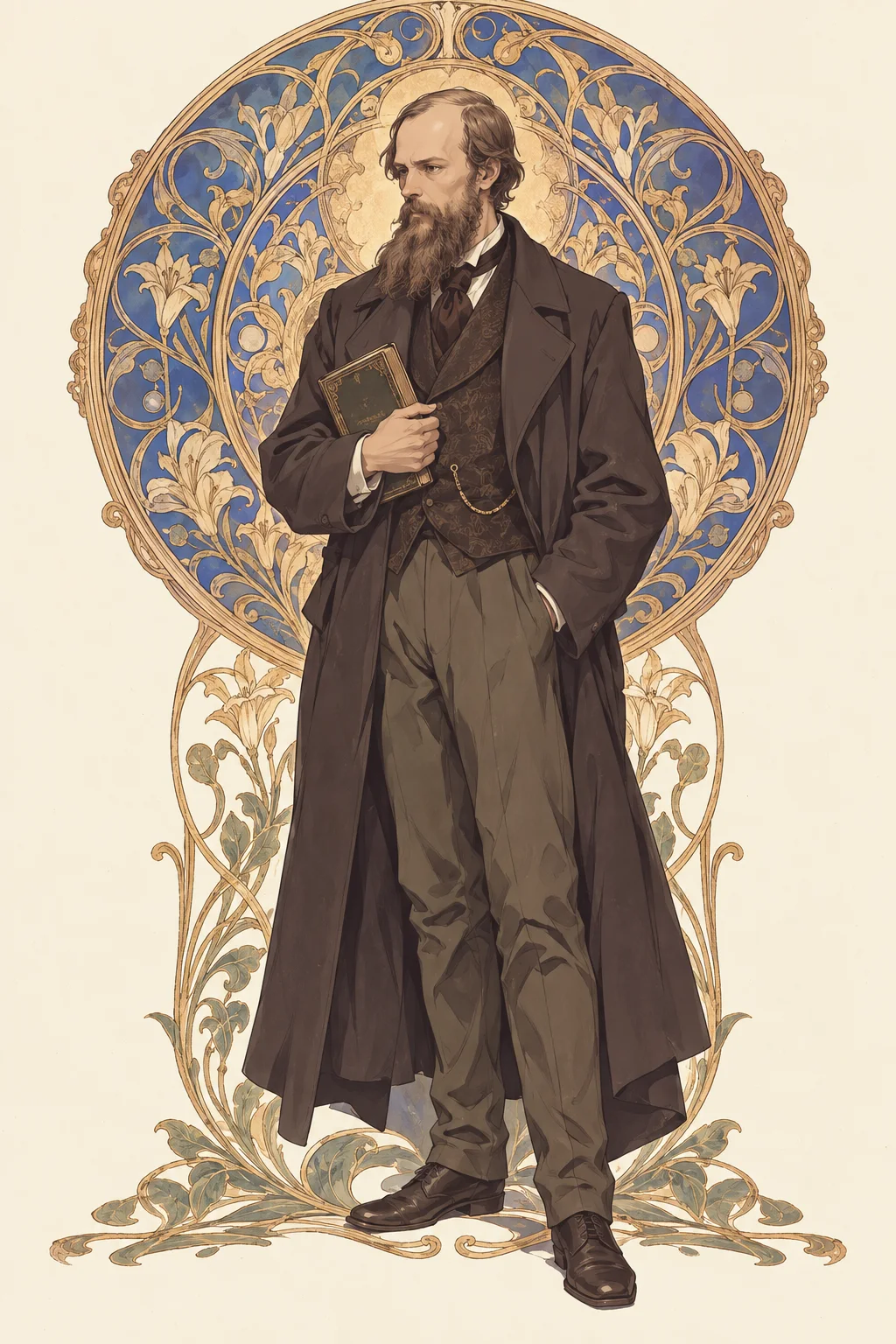 Россия · писательФёдор ДостоевскийСпускаясь в самую глубь внутреннего мира героев, изобразил грань между грехом и прощением, добром и злом
 Германия/США · политический философХанна АрендтРазглядела банальность зла и тихо продолжала вопрошать об опасности того, что люди перестают думать
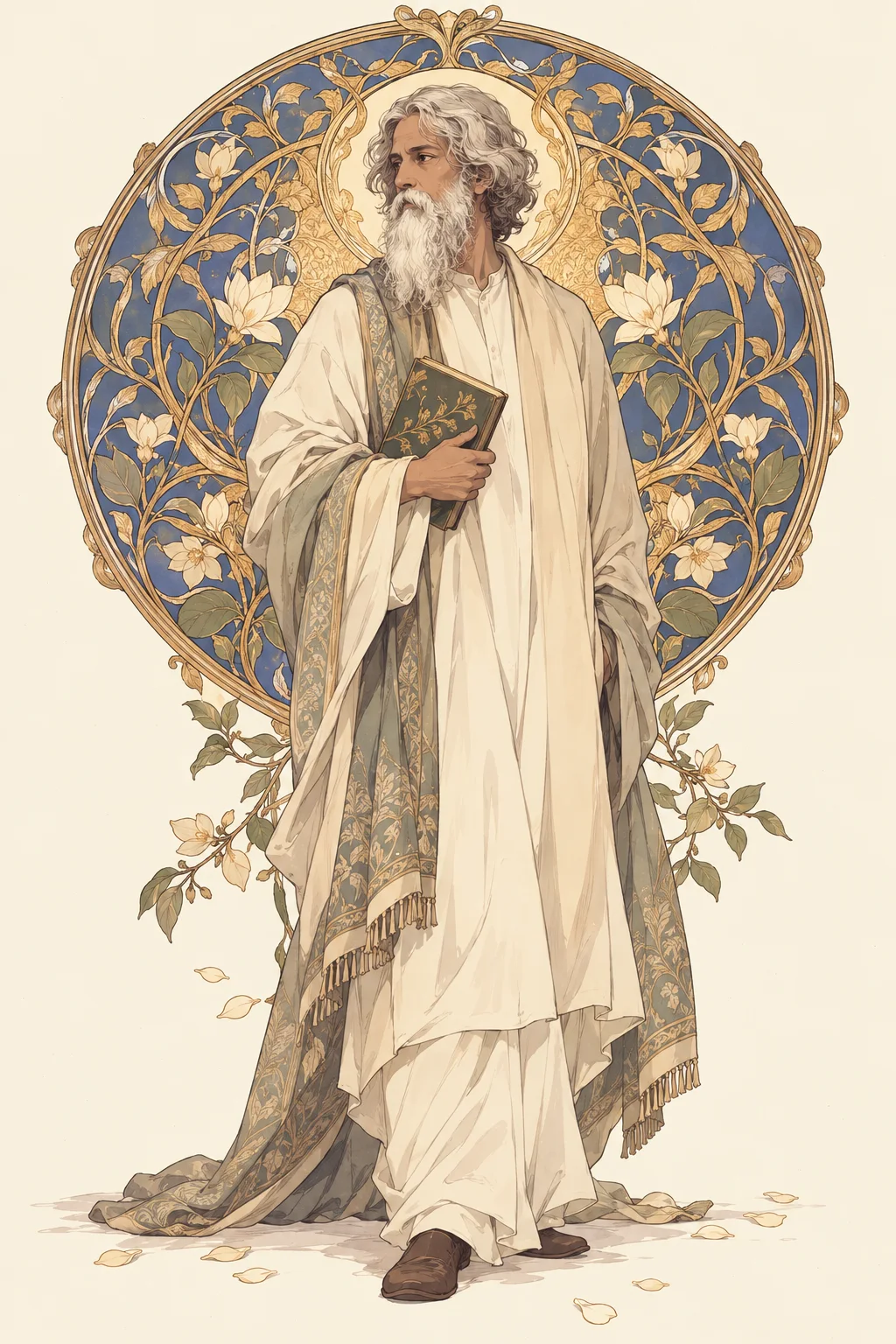 Индия · поэт / философРабиндранат ТагорПоэт-мудрец, что воспевал мелодию природы и души и верил во внутреннюю доброту человека и всеобщее
 Германия / Швейцария · писательГерман ГессеВ «Сиддхартхе» и «Демиане» изобразил странствие души внутрь себя
 Франция · писатель / философАльбер КамюВ абсурдном мире всё же не выпускал из рук человеческое достоинство и честность
 Германия / Нидерланды · писательАнна ФранкДевочка, что и в пределе продолжала верить в людей и тихо записывала глубину сердца.
 Великобритания · писатель/журналистДжордж ОруэллОн разглядел ложь тоталитаризма и по совести продолжал писать правду.
 Австрия · поэтРайнер Мария РилькеВ одиночестве и самоуглублении возвысил до стихов невыразимые тонкости души
Определение типа — это рассуждение на основе открытой информации, а не нечто окончательное.
Карта групп
Философ — один из 32 типов, и в то же время он принадлежит к группам людей со схожими качествами. Сначала — четыре основные. Откройте карточку, чтобы перейти в соответствующий зал.
 Квадра (ценности)квадра Сай (Ψ)Гражданское общество Civil Society
 Букет (темперамент)Уравновешенно-стабильный темпераментХранить тихое равновесие и поддерживать изнутри
 Клуб (интересы)Клуб гуманитарного искусстваТот, кто вместе с людьми продолжает искать смысл
 Мотивация (стимульные группы)Группа стимула самоуваженияИщет наполнения собственной ценности и совести
Все группы (ещё 25)
 Стиль коммуникацииИскренностьВкладывать сердце и относиться прямо
 Модель поведенияГармонизаторДоверием налаживать отношения.
 Стиль аргументацииЗащитникСтроить рассуждение по линии защиты людей
 Группа восприятияРедуктивностьРазбирать на прообразы и пересобирать понятиями
 Когнитивный стильГолографически-панорамныйОкинуть целое взглядом и созерцать смысл
 Романтика (взгляд на любовь)СтранникЗамирать сердцем перед неизвестной загадкой
 СтрессоустойчивостьТренировкаДержать каркас, питаясь ударами
 Группа социализацииПрозорливецТрезво читать динамику отношений
 Кольцо инфляцииГенератор информацииПроверять результат и сплетать его в информацию
 Проектная группаОбщий результатСхватывать общий контур и растить
 Группа воплощенияВнедрение идеалаРасшатывать быт идеями
 Квадрат (отдых)ГильдиецРемесленники
 Бизнес-квадрат (сотрудничество)ЭдемРай гостеприимства
 Октада (надценностная группа)СудьяПроверять и оттачивать результаты
 Реактор (группа возбуждения)ДистилляцияОчищать возбуждение вовнутрь
 Мобилизация (мобилизация)ЭкстракцияГибко извлекать суть
 Кондиционирование (регулирующая группа)КалибровкаКалибровать по стандарту и выправлять
 ЛабиринтФивыСтальная власть и рефлексирующая совесть
 Блок-группа (группа гашения)КредоПровозглашать идеал и класть его в основу дисциплины
 Кольцо социального прогресса (SPR)РефлексияКольцо созерцания лунного света
 Надзорное кольцо (SVR)ТеорияВзгляд, охватывающий целое разом
 Кольцо общественного порядка (SOR)ДианаКритик-зеркало
 Кольцо преемственности (SR)НаследиеПостепенная преемственность народа
 Кольцо благодеяния (BR)ПреданиеЧастная мудрость народа
 Мастер-кольцо (MR)АтельеТворчество личной мастерской
Открыть полное, любовное и деловое издания

- Чертёж психики (8 блоков)
- Шесть способов вернуть равновесие
- Гид по ситуациям (6 сценариев)
- Обоснование выбора знаменитостей

- Что нужно вашему сердцу / что вас волнует / болевые точки
- Узнаваемые сценарии любви
- Химия с каждым партнёром (32 типа)
- В семье и как родитель / практический плейбук

- Сильные стороны / работа, которой стоит избегать
- Стиль работы / управление
- Отрасли по шкале ◎○△ (23 отрасли)
- Подходящие роли

На $24.98 дешевле, чем покупать три издания по отдельности