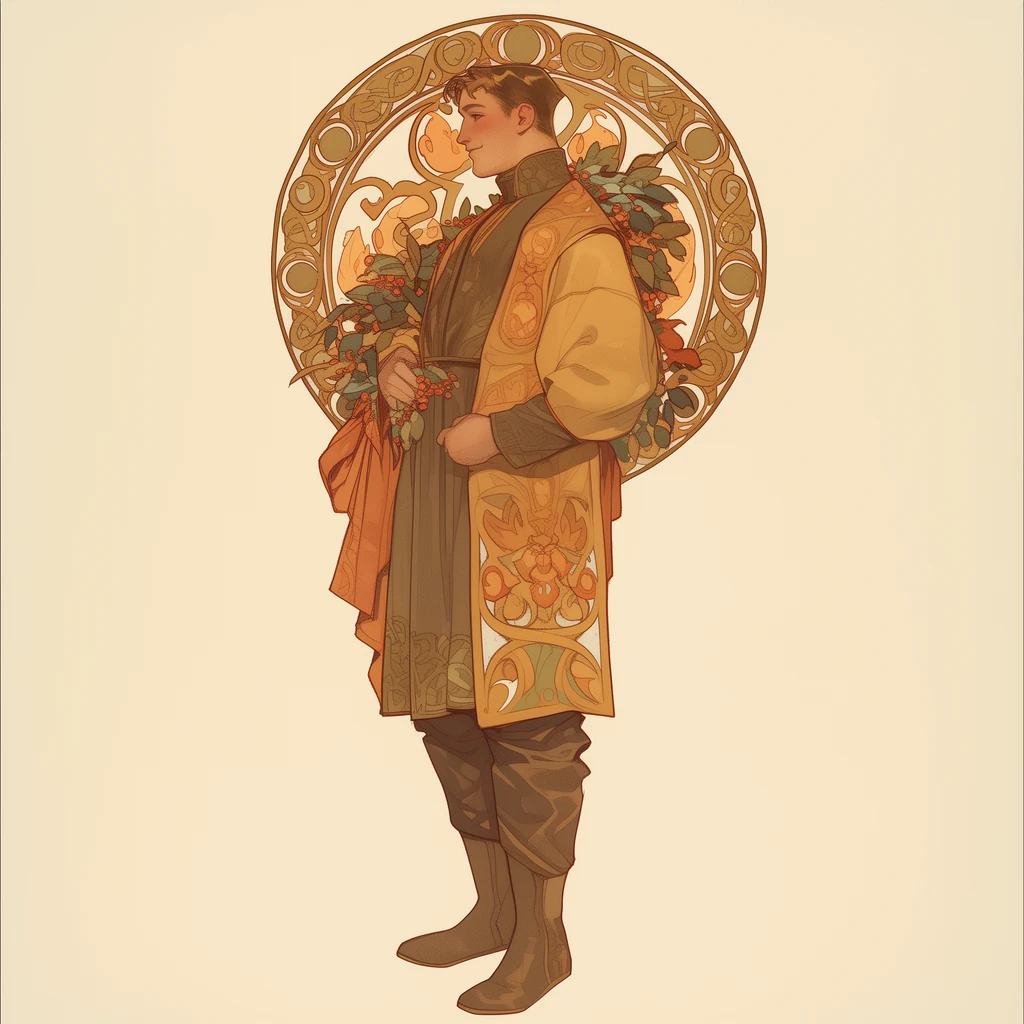
ESE-D – Enthusiast –
The cheerful flame that sets the world ablaze with feeling
You are someone who expresses rich emotions straight outward and brightens and energizes the people around you.
You find joy in filling a place with the comforts of the senses and in hosting others.
Your likes and dislikes are clear, and you live honestly by your feelings.
- Quadra
- Alpha Α
- Bouquet
- Linear-Assertive temperament
- Club
- Social
Portrait — the Enthusiast
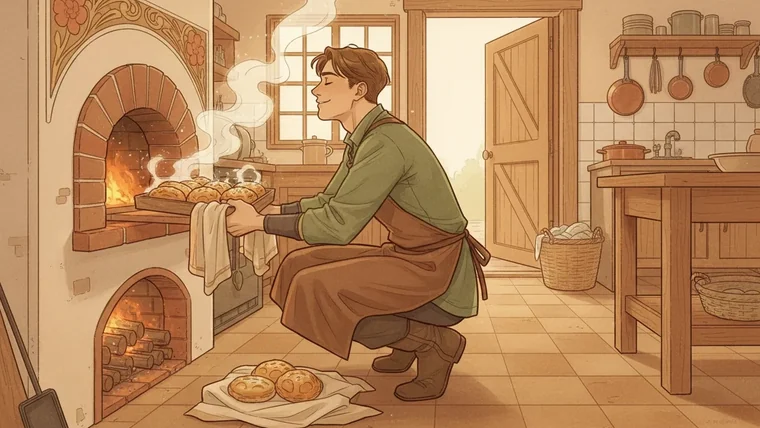
At this person's core lies expressing emotion freely and raising the spirits of those around them. They hide neither joy nor deep feeling, sharing both without stint. Sensitive to the movements of the heart in others' faces and tones of voice, they set an "emotional circulation" flowing through the room. They dislike a low, sunken mood, and simply by being present they make their surroundings warm and bright.
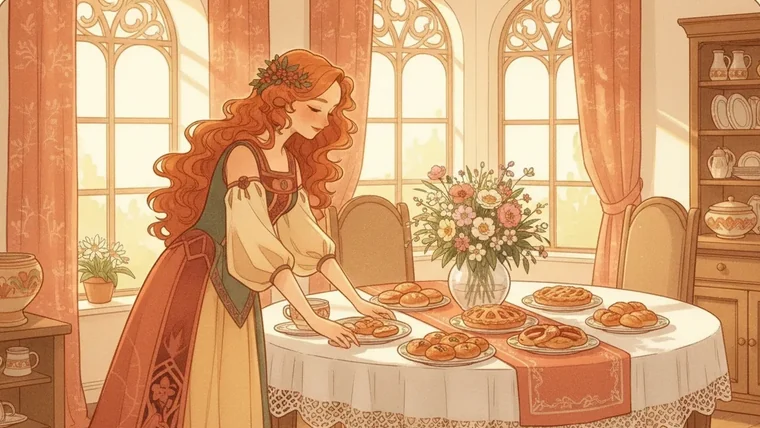
That warmth shows itself directly in the arts of caring for and hosting others. They bring a festive air to plain, everyday life — slipping in homemade sweets, cooking a meal, arranging a home to be pleasant. Through the senses they create comfort, attending with fine care to the ease and happiness of those close to them.
Their likes and dislikes are clear. Toward someone they don't get along with, they may show it frankly rather than indirectly. When their efforts go unrecognized, they sink deep into disappointment. Their feelings have ups and downs, but at the root runs a sincere, warm passion to "make people happy."
Optimistic, they act the moment inspiration strikes. Believing in change for the better, they catch fire with enormous energy for new ventures. On the other hand, detailed planning is not their strength, and they sometimes run out of breath from cramming too much into their schedule. Even so, with their natural brightness and the trust they command, they somehow pull it all together — a well-loved character.
Not a sunken mood, but a warm, bright place.
Does this sound like you?
- You don't hide joy or deep feeling; you express them with your whole body.
- For no reason at all, you bring in a small celebration or a treat to share.
- You love carefully setting the atmosphere of your home and your dining table.
- With people you don't get along with, it shows plainly in your attitude.
- A new venture sets you alight with enormous energy.
- When you see someone in trouble, you always speak up and encourage them.
- You wholeheartedly respect people who speak with coherent logic.
- Once an idea strikes, you act right away instead of making a detailed plan.
- When your efforts go unrecognized, you sink deep into disappointment.
- Sometimes you cram too much into your schedule and run out of breath.
How you move

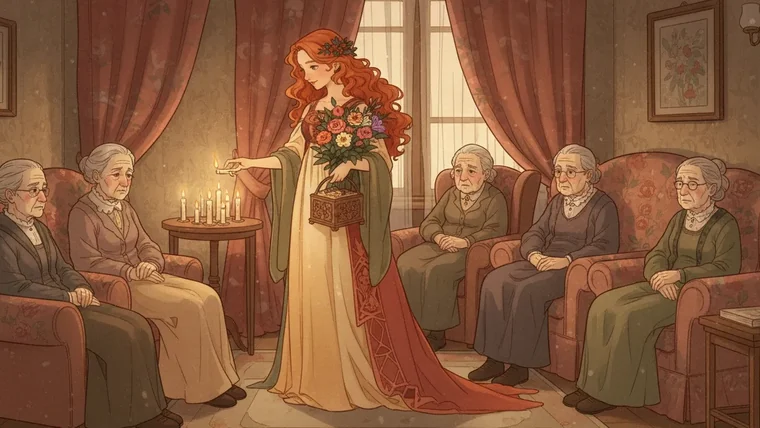
The Enthusiast's behavior shows clearly in energetic movement that carries emotion just as it is, and in fine attention to the comforts of the senses.
Their actions carry momentum and feeling. Driven by the urge to amuse or delight someone, they spring up and express emotion with their whole body. They recount their own experiences with gestures, and those movements are lively and striking. Rather than staying still, they warm the mood of the room while in motion.
They are eager to set the atmosphere of a living space or a dining table, working to make visitors comfortable. Even without luxury, they excel at creating a space of warmth and reassurance. They attend more than necessary to others' health and preferences, moving with the feeling "I prepared this for you." Hosting itself is this person's joy.
Not the plan, but what's happening right in front of you.
- Actions carry momentum and feeling
- Carefully sets the atmosphere of a home and a dining table
- Always speaks up upon seeing someone in trouble
Observed Behavior
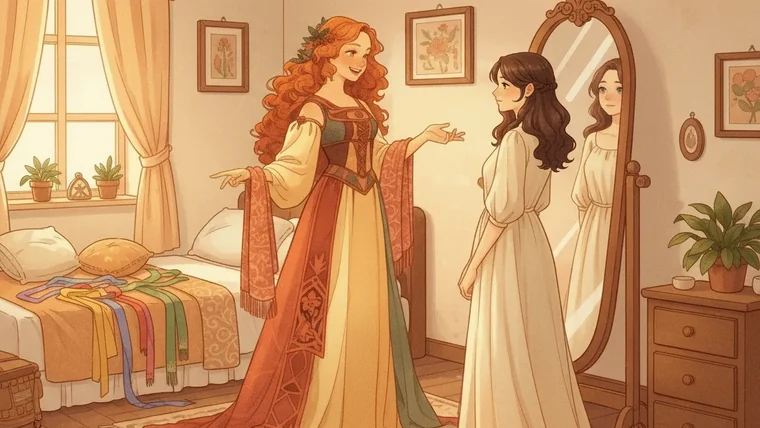
Emotion unfolds rapidly, like fireworks, like a waterfall — such vivid emotional expression is often seen in this person. They hide neither joy nor worry, sharing both without stint. A fine psychologist, they read a person's nature sensitively from expression and smile. They dislike a low, sunken mood, and simply by being present they lift the spirits of those around them.
That warmth shows itself directly in the arts of caring for and hosting others. For no reason they bring a box of sweets into the workplace and add a small celebration. Calling out "this'll be delicious!" as they cook, they invite guests over. Toward the health and daily life of those they love, they are exceptionally active. Confident in their aesthetic sense too, they pick out by eye the attire that suits each person. They change their own dress and their rooms often, according to the mood of the day.
They cannot leave the weak or the defenseless alone. Seeing someone in trouble, they always offer encouragement. Inspired by any idea, they become its active supporter — even in the face of difficulty, their enthusiasm does not easily wane. Skilled at hosting guests and organizing gatherings, they love to learn about the lives of all sorts of people through travel. People themselves — character and emotion — interest this person above all.
For new ventures they "catch fire" with enormous energy. Their hearts race at unexpected possibilities, and they live believing in change for the better. At the same time, they deeply respect the "coherent logic" they themselves lack. By those who speak to the point, by clear and systematic argument, they are truly persuaded — somewhere within, this person strongly longs for a partner who can gather their easily-chaotic thoughts to a single point.
If you had someone who quietly supported the logistics, your warmth would crystallize into even surer results.
How you speak and listen
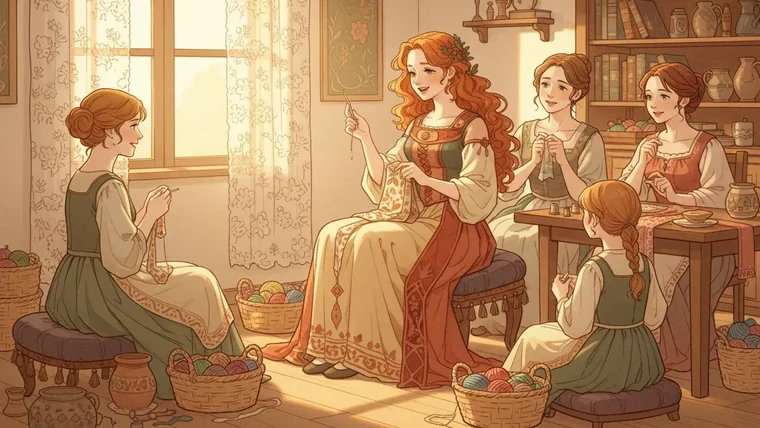
Feelings come out at once. Surprise or discontent, they express on the spot — this springs from a natural desire to share their feelings with the person here and now. They may bristle at someone's trivial word or deed, but there is no malice in it, and often the very next moment they have brightly changed the subject.
In relationships they value harmony and approachability. When someone is cold or rude, they may be bewildered and react emotionally. But that pressure is born not of hostility but of a pure wish that "everyone spend a pleasant time together." By meeting others as their natural selves, they come to be cherished as "someone who makes you feel energized to be around."
Feelings come right out. No malice — and a bright switch back right after.
What lies at the core — drive and tender spots
At the heart of the Enthusiast is a straight, unshakable passion: the conviction that "with the heat of my own emotion I can light up the people and the room around me, and fill them with warm joy."
What supports them from within is the power to express emotion freely and to lift people's spirits. Joy and deep feeling alike, outward without concealment — that vivid emotional expression spreads to those around and brightens the whole room. They read the movements of the heart sensitively from face and voice, and into a sunken mood they quietly breathe warmth. Naturally they create a space where an exchange of feeling can arise.
Over this is layered the power to create comfort through the senses. Home cooking, the furnishing of a home, gifts — for the ease and happiness of those close to them they spare no fine attention. To plain daily life they add festive color. Intensity, and warm hospitality. When these two become one, this person lights up the world around them.
Not theory, but feeling and comfort.
What drives you

More than flashy success or status, it is the felt sense that "I am indispensable to this place" and "I gave someone a positive influence" that moves this person from within. When their action changes the mood of the room and they feel someone has been cheered, their motivation rises all the higher. To be present in a place where they can generate a swell of emotion — that, above all, is their reward.
Frank, warm feedback comes back, and within comfortable relationships responses arrive at once — in such an environment this person's powers open naturally. A place where improvisation lives and emotion can be put to use. Hearing "thank you" and "that helped" right there and then. That makes this person shine all the brighter.
Tender spots
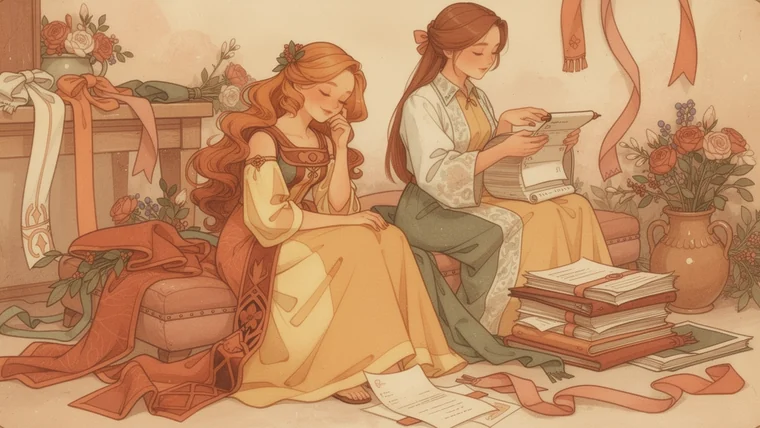
Their greatest weakness is looking far ahead, reading dangerous signs, and gauging time. Long-term planning is not their strength, and cramming too much into a schedule leaves them out of breath. "Just give it a try" comes first, and preparation and analysis tend to be put off. Improvisation driven by feeling is a weapon, but they are not suited to strategic, long-range judgment.
And to reason out and put in order their easily-chaotic thoughts is hard for them alone. That is just why they deeply seek clear logic that strikes to the point. Negative emotion stored up within can, at some moment, suddenly burst out with force — when a partner who can absorb this swing and put the room in order with quiet reason (above all the Dual Analyst) is nearby, this person is far more stable.

- Core: expressing emotion freely, and filling the world with the comforts of the senses
- What drives you: the felt sense of being indispensable to this place
- Where you're fragile: seeing far ahead, sorting thoughts into a coherent order
Strengths, and where you stumble
The Enthusiast's strengths lie in the richness with which they express emotion warmly, the hosting power that creates comfort through the senses, and the passion that lifts people's spirits. That very same intensity of sensitivity can, depending on what is asked of them, also become a source of hardship.
A dependable partner with quiet reason.
Strengths
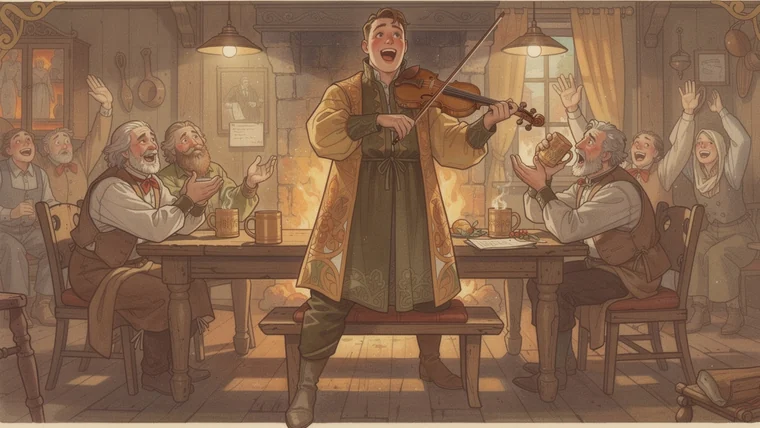
They are good at reading the mood of a room and adjusting its energy by feel. With cheerful words and expressions they put others at ease and give them vigor. Sensitive to the management of supplies, the upkeep of the environment, and changes in a colleague's condition, they take the lead so that "the place comes together." Unconcerned with formality, they naturally pull off whatever they can do.
Prioritizing above all what is useful "here and now," they contribute at once. Before being evaluated, they value a sense of oneness as comrades. They catch fire with enormous energy for new ideas, and through travel, events, and surprises they deliver enjoyment to people — the very "spark that lights the fire." Their power to bring things together through the trust they command is very strong.
Where you stumble
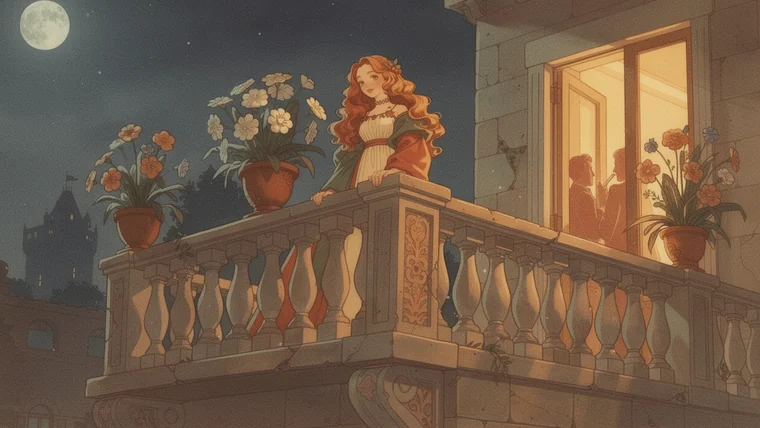
On the other hand, when negative emotion held within piles up, it can at some moment suddenly burst out with force. Highly sensitive to comfort and discomfort, bothered by trivial inconsistencies, they take on tasks evenly regardless of importance and pile on unnecessary load. Moving too much for others' sake, they sometimes wear themselves out before they notice.
Time management is somewhat weak, and they unconsciously drift off the plan. Improvisation driven by feeling is a weapon, but they are not suited to strategic, long-range judgment. "Just give it a try" comes first, and they tend to slight preparation and analysis. Expecting the same intensity from others, they can feel betrayed when it isn't returned, and the recoil then grows large — all of this eases greatly with a partner who quietly lends reason, and with deliberate "time in the margins."
With someone beside you who thinks things through in an orderly way, your easily chaotic thoughts quietly fall into place. That's where your room to grow lies.
- When your emotions rise, take a breath before saying it out loud
- Deliberately leave some blank space in your schedule
- Choose not only by "I want to" but by "can I keep this up"
Where you thrive
The Enthusiast performs most freely when they can exert emotional influence and feel that their warmth can brighten and change the mood of a room.
What moves this person is being able to wield emotional influence at the center of a group. A quiet, inorganic workplace, or an environment with no back-and-forth of feeling, does not suit them. Ideal is a place where, within comfortable relationships, their warmth carries to the room and a response comes back at once. In such an environment this person shines most.
A single "that helped" or "thank you" makes you shine all the brighter.
The fields where they shine
Where their power comes to life most is work that "moves the room" through emotion and drive. Planning and running large events (trade fairs, festivals, recreation) — setting the mood in one stroke. Customer service, entertainment, hosting and emceeing — amusing and drawing people in. Guides and tour leaders for sightseeing and travel. Emotionally appealing expression in advertising and media. Sales and selling built around relationships. In all of these, intensity and the spirit of hospitality come straight to life.
Where they thrive
Settings that bring them to life
A comfortable, beautiful workplace; an environment where feedback returns at once; short-term projects where emotion can be put to use. And a field where people's reactions are visible on the spot — these unleash this person's power. Frank, warm feedback, and a single word of "that helped," "thank you." That makes this person all the more positive.
Settings where it is hard to shine
Dialogue — ask Thomas

One free dialogue · Le Salon members can explore several perspectives. Not a real person: a representative perspective based on the public profile.
Relationships and love
Handing over comfort, before words.
How You Love — Comfort Handed Over in Person
Your way of loving is to show your feelings openly and to tend, with your whole body, to your partner's comfort. You aim smiles and your voice unsparingly at the one you love; when they're low, you soften the air with a joke or a gentle word; when they're tired, you quietly set out a warm meal or a cozy place to rest. For you, affection isn't something to “hint at and wait for” — it's handed over in person, right in front of them. Say your partner comes home crushed by work: you skip the long lecture and the analysis, put their favorite food on the table first, and sit beside them trading idle talk until they laugh. That warm-blooded attentiveness is a form of love only you can give.
Compatibility — recommended partners
 Analyst
 LII-QFrom the quiet of the desk, reassembling the worldDualityThe most complementary partner, meeting the need to belong, secure attachment, and deep longing. They gather easily-chaotic thoughts to a single point with quiet reason and plan time superbly. Inspector
 LSI-QThe logician who strips away pretense and sees through to the truthSemi-dualityNostalgia, a sense of belonging, interdependence — a partner who makes you feel a fond, warm connection. Philosopher
 EII-QOne who, in the stillness, keeps questioning the meaning of the worldIllusionaryEmpathy, gratitude, trust, reassurance — more indirect than the Dual, yet a partner with whom you can find deep ease. Seeker
 ILE-QAn intellectual adventurer who unravels the worldActivationActivation, elation, drive, curiosity — just having them near makes "I want to do it" well up; the easiest partner to open up with. Advisor
 IEE-QOne who quietly draws near and listens to the heartBenefactorSomeone you can move for naturally — a relationship where you support them as their benefactor and are given back joy and gratitude. Reformer
 SLE-QAn executor who breaks through by force and rewrites conventionBeneficiaryFulfillment and trust — a relationship like a contented reassurance received from a benefactor. Peacemaker
 SEI-DA bridge between sensation and compassionMirrorTheir breathing of comfort and ease matches yours — a partner who draws out each other's sensory strengths. Craftsman
 SLI-DThe artisan who sets the world in order in the palm of his handSupervisor (mirror)They give you sureness of hand and ingenuity — a relationship where, as your master, they hand you grounded, practical skill. Prophet
 IEI-DAn eye that gazes upon a destiny no one has yet noticedSupervisee (mirror)They inherit quiet feeling and lingering resonance — a relationship where, as your apprentice, they receive introspection and reverie.See the other relationships (22 more types)
The upper bands are easier to be with; the lower bands tend to wear you down. Tap a relation name to read about the pair.
 Executive
 LSE-DSet it in order, get it moving, see it throughBusinessA partner you can easily work alongside, adapting to the situation together. Hero
Hero EIE-DIt is this conviction that changes the worldKindredA partner whose conversation flows easily, someone who likes to express things in the same direction as you. It can wear you out once it turns competitive.
SEE-QA natural orchestrator who reads the room and guides people toward reconciliationTranscendenceA partner who makes you want to surpass yourself when you're together, pushing each other to grow. Strategist
 ILI-DThe contemplative Strategist who quietly reads ahead and lays the groundworkCorrectionA partner whose feedback becomes a chance to take stock of yourself. Pioneer
 LIE-DCarving the way through results — the realist's frontierIdealA partner who naturally embodies what you aspire to be, easy to admire. Getting too close tires you out. Judge
Judge ESI-QThe quiet arbiter who discerns right from wrongCompassA partner who gives you a sense of being accepted, along with a hint of which direction to move in. Harmonizer
 ESE-QTheir smile and their voice soften the space around themAdaptiveA partner you settle into by simply playing your roles, an easy, unremarkable relationship. The Architect
 LII-DThe architecture of logic, quietly built up piece by pieceDetachedA partner who's hard to feel drawn to, leading to a rather flat, low-key relationship. Visionary
 ILE-DThe architect of ideas who reinvents the world through paradox and theoryRelaxationA partner who puts you at ease, though you tend to end up waiting on them with quiet expectation. Performer
 SEI-QA gentle conveyor who gives form to sensation and feelingCodependencyA partner who wears you down little by little, caught in a cycle of bottling things up and overcompensating. Mentor
 EIE-QA passionate standard-bearer who speaks of ideals and binds hearts togetherDutyA partner who leaves you understanding what to do yet unable to act on it, while your need to be recognized grows stronger. Enforcer
 LSI-DThe steel operator who carries out the mission through discipline and responsibilityDistrustA partner you can't quite bring yourself to trust, which makes it hard to show your own strength. Conqueror
 SLE-DA dependable field general who only burns brighter the harder things getTense BeneficiaryA partner who leaves you worrying and overthinking, prone to closing your heart off. Dreamer
 IEI-QA teller of fantasies who colors the world with dreams and passionPlayerA partner around whom you constantly feel watched, prone to leaving you burned out. Administrator
 LSE-QThe hands-on command post that keeps the field running and moves people and workFormalA relationship where formality and appearances pile up, and it's hard to ever fully relax. Empath
 EII-DSensing what lies beneath feeling, and becoming someone's quiet supportTediumA partner who leaves you feeling sluggish, prone to putting things off and keeping your distance. Promoter
 IEE-DMoving the world through fascination — an evangelist of ideasTense BenefactorA partner around whom you tend to try too hard, unable to shake off the tension. The Artist
 SLI-QGiving form to the “just-rightness” of nature and daily lifeSupervisorA relationship where you tend to unsettle the other person without ever realizing it. Commander
 LIE-QBuild, prepare, hold the line — the command center of orderRoleA relationship where "you should" comes first, making it hard to just be yourself. Guardian
 ESI-DA silent shield that protects people, with rightness at its backDistanceA partner who makes you want to keep your distance and close your heart off.
SEE-DA born leader who reads hearts and rallies the currentQuasi-IdentityA partner who looks similar to you yet never quite clicks, leaving you spinning your wheels and worn out. Critic
 ILI-QThe insightful Critic who sees through contradictions in the depths of silenceConflictThe partner most likely to strike your weakest point, the one relationship that drains you the most.Compatibility is not decided by type alone; maturity, subtype and circumstances all change it.
With someone you are connected to, you can read a personal Relationship Reading drawn from both of your answers ($8.99 per pair, unlimited for Le Salon members).
See compatibility with your connections →Explore Le Salon →
What You Truly Long For
What you secretly long for, deep down, is someone who runs one steady, unshakable line of reasoning through your sea of feelings. Precisely because you're so attuned to the mood and feeling of the moment, you can't quite sort out on your own "what does this all mean?" — and you grow anxious…
In the Love Edition: What your heart longs for / What excites you / Where you clash and your landmines / Classic love scenarios / Chemistry by partner, all 32 types named / At home and as a parent / A practical playbook / Secrets to lasting love / A manual for your partner
Work and ways of working

Your Working Style — Passionate Inspirer
You naturally excel in two main ways: lifting the mood of a room and moving people's hearts, and attending to the little things and making everything comfortable.
Your interest gravitates toward human connection and everyday joys, and you push toward your goals without pausing. Your motivation switch is recognition, standing, and moments in the spotlight.
With people, you have an emotionally rich, sociable style that shows likes and dislikes plainly. Your way of seeing tends to line things up in order and keep them neatly arranged.
The power to lift a room, and the power to make things comfortable.
- Before a big decision, let it sit for just 24 hours
- Start running once a plan is 60 percent ready, and review it weekly
- Back up your point with one concrete example or number

Careers That Fit
Work where you set the mood of a place in one stroke and put your spirit of hospitality straight to use.
Your power to entertain people and draw them in comes back to you as results, right there on the spot.
Work that draws on your aesthetic sense and your eye for picking out what suits each person.
Your Strengths, and Work Better Avoided
Your core is the pairing of "the power to lift a room and move people's hearts" with "the power to attend to fine details and keep things comfortable" — being able to single-handedly span everything from waving the kickoff flag to running the daily floor is your biggest selling point…
In the Business Edition: Natural strengths / work better avoided, Stress tolerance and socialization group, Work style, Motivation and recharging, How to work with and manage this person, Compatibility and team-building, Industry fit ◎○△ across 23 industries with rationale, Suitable roles
Blueprint of the mind
Your mind runs on eight blocks. Each block carries two functions — how you take in the world, and how you express yourself — and together they set both the range you're skilled in and how much you actually value using it. We've kept the technical notation small and explained everything in plain language.
Kindle with feeling, fill with comfort.
Leading Your centerI Know
-Fe-pEmotion & MotivationEmotional ethics+Si-cDiligence & CareExperiential sensingYou first take in the world as expressing emotion freely and lifting people up. Hiding neither joy nor deep feeling, your vivid emotional expression spreads to those around you and brightens the whole room.
You then shape that warmth into forms that create sensory comfort. Home cooking, the furnishing of a home, attentive care — you look after the comfort and happiness of the people close to you.
"Kindle with feeling, fill with comfort." These two joined into one, able to make the world around you warm and bright — that is the passion seated at your center.
Mirror — Picked up by watching
At the entry point sits the work of taking in the world through the fe…
In the Full Portrait: all 8 blocks of the blueprint / 6 ways back / situational guide / the reasoning behind the exemplars
Going deeper — ways back and situational guide
On the flip side of that same core, these are the situations where you tend to stumble. After that, six ways to get back on your feet.
Seeing far ahead and gauging time is your greatest weakness. Cram too much into your schedule and you run out of breath.
When negative feelings held inside pile up, they can suddenly burst out with force at some moment.
Expecting too much of the same intensity from others, you can feel betrayed when it isn't returned, and the recoil then grows large.
Someone with quiet reason gives your warmth a backbone.
Way to Recover 1 — Choose by "Priority," Not by "Excitement"
Try choosing what to do in a day not by the surge of emotion in the moment but by the order of what truly matters. Rather than reaching for this and that…
In the Full Portrait: 6 ways back / situational guide (home, work, friends, under stress, shopping, days off)
People thought to share this type
They lit up people and places with the heat of their emotion, and drew people in with hospitality and expressiveness — these are people thought to be Enthusiasts (ESE-D), who "set the world ablaze with feeling." Different fields, different eras, yet all of them resonate on one point: people who moved hearts warmly and cheerfully.
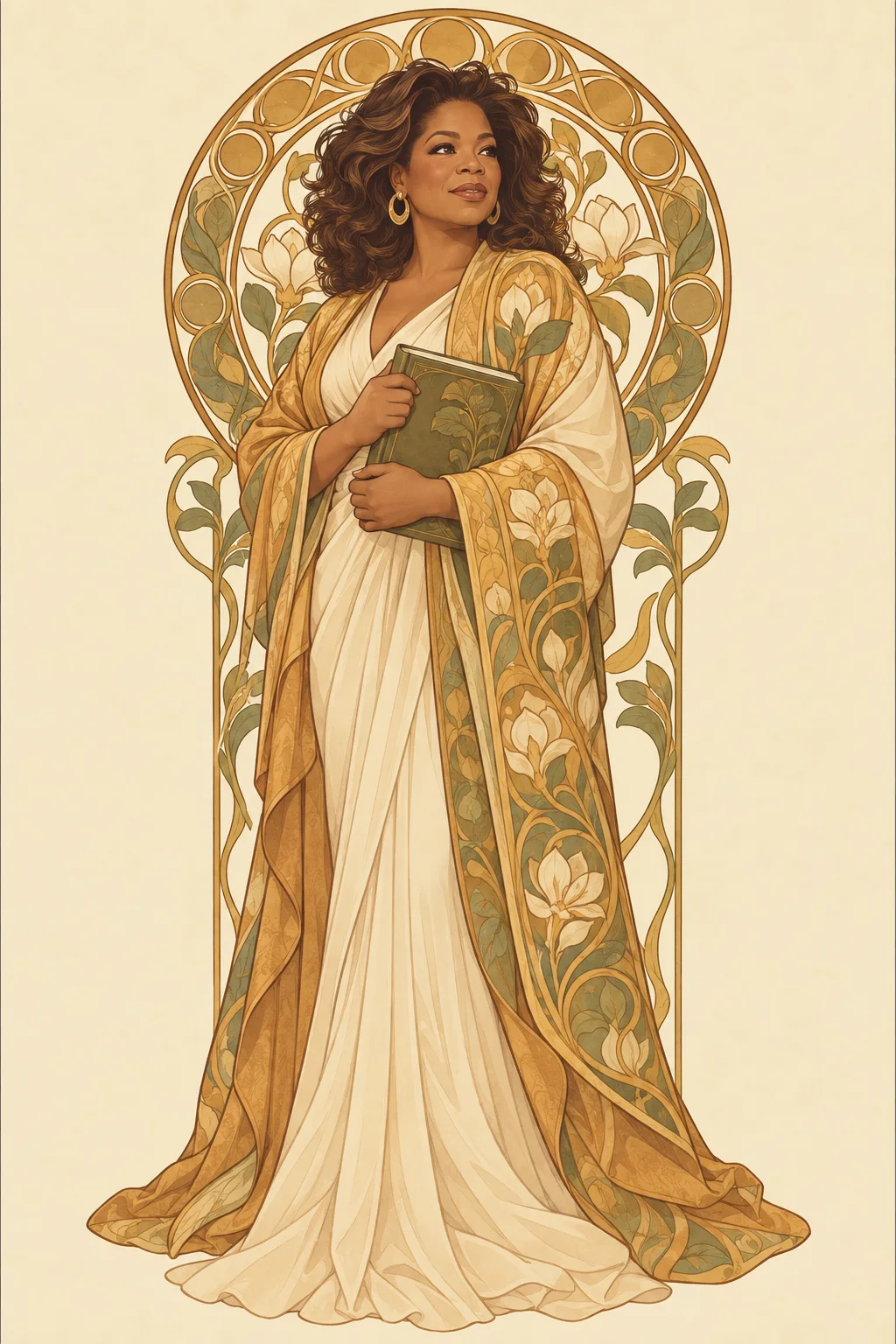 USA · Talk-show hostOprah WinfreyWith a way of speaking that drew close to feeling, she resonated deeply with viewers and encouraged many.
 USA · Actor & comedianRobin WilliamsWith overflowing emotion and energy, he made people laugh, weep, and feel warmed.
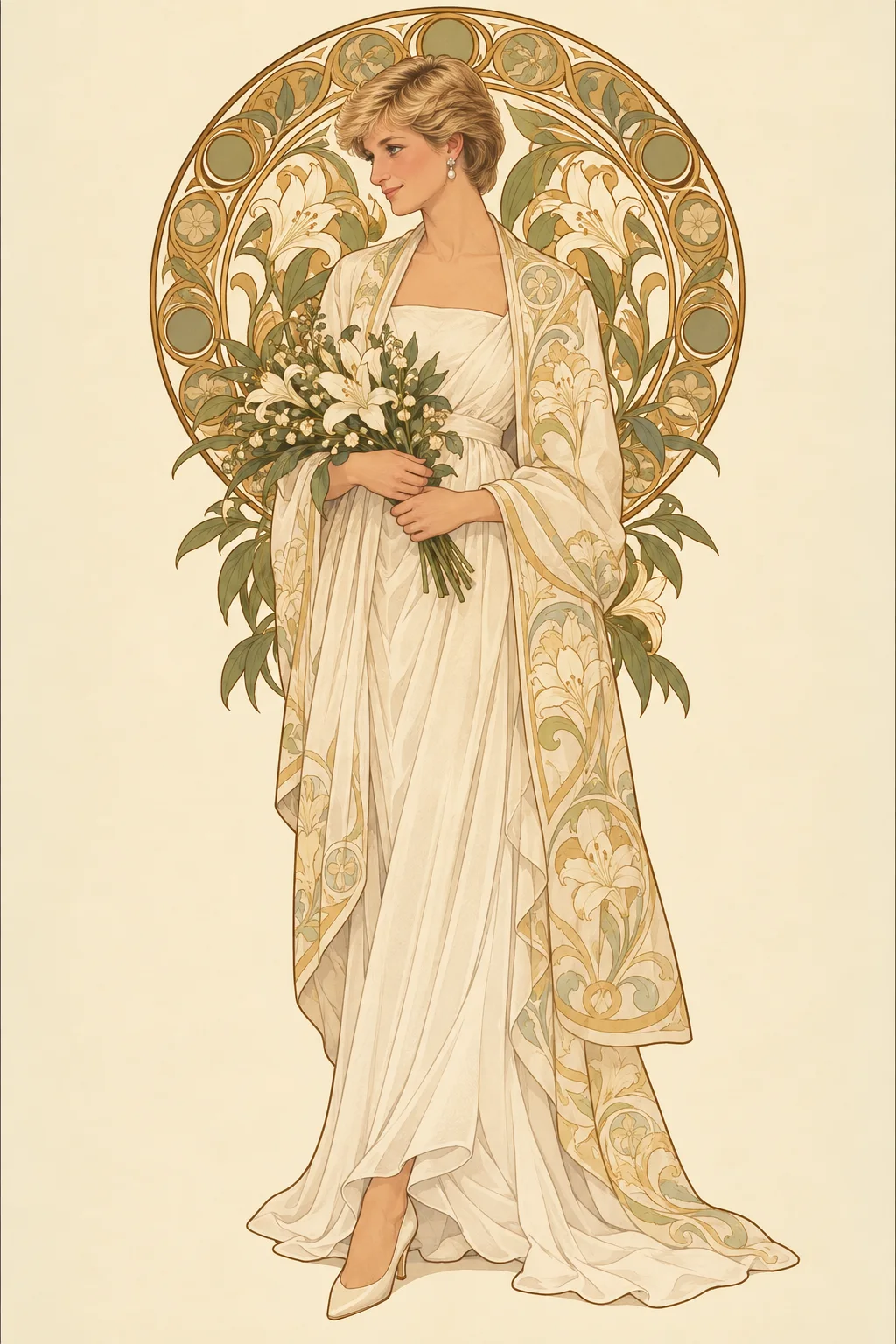 UK · RoyaltyPrincess DianaWith warm empathy and attentiveness, she drew straight up to the hearts of many.
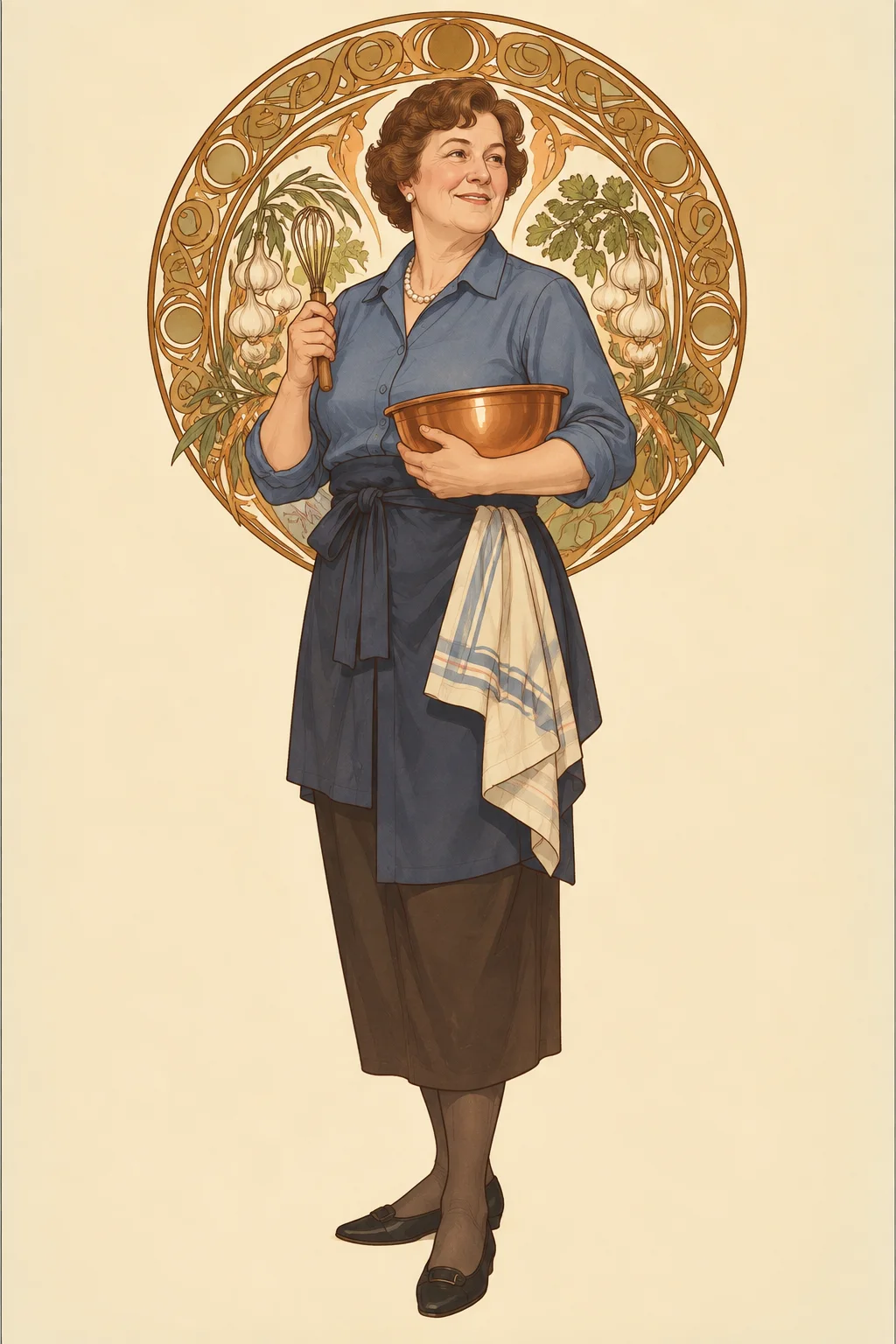 USA · Culinary expertJulia ChildShe conveyed the joy of cooking cheerfully and spread the spirit of hospitality widely to the world.
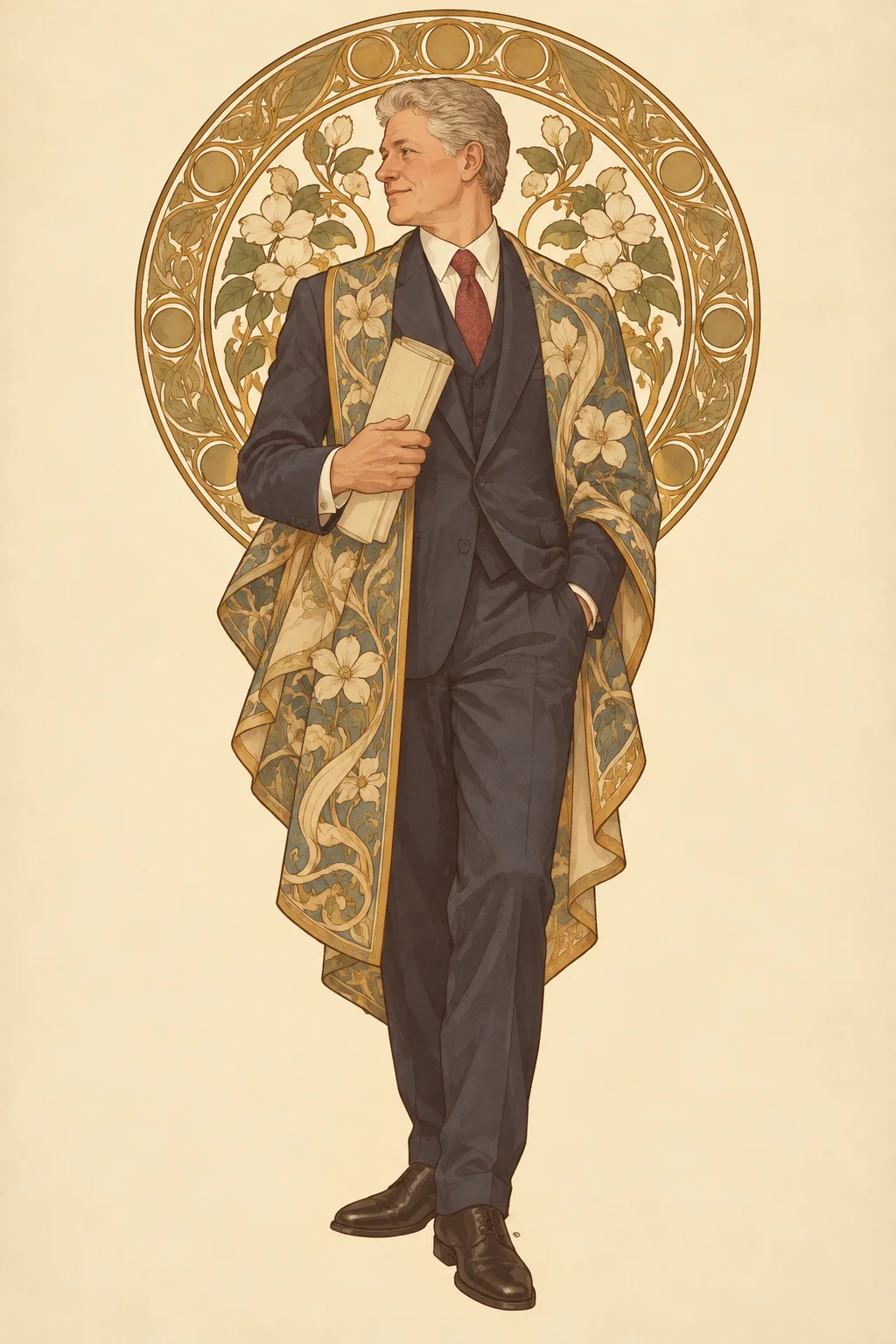 USA · PoliticianBill ClintonWith affable charm and a capacity for empathy, he drew people in.
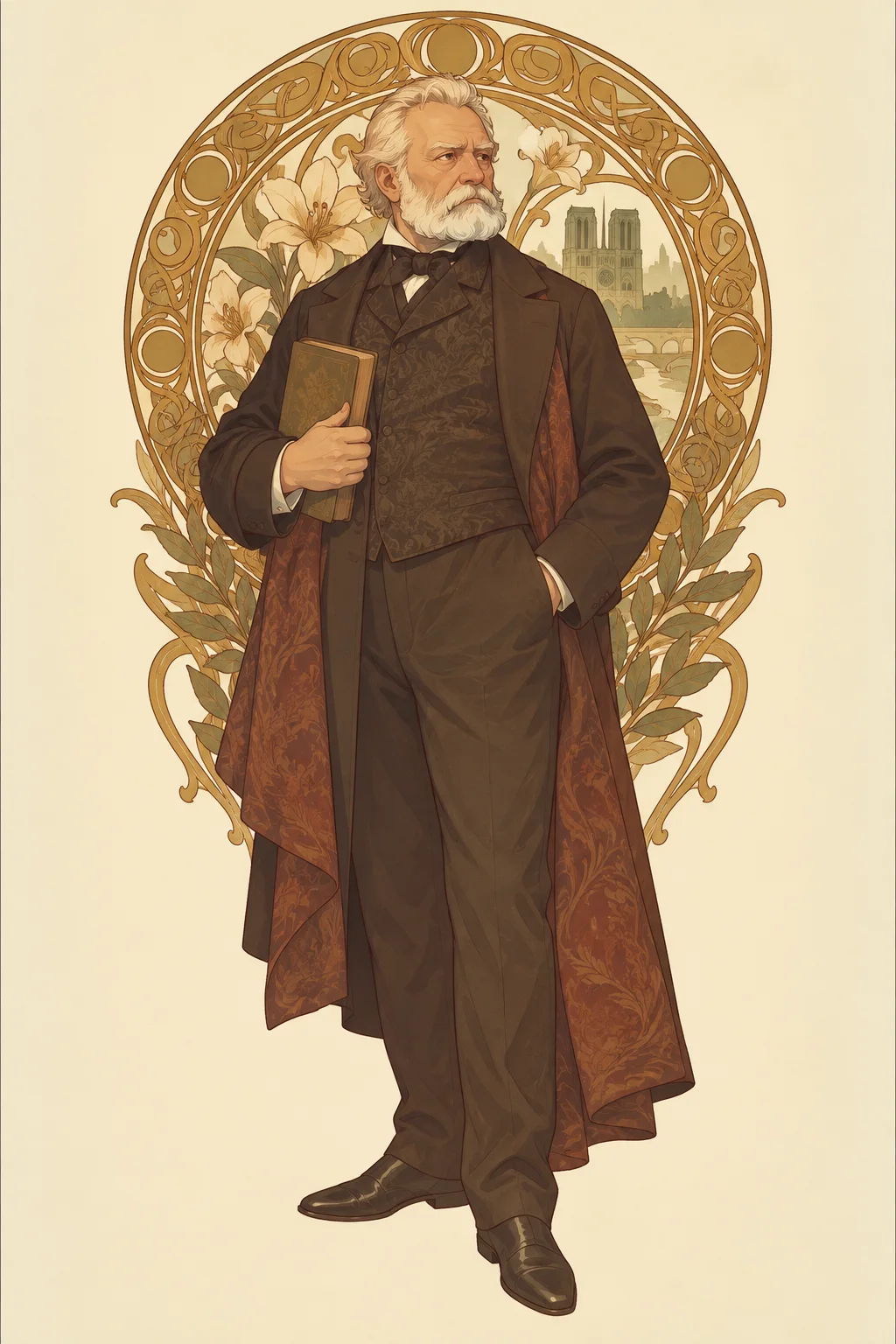 France · WriterVictor HugoHe poured his passion for humanity and his conviction for justice into a rich pen.
 USA · Lawyer & authorMichelle ObamaWith warmth and candor, she encouraged and heartened people.
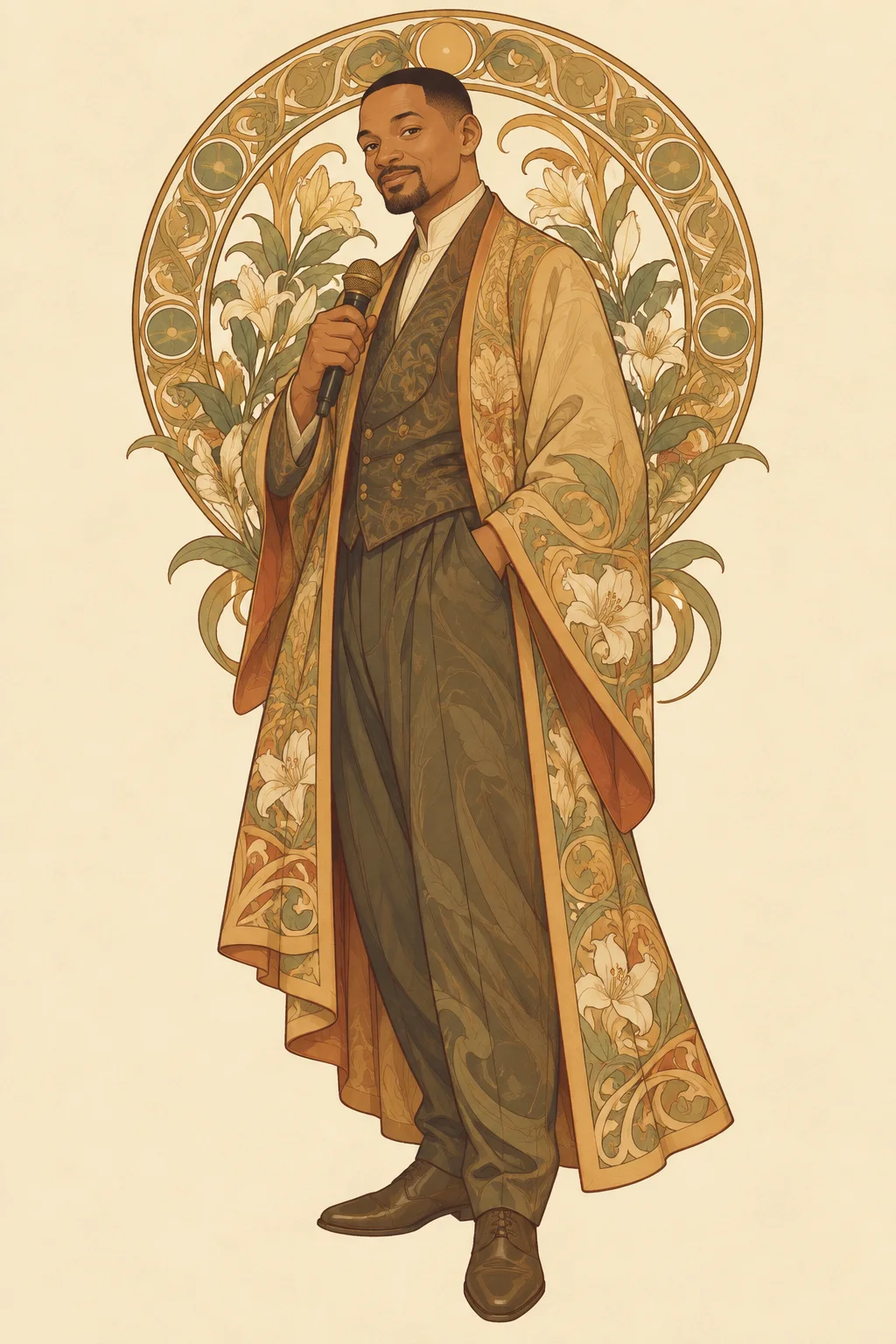 USA · ActorWill SmithWith cheerful charm and energy, he brightened and lifted the room.
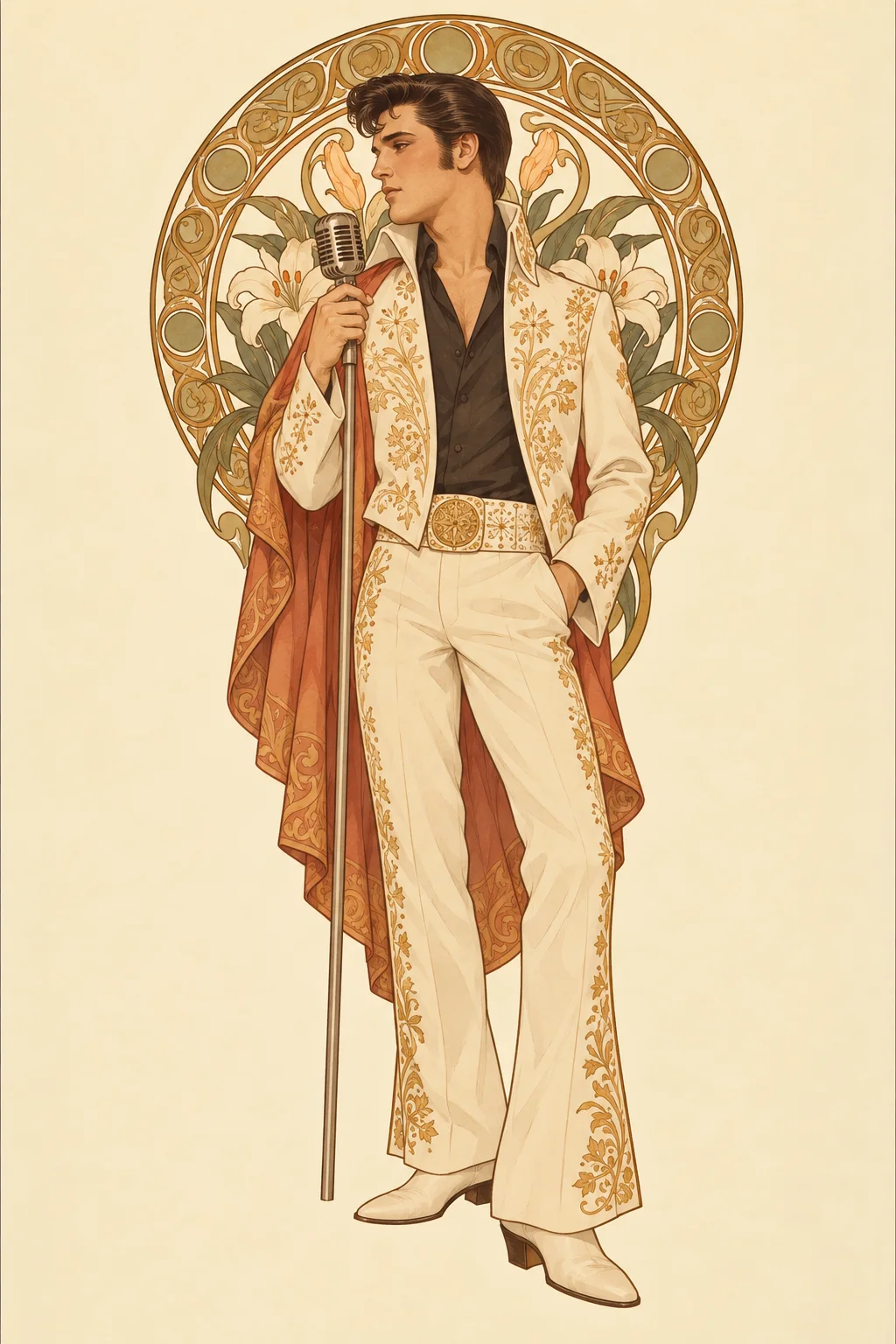 USA · SingerElvis PresleyWith performances brimming with emotion, he sent people into a frenzy.
 USA · Singer & actressJennifer LopezWith dazzling energy and expressive power, she kept audiences captivated.
Type attributions are informed speculation based on public information, not confirmed fact.
Map of group memberships
The Enthusiast is one of 32 types, and also belongs to several groups of kindred natures. Here are the four main ones first — open a card to step into its own gallery room.
 Quadra (Values)Alpha Quadra (α)Genesis
 Bouquet (Temperament)Linear-Assertive TemperamentMoves the world toward how it ought to be
 Club (Interest)Social ClubPeople who weave life and ties together
 Motivation (Stimulus Group)Status Stimulus GroupSeeks power, influence, and status
See all groupings (25 more)
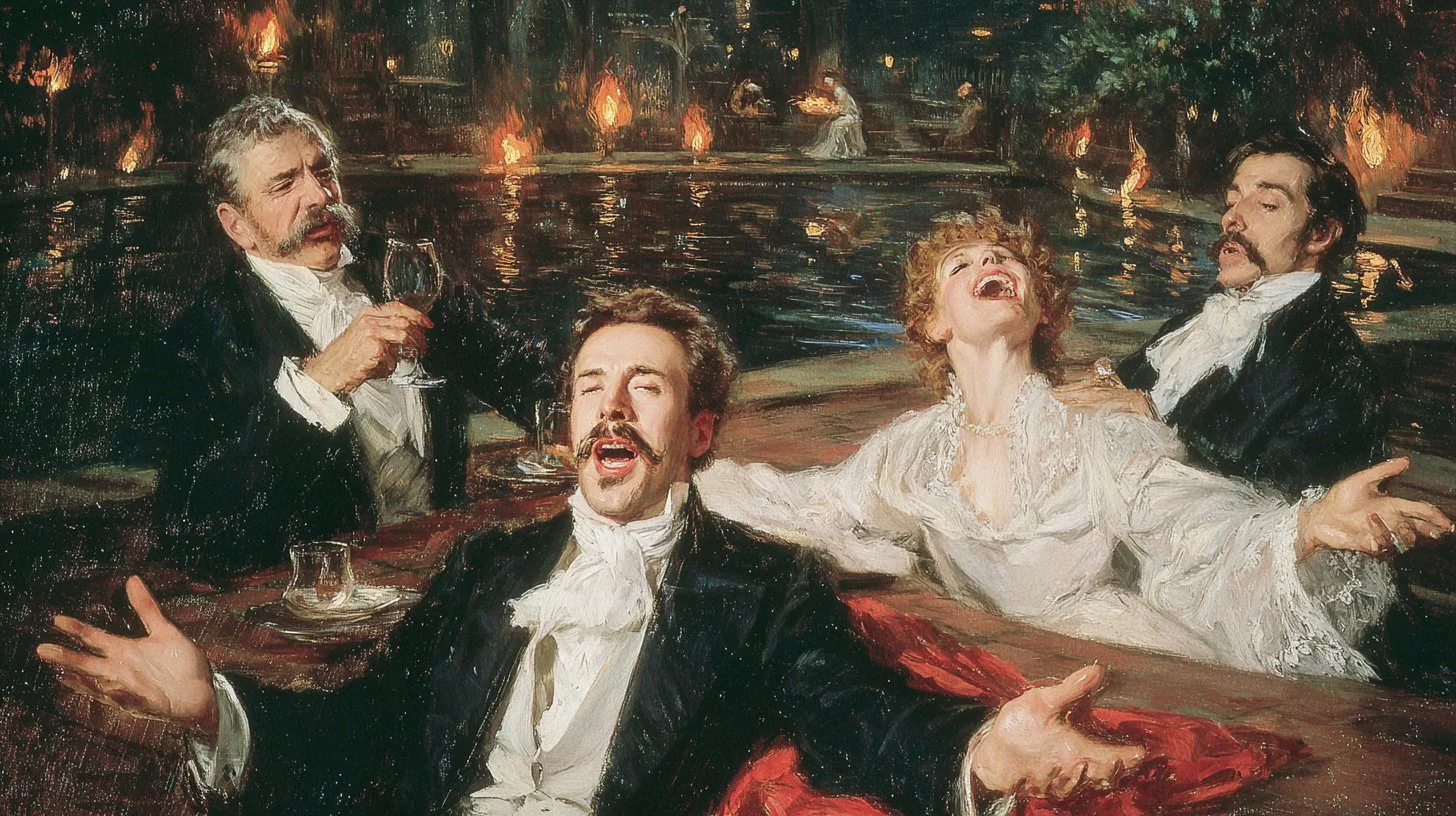 Communication StylePassionWarming the atmosphere through emotion
 Behavioral StyleInspirerMoving people through sheer fervor
 Argumentation StyleGuardianDiscerning worth through morality
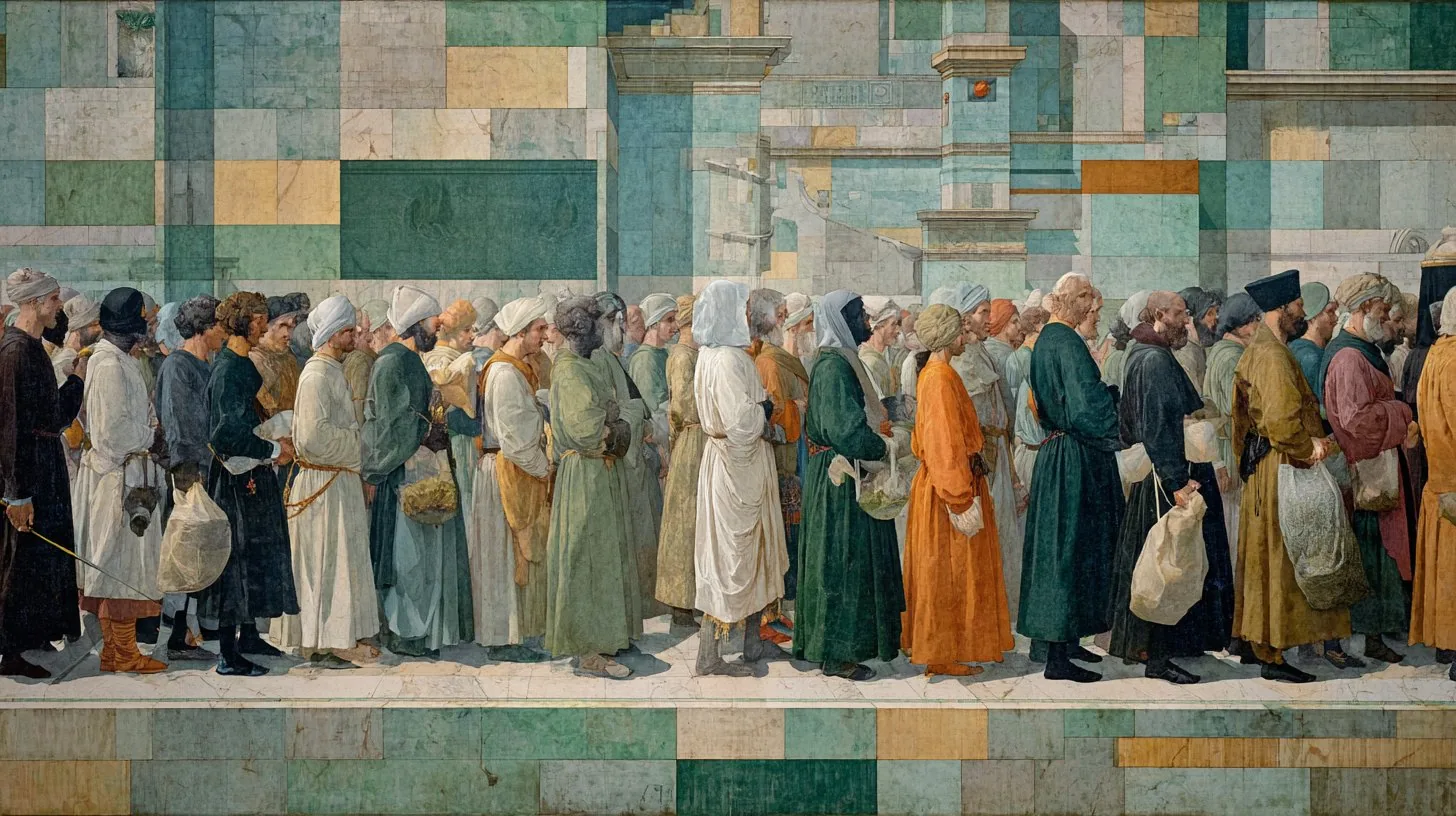 Perception GroupOrderlinessSets rank and distributes by tradition
 Cognitive StyleVortical-SynergeticDiscovers the essence through trial and error
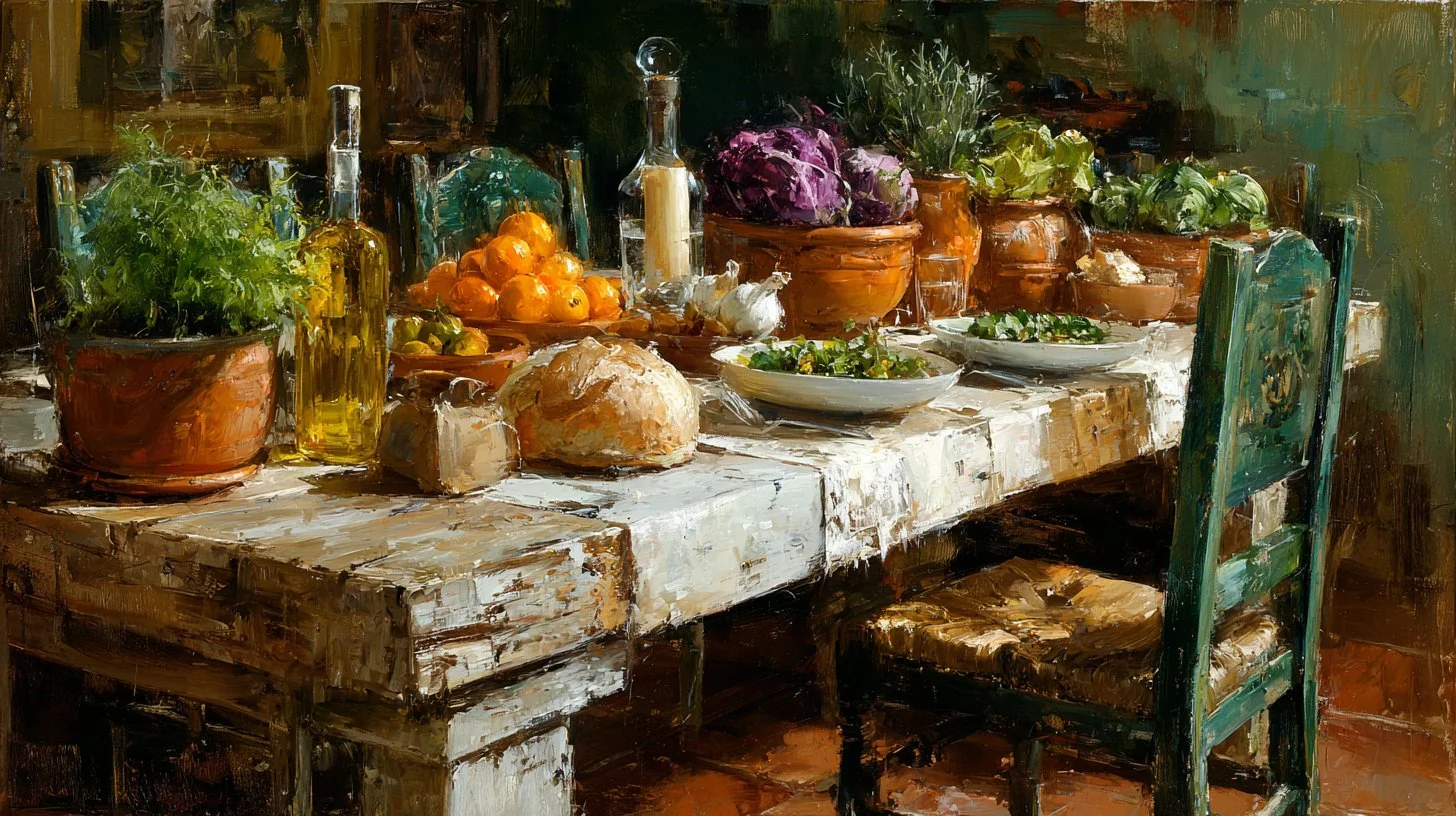 Romance (View of Love)HomemakerFills the home with warmth
 Stress ToleranceTrainedTurning blows into nourishment while keeping one’s frame
 Socialization GroupDevoteeDevoting oneself over time
 Inflation RingEnergy AccumulatorStoring energy and putting it into practice
 Project GroupConcrete ResultsTurns plans into form at once
 Implementation GroupIdeal IntroductionShaking up daily life with ideals
 Square (Rest)RomanticRomantics
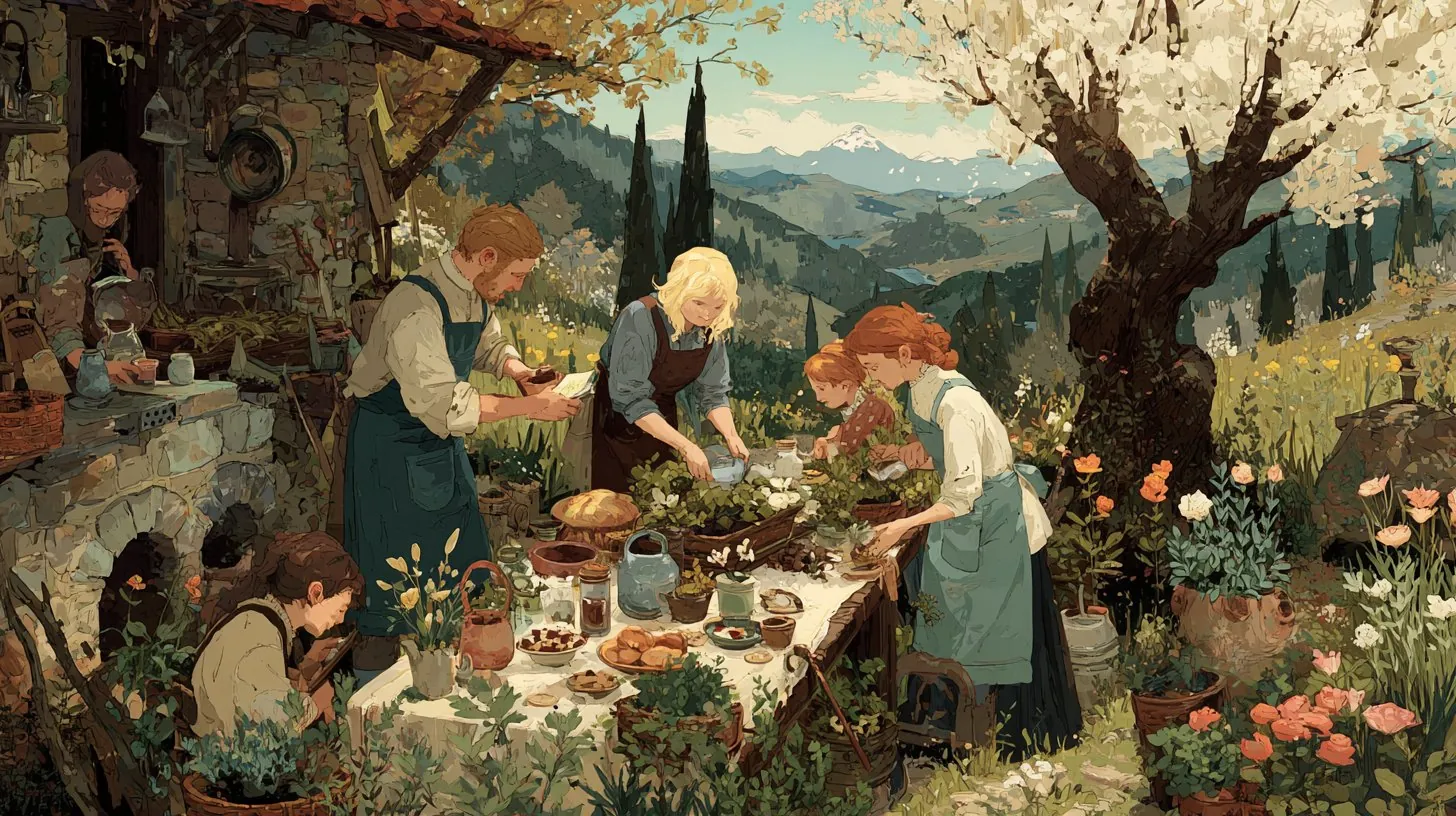 Business Square (Collaboration)EdenA paradise of hospitality
 Octad (Cross-Value Group)ForgeBuilding structure from zero
 Reactor (Excitation Group)RadianceRadiating excitation outward
 MobilizationCrystallizationCrystallizes regular structure
 Conditioning (Adjustment Group)TuningTunes fine oscillations
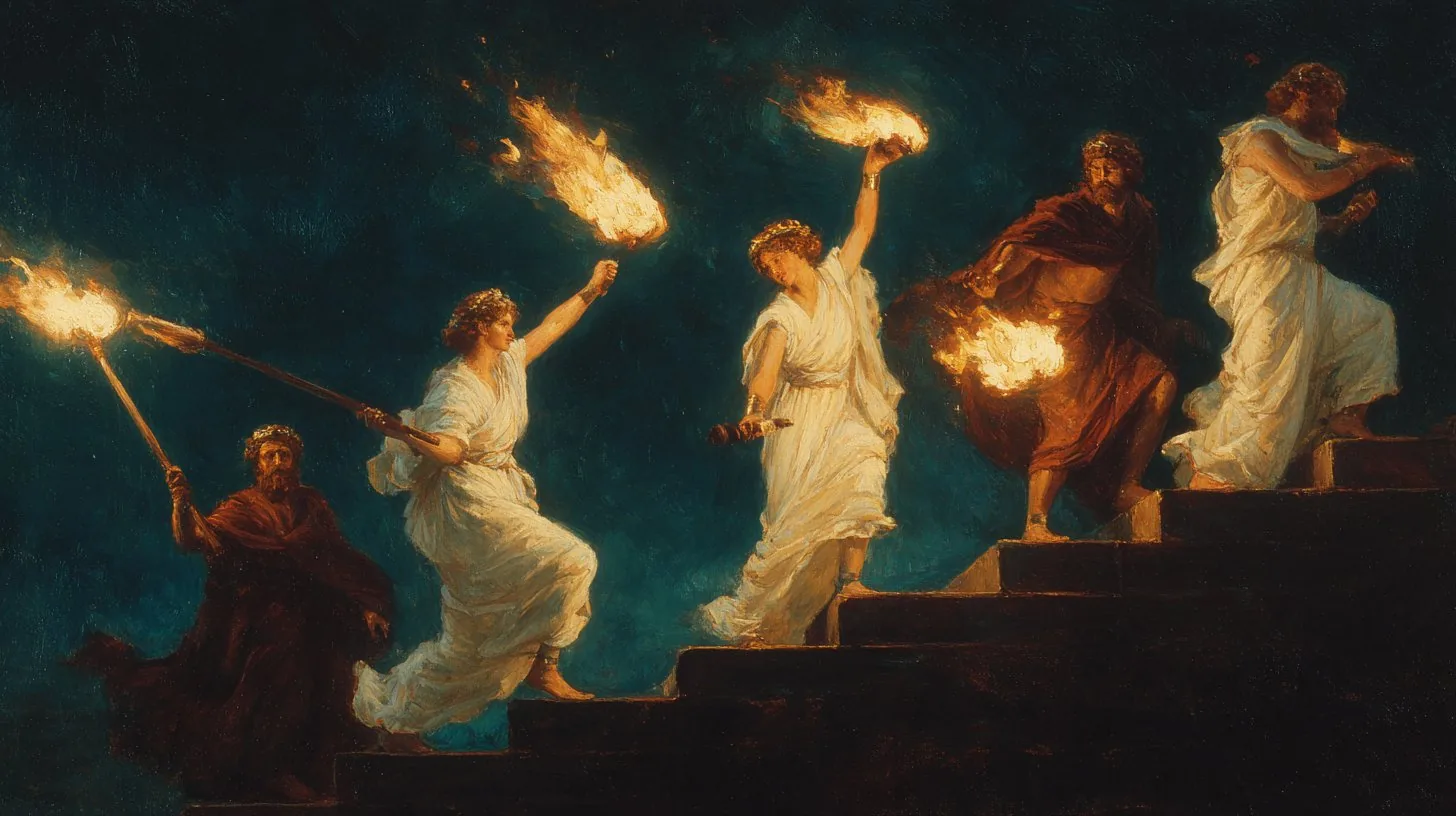 LabyrinthEleusisFestive passion and cool critique
 Block Group (Extinguishing Group)CouncilDebates policy and establishes order
 Social Progress Ring (SPR)BreakthroughThe ring of emergent lightning
 Supervision Ring (SVR)NovaA new star bursting from the vortex
 Social Order Ring (SOR)JuggernautA colossus that keeps pressing forward
 Succession Ring (SR)RenaissanceThe return of the forgotten
 Benefit Ring (BR)IgnisRekindling the embers
 Master Ring (MR)HearthA homecoming to the hearth
Open the full, love and business editions
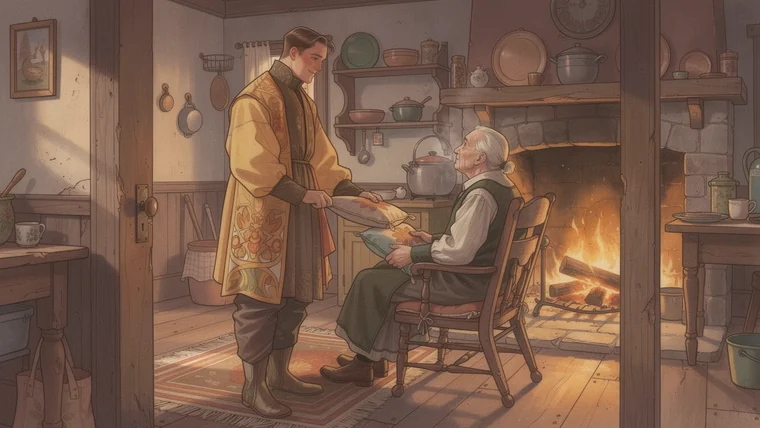
- The blueprint of your mind (8 blocks)
- Six ways to recover from stumbles
- A situation-by-situation guide (6 situations)
- The reasoning behind the celebrity picks
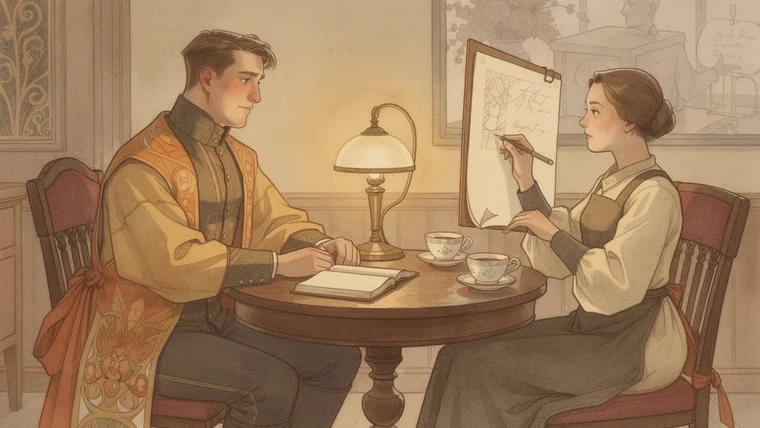
- What your heart longs for / What excites you / Your landmines
- Classic love scenarios
- Chemistry by partner (all 32 types)
- At home and as a parent / A practical playbook

- Natural strengths / Work better avoided
- Work style / Management
- Industry fit ◎○△ (23 industries)
- Suitable roles
Save $24.98 compared with buying the three separately