
IEE-D – Promoter –
Moving the world through fascination — an evangelist of ideas
You are someone who sees the possibility and fascination hidden deep within people and things.
You hand the charms you find, one person at a time, to the people your heart connects with.
You care more about whether hearts connect than about titles, and you link good things with good people.
- Quadra
- Delta δ
- Bouquet
- Flexible-Maneuvering temperament
- Club
- Humanitarian Arts
Portrait — the Promoter

The Promoter takes in what is before them not by "how it looks right now" but by "what it could truly become." Within ordinary people and easily overlooked ideas, they find worth no one has noticed and unexpected connections. Into what is taken for granted, they suddenly slip a reversed angle: "but couldn't you also put it this way?" They are open to possibility, and never lose the capacity to be delighted.
And this person doesn't simply keep the fascination they find to themselves. They sense "this will resonate with that person in particular," and while reading the movements of that person's heart, they deliver it so it touches their heartstrings. Rather than whipping up a crowd all at once, they gently move people's feelings through one-to-one resonance with a sure, felt response. They pass along, from person to person, what they believe is good.
Their way of relating to people is warm and carefully chosen. Rather than getting along breezily with anyone, they quietly discern the people they can connect with through trust and empathy. They have almost no interest in titles or rank, and treasure above all the felt sense that "with this person, hearts connect." They prize sincerity and believe straightforwardly in the goodness of others, and by the same measure, betrayal and bad faith wound them deeply, and they sometimes draw a line.
Their moods come in waves. Toward what moves them, their fervor flares up all at once, and they get moving, sweeping those around them along. But once they lose interest, the heat quietly drains away. With set procedures, hollow formalities, and monotonous repetition, their heart visibly pulls away.
Their stance is horizontal through and through. They have no interest in standing above others to give orders, nor in forcing people down by power. It suits them far better to stand between people, linking good ideas with good people and letting a fresh wind into the room.
On the other hand, there are things they find hard to kindle on their own. Ideas well up one after another, yet steadily building them up and continuing to shape them into sure handiwork is not their strong suit. That is exactly why, when someone is beside them who quietly adds calm comfort and sure, practical skill, the Promoter can plant their feet on the ground and carry their rich ideas far, without hesitation.
Not how it looks now, but what it could truly become.
Does this sound like you?
- When you hear someone's story, you can't help looking for the hidden possibility: "this could be interesting."
- You feel the urge to flip the obvious over: "but what if you think of it the other way?"
- When you think something is good, you recommend it to people even when nobody asked.
- You suddenly shine when people pay attention, and wilt when no one is watching.
- When you talk, you can't help slipping in metaphors and comparisons.
- A conversation that catches your interest runs long, and you tend to be a little late to meet people.
- Faced with betrayal or bad faith, your usual warmth turns stern.
- When you find a bargain or a useful trick, you want to tell someone right away.
- In places full of fine rules and formalities, you feel you can't breathe.
- Before you finish one thing, your mind moves on to the next interesting thing.

How you move

The Promoter's conduct shows clearly in a sharp intuition that uncovers hidden fascination, and in a warm, enveloping power that delivers it to people's hearts and sets them in motion.
They are someone who finds delight in anything. In a person's story, an incident on the street, an idea that happens to catch their eye — they quickly spot the snag of "oh, this," and reel in the thread of possibility. They don't swallow whole what is taken for granted, but flip it over: "but what if you think of it the other way?" Quick-witted, they leap lightly from topic to topic, revealing unexpected connections that catch those around them off guard.
And into whatever moves them, they pour their fervor without stint. "This is absolutely good — trust me," they urge, drawing people in and lifting the mood of the room. They are very good at sensitively reading what moves another person and conveying it in words that resonate with them. Spotting someone's possibility early, they give them a push — "you, of all people, can surely do it." This power to encourage people and set them in motion lies at this person's very center.
The waves of their mood cannot be hidden. Their driving force when they're on a roll is remarkable to behold, but once interest fades the heat quietly withdraws. Toward the repetition of set procedures, hollow ceremony, and the piling up of fine clerical detail, their concentration snaps rapidly. The more room they have to move freely — rather than being forced into a mold — the more this person brings out their powers.
Not appearances, but toward what feels interesting.
- Quickly finds hidden fascination and reveals unexpected connections
- Pours fervor without holding back into whatever moves them
- Concentration snaps fast with repetitive set procedures
Given a place where you can think freely, your ideas reach surprisingly far.
How you speak and listen

Their dialogue is a captivating exchange — lively and warm, drawing close to another's heart while moving people through fresh perspective and encouragement.
Their talk has warmth and color. Using metaphor and comparison lightly — "for example, it's like this" — they deliver things in a form that clicks for the listener. Because they speak even of abstract ideas by tying them to that person's own experience, it lingers, strangely, in the heart. When they speak one-to-one, facing someone squarely, this person's words carry their greatest force.
They readily notice the movements of another's feelings. What delights them, what is snagging at them — they sensitively pick it up from expression and tone of voice, and choose their words to fit that person. Praising, encouraging, illuminating possibility, they light a positive flame in another's heart. Through dialogue, they are very good at bringing people around and giving them a gentle push forward.
That said, they can be too frank. They may blurt out just as it is what they think or the discomfort they feel, catching the other person off guard. Above all, when they feel that the goodness or sincerity they believe in has been trampled, their usual warmth can turn, unexpectedly, into strong pushback. With those bound to them by trust they go deep and long — but toward bad faith, this is someone who draws a firm line.
Speaking in comparisons, so it clicks for the listener.
What lies at the core — drive and tender spots
The one power at the heart: to see fascination and move people
At the Promoter's center lie an intuition that sees through to the possibility and fascination sleeping deep within people and things (-Ne-p) and an empathic power that delivers it to each individual heart and sets it in motion (+Fi-c).
"What could this truly become?" — to that question, this person answers with a flash of inspiration. Within overlooked notions and ordinary people, they find worth no one has noticed and unexpected connections. They flip over the taken-for-granted and cast light from another angle. Onto this is layered an empathic power that reads the human heart. They intuit "this will resonate with that person in particular," deliver it so as to touch their heartstrings, and gently move their feelings.
When these two mesh, they become the power of an evangelist of ideas — to "move the world through fascination." Their pride lies not in dominating people or standing out, but in the sure, tangible sense that "what I believe to be good lights a flame in someone's heart and spreads from person to person."
See it, then kindle it. This single line.
What they can do, yet do not prize

The Promoter also holds within them the power to see far ahead, and the power to be deeply moved and to draw in the emotional mood of a room.
When it comes to it, they have the power to read how things will unfold and to grasp the flow of the times before it arrives. They truly possess, too, the power to be deeply struck by something and to turn that emotion into a challenge aimed at the distant future. But ordinarily they don't bring this to the fore. Reading ahead and bracing themselves, or orchestrating a room by smoothing its mood into a single tone, is not this person's way — a quiet choice of "I'll use it if I must, but I place no worth there." Rather than fret over what lies ahead, they would rather bet on the possibility of now. These powers show their face only when they are truly cornered.
What the heart secretly craves

What they find hard to kindle on their own, and yet long for deeply, is calm comfort and a sure, down-to-earth skill.
Though they are skilled at finding ideas and kindling them in others, steadily building them up and continuing to shape them into sure handiwork is, in truth, not their strong suit. The stillness in which the heart rests, and a calm rooted in the body, they cannot maintain well by themselves either. That is exactly why, deep down, they long profoundly for calm comfort and an unshakable practical skill (-Si-p). Not grand excitement, but simply time in which to settle, and a hand that reliably finishes things. With such down-to-earth support beside them, this person can, with peace of mind, carry their rich ideas far. The dual Artist (SLI-Q) quietly fills this very axis just by being at their side.
The most fragile place
The Promoter's weakness shows in constructing rigorous logic and in shoving-matches of force.
Though in the world of possibility they can fly more freely than anyone, judging things by cold, watertight logic alone, or meticulously building up a system with no gaps, is not their strong suit (-Ti-p). Before rigid reasoning and inflexible rules, they grow stifled. Nor are they good at commanding a room by force or standing their ground in a head-on shoving-match (+Se-c) — exposed to an atmosphere of pressure or confrontation, they lose their native lightness. These are less flaws than areas to have supplemented by people who are good at them. The dual Artist (SLI-Q) quietly supplies a sure, tangible grip on reality and an unshakable calm.

- Core: seeing hidden fascination and possibility, delivering it to people's hearts, and moving them
- What drives you: the felt response of finding a new possibility and delivering it to someone's heart
- Where you're fragile: building rigorous logic, shoving matches of force
Strengths, and where you stumble
Someone with sure, down-to-earth skill.
Strengths — seeing fascination and moving people

The Promoter sees through, faster than anyone, to the possibility and fascination sleeping deep within people and things. Within overlooked notions and ordinary people, they find unexpected worth and connections. Flipping over the taken-for-granted and casting light from another angle — that flash of inspiration breathes a fresh wind into a stagnant setting. Quick-witted, open to possibility, they never lose the capacity to be delighted. That lightness brings to those around them the expectation that "when this person is here, something is about to begin."
Above all, this person's true worth is the power to deliver the fascination they have found to people's hearts and set them moving. They sensitively read what moves another and convey it in words that resonate. Praising, encouraging, illuminating possibility, they bring people around and give them a gentle push. Connecting through trust and empathy, they pour their feelings straight into a sincere partner. Linking person to person, good idea to good person, sniffing out what ought to be spread to the world and spreading it — this is precisely their power as an evangelist of ideas.
Where they tend to stumble

Where they tend to stumble is the underside of that sharpness for "possibility" and that passion for moving people's hearts.
Steadily building an idea up and continuing to give it form is not their strong suit. Because one interesting thing after another comes into view, their heart moves on to another possibility before they have settled down to finish the first. Good at starting though they are, their concentration may not hold through the fine accumulation of reality or through monotonous repetition.
The waves of their mood can also transmit to those around them. Their driving force when they're on a roll is remarkable to behold, but once interest fades the heat quietly withdraws. When those swings are large, the people around them can be thrown about. And when emotion runs high, they may hurl their feelings out in raw, forceful words, only to regret it later.
Prizing sincerity so much, they are deeply wounded by bad faith. Because they believe straightforwardly in another's goodness, once they sense betrayal or two-facedness, their warmth turns in an instant into strong pushback, and they draw a firm line. That decisiveness is also a strength of core, but severing a relationship abruptly can leave something to be regretted afterward.
There is also a part of them that finds calm hard to maintain on its own. Because their heart keeps busily in motion, stopping to rest and relaxing in a body-rooted way tend to get put off. Before they know it, they may have run too hard and worn themselves thin.
But that sharpness for "possibility" and that passion for moving people are of one piece with the power to break stagnation and to give people courage. Simply knowing this spares them from blaming themselves, and lets them supplement what they lack with people who are good at it.
When you meet someone with a calm grip on reality, your ideas don't end as pie in the sky; they become something that truly reaches the world.
- When a flash comes, take a breath and check: "does this work in reality?"
- Write what you have to do on paper, and put it outside your head
- Even when your heart feels cold, sleep on it before cutting a relationship off
Where you thrive
A simple "this is interesting" is enough to set you on fire.
Environments Where They Thrive
The Promoter performs at their best in a setting where new ideas are welcomed, where they can engage freely with people and spread interesting things to the world. An environment rich in change, with room for invention and companions connected by trust and empathy — it is there that this person's inventiveness and power to move people come freely alive. The more they are entrusted — "the direction is yours; just make it something interesting" — rather than bound by procedure, the more this person gives their all on their own initiative.
Conversely, in a place that is nothing but set repetition, or an environment bound by hollow formality, their fervor cools rapidly. An atmosphere that restricts their movement with fine rules, or one where precedent and rank are all that count, feels cramped to this person. High-handed coercion is especially counterproductive; the more room they have to conceive freely, and the more they feel their ideas are delighted in and put to use, the more vividly they move.
On the other hand, their waves of mood and their staying power to see one thing through need support. When the heat dims they may be unable to keep running, or run out of breath at the stage of steadily giving an idea form. That is exactly why, with a partner beside them who supports them with a calm, tangible grip on reality and sure practical skill, this person's rich ideas do not end as pie in the sky but become something that genuinely reaches the world.
The fields where they shine
They exercise their powers most richly in domains where seeing through to the appeal of people and ideas, conveying it to the world, and moving people is itself the work. Advertising, public relations, marketing, planning — roles that dig up fascination and deliver it to people's hearts are their calling. In work that sees through and draws out each individual's possibility — scouting and developing talent, coaching, counseling — their empathy and power to encourage come alive as well.
They are also suited to work that generates new ideas, conveys them, and moves the heart — writing, editing, creative work, education. Founding a company or launching a new venture, playing the go-between who connects people to people, the facilitator who breathes fresh air into a room — it is precisely in domains that call for linking people and possibilities through imagination and empathy, rather than precedent and rules, that this person's powers come most surely and deeply alive.
Dialogue — ask Colette

One free dialogue · Le Salon members can explore several perspectives. Not a real person: a representative perspective based on the public profile.
Relationships and love
Do hearts connect? Is there a real response?
How You Love — Love That Discovers and Gives
The Promoter’s way of loving shows first in “discovering the other’s charm, putting it into words, and giving it back.” With intuition of possibilities you keenly spot their hidden good points and the room to grow they haven’t even noticed yet, and with relational ethics you lavish it back: “this part of you — I really think it’s wonderful.” So a person the Promoter has come to like starts to feel like a more and more interesting human being. Concretely, you remember a dream or interest they mentioned in passing, and days later hold it out — “that thing you talked about the other day, there’s something like this.” Your expression of love becomes, in itself, “a proposal to widen their world” — that’s the shape of this person’s love. More than games of push-and-pull, you treasure above all the felt sense of the moment hearts truly connect.
Compatibility — recommended partners
 Artist
 SLI-QGiving form to the “just-rightness” of nature and daily lifeDualityThe one who complements you most deeply. With calm comfort and sure skill, they gently bring your heart down to earth Critic
 ILI-QThe insightful Critic who sees through contradictions in the depths of silenceIllusionaryBeing together loosens the tension in your shoulders. A partner with whom you can trade sharp insight, laced with irony, and enjoy it Performer
 SEI-QA gentle conveyor who gives form to sensation and feelingSemi-dualityA comfort approaching that of your dual. Even without saying much, you can nestle close in easy harmony Administrator
 LSE-QThe hands-on command post that keeps the field running and moves people and workActivationThe easiest to warm up to. With down-to-earth executive power, they give your ideas sure form Commander
 LIE-QBuild, prepare, hold the line — the command center of orderBenefactorYou can't help wanting to lend a hand. You become the guide, nurturing their budding growth Harmonizer
 ESE-QTheir smile and their voice soften the space around themBeneficiaryYou naturally receive a push and a spark of energy. They pull you forward Empath
 EII-DSensing what lies beneath feeling, and becoming someone's quiet supportMirrorThe same values, from a different angle. You sharpen each other's gaze for the goodness in people Architect
 LII-DThe architecture of logic, quietly built up piece by pieceSupervisee (mirror)You can't help wanting to teach them how to read the subtleties of people and situations Guardian
 ESI-DA silent shield that protects people, with rightness at its backSupervisor (mirror)You can't help leaning on them, and end up being taught their unshakable way of holding a lineSee the other relationships (22 more types)
The upper bands are easier to be with; the lower bands tend to wear you down. Tap a relation name to read about the pair.

SEE-DA born leader who reads hearts and rallies the currentBusinessA partner you can easily work alongside, adapting to the situation together. Visionary
 ILE-DThe architect of ideas who reinvents the world through paradox and theoryKindredA partner whose conversation flows easily, someone who likes to express things in the same direction as you. It can wear you out once it turns competitive. Mentor
 EIE-QA passionate standard-bearer who speaks of ideals and binds hearts togetherTranscendenceA partner who makes you want to surpass yourself when you're together, pushing each other to grow. Enforcer
 LSI-DThe steel operator who carries out the mission through discipline and responsibilityCorrectionA partner whose feedback becomes a chance to take stock of yourself. Conqueror
 SLE-DA dependable field general who only burns brighter the harder things getIdealA partner who naturally embodies what you aspire to be, easy to admire. Getting too close tires you out. Dreamer
 IEI-QA teller of fantasies who colors the world with dreams and passionCompassA partner who gives you a sense of being accepted, along with a hint of which direction to move in. Advisor
 IEE-QOne who quietly draws near and listens to the heartAdaptiveA partner you settle into by simply playing your roles, an easy, unremarkable relationship. Craftsman
 SLI-DThe artisan who sets the world in order in the palm of his handDetachedA partner who's hard to feel drawn to, leading to a rather flat, low-key relationship. Executive
 LSE-DSet it in order, get it moving, see it throughRelaxationA partner who puts you at ease, though you tend to end up waiting on them with quiet expectation. Philosopher
 EII-QOne who, in the stillness, keeps questioning the meaning of the worldCodependencyA partner who wears you down little by little, caught in a cycle of bottling things up and overcompensating. Seeker
 ILE-QAn intellectual adventurer who unravels the worldDutyA partner who leaves you understanding what to do yet unable to act on it, while your need to be recognized grows stronger. Peacemaker
 SEI-DA bridge between sensation and compassionDistrustA partner you can't quite bring yourself to trust, which makes it hard to show your own strength. Enthusiast
 ESE-DThe cheerful flame that sets the world ablaze with feelingTense BeneficiaryA partner who leaves you worrying and overthinking, prone to closing your heart off. Analyst
 LII-QFrom the quiet of the desk, reassembling the worldPlayerA partner around whom you constantly feel watched, prone to leaving you burned out.
SEE-QA natural orchestrator who reads the room and guides people toward reconciliationFormalA relationship where formality and appearances pile up, and it's hard to ever fully relax. Strategist
 ILI-DThe contemplative Strategist who quietly reads ahead and lays the groundworkTediumA partner who leaves you feeling sluggish, prone to putting things off and keeping your distance. Pioneer
 LIE-DCarving the way through results — the realist's frontierTense BenefactorA partner around whom you tend to try too hard, unable to shake off the tension. Judge
Judge ESI-QThe quiet arbiter who discerns right from wrongSupervisorA relationship where you tend to unsettle the other person without ever realizing it. Reformer
 SLE-QAn executor who breaks through by force and rewrites conventionRoleA relationship where "you should" comes first, making it hard to just be yourself. Prophet
 IEI-DAn eye that gazes upon a destiny no one has yet noticedDistanceA partner who makes you want to keep your distance and close your heart off. Hero
Hero EIE-DIt is this conviction that changes the worldQuasi-IdentityA partner who looks similar to you yet never quite clicks, leaving you spinning your wheels and worn out. Inspector
 LSI-QThe logician who strips away pretense and sees through to the truthConflictThe partner most likely to strike your weakest point, the one relationship that drains you the most.Compatibility is not decided by type alone; maturity, subtype and circumstances all change it.
With someone you are connected to, you can read a personal Relationship Reading drawn from both of your answers ($8.99 per pair, unlimited for Le Salon members).
See compatibility with your connections →Explore Le Salon →
What You Truly Long For
What you truly long for, deep down, is, surprisingly, a soothing comfort. Precisely because it's a realm you can't handle well on your own…
In the Love Edition: What your heart longs for / What excites you / Where you clash and your landmines / Classic love scenarios / Chemistry by partner, all 32 types named / At home and as a parent / A practical playbook / Secrets to lasting love / A manual for your partner
Work and ways of working

Your Working Style — Possibility-Pioneering
You naturally excel in two main ways: coming up with new ideas and possibilities one after another, and staying close to each person and building trust.
Your interest turns to themes like ideals, art, and the human heart. Day to day, you're an improviser who runs on mood and inspiration, with big swings between all-out mode and slack mode.
With people, you're emotionally rich and sociable, and you show your likes and dislikes plainly. When you act, relationships and trust with people are your axis.
An eye that finds possibility, and the power to stay close to people's motives.
- Once the options are all out, make a provisional choice by intuition, then set a 48-hour review period
- Before persuading, grasp what the other person values
- When you meet opposition, sleep on it, add evidence, then propose again

Careers That Fit
Your empathy and your power to encourage, which see and draw out each person's possibility, come directly into play.
Work that reads the movements of another person's heart and gives them a push in words that resonate with them.
Your power to put the fascination you find into words and spread it from person to person comes directly into play.
Your Strengths, and Work Better Avoided
Your core is the combination of "an eye that keeps finding new possibilities" and "the power to move people by staying close to each one's motives." You don't just think up a plan…
In the Business Edition: Natural strengths / work better avoided, Stress tolerance and socialization group, Work style, Motivation and recharging, How to work with and manage this person, Compatibility and team-building, Industry fit ◎○△ across 23 industries with rationale, Suitable roles
Blueprint of the mind
Your mind runs on eight blocks. Each block carries two functions — how you take in the world, and how you express yourself — and together they set both the range you're skilled in and how much you actually value using it. We've kept the technical notation small and explained everything in plain language.
See it, then kindle it.
Leading Your centerI Know
-Ne-pParadox & InsightIntuition of possibilities+Fi-cManipulation & MotivationRelational ethicsYou first take things in with an eye for possibility: what could this truly become? Within the ordinary, you find worth and connections no one has noticed.
You then give that fascination shape with a power that moves people's hearts. You sense "this will resonate with that person in particular," and deliver it so it touches their heartstrings.
See it, then kindle it. This single line is the power at your core: "moving the world through fascination."
Mirror — Picked up by watching
At the entry point sits a sense that measures people's goodness and th…
In the Full Portrait: all 8 blocks of the blueprint / 6 ways back / situational guide / the reasoning behind the exemplars
Going deeper — ways back and situational guide
On the flip side of that same core, these are the situations where you tend to stumble. After that, six ways to get back on your feet.
Because one interesting thing after another comes into view, your heart moves on to another possibility before you finish.
Your driving force when you're on a roll is remarkable, but once interest fades, the heat quietly drains away.
When you sense betrayal or two-facedness, your warmth turns in an instant into strong pushback, and you may abruptly cut the relationship off.
A calm grip on reality breathes new life into your ideas.
Way to Recover 1 — See One Flash of Insight Through to a Finished Form
Because ideas well up one after another, you tend to move on to another possibility before finishing. Yet the experience of carrying one thing through to the end gives your ideas real weight…
In the Full Portrait: 6 ways back / situational guide (home, work, friends, under stress, shopping, days off)
People thought to share this type
Different fields, different eras — yet every one of them resonates on the same note: seeing hidden possibility, moving people, and spreading what is good.
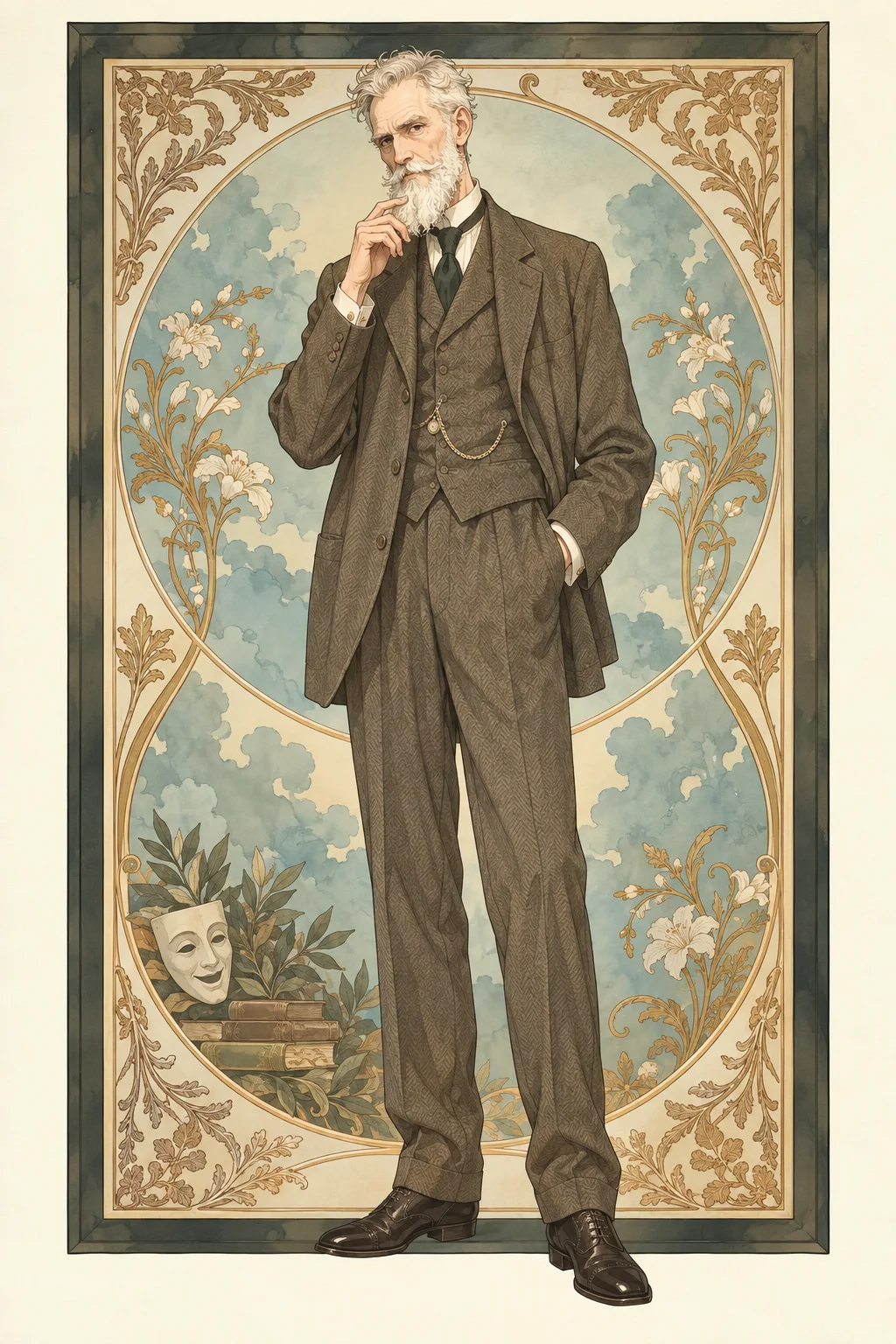 Ireland / UK · PlaywrightGeorge Bernard ShawStruck at hypocrisy and class with wit and paradox, preaching reform amid laughter
 Denmark · Fairy-tale authorHans Christian AndersenSaw the radiance dwelling deep within the ordinary, and lit it in the world's heart through story
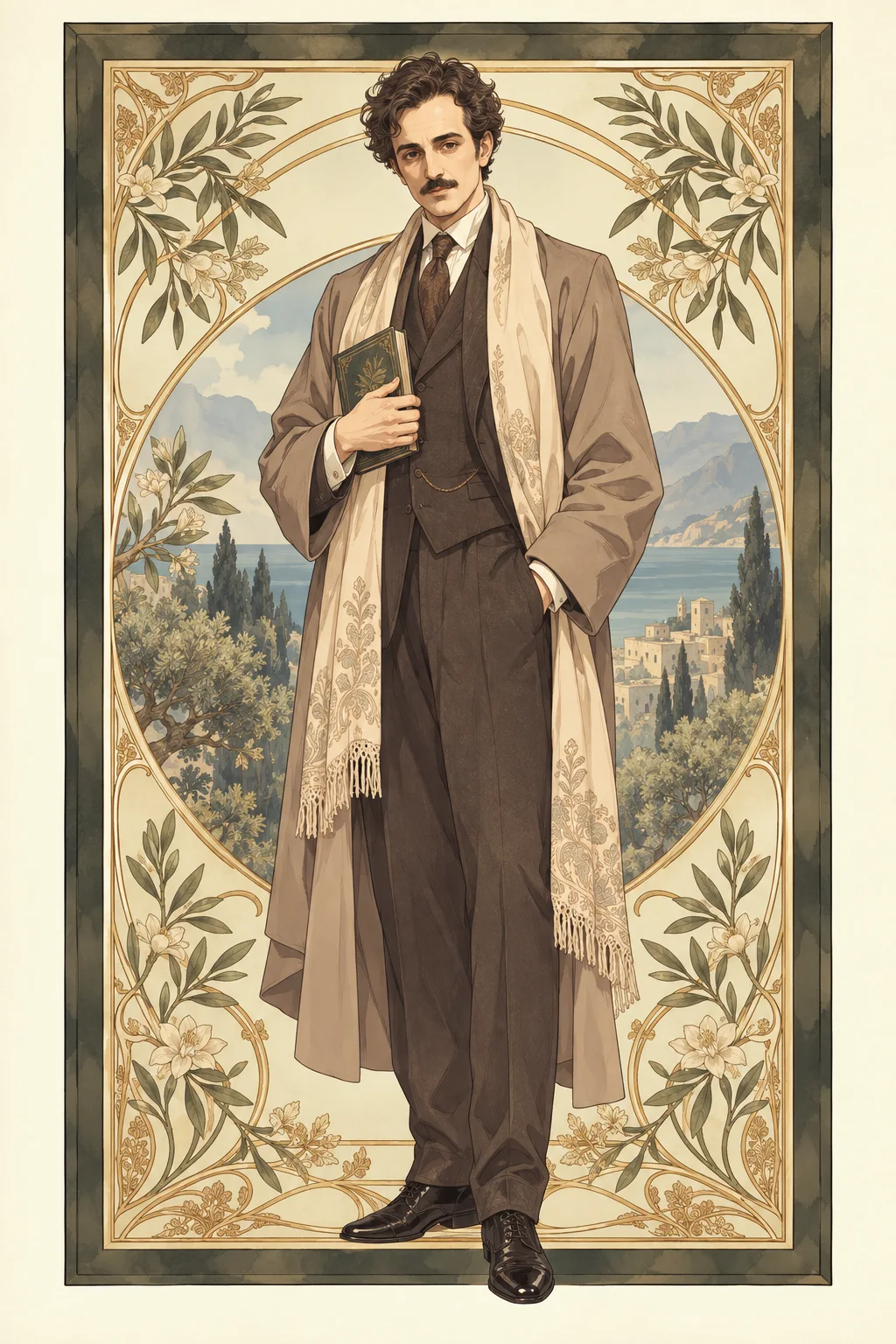 Lebanon / US · PoetKahlil GibranWith mystic words bridging East and West, he gave people the truths of love and life
 Spain · NovelistMiguel de CervantesDepicted the comic gap between ideal and reality, and opened the door to the modern novel
 France · PhilosopherDenis DiderotAn evangelist of the Enlightenment who devoted his life to the Encyclopédie that opened knowledge to all
 UK · EntrepreneurRichard BransonAn adventurous entrepreneur who ever challenges new frontiers and sweeps people in with fascination
 Colombia · NovelistGabriel García MárquezRepainted reality with magical imagination, and depicted a cosmos of love and solitude
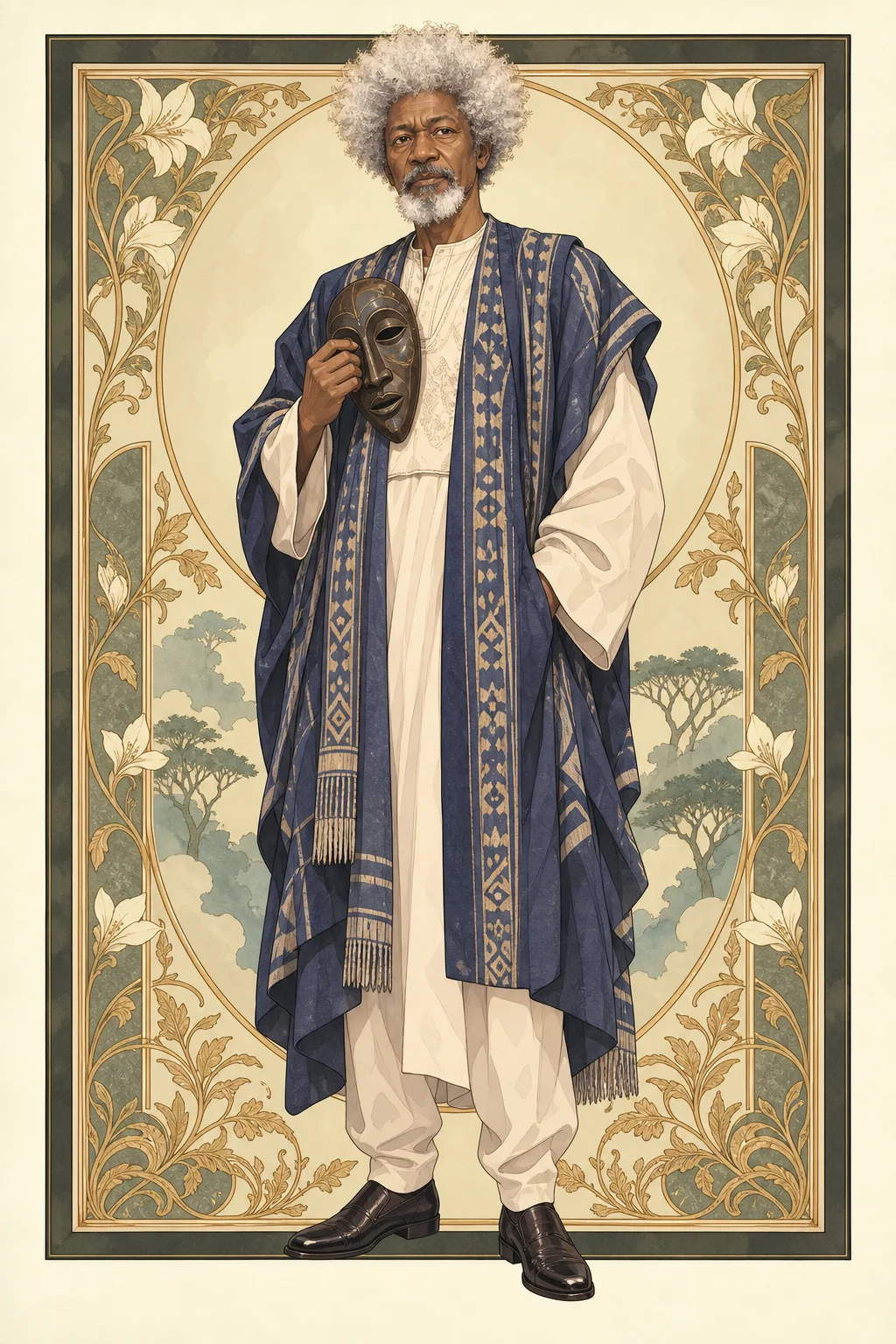 Nigeria · PlaywrightWole SoyinkaA warrior of words who fused myth with Western theater and never ceased to resist authority
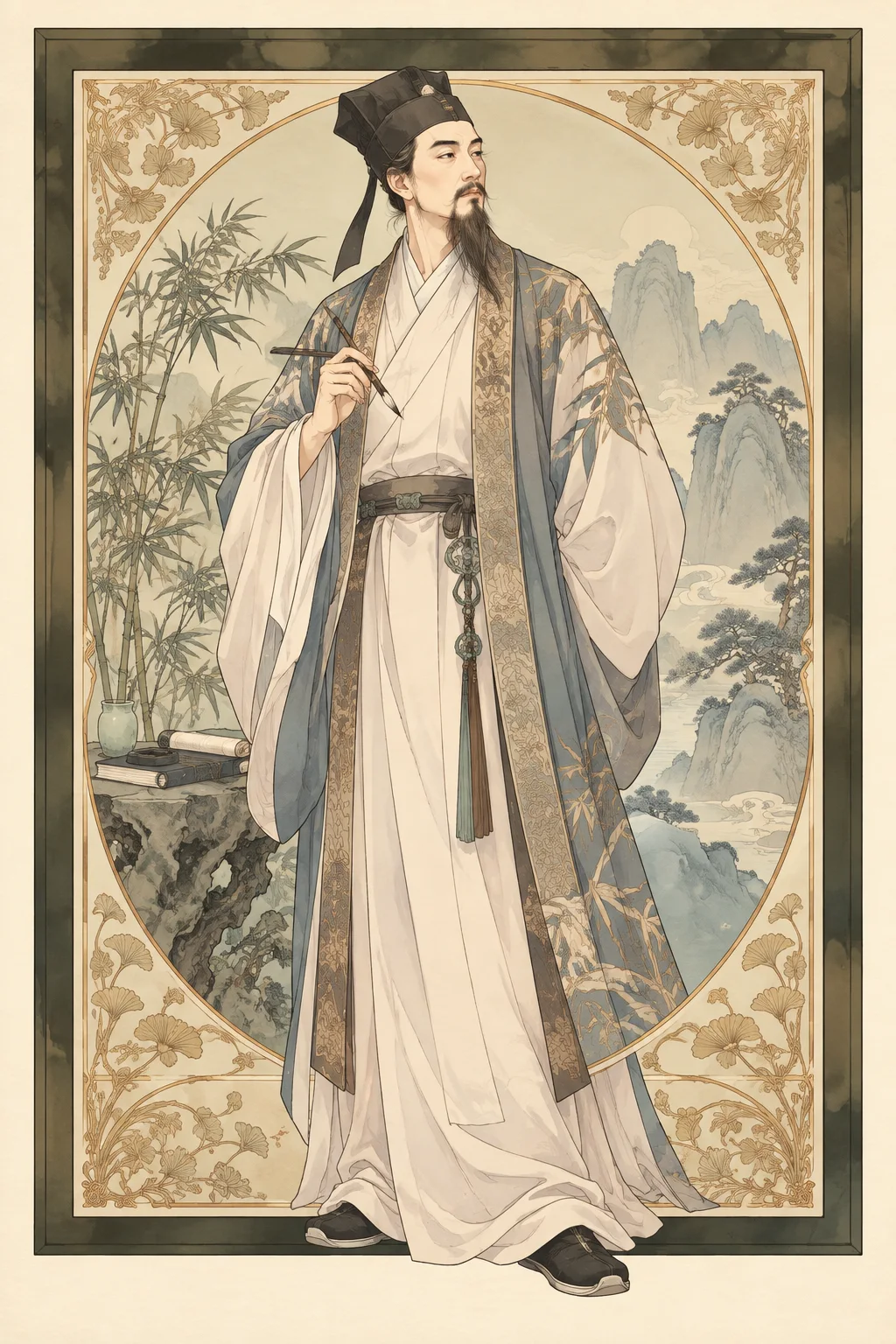 China, Northern Song · Poet and man of lettersSu Shi (Su Dongpo)Through exile after exile he never lost his humanity, kindling a playful spirit in poetry, calligraphy, and food
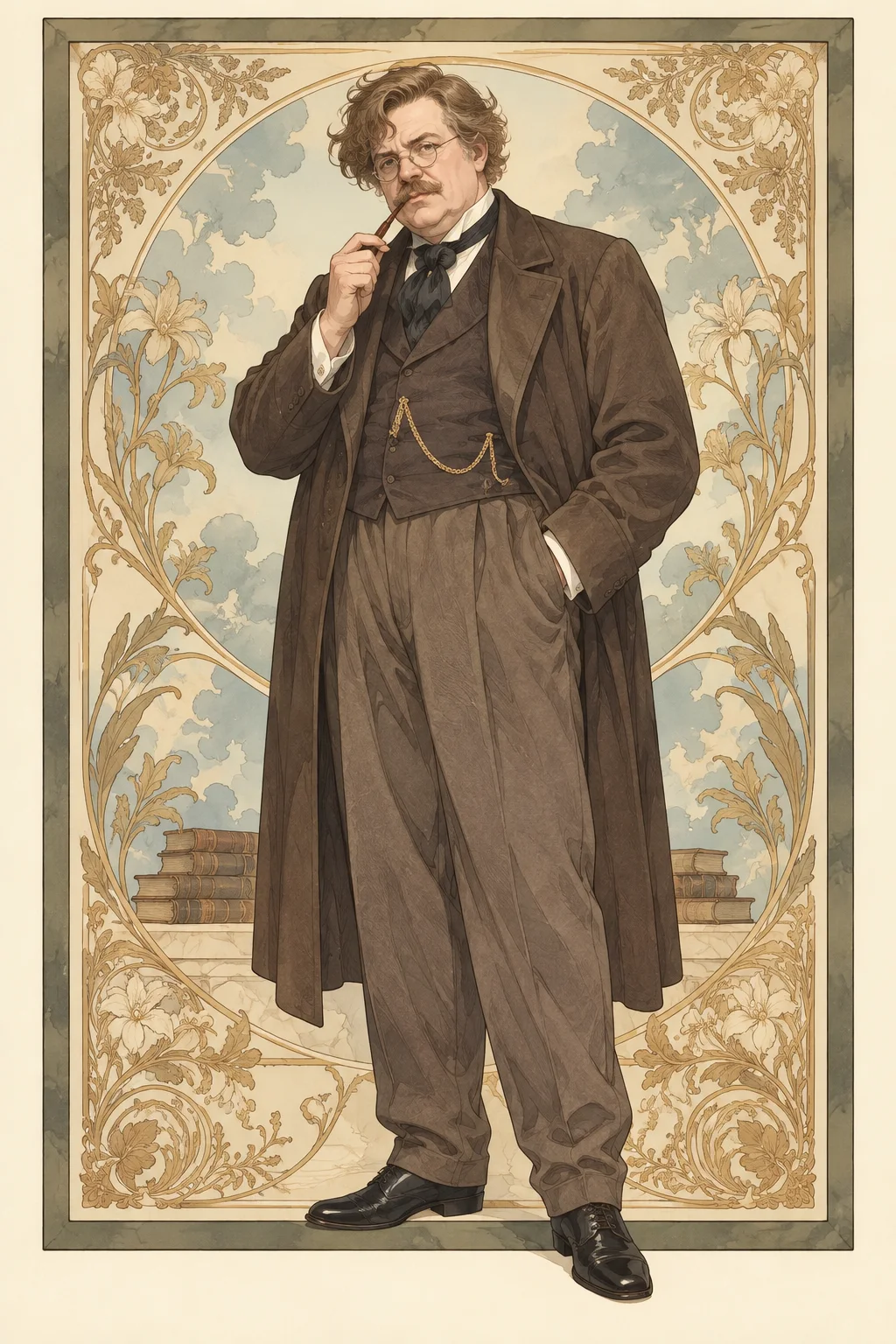 UK · AuthorG. K. ChestertonA master of paradox who struck at rationalism and lit up truth with wit
Type attributions are informed speculation based on public information, not confirmed fact.
Map of group memberships
The Promoter is one of 32 types, and also belongs to several groups of kindred natures. Here are the four main ones first — open a card to step into its own gallery room.
 Quadra (Values)Delta Quadra (δ)Tradition · Traditional
 Bouquet (Temperament)Flexible-Maneuvering TemperamentSeizing opportunity and springing into motion
 Club (Interest)Humanitarian Arts ClubThose who weave souls and stories
 Motivation (Stimulus Group)Uniqueness Stimulus GroupSeeking novelty and pioneering spirit
See all groupings (25 more)
 Communication StylePassionWarming the atmosphere through emotion
 Behavioral StyleHarmonizerOrdering relationships through trust
 Argumentation StyleDiplomatReads the room and adjusts
 Perception GroupAssociativenessGrasping the world through a web of associations
 Cognitive StyleHolographic-PanoramicReading the whole by grasping many facets at once
 Romance (View of Love)MentorQuietly guiding from beside you
 Stress ToleranceStrongCrouches low, then springs back
 Socialization GroupRadicalShaking the field with strong emotion
 Inflation RingEnergy AccumulatorStoring energy and putting it into practice
 Project GroupGeneral ResultGrasping the broad outline and growing it
 Implementation GroupIdeal IntroductionShaking up daily life with ideals
 Square (Rest)AesthetesConnoisseurs of refinement
 Business Square (Collaboration)OperativeCovert operatives
 Octad (Cross-Value Group)HeraldProclaims values and delivers them to the world
 Reactor (Excitation Group)EruptionErupting excitation outward
 MobilizationAlloyAlloys disparate elements together
 Conditioning (Adjustment Group)CheeringRouses the fervor of the room
 LabyrinthChartresTraditional charity and revolutionary oversight
 Block Group (Extinguishing Group)SchoolSparks reform and passes it on
 Social Progress Ring (SPR)BreakthroughThe ring of emergent lightning
 Supervision Ring (SVR)MandalaA cosmic map layering many viewpoints
 Social Order Ring (SOR)JuggernautA colossus that keeps pressing forward
 Succession Ring (SR)CanonThe deep succession of command
 Benefit Ring (BR)ClarionAn authoritative voice resounding in public
 Master Ring (MR)SentinelA warden who guards the norms
Open the full, love and business editions

- The blueprint of your mind (8 blocks)
- Six ways to recover from stumbles
- A situation-by-situation guide (6 situations)
- The reasoning behind the celebrity picks
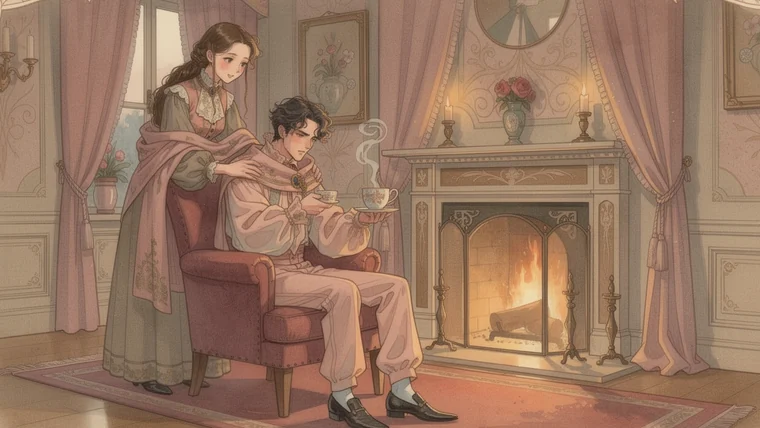
- What your heart longs for / What excites you / Your landmines
- Classic love scenarios
- Chemistry by partner (all 32 types)
- At home and as a parent / A practical playbook
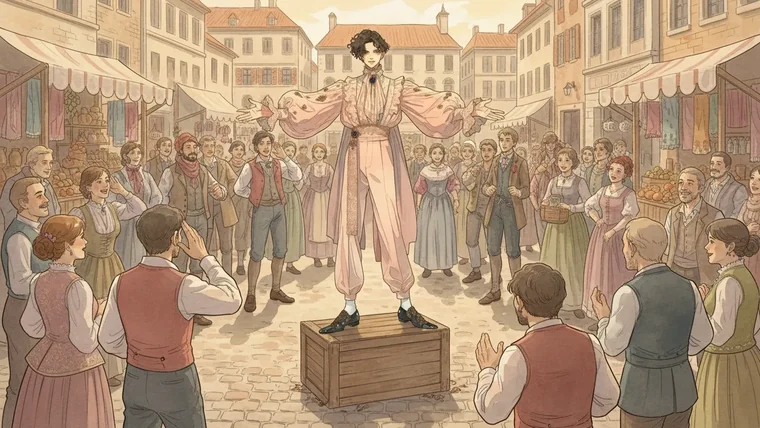
- Natural strengths / Work better avoided
- Work style / Management
- Industry fit ◎○△ (23 industries)
- Suitable roles
Save $24.98 compared with buying the three separately