
IEI-Q – Dreamer –
A teller of fantasies who colors the world with dreams and passion
You are someone who turns what you sense into stories, and connects people through feeling.
You're strongly drawn to what is beautiful and what moves the heart, and you read the mood of a room keenly.
To the people you hold dear, you pour out your feelings without holding back.
- Quadra
- Beta β
- Bouquet
- Receptive-Adaptive temperament
- Club
- Humanitarian Arts
Portrait — the Dreamer

Their expression is ever-changing, and simply having them near makes a room light up: the Dreamer is someone who colors the world with feeling and imagery. More than the event in front of them, they keenly sense the mood flowing beneath it and the air of where things are headed, and offer it up vividly through stories and words, tone of voice and expression. They love dreams and romance beyond reality, with colorful ideas welling up one after another: a born storyteller.
What they move toward is not efficiency or winning and losing, but meaning and feeling. Strongly drawn to what is beautiful and what moves the heart, they read the mood of a room keenly, and when they see a gloomy atmosphere they try to brighten it. Using gestures and tone of voice, they speak as if on a stage and draw people in, and then, carrying hope on their feelings, they offer "it will surely be all right," "there is still a chance," and gently bring the room together. Their rich imagination sometimes swings toward anxiety, too, but turning that into creation and expression is also very much who they are.
And to the people they hold dear, they pour out their feelings without holding back. Sensitive to the subtleties of people's feelings, they stay close, encourage, and color that person's world: a person of empathy. They want to grow both love and friendship "like a story," and treasure above all the times of being moved together, and sometimes crying together. What they seek is the security of having their sensitivity accepted just as it is, and in a place where that is met, the Dreamer shines brightest.
Not efficiency, but meaning and feeling.
Does this sound like you?
- In front of others you carry yourself with flair, and in front of people you're close to, your feelings pour out all at once.
- Your talk jumps, "by the way…", wherever your interest turns next.
- When your feelings run high, you end up making big promises.
- When you sense a gloomy atmosphere, you find yourself quietly moving to brighten it.
- You love crying and laughing together with others over movies and music.
- Words that accept you whole reassure you more than cold, correct arguments.
- You're better at moving with the flow of the moment than following a set procedure.
- You sometimes forget about time management and deadlines.
- You react more sensitively than you expect to critical words.
- When it really counts, you see things through with surprising drive.

How you move

The Dreamer's conduct carries a flamboyant theatricality and a wide, overflowing swing of feeling.
In how they carry themselves before others, the Dreamer has a certain theatrical brilliance. With a light smile and stage-like gestures, they naturally draw people's eyes and feelings. Deeply attuned to the mood of a room, they also have the dexterity to switch roles in an instant as the situation calls for. Before those they are close to, their feelings come pouring out all at once. One moment they are cracking jokes and clowning around, the next they turn suddenly sentimental and grow tearful — and the very breadth of that swing leaves a vivid impression on those around them. They want to bring beauty and romance into daily life too, and hold nothing back in showing their attachment to artistic and heart-fluttering things. And rather than suppressing their feelings, they cherish putting them out into the open and having them received. They share fatigue and anxiety honestly, seeking comfort and empathy. At times the feelings they have stored up spill out all at once in a dramatic release — they are a straightforward person who tries to connect with others by exchanging emotion.
Not planning, but the flow of feeling in the moment.
- Naturally draws people's eyes and feelings with a light smile and gestures
- With close friends, feelings pour out all at once
- Time management and planning tend to get put off
Given a place where your sensitivity can come alive, your expression moves people's hearts surprisingly deeply.
How you speak and listen

The Dreamer's dialogue is rich with feeling, drawing people in like a story.
The Dreamer naturally weaves emotional cadence into conversation. Using tone of voice, expression, and pauses, they speak as if staging a story and draw the listener in. The bashful smile and elation they show when the talk turns to themselves are a charm all their own. Their talk doesn't stay on one thing; it spreads one after another wherever their interest turns. Even a sudden leap of association or a tangent — "by the way…" — is, for this person, part of the appeal. More than consistency, they value the emotional impact and the fun of the moment. They are also skilled at telling their own experiences like a story, drawing out empathy and laughter — and sometimes they deliberately blur the ending, leaving a lingering note with "I'll leave the rest to your imagination." When their feelings rise, they sometimes make grand promises. But it is no lie — it is because the feeling of that moment is genuine. And in the decisive moments, they show a core of strength, seeing things through with an unexpected capacity to act. Reading the feeling of a room and speaking of hope for the future to gather people together — they are a storyteller who guides a room gently, yet surely.
Speaking like a story, leaving a lingering note.
What lies at the core — drive and tender spots
Sense it, then kindle it. This single line.
The one powerful engine at the heart

At the Dreamer's center lies the power to sense what is stirring and turn it into story and feeling.
At the Dreamer's center lies the power to sense unseen signs and transform them into story and feeling. The air of where things are heading, what runs deep in a person's heart — they keenly perceive what has not yet become words, and offer it up as image and language. And rather than holding that flash of insight alone, they share it with others along with the emotion, gently lifting the mood of the room. The power to draw premonitions and stories within the heart, and the power to move people's hearts by carrying it into expression — a hand that receives, and a hand that kindles. These two working in concert are what the Dreamer is best at, and what they find most worth living for. When they turn toward what is meaningful, what is beautiful, and what moves the heart, this person shines most vividly.
What they can do, yet do not prize

Surprisingly, the Dreamer is in fact quite adept both at noticing the slight sways in another's feelings and quietly caring for them, and at building a hypothesis — "could it be…" — from a faint sign. Reading the change in a quiet person's expression and settling the mood with a few short words — that delicate consideration is really quite considerable. Yet they themselves place no particular weight on it. Rather than steadily gauging people's subtleties or laying out possibilities in fine detail, their attention turns toward sharing feeling and creating story. There is a domain they let go of naturally — "this isn't for me to do" — even though they have the power for it, and here is one key to understanding this person.
What the heart secretly craves
What they secretly long for is unhesitating resolve and unshakable order.
What the Dreamer — gifted with sensitivity and expressiveness — finds hard to generate on their own, and yet longs for more deeply than anyone, is unhesitating resolve and unshakable order and structure. Dreams and images well up richly, but the moment it comes to pushing them through into reality and building them into form, they suddenly feel unsure. That is exactly why they are deeply drawn to, and fulfilled by, a presence who steps forward without hesitation to open the way and pulls things properly together into structure. This appears as "the need to belong, secure attachment, and the fulfillment of a deep craving." A partner who receives their whole sensitivity and sets them upon the solid ground of reality — it is beside the dual Conqueror (SLE-D), who is best of all at exactly this, that the Dreamer can take wing in peace. This is the finest complement of all, connecting dreams to reality and untying the taut knots of anxiety.
The most fragile place
Where the Dreamer is most fragile is practical arrangement and steady, down-to-earth work.
Most fragile of all is pushing efficiency to its limit and optimizing arrangements, and quietly keeping steady, down-to-earth work and caretaking running without pause. Assembling a waste-free procedure, managing time and numbers precisely, attending flawlessly to the small tasks of reality — every one of these is the most grueling domain for the Dreamer, who lives in sensibility and story. When this is blamed from outside, or when they are pressed with "be more methodical" or "face reality more," the Dreamer is swallowed by anxiety, fleeing from reality into fantasy or coming undone emotionally. Please think of it not as a flaw to be fixed, but as the softest place of all — one that should be entrusted to dependable systems and people, and quietly supported.

- Core: sensing unseen signs and transforming them into stories and feeling
- What drives you: the felt sense of being counted on and being of use to someone
- Where you're fragile: realistic planning, steady practical work
Strengths, and where you stumble
Strengths — empathizing, kindling, responding with suppleness
Someone decisive, who opens the way without hesitation.
Where they tend to stumble

Where they tend to stumble is the flip side of that rich sensitivity.
Where they tend to stumble is the flip side of that rich sensitivity. The waves of feeling run large, and their focus is easily swayed by the day's mood or the atmosphere of a room. Absorbed in story and expression, time management and arrangements get put off, and they may carelessly forget a deadline or an appointment. Seeking resonance too much, their exchanges can turn theatrical, and there are moments when they react over-sensitively to critical words. Yet these are less flaws than the reverse side of feeling the world deeply. There is no need to shoulder cool numerical analysis, or judgment unswayed by emotion, all on your own. Entrust the arrangements of reality to dependable systems and people, and place yourself where your sensibility and expression can come alive — choosing, in that way, "an environment where you can feel meaning" and a partner who receives your sensitivity is the key to the Dreamer blossoming freely.
When you meet someone with unshakable strength, your dreams connect firmly to the ground of reality.
- Don't keep your sign-reading intuition to yourself; try putting it into words
- Entrust practical planning to systems and people you trust
- When anxiety swells, try letting it flow into stories and expression
Where you thrive
A single "it will surely be all right" lights up the room.
Environments Where They Thrive
The Dreamer performs at their best in an environment of emotional resonance and warm human relationships. In a cold, formal hierarchy their drive drops; it is amid empathetic, warm companions that they show their true worth. More than routine work, they are drawn to creative work where they can bring sensibility, aesthetic sense, and expressiveness to bear, showing unexpected focus and empathy in fields such as production, public relations, education, art, and writing. Their motivation is less material reward than the felt sense that "I am counted on, and I am of use to someone." A sense of contribution to an ideal — "what can I change with this work" — sustains their effort. A little gratitude, a small gift, a playful joke — such modest touches of aesthetic sense and symbolic connection deepen this person's attachment to a workplace.
As a maker of stories
Concretely, they are suited to fields that convey emotion, experience, and cultural symbol in a sensibility-rich way. Writer, editor, screenwriter, interviewer, narrator, podcaster — work that speaks to people's hearts through words, voice, and image. They also perform well in publishing and media, education (creative expression, emotional education), interpersonal support such as art therapy, and any setting for communication built around emotional connection. Sharing empathy and emotion, casting light on how people live, as a maker of stories who influences society — that, for the Dreamer, is the greatest self-expression of all.
Dialogue — ask Kaspar

One free dialogue · Le Salon members can explore several perspectives. Not a real person: a representative perspective based on the public profile.
Relationships and love
Can you share a story? Can you be moved together?
How You Love — Love That Lifts Life into a Story
Your way of loving is to make your partner the protagonist of your story and passionately illuminate their life. With temporal intuition (Ni) you sense their destiny; with emotional ethics (Fe) you hold their feelings aloft like verse. So when your partner starts talking about their dream, what you do is not merely listen: you paint, in vivid detail, the future in which that dream has already come true, and make them believe it even more fiercely than they do — “It will absolutely happen. I can already see it.” Concretely, when your partner has lost confidence, narrate their most radiant moment like a scene from a film, and your love will light up their heart. Not cool-headed advice, but this power to lift someone high, feelings and all — that is the form of love only you can give.
Compatibility — recommended partners
 Conqueror
 SLE-DA dependable field general who only burns brighter the harder things getDualityThe most complementary partner, meeting the need to belong and secure attachment, and answering a deep craving Politician
 SEE-DA born leader who reads hearts and rallies the currentSemi-dualityA bond of nostalgia and belonging, and warm interdependence Visionary
 ILE-DThe architect of ideas who reinvents the world through paradox and theoryIllusionaryEmpathy, gratitude, trust — warmer, though more indirect than duality Enforcer
 LSI-DThe steel operator who carries out the mission through discipline and responsibilityActivationMutual arousal, where just being together stirs your drive and heat Architect
 LII-DThe architecture of logic, quietly built up piece by pieceBenefactorFor this person's sake, strength comes to you naturally Guardian
 ESI-DA silent shield that protects people, with rightness at its backBeneficiaryA peak experience of being supported and fulfilled Mentor
 EIE-QA passionate standard-bearer who speaks of ideals and binds hearts togetherMirrorEach other's intuition and expression are honed by mutual reflection Harmonizer
 ESE-QTheir smile and their voice soften the space around themSupervisor (mirror)Learning in which you are given to, and guided toward feeling and setting the mood Commander
 LIE-QBuild, prepare, hold the line — the command center of orderSupervisee (mirror)Learning in which you receive, and grow supplely toward practice and achievementSee the other relationships (22 more types)
The upper bands are easier to be with; the lower bands tend to wear you down. Tap a relation name to read about the pair.
 Critic
 ILI-QThe insightful Critic who sees through contradictions in the depths of silenceKindredA partner whose conversation flows easily, someone who likes to express things in the same direction as you. It can wear you out once it turns competitive. Performer
 SEI-QA gentle conveyor who gives form to sensation and feelingBusinessA partner you can easily work alongside, adapting to the situation together. Administrator
 LSE-QThe hands-on command post that keeps the field running and moves people and workCorrectionA partner whose feedback becomes a chance to take stock of yourself. Empath
 EII-DSensing what lies beneath feeling, and becoming someone's quiet supportTranscendenceA partner who makes you want to surpass yourself when you're together, pushing each other to grow. Promoter
 IEE-DMoving the world through fascination — an evangelist of ideasCompassA partner who gives you a sense of being accepted, along with a hint of which direction to move in. The Artist
 SLI-QGiving form to the “just-rightness” of nature and daily lifeIdealA partner who naturally embodies what you aspire to be, easy to admire. Getting too close tires you out. Reformer
 SLE-QAn executor who breaks through by force and rewrites conventionDetachedA partner who's hard to feel drawn to, leading to a rather flat, low-key relationship. Prophet
 IEI-DAn eye that gazes upon a destiny no one has yet noticedAdaptiveA partner you settle into by simply playing your roles, an easy, unremarkable relationship. Hero
Hero EIE-DIt is this conviction that changes the worldCodependencyA partner who wears you down little by little, caught in a cycle of bottling things up and overcompensating. Inspector
 LSI-QThe logician who strips away pretense and sees through to the truthRelaxationA partner who puts you at ease, though you tend to end up waiting on them with quiet expectation. Seeker
 ILE-QAn intellectual adventurer who unravels the worldTediumA partner who leaves you feeling sluggish, prone to putting things off and keeping your distance. Peacemaker
 SEI-DA bridge between sensation and compassionFormalA relationship where formality and appearances pile up, and it's hard to ever fully relax. Enthusiast
 ESE-DThe cheerful flame that sets the world ablaze with feelingSupervisorA relationship where you tend to unsettle the other person without ever realizing it. Analyst
 LII-QFrom the quiet of the desk, reassembling the worldTense BenefactorA partner around whom you tend to try too hard, unable to shake off the tension.
SEE-QA natural orchestrator who reads the room and guides people toward reconciliationDistrustA partner you can't quite bring yourself to trust, which makes it hard to show your own strength. Strategist
 ILI-DThe contemplative Strategist who quietly reads ahead and lays the groundworkDutyA partner who leaves you understanding what to do yet unable to act on it, while your need to be recognized grows stronger. Pioneer
 LIE-DCarving the way through results — the realist's frontierPlayerA partner around whom you constantly feel watched, prone to leaving you burned out. Judge
Judge ESI-QThe quiet arbiter who discerns right from wrongTense BeneficiaryA partner who leaves you worrying and overthinking, prone to closing your heart off. Advisor
 IEE-QOne who quietly draws near and listens to the heartDistanceA partner who makes you want to keep your distance and close your heart off. Craftsman
 SLI-DThe artisan who sets the world in order in the palm of his handRoleA relationship where "you should" comes first, making it hard to just be yourself. Executive
 LSE-DSet it in order, get it moving, see it throughConflictThe partner most likely to strike your weakest point, the one relationship that drains you the most. Philosopher
 EII-QOne who, in the stillness, keeps questioning the meaning of the worldQuasi-IdentityA partner who looks similar to you yet never quite clicks, leaving you spinning your wheels and worn out.Compatibility is not decided by type alone; maturity, subtype and circumstances all change it.
With someone you are connected to, you can read a personal Relationship Reading drawn from both of your answers ($8.99 per pair, unlimited for Le Salon members).
See compatibility with your connections →Explore Le Salon →
What You Truly Long For
What you strongly crave deep in your heart is "an unshakable strength and decisiveness" that can catch the whole of your wavering self. Precisely because on your own you lose your footing…
In the Love Edition: What your heart longs for / What excites you / Where you clash and your landmines / Classic love scenarios / Chemistry by partner, all 32 types named / At home and as a parent / A practical playbook / Secrets to lasting love / A manual for your partner
Work and ways of working

Your Working Style — Insightful Visionary
You naturally excel in two main ways: reading ahead and seeing through to the essence and flow of things, and lifting the mood of the room and moving people's hearts.
Your interest turns to themes like ideals, art, and the human heart. Day to day, you're easygoing and unhurried; you go with the flow and don't force things.
When you think, answers rise up unexpectedly out of trial and error. When you act, you move by lifting the mood of the room.
An imagination that reads ahead, and an expressiveness that moves people's hearts.
- Before starting, fix the date when you'll show the first prototype
- Behind your story, prepare just one page of supporting data
- Don't agree too easily on the spot; take it home and answer the next day

Careers That Fit
Speaking to people's hearts through words and voice is, for you, the greatest self-expression of all.
Your power to convey emotion, experience, and cultural symbols through feeling comes directly into play.
Suited to work that casts light on how people live, such as creative expression and emotional education.
Your Strengths, and Work Better Avoided
Your core multiplies "an imagination that reads ahead and senses danger and possibility early" by "an expressiveness that lifts a room and moves people's hearts"…
In the Business Edition: Natural strengths / work better avoided, Stress tolerance and socialization group, Work style, Motivation and recharging, How to work with and manage this person, Compatibility and team-building, Industry fit ◎○△ across 23 industries with rationale, Suitable roles
Blueprint of the mind
Your mind runs on eight blocks. Each block carries two functions — how you take in the world, and how you express yourself — and together they set both the range you're skilled in and how much you actually value using it. We've kept the technical notation small and explained everything in plain language.
Sense it, then kindle it.
Leading Your centerI Dream
-Ni-pCrisis & FantasyTemporal intuition+Fe-cElevation & RevelationEmotional ethicsFrom the slightest air, you sense in an instant "how this will turn out," and grasp a crisis or turning point like a single picture.
You give that premonition shape with a power that shares the flash of inspiration. The emotion and poetic swell that descend on your heart, you release through your expressions and words.
Sense it, then kindle it. This single line is the source of your power to gently lift the mood of a room.
Mirror — Picked up by watching
At the entry point sits the work of kindling a sense of mission and in…
In the Full Portrait: all 8 blocks of the blueprint / 6 ways back / situational guide / the reasoning behind the exemplars
Going deeper — ways back and situational guide
On the flip side of that same core, these are the situations where you tend to stumble. After that, six ways to get back on your feet.
So absorbed in stories and expression, you sometimes forget a deadline or an appointment.
There are moments when your exchanges turn theatrical, or you react too sensitively to critical words.
When pressed to "be more methodical," you may flee from reality into fantasy, or your emotions come undone.
Unshakable decisiveness gives your stories a real framework.
Way to Recover 1 — Your Greatest Weapon: Sensitivity and the Power to Tell a Story
You are a rare person who can sense unseen airs and people's hearts, and turn them into stories and expression. That sensitivity and storytelling power is a quality to be proud of above all…
In the Full Portrait: 6 ways back / situational guide (home, work, friends, under stress, shopping, days off)
People thought to share this type
Different fields, different eras — yet every one of them resonates on the same note: coloring the world with dreams and passion.
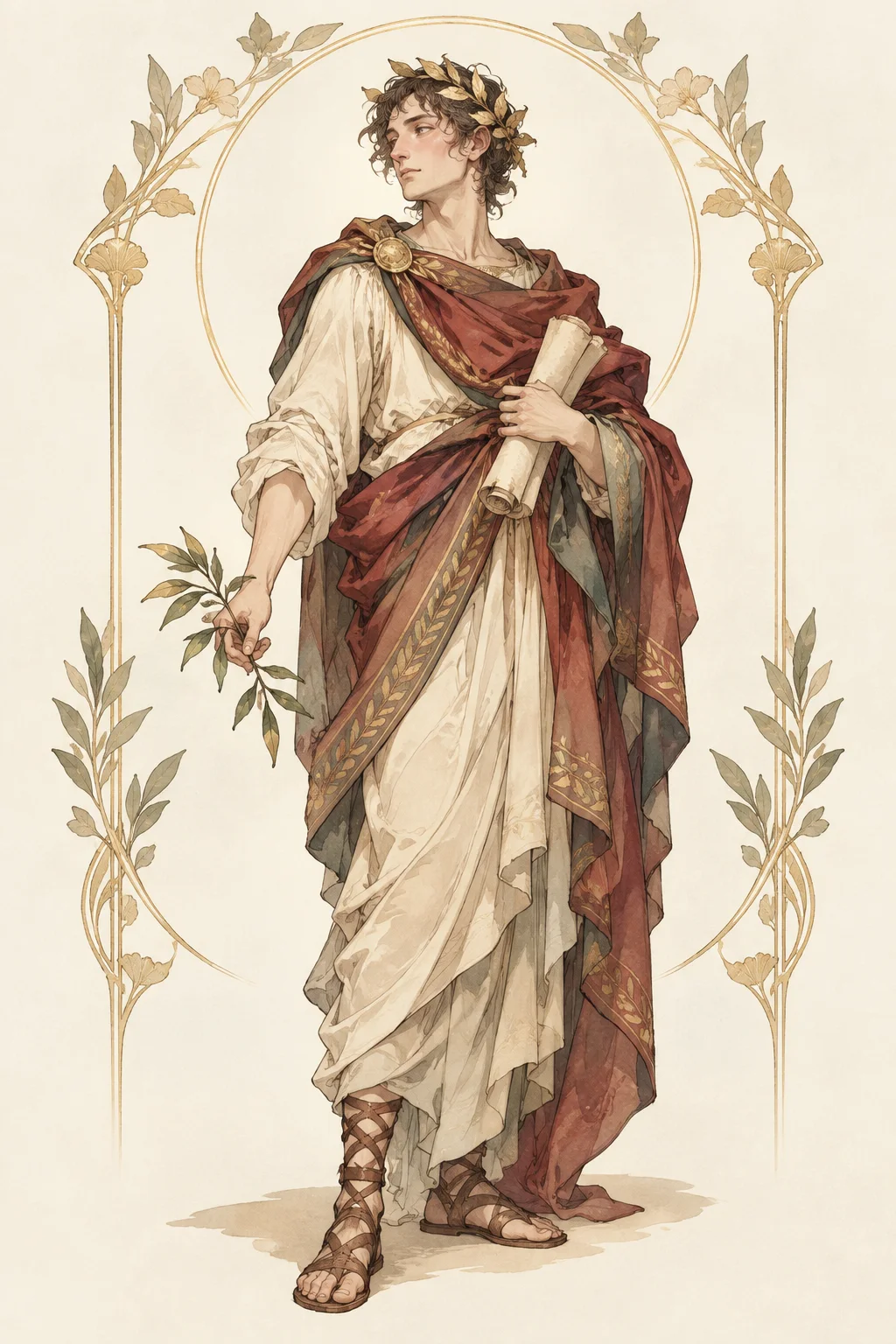 PoetHoraceRome · 1st century BC
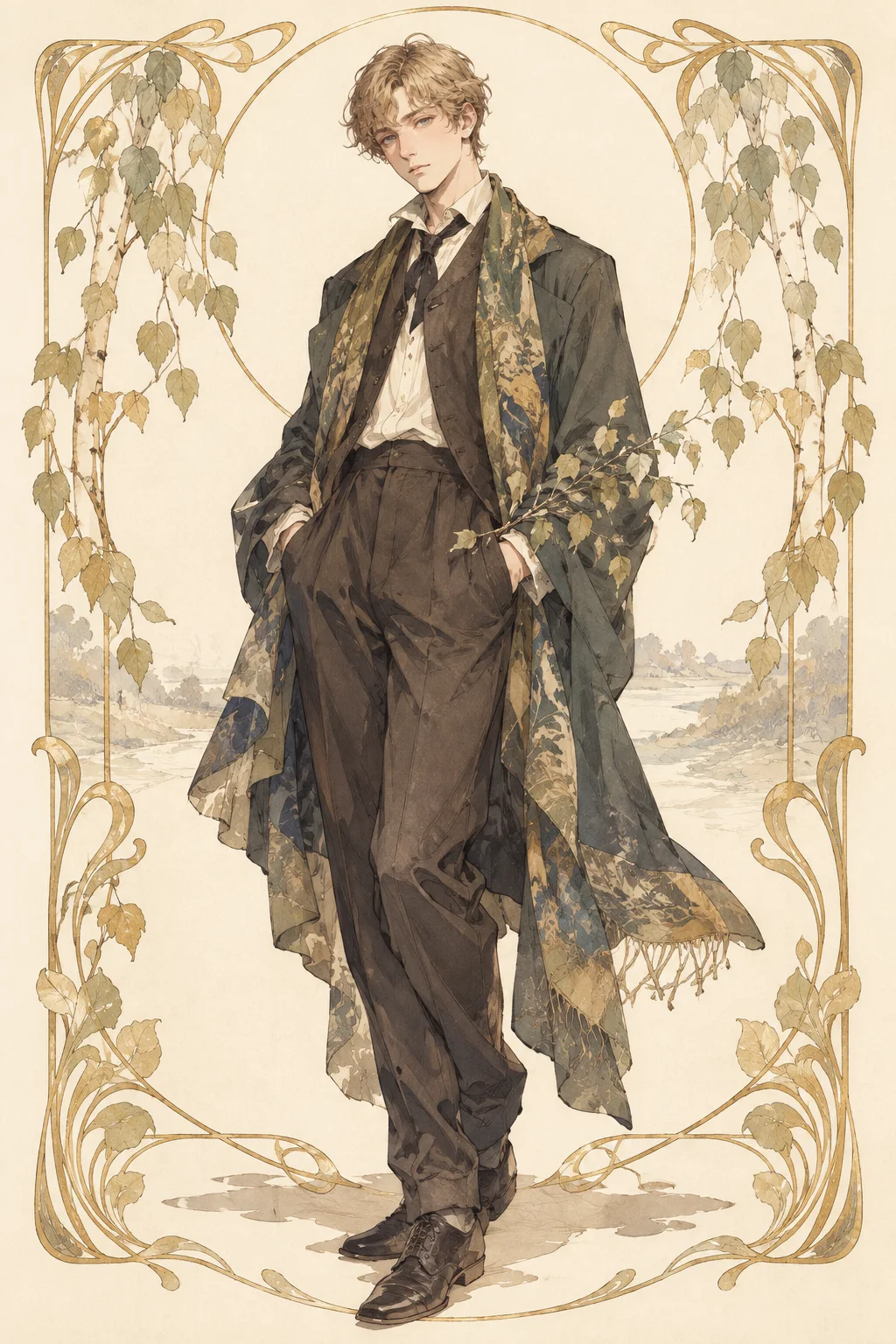 PoetSergei YeseninRussia · 20th century
 ComposerFrédéric ChopinPoland / France · 19th century
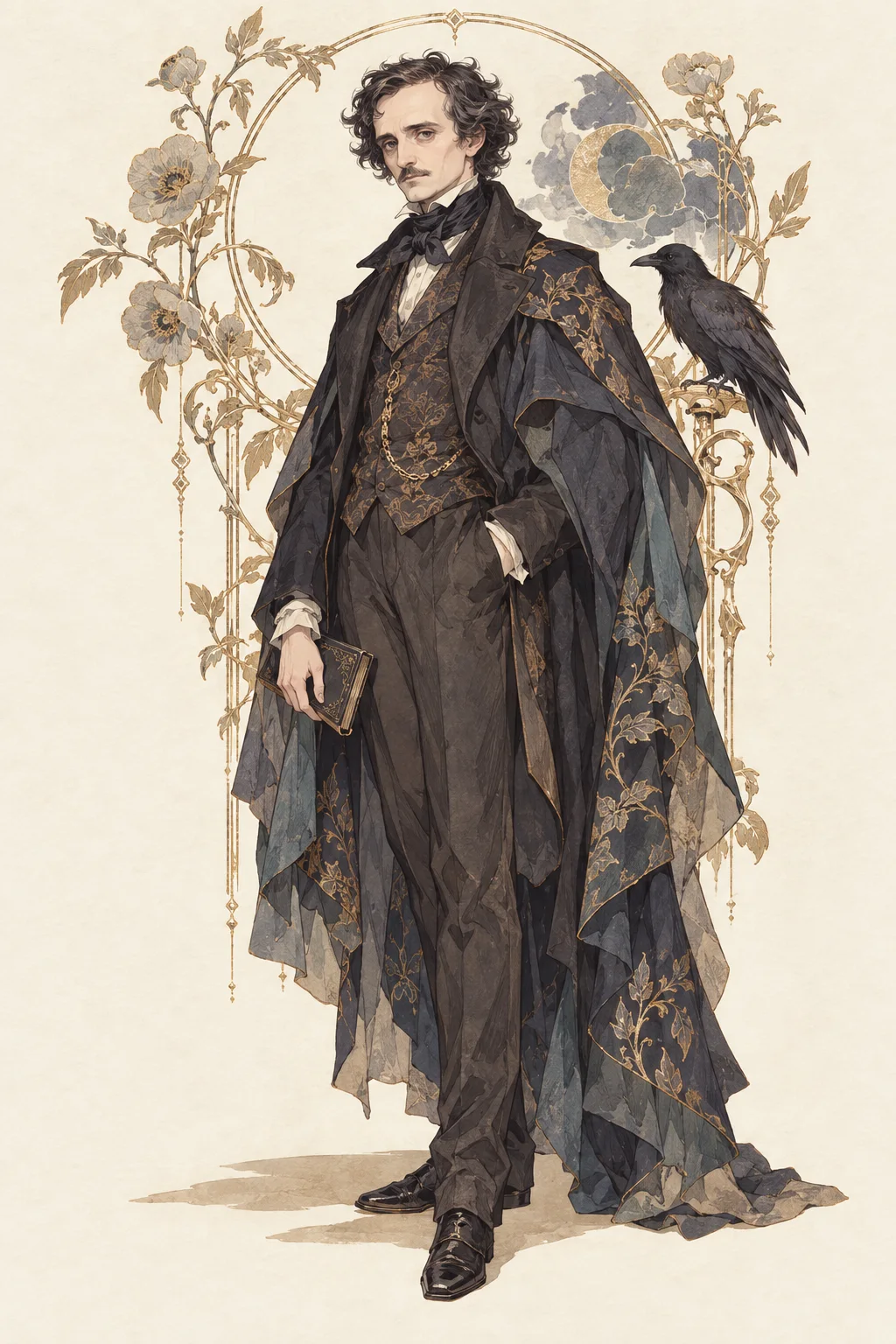 Poet · NovelistEdgar Allan PoeUnited States · 19th century
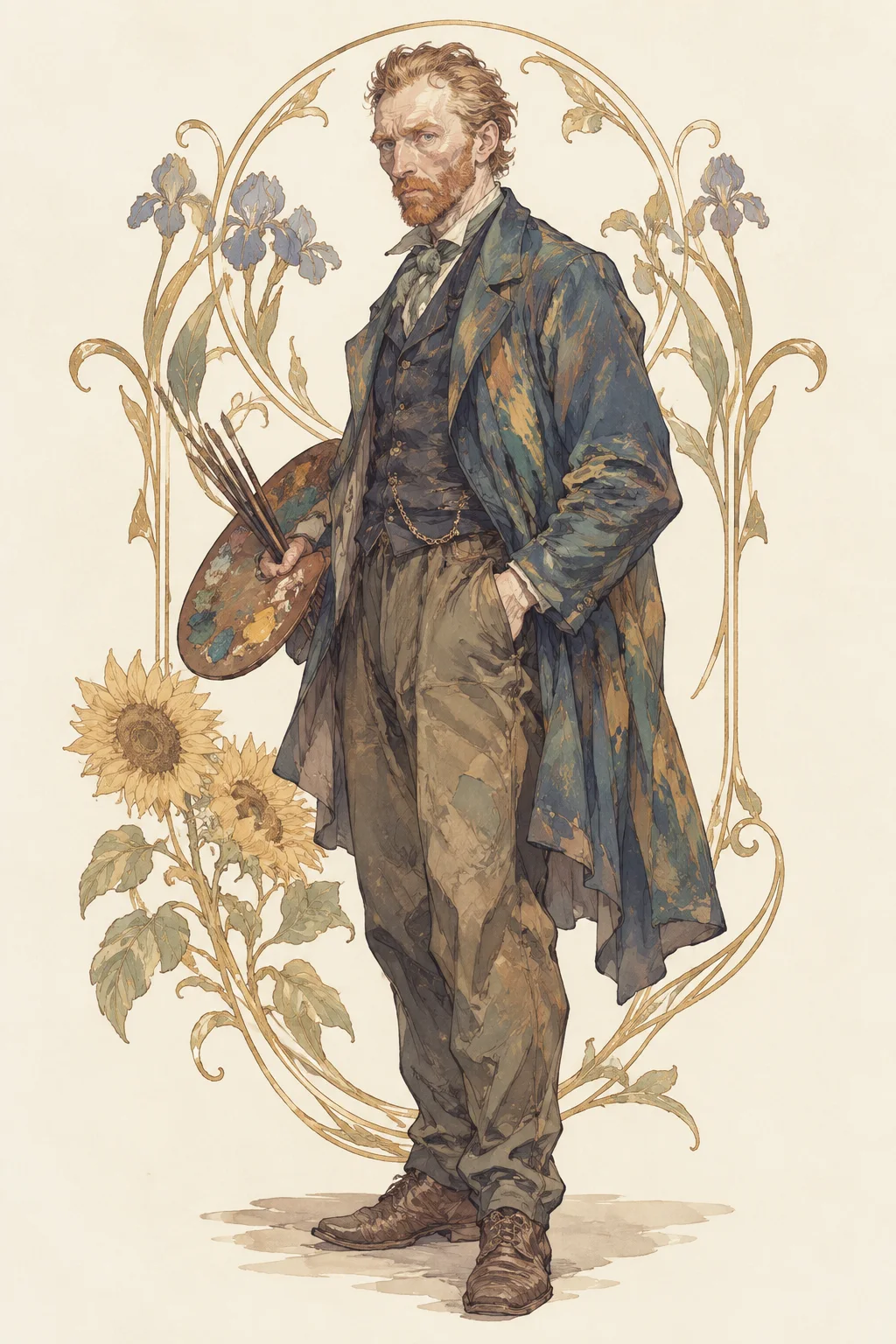 PainterVincent van GoghNetherlands / France · 19th century
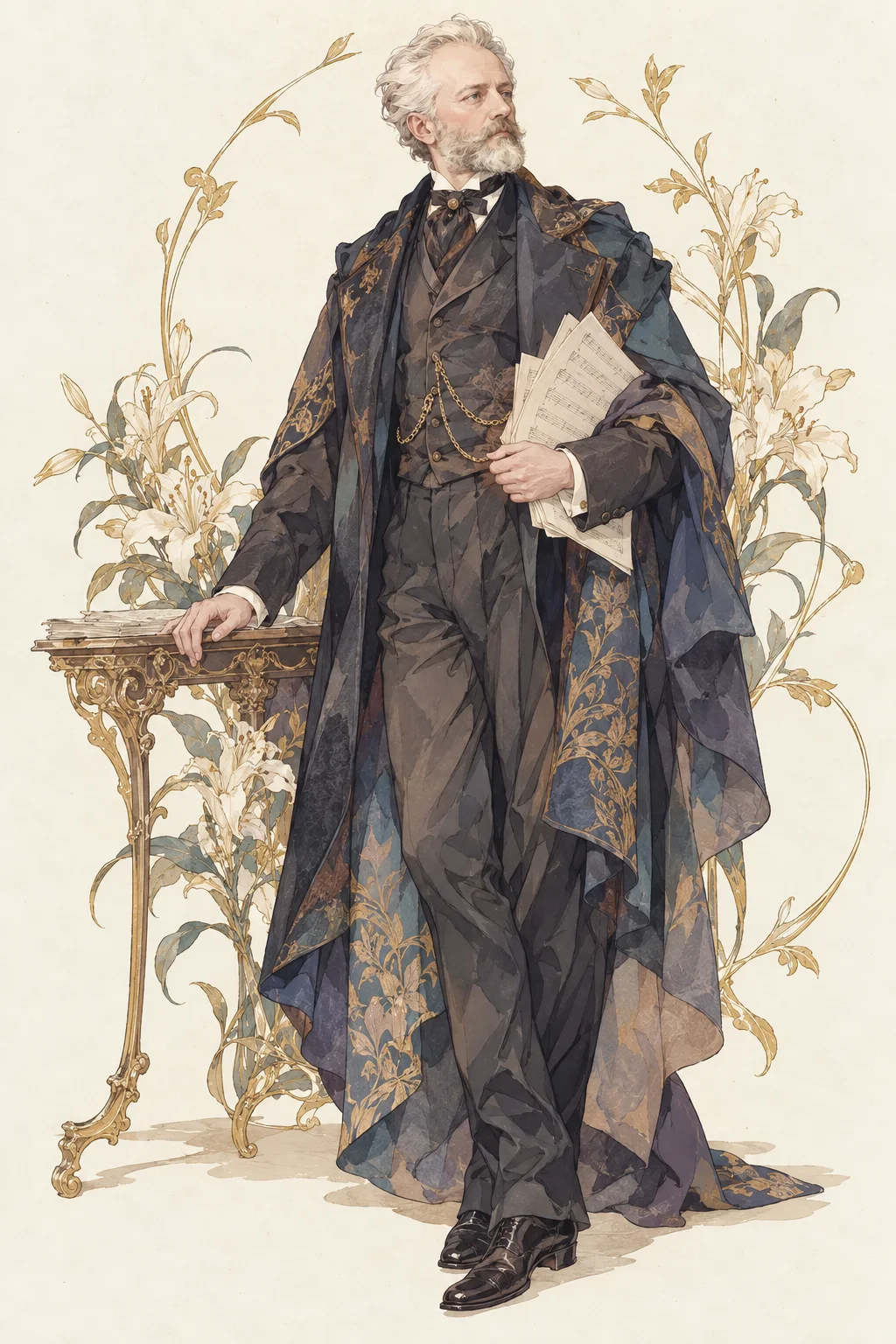 ComposerPyotr TchaikovskyRussia · 19th century
 PoetFriedrich HölderlinGermany · 18th–19th century
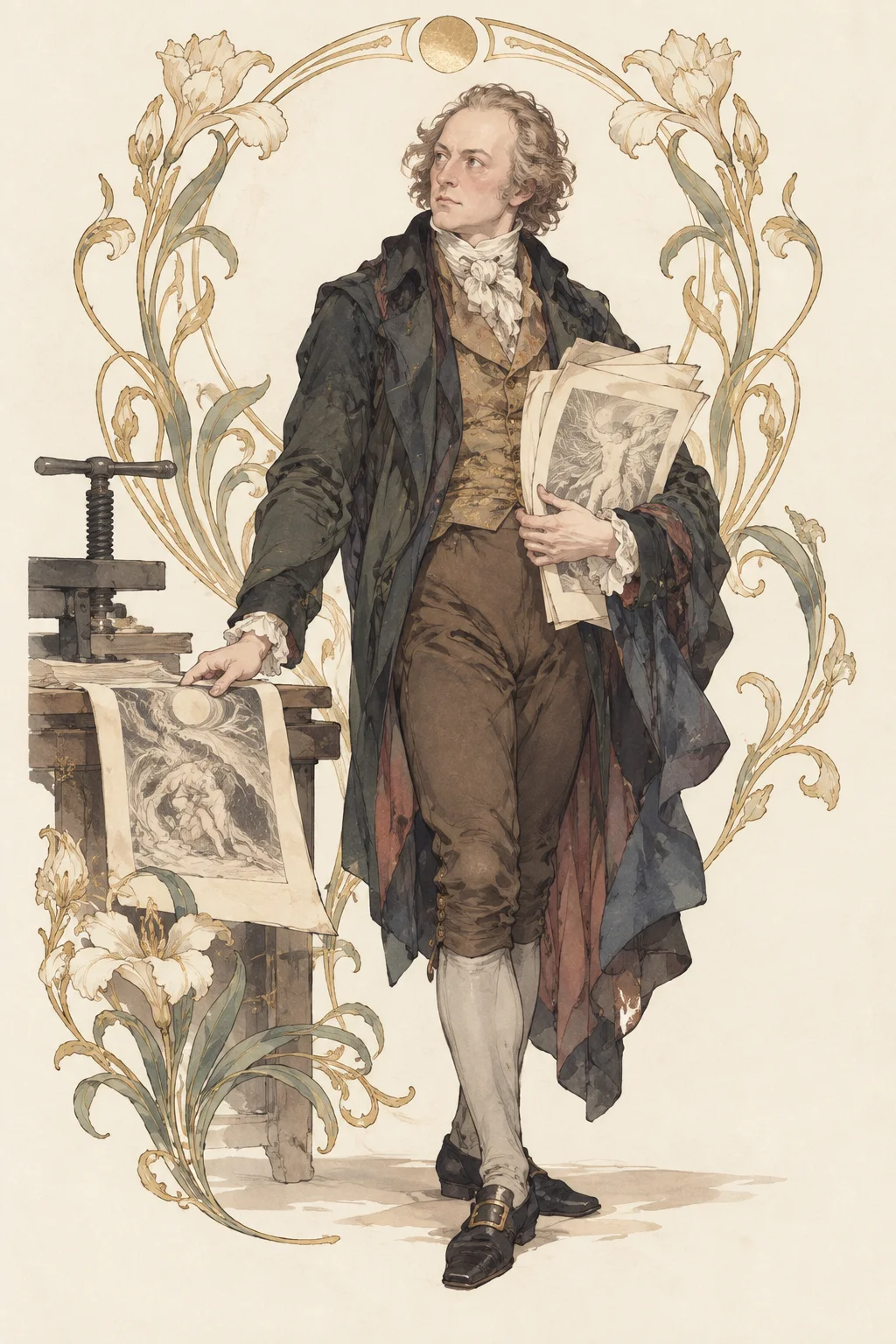 Poet · PainterWilliam BlakeEngland · 18th century
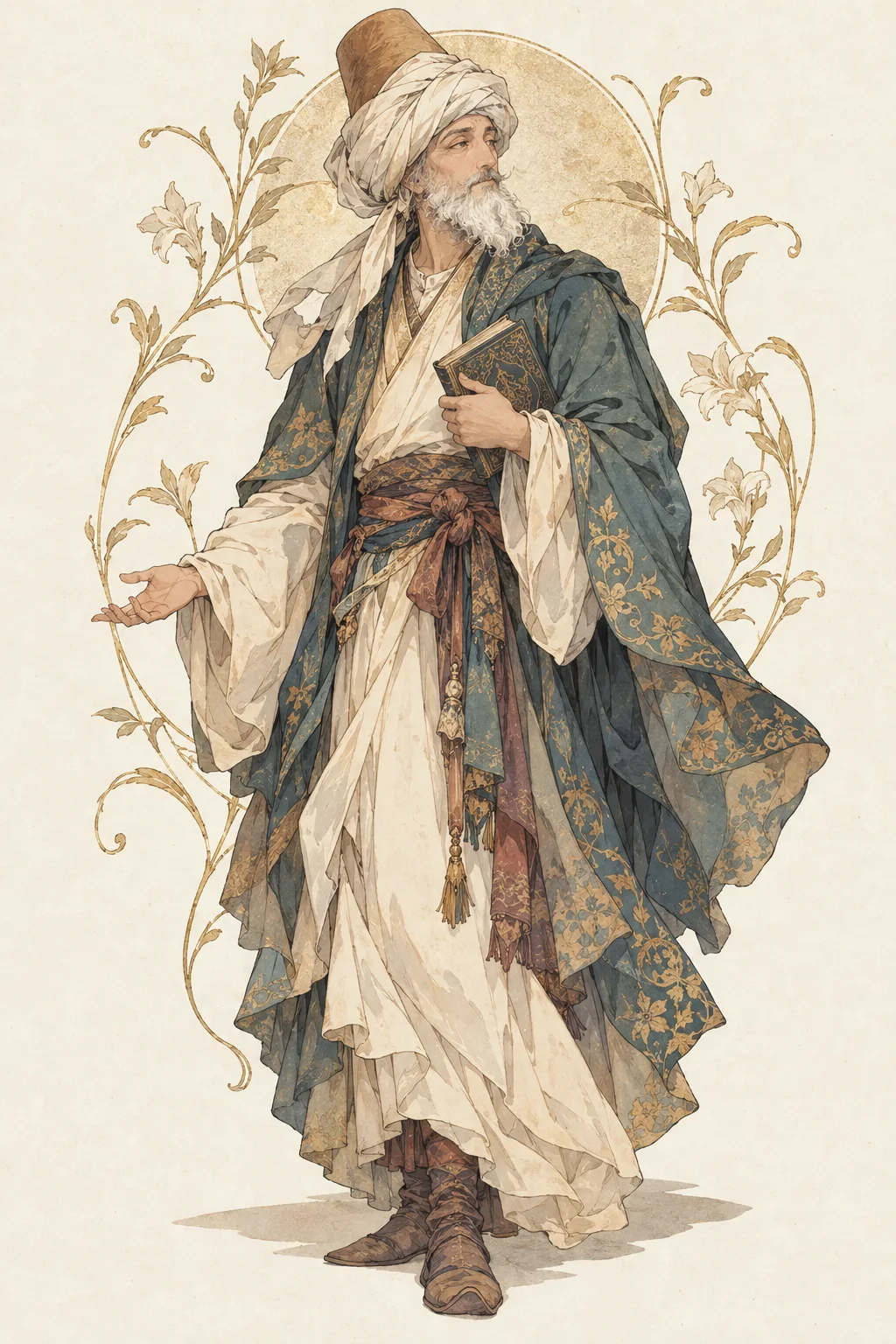 Poet · MysticRumiPersia · 13th century
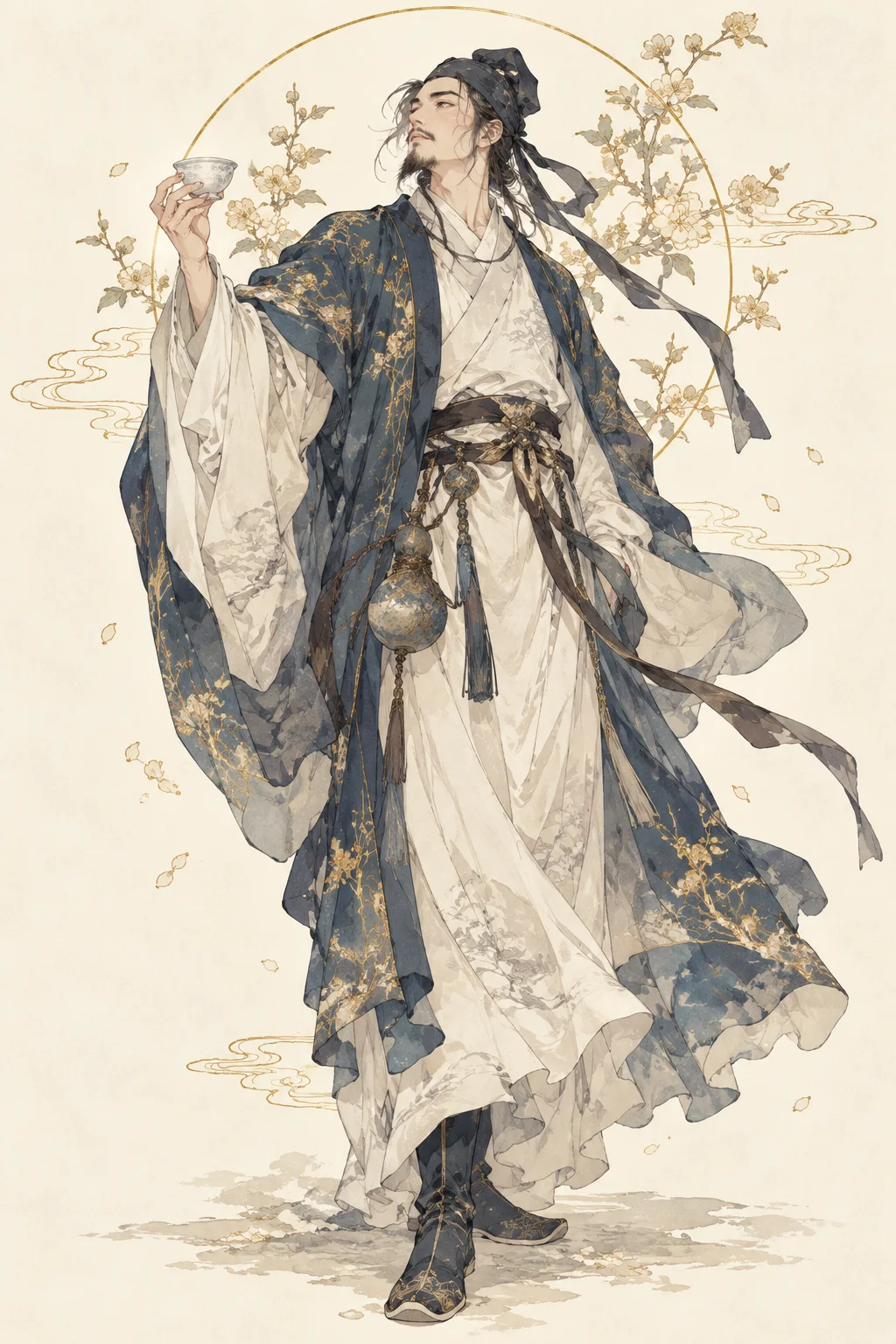 PoetLi BaiChina · 8th century
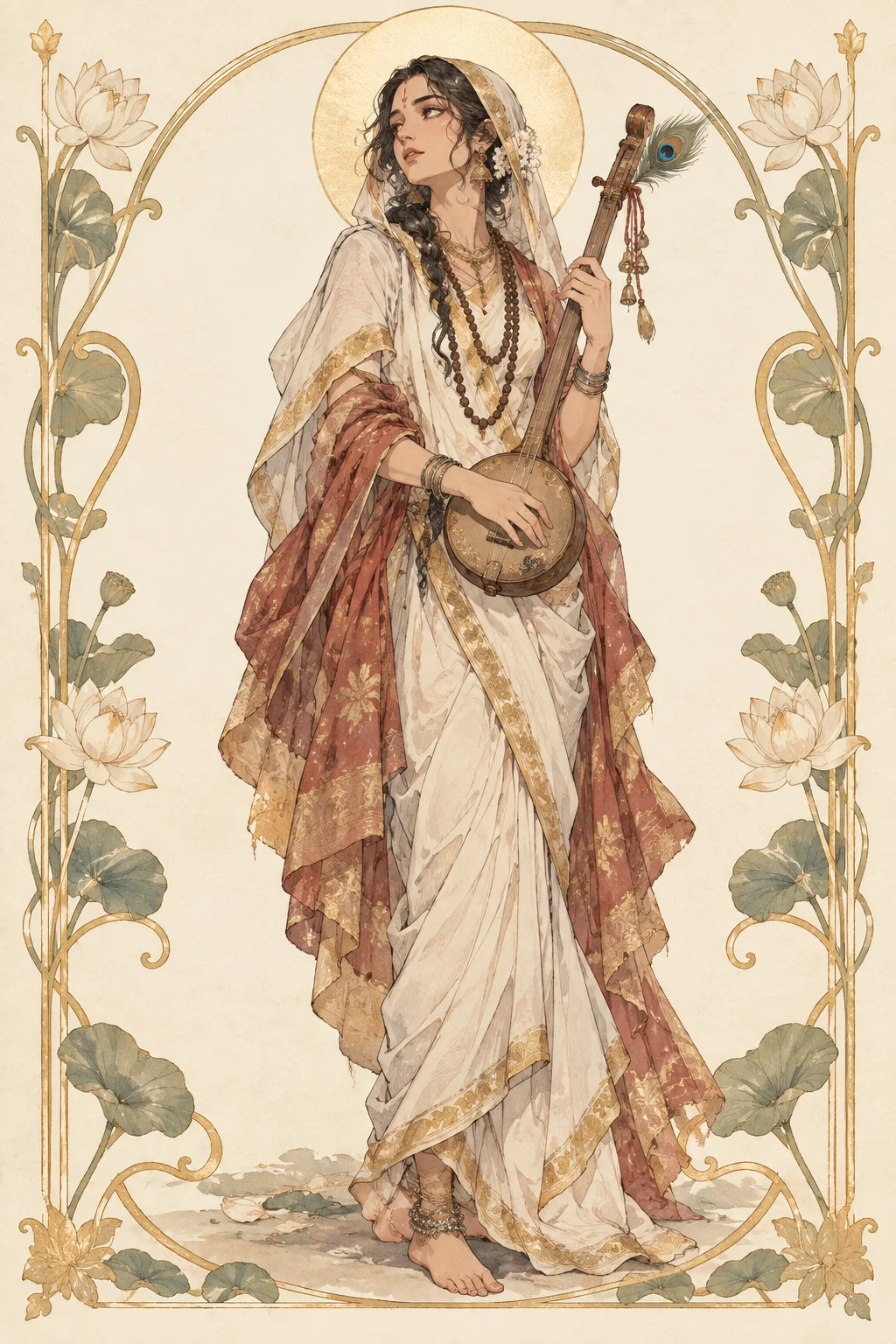 Poet · SaintMirabaiIndia · 16th century
Type attributions are informed speculation based on public information, not confirmed fact.
Map of group memberships
The Dreamer is one of 32 types, and also belongs to several groups of kindred natures. Here are the four main ones first — open a card to step into its own gallery room.
 Quadra (Values)Beta Quadra (β)Empire
 Bouquet (Temperament)Receptive-Adaptive temperamentDiscerning the flow and responding to it
 Club (Interest)Humanitarian Arts ClubWeaving soul and story
 Motivation (Stimulus Group)Self-esteem stimulus groupSeeking inner worth
See all groupings (25 more)
 Communication StyleSincereGrowing deep bonds slowly
 Behavioral StyleInspirerMoving people through sheer fervor
 Argumentation StyleDiplomatReads the room and adjusts
 Perception GroupAssociativenessGrasping the world through a web of associations
 Cognitive StyleVortical-SynergeticDiscovers the essence through trial and error
 Romance (View of Love)DreamerLaying a dreamed-of love over destiny
 Stress ToleranceStrongCrouches low, then springs back
 Socialization GroupDevoteeDevoting oneself over time
 Inflation RingInformation GeneratorVerifying results and weaving them into information
 Project GroupGeneral ResultGrasping the broad outline and growing it
 Implementation GroupIdeal IntroductionShaking up daily life with ideals
 Square (Rest)SovereignsThe reigning power-holders
 Business Square (Collaboration)HierophantsExecutors of the Mysteries
 Octad (Cross-Value Group)QuestExploring the unknown, opening questions
 Reactor (Excitation Group)ReserveStoring up excitation inward
 MobilizationNeutralizationNeutralizing conflict and stabilizing
 Conditioning (Adjustment Group)CheeringRouses the fervor of the room
 LabyrinthAcropolisWhere vision and implementation cross
 Block Group (Extinguishing Group)BazaarWhere people and things move directly
 Social Progress Ring (SPR)BreakthroughThe ring of emergent lightning
 Supervision Ring (SVR)NovaA new star bursting from the vortex
 Social Order Ring (SOR)HermitA critic who sets distortions right
 Succession Ring (SR)CanonThe deep succession of command
 Benefit Ring (BR)ObeliskThe enduring norms of stone
 Master Ring (MR)VeritasThe establishment of orthodox truth
Open the full, love and business editions

- The blueprint of your mind (8 blocks)
- Six ways to recover from stumbles
- A situation-by-situation guide (6 situations)
- The reasoning behind the celebrity picks

- What your heart longs for / What excites you / Your landmines
- Classic love scenarios
- Chemistry by partner (all 32 types)
- At home and as a parent / A practical playbook

- Natural strengths / Work better avoided
- Work style / Management
- Industry fit ◎○△ (23 industries)
- Suitable roles

Save $24.98 compared with buying the three separately