
ILI-Q – Critic –
The insightful Critic who sees through contradictions in the depths of silence
You are someone who calmly sees through the contradictions and dangers hidden deep within things.
You keep asking "well then, how can it be fixed?" with the knowledge and skill you've built up.
Standing on the ground yourself to move people and take the lead is somehow hard for you.
- Quadra
- Omega Ω
- Bouquet
- Receptive-Adaptive temperament
- Club
- Research
Portrait — the Critic

The Critic has a natural sharpness for spotting the flaws in things. Where will this system break down, where does its logic stop holding together, where will it hit a wall further on? Undistracted by surface glamour, they quietly sense the contradictions and dangers lurking beneath. And they don't merely hunt for faults. "Well then, how can it be fixed?" They bring out the knowledge and skill they've built up and turn it into concrete improvements. Rather than voicing prophet-like anxieties, this is a person whose thinking turns toward making reality better.
What they rely on is not emotion or momentum, but verified facts and accumulated knowledge. They value "why does it turn out this way?" above all, and trust recorded track records, data, and precedent. So however sharp the Critic's remarks, there is always solid backing behind them.
Their other face is that of a guardian of culture. In ideas not yet known to the world, and in creations that are clumsy yet meaningful, they find value sooner than others. Even if something isn't perfect, if it holds cultural significance, they quietly champion it. An eye for beauty in what isn't mainstream gives depth to the Critic's intellect.
What they seek is an orderly environment where their insight and criticism can quietly come alive, and a sure store of knowledge. Chaos and clashes of emotion don't suit them; they prefer exchanging knowledge deeply, in a well-ordered setting, with a few people who understand them. Their eye for seeing through contradictions is second to none, yet standing on the ground themselves to move people and take the lead is somehow hard for them. It's beside someone with drive, who takes that on, that the Critic's insight reaches farthest.
Not prophecy, but how it can be fixed.
Does this sound like you?
- Undistracted by surface glamour, you quietly sense the flaws underneath.
- You care about "why does it turn out this way?", and you trust records, track records, and data.
- You settle down in a logically organized environment rather than a cluttered space.
- You don't move until you're sure, and you don't get deeply involved in anything you can't foresee.
- You invest in convenient gadgets and tools without hesitation.
- You deliberately poke at the flaws in existing systems and conventional wisdom.
- You soften the room with wry humor.
- You show little emotion, and when feelings go unprocessed, they suddenly come to the surface.
- Ambiguous situations and unplanned turns of events cause you strong stress inside.
- Rather than many shallow acquaintances, you want deep exchange with a few people who understand you.
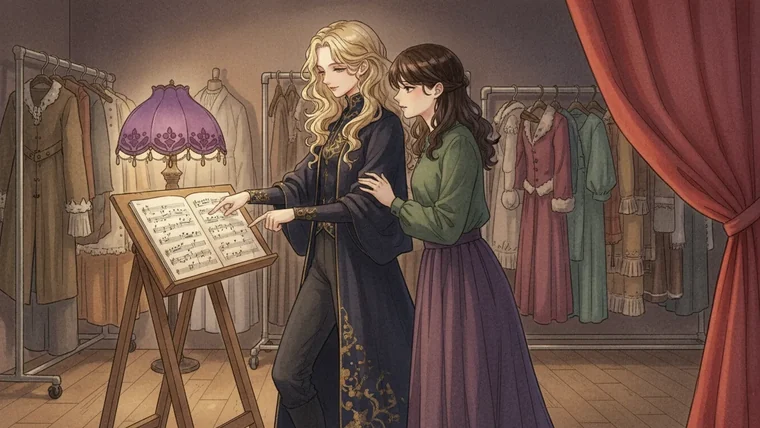
How you move

The Critic's conduct is supported by a lean efficiency and a quiet observing eye that sees into the depths.
The first thing the Critic's conduct conveys is composure. Never raising their voice, never rushing, they move things along matter-of-factly at a steady rhythm — there is no waste in how they carry themselves. They grasp matters as a process of "predict, verify, adjust," taking in handy tools and methodologies to minimize their time and effort. In their living space, too, this stance does not change. They feel at ease in a logically ordered environment rather than a cluttered one. Cleaning and tidying they do not for the sake of "mood" but for "efficiency and comfort = performance," and they invest without hesitation in gadgets and handy tools — not as luxuries, but as instruments for producing results. And they prize certainty. They do not move until they can be sure, and do not get deeply involved in what they cannot foresee. Cautious and calculating, yet once they judge "this is certain," they produce the greatest result with the least effort — that investment-minded use of time is the Critic's rationality.
Not appearances, but the flaws hidden in the depths.
- Never raises their voice; moves things along matter-of-factly at a steady rhythm
- Feels at ease in a logically organized environment rather than a cluttered space
- Doesn't move until sure, and doesn't get deeply involved in what can't be foreseen
Given a place where you can use your expertise, your analysis supports reality surprisingly deeply.
How you speak and listen

The Critic's dialogue is marked by fact-based, incisive observations and intellectual questions that probe contradictions.
The Critic is someone who states their opinion on another's thoughts and actions without hesitation. Valuing facts and logic over emotion, they point out logically "where it is inefficient and where there is room for improvement." At times they will even try to reframe the very structure of the other person's thinking. Their manner of speaking is consistently calm, rarely turning rapid or ruffled by emotion. Yet the content is sharp, and against a background of accumulated knowledge they speak of the structure of culture, technology, and institutions — to the listener this is intellectual stimulation, while at times it can also be taken as "too logical" or "long-winded." And the Critic deliberately probes contradictions. Pointing to the flaws in existing institutions and conventional wisdom, they press the other person toward a shift in thinking — this is not mere criticism but a constructive question: "isn't there a better form?" Irony-tinged humor, too, is an expression of this person's intellect. But precisely because they are in the right, they are slow to notice that it rubs the other person's feelings the wrong way — and that is a point where the Critic sometimes trips up.
Questioning contradictions constructively, with facts and logic.
What lies at the core — drive and tender spots
See through it, then verify it. This single line.
The one unstoppable engine within the heart

At the Critic's center lie an intuition that senses danger and an eye that verifies through knowledge.
At the Critic's center are two powers combined. One is the power to sense the flaws deep in things (-Ni-p) — the faculty that, from the slightest signs, grasps intuitively, almost as imagery, "where this will break down ahead" and "where the contradiction lies." The other is the power to verify it with knowledge and skill (+Te-c) — the faculty that quietly piles up measured data, precedent, and know-how, backing intuition with solid grounds. An intuition that sees through danger and a hand that verifies with knowledge — together, "contemplation and critique." The name "Critic" — one who senses contradiction, confirms it with knowledge, and points to improvement — comes from here. When this insight and analysis are working to the full, the Critic is at their most alive.
What they can do, yet do not prize

It may come as a surprise, but the Critic can in fact handle quite well both the meticulous construction of logical systems and the free play of untethered hypotheses. The power to check the coherence of an argument, the power to expand a thought experiment with "suppose that" — that latent power is, in truth, considerable. Yet they themselves place no weight on it. Rather than the pure logic puzzle itself, their attention turns to "how reality can be improved"; rather than the abstract thought experiment itself, to "whether it becomes usable knowledge." That is why the Critic's sharp analysis always has an exit toward improving reality.
What the heart secretly craves
What they secretly seek is the power to move people on the ground and gather the flow into one.
What the contradiction-spotting Critic finds hard to generate on their own, yet longs for more deeply than anyone — is the drive to step forward at the decisive moment on the ground, seize the initiative, and sweep people up into motion (-Se-p / +Fi-c). Their eye for seeing into the depths is second to none, but when it comes to going into the fray themselves to command the field, or moving people's feelings to bind them together, they suddenly feel forlorn. That is exactly why they feel deep trust and ease beside a partner who stands out front with strength, creates the flow, and takes it on with "leave the rest to me" — the Critic's insight becomes a force that moves reality only when it stands beside someone of action.
The most fragile place
The Critic is most fragile at heating up a room and at attentive caretaking.
What is most fragile is the role of raising emotions to fire up a room (-Fe-p). When asked for showy displays of feeling — "be more passionate," "inspire everyone" — the Critic, who has always viewed things coolly, doesn't know how to behave and turns awkward. The other is keeping up attentive care for people (+Si-c). Always being considerate and hospitable, continually propping up another's mood — such ceaseless care is the domain the Critic is least suited to. This is less a flaw than the reverse side of the insightful eye. Ardent cheering and diligent caretaking may be left to those who are good at them.

- Core: sensing the flaws deep within things, and testing them with knowledge and skill
- What drives you: a sure way forward that shows how reality will be improved
- Where you're fragile: firing up a room with passion, attentive caretaking
Strengths, and where you stumble
Someone who stands powerfully out front and creates the flow.
Strengths — Test, seize, break through

The Critic's strength is a penetrating analytical power and a reliability that sees practical work through to the end. They remember what they have read and experienced down to the details, and use it to streamline procedures and documents. They notice schedule slippage and cost overruns early and can calmly sound the alarm — "at this rate it will fall apart" — quietly supporting a project's stability. Even as they react quickly to miscalculations and inefficiency, they don't blame others outright, softening the room with wry humor. To a struggling colleague, too, they are someone who can gently offer words that carry an intellectual reassurance.
Where they tend to stumble

Where they tend to stumble is the flip side of that sharpness and composure.
Where they tend to stumble is the flip side of that sharpness and composure. When the critical spirit that thoroughly interrogates the meaning, grounds, and efficiency of things comes out too strongly, it can make those around them shrink back, or be misread as "cold and stubborn." The more they are in the right, the harder it is for them to notice that it rubs the other person's feelings the wrong way. And because they are sensitive to waste and inefficiency, they tend to feel strong inner stress in ambiguous situations, unplanned turns of events, and with people who act on emotion. Feelings stored up unprocessed can sometimes surge suddenly to the surface. Yet that very sharpness is also the source of the power to see through contradictions no one else notices and to improve reality — simply knowing this makes it far easier to get along both with oneself and with those around you.
When you meet someone with drive, your insight doesn't end as pie in the sky; it becomes a real power that moves reality.
- Hand the power to stand out front and move people to someone who's good at it: "the rest is yours"
- When pointing things out, think not only about "what you say" but "how it lands"
- While discomfort is still small, put it into words to someone you trust and let it go
Where you thrive
You shine in an orderly place where intellectual questioning and verification are respected.
Environments Where They Thrive
The Critic performs at their best in an environment where they can put their expertise and analytical power to work and where results take lasting form. Finding fulfillment in solving concrete problems rather than in an abstract future, they show their true worth in a workplace where roles are clearly divided and professional dialogue is possible. Conversely, an environment swayed by emotion, or one that forces groundless pep-talk idealism on them, is a major source of stress. What they seek is an orderly place where intellectual questioning and verification are respected.
As a field commander
Concretely, roles where knowledge and analysis come alive suit them: information archivist or literature-database management, structural design in IT, risk management, review of technical standards and regulations — work where accumulation and verification are what count. Or the preservation of culture and the supervision of creative work, knowledge production at museums and academic institutions — it is precisely in a place where an eye for seeing through contradictions and an aesthetic eye for culture both come alive that the Critic exercises their powers most richly.
Dialogue — ask Helena

One free dialogue · Le Salon members can explore several perspectives. Not a real person: a representative perspective based on the public profile.
Relationships and love
Can you share knowledge? Are they worthy of trust?
Love — Honoring freedom, opening the future together
The Critic's love is a bond tied by respect for intellect and by the trust of being able to think together.
The Critic's romance is cautious. Not swept along by emotion, they carefully observe a partner's thinking, practical ability, and past conduct, and move only after discerning "whether this person is worthy of trust" — a love built by stacking up conviction rather than love at first sight. What they seek is a partner they can respect intellectually and create something with. They are poor at frequent emotional reassurance and at playing games, but with a partner who can share knowledge and interests, they open their heart quietly and deeply as their conversations accumulate.
[Women] A woman sensitive to intellectual interest, creativity, and expressiveness. From a partner's thinking, background, and expertise she discerns "can this person be trusted," and is drawn to someone logical and practically capable. In marriage, too, she holds up as her ideal "a relationship where the two can create something together," valuing not only stability of life but creative exchange. She wishes the home to be not an arena for clashes of emotion but a place to exchange knowledge and creation, and she runs the housework functionally, with information and tools. Not scoring a partner too harshly, and leaving room in the dialogue, is the key to keeping the relationship serene.
[Men] A cautious intellectual who views romance coolly and moves only after building up observation and analysis. He carefully discerns a partner's character and practical ability, and does not move until convinced they are worthy of trust. In marriage, more than an emotional ideal, he takes an interest in orderly household management and realistic planning for the future, treating life like a joint project. Poor with conflict and emotional outbursts, he feels at ease within tidy rules and routines. With children, too, he converses through reason, preferring an intellectual involvement laced with humor and analysis. Rather than frequent emotional reassurance, deepening understanding slowly through appropriate distance and clear dialogue is this person's way of loving.
How You Love — Love That Solves Problems
Your love is one that sees through to the essence and destination of things with temporal intuition (Ni) and backs it up with practical logic (Te). For someone you love, before words of feeling, you try to solve the problem that's really troubling them. When they're worried, for instance, rather than a clever word of comfort, you quietly offer useful knowledge or realistic options. That is your most earnest way of loving. Even that sharp eye that spots contradictions, turned toward someone you love, becomes the tenderness of “I want to guide this person toward something better.” You may look coolheaded, but for the person you've chosen, you're working your mind harder than anyone.
Compatibility — recommended partners
 Politician
 SEE-DA born leader who reads hearts and rallies the currentDualityStands out front with strength, creates the flow, and moves reality with "leave the rest to me" Promoter
 IEE-DMoving the world through fascination — an evangelist of ideasIllusionaryMore indirect than duality, yet warm empathy and trust flow between them Conqueror
 SLE-DA dependable field general who only burns brighter the harder things getSemi-dualityNostalgic and dependable, giving the security of belonging Guardian
 ESI-DA silent shield that protects people, with rightness at its backActivationWith sincerity and order, they kindle your conscience and your action Empath
 EII-DSensing what lies beneath feeling, and becoming someone's quiet supportBenefactorFor this person, you naturally want to give of your wisdom Enforcer
 LSI-DThe steel operator who carries out the mission through discipline and responsibilityBeneficiaryWith this person, you naturally receive a sense of fulfillment Commander
 LIE-QBuild, prepare, hold the line — the command center of orderMirrorSame direction, different method. You sharpen each other's far-seeing eye Administrator
 LSE-QThe hands-on command post that keeps the field running and moves people and workSupervisor (mirror)You can't help wanting to pass on knowledge, like a master Mentor
 EIE-QA passionate standard-bearer who speaks of ideals and binds hearts togetherSupervisee (mirror)From this person, you can't help receiving and learningSee the other relationships (22 more types)
The upper bands are easier to be with; the lower bands tend to wear you down. Tap a relation name to read about the pair.
 Dreamer
 IEI-QA teller of fantasies who colors the world with dreams and passionKindredA partner whose conversation flows easily, someone who likes to express things in the same direction as you. It can wear you out once it turns competitive. The Artist
 SLI-QGiving form to the “just-rightness” of nature and daily lifeBusinessA partner you can easily work alongside, adapting to the situation together.
SEE-QA natural orchestrator who reads the room and guides people toward reconciliationDetachedA partner who's hard to feel drawn to, leading to a rather flat, low-key relationship. Strategist
 ILI-DThe contemplative Strategist who quietly reads ahead and lays the groundworkAdaptiveA partner you settle into by simply playing your roles, an easy, unremarkable relationship. Pioneer
 LIE-DCarving the way through results — the realist's frontierCodependencyA partner who wears you down little by little, caught in a cycle of bottling things up and overcompensating. Judge
Judge ESI-QThe quiet arbiter who discerns right from wrongRelaxationA partner who puts you at ease, though you tend to end up waiting on them with quiet expectation. Harmonizer
 ESE-QTheir smile and their voice soften the space around themCorrectionA partner whose feedback becomes a chance to take stock of yourself. The Architect
 LII-DThe architecture of logic, quietly built up piece by pieceTranscendenceA partner who makes you want to surpass yourself when you're together, pushing each other to grow. Visionary
 ILE-DThe architect of ideas who reinvents the world through paradox and theoryCompassA partner who gives you a sense of being accepted, along with a hint of which direction to move in. Performer
 SEI-QA gentle conveyor who gives form to sensation and feelingIdealA partner who naturally embodies what you aspire to be, easy to admire. Getting too close tires you out. Advisor
 IEE-QOne who quietly draws near and listens to the heartTediumA partner who leaves you feeling sluggish, prone to putting things off and keeping your distance. Craftsman
 SLI-DThe artisan who sets the world in order in the palm of his handFormalA relationship where formality and appearances pile up, and it's hard to ever fully relax. Executive
 LSE-DSet it in order, get it moving, see it throughSupervisorA relationship where you tend to unsettle the other person without ever realizing it. Philosopher
 EII-QOne who, in the stillness, keeps questioning the meaning of the worldTense BenefactorA partner around whom you tend to try too hard, unable to shake off the tension. Reformer
 SLE-QAn executor who breaks through by force and rewrites conventionDistrustA partner you can't quite bring yourself to trust, which makes it hard to show your own strength. Prophet
 IEI-DAn eye that gazes upon a destiny no one has yet noticedDutyA partner who leaves you understanding what to do yet unable to act on it, while your need to be recognized grows stronger. Hero
Hero EIE-DIt is this conviction that changes the worldPlayerA partner around whom you constantly feel watched, prone to leaving you burned out. Inspector
 LSI-QThe logician who strips away pretense and sees through to the truthTense BeneficiaryA partner who leaves you worrying and overthinking, prone to closing your heart off. Seeker
 ILE-QAn intellectual adventurer who unravels the worldDistanceA partner who makes you want to keep your distance and close your heart off. Peacemaker
 SEI-DA bridge between sensation and compassionRoleA relationship where "you should" comes first, making it hard to just be yourself. Enthusiast
 ESE-DThe cheerful flame that sets the world ablaze with feelingConflictThe partner most likely to strike your weakest point, the one relationship that drains you the most. Analyst
 LII-QFrom the quiet of the desk, reassembling the worldQuasi-IdentityA partner who looks similar to you yet never quite clicks, leaving you spinning your wheels and worn out.Compatibility is not decided by type alone; maturity, subtype and circumstances all change it.
With someone you are connected to, you can read a personal Relationship Reading drawn from both of your answers ($8.99 per pair, unlimited for Le Salon members).
See compatibility with your connections →Explore Le Salon →
What You Truly Long For
What you secretly crave, deep in your heart, is the power of pressure and execution. Precisely because you see so far into the possibilities that you get stuck in criticism and analysis…
In the Love Edition: What your heart longs for / What excites you / Where you clash and your landmines / Classic love scenarios / Chemistry by partner, all 32 types named / At home and as a parent / A practical playbook / Secrets to lasting love / A manual for your partner
Work and ways of working

Your Working Style — Insightful Visionary
You naturally excel in two main ways: reading ahead and seeing through to the essence and flow of things, and running systems efficiently to deliver results.
Your interest turns to talking through ideas and theories. Day to day, you're easygoing and unhurried; you go with the flow and don't force things.
With people, you keep your emotions low-key and maintain distance by following rules and procedures. When you think, answers rise up unexpectedly out of trial and error.
Analytical power that sees into the depths, and the reliability to see practical work through.
- Set your own deadline for deciding, and test on a small scale before making the final call
- Give feedback in this order: purpose → what deserves credit → concerns → alternatives
- Deliver important criticism one-on-one before the meeting

Careers That Fit
Your power to read ahead and your power in risk management come directly into play.
Your eye for seeing through contradictions and your power of fact-based verification come directly into play.
Your power to quietly build up knowledge and skill and turn it efficiently into results comes into play.
Your Strengths, and Work Better Avoided
Your core is the combination of "an eye that reads ahead and sees through to danger and the essence of the flow" and "a hand that steadily builds up technology and data and turns them efficiently into results"…
In the Business Edition: Natural strengths / work better avoided, Stress tolerance and socialization group, Work style, Motivation and recharging, How to work with and manage this person, Compatibility and team-building, Industry fit ◎○△ across 23 industries with rationale, Suitable roles
Blueprint of the mind
Your mind runs on eight blocks. Each block carries two functions — how you take in the world, and how you express yourself — and together they set both the range you're skilled in and how much you actually value using it. We've kept the technical notation small and explained everything in plain language.
See through it, then verify it.
Leading Your centerI Know
-Ni-pCrisis & FantasyTemporal intuition+Te-cTechnology & AccumulationPractical logicFrom the slightest signs, you intuitively see "where it will break down" and "where the contradiction lies."
You test that with knowledge. You quietly build up measured data and precedent, and back your intuition with solid grounds.
See through it, then verify it. This single line is your criticism: sensing contradictions and pointing to improvement.
Mirror — Picked up by watching
At the entry point sits an interest in whether something actually work…
In the Full Portrait: all 8 blocks of the blueprint / 6 ways back / situational guide / the reasoning behind the exemplars
Going deeper — ways back and situational guide
On the flip side of that same core, these are the situations where you tend to stumble. After that, six ways to get back on your feet.
When your critical spirit comes out too strongly, it can make people around you shrink back, or be misread as "cold and stubborn."
With unplanned turns of events and people who act on emotion, you may look calm on the surface but feel strong stress inside.
Feelings you've stored up without processing can sometimes suddenly come to the surface.
Someone who stands powerfully out front gives your insight real force.
Way to Recover 1 — Borrow the Power to Move Things on the Ground
Your eye for spotting contradictions is a gift. But to put that insight to work in reality, you need the power to stand out front and move people…
In the Full Portrait: 6 ways back / situational guide (home, work, friends, under stress, shopping, days off)
People thought to share this type
Different fields, different eras — yet every one of them resonates on the same note: seeing through the flaws in the depths, and testing them with knowledge.
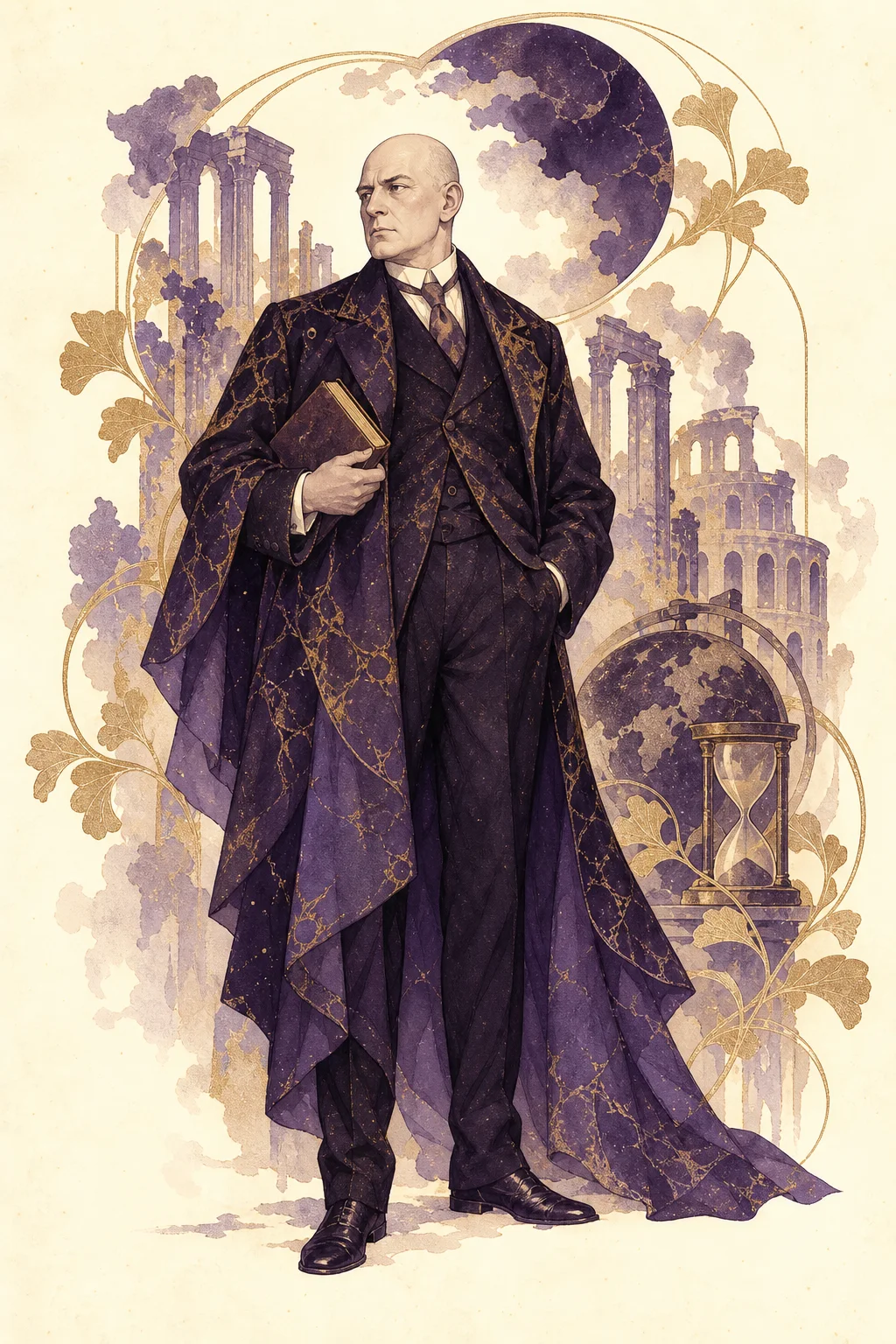 Germany · PhilosopherOswald Spengler"The Decline of the West" — likened civilization to a living organism and coldly saw through its rise and fall
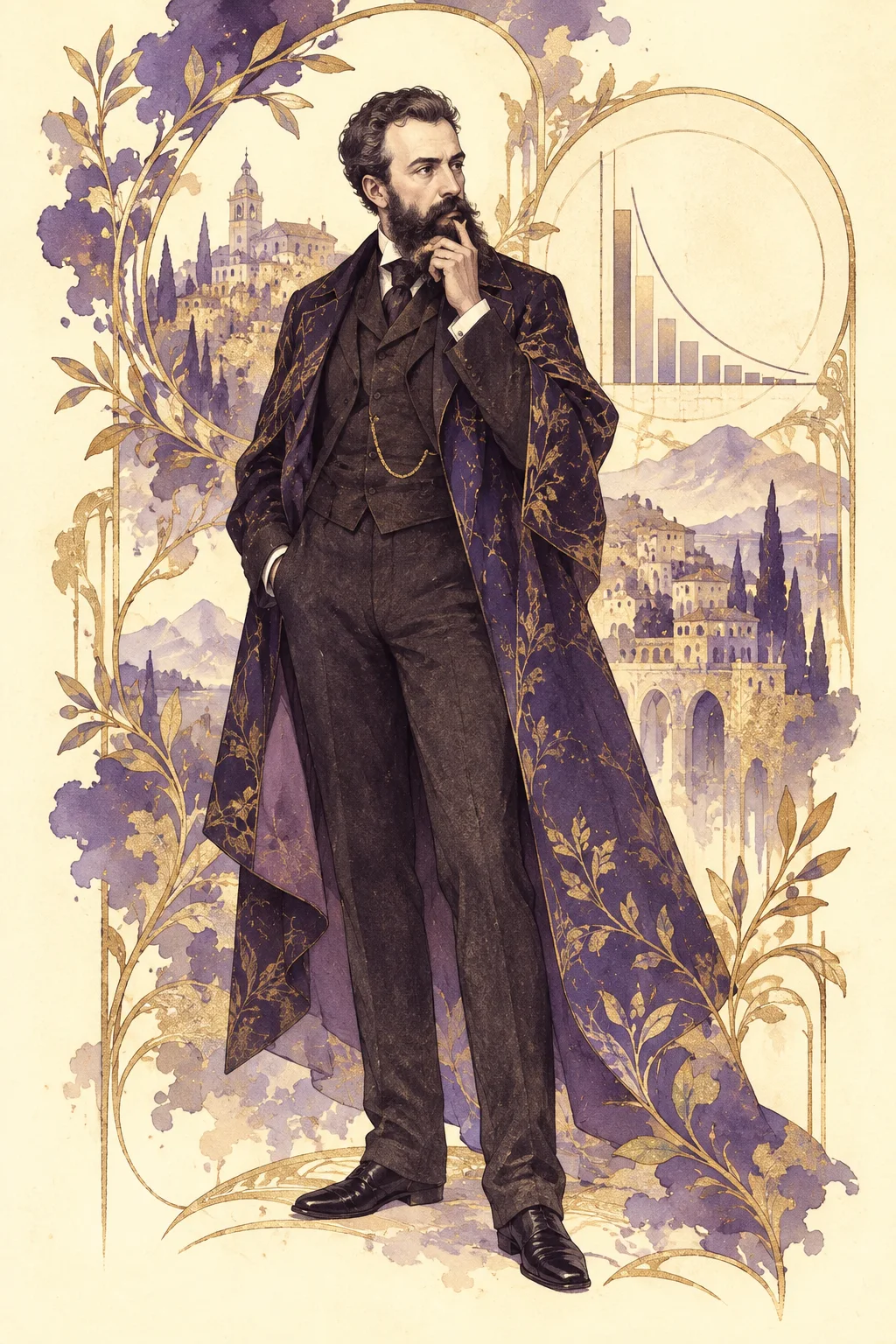 Italy · Economic sociologistVilfredo ParetoThe 80/20 principle and the circulation of elites — dissected society through mathematics and observation
 Greece · HistorianPolybiusA cool witness who analyzed the rise of Rome through the theory of the cycle of constitutions
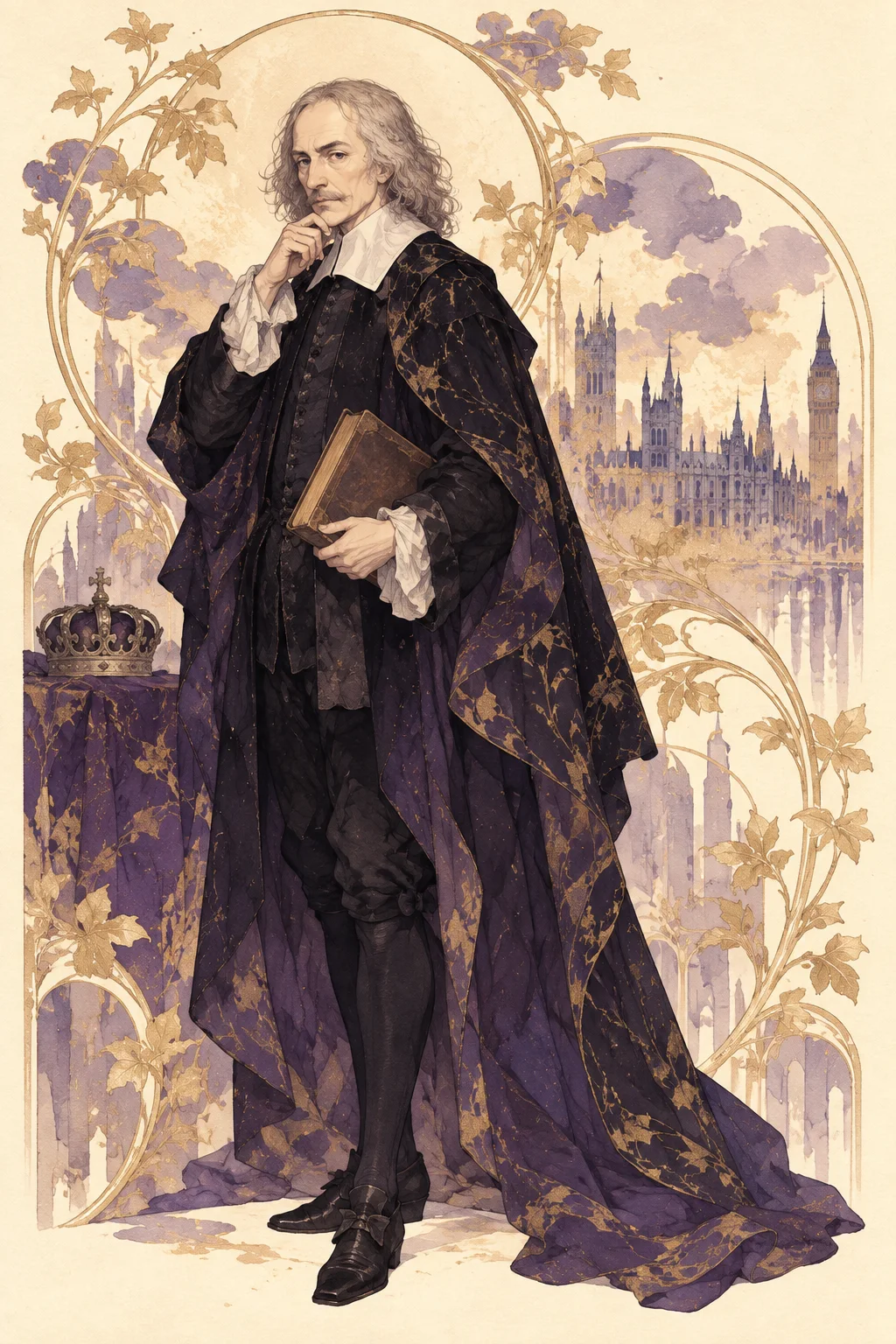 England · PhilosopherThomas Hobbes"Leviathan" — looked squarely at the natural state of humankind and built a logic of order
 China · ThinkerHan FeiLaw, method, and power — the great synthesizer of Legalism who thoroughly systematized the structure of governance
 Switzerland · Cultural historianJacob BurckhardtEstablished cultural history and saw through the dangers of mass democracy early on
 U.S. · Diplomat, historianGeorge KennanThe architect of the containment policy — who later fiercely criticized its abuse
 U.S. · Historian, writerHenry AdamsBorn into the direct line of a distinguished family, he recorded his own age with a sobered eye
 U.S.→UK · Film directorStanley KubrickPrecisely dissected each genre and built up structure with perfectionism
 Czech · NovelistFranz KafkaPainted the absurdity of bureaucracy and the anxiety of existence to the end with a quiet touch
Type attributions are informed speculation based on public information, not confirmed fact.
Map of group memberships
The Critic is one of 32 types, and also belongs to several groups of kindred natures. Here are the four main ones first — open a card to step into its own gallery room.
 Quadra (Values)Omega Quadra (Ω)Elitism
 Bouquet (Temperament)Receptive-Adaptive temperamentDiscerning the flow and responding to it
 Club (Interest)Research ClubSeekers of knowledge
 Motivation (Stimulus Group)Self-esteem stimulus groupSeeking inner worth
See all groupings (25 more)
 Communication StyleCold-BloodedExchanges information coolly
 Behavioral StyleMethodologistLands results through efficiency
 Argumentation StyleReconstructorDoubting premises and rearranging them
 Perception GroupAssociativenessGrasping the world through a web of associations
 Cognitive StyleVortical-SynergeticDiscovers the essence through trial and error
 Romance (View of Love)DreamerLaying a dreamed-of love over destiny
 Stress ToleranceStrongCrouches low, then springs back
 Socialization GroupConstructorFinding a mission in long-term construction
 Inflation RingInformation GeneratorVerifying results and weaving them into information
 Project GroupGeneral ResultGrasping the broad outline and growing it
 Implementation GroupTechnology IntroductionSending promising technology into production
 Square (Rest)SovereignsThe reigning power-holders
 Business Square (Collaboration)OperativeCovert operatives
 Octad (Cross-Value Group)QuestExploring the unknown, opening questions
 Reactor (Excitation Group)ReserveStoring up excitation inward
 MobilizationPolymerizationPolymerizing into long-term macromolecular structures
 Conditioning (Adjustment Group)AlignmentAligning things into order
 LabyrinthEleusisFestive passion and cool critique
 Block Group (Extinguishing Group)ForumWhere inquiry and warmth gather
 Social Progress Ring (SPR)ReflectionThe ring of moonlit contemplation
 Supervision Ring (SVR)EchoA resonating cultural sphere
 Social Order Ring (SOR)DianaThe critic who becomes a mirror
 Succession Ring (SR)DynastyThe bloodline's reclaiming of the throne
 Benefit Ring (BR)EmblemThe bloodline that upholds the dynasty
 Master Ring (MR)DeusThe dynasty's sacred kingship
Open the full, love and business editions
- The blueprint of your mind (8 blocks)
- Six ways to recover from stumbles
- A situation-by-situation guide (6 situations)
- The reasoning behind the celebrity picks

- What your heart longs for / What excites you / Your landmines
- Classic love scenarios
- Chemistry by partner (all 32 types)
- At home and as a parent / A practical playbook

- Natural strengths / Work better avoided
- Work style / Management
- Industry fit ◎○△ (23 industries)
- Suitable roles
Save $24.98 compared with buying the three separately