
LSE-D – Executive –
Set it in order, get it moving, see it through
You are someone who finds the best way to do a thing right there on the spot, and surely sees it through.
Rather than a fixed procedure, you choose, on the spot, "the way that produces the best result."
What you long for most is someone who quietly illuminates the worth of what you do.
- Quadra
- Psi Ψ
- Bouquet
- Linear-Assertive temperament
- Club
- Practical Management
Portrait — the Executive

Rather than tracing a fixed procedure, the Executive chooses, moment by moment, "the way that produces the best result." Unbound by the manual, they briskly dispose of the task before them with whatever is at hand and a knack for arranging the steps. Once an idea strikes, their hands move before their thoughts do — and when the situation changes, they rework their method at once. In the accumulation of each day and the felt response of small ingenuities, this person finds a sure sense of purpose.
At the same time, this person never forgets to care for the place and the people in it. They set the steps in order, gather what is lacking, and keep an unobtrusive eye on others' health and mood. Steadily, they keep the flow comfortable and unbroken. It is not flashy work, but it is precisely this humble care and consideration that lets those around them put out their strength in confidence. Learning as their hands move, verifying with the body — the Executive's learning is always there in the field.
Their way of relating to others is warm and equal. They liven up the room with fresh ideas and quietly let in new air where things have stalled. Speaking frankly, they untangle a soured atmosphere on the spot and keep cooperation genial. Rather than standing above someone and barking orders, they lend a hand at the same eye level — a person who connects through trust, by character rather than by title.
Resilience, too, is one of this person's hallmarks. A little failure or scolding doesn't dishearten them; rather, they turn it into nourishment and press forward. Their optimism is steady, and even when things go wrong they don't drag it out or brood over it endlessly. Calmly, yet surely, they keep moving things forward — that unshakable driving force brings a quiet reassurance to those around them.
Their stance is horizontal through and through. They dislike brandishing power or titles, and cherish everyone's life alike. Running the preparations for a school festival with a deft hand, unobtrusively looking after their juniors — in this way they work so that everyone present can move about with ease. Conversely, toward hollow formal procedures with no substance, and toward methods that ignore efficiency, they quietly lose interest.
Not theory, but whether it's actually useful.
Does this sound like you?
- Rather than mulling this and that over, you first put a hand to it.
- When the situation changes, you rework your method at once.
- If someone is in trouble, you quietly lend a hand before being asked.
- A little failure or a scolding doesn't get you down.
- Faced with hollow formal procedures with no substance, you quietly lose interest.
- Even if it turns into an argument, you try to find a better landing point together.
- Only after making sure "is it finished?" and "did it run properly?" do you feel at ease.
- Rather than learning by theory, you actually try it and learn with your body.
- Sharing flashes of inspiration or moments of feeling with others isn't really your strong suit.
- When your caring nature runs high, you try to do everything with your own hands.

How you move

The Executive's behavior shows clearly in the drive that moves things forward with their own hands, and in the caring attentiveness that looks after those around them and sets the place in order.
They are quick off the mark. Rather than mulling this and that over, they first put a hand to it. They dispose of the task before them without waste and at a good tempo. Watching the situation closely, they rework their method on the spot if it isn't working, and get through by improvising with whatever is at hand. Unbound by set patterns, they choose "the method that works best here and now" — that suppleness is why they are relied upon in the field.
At the same time, they never neglect their attention to those around them. They set the steps in order, gather what is lacking, and if someone is in trouble they lend a hand quietly, before being asked. Sensitive to changes in others' health and mood, they attend with fine care so that everyone can move about comfortably. Rather than standing above someone and giving orders, it suits them better to sweat alongside others in the same place. Working without swagger, without airs, calmly — that figure naturally gathers the trust of those around them.
They are resilient and optimistic. A little failure or crossed wires doesn't shake them, and they don't drag it out. Rather, they make it nourishment — "next time I'll do it this way" — and set their hands moving again. On the other hand, faced with hollow formal procedures with no substance, or methods that ignore efficiency, their ardor visibly cools. Whether something is actually useful, rather than the reasoning or the appearances — that is where this person's interest always turns.
Not a perfect plan, but putting a hand to it first.
- Quick off the mark, lets nothing stagnate
- Sets the steps in order, gathers what is lacking
- Ardor visibly cools at formal procedures
Given a place where the method is left to you, your drive brings a quiet reassurance to those around you.
How you speak and listen

Their dialogue is unadorned and frank, meeting the other person as an equal and untangling a soured atmosphere on the spot — a well-aired exchange.
Their way of speaking is without waste, feet firmly on the ground. They don't go in for roundabout maneuvering or pompous turns of phrase. They convey the main point clearly and try to draw out the practical substance of what others say. What to do and how to proceed, how to make it work — they favor concrete, forward-looking conversation.
They aren't overly afraid of a difference of opinion. They say what they think on the spot and dissolve any lingering ill feeling right there. Even if it turns into an argument, it is not to beat the other down but to find a better landing point together. With frankness and humor they soften the mood of the room, and calmly mend a relationship that has soured.
They are the type to grow trust through working side by side rather than through skillful words. Not by title or position, but by what a person actually does for you — that is what they watch for, and are watched for. The longer they sweat together with others, the more a reassurance of "with this person I'll be fine" quietly accumulates in those around them.
Frankness over maneuvering. A soured mood gets untangled on the spot.
What lies at the core — drive and tender spots
One thing held in the heart: the sureness of doing one's best on the ground
At the center of the Executive is the drive to pick out the way that yields the most result here and now (-Te-p) and the caring heart that steadily keeps supporting both the place and the people in it (+Si-c).
"How can this be made to work best?" — to that question, this person finds the answer with their hands as they go. Rather than tracing a fixed procedure, they watch the situation and give shape to the best the moment allows, with whatever is at hand and a knack for arranging the steps. Once an idea strikes, the body moves before the thought. Onto this is layered a caring sense that looks after the place and its people. They set the steps in order, keep an eye on others' mood and health, offer hospitality, and hold the flow comfortable and unbroken.
When these two mesh, they become a sure driving force in the field: "set it in order, get it moving, see it through." Their pride lies less in conspicuous achievements or titles than in a modest fact — "that site runs without a hitch, and everyone is working comfortably."
Not theory, but whether it was actually seen through.
What they can do, yet do not prize

The Executive holds within them both the strength to command a room by force and the power to build up an intricate system.
When it comes to it, they have the power to push hard, pull the room together, and quell chaos in a single stroke. They truly do possess the power to nail things down precisely and build a mechanism with no gaps. But ordinarily they don't bring this to the fore. Neither bending people by force nor making the perfecting of form down to the last detail an end in itself is this person's way — a quiet choosing: they'll use it if they must, but they place no value there. Better to work with their hands in the field, without swagger. These powers open to full only when things are truly desperate.
What the heart secretly craves

What they find hard to light on their own, yet deeply seek, is the gaze that quietly illuminates the goodness in people and the worth of a deed.
Skilled though they are at producing results with their hands, pausing to ask "who is this for?" is in fact hard for them. That is just why, deep within, a quiet conscience glows, gently measuring "is it finished?", "was I of use to someone?", "who has been made happy here and now?" (-Fi-p). To be of use to the one person before them, more than to some grand ideal. When someone softly illuminates the worth of that deed for them, this person can give their all in ease. The Dual Philosopher (EII-Q) quietly fills this very axis, simply by being near.
The most fragile place
The Executive's weakness shows in swelling up flights of fancy, and in sharing flashes of inspiration and moments of being moved.
Though in the tangible world of reality they are more dependable than anyone, swelling up groundless fantasy, savoring things as symbol or story, or picturing a still-formless premonition like a painting — these are hard for them (-Ni-p). Their feet too firmly on the ground, they can't quite step into daydream or the artistic leap. Nor are they good at sharing flashes of inspiration and moments of feeling with others, at savoring the afterglow or a small celebration (+Fe-c) — rather than to the scenes that make the heart dance, their feelings turn naturally toward sure results. These are less flaws than domains best supplemented by someone good at them. The Dual Philosopher (EII-Q) gently adds the meaning that lies deep within things, and the wings of imagination.

- Core: the drive to choose the best solution on the ground, and a caring heart that supports the place and its people
- What drives you: the fact that the site runs without a hitch and everyone is working comfortably
- Where you're fragile: swelling up fantasy, sharing flashes of inspiration and moments of feeling
Strengths, and where you stumble
A gaze that illuminates the goodness in people and the worth of a deed.
Strengths — Set it in order, get it moving, see it through

The Executive quickly sees through to the way that yields the most result here and now, and gives it shape with their hands. Unbound by fixed procedure, they rework the steps to fit the situation and get through by improvising with whatever is at hand — that field-readiness brings those around them the reassurance of "with this person here, we'll be fine." Moving the moment they resolve on something, their driving force that lets nothing stagnate is also one of this person's great weapons.
Above all, this person's true worth is the caring power that steadily keeps tending the place and its people. They set the steps in order, gather what is lacking, and if someone is in trouble they quietly support them before being asked. Resilient, not dragging out failures, they press forward calmly. Without swagger, they lend a hand at the same eye level and untangle a soured atmosphere with frankness and humor. Within an organization, as the inconspicuous but indispensable "linchpin of the field," they keep the whole running without a hitch.
Where they tend to stumble

What they tend to stumble over is the flip side of that strength in the "here and now" and that sincerity toward working with their hands.
Picturing the meaning that lies deep within a matter, or the story of a thing, tends to get put off. Absorbed in the result before them, they don't quite pause to savor "what does this mean?" or "upon what story does this rest?" Strong as they are with tangible reality, they tend to feel a frustration when it comes to swelling up rambling fancy, or savoring things as symbol and story.
Sometimes the hands move on their own without asking "what is it for?" Skilled as they are at producing results, they tend to put off what meaning that work holds, and whom it serves. When finishing becomes an end in itself, they can lose sight of the direction.
They aren't good at sharing flashes of inspiration or moments of feeling with others. Trying to speak in sure numbers and results, they can fail to scoop up the swell of feeling in the moment, or the wordless afterglow. When what those around them want is not a solution but simply to share how they feel, a mismatch tends to arise.
Sometimes they move too much for others' sake and end up shouldering it all. Their caring nature taken to excess, they try to do everything with their own hands, and before they notice they are carrying work to their limit. Once they learn to delegate and to lean on others, both they and the people around them can bring out their powers far more easily.
Yet that strength in the "here and now" and that sincerity of working with their hands are two sides of one coin with the power that supports the field and sets people at ease. Simply knowing this spares them from blaming themselves, and lets them complement their weaker points with those who are good at them.
Someone who illuminates for you that "what you're doing has this meaning" moves you deeply, and beside them you can give your all with peace of mind. That's where your room to grow lies.
- Now and then, pause and ask "what is this for?"
- Before you shoulder it all, consider whether some of the work can be delegated
- When feelings run high, take a breath and listen before setting your hands moving
Where you thrive
Trusted with "the method is up to you," you give your all of your own accord.
Environments Where They Thrive
Where the Executive exerts their power most is a genial, equal work-site where they can produce concrete results with their hands. An environment where each person cooperates comfortably, where there is room for ingenuity, and everything is pleasantly in order — there, this person's drive and caring power come freely to life. Rather than being bound by orders, the more they are trusted with "the method is up to you, just get it properly finished," the more they give their all of their own accord.
Conversely, in a place thick with hollow formal procedures of no substance, or an environment where they are forced into methods that ignore efficiency, their ardor cools rapidly. An air of brandished authority and titles, an atmosphere where appearances are forever what is asked after — these too feel cramped to this person. High-handed coercion is especially counterproductive; the more there is room to freely improvise and the felt sense that their results are justly recognized, the more vividly they move.
On the other hand, their caring nature taken to excess, they tend to take everything on with their own hands. Before they notice they are shouldering it all alone, and may even feel guilty about resting. That is just why a quiet word from those around them — that it's all right to delegate and to lean on others — becomes a support that keeps their strength going for the long haul. And so that, absorbed in the task before them, they don't lose sight of the meaning of things, a partner who illuminates alongside them the worth and the story that lie deep within makes this person's power surer still.
The fields where they shine
They exert their power most richly in domains where working with their hands, keeping the field turning, and producing concrete results is itself the job. Roles that move practical work forward through arrangement and ingenuity — manufacturing, construction, maintenance, on-site supervision — are their calling. In work-sites where hospitality and arrangement are called for, too — food and drink, customer service, service work, hospitality — their caring power and adaptability come to life.
They are also suited to behind-the-scenes work that keeps an organization running without a hitch, such as operations, general affairs, and operations management. A team's coordinator, a leader on the ground, a mentor who supports hands-on work while looking after those coming up — it is precisely in fields that call for supporting people and the place by actually working with one's hands, rather than by reasoning or ideals, that this person's power comes most surely and deeply to life.
Dialogue — ask Marta

One free dialogue · Le Salon members can explore several perspectives. Not a real person: a representative perspective based on the public profile.
Relationships and love
Can you build a grounded bond through care and sincerity?
Love — A grounded bond built on care and sincerity
The Executive's love is nurtured within daily life, through fine care and a sincere accumulation, rather than through glamorous maneuvering.
Dramatic staging and flashy romance don't much move their heart. Rather, they are the type to show affection through action — doing all they can so their partner can pass the time in comfort, setting the household in order, and quietly taking on the troubles. Home is a shared work-site where the two support each other and keep the days turning pleasantly. Even in hard times they work calmly with their hands, valuing the sure keeping of the relationship. They convey their feelings through steady care and dependability rather than words.
[Women] A warm, attentive, caring person who supports their partner and household in practical ways. Running the housework and the arrangements with a deft hand, they take joy in setting the foundations of daily life in order. Modest in appearance yet strong at the core, when needed they push their opinion through decisively. Still, they tend to move so much for others' sake that they put their own matters off — when their efforts are acknowledged, they can open their heart in ease.
[Men] A sincere, diligent, dependable supporter who serves the family without a word of complaint. They regard home as a site to guard and set in order with their own hands, holding a quiet sense of mission in building a stable life. Saying little, they show affection through action, and when it counts they support the family with tenacity. Some care is needed with their slight difficulty putting feelings into words, and their tendency to shoulder too much.
How You Love — Love with Your Hands
Your love is born when Practical Logic (Te) teams up with Bodily Sensation (Si). In other words, creating with your own hands "a state where your partner is comfortable and life runs without a hitch" becomes, just as it is, your way of loving. When you fall for someone, your eye goes first to the gaps in their daily life. If the fridge is empty you fill it; if they're tired you set something warm in front of them; you clear away the tedious logistics ahead of time. Adding one touch that lightens your partner's day is more natural to you than saying "I love you" in words. Concretely — remember one "trouble" your partner recently let slip, and quietly solve it before you next meet. That is your most eloquent love letter.
Compatibility — recommended partners
 Philosopher
 EII-QOne who, in the stillness, keeps questioning the meaning of the worldDualityThe most deeply complementary. They illuminate the meaning of things and the goodness in people, and give you a resting place for the heart. Analyst
 LII-QFrom the quiet of the desk, reassembling the worldIllusionaryWith them your shoulders relax — an easygoing, enjoyable partner with whom you can breathe a sigh of ease. Judge
Judge ESI-QThe quiet arbiter who discerns right from wrongSemi-dualityA comfort approaching that of the Dual. Without saying much, you can quietly support each other. Advisor
 IEE-QOne who quietly draws near and listens to the heartActivationThe easiest to open up with. They liven up the room with fresh ideas and draw out your motivation. Seeker
 ILE-QAn intellectual adventurer who unravels the worldBenefactorYou can't help wanting to lend a hand. You become the guide, nurturing their budding growth Orchestrator
 SEE-QA natural orchestrator who reads the room and guides people toward reconciliationBeneficiaryYou naturally receive a push and a spark of energy. They pull you forward Craftsman
 SLI-DThe artisan who sets the world in order in the palm of his handMirrorThe same value placed on handiwork, from a different angle — you sharpen each other's skill and method. Strategist
 ILI-DThe contemplative Strategist who quietly reads ahead and lays the groundworkSupervisee (mirror)You can't help wanting to teach them the arrangements of the field and how to work with their hands. Peacemaker
 SEI-DA bridge between sensation and compassionSupervisor (mirror)You can't help leaning on them, and end up learning comfort and how to put people at ease.See the other relationships (22 more types)
The upper bands are easier to be with; the lower bands tend to wear you down. Tap a relation name to read about the pair.
 Enthusiast
 ESE-DThe cheerful flame that sets the world ablaze with feelingBusinessA partner you can easily work alongside, adapting to the situation together. Pioneer
 LIE-DCarving the way through results — the realist's frontierKindredA partner whose conversation flows easily, someone who likes to express things in the same direction as you. It can wear you out once it turns competitive. Administrator
 LSE-QThe hands-on command post that keeps the field running and moves people and workAdaptiveA partner you settle into by simply playing your roles, an easy, unremarkable relationship. Empath
 EII-DSensing what lies beneath feeling, and becoming someone's quiet supportDetachedA partner who's hard to feel drawn to, leading to a rather flat, low-key relationship. Promoter
 IEE-DMoving the world through fascination — an evangelist of ideasRelaxationA partner who puts you at ease, though you tend to end up waiting on them with quiet expectation. The Artist
 SLI-QGiving form to the “just-rightness” of nature and daily lifeCodependencyA partner who wears you down little by little, caught in a cycle of bottling things up and overcompensating. Reformer
 SLE-QAn executor who breaks through by force and rewrites conventionTranscendenceA partner who makes you want to surpass yourself when you're together, pushing each other to grow. Prophet
 IEI-DAn eye that gazes upon a destiny no one has yet noticedCorrectionA partner whose feedback becomes a chance to take stock of yourself. Hero
Hero EIE-DIt is this conviction that changes the worldIdealA partner who naturally embodies what you aspire to be, easy to admire. Getting too close tires you out. Inspector
 LSI-QThe logician who strips away pretense and sees through to the truthCompassA partner who gives you a sense of being accepted, along with a hint of which direction to move in. Commander
 LIE-QBuild, prepare, hold the line — the command center of orderDutyA partner who leaves you understanding what to do yet unable to act on it, while your need to be recognized grows stronger. Guardian
 ESI-DA silent shield that protects people, with rightness at its backDistrustA partner you can't quite bring yourself to trust, which makes it hard to show your own strength.
SEE-DA born leader who reads hearts and rallies the currentTense BeneficiaryA partner who leaves you worrying and overthinking, prone to closing your heart off. Critic
 ILI-QThe insightful Critic who sees through contradictions in the depths of silencePlayerA partner around whom you constantly feel watched, prone to leaving you burned out. Harmonizer
 ESE-QTheir smile and their voice soften the space around themFormalA relationship where formality and appearances pile up, and it's hard to ever fully relax. The Architect
 LII-DThe architecture of logic, quietly built up piece by pieceTediumA partner who leaves you feeling sluggish, prone to putting things off and keeping your distance. Visionary
 ILE-DThe architect of ideas who reinvents the world through paradox and theoryTense BenefactorA partner around whom you tend to try too hard, unable to shake off the tension. Performer
 SEI-QA gentle conveyor who gives form to sensation and feelingSupervisorA relationship where you tend to unsettle the other person without ever realizing it. Mentor
 EIE-QA passionate standard-bearer who speaks of ideals and binds hearts togetherRoleA relationship where "you should" comes first, making it hard to just be yourself. Enforcer
 LSI-DThe steel operator who carries out the mission through discipline and responsibilityDistanceA partner who makes you want to keep your distance and close your heart off. Conqueror
 SLE-DA dependable field general who only burns brighter the harder things getQuasi-IdentityA partner who looks similar to you yet never quite clicks, leaving you spinning your wheels and worn out. Dreamer
 IEI-QA teller of fantasies who colors the world with dreams and passionConflictThe partner most likely to strike your weakest point, the one relationship that drains you the most.Compatibility is not decided by type alone; maturity, subtype and circumstances all change it.
With someone you are connected to, you can read a personal Relationship Reading drawn from both of your answers ($8.99 per pair, unlimited for Le Salon members).
See compatibility with your connections →Explore Le Salon →
What You Truly Long For
What you truly long for deep down is the power to gauge feeling and distance — that is, the tangible sense that "there's a sure bond between me and this person." You may be good at looking after others, but you're clumsy at putting your own feelings into words or reading the temperature of another's heart…
In the Love Edition: What your heart longs for / What excites you / Where you clash and your landmines / Classic love scenarios / Chemistry by partner, all 32 types named / At home and as a parent / A practical playbook / Secrets to lasting love / A manual for your partner
Work and ways of working

Your Working Style — Practical Efficiency
You naturally excel in two main ways: running systems efficiently and producing results, and attending to details with care and keeping things comfortable.
Your interest gravitates toward getting hands-on, practical work done. Day to day, you are a person of action who drives toward the goal without pausing, and recognition, standing, and a chance to shine fire you up.
With people, you take a matter-of-fact approach, connecting through work. Before acting, you think through efficiency and method first.
The drive to choose the best solution on the ground, and a caring heart that supports the place and its people.
- Take time to pause and consider "what is this for?"
- When you notice, delegate — don't shoulder it all alone
- Put rest time into your plans as something just as important as results

Careers That Fit
Your power to quickly see the best solution on the ground and rework the steps to produce results comes into direct play.
Your caring power that steadily supports the place and its people, and your adaptability, become strengths just as they are.
Your resilient drive and your realistic sense of whether something is actually useful come into play.
Your Strengths, and Work Better Avoided
Your core is the combination of "the optimizing power to run systems efficiently and produce results" and "the caring power to attend to details and keep the field comfortable." When you deliberately put the former forward through improvement proposals and manuals, and the latter through attentiveness to your members' ease of work…
In the Business Edition: Natural strengths / work better avoided, Stress tolerance and socialization group, Work style, Motivation and recharging, How to work with and manage this person, Compatibility and team-building, Industry fit ◎○△ across 23 industries with rationale, Suitable roles
Blueprint of the mind
Your mind runs on eight blocks. Each block carries two functions — how you take in the world, and how you express yourself — and together they set both the range you're skilled in and how much you actually value using it. We've kept the technical notation small and explained everything in plain language.
Choose the best, then give it shape with caring hands.
Leading Your centerI Know
-Te-pOptimization & IngenuityPractical logic+Si-cDiligence & CareExperiential sensingYou first take in whatever is before you on a single point: "how can this go best, right here and now?"
Unbound by the manual, you assemble the best option instantly with whatever is on hand and a knack for arrangement.
The best you have thus glimpsed, you give shape to with caring hands that set the place and people in order. "Set it in order, get it moving, see it through" — that sure driving force sits settled at your center.
Mirror — Picked up by watching
At the entry point sits the impulse to make the setting more comfortab…
In the Full Portrait: all 8 blocks of the blueprint / 6 ways back / situational guide / the reasoning behind the exemplars
Going deeper — ways back and situational guide
On the flip side of that same core, these are the situations where you tend to stumble. After that, six ways to get back on your feet.
So absorbed in the results before you, you don't pause to savor "what does this mean?"
Trying to speak in sure numbers and results, you can fail to scoop up the swell of feeling in the moment.
Your caring nature taken to excess, you try to do everything with your own hands, and before you notice, you're carrying work to your limit.
Someone who adds meaning and imagination makes your capacity to execute surer.
Way to Recover 1 — Sometimes Turn Your Eyes to the Meaning Deep Within Things
Because you readily become absorbed in the results in front of you, make a conscious point of setting aside time to pause and consider "what is this for?" and "what meaning lies deep within?" The habit of turning your eyes not only to the felt response but to the meaning and story deep within things…
In the Full Portrait: 6 ways back / situational guide (home, work, friends, under stress, shopping, days off)
People thought to share this type
Different fields, different eras — yet every one of them resonates on the same note: they improvised on the ground, set things in order, and surely saw them through.
 United States · Basketball player/BusinessmanMagic JohnsonCommanded the court with outstanding situational judgment, and after retiring supported society through community-rooted enterprises
 Austria/United States · Actor/PoliticianArnold SchwarzeneggerSteadily achieved numerical targets and left a bipartisan record through realistic policy
 United States · Baseball playerBabe RuthBuilt an era with overwhelming results, and never ceased his care for children
 United States · Politician/InventorBenjamin FranklinFrom the lightning rod to the library, he gave form, one after another, to systems that actually improved daily life
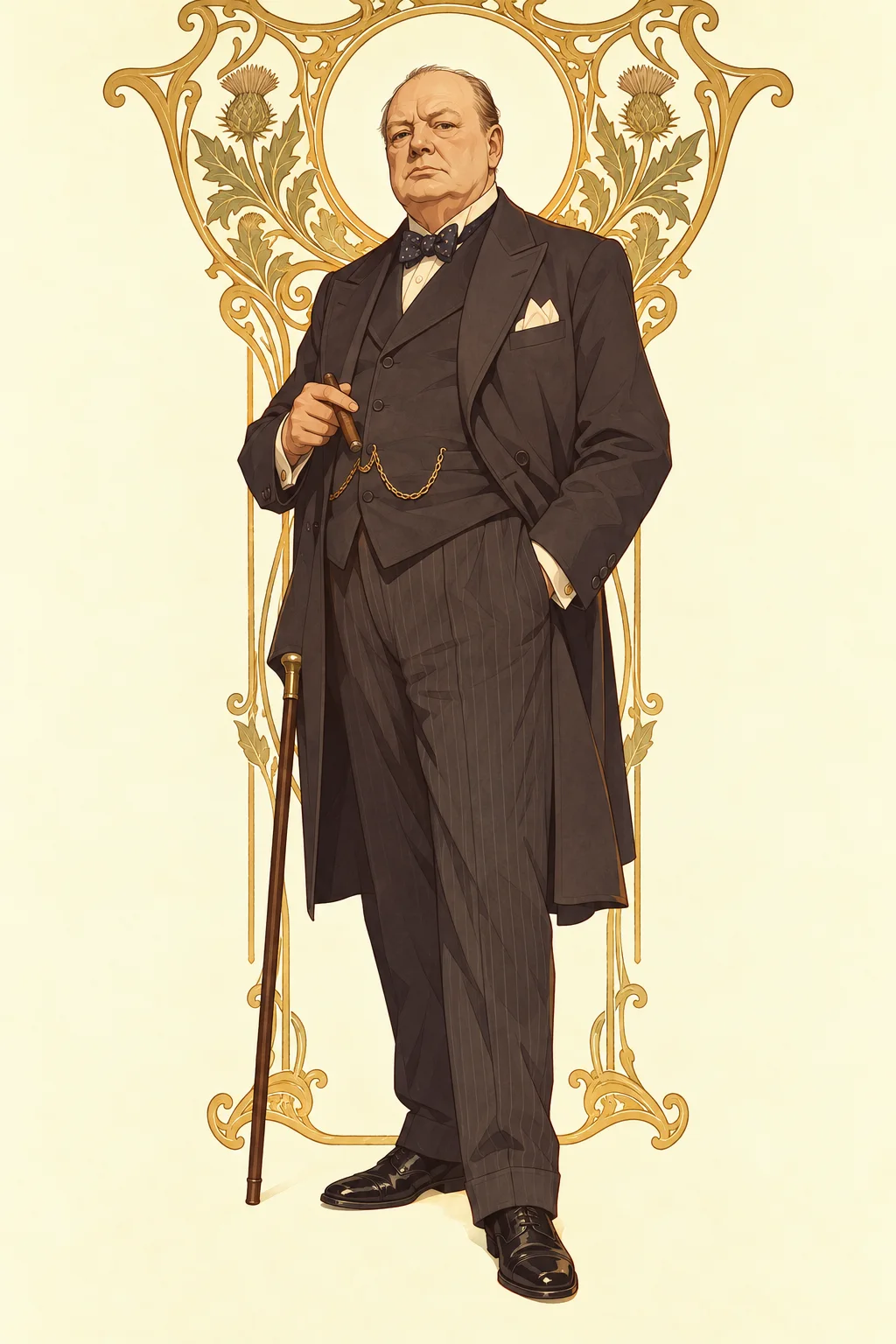 United Kingdom · Politician/WriterWinston ChurchillAn indomitable doer who directed the practical work in the midst of crisis and kept encouraging those on the ground
 United States · BusinessmanSam WaltonA retail revolutionary who championed everyday low prices and walked the floor of his stores until just before his death
 United States · BusinessmanHenry FordOptimized production to the limit with the assembly line and put the automobile into ordinary people's hands
 United States · ActorJohn WayneEmbodied the figure of the taciturn, dependable man, and valued his care for the staff on set
 United States · Politician/WriterTheodore RooseveltFrom antitrust regulation to national parks, he achieved realistic reforms through action
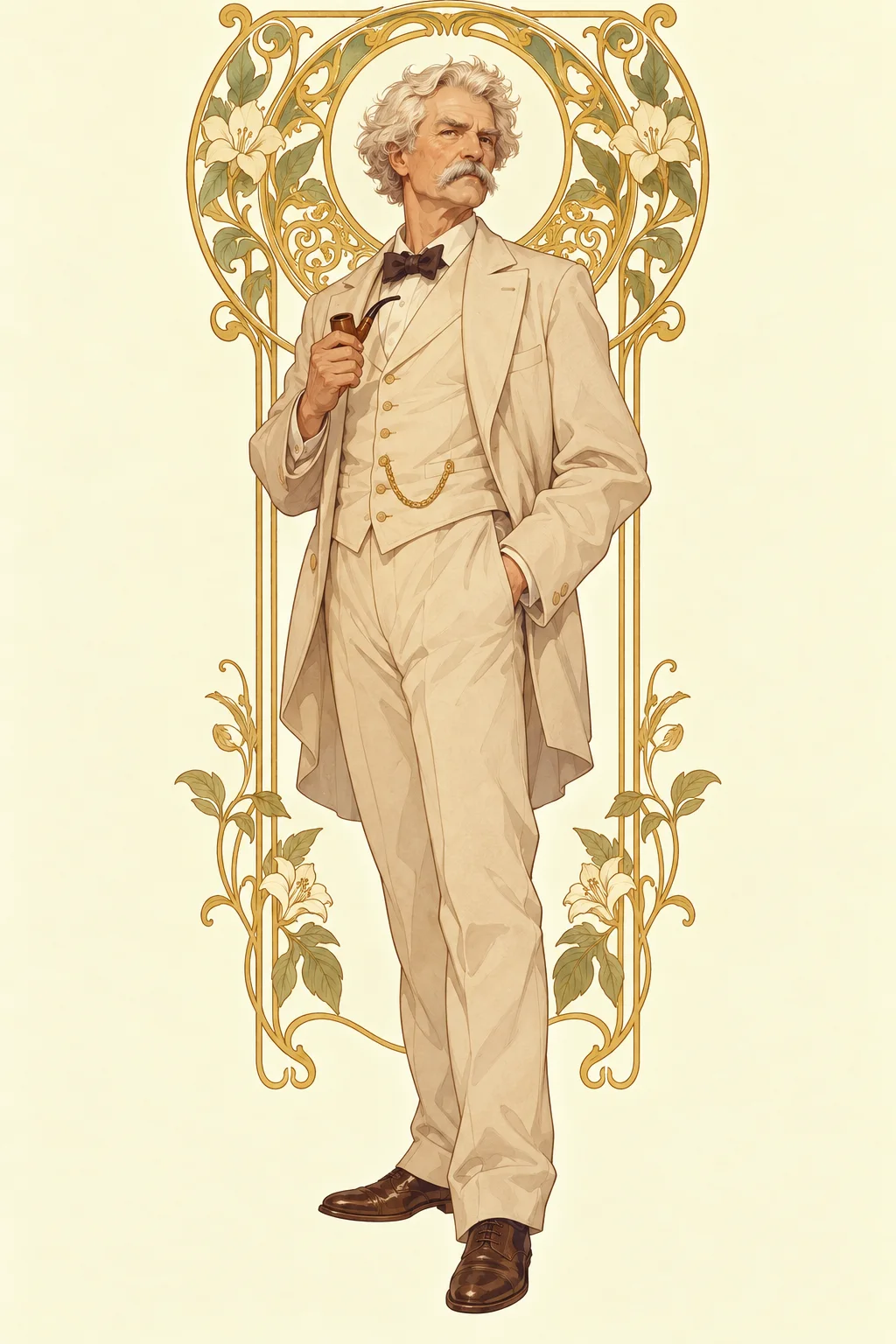 United States · WriterMark TwainWith a common person's gaze and biting humor, he went on depicting the hypocrisy of society
Type attributions are informed speculation based on public information, not confirmed fact.
Map of group memberships
The Executive is one of 32 types, and also belongs to several groups of kindred natures. Here are the four main ones first — open a card to step into its own gallery room.
 Quadra (Values)Psi Quadra (Ψ)Civil Society
 Bouquet (Temperament)Linear-Assertive TemperamentMoves the world toward how it ought to be
 Club (Interest)Practical Management ClubBearers of practice and order
 Motivation (Stimulus Group)Status Stimulus GroupSeeks power, influence, and status
See all groupings (25 more)
 Communication StyleBusiness-likeRelating through shared activity
 Behavioral StyleMethodologistLands results through efficiency
 Argumentation StyleArchitectBuilds through argument and consistency
 Perception GroupOrderlinessSets rank and distributes by tradition
 Cognitive StyleVortical-SynergeticDiscovers the essence through trial and error
 Romance (View of Love)HomemakerFills the home with warmth
 Stress ToleranceTrainedTurning blows into nourishment while keeping one’s frame
 Socialization GroupConstructorFinding a mission in long-term construction
 Inflation RingEnergy AccumulatorStoring energy and putting it into practice
 Project GroupConcrete ResultsTurns plans into form at once
 Implementation GroupTechnology IntroductionSending promising technology into production
 Square (Rest)GuildsmanThe artisan folk
 Business Square (Collaboration)EdenA paradise of hospitality
 Octad (Cross-Value Group)ForgeBuilding structure from zero
 Reactor (Excitation Group)RadianceRadiating excitation outward
 MobilizationExtractionFlexibly drawing out the essence
 Conditioning (Adjustment Group)Warm-upWarming and activating emotion
 LabyrinthAcropolisWhere vision and implementation cross
 Block Group (Extinguishing Group)CreedRaising a principle high and setting it as discipline
 Social Progress Ring (SPR)ReflectionThe ring of moonlit contemplation
 Supervision Ring (SVR)EchoA resonating cultural sphere
 Social Order Ring (SOR)LeviathanA mechanism that embodies collective intelligence
 Succession Ring (SR)HeritageThe people’s gradual succession
 Benefit Ring (BR)FestaThe people’s public festival
 Master Ring (MR)MelosA melody in which all resound together
Open the full, love and business editions

- The blueprint of your mind (8 blocks)
- Six ways to recover from stumbles
- A situation-by-situation guide (6 situations)
- The reasoning behind the celebrity picks

- What your heart longs for / What excites you / Your landmines
- Classic love scenarios
- Chemistry by partner (all 32 types)
- At home and as a parent / A practical playbook

- Natural strengths / Work better avoided
- Work style / Management
- Industry fit ◎○△ (23 industries)
- Suitable roles
Save $24.98 compared with buying the three separately