
SEE-D – Politician –
A born leader who reads hearts and rallies the current
You are someone who reads the balance of power in a room, and people's true feelings, in an instant.
Rather than logic or appearances, you rely on the reality you've seen with your own eyes and on how people's hearts move.
When the decisive moment comes, you step forward without hesitation and bring people together.
- Quadra
- Omega Ω
- Bouquet
- Flexible-Maneuvering temperament
- Club
- Social
Portrait — the Politician
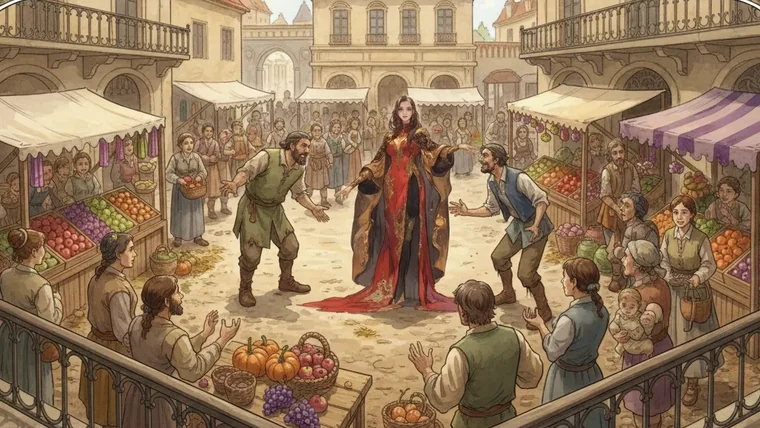
The Politician has a natural sharpness for reading people's true feelings. Who wants what, who is connected to whom, where the initiative in this room lies right now — the moment they stand in a place where people gather, that map appears to them on its own. And it doesn't stop at seeing. At the decisive moment they step forward without hesitation, gather the flow of the room, and move people. In the student council, in a club, at work, before they know it they're standing at the center of the circle. They are a born leader.
What they rely on is not logic or appearances, but the real dynamics they've confirmed with their own eyes and the movements of the human heart. They keenly read the mood of the world and the currents of the times, and judge "which flow to ride right now." To those they recognize as their own they show clear loyalty and responsibility, and they protect their allies with everything they have. That the line between friend and foe is so clear is not coldness, but a sign of how seriously they take the bonds they've taken on.
Motionless stagnation doesn't suit them. If the room is deadlocked, they stir up a wind themselves; if chaos breaks out, they roll up their sleeves and set about settling it. The more tense the situation, the sharper their mind; they pin down priorities and act at once. The nerve that others rely on in a crisis is one of this type's great strengths.
What they seek is a stage where their instinct for the contest and their eye for people can come fully alive, and a sure outlook that lights the way ahead. No one beats them at reading the flow in front of them, but when it comes to the distant picture or a store of knowledge, they feel a little unsure. It is beside someone who quietly reads ahead and shares their wisdom that the Politician's power to unite people's hearts shows most richly.
Not logic or appearances, but the power dynamics and the hearts you can see right now.
Does this sound like you?
- Even with people you've just met, you can somehow tell who's on your side and who isn't.
- Once you decide "this is my person," you stand by them to the end, gain or loss aside.
- Before you know it, you've been left in charge of pulling the group together.
- You know what's in fashion right now without even trying.
- The moment you think "we can win this," you step forward without hesitation.
- When your hard work goes unrewarded, you say so plainly.
- When peaceful days with nothing happening drag on, you actually get restless.
- You never forget the sting of losing.
- When a relationship stops working, you don't let it drag on.
- You're more particular than most about grooming and never leaving an opening.

How you move

The Politician's conduct is supported by an eye that reads the flow of the room and an explosive quickness at the decisive moment.
The first thing the Politician's conduct conveys is presence. A dignified bearing, an unhesitating way of speaking, a steady gaze — just by entering the room, the atmosphere shifts a little. Even without their meaning to, people naturally follow this person's movements with their eyes and look to them for judgment. The rhythm of their action is a straight line aimed directly at results. To anything they judge “this can be won,” they move at once, with everything. Rather than spending time on preparation, they first take the initiative and shape things while keeping them in motion — persistent as long as there is a prospect of success, and cleanly switching course once that prospect is gone. That speed of judgment is the Politician's driving force. At the same time, they hold clear standards for their own grooming and surroundings. Sensitive to cleanliness and to being “without a gap” in appearance, they hate having the initiative over their own life — their own time, their own rest — encroached upon. Bold as they seem, when it comes to managing the parts that bear on the contest, no one keeps things more thoroughly in order.
Not appearances, but where the contest is heading.
- Moves at once, with everything, on judging "this can be won"
- Takes the initiative before the preparation, shaping things while in motion
- Holds clear standards for grooming and for control over their own life
Given a place where you have discretion, your judgment and drive stand out above anyone's.
How you speak and listen

The Politician's dialogue is marked by persuasive assertion and a delicate sense for taking the temperature of the heart.
There is force in the way they speak. They lend weight to their own words and take on the mood of the room as they talk — measuring where the listeners' hearts lie and choosing words that resonate. Skilled too at building persuasion by drawing on topical themes and the words of trusted figures, before you know it the room's consensus has drifted their way. Their management of the temperature of relationships is deliberate and delicate. How close to be with whom, where to keep distance — they gauge the optimal distance for each person and tune how they show emotion to fit the setting. It can look theatrical, but at the root lies a realistic sense of wanting “to make the relationship a fruitful one.” They have the flexibility to welcome back even someone with whom things once soured, once circumstances change. That said, they are sensitive to having their loyalty doubted. When someone they have engaged with in earnest doubts their motives, their heart is stirred violently — beneath the strength that yields no ground in an exchange of words lies a straightforward feeling: “I do not want the bonds I believed in to be taken lightly.”
Putting weight behind your words and drawing the room toward agreement.
What lies at the core — drive and tender spots
Not theory, but whether people actually move.
The one unstoppable engine within the heart
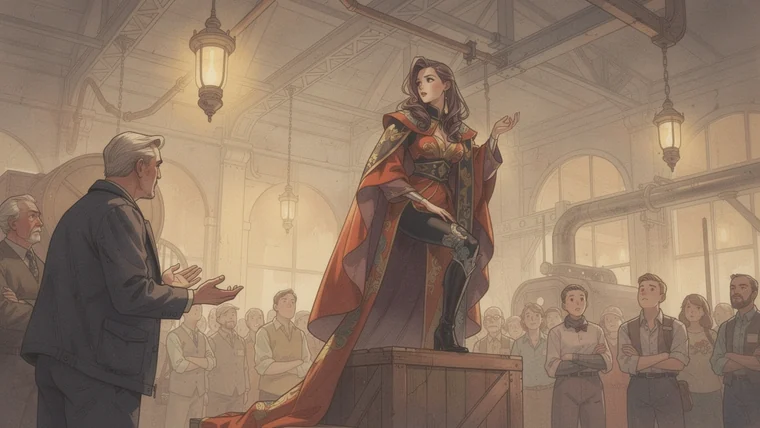
At the Politician's center are the will to seize the winning moment and an eye that reads and moves the human heart.
At the Politician's center are two combined powers. One is the power to discern the decisive moment and go for the initiative (-Se-p) — instantly reading the flow of power dynamics, judging “should I push now, or pull back,” and stepping forward without hesitation at the crucial scene. Even from a defensive position they seize the moment and turn all at once to the attack — the sharpness of that switch stands out even among the 32 types. Onto this a second power overlaps. The power to read people's true feelings and motives and to move their hearts (+Fi-c) — seeing through “what does this person want” and “how can I get them to act willingly,” and working on the inner bonds of trust and obligation. Pushing alone does not move people — because they are versed in the subtleties of the heart, the Politician's initiative lasts. The will to seize the winning moment and the eye that reads the human heart — together, “the human heart and authority.” The name “Politician,” who unites people's hearts and sets the order of a place, comes from here. When this eye and this nerve are fully at work, the Politician is at their most alive.
What they can do, yet do not prize

It may come as a surprise, but the Politician is in fact quite capable of lighting a fire in people's hearts with passion, and of tending to others with attentive care. The latent power to heat a room like an orator, and to support people with fine attention — these are, in truth, considerable. Yet they themselves place no weight there. More than the speaking passionately itself, their attention turns to “people actually moving as a result”; more than the caring itself, to “the relationship becoming firm.” So although they do not even think they are “doing it,” in unguarded moments they stir people's hearts, and before they know it they are cherished for their attentiveness — this is one of the keys to understanding the Politician.
What the heart secretly craves
What they secretly long for is the wisdom to read ahead and a store of knowledge.
What the Politician who gathers the currents finds hard to produce on their own, and yet longs for more deeply than anyone — is the farsighted eye that quietly reads “what could happen next” and an accumulated store of knowledge and skill. Second to none in instinct for the contest before them, they suddenly grow uneasy when it comes to reading distant risks or backing things with systematic knowledge. That is why they feel deep trust and ease toward someone who gently teaches them of the dangers ahead and grants sure wisdom — the Politician's instinct for the contest reaches farthest of all beside someone who quietly reads what lies ahead.
The most fragile place
Where the Politician is most fragile is in accompanying the precise inspection of logic and the toying with hypotheses.
Most fragile is the work of verifying logical consistency one point at a time (-Ti-p). Pressed precisely with “is the definition exact,” “is this reasoning wholly coherent,” the Politician — who has judged within the flow of reality — feels a suffocation, as if the ground has been taken from under them. Because they are someone who has lived by whether people actually move, rather than by the correctness of logic. The other is kneading over hypotheses that float in the air (+Ne-c). Thought experiments of “suppose it were like this” or “what if we deliberately assumed a different premise” exhaust them to the core. The Politician's certainty is rooted in the experience of watching the dynamics of reality and the human heart — they cannot take root in possibilities on paper. This is less a flaw than the reverse side of their on-the-ground sharpness. The verification of logic and the exploration of hypotheses can safely be left to those who are good at them.

- Core: the will to seize the winning moment, and an eye that reads and moves people's hearts
- What drives you: a path of real gain, where results lead straight to position and recognition
- Where you're fragile: precise verification of logic, hypotheses floating in the air
Strengths, and where you stumble
Someone who reads ahead and shares their wisdom.
Strengths — Test, seize, break through
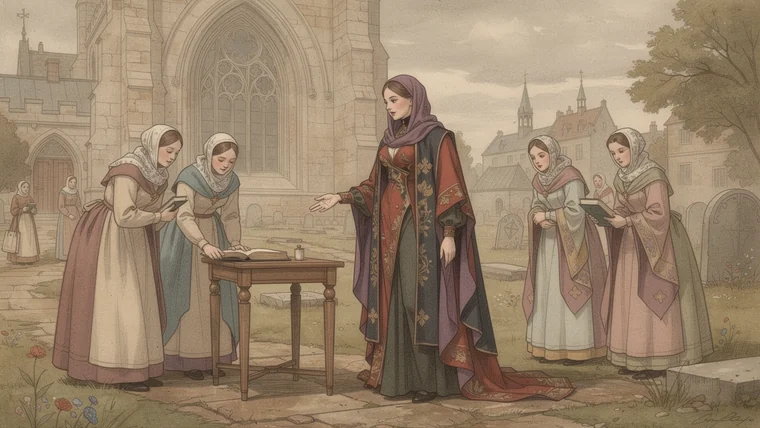
The Politician's strength is on-the-ground power that unites people and produces results. They instantly discern who holds influence in a team and whom to team up with, and move things without disturbing the room. They can act on a superior's intent, “grasping it without being told,” and once a clear goal is shown, they head for results by the shortest path — never wavering in judging priorities, most dependable in a crisis. And with appearance and bearing groomed as a “trusted adult,” they naturally become the core of trust within an organization. The allies they take on, they protect to the end — that loyalty is the foundation of their standing.
Where they tend to stumble
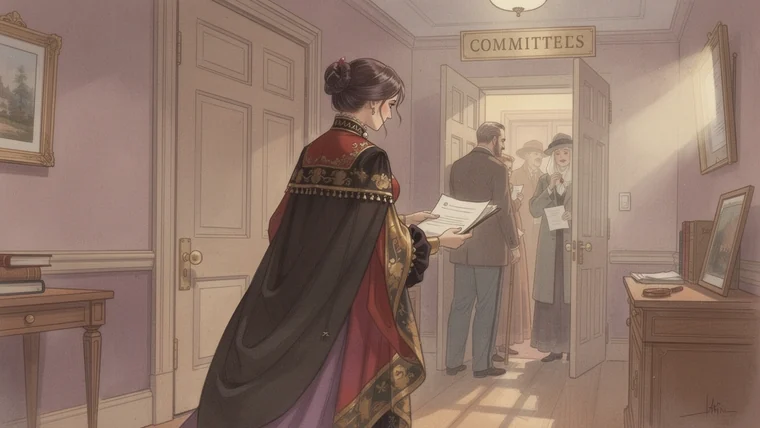
Where they stumble is the flip side of that strength in the contest.
Where they stumble is the flip side of that strength in the contest. Because their trust in a “winning pattern” is strong, they tend to be cautious about switching to new methods, and their adaptation to change can lag. When their drive for the initiative shows too strongly, it can look like high-handedness and breed conflict. And in their haste for results, there are moments when they fail to notice the load on the people who support the process. Their emotional swings are large, and that those waves spread easily across the whole room is something worth being aware of. They are a type for whom losses and mortification linger long in memory — yet that very chagrin has surely been the fuel for the next contest. Because they have a sharp eye and a strong heart, their behavior can look large — simply knowing this makes relationships with those around them far easier.
The outlook shown by someone you trust moves you deeply — and you can take it further with your own judgment. That's where your room to grow lies.
- When in doubt, first write down three things: the goal, the deadline, and the conditions you won't give up
- When grilled on logic, don't hit back emotionally — take time to check only the facts
- For work that takes time to show results, estimate the distance in advance
Where you thrive
"Accomplish this, and you gain this position" — those words are all you need.
Environments Where They Thrive
The Politician performs at their best in an environment where they can decide at their own discretion and where there is competition and negotiation. A clear goal and an active field — there they show outstanding drive and judgment. Conversely, a position without authority, or work bound by procedure with no discretion, is a major source of stress. What they seek is not vague encouragement but a visible path of real gain, where results connect straight to position and reward. “Accomplish this, and you gain this standing” — when that is in sight, the Politician keeps moving more powerfully than anyone.
As a field commander
Concretely, roles that call for maneuvering and decision suit them. Work that stands at the front in decisive moments — external negotiation and liaison, or a sales-command role that closes big deals. Work that reads people's motives and the currents of public opinion, like HR strategy or PR. As the operations lead of a large-scale event, the command of crisis response, the field of politics and administration — it is in the role of “command tower” that mobilizes people and steers an organization that the Politician's eye and nerve come most richly alive.
Dialogue — ask Claudia

One free dialogue · Le Salon members can explore several perspectives. Not a real person: a representative perspective based on the public profile.
Relationships and love
The balance of power, and where true feelings lie.
Love — Honoring freedom, opening the future together
The Politician's love is a bond of loyalty that protects the chosen one with everything.
The Politician's love is clear-cut. The one they have set their heart on is “my own person” — as strategic as anyone in the game of maneuvering, yet their loyalty to the chosen one is single-minded and unshakable. Hard to sway with surface flattery or romantic staging, they are moved deeply by sincerity and the power to act. What they seek is an equal, sure partnership in which the two recognize each other and build the future together.
[Women] A woman clad in commanding presence and sure confidence. Her attire is simple and fine — like purposeful “battle dress,” she keeps a flawless beauty without a gap. In love she seeks a partner who firmly acknowledges and respects her. Sensitive to flattery, it is sincerity and the power to act that reach her heart. Once she opens her heart her loyalty runs deep, and she becomes her partner's unshakable ally. At home she runs daily life as a dependable command tower, and while showing her children clear rules and expectations, she nurtures in them the independence to carve out their own path by their own power.
[Men] A man endowed with charisma and composure, who draws people to him naturally. In love he clearly distinguishes ideal from reality and treasures only “relationships he can trust.” Cool toward feigned passion, he seeks in a partner a bond as “someone with whom to design the future together and share the results.” At home he takes on outside negotiations and major decisions as the one in command, stabilizing life through rules and a division of roles — and since responding to the subtleties of emotion is not his strength, small efforts to put his feelings into words deepen the bond all the more.
How You Love — A Tenderness That Holds Them Close
Your way of loving is a “protective, enfolding tenderness” formed by Force Sensing (Se) and Relational Ethics (Fi) working together. From the moment you fall for someone, they are already “your person” — you close the distance, step into their life, and solve their troubles by moving yourself. You show love through action rather than words: for you, clearing away obstacles for your partner, giving them what they need, and providing them a place to belong is what “I love you” means. If, say, you learn someone has slighted your partner, you quietly but surely place yourself between them. Once you have decided on the one person you must protect, you have not a shred of hesitation about staying their ally.
Compatibility — recommended partners
 Critic
 ILI-QThe insightful Critic who sees through contradictions in the depths of silenceDualityLights the outlook of the contest with foresight and a store of knowledge Artist
 SLI-QGiving form to the “just-rightness” of nature and daily lifeIllusionaryMore indirect than Duality, yet warm trust and ease pass between them Dreamer
 IEI-QA teller of fantasies who colors the world with dreams and passionSemi-dualityGives the warm, nostalgic reassurance of belonging Commander
 LIE-QBuild, prepare, hold the line — the command center of orderActivationWith practical scheming and the branching of what lies ahead, their movement catches fire Administrator
 LSE-QThe hands-on command post that keeps the field running and moves people and workBenefactorFor this person's sake, you naturally want to lend your strength Mentor
 EIE-QA passionate standard-bearer who speaks of ideals and binds hearts togetherBeneficiaryWith this person, you naturally receive a sense of fulfillment Guardian
 ESI-DA silent shield that protects people, with rightness at its backMirrorSame direction, different method. They sharpen each other's eye for uniting people Empath
 EII-DSensing what lies beneath feeling, and becoming someone's quiet supportSupervisor (mirror)You can't help wanting to teach, like a master Enforcer
 LSI-DThe steel operator who carries out the mission through discipline and responsibilitySupervisee (mirror)From this person, you can't help receiving and learningSee the other relationships (22 more types)
The upper bands are easier to be with; the lower bands tend to wear you down. Tap a relation name to read about the pair.
 Conqueror
 SLE-DA dependable field general who only burns brighter the harder things getKindredA partner whose conversation flows easily, someone who likes to express things in the same direction as you. It can wear you out once it turns competitive. Promoter
 IEE-DMoving the world through fascination — an evangelist of ideasBusinessA partner you can easily work alongside, adapting to the situation together.
SEE-QA natural orchestrator who reads the room and guides people toward reconciliationAdaptiveA partner you settle into by simply playing your roles, an easy, unremarkable relationship. Strategist
 ILI-DThe contemplative Strategist who quietly reads ahead and lays the groundworkDetachedA partner who's hard to feel drawn to, leading to a rather flat, low-key relationship. Pioneer
 LIE-DCarving the way through results — the realist's frontierRelaxationA partner who puts you at ease, though you tend to end up waiting on them with quiet expectation. Judge
Judge ESI-QThe quiet arbiter who discerns right from wrongCodependencyA partner who wears you down little by little, caught in a cycle of bottling things up and overcompensating. Harmonizer
 ESE-QTheir smile and their voice soften the space around themTranscendenceA partner who makes you want to surpass yourself when you're together, pushing each other to grow. The Architect
 LII-DThe architecture of logic, quietly built up piece by pieceCorrectionA partner whose feedback becomes a chance to take stock of yourself. Visionary
 ILE-DThe architect of ideas who reinvents the world through paradox and theoryIdealA partner who naturally embodies what you aspire to be, easy to admire. Getting too close tires you out. Performer
 SEI-QA gentle conveyor who gives form to sensation and feelingCompassA partner who gives you a sense of being accepted, along with a hint of which direction to move in. Advisor
 IEE-QOne who quietly draws near and listens to the heartFormalA relationship where formality and appearances pile up, and it's hard to ever fully relax. Craftsman
 SLI-DThe artisan who sets the world in order in the palm of his handTediumA partner who leaves you feeling sluggish, prone to putting things off and keeping your distance. Executive
 LSE-DSet it in order, get it moving, see it throughTense BenefactorA partner around whom you tend to try too hard, unable to shake off the tension. Philosopher
 EII-QOne who, in the stillness, keeps questioning the meaning of the worldSupervisorA relationship where you tend to unsettle the other person without ever realizing it. Reformer
 SLE-QAn executor who breaks through by force and rewrites conventionDutyA partner who leaves you understanding what to do yet unable to act on it, while your need to be recognized grows stronger. Prophet
 IEI-DAn eye that gazes upon a destiny no one has yet noticedDistrustA partner you can't quite bring yourself to trust, which makes it hard to show your own strength. Hero
Hero EIE-DIt is this conviction that changes the worldTense BeneficiaryA partner who leaves you worrying and overthinking, prone to closing your heart off. Inspector
 LSI-QThe logician who strips away pretense and sees through to the truthPlayerA partner around whom you constantly feel watched, prone to leaving you burned out. Seeker
 ILE-QAn intellectual adventurer who unravels the worldRoleA relationship where "you should" comes first, making it hard to just be yourself. Peacemaker
 SEI-DA bridge between sensation and compassionDistanceA partner who makes you want to keep your distance and close your heart off. Enthusiast
 ESE-DThe cheerful flame that sets the world ablaze with feelingQuasi-IdentityA partner who looks similar to you yet never quite clicks, leaving you spinning your wheels and worn out. Analyst
 LII-QFrom the quiet of the desk, reassembling the worldConflictThe partner most likely to strike your weakest point, the one relationship that drains you the most.Compatibility is not decided by type alone; maturity, subtype and circumstances all change it.
With someone you are connected to, you can read a personal Relationship Reading drawn from both of your answers ($8.99 per pair, unlimited for Le Salon members).
See compatibility with your connections →Explore Le Salon →
What You Truly Long For
What you truly long for, deep down, is a partner with the power to read flow and timing. Because you live this moment at full force, the outlook ahead is hard to grasp on your own…
In the Love Edition: What your heart longs for / What excites you / Where you clash and your landmines / Classic love scenarios / Chemistry by partner, all 32 types named / At home and as a parent / A practical playbook / Secrets to lasting love / A manual for your partner
Work and ways of working

Your Working Style — Frontline Breakthrough
You naturally excel in two main ways: taking charge of the situation, acting fast, and getting results; and staying close to each person and building trust.
Your interest turns toward connecting with people and the pleasures of everyday life. Day to day, you're an improviser who moves on mood and inspiration, with big swings between going all out and slacking off.
With people, you show your likes and dislikes clearly, and you're emotionally expressive and sociable. When you act, you value relationships and trust, and when you bring things together, you smooth out the relationships involved.
An eye for bringing people together, and snap decisions that settle the contest.
- Before you set off, lock in just three things: the goal, the deadline, and the conditions you won't give up
- Secure a partner who's strong with numbers, and firm up your supporting materials before you go in
- Don't mistake a good mood in the room for "we have agreement" — confirm it in writing
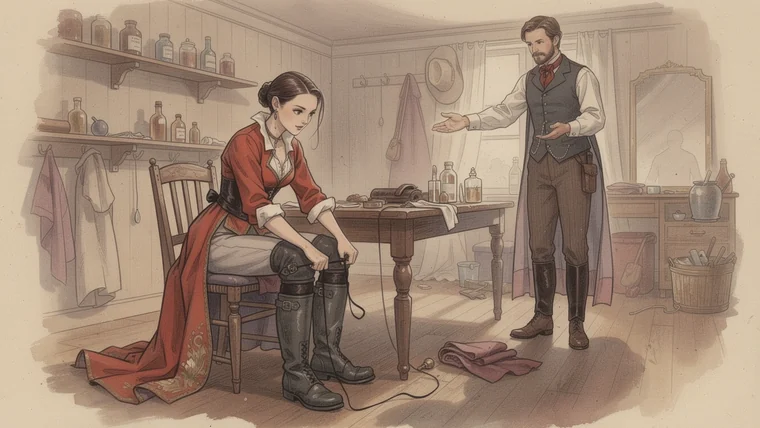
Careers That Fit
Your knack for negotiation and your decisiveness come straight into play, letting you step forward at the crucial moment and close the deal.
The more tense the situation, the clearer your head. You can pin down priorities and act immediately.
Your ability to read people's true feelings and wishes turns into hospitality that goes beyond expectations.
Your Strengths, and Work Better Avoided
Your strength lies in the combination of breakthrough power that takes charge of the situation and gets results, and the ability to see through each person's motives and build trust. When it comes to moving a stalled project or a deadlocked negotiation…
In the Business Edition: Natural strengths / work better avoided, Stress tolerance and socialization group, Work style, Motivation and recharging, How to work with and manage this person, Compatibility and team-building, Industry fit ◎○△ across 23 industries with rationale, Suitable roles
Blueprint of the mind
Your mind runs on eight blocks. Each block carries two functions — how you take in the world, and how you express yourself — and together they set both the range you're skilled in and how much you actually value using it. We've kept the technical notation small and explained everything in plain language.
The will to seize the winning moment, and an eye that reads and moves people's hearts.
Leading Your centerI Know
-Se-pVictory & DominationVolitional sensing+Fi-cAttraction & FellowshipRelational ethicsYour foundation, first of all, is the power to recognize the decisive moment and go after the initiative. You judge "push now, or pull back," and when it counts, you step forward without hesitation.
Layered onto this is the power to read people's true feelings and motives and move their hearts. You work on the inner bonds of trust and obligation and get people moving willingly. Pushing alone doesn't move people. It's because you understand the subtleties of the heart that your hold on the initiative lasts.
Mirror — Picked up by watching
At the entry point sits a sincerity that keeps faith and does right by…
In the Full Portrait: all 8 blocks of the blueprint / 6 ways back / situational guide / the reasoning behind the exemplars
Going deeper — ways back and situational guide
On the flip side of that same core, these are the situations where you tend to stumble. After that, six ways to get back on your feet.
When you're precisely cross-examined — "is the definition exact," "is the reasoning consistent" — you feel a suffocation, as if the ground had been pulled out from under you.
Thought experiments that float in the air — "suppose, just hypothetically, it were like this" — exhaust you to the core.
You tend to be cautious about switching to new methods, and your adaptation to change can lag. When you push too hard, it can look high-handed and create conflict.
Wisdom that reads ahead gives your instinct for the contest a weight that lasts.
Way to Recover 1 — A Store of Knowledge Backs Your Authority
Your instinct for the contest and your eye for people's hearts are gifts. When systematic knowledge and a grounding in theory are added to them, your influence becomes far more unshakable…
In the Full Portrait: 6 ways back / situational guide (home, work, friends, under stress, shopping, days off)
People thought to share this type
Different eras, different countries — yet every one of them resonates on the same note: someone who unites people's hearts and establishes order.
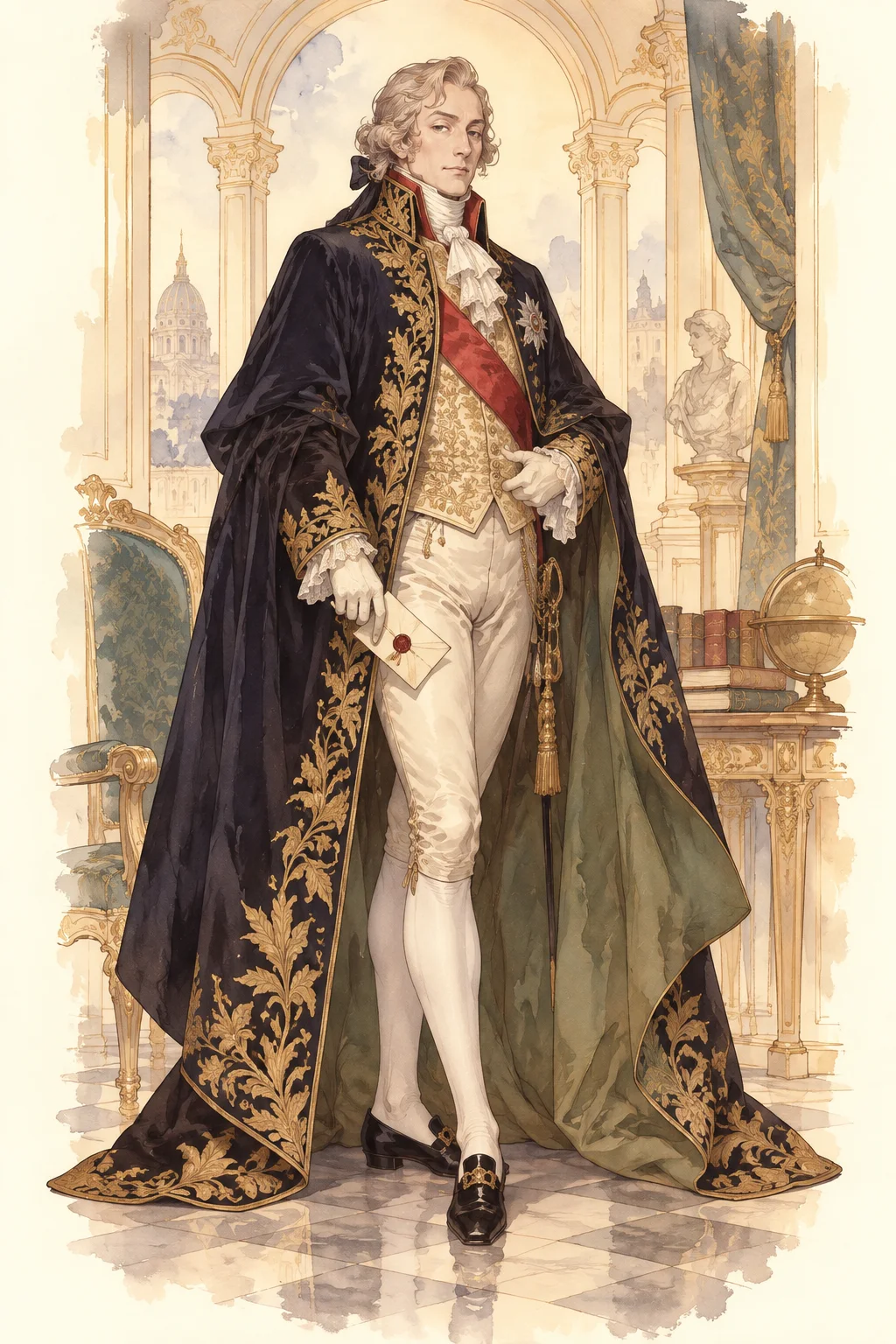 France · DiplomatTalleyrandA diplomatic genius who navigated five regimes and always kept the initiative in negotiations
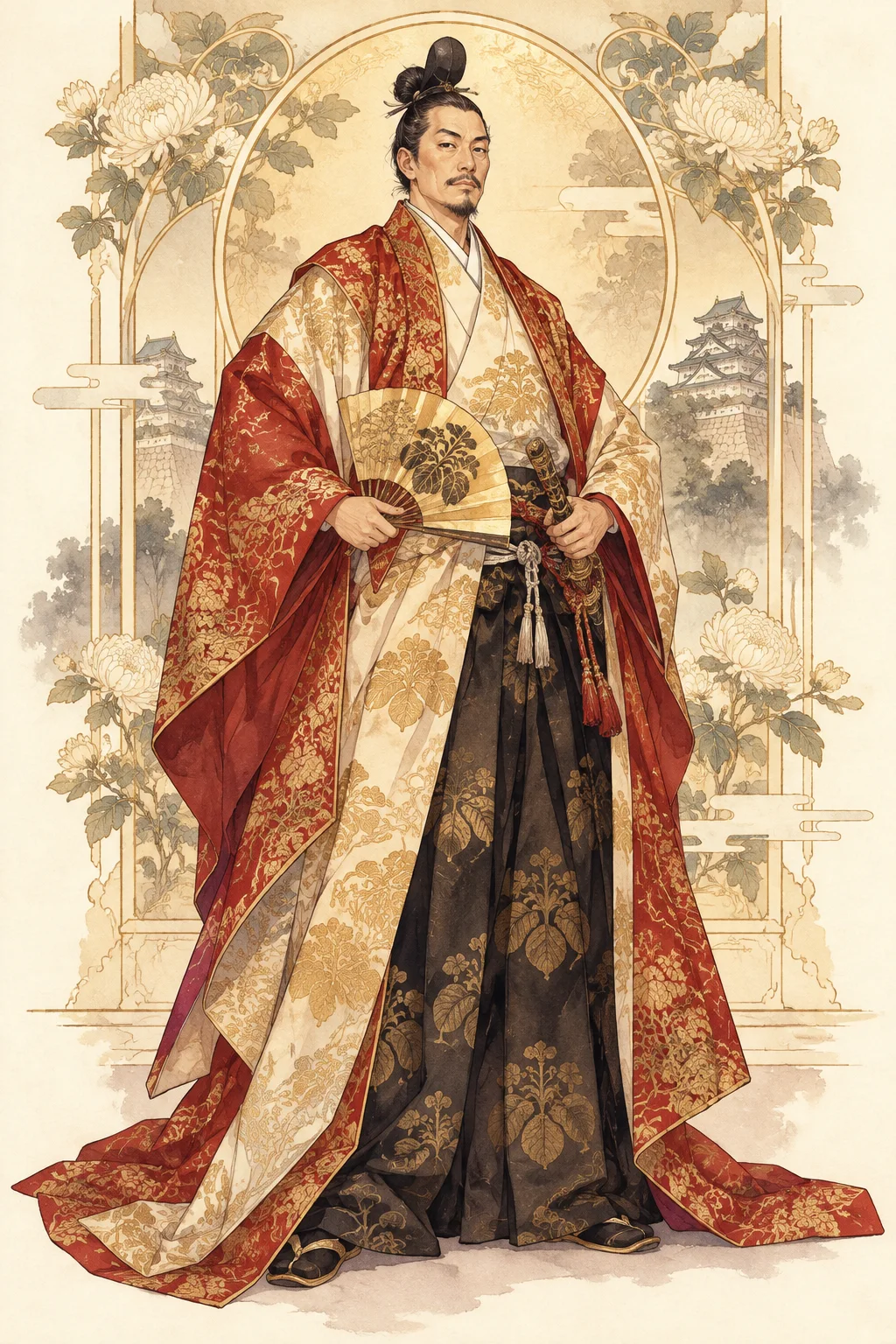 Japan · Unifier of the RealmToyotomi HideyoshiFrom foot soldier to ruler of the realm — he grasped people's hearts and rode the tides of his age to the summit
 China · EmperorWu ZetianChina's only female emperor — she read the hearts of people and established an unprecedented authority
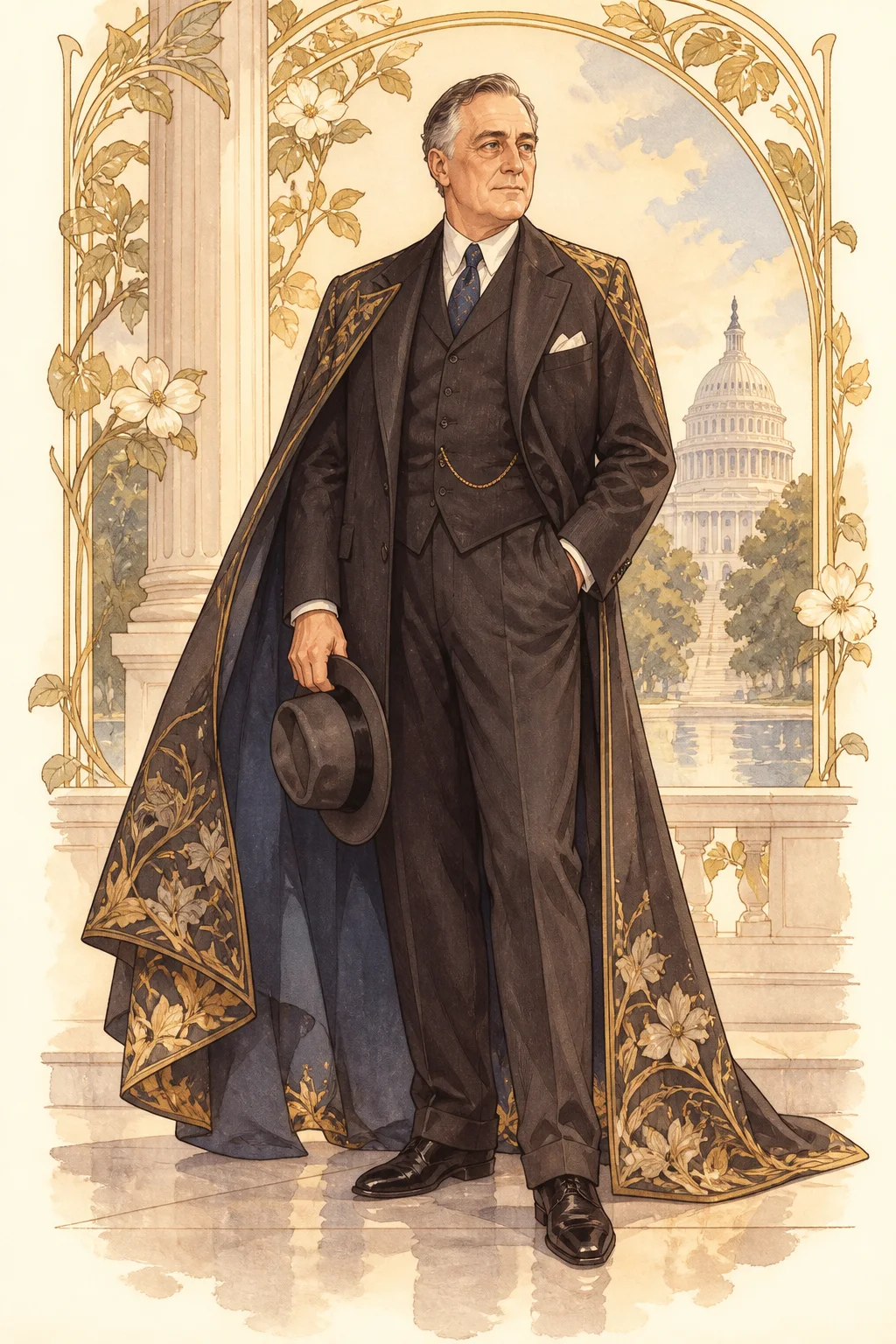 United States · PresidentFranklin D. RooseveltWith his fireside chats he bound the nation's heart and steered it through the Great Depression and the World War
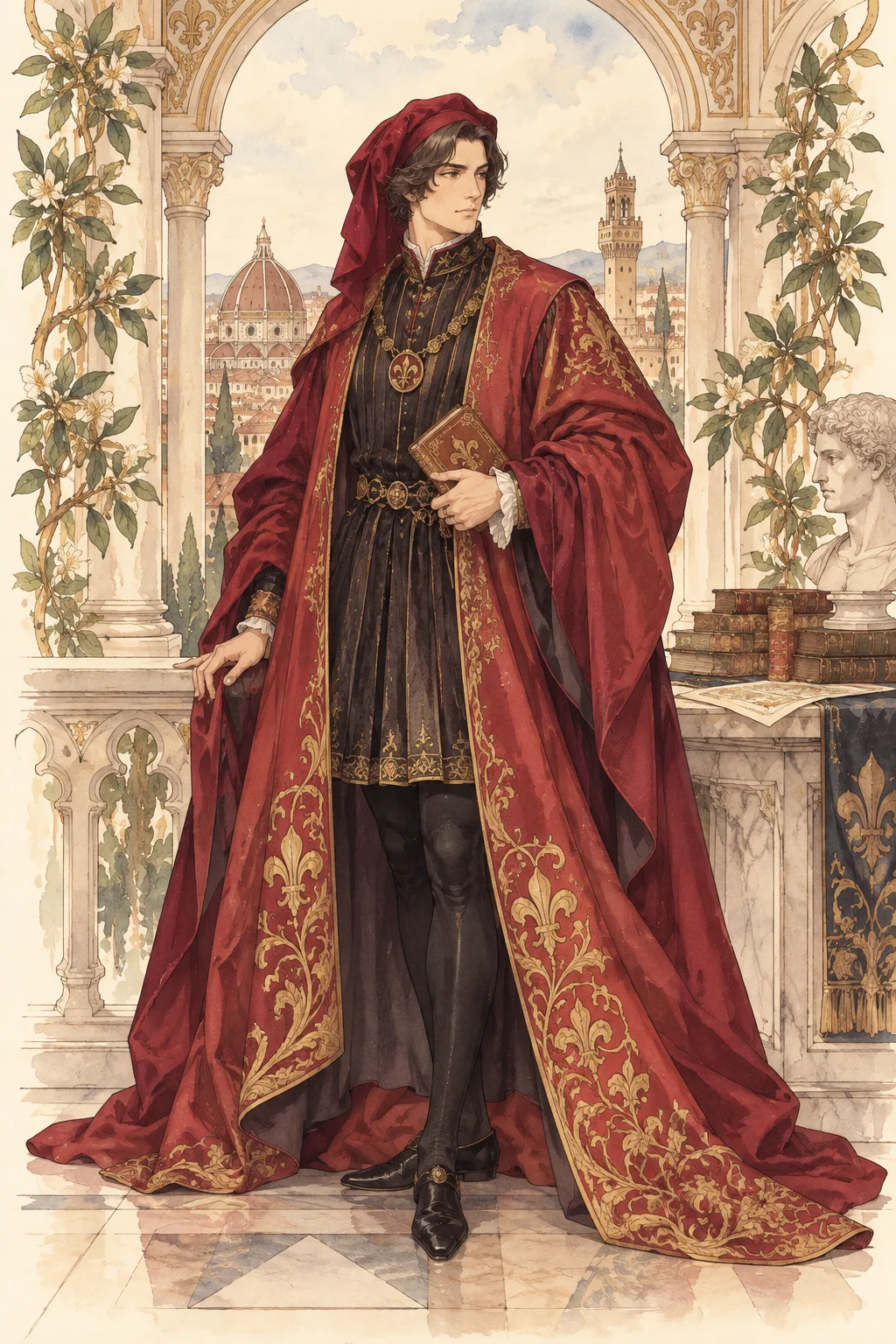 Italy · RulerLorenzo de' Medici'The needle of the Italian scale' — through charm and balance he made his city and its culture flourish
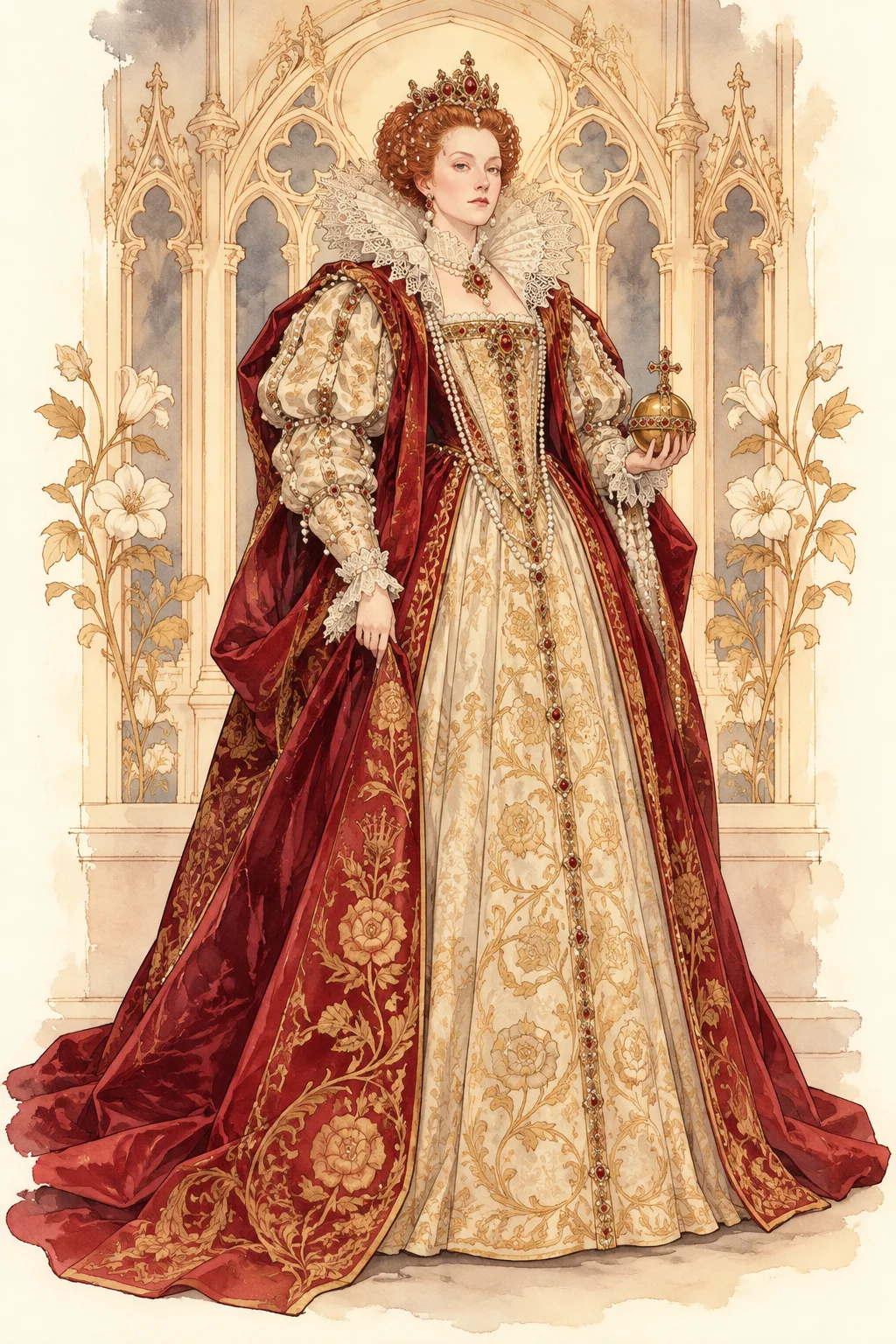 England · QueenElizabeth IThe Virgin Queen who mastered the factions and reigned for 45 years, fusing performance with reality
 Russia · EmpressCatherine the GreatShe seized the throne by coup and lifted Russia into a great power
 France · RegentCatherine de' MediciBehind her three royal sons, she sustained a France torn by wars of religion
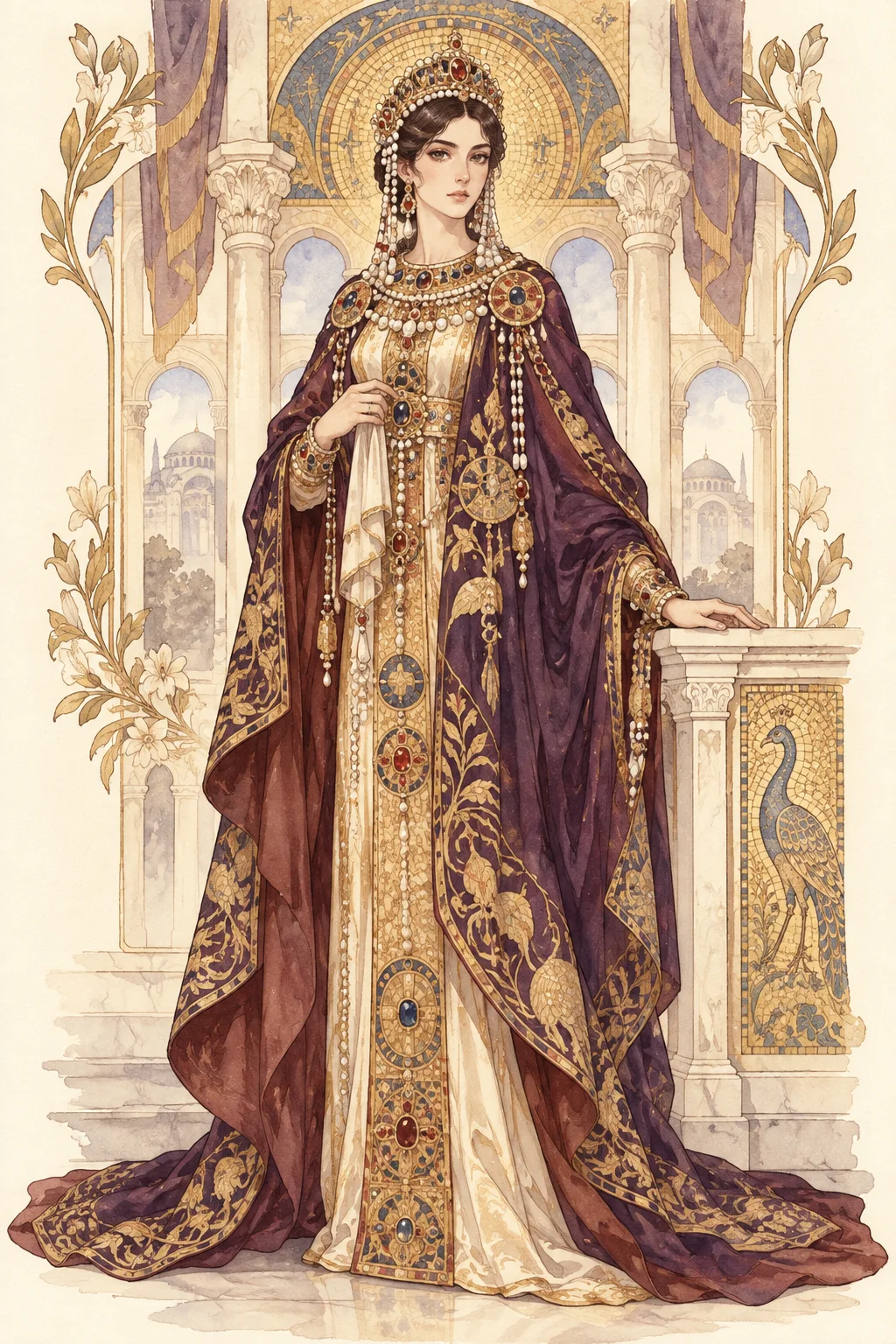 Byzantium · EmpressTheodoraWith a single line — 'let us stay here' — she saved the empire on the night of the revolt
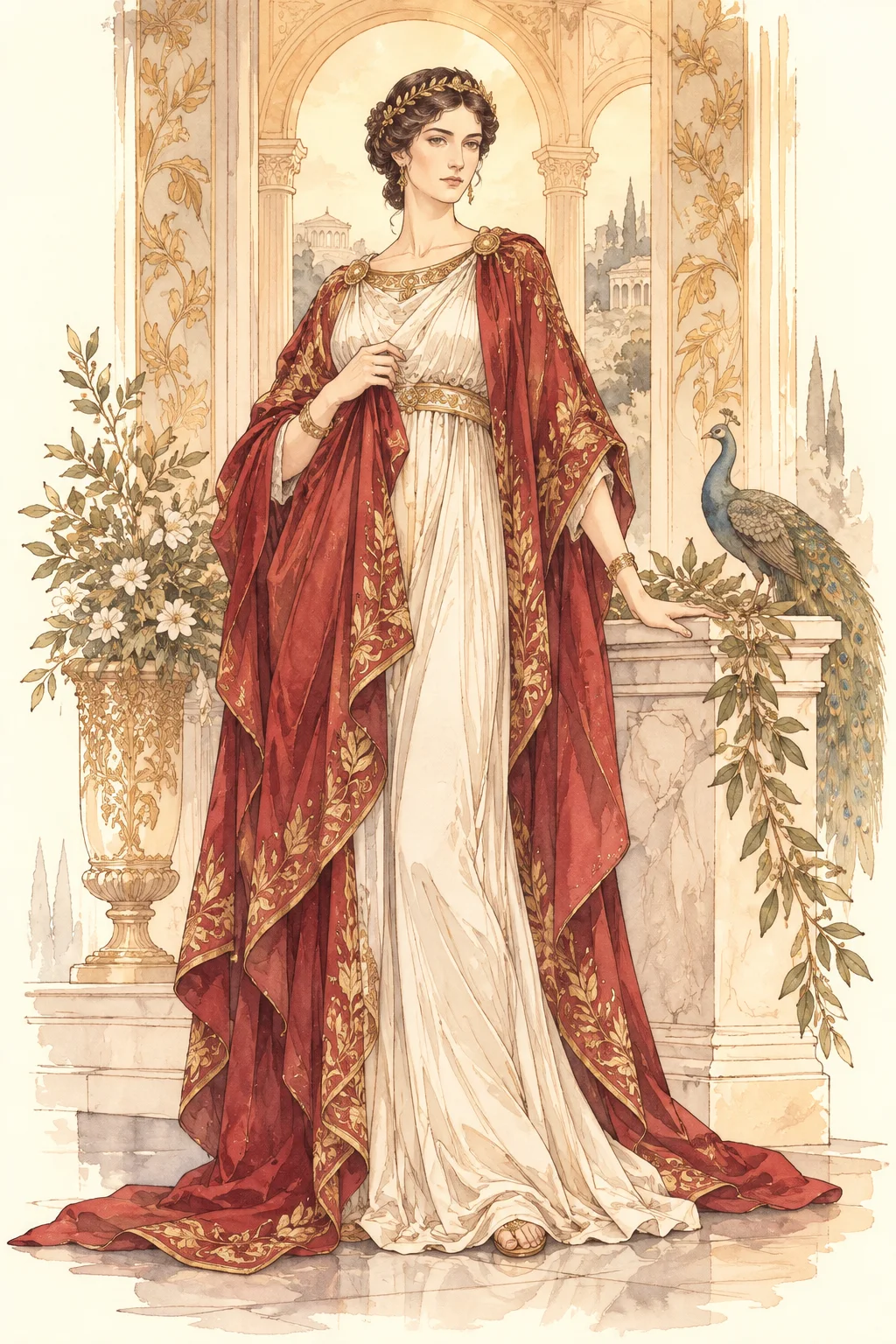 Rome · EmpressLivia Drusilla'Odysseus in a dress' — for half a century she built the empire's foundations from the shadows
Type attributions are informed speculation based on public information, not confirmed fact.
Map of group memberships
The Politician is one of 32 types, and also belongs to several groups of kindred natures. Here are the four main ones first — open a card to step into its own gallery room.
 Quadra (Values)Omega Quadra (Ω)Elitism
 Bouquet (Temperament)Flexible-Maneuvering TemperamentSeizing opportunity and springing into motion
 Club (Interest)Social ClubPeople who weave life and ties together
 Motivation (Stimulus Group)Status Stimulus GroupSeeks power, influence, and status
See all groupings (25 more)
 Communication StylePassionWarming the atmosphere through emotion
 Behavioral StyleHarmonizerOrdering relationships through trust
 Argumentation StyleDiplomatReads the room and adjusts
 Perception GroupTactilityFeels things out by touch and sets them moving
 Cognitive StyleHolographic-PanoramicReading the whole by grasping many facets at once
 Romance (View of Love)OwnerPossesses the chosen one
 Stress ToleranceStrongCrouches low, then springs back
 Socialization GroupDiscernerReading the dynamics of relationships with cool detachment
 Inflation RingEnergy AccumulatorStoring energy and putting it into practice
 Project GroupConcrete ResultsTurns plans into form at once
 Implementation GroupIdeal IntroductionShaking up daily life with ideals
 Square (Rest)SovereignsThe reigning power-holders
 Business Square (Collaboration)OperativeCovert operatives
 Octad (Cross-Value Group)HeraldProclaims values and delivers them to the world
 Reactor (Excitation Group)EruptionErupting excitation outward
 MobilizationPolymerizationPolymerizing into long-term macromolecular structures
 Conditioning (Adjustment Group)ElevationElevating and sublimating emotion
 LabyrinthKnossosThe mysteries of knowledge and silent power
 Block Group (Extinguishing Group)ForumWhere inquiry and warmth gather
 Social Progress Ring (SPR)ReflectionThe ring of moonlit contemplation
 Supervision Ring (SVR)TheoriaA vantage that sees the whole at once
 Social Order Ring (SOR)LeviathanA mechanism that embodies collective intelligence
 Succession Ring (SR)DynastyThe bloodline's reclaiming of the throne
 Benefit Ring (BR)KaiserLeader of the new dynasty
 Master Ring (MR)GrandeurThe dynasty's magnificent institutions
Open the full, love and business editions
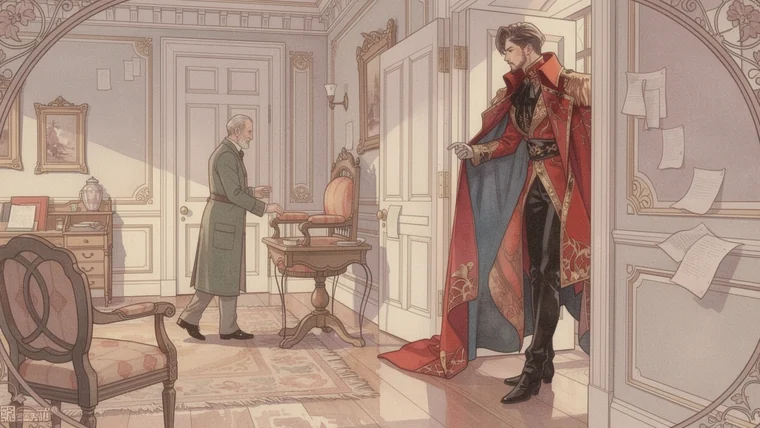
- The blueprint of your mind (8 blocks)
- Six ways to recover from stumbles
- A situation-by-situation guide (6 situations)
- The reasoning behind the celebrity picks
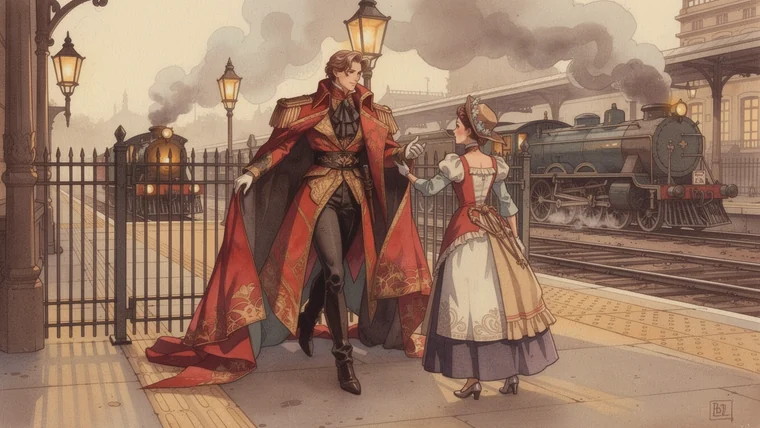
- What your heart longs for / What excites you / Your landmines
- Classic love scenarios
- Chemistry by partner (all 32 types)
- At home and as a parent / A practical playbook
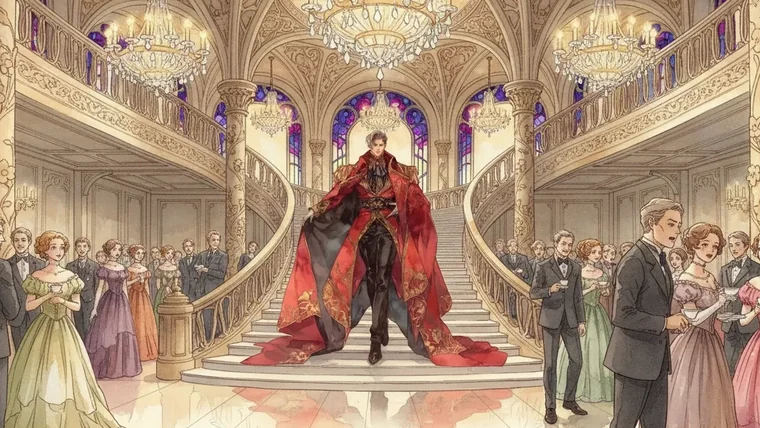
- Natural strengths / Work better avoided
- Work style / Management
- Industry fit ◎○△ (23 industries)
- Suitable roles
Save $24.98 compared with buying the three separately