
SEE-Q – Orchestrator –
A natural orchestrator who reads the room and guides people toward reconciliation
You are someone who feels the mood of a room, and how people are feeling, on your skin.
Rather than stiff logic, you rely on the atmosphere you sense in the moment and the warmth of people's hearts.
When the mood sinks, a single light word from you eases the room and guides people back toward making up.
- Quadra
- Gamma γ
- Bouquet
- Flexible-Maneuvering temperament
- Club
- Social
Portrait — the Orchestrator

The Orchestrator has a natural gift for reading the mood of a room. Who is feeling what right now, what this gathering is missing, how the whole space could be warmed — the moment they stand in a place where people gather, they feel those subtleties on their skin. And it doesn't stop at feeling. With a light word or an unobtrusive gesture they set the mood right, cheer up someone who has sunk low, and build bridges across strained relationships. In the classroom, at work, among friends, before they know it they've become the mood-maker of the room. They are a born orchestrator.
What they rely on is not stiff logic or titles, but the atmosphere they sense in the moment and the warmth of people's hearts. When someone is in trouble, they listen with real care; when a quarrel breaks out, they step in to mediate — "neither of you is at fault" — never casting anyone as the outright villain, and turning even conflict into a dramatic reconciliation. That soft ethical sense is the foundation of the trust people place in the Orchestrator.
Stagnation doesn't suit them. When a room grows stale, they stir up a bright breeze themselves, and the moment they notice "this would be so much better done this way," they get to work at once — but they never force it. They simply offer a hint for improvement and gently encourage the other person to want to act on their own. Not rushing the outcome, and enjoying the very process of working things out, is this person's strength.
What they seek is a stage where their sensitivity and their gift for orchestration can come fully alive, and the tangible sense of a hopeful future beyond it. No one beats them at reading the mood of the moment, but when it comes to seeing far ahead or a long-term vision that matures slowly, they feel a little unsure. It is beside someone who quietly shows them that "there is real hope at the end of this road" that the Orchestrator's power to warm a room shows most richly.
Not stiff logic, but the mood you feel right now and the warmth of people's hearts.
Does this sound like you?
- Even at a gathering of strangers, before you know it you're at the center of the circle, getting people laughing.
- In a quarrel, you make neither side the villain, and you manage to get them to make up.
- You're better at going with the vibe of the moment than following a tight plan.
- You spend more time on "setting the mood" with lighting and scent than on cleaning your room.
- When your mood is bright, the room brightens; when you sink, the room goes quiet.
- When criticized, you deflect it with a joke, but it actually hits you pretty hard.
- When someone fills your schedule without asking or limits your freedom, your enthusiasm cools in an instant.
- Monotonous tasks, rules, and reports are things you tend to put off.
- Rather than being tied to one relationship, you stay loosely connected with all kinds of people.
- The lower you feel, the more meeting people and getting moving helps you bounce back.
How you move

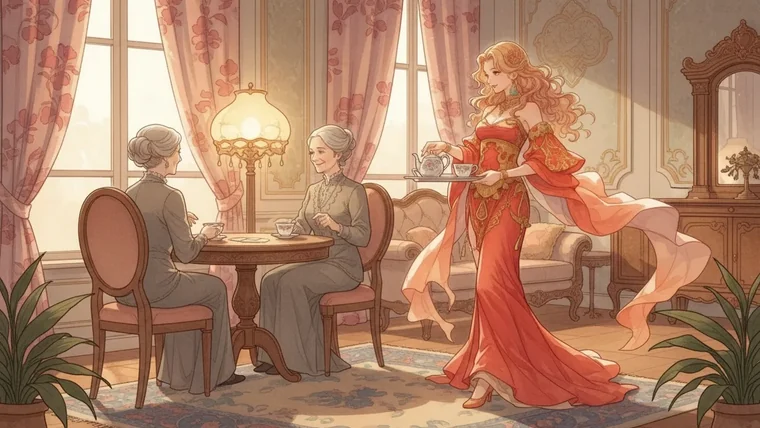
The Orchestrator's conduct is supported by a keen sensitivity for reading the room and a light, nimble footwork.
The first thing that comes across in how the Orchestrator behaves is approachability. A soft smile, a light gesture, a single word that eases the room — they put up no distance through titles, meeting everyone as an equal, at ease and unforced. Even when they make no special effort, people find the tension slipping away beside them and feel moved to speak their true feelings. Even at a gathering of strangers, before they know it they are at the center of the circle sparking laughter — you surely recognize such a scene. The rhythm of their action is improvisation and adaptability. When a problem arises, they immediately take up whatever improvement can be made on the spot. Rather than laying out a rigid plan, they ride the flow and find the best shape as they go — "let's just try it this way and see if it works" — that lightness is the Orchestrator's driving force. They can drift along with a sudden invitation, and changing plans is no burden. On the other hand, they have their moods, and monotonous tasks that offer no emotional payoff tend to get put off. And they are very honest about their own comfort and discomfort. More than tidying up a room, they lose themselves in "staging a mood" — the color of the lighting, the scent, the choice of music — the cleaning may be so-so, but they will pour time into crafting the atmosphere of a space. Burning the cooking or making a careless slip is an everyday occurrence. Even so, when it comes to the power to create a "warm, enjoyable space" that puts everyone present at ease, no one outdoes them. They treasure above all the open room to move freely, and they are also the kind of person whose enthusiasm cools in an instant once that freedom is encroached upon.
Not tight precision, but the flow of the moment.
- Starts right away on whatever improvement can be made on the spot when a problem comes up
- Rides the flow before making a plan, and finds the best shape
- Enthusiastic about staging comfort, but so-so about tidying up
Given a place with the freedom of being trusted, your adaptability and charm stand out above anyone's.
How you speak and listen

The Orchestrator's way of talking is marked by an improvisational skill that stays attuned to the mood of the room and a delicacy that gauges the warmth of the heart.
The Orchestrator enjoys conversation like an improvised stage. If someone is downcast they encourage them; if the mood is lively they spur it on themselves — reading the flow of the moment, they choose the gesture that will land best. Their assertions arise not from logic but naturally, out of feeling and the atmosphere of the moment. That is exactly why, when they are bound hand and foot by formalities and rules, they feel confined and irritated. Their power to convey emotion as "atmosphere" also stands out. When they are bright the whole room lightens; when they sink the air goes quiet too — their mood is contagious to the room. Yet that fluctuation does not last long: they have the flexibility to switch over in a moment and carry the room back toward the bright side once more. To criticism or being told what to do, rather than getting angry head-on, they deflect it with a joke or by changing the subject and let it slide. They smile as if to say, "that's not a matter of logic" — yet when someone steps into the deep places of their heart, they are surprisingly fragile. Even then, moving at once to right the mood themselves is characteristic of the Orchestrator.
Reading the room and choosing the words that land best.
What lies at the core — drive and tender spots
Not theory, but what the room needs right now.
The one unstoppable engine within the heart

At the Orchestrator's center lie a presence that draws a room in and the power to draw out true feelings and guide people toward reconciliation.
At the Orchestrator's center are two powers joined together. One is the power to draw people in, protect, and lead on the ground (+Se-p) — reading the mood and the balance of power in an instant, stepping forward at the decisive moment to reassure people and pull them along. The same force, yet used not to defeat but in the direction of "protecting and nurturing" — exercised to guard, to encourage, and to create a safe space: that is the Orchestrator's hallmark. Onto this a second power is layered: the power to ask after true feelings frankly and guide people to reconciliation (-Fi-c) — the instant they sense a faint change in someone's expression or tone of voice, they gently ask, "how do you really feel?" and lift the lid off pent-up emotion. With tears, laughter, or a single word of apology they detox the gloom, and in the end they land everyone at a point of reconciliation — turning even a quarrel into a dramatic making-up. A presence that draws people in, and the power to loosen out true feelings — together, "Collaboration & Fellowship." The name "Orchestrator" — who reads the room, moves people, and sets the mood right — comes from just this. When this sensitivity and improvisation are fully at work, the Orchestrator is at their most alive.
What they can do, yet do not prize

It may come as a surprise, but the Orchestrator is in truth quite skilled both at lifting people's hearts all at once with passion and at quietly calming an over-excited mood. The power to whip a room into a fever, and the power to cool an agitated atmosphere with a quip or a single breath — that latent power is, in fact, considerable. But they themselves place little weight on it. More than flashily stirring up emotion for its own sake, their attention turns toward "the room warming naturally"; more than deliberately calming the mood for its own sake, toward "everyone being able to feel at ease." So although they don't even think they are "doing" anything, at some casual moment they transform the mood of a room and, before anyone notices, have tuned the whole to just the right warmth — this is one of the keys to understanding the Orchestrator.
What the heart secretly craves
What they secretly seek is the outlook of a hopeful future.
The thing the room-warming Orchestrator finds hard to generate on their own, and yet longs for more deeply than anyone — is a long-range outlook on the future, one that quietly shows them that "there is a sure hope at the end of this road." While no one outdoes them at reading the mood of the present, when it comes to gazing slowly into the far distance or drawing up a vision that matures over time, they suddenly grow uncertain. That is exactly why they feel deep trust and ease beside a partner who gently lights the path ahead and points them toward the future — "it's all right, no need to rush; this is how it will grow." The Orchestrator's gift for improvisation reaches the farthest of all beside someone who quietly reads the future.
The most fragile place
The Orchestrator is most fragile when forced to observe formalities and procedures strictly.
What they are most fragile at is the work of observing rules and procedures without a hair's breadth of slack (+Ti-p). When they are held strictly to "exactly per the manual," "in line with the regulations," "never skip a report," the Orchestrator — who has always moved by the flow and feel of the moment — feels a suffocation, as if the ground had been pulled from under them. It is because they have lived by "what does the room need right now," more than by formal correctness. The other is holding down sudden change and simply, impassively, keeping things stable (-Ne-c). When all that is asked of them is to "make no waves, fly low," the Orchestrator grows bored to the core. The Orchestrator's brilliance lies in stirring the mood of a room and setting change in motion — they cannot put down roots inside an unmoving stability. This is less a flaw than the reverse side of the gift for improvisation. Following formalities and quietly maintaining the status quo can be left to those who are good at them.
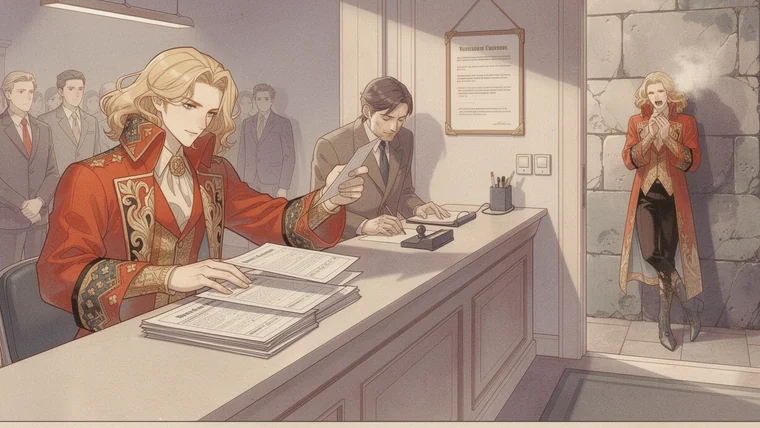
- Core: a presence that draws a room in, and the power to draw out true feelings and guide people toward reconciliation
- What drives you: the tangible sense of pleasing people and setting a room right
- Where you're fragile: strict adherence to rules and procedures, stability where nothing changes
Strengths, and where you stumble
Someone who lights the way ahead and teaches you to wait.
Strengths — Test, seize, break through
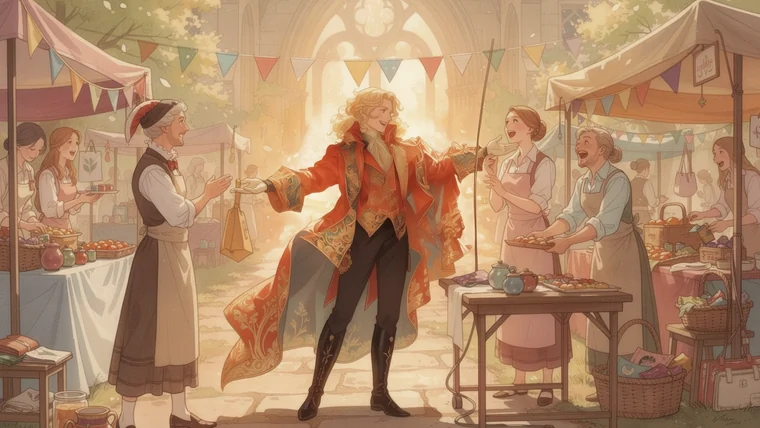
The Orchestrator's strength is an on-the-ground ability to ease people and rooms and to create a positive flow. They swiftly read the mood of a team and the subtleties of relationships, and the more chaotic things get, the more they loosen the tension and steer toward the bright side — in a tense meeting, they drop a single "well, it'll be fine," and the mood of the room softens in an instant. Such scenes are this person's true forte. Valuing human empathy over hierarchy and meeting everyone as an equal, they naturally gather trust — the cushion who makes others feel "with this person here, I can work with peace of mind." And they can hold out, gently and without forcing it, a flash of improvement — "this would be so much better done this way." They keep the bonds they've taken on easily, yet for the long haul — that softness is the source of their popularity.
Where they tend to stumble

Where they tend to stumble is the flip side of that softness and freedom.
Where they tend to stumble is the flip side of that softness and freedom. Being sensitive to their mood and the atmosphere of the room, the gap between their good days and their off days is large, and on steady, plodding work or monotonous repetition their concentration tends to break. When there are many options, their eye wanders — "maybe there's a better way" — and a decision may get put off. Ideas keep coming, but the tenacity to see a single one through to the end remains a bit of a challenge. Formal obligations in particular — rules, strict timekeeping, reports — are not their strong suit, and they tend to put them off or stray into doing things their own way. To those around them it can look like "improvisation with no backbone." And yet that very freedom and unevenness is inseparable from the power to warm a room and loosen people's hearts — simply knowing this spares them from blaming themselves and makes their relationships with others far easier.
The outlook shown by someone you trust moves you deeply — and you can take it further with your own sensitivity. That's where your room to grow lies.
- Make a provisional decision on important matters before you're backed into a corner
- When grilled on logic, don't pull away emotionally — take time to check only the facts
- For the bonds that truly matter, try facing them beyond likes and dislikes
Where you thrive
"I can warm up this room" — those words are all you need.
Environments Where They Thrive
The Orchestrator performs at their best on the ground, where they can move in their own way and there is contact with people. Rather than being bound by set procedures, an environment where improvisation and the power to read the room come alive — there they show outstanding adaptability and charm. Conversely, routine tasks, data processing, and work bound by formality and hierarchy are a major source of stress. What they seek is not fine-grained instructions but "the freedom of being entrusted," and the tangible sense of pleasing people and setting a room right. "This is a room I can warm" — when they can see that, the Orchestrator shines brighter than anyone.
As a field commander
Concretely, roles that move people's hearts and take charge of a room suit them well. Work that shapes the mood of the moment — stage direction, hosting, an event director. Work that stays close to people's true feelings — counseling, youth support, coaching. Informal diplomacy, NGO negotiation, brand PR — it is precisely in roles that move people and rooms through improvisation and the power to read the mood that the Orchestrator's sensitivity and charm come most richly alive.
Dialogue — ask Cesar

One free dialogue · Le Salon members can explore several perspectives. Not a real person: a representative perspective based on the public profile.
Relationships and love
The temperature of the room, and where true feelings lie.
Love — Honoring freedom, opening the future together
The Orchestrator's love is an easy, warm bond joined through unforced empathy.
The Orchestrator's romance is relaxed, with no strain in the shoulders. More than grand romance or theatrical staging, they are moved by unforced kindness and trustworthy action. What they seek is an equal, easygoing partnership in which they can be themselves without being denied and grow a positive relationship while enjoying it together. They react sharply against love that is imposed on them or against confinement, but they gauge by intuition "whether this is a relationship that can last without strain," and with a partner they have let into their heart, they deepen the bond naturally.
[Women] A woman who draws people in with rich sensitivity and a lively charm. With a smile and soft gestures she eases the room, creating an atmosphere in which anyone finds it easy to talk. Her dress never turns too gaudy — calm tones with a spoonful of playfulness — mindful of trends, yet choosing above all "what lets me enjoy myself." In love she is drawn to a partner who empathizes without denying her, and more than grand romance she is moved by unforced kindness and trustworthy action. Toward love that is imposed on her or toward confinement, she quietly wants to step back — she is someone who gauges by intuition "whether this is a relationship that can last without strain." At home she is the coordinator who guards the family's comfortable atmosphere. Rigid rules may not be her strong suit, but she is the first to notice a shift in a child's mood or a partner's tiredness, and to draw near unobtrusively.
[Men] A man with a warm presence and an easygoing friendliness. Dignified yet approachable, with a smile that creates an atmosphere that relaxes those around him — among friends he will naturally volunteer for the mood-maker's role that livens up the room. His eye for others is gentle, quickly sensing the subtleties of their feelings. His dress blends the casual with an intellectual flair, and rather than chasing trends he brings his own touch to color and material. Even with sports or moving his body, he prefers enjoying it noisily with friends over grinding away alone. In love he does not seek to dominate but values building a positive relationship while enjoying it together — he prefers a bond that deepens as an extension of natural affection over drama. He treasures the smallest exchange of words more than anyone, while reacting sharply against dependence or confinement. At home he works as the lubricant that brings harmony, and with children too he forms trust naturally, through emotional resonance.
How You Love — An Intimacy Enjoyed Together
Your way of loving is an “enjoy-it-together intimacy” built by force sensing (Se) and relational ethics (Fi). When you fall for someone, you close the distance lightly, whisk them off somewhere fun, and lend a hand as a matter of course whenever they are in trouble. Love shows not in stiff promises but in shared time and experience. If your partner is down, you don’t launch into a serious lecture — you say “let’s just go grab a bite” and lift their mood in a real, practical way. That is your brand of kindness. To the person you have chosen you are straight and without pretense, and when that person is treated carelessly by someone, you can grow quietly but unmistakably angry.
Compatibility — recommended partners
 Strategist
 ILI-DThe contemplative Strategist who quietly reads ahead and lays the groundworkDualityThe one who quietly reads what lies ahead and lights a hopeful future for you — "there's no need to rush" Craftsman
 SLI-DThe artisan who sets the world in order in the palm of his handIllusionaryMore indirect than your dual, yet a gentle ease and trust flow between you Prophet
 IEI-DAn eye that gazes upon a destiny no one has yet noticedSemi-dualityGives the warm, nostalgic reassurance of belonging Pioneer
 LIE-DCarving the way through results — the realist's frontierActivationThey show you ingenuity and a future to challenge, and your drive catches fire Executive
 LSE-DSet it in order, get it moving, see it throughBenefactorFor this person's sake, you naturally want to lend your strength Hero
Hero EIE-DIt is this conviction that changes the worldBeneficiaryWith this person, you naturally receive a sense of fulfillment Judge
Judge ESI-QThe quiet arbiter who discerns right from wrongMirrorSame direction, different method. You hone each other's eye for reading people Philosopher
 EII-QOne who, in the stillness, keeps questioning the meaning of the worldSupervisor (mirror)You can't help wanting to teach, like a master Inspector
 LSI-QThe logician who strips away pretense and sees through to the truthSupervisee (mirror)From this person, you can't help receiving and learningSee the other relationships (22 more types)
The upper bands are easier to be with; the lower bands tend to wear you down. Tap a relation name to read about the pair.
 Advisor
 IEE-QOne who quietly draws near and listens to the heartBusinessA partner you can easily work alongside, adapting to the situation together. Reformer
 SLE-QAn executor who breaks through by force and rewrites conventionKindredA partner whose conversation flows easily, someone who likes to express things in the same direction as you. It can wear you out once it turns competitive. Seeker
 ILE-QAn intellectual adventurer who unravels the worldIdealA partner who naturally embodies what you aspire to be, easy to admire. Getting too close tires you out. Peacemaker
 SEI-DA bridge between sensation and compassionCompassA partner who gives you a sense of being accepted, along with a hint of which direction to move in. Enthusiast
 ESE-DThe cheerful flame that sets the world ablaze with feelingTranscendenceA partner who makes you want to surpass yourself when you're together, pushing each other to grow. Analyst
 LII-QFrom the quiet of the desk, reassembling the worldCorrectionA partner whose feedback becomes a chance to take stock of yourself. Commander
 LIE-QBuild, prepare, hold the line — the command center of orderRelaxationA partner who puts you at ease, though you tend to end up waiting on them with quiet expectation. Guardian
 ESI-DA silent shield that protects people, with rightness at its backCodependencyA partner who wears you down little by little, caught in a cycle of bottling things up and overcompensating.
SEE-DA born leader who reads hearts and rallies the currentAdaptiveA partner you settle into by simply playing your roles, an easy, unremarkable relationship. Critic
 ILI-QThe insightful Critic who sees through contradictions in the depths of silenceDetachedA partner who's hard to feel drawn to, leading to a rather flat, low-key relationship. Mentor
 EIE-QA passionate standard-bearer who speaks of ideals and binds hearts togetherTense BeneficiaryA partner who leaves you worrying and overthinking, prone to closing your heart off. Enforcer
 LSI-DThe steel operator who carries out the mission through discipline and responsibilityPlayerA partner around whom you constantly feel watched, prone to leaving you burned out. Conqueror
 SLE-DA dependable field general who only burns brighter the harder things getDutyA partner who leaves you understanding what to do yet unable to act on it, while your need to be recognized grows stronger. Dreamer
 IEI-QA teller of fantasies who colors the world with dreams and passionDistrustA partner you can't quite bring yourself to trust, which makes it hard to show your own strength. Administrator
 LSE-QThe hands-on command post that keeps the field running and moves people and workTense BenefactorA partner around whom you tend to try too hard, unable to shake off the tension. Empath
 EII-DSensing what lies beneath feeling, and becoming someone's quiet supportSupervisorA relationship where you tend to unsettle the other person without ever realizing it. Promoter
 IEE-DMoving the world through fascination — an evangelist of ideasFormalA relationship where formality and appearances pile up, and it's hard to ever fully relax. The Artist
 SLI-QGiving form to the “just-rightness” of nature and daily lifeTediumA partner who leaves you feeling sluggish, prone to putting things off and keeping your distance. Harmonizer
 ESE-QTheir smile and their voice soften the space around themQuasi-IdentityA partner who looks similar to you yet never quite clicks, leaving you spinning your wheels and worn out. The Architect
 LII-DThe architecture of logic, quietly built up piece by pieceConflictThe partner most likely to strike your weakest point, the one relationship that drains you the most. Visionary
 ILE-DThe architect of ideas who reinvents the world through paradox and theoryRoleA relationship where "you should" comes first, making it hard to just be yourself. Performer
 SEI-QA gentle conveyor who gives form to sensation and feelingDistanceA partner who makes you want to keep your distance and close your heart off.Compatibility is not decided by type alone; maturity, subtype and circumstances all change it.
With someone you are connected to, you can read a personal Relationship Reading drawn from both of your answers ($8.99 per pair, unlimited for Le Salon members).
See compatibility with your connections →Explore Le Salon →
What You Truly Long For
What you truly long for, deep down, is a partner with the power to read flow and timing. Because you're so good at riding the wave of this moment, picturing the future over the long run is your weak spot…
In the Love Edition: What your heart longs for / What excites you / Where you clash and your landmines / Classic love scenarios / Chemistry by partner, all 32 types named / At home and as a parent / A practical playbook / Secrets to lasting love / A manual for your partner
Work and ways of working
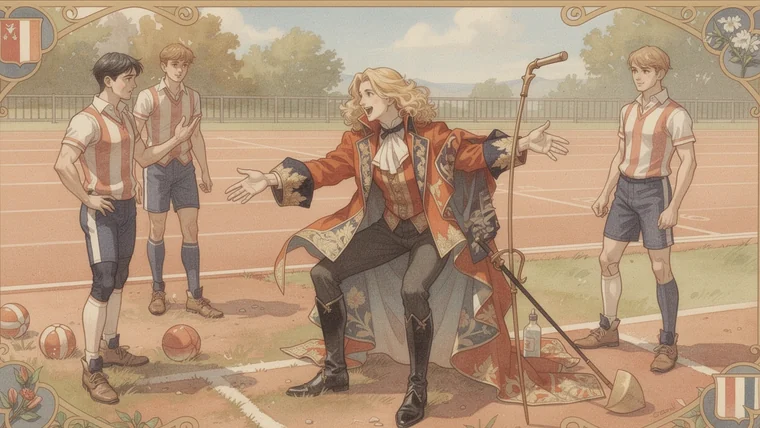
Your Working Style — Frontline Breakthrough
You naturally excel in two main ways: taking charge of the situation, acting fast, and getting results; and staying close to each person and building trust.
Your interest turns toward connecting with people and the pleasures of everyday life. Day to day, you're an improviser who moves on mood and inspiration, with big swings between going all out and slacking off.
With people, you show your likes and dislikes clearly, and you're emotionally expressive and sociable. When you think, you work things through in order, from cause to effect; when you act, you value relationships and trust.
The drive to take charge of a situation, and the power to rebuild trust.
- Make a provisional call on important decisions before you're backed into a corner
- Before a negotiation, set your "this far and no further" line in numbers
- Don't get pulled along by the other side's emotions into promising terms on the spot
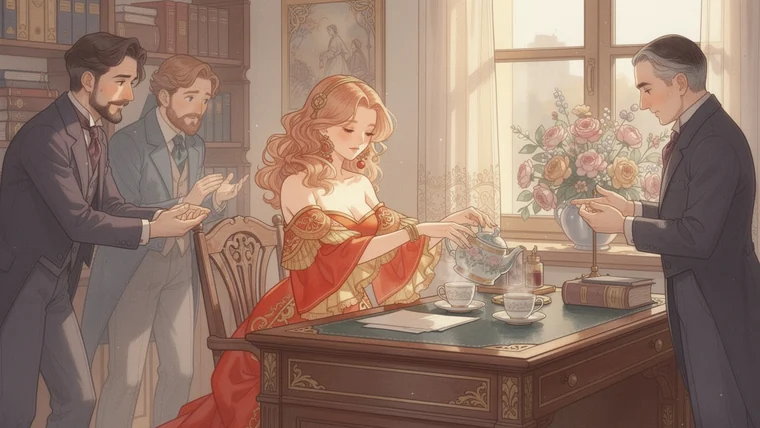
Careers That Fit
Even with people you've just met, you can ease the room, draw out their true feelings, and bring the deal together.
Your ability to read someone's mood and physical condition in the moment, and to move them with encouragement, comes into its own.
You can set the team's mood and turn even quarrels into reconciliation as you bring the team together.
Your Strengths, and Work Better Avoided
Your strength lies in the combination of the drive to take charge of the situation and move things forward, and the ability to draw out people's true feelings and rebuild trust. When it comes to a tangled project or a stalled team…
In the Business Edition: Natural strengths / work better avoided, Stress tolerance and socialization group, Work style, Motivation and recharging, How to work with and manage this person, Compatibility and team-building, Industry fit ◎○△ across 23 industries with rationale, Suitable roles
Blueprint of the mind
Your mind runs on eight blocks. Each block carries two functions — how you take in the world, and how you express yourself — and together they set both the range you're skilled in and how much you actually value using it. We've kept the technical notation small and explained everything in plain language.
A presence that draws a room in, and the power to draw out true feelings and guide people toward reconciliation.
Leading Your centerI Know
+Se-pAchievement & ProtectionVolitional sensing-Fi-cTrue Feelings & ReconciliationRelational ethicsYour foundation, first of all, is the power to draw people in, protect them, and lead them on the ground. You read the mood and the balance of power in an instant, step forward when it counts, and reassure people as you lead them. You use this same force not to defeat others, but to "protect and nurture."
Layered onto this is the power to ask frankly after true feelings and guide people toward reconciliation. The moment you sense a faint change in someone's expression or tone of voice, you gently ask, "how do you really feel?" and lift the lid off stiffened emotions. Turning even a quarrel into a dramatic making-up — that is the conviction planted right at your center.
Mirror — Picked up by watching
At the entry point sits a quiet, considerate attentiveness. It's the w…
In the Full Portrait: all 8 blocks of the blueprint / 6 ways back / situational guide / the reasoning behind the exemplars
Going deeper — ways back and situational guide
On the flip side of that same core, these are the situations where you tend to stumble. After that, six ways to get back on your feet.
When you're strictly held to "follow the manual" or "stick to the regulations," you feel a suffocation, as if the ground had been pulled out from under you.
When all that's asked of you is "don't make waves, just fly low," you get bored to the core.
The gap between your good days and your off days is large, and your concentration can break.
An outlook that lights the way ahead lets your improvisation reach much farther.
Way to Recover 1 — Make Time to Picture a Hopeful Future
Your sensitivity for reading the room and your gift for improvisation are a gift in themselves. When a long-range view of "how I want this to grow from here" is added to them…
In the Full Portrait: 6 ways back / situational guide (home, work, friends, under stress, shopping, days off)
People thought to share this type
Different fields, different eras — yet every one of them resonates on the same note: someone who draws people in and stages the room.
 USA · SingerMadonnaA protean icon who kept reigning over the pop market through forty years of self-reinvention
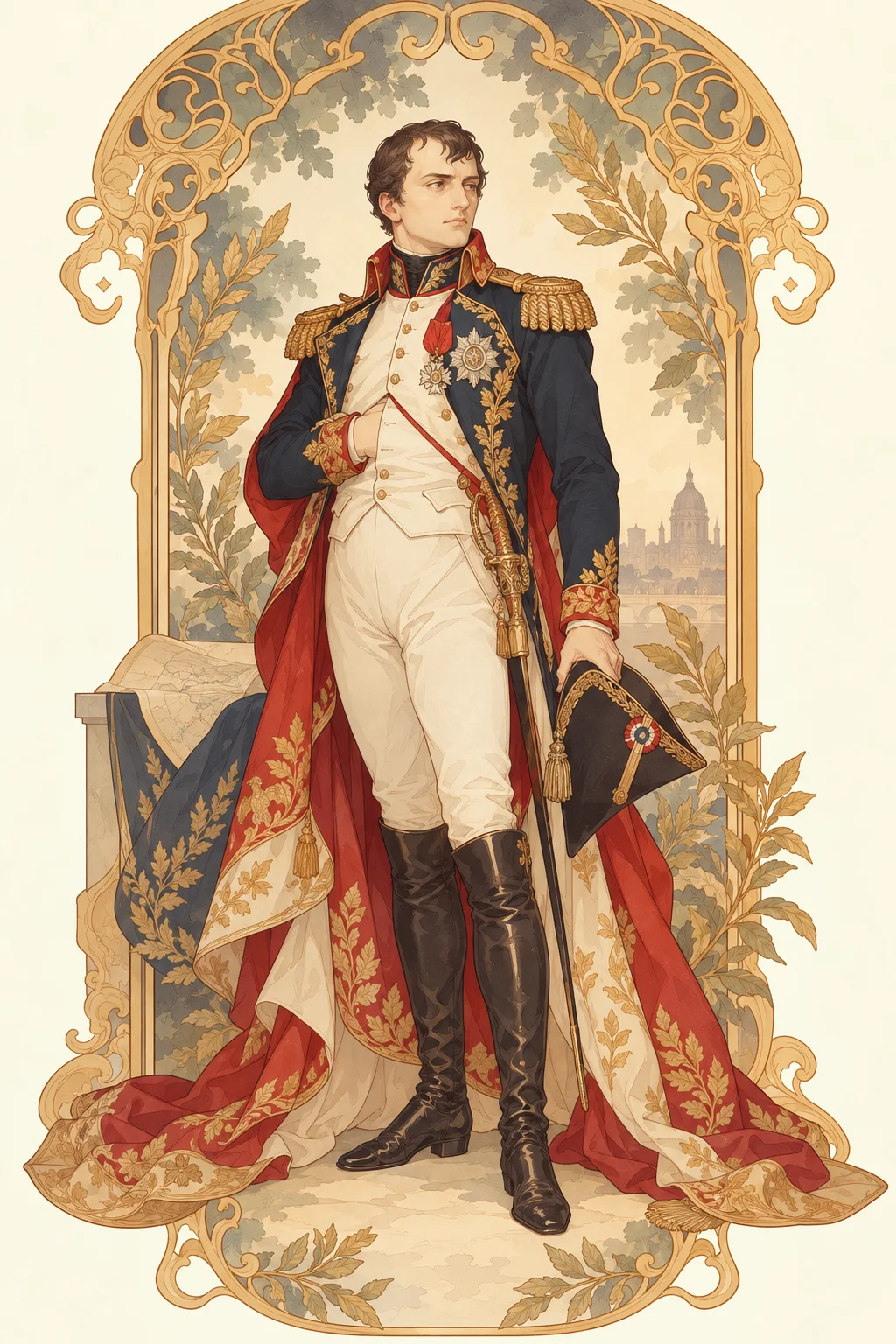 France · Soldier & EmperorNapoleon BonaparteWith personal charm and swift response he mastered Europe and laid the foundations of the modern state
 Egypt · QueenCleopatra VIIWith charm and intellect she moved the powerful of her age and staked the survival of her kingdom
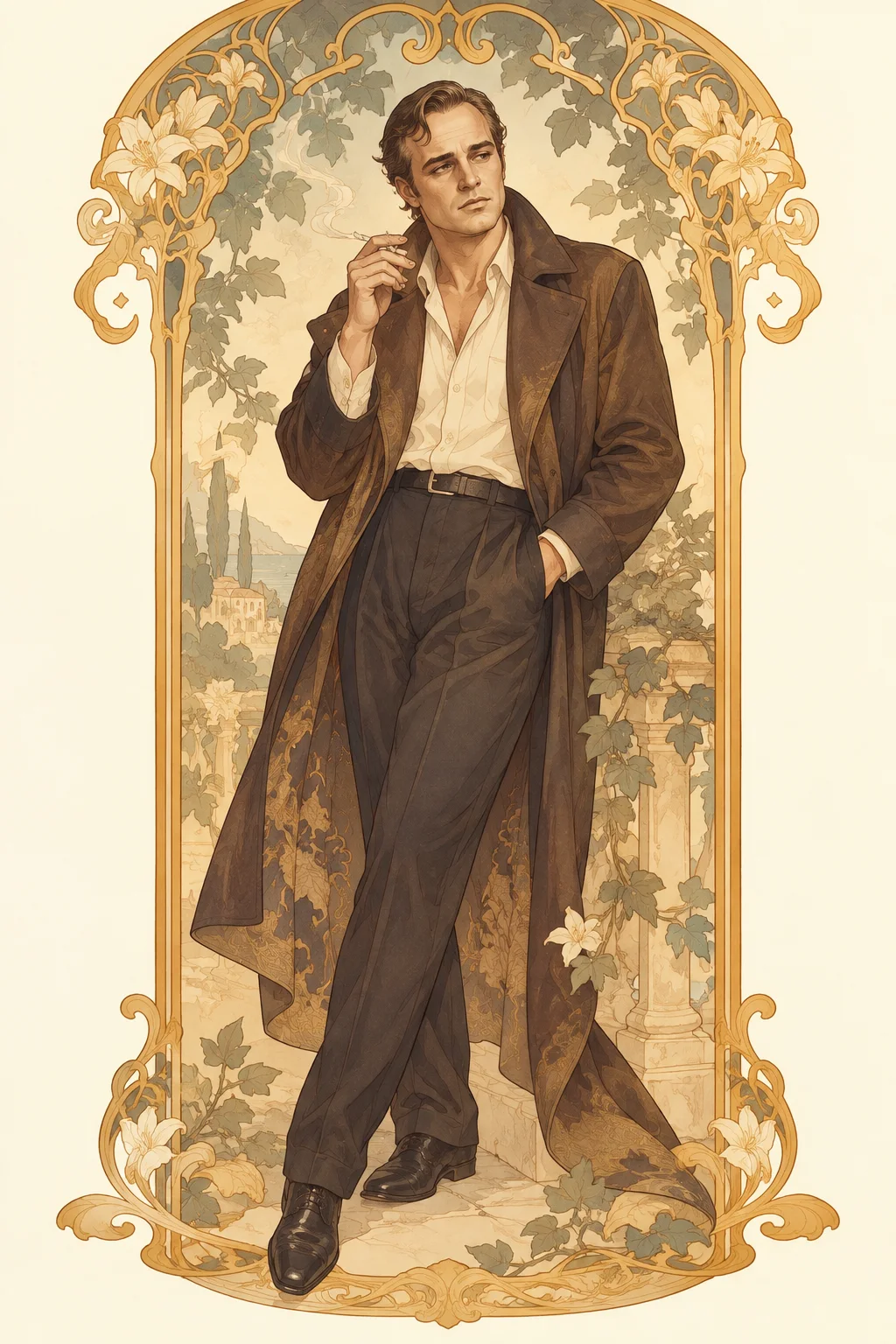 USA · ActorMarlon BrandoA presence that shook the audience's true feelings directly and revolutionized acting itself
 France · ActressSarah Bernhardt'The Divine Sarah' — she turned even crisis into stagecraft and swept the world's stages
 Macedon · KingAlexander the GreatThe young conqueror who stood at the front and raced across the world, grasping even the hearts of the lands he conquered
 Greece/US · SingerMaria CallasFusing technique and emotion, she revived human sorrow in opera
 Argentina · PoliticianEva Perón'Evita' — she lit a fire in the people's feelings and became a symbol of hope
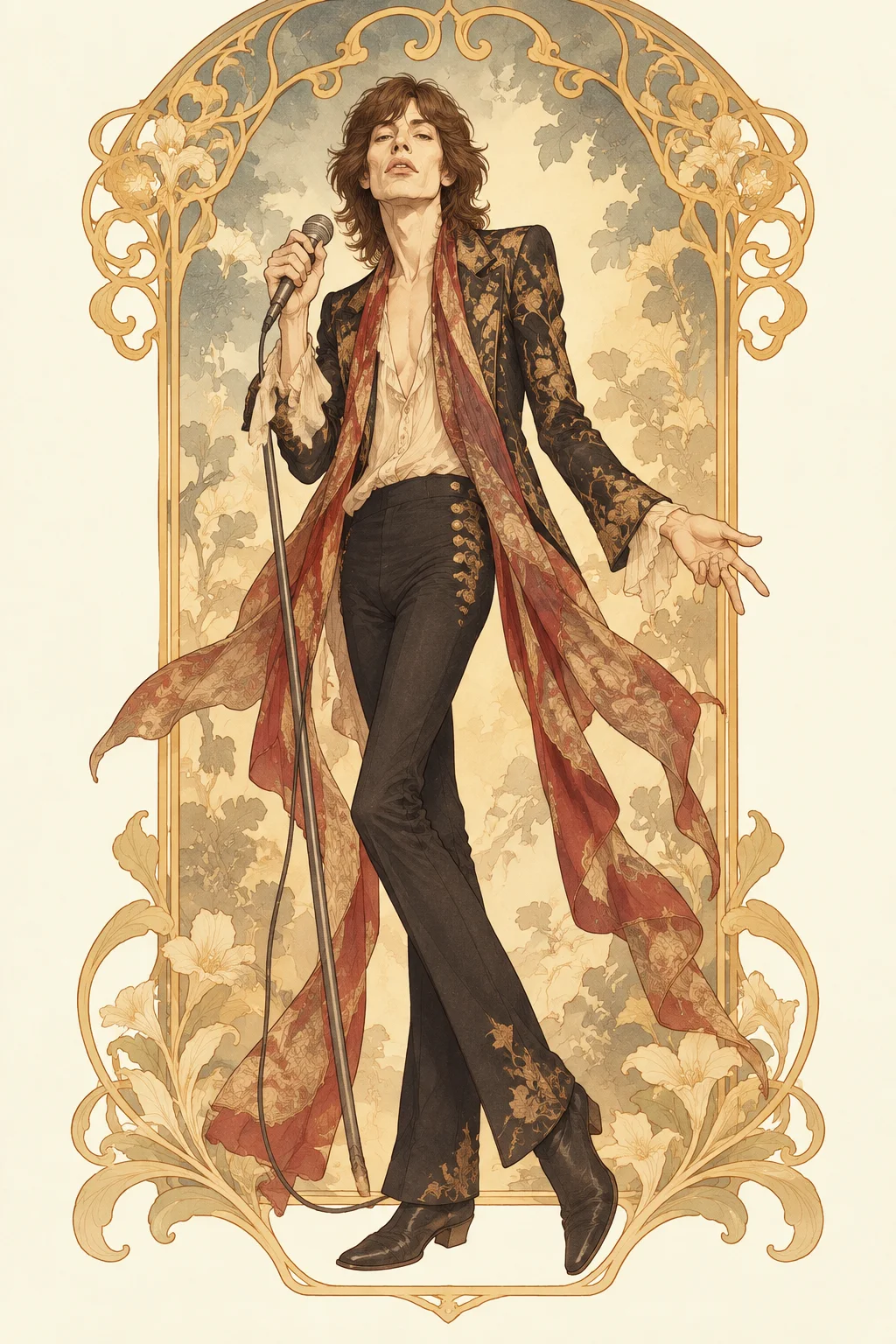 UK · MusicianMick JaggerStanding on stage for sixty years, he embodied the liberation of rock
 UK/US · Editor-in-ChiefAnna WintourThe queen who kept moving the fashion world for forty years by her eye for selection alone
Type attributions are informed speculation based on public information, not confirmed fact.
Map of group memberships
The Orchestrator is one of 32 types, and also belongs to several groups of kindred natures. Here are the four main ones first — open a card to step into its own gallery room.
 Quadra (Values)Gamma Quadra (γ)Market
 Bouquet (Temperament)Flexible-Maneuvering TemperamentSeizing opportunity and springing into motion
 Club (Interest)Social ClubPeople who weave life and ties together
 Motivation (Stimulus Group)Status Stimulus GroupSeeks power, influence, and status
See all groupings (25 more)
 Communication StylePassionWarming the atmosphere through emotion
 Behavioral StyleHarmonizerOrdering relationships through trust
 Argumentation StyleDiplomatReads the room and adjusts
 Perception GroupTactilityFeels things out by touch and sets them moving
 Cognitive StyleCausal-DeterministicMechanistically from cause to effect
 Romance (View of Love)HunterReading the moment and catching the wave
 Stress ToleranceFrozenSticking fast, unable to break free
 Socialization GroupDevoteeDevoting oneself over time
 Inflation RingEnergy GeneratorIgniting information and stirring the field
 Project GroupConcrete ProcessPrecise in the details, for people's sake
 Implementation GroupSocial EntrenchmentRooting customs into society
 Square (Rest)DaredevilBold and dauntless
 Business Square (Collaboration)MaverickThe heterodox
 Octad (Cross-Value Group)QuestExploring the unknown, opening questions
 Reactor (Excitation Group)RadianceRadiating excitation outward
 MobilizationCrystallizationCrystallizes regular structure
 Conditioning (Adjustment Group)AspirationInspires toward great ambition
 LabyrinthAlexandriaDesigning ideals and appraising their enactment
 Block Group (Extinguishing Group)StageSetting the scene to dazzle and reading the path to victory
 Social Progress Ring (SPR)ChronicleThe governing ring of the great river
 Supervision Ring (SVR)PyramidThe cornerstones of an accumulating civilization
 Social Order Ring (SOR)CrownThe king who sets an age in motion
 Succession Ring (SR)HeritageThe people’s gradual succession
 Benefit Ring (BR)FestaThe people’s public festival
 Master Ring (MR)AtelierThe creation of the individual workshop
Open the full, love and business editions

- The blueprint of your mind (8 blocks)
- Six ways to recover from stumbles
- A situation-by-situation guide (6 situations)
- The reasoning behind the celebrity picks
- What your heart longs for / What excites you / Your landmines
- Classic love scenarios
- Chemistry by partner (all 32 types)
- At home and as a parent / A practical playbook

- Natural strengths / Work better avoided
- Work style / Management
- Industry fit ◎○△ (23 industries)
- Suitable roles

Save $24.98 compared with buying the three separately