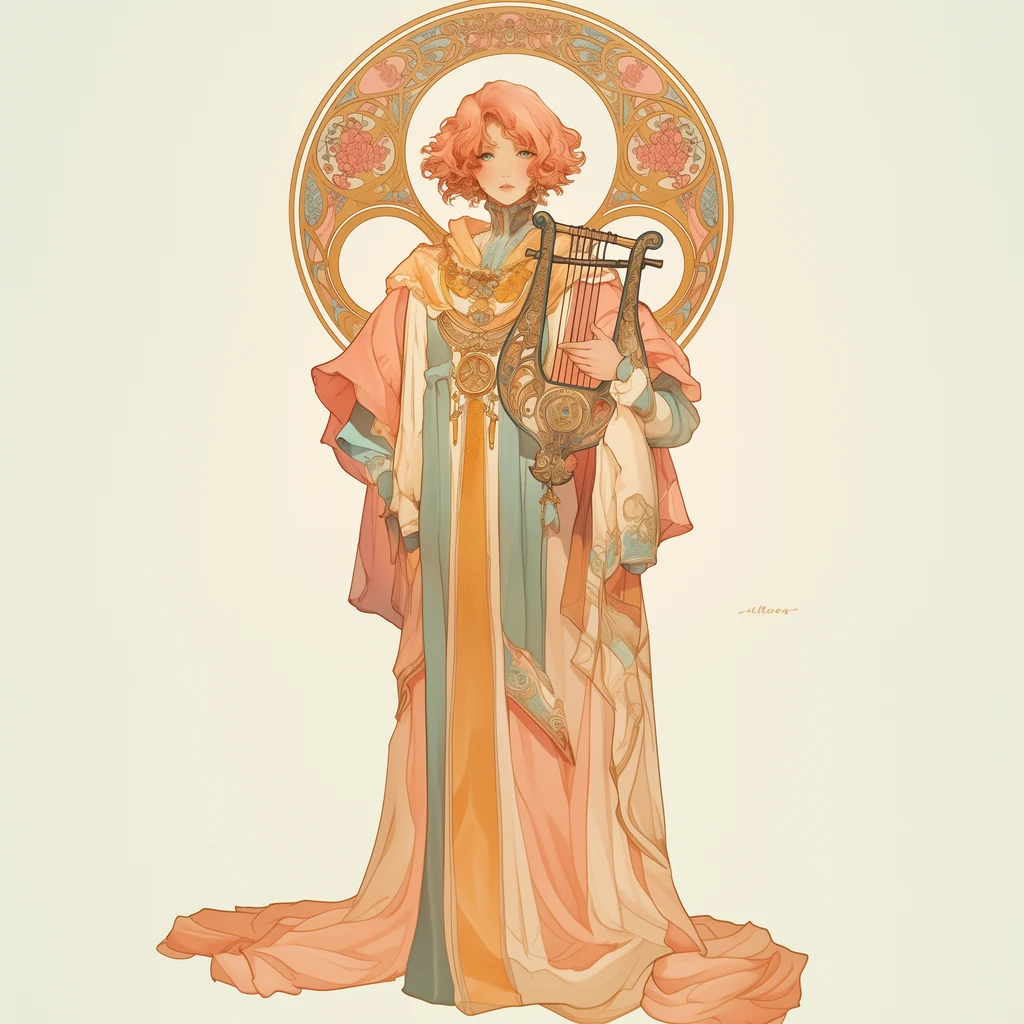
ESE-Q – Harmonizer –
Their smile and their voice soften the space around them
You are someone who binds together the people gathered in a place with your warmth.
You hold aloft what you believe matters, and keep the warmth of a room alive for a long time.
You can't overlook what doesn't mesh, and you gently step in to set it right.
- Quadra
- Chi Χ
- Bouquet
- Linear-Assertive temperament
- Club
- Social
Portrait — the Harmonizer

The Harmonizer's power is not the kind that flares up fiercely for a single instant. Holding aloft what they believe matters — people's happiness, the ease of a place to belong, everyone being able to spend their time comfortably — they gather hearts around it and keep the warmth of the room alive for a long while. That is why there is a core to their brightness. When something they mean to protect is about to be harmed, they raise their voice clearly and even grow indignant. They are not merely someone who keeps the mood pleasant.
At the same time, this person senses faster than anyone where something in a setting doesn't quite mesh. A tense posture, an object out of place, a lapse in someone's bearing — such small frayed seams are things they cannot overlook. And rather than shoving them aside by force, they step in gently, soften things, and remove the needless snags. The power to bind people together with the warmth they hold aloft, and the delicate touch that mends what is out of joint — these two combined let the Harmonizer tune people and place into a warm, resonant harmony.
This person is also sensitive to refined dignity and to their standing in a given setting. They dress with taste, care about the propriety of their conduct, and wish strongly for their heartfelt efforts to be received. When they are appreciated, strength wells up in them; when they are slighted, they sink surprisingly deep. Beneath that brightness runs a quiet fragility as well — what this person is worst at is time, and foreseeing how things will turn out. Because they live in a vivid "now," they cannot read what lies ahead, and precisely because they wish to "keep an eye on the future," a vague anxiety toward an unseen tomorrow quietly lingers in their chest.
Bind with warmth, and mend the frayed seams.
Does this sound like you?
- At a gathering, you naturally hand out drinks and keep an eye on the circle of conversation.
- Small dissonances bother you, like a desk out of place or someone's disheveled appearance.
- When someone dear to you is treated unreasonably, you spring into action.
- When a silence drags on, you want to slip in a bright word.
- Toward a discourteous attitude, you sometimes return a gentle pressure.
- You often remake your own outfit or room to suit the mood of the day.
- When the care you pour out isn't received, you sink deep.
- You overestimate how much time you have, and the most important things end up at the last minute.
- You prefer tangible results to abstract arguments with no answer.
- You can't pretend not to see when someone is unwell.
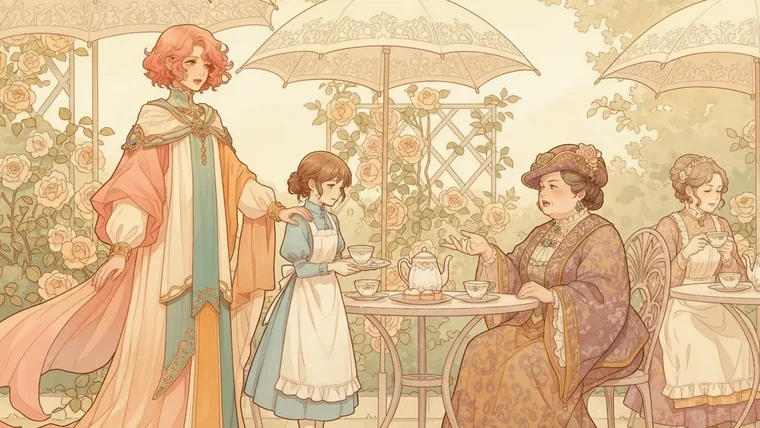
How you move

The Harmonizer's conduct shows most clearly in the warmth that heats a room and the attentiveness that misses no frayed seam.
The first thing you notice is how they move among people. At a gathering they hand out drinks, check that no one is cold, and naturally keep an eye out so the conversation never breaks off. If someone has been left outside the circle, they notice at once and draw them in. Even without any special tools, they fashion a startlingly comfortable space out of whatever is on hand — hosting, and watching people relax, is a joy in itself for this person.
On the other hand, this person also reacts sensitively to a room's "off-notes." A desk that sits wrong, hair a little out of place, an air that grates somewhere — the moment they sense such small dissonances, they cannot leave them be and step in. The realization that "this would be better done this way" naturally comes out as words or action. The closer the person, the more unreserved that frankness becomes — not out of tactlessness, but because something out of joint is simply impossible for them to overlook.
And when something they must protect is at stake, a face quite different from their usual softness appears. A loved one's health, an unreasonable way of being treated, a courtesy on the verge of collapse — at such times they spring into action and make no effort to hide their anger. Whether it's an unexpected incident on a trip or a sudden trouble at home, once the "for everyone's sake" switch is flipped, this person steps forward.
Not appearances, but the temperature of the room and how things mesh.
- At gatherings, naturally keeps an eye on the mood of the room
- Returns a gentle pressure toward discourteous attitudes
- Wants to be moving, and dislikes spinning in place with no answer
Observed Behavior

A clear taste shows in how they dress. Rather than chasing trends, they choose "what suits me," carefully coordinate their color tones, and wear it all with a certain decorative flair. They have a sure eye for what clothes and hairstyles suit others, and if asked they gladly help pick things out. And their own clothes, hair, and the arrangement of their room they keep remaking to suit the day's mood — staying the same somehow bores them.
They are astonishingly vigilant about the health of those dear to them. At the slightest sense that something is off, they seek out a good doctor and take the person there, check the content of the diagnosis themselves, and at times step in as far as the course of treatment. Their own body, too, they try to keep in order with daily care. Someone's ill health is not something they can pretend not to see.
Gatherings and celebrations are something this person treats as special. They serve up home cooking and treats and set out to surprise and delight their guests. They prepare little gifts and hospitalities ahead of time, wishing to be the warmest center of the occasion. Even without special preparations, they will improvise a fitting comfort out of whatever is at hand.
They have a distinctive particularity about shopping. They won't compromise on quality, they look right down to the breakdown of the price to settle on a fair figure, and they choose only what truly satisfies them. And more than most, they hope that the care they pour out is received and returned with gratitude — both the joys and the hurts, this person keeps deep in their heart as feeling.
If you had a partner you could entrust the logistics to, your warmth could shine with far more ease.
How you speak and listen

The Harmonizer's way of talking is rich in feeling, draws the other person out, and keeps an eye on what is right.
Their manner of speaking is warm, and their expression and voice move readily. They don't leave a silence sitting awkwardly but slip a bright word into it. They sensitively read the rises and dips in someone's mood, cheering them when they're low and comforting them when they're tired. They don't like moving people through forcefulness; instead, by creating a mood everyone can share, they draw them all in the same direction.
At the same time, this person minds the "propriety" of how people behave. They keenly notice who acted with heart and who did not. Toward a discourteous attitude, they may return a gentle pressure from beneath a mild expression. If something they bought is faulty, they properly speak up and set it right — it is something they cannot let slide. Speaking carefully, checking again and again whether their thoughts have gotten through, is also very much like this person.
When they speak of art, or of a subject that has moved them, they grow all the more impassioned. As they recount a favorite film or story vividly, gestures and all, even the listener is drawn in. A dialogue open to both feeling and rightness creates around the Harmonizer an atmosphere that is warm yet taut.
Into a silence, slip a bright word.
What lies at the core — drive and tender spots
Moving people by warmth, not force.
The one powerful engine at the heart

At the Harmonizer's center lie the power to bind people together with warmth and the power to sense and mend what has come undone.
At the Harmonizer's center is a single strong driving force: the power to gather people beneath a warmth they can share and to keep that mood warm for a long while. Rather than firing up a room for a moment and leaving it there, they hold aloft what they believe matters and keep hearts bound around it. It is not merely picturing it in their head; it is when they see the people before them actually open up and soften that this person feels deeply fulfilled.
And this driving force has another side. It is the workings that sharply sense where something in a setting doesn't mesh and, rather than by main force, step in gently to soften it. They loosen a taut atmosphere, remove the snags, and set things in order so everyone can be comfortable. The warmth that raises a banner and binds, and the delicacy that mends what is out of joint — only when these two mesh can the Harmonizer tune people and place into a warm harmony.
This is not confined to work. Whether at a gathering of friends or a quiet moment at home, the same engine starts up the instant they feel "I want to make these people feel good." Wherever there are people and the temperature of their hearts is in motion — that is where the Harmonizer shines brightest.
What they can do, yet do not prize
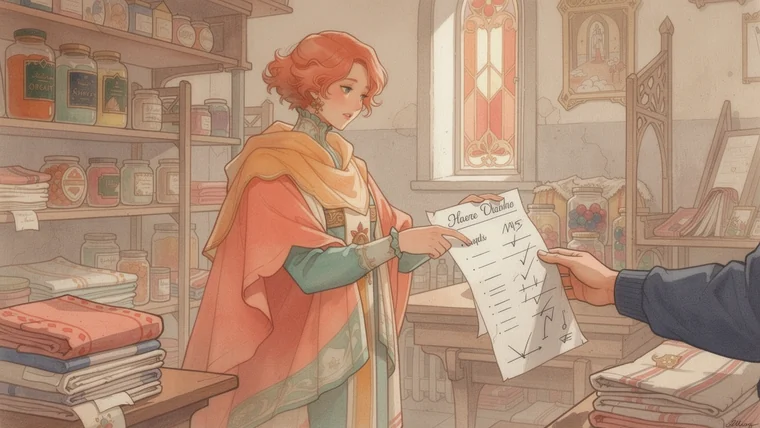
Surprisingly, the Harmonizer can, when it comes to it, take the lead, push a situation forward, protect people, and command circumstances with real force. Throwing themselves in to shield someone in a crisis, driving a point home where it must be driven home — that underlying strength is, in truth, considerable. The nerve to fling out plainly the true feelings they'd held back and to untangle a snarled conflict head-on is likewise there in them.
But they themselves place no weight on it. Rather than pushing by force or clashing head-on, they naturally choose to bind with warmth and to move people by softening things. Though they can, they quietly tuck it away, feeling "this isn't my scene to step into" — and this is one of the keys to understanding the Harmonizer. Not putting their strength on display is what sustains this person's softness.
What the heart secretly craves
What they secretly seek is unshakable order and structure, and a quiet good sense that stills the noise.
Blessed with warmth and sensitivity, the Harmonizer finds one thing hard to generate on their own and yet longs for more deeply than anyone — an order and structure that will not crumble, and a calm good sense that quiets the clamor. Skilled as they are at moving people's moods, when it comes to naming things in logical order and building them into an unshakable framework, they suddenly grow unsure. That is exactly why they are deeply drawn to, and fulfilled by, a presence that quietly offers them clear logic and a serene outlook.
This shows up as "the need to belong, secure attachment, and the fulfillment of a deep longing." A partner who gathers this person's easily scattered thoughts to a single point and provides a footing that will not crumble — beside the dual Architect (LII-D), who is the very best at exactly this power, the Harmonizer can devote themselves with peace of mind to the warmth and tuning they excel at. This is the finest complement, one who unravels an easily unsettled heart with quiet order and good sense.
The most fragile place
Where the Harmonizer is most fragile is in foreseeing how things will turn out and reading the moment they will bear fruit.
What they are most fragile at is foreseeing how things will unfold from here and when they will come to fruition. Living so much in a vivid "now," the Harmonizer finds the consequences down the road hard to read. They picture only good endings, and deadlines and unavoidable outcomes often come rushing in like an ambush. Overestimating how much time they have to spare, and leaving the most important things to the last minute, comes from here too.
The tricky part is that, since by nature they wish to "keep an eye on the future," their inability to see ahead makes them feel all the more uneasy. Knowing they cannot see it, they fret about the future all the same — they are prone to carrying that kind of nameless anxiety about tomorrow. This is not a fault to be blamed, but a place that eases little by little when they keep beside them someone who will take on time and logistics.
And one more thing: when the warmth and heartfelt care they poured out go unreceived, this person sinks surprisingly deep. It isn't that they want something in return — it's that the felt sense that "my feelings truly reached you" matters to them more than anything. Given only that felt sense, the Harmonizer can recover their strength again, without limit.

- Core: binding people together with warmth and mending what has come undone
- What drives you: seeing the care you pour out come back as gratitude
- Where you're fragile: building an order that won't crumble, reading future timing
Strengths, and where you stumble
Strengths — raise a banner, bind people, and soften the friction
A quiet partner with an order that won't crumble.
Where they tend to stumble

Where they tend to stumble is the flip side of that fine sensitivity and that strong sense of mission.
Being so sharp to the sense that "something is off," they can fix their eyes only on what is lacking or falling apart and tip toward anxiety and irritation. When their particularity about courtesy and rightness comes out too strongly, they can be demanding and at times come across as prickly. Attending so much to others' comfort that they put their own fatigue and wishes last is also this person's habit.
Their weakness at time and logistics tends to hurt all the more the more goodwill and fervor they have — the wish to do it runs ahead, and the foresight of whether they can keep it up never catches up. And because their wish to be appreciated is strong, the wound when they feel slighted is deep and long-lasting. Toward the rightness they believe in and their own reading of a situation, they can also show a surprisingly unyielding stubbornness — and that straightness can at times create friction with those around them.
Beside someone who offers you unshakable logic and a calm outlook, you can devote yourself with peace of mind to the tuning you're good at. That's where your room to grow lies.
- Set a place for your own fatigue and wishes with the same care
- Entrust time and logistics to a partner you trust
- Deliberately turn your eyes to "what is enough"
Where you thrive
"Being appreciated" is your greatest source of strength.
Environments Where They Thrive
The Harmonizer shines brightest in an environment where people are at the center and where a room's atmosphere, thoughtful care, and the values worth protecting are what count. Hosting, supporting, nurturing, connecting people to one another, warming everyone's morale — it is in such posts, ones with warmth to them, that this person's sensitivity comes alive. They set the mood of a gathering, keep an eye on each person's comfort, remove the friction that doesn't mesh, and lead the setting toward a warm harmony. When a value or meaning they believe in sits at the core of the work, this person gives all the more. Conversely, in a cold, businesslike environment, hounded by deadlines and silently chasing numbers alone, they cannot give their all and wither.
What this person needs, first of all, is "to be appreciated." When the care they pour out comes back as gratitude, the Harmonizer can give without limit. And then, a sure partner who will take on the long logistics and the building of systems — the work of looking ahead and creating an order that will not crumble. With that framework in place, this person can devote themselves with peace of mind to the "tuning of people and place" they excel at.
As one who warms the room
As one who warms the room
A twofold discernment of emotion and sensation, a sensitivity to dignity, and a core that "moves for the sake of what matters" come alive in roles that host, support, and bind people together. Customer service and hospitality, setting the mood of gatherings and events, supporting education and the running of proceedings, on-the-ground caretaking, posts that connect a locality or community, and activities that appeal to people's hearts to spread a value — in all of these, this person's warmth and attentiveness, and their wish for things "to be right and comfortable," become value directly.
Dialogue — ask Amelie

One free dialogue · Le Salon members can explore several perspectives. Not a real person: a representative perspective based on the public profile.
Relationships and love
Is your care being received?
How You Love — Setting Things Right with Warmth
Your way of loving lies in sensitively taking the temperature of a partner’s feelings and getting ahead of what they need to set it in place. You read their state from the tone of their voice or the faint shadow on their face, and if they’re tired you don’t force cheer on them — you simply provide a comfortable pause and quiet. On a night your partner has fallen silent, for instance, you don’t interrogate them for every detail; you gently hold out a warm drink and wait calmly beside them until they want to talk. Care that isn’t imposed, and a smile that softens the space — that art of harmony is a shape of love only you can give.
Compatibility — recommended partners
 Architect
 LII-DThe architecture of logic, quietly built up piece by pieceDualityThe need to belong, secure attachment, a sense of fulfillment, the satisfying of a deep longing — the most complementary partner, who gathers an easily unsettled heart with unshakable order and quiet good sense and gives it a serene outlook Enforcer
 LSI-DThe steel operator who carries out the mission through discipline and responsibilitySemi-dualityNostalgia, a sense of belonging, mutual reliance — a partner who, with firm and steady standards, makes you feel a fond and sure connection Empath
 EII-DSensing what lies beneath feeling, and becoming someone's quiet supportIllusionaryEmpathy, gratitude, a sense of trust, the need for safety — more indirect than your dual, but a partner beside whom quiet understanding and good sense let you settle deeply Visionary
 ILE-DThe architect of ideas who reinvents the world through paradox and theoryActivationActivation, elation, drive, curiosity — a partner whose mere presence stirs up "how interesting" and "I want to try that," and the easiest one to open up with Promoter
 IEE-DMoving the world through fascination — an evangelist of ideasBenefactorYou can act freely for this person's sake — a relationship where you support them as a benefactor and receive, in return, an eye for possibility and gratitude Conqueror
 SLE-DA dependable field general who only burns brighter the harder things getBeneficiaryFulfillment and trust — a relationship like a contented reassurance, received from a benefactor who carries an unshakable driving force Performer
 SEI-QA gentle conveyor who gives form to sensation and feelingMirrorYour breathing matches on comfort and expression — a partner with whom you can draw out each other's sensory strengths Artist
 SLI-QGiving form to the “just-rightness” of nature and daily lifeSupervisor (mirror)They impart sureness of hand and ingenuity — a relationship in which, as your master, they quietly hand down grounded, practical skill Dreamer
 IEI-QA teller of fantasies who colors the world with dreams and passionSupervisee (mirror)They inherit quiet feeling and lingering resonance — a relationship where, as your apprentice, they receive introspection and reverie.See the other relationships (22 more types)
The upper bands are easier to be with; the lower bands tend to wear you down. Tap a relation name to read about the pair.
 Mentor
 EIE-QA passionate standard-bearer who speaks of ideals and binds hearts togetherKindredA partner whose conversation flows easily, someone who likes to express things in the same direction as you. It can wear you out once it turns competitive. Administrator
 LSE-QThe hands-on command post that keeps the field running and moves people and workBusinessA partner you can easily work alongside, adapting to the situation together. Seeker
 ILE-QAn intellectual adventurer who unravels the worldRelaxationA partner who puts you at ease, though you tend to end up waiting on them with quiet expectation. Peacemaker
 SEI-DA bridge between sensation and compassionCodependencyA partner who wears you down little by little, caught in a cycle of bottling things up and overcompensating. Enthusiast
 ESE-DThe cheerful flame that sets the world ablaze with feelingAdaptiveA partner you settle into by simply playing your roles, an easy, unremarkable relationship. Analyst
 LII-QFrom the quiet of the desk, reassembling the worldDetachedA partner who's hard to feel drawn to, leading to a rather flat, low-key relationship. Commander
 LIE-QBuild, prepare, hold the line — the command center of orderIdealA partner who naturally embodies what you aspire to be, easy to admire. Getting too close tires you out. Guardian
 ESI-DA silent shield that protects people, with rightness at its backCompassA partner who gives you a sense of being accepted, along with a hint of which direction to move in.
SEE-DA born leader who reads hearts and rallies the currentTranscendenceA partner who makes you want to surpass yourself when you're together, pushing each other to grow. Critic
 ILI-QThe insightful Critic who sees through contradictions in the depths of silenceCorrectionA partner whose feedback becomes a chance to take stock of yourself. Advisor
 IEE-QOne who quietly draws near and listens to the heartTense BenefactorA partner around whom you tend to try too hard, unable to shake off the tension. Craftsman
 SLI-DThe artisan who sets the world in order in the palm of his handSupervisorA relationship where you tend to unsettle the other person without ever realizing it. Executive
 LSE-DSet it in order, get it moving, see it throughFormalA relationship where formality and appearances pile up, and it's hard to ever fully relax. Philosopher
 EII-QOne who, in the stillness, keeps questioning the meaning of the worldTediumA partner who leaves you feeling sluggish, prone to putting things off and keeping your distance. Reformer
 SLE-QAn executor who breaks through by force and rewrites conventionTense BeneficiaryA partner who leaves you worrying and overthinking, prone to closing your heart off. Prophet
 IEI-DAn eye that gazes upon a destiny no one has yet noticedPlayerA partner around whom you constantly feel watched, prone to leaving you burned out. Hero
Hero EIE-DIt is this conviction that changes the worldDutyA partner who leaves you understanding what to do yet unable to act on it, while your need to be recognized grows stronger. Inspector
 LSI-QThe logician who strips away pretense and sees through to the truthDistrustA partner you can't quite bring yourself to trust, which makes it hard to show your own strength.
SEE-QA natural orchestrator who reads the room and guides people toward reconciliationQuasi-IdentityA partner who looks similar to you yet never quite clicks, leaving you spinning your wheels and worn out. Strategist
 ILI-DThe contemplative Strategist who quietly reads ahead and lays the groundworkConflictThe partner most likely to strike your weakest point, the one relationship that drains you the most. Pioneer
 LIE-DCarving the way through results — the realist's frontierRoleA relationship where "you should" comes first, making it hard to just be yourself. Judge
Judge ESI-QThe quiet arbiter who discerns right from wrongDistanceA partner who makes you want to keep your distance and close your heart off.Compatibility is not decided by type alone; maturity, subtype and circumstances all change it.
With someone you are connected to, you can read a personal Relationship Reading drawn from both of your answers ($8.99 per pair, unlimited for Le Salon members).
See compatibility with your connections →Explore Le Salon →
What You Truly Long For
What you seek deep down is someone who gives your fine-grained care an unwavering line and a spine. Skilled as you are at reading your partner's mood, you tend to waver, unable to be quite sure on your own whether "this is right"…
In the Love Edition: What your heart longs for / What excites you / Where you clash and your landmines / Classic love scenarios / Chemistry by partner, all 32 types named / At home and as a parent / A practical playbook / Secrets to lasting love / A manual for your partner
Work and ways of working
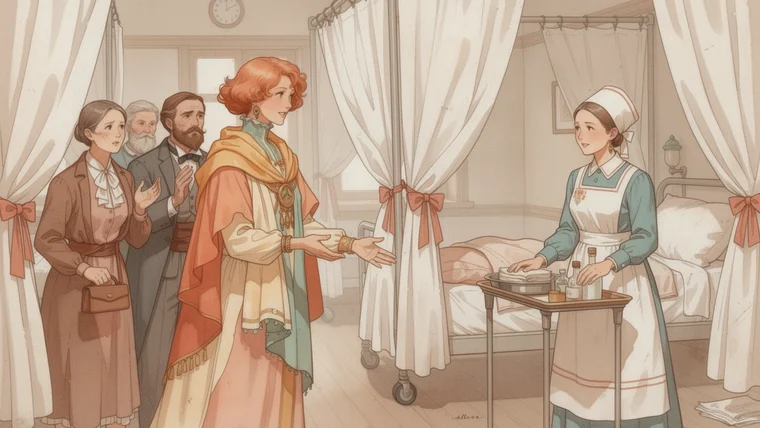
Your Working Style — Passionate Inspirer
You naturally excel in two main ways: lifting the mood of the room and moving people's hearts, and attending to fine details and setting things up to feel comfortable.
Your interest gravitates toward human connection and everyday joys, and you push toward your goals without pausing. Your motivation switch is recognition, standing, and moments in the spotlight.
Your habit of thought is to clash opposing ideas and draw the answer out of the contradiction. Your way of seeing tends to line things up in order and keep them neatly arranged.
The charisma to speak a mission, and the touch to set a place right.
- Before an important decision, ask yourself whether your current footing is stable
- Build spare days into your plans from the start
- When you disagree, preface it with "we're after the same goal"
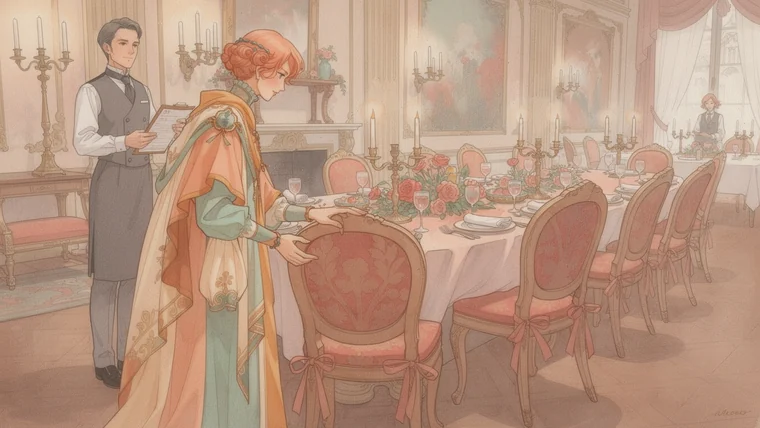
Careers That Fit
Work where your power to set the mood of a gathering and keep an eye on each person's comfort comes straight into play.
In a post with warmth to it — nurturing, supporting, and warming everyone's feelings — your sensitivity comes straight into play.
Work that draws on your sensitivity to notice small changes in how people are doing and gently reach out a hand.
Your Strengths, and Work Better Avoided
Your core is the combination of "charisma that speaks a mission and moves people's hearts" and "the coordinating touch that arranges the workplace to feel comfortable and eases people's burdens," and your biggest selling point is being able to run both wheels at once — waving the flag of ideals, and improving the environment day to day…
In the Business Edition: Natural strengths / work better avoided, Stress tolerance and socialization group, Work style, Motivation and recharging, How to work with and manage this person, Compatibility and team-building, Industry fit ◎○△ across 23 industries with rationale, Suitable roles
Blueprint of the mind
Your mind runs on eight blocks. Each block carries two functions — how you take in the world, and how you express yourself — and together they set both the range you're skilled in and how much you actually value using it. We've kept the technical notation small and explained everything in plain language.
Bind with warmth, and mend what's out of joint.
Leading Your centerI Warm
+Fe-pMission & PrestigeEmotional ethics-Si-cAlleviation & ResolutionExperiential sensingYou first take in the world as holding aloft a warmth and values that can be shared, and binding people around them in a lasting way. You raise people's happiness and a place's ease like a banner, and keep the group's morale alight without letting it go out.
You then turn that heat into the work of mending a room's frayed seams. Not pushing by force, but sensing what is off and gently setting it right — a restrained touch.
When something you must protect is about to be harmed, you grow plainly indignant. Binding with warmth, and mending what's out of joint — these two sit at your center.
Mirror — Picked up by watching
At the entry point sits the quiet ability to feel out the texture and …
In the Full Portrait: all 8 blocks of the blueprint / 6 ways back / situational guide / the reasoning behind the exemplars
Going deeper — ways back and situational guide
On the flip side of that same core, these are the situations where you tend to stumble. After that, six ways to get back on your feet.
Foreseeing how things will turn out and reading when they'll bear fruit is where you're most fragile. You picture only good endings, and deadlines come rushing in like an ambush.
When your particularity about courtesy and rightness comes out too strongly, you can seem demanding and at times come across as prickly.
When the warmth and heartfelt care you poured out go unreceived, you sink surprisingly deep. That's because the felt sense that "my feelings truly reached you" matters to you more than anything.
Someone with an order that won't crumble gives your warmth a backbone.
Way to Recover 1 — Don't Put Your Own Comfort Last, Either
You're sensitive to other people's comfort, yet you tend to push down your own fatigue and wishes with "I'm still fine." The fire that lights others grows thin when you yourself are worn down…
In the Full Portrait: 6 ways back / situational guide (home, work, friends, under stress, shopping, days off)
People thought to share this type
They joined warmth and mission into one and bound people together beneath the values they believed in — these are people thought to be "those who held something aloft and softened hearts." Different eras, different fields, yet all of them resonate deeply on one point: people who raised their voices for what matters while warming people's hearts.
 Jamaica · MusicianBob MarleySang the voice of the oppressed and called for liberation and dignity through music
 Italy · Monk & SaintFrancis of AssisiRenounced all his wealth and embodied holy poverty and a love of nature
 England · TheologianJohn WesleyRode from place to place on horseback, bringing faith and hope to common folk and the poor
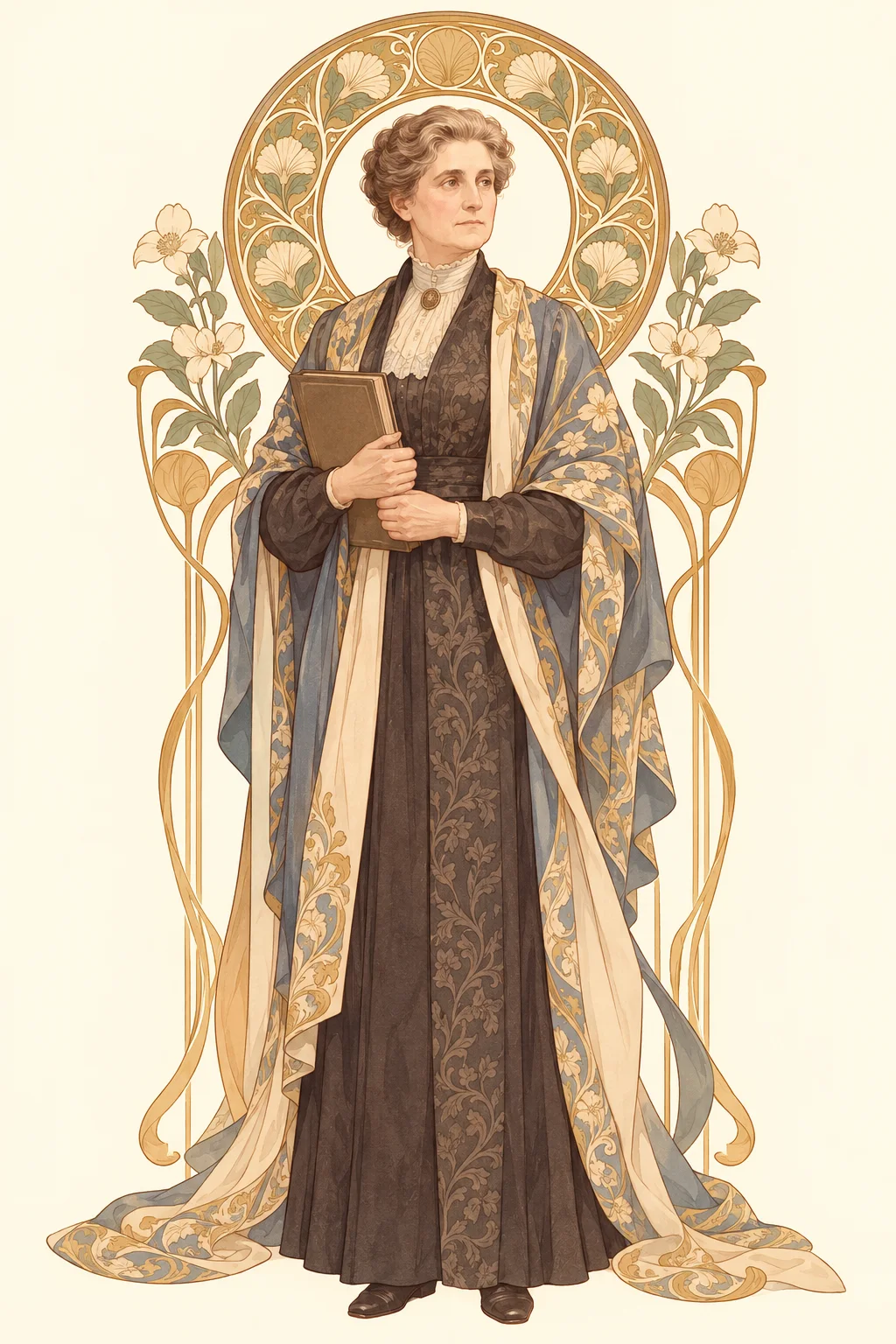 USA · Social ReformerJane AddamsCreated a place for the poor and immigrants, and won the Nobel Prize for her call for peace
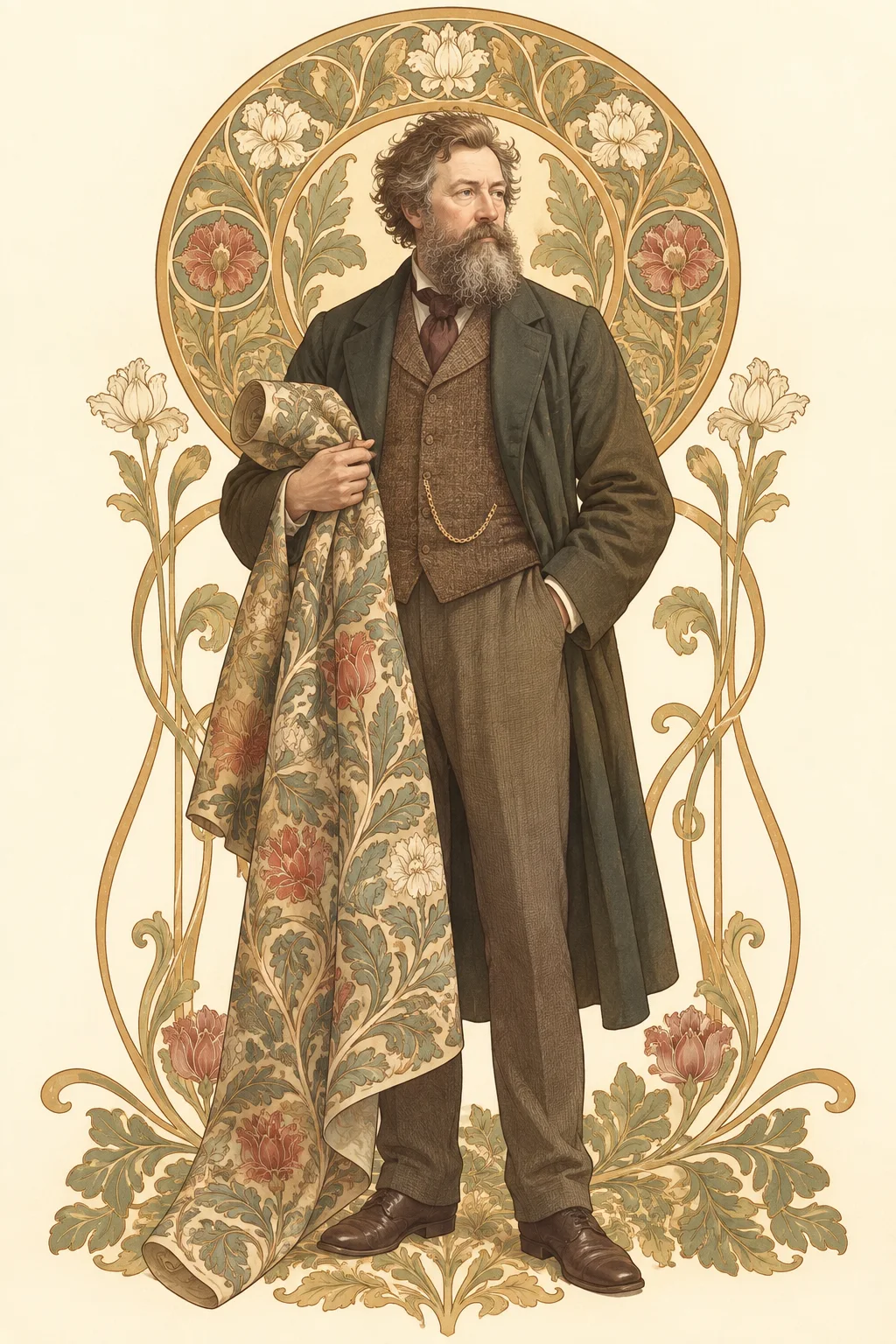 England · Artist & ThinkerWilliam MorrisChampioned the beauty of handcraft and dreamed of transforming daily life and society
 USA · ActivistDorothy DayLived among the poor and lived out love and justice unwaveringly all her life
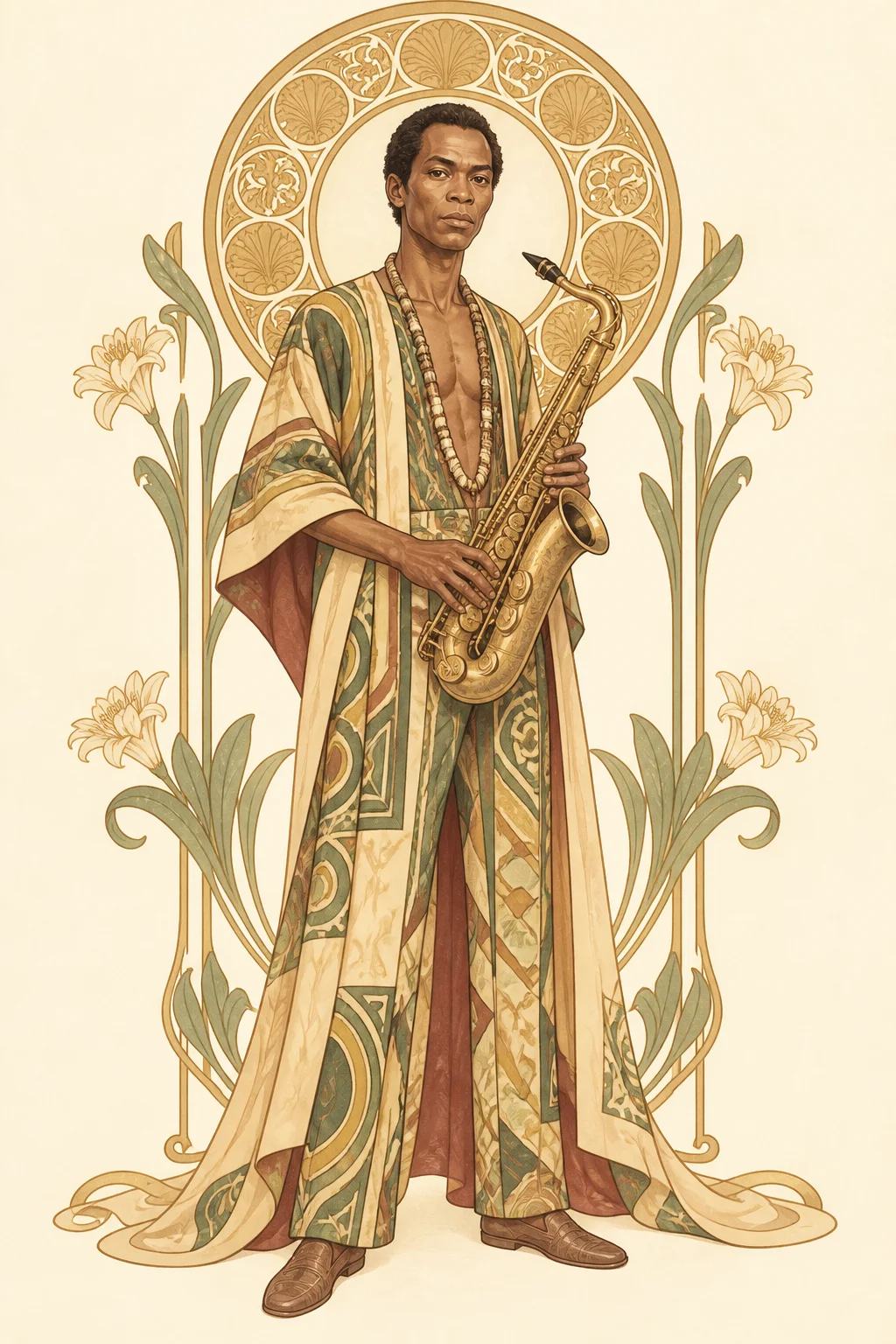 Nigeria · MusicianFela KutiDenounced power through Afrobeat and sang of freedom and dignity to the very end
 Brazil · ArchbishopDom Hélder CâmaraAs the “bishop of the poor,” he kept calling for the transformation of structures
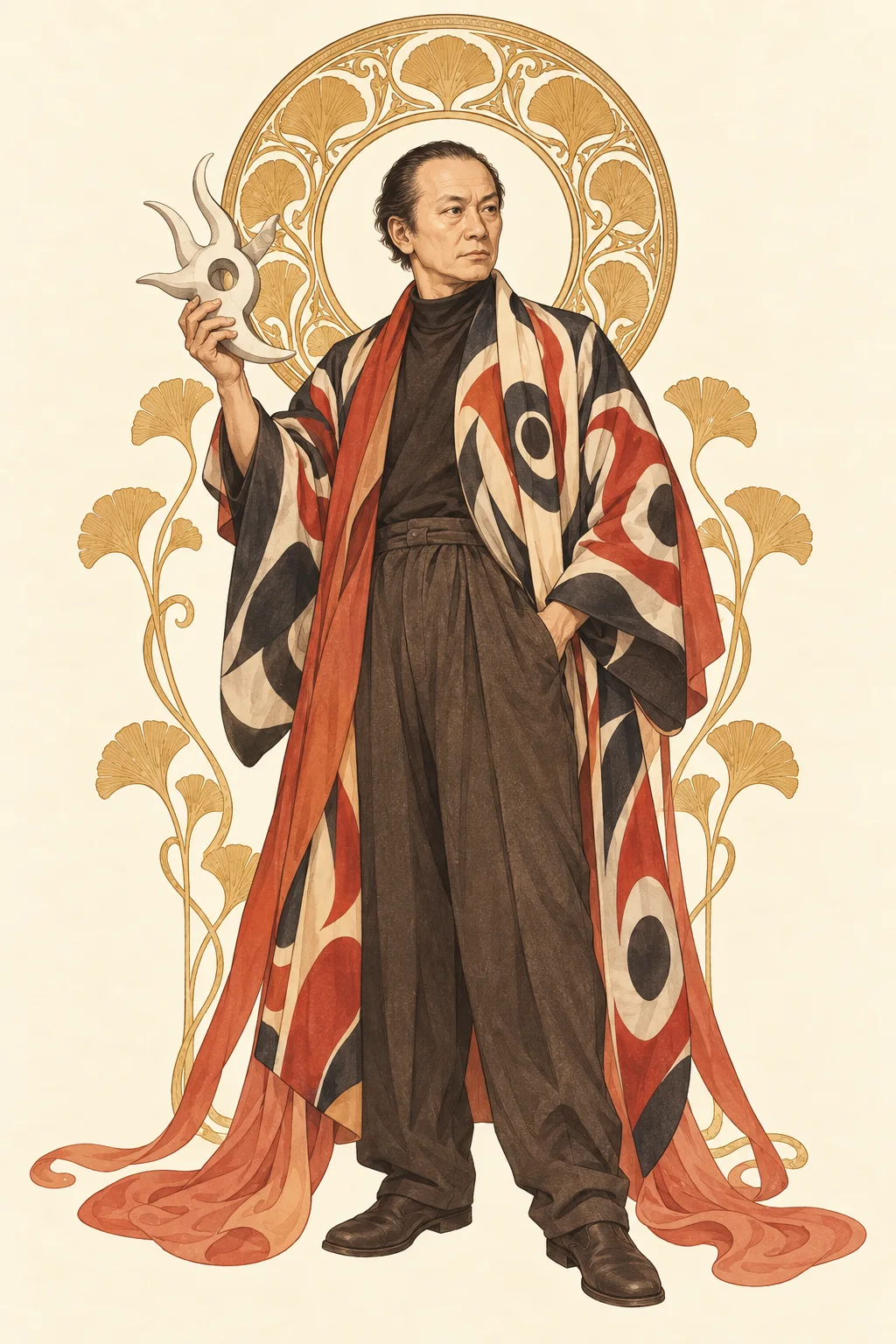 Japan · ArtistTarō Okamoto“Art is an explosion” — he defied established beauty and radiated the heat of life
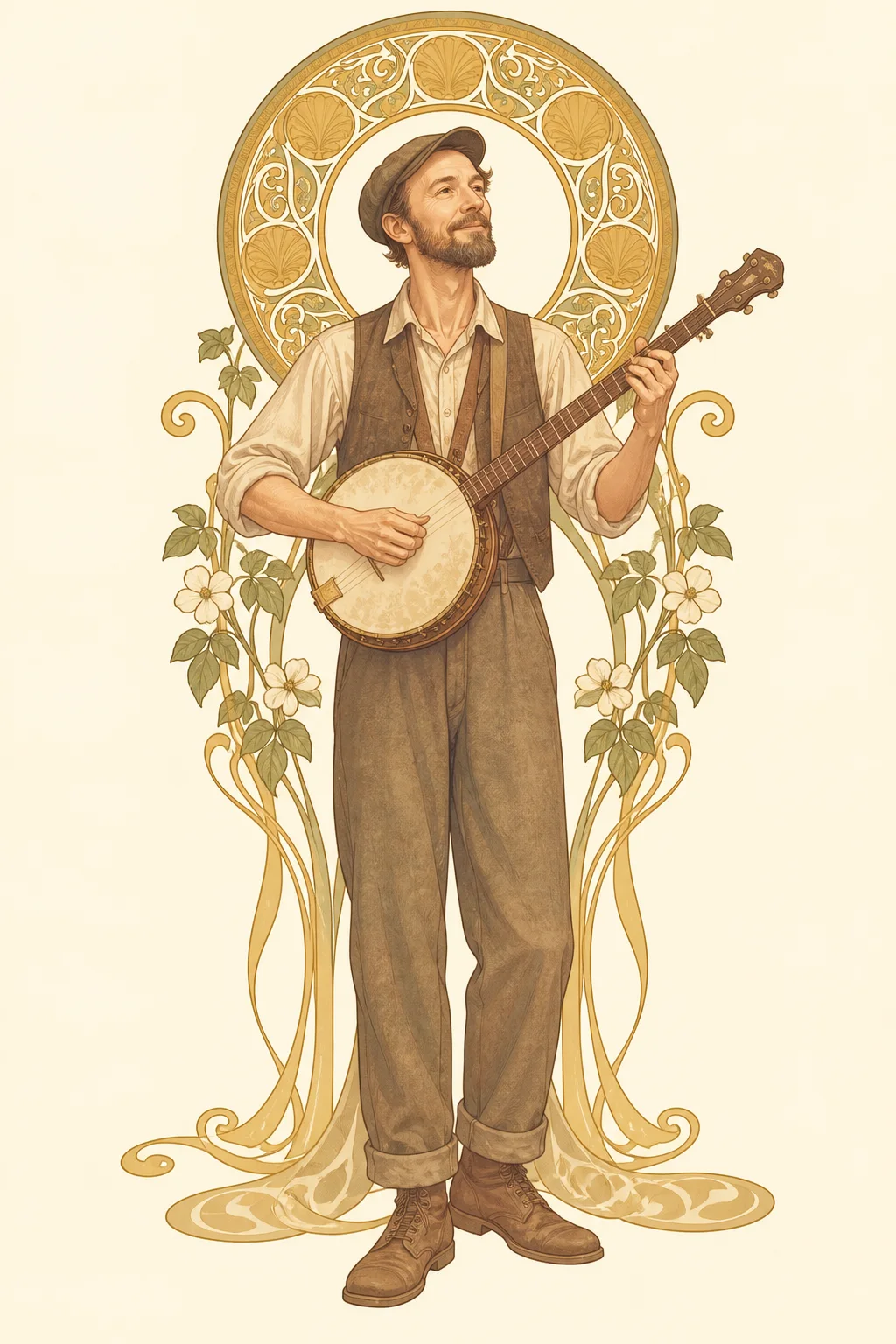 USA · MusicianPete SeegerConnected people through song and kept the flame of the peace and environmental movements alive
Type attributions are informed speculation based on public information, not confirmed fact.
Map of group memberships
The Harmonizer is one of 32 types, and also belongs to several groups of kindred natures. Here are the four main ones first — open a card to step into its own gallery room.
 Quadra (Values)Chi Quadra (Χ)Utopia
 Bouquet (Temperament)Linear-Assertive TemperamentMoves the world toward how it ought to be
 Club (Interest)Social ClubPeople who weave life and ties together
 Motivation (Stimulus Group)Status Stimulus GroupSeeks power, influence, and status
See all groupings (25 more)
 Communication StylePassionWarming the atmosphere through emotion
 Behavioral StyleInspirerMoving people through sheer fervor
 Argumentation StyleGuardianDiscerning worth through morality
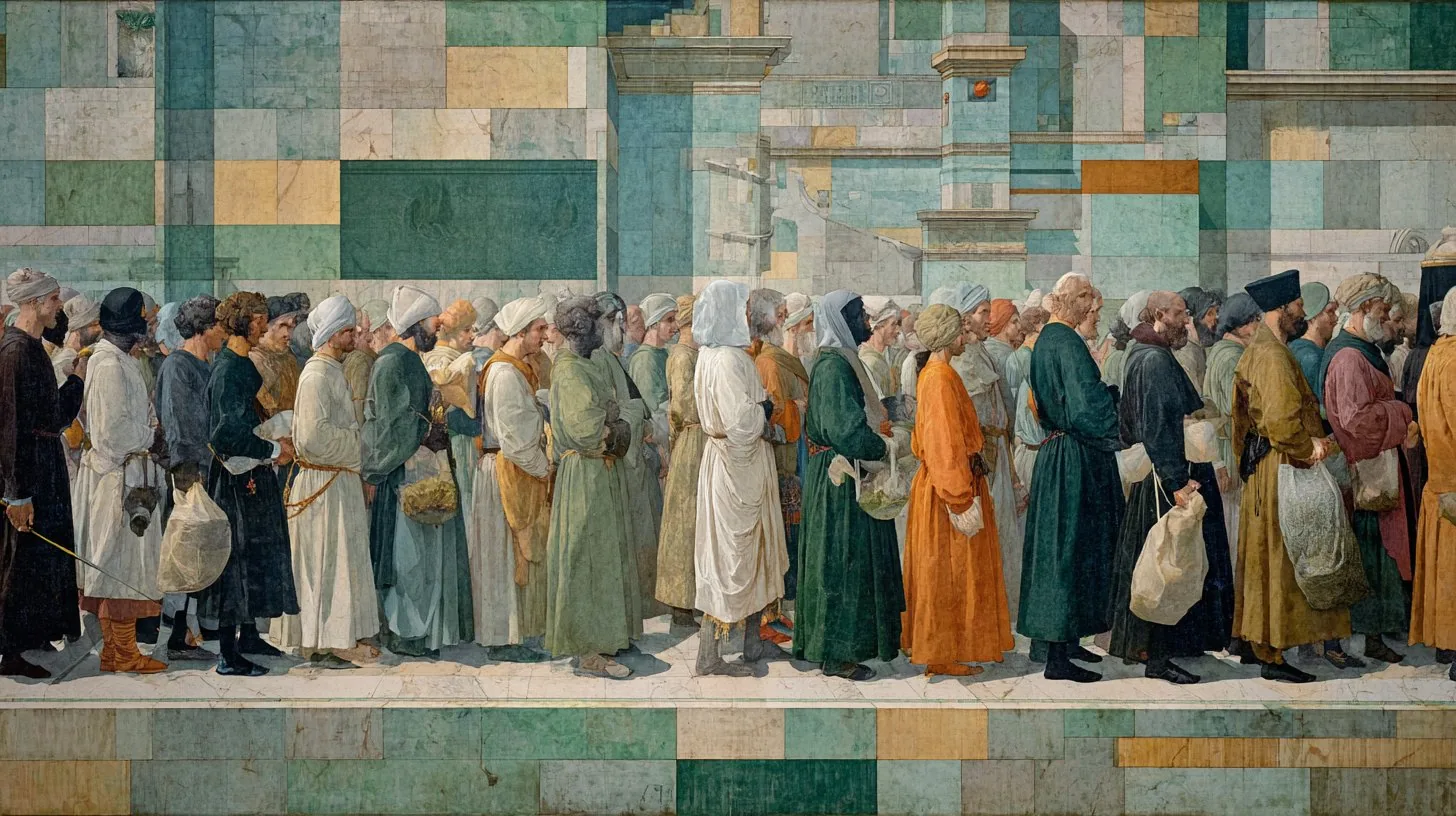 Perception GroupOrderlinessSets rank and distributes by tradition
 Cognitive StyleDialectical-AlgorithmicBranching and integrating opposites
 Romance (View of Love)ConciergeAnticipating needs and setting things in order
 Stress ToleranceWeakBreaks when the foundation is lost
 Socialization GroupDiscernerReading the dynamics of relationships with cool detachment
 Inflation RingEnergy GeneratorIgniting information and stirring the field
 Project GroupConcrete ProcessPrecise in the details, for people's sake
 Implementation GroupSocial EntrenchmentRooting customs into society
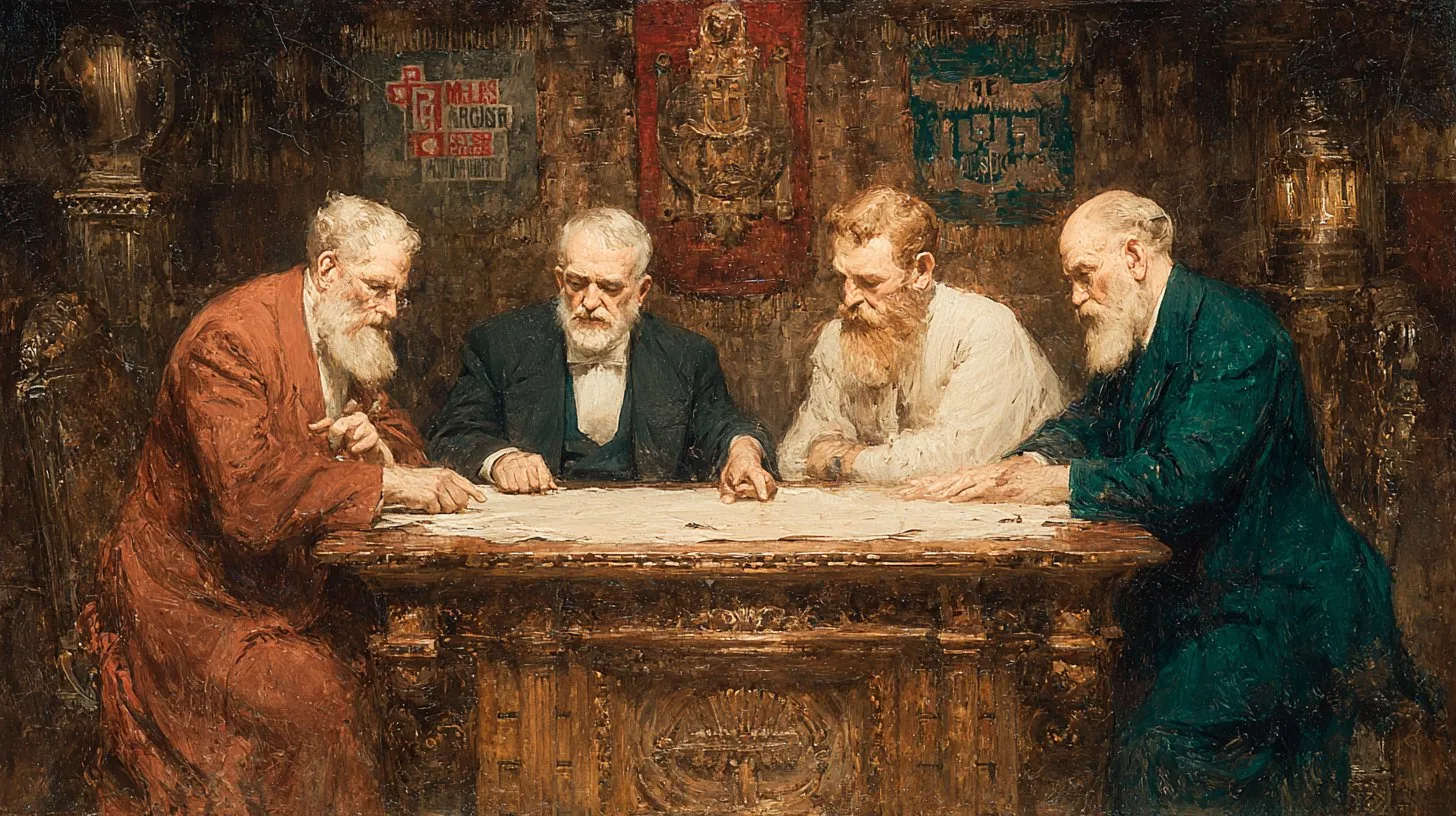 Square (Rest)IdeologueSchool of Thought
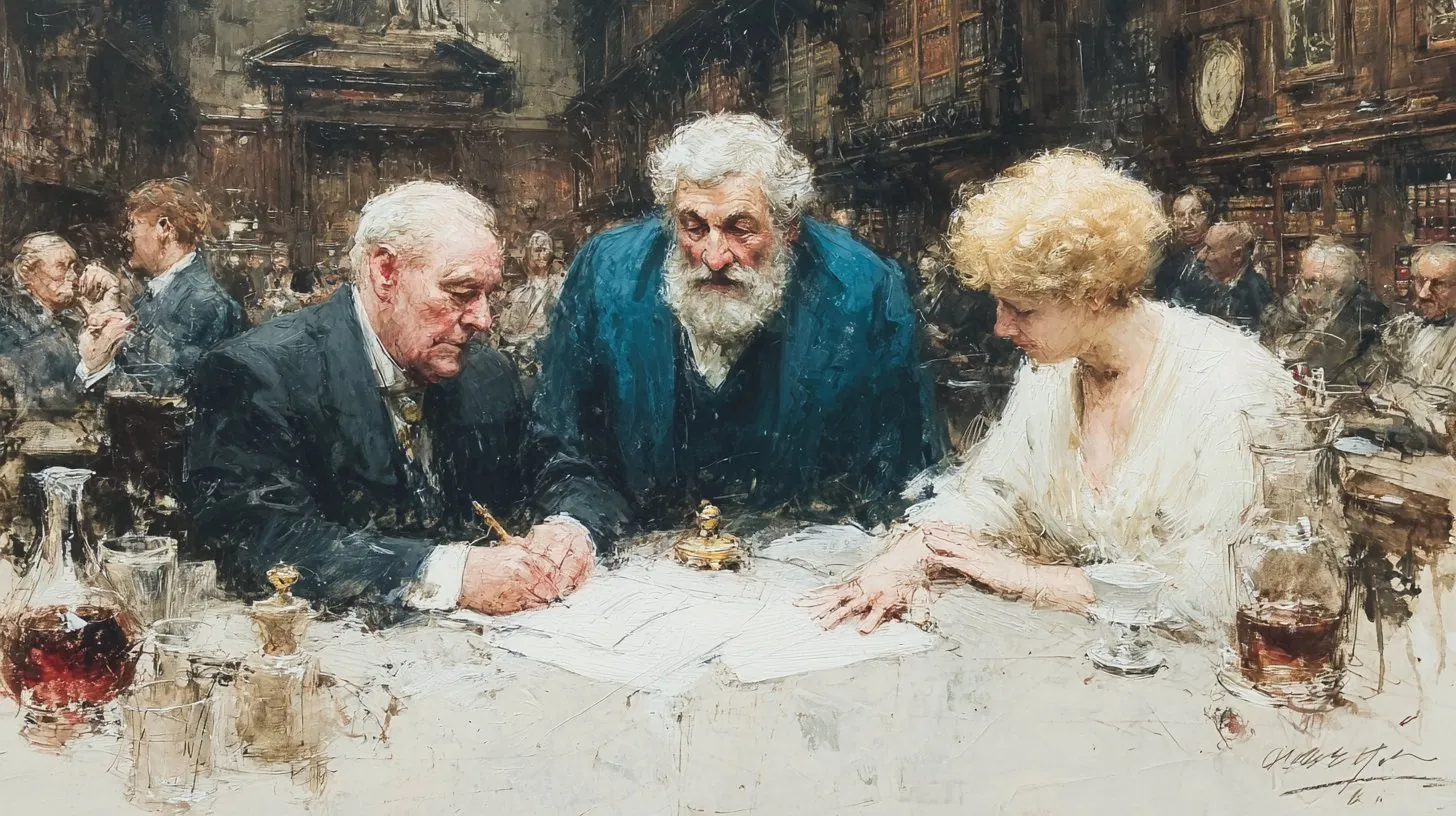 Business Square (Collaboration)FounderBuilders of good sense
 Octad (Cross-Value Group)JudgeVerifying and polishing results
 Reactor (Excitation Group)EruptionErupting excitation outward
 MobilizationPolymerizationPolymerizing into long-term macromolecular structures
 Conditioning (Adjustment Group)AlignmentAligning things into order
 LabyrinthEmporiumCommercial adventure and the warmth of community
 Block Group (Extinguishing Group)EnterpriseBinding people together and shaping them into form
 Social Progress Ring (SPR)Avant-GardeThe undercurrent ring of reform
 Supervision Ring (SVR)OracleA voice born of contradiction
 Social Order Ring (SOR)FirebrandA revolutionary who reforges order
 Succession Ring (SR)CanonThe deep succession of command
 Benefit Ring (BR)ClarionAn authoritative voice resounding in public
 Master Ring (MR)VeritasThe establishment of orthodox truth
Open the full, love and business editions
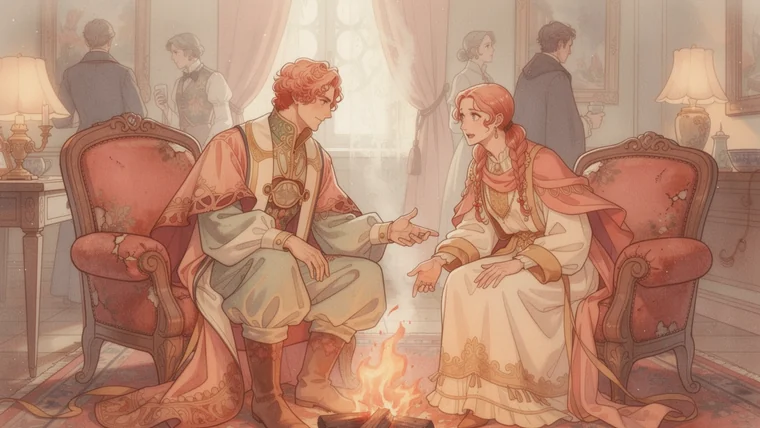
- The blueprint of your mind (8 blocks)
- Six ways to recover from stumbles
- A situation-by-situation guide (6 situations)
- The reasoning behind the celebrity picks

- What your heart longs for / What excites you / Your landmines
- Classic love scenarios
- Chemistry by partner (all 32 types)
- At home and as a parent / A practical playbook
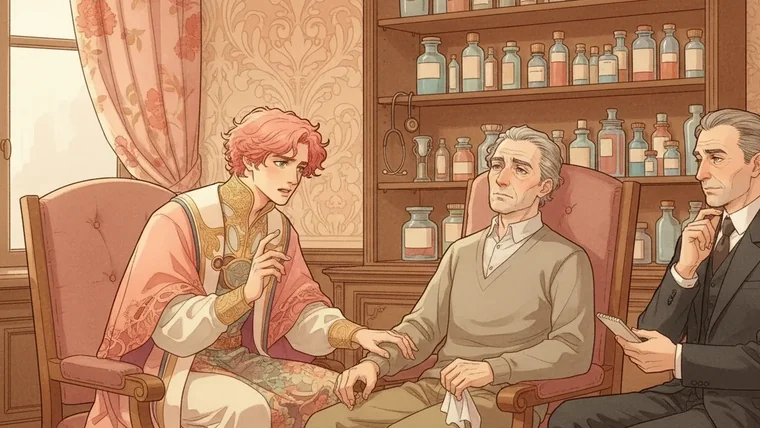
- Natural strengths / Work better avoided
- Work style / Management
- Industry fit ◎○△ (23 industries)
- Suitable roles
Save $24.98 compared with buying the three separately