
SLE-D – Conqueror –
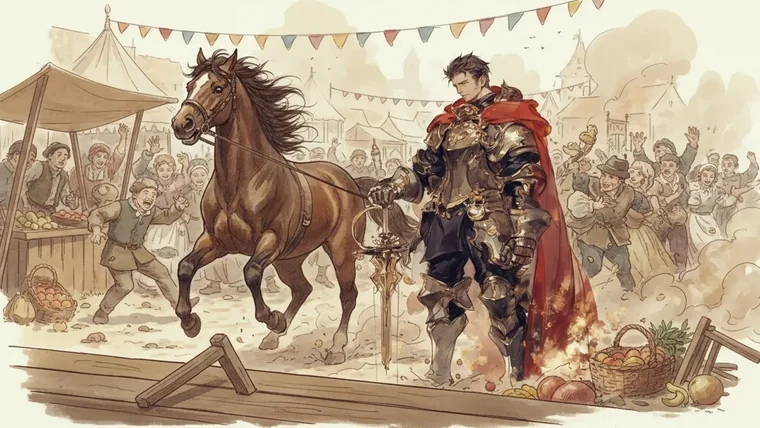
A dependable field general who only burns brighter the harder things get
You are a dependable realist who shows your true worth precisely when it matters most.
The greater the difficulty, the more strength wells up in you, and the more flustered everyone else gets, the calmer you are as you step forward.
Once you've accepted someone as "on your side," you never let them go, and you protect them with everything you have.
- Quadra
- Beta β
- Bouquet
- Flexible-Maneuvering temperament
- Club
- Practical Management
Portrait — the Conqueror
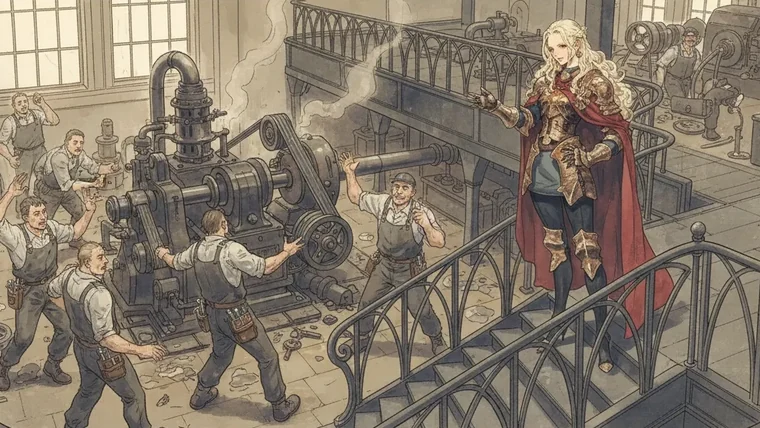
When things are calm they may look a little bored, but the moment a wall appears that has to be overcome, the look in this person's eyes changes. The greater the difficulty, the more strength wells up; the more flustered everyone around them gets, the calmer they are as they step forward. Wrapped in a quiet confidence, they have at their core the strength to steel themselves and say "I'll take this on."
What they head toward is always one big goal. Rather than scattering their energy on small things, they pin down what they truly want to accomplish, look hard at reality, and choose the shortest path. A realist who acts and checks rather than splitting hairs, they flexibly rework their plan when the situation changes. Rather than waving a flag, they nudge people along from the background and step forward only when needed — an oddly dependable organizer who never shows off their own achievements.
And once they've accepted someone as "on their side," this person doesn't let go. For friends and loved ones, they'll become a shield with everything they have, protecting that person's place and way of life. Their caution toward new people comes precisely from not wanting to be betrayed. Holding deep affection for their own behind all that strength — that is who the Conqueror is.
Reality over sentiment. A clear hierarchy over ambiguity.
Does this sound like you?
- Calm, peaceful days somehow feel a little boring.
- The moment a difficulty appears, the look in your eyes changes.
- When you decide, you decide fast, and you don't let hesitation drag on.
- Even when you get angry, it's brief and doesn't linger.
- Laughing and competing with a lively group of friends recharges you.
- You're cautious with new people at first, and it takes you a while to warm up.
- You're actually good at carefully asking about the other person and listening.
- You can frankly say "I don't know" when you don't.
- Once you've been betrayed, you can't let go of that memory for a long time.
- When someone calls you "indifferent," it actually hurts you quietly.

How you move
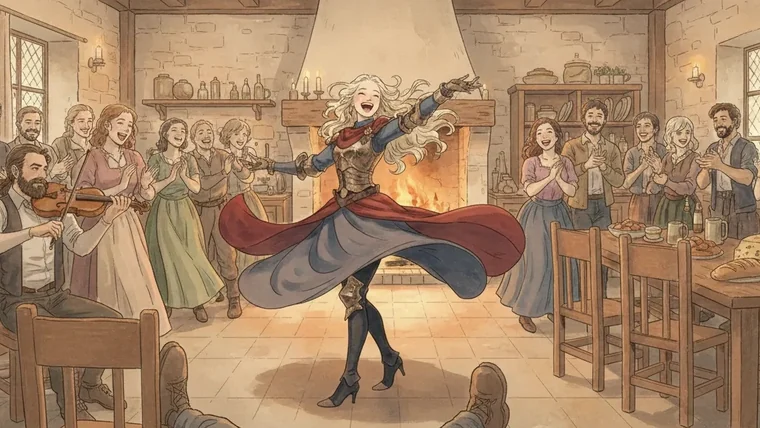
In the Conqueror's demeanor there is a calm presence and an explosive power for the crucial moment.
The Conqueror carries a calm presence in their bearing. Without raising their voice, there is an air of “I’m watching over this,” and small disturbances do not shake them. Rather, when difficulty or a decisive contest appears they come alive, and dormant strength rises all at once — obstacles are the very fuel that spurs this person on. Conversely, dull days with no wall to climb leave them somehow out of form. When they decide, they are quick and do not drag out hesitation. They look reckless, yet they take no needless risks — quick-witted, they grow cooler-headed the more urgent things become. Even when angered it is brief and leaves no residue. That they are not swept along by sentiment is not coldness but a self-restraint that keeps them from misjudging when it counts. And time spent among lively companions is this person’s recharge. Laughing and competing with people they can relax around, sometimes giving themselves over to music, they loosen their taut nerves. To those they have decided to look after, they show the face of a dependable big brother or big sister, and they do not let that person go easily. Strength and caring for others spring from one and the same root.
Snap decisions over hesitation. Results over words.
- The greater the difficulty, the more their fighting spirit ignites
- Hates time spent wavering, and makes the necessary calls on the spot
- Even when angry, it's brief and doesn't linger
Given a place where responsibility and authority come together, your decisiveness stands out above anyone's.
How you speak and listen

The Conqueror's way of talking makes them a good listener, and it holds together logically.
It may come as a surprise, but the Conqueror is a good listener. They want to know about the other person, carefully layer their questions, and try to hear opinions out properly — and because they direct that interest so sincerely, people naturally want to open up and talk. They also have the frankness to say “I don’t know” when they don’t, and are not ashamed to keep checking until they are satisfied. When they explain, they don’t hide behind difficult words; they raise familiar examples and build the reasoning slowly. Without missing the main point, they break it down until the other person truly gets it. When the topic turns logical and coherent, their expression softens, and smiles and light banter come out — behind the reticence sits a surprisingly warm conversational partner. When it comes to consultations and decisions, they naturally take on the role of the one in charge. After hearing everyone out to the end, they show the way with “All right, let’s do this.” Because they state things clearly rather than hedging out of tact, the more someone is hesitating, the more they come to rely on this person.
Behind the strength, a surprisingly good listener.
What lies at the core — drive and tender spots
Not theory, but whether you can move reality.
The one powerful engine at the heart
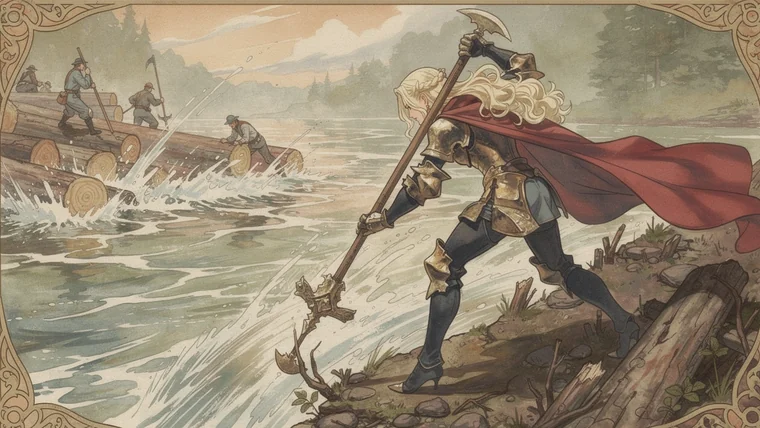
At the Conqueror's center lies the power to move reality and remake it into the shape they want.
At the Conqueror's center lies the power to move reality with their own hands and remake it into the shape they desire. They read the balance of power in a situation, move people and things, and open a breach in a deadlocked state. And rather than riding on momentum, they carry the reasoning through to the last detail, building it up and finishing the result into something solid. It is not merely forcing things through. They discern where to apply force to make the situation move, and concentrate all their power on the one decisive point — the hand that moves reality, and the head that marshals it. These two working in tandem is what the Conqueror is best at and finds most worth living for. When there is something to overcome and they can move it by their own strength, this person shines most vividly.
What they can do, yet do not prize

Surprisingly, the Conqueror can handle, well enough, both refining efficiency to optimize procedures and attentively tending and running a site. Cutting waste, rearranging steps, looking after people and keeping the system going — that practical ability is in fact considerable. Yet they themselves do not particularly prize it. More than steady efficiency improvements or the caretaker role, their awareness turns toward victory and domination themselves. Though they have the ability, there is a domain they hand off to others with “no need for me to do this myself” — and here lies one key to understanding this person.
What the heart secretly craves
What they secretly long for is a peace that unwinds the heart, and a bright outlook on the future.
Strong and keenly attuned to reality, the Conqueror finds one thing hard to generate on their own yet deeply longs for — a peace that unwinds the heart, and a bright outlook on the future. Pressing ever onward under tension, this person is unexpectedly saved by gentle words and by an upbeat voice saying “It’s fine, it’ll surely work out.” Though pessimism and gloom irritate them, in a light, optimistic air the tension suddenly drains and they can relax. When alone, they also keep time to quietly turn over what lies ahead and let their mind play over yet-unseen possibilities. The more years they add, the deeper that introspection grows, and the temperament that was all fighting spirit softens. They recharge among lively companions and music, and when called “an indifferent person” they are, in truth, quietly hurt — such delicate feeling they keep hidden behind a powerful bearing. That is exactly why this person is deeply fulfilled by the dual partner (the Dreamer IEI-Q) who tells them a story of meaning and vision.
The most fragile place
Where the Conqueror is most fragile is delicate feeling and answerless possibility.
Where they are most fragile is in attending finely to each individual heart, and in freely spreading out answerless possibilities. Reading the subtle grain of personal feeling and gently attuning to another’s mood; or letting ideas play with “what if it were like this” and enjoying unsettled options — both are the domains hardest of all for the Conqueror, whose watchwords are power and results. When this spot is blamed from outside, or when they are pressed to “connect more with people’s hearts” or “come up with ideas more freely,” the Conqueror either stiffens coldly or, on the contrary, turns aggressive. Think of it not as a flaw to be fixed, but as the softest place of all — one to be gently protected with a clear purpose and role.

- Core: a hand that moves reality, and a mind that marshals it
- What drives you: promotion, status, reward, and recognition from others
- Where you're fragile: attending to delicate feelings, possibilities with no answer
Strengths, and where you stumble
Someone who gives you a peace that unwinds your heart, and an upbeat outlook.
Strengths — unshaken, decisive, protecting to the end
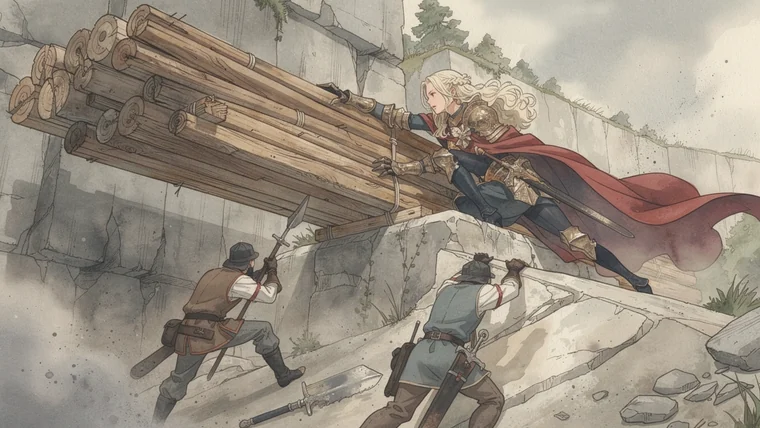
The Conqueror's strengths are a nerve that never crumbles in any situation, an unhesitating decisiveness, and the concentration to give everything at the crucial moment. It is precisely amid pressure and chaos that their head grows clear; surveying the whole, they instantly discern “what must be done now.” They look reckless, yet also carry the prudence to avoid needless risk. Their eye for people is sure too — they find the right person, place them where their strength tells, and bind them toward the goal — and before you know it, a dependable band has formed around this person. Tenacity at the decisive moment, the vigor to fling back adversity, and the strength to put their body on the line to protect their own people’s interests — when it truly counts, this is the person you can rely on most.
Where they tend to stumble

Where they tend to stumble is the flip side of that strength.
Their weakness lies on the flip side of that strength. Being hard on themselves, they grow harsh toward what looks like weakness or indulgence, and may end up pressuring someone who won’t move as they wish. They are cautious with new people, keeping their distance until they know they can trust — and once betrayed, they cannot let go of that memory for a long time. Their eye tends to fall on what people lack, and consideration and word choice get put off, sometimes driving others away. Yet these are less flaws than the flip side of genuinely shouldering wins-and-losses and one’s own people. And this harshness is not for life. The more years they add and the more relaxed time they spend with people they can trust, the more the edges wear off, and tolerance and a feel for feeling grow — that is the most natural picture of maturity for the Conqueror. Rather than blaming and fixing, choosing a partner who can meet them as an equal and an environment where sincerity gets through is the key to their unfolding freely.
The bright outlook shown by someone you trust moves you deeply — and you can answer it with your own drive. That's where your room to grow lies.
- Share the reasoning behind your decisions in a word or two
- Start reform proposals with "the transition steps and what the other side gains"
- Don't push the blame for mistakes onto others
Where you thrive
"Status" and "recognition" are a clear driving force.
Environments Where They Thrive
Where the Conqueror exercises their power most is an environment with a clear chain of command and hierarchy, where victory and defeat are visible. They build a thorough system of control, assign roles and responsibilities clearly, and command the whole — in hierarchical organizations like the military, police, and fire service, in bureaucracies and large-corporation management posts, in risk management, and in on-site command for construction and infrastructure, they are active as the organization’s core. Combining hands-on skill with planning ability, they are a “tactical realist” who can judge and intervene instantly. Their motivation is plain: they respond strongly to promotion, status, reward, and outside recognition. A rise in standing and results are the very measure that proves the worth of their effort, and responsible work, leading people, and the evaluation of results become their energy source. On fields where winning and losing are clear — competition, trading, combative sales — they show outstanding concentration and competitiveness as well.
Their figure as a commander
Rather than a standard-bearer who speaks of ideals, the Conqueror is an executor who wields power and logic for the sake of the goal and wrests out results. Even without declaring themselves the leader, they exercise the power to move a situation, at times pushing their will through from behind the scenes. What they prize — reason over sentiment, results over empathy, a clear hierarchy over ambiguity. They act with an eye to gain and loss, influence, and standing, and it is precisely in collaboration that presupposes conflict that they exercise their greatest power.
Dialogue — ask Mathilde

One free dialogue · Le Salon members can explore several perspectives. Not a real person: a representative perspective based on the public profile.
Relationships and love
Protecting the one you've chosen, head-on, to the end.
How You Love — Protecting Them Head-On, to the End
The Conqueror’s way of loving is to take on the whole of a partner’s reality with overwhelming drive. When someone is in trouble, their body moves before the reasoning does; when there is a problem, they step forward with “I’ll handle it.” They may be poor at dressing feelings up in words, but they show love by protecting a partner’s life, safety, and place to belong by sheer force. When a lover is treated unfairly, for instance, the Conqueror becomes a shield without hesitation, gets angry before the partner does, and moves before the partner does. That almost clumsily straightforward way of protecting is the true body of this person’s love.
Compatibility — recommended partners
 Dreamer
 IEI-QA teller of fantasies who colors the world with dreams and passionDualityThe most complementary. Eases tension and brings deep fulfillment. Critic
 ILI-QThe insightful Critic who sees through contradictions in the depths of silenceSemi-dualityWarm interdependence and a sense of belonging Performer
 SEI-QA gentle conveyor who gives form to sensation and feelingIllusionaryCalm trust and ease Mentor
 EIE-QA passionate standard-bearer who speaks of ideals and binds hearts togetherActivationMutual arousal, where just being together stirs your drive and heat Harmonizer
 ESE-QTheir smile and their voice soften the space around themBenefactorFor this person's sake, strength comes to you naturally Commander
 LIE-QBuild, prepare, hold the line — the command center of orderBeneficiaryA peak experience of being supported and fulfilled Enforcer
 LSI-DThe steel operator who carries out the mission through discipline and responsibilityMirrorEach other's executive drive is honed by mutual reflection Architect
 LII-DThe architecture of logic, quietly built up piece by pieceSupervisor (mirror)A learning where they are given to and led toward structure Guardian
 ESI-DA silent shield that protects people, with rightness at its backSupervisee (mirror)A learning where they receive and grow suppleSee the other relationships (22 more types)
The upper bands are easier to be with; the lower bands tend to wear you down. Tap a relation name to read about the pair.

SEE-DA born leader who reads hearts and rallies the currentKindredA partner whose conversation flows easily, someone who likes to express things in the same direction as you. It can wear you out once it turns competitive. Visionary
 ILE-DThe architect of ideas who reinvents the world through paradox and theoryBusinessA partner you can easily work alongside, adapting to the situation together. Administrator
 LSE-QThe hands-on command post that keeps the field running and moves people and workTranscendenceA partner who makes you want to surpass yourself when you're together, pushing each other to grow. Empath
 EII-DSensing what lies beneath feeling, and becoming someone's quiet supportCorrectionA partner whose feedback becomes a chance to take stock of yourself. Promoter
 IEE-DMoving the world through fascination — an evangelist of ideasIdealA partner who naturally embodies what you aspire to be, easy to admire. Getting too close tires you out. The Artist
 SLI-QGiving form to the “just-rightness” of nature and daily lifeCompassA partner who gives you a sense of being accepted, along with a hint of which direction to move in. Reformer
 SLE-QAn executor who breaks through by force and rewrites conventionAdaptiveA partner you settle into by simply playing your roles, an easy, unremarkable relationship. Prophet
 IEI-DAn eye that gazes upon a destiny no one has yet noticedDetachedA partner who's hard to feel drawn to, leading to a rather flat, low-key relationship. Hero
Hero EIE-DIt is this conviction that changes the worldRelaxationA partner who puts you at ease, though you tend to end up waiting on them with quiet expectation. Inspector
 LSI-QThe logician who strips away pretense and sees through to the truthCodependencyA partner who wears you down little by little, caught in a cycle of bottling things up and overcompensating. Seeker
 ILE-QAn intellectual adventurer who unravels the worldFormalA relationship where formality and appearances pile up, and it's hard to ever fully relax. Peacemaker
 SEI-DA bridge between sensation and compassionTediumA partner who leaves you feeling sluggish, prone to putting things off and keeping your distance. Enthusiast
 ESE-DThe cheerful flame that sets the world ablaze with feelingTense BenefactorA partner around whom you tend to try too hard, unable to shake off the tension. Analyst
 LII-QFrom the quiet of the desk, reassembling the worldSupervisorA relationship where you tend to unsettle the other person without ever realizing it.
SEE-QA natural orchestrator who reads the room and guides people toward reconciliationDutyA partner who leaves you understanding what to do yet unable to act on it, while your need to be recognized grows stronger. Strategist
 ILI-DThe contemplative Strategist who quietly reads ahead and lays the groundworkDistrustA partner you can't quite bring yourself to trust, which makes it hard to show your own strength. Pioneer
 LIE-DCarving the way through results — the realist's frontierTense BeneficiaryA partner who leaves you worrying and overthinking, prone to closing your heart off. Judge
Judge ESI-QThe quiet arbiter who discerns right from wrongPlayerA partner around whom you constantly feel watched, prone to leaving you burned out. Advisor
 IEE-QOne who quietly draws near and listens to the heartRoleA relationship where "you should" comes first, making it hard to just be yourself. Craftsman
 SLI-DThe artisan who sets the world in order in the palm of his handDistanceA partner who makes you want to keep your distance and close your heart off. Executive
 LSE-DSet it in order, get it moving, see it throughQuasi-IdentityA partner who looks similar to you yet never quite clicks, leaving you spinning your wheels and worn out. Philosopher
 EII-QOne who, in the stillness, keeps questioning the meaning of the worldConflictThe partner most likely to strike your weakest point, the one relationship that drains you the most.Compatibility is not decided by type alone; maturity, subtype and circumstances all change it.
With someone you are connected to, you can read a personal Relationship Reading drawn from both of your answers ($8.99 per pair, unlimited for Le Salon members).
See compatibility with your connections →Explore Le Salon →
What You Truly Long For
What you truly want, deep down, is someone who reads the flow and the timing for you. Because you're always moving "right now" and "by force," the truth is you can't read ahead even for yourself…
In the Love Edition: What your heart longs for / What excites you / Where you clash and your landmines / Classic love scenarios / Chemistry by partner, all 32 types named / At home and as a parent / A practical playbook / Secrets to lasting love / A manual for your partner
Work and ways of working
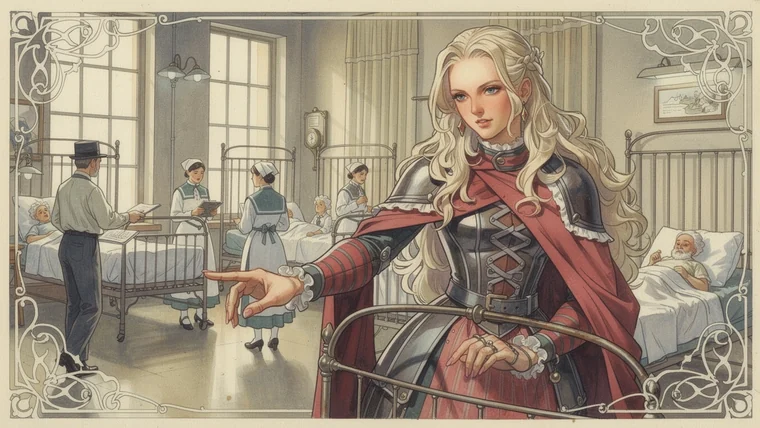
Your Working Style — Frontline Breakthrough
You naturally excel in two main ways: taking charge of the situation, acting fast, and getting results; and building a clear line of reasoning to organize and analyze things properly.
Your interest gravitates toward getting hands-on, practical work done. Day to day, you're an improviser who moves on mood and inspiration, with big swings between going all out and slacking off.
With people, your style is matter-of-fact, connecting through work and shared activities. When you act, you first set up the reasoning and the structure, then move.
The breakthrough power to take charge of a situation, and the power to build clear reasoning.
- Share decisions along with a word or two about the reasoning behind them
- Start reform proposals with what the other side gains
- Don't win arguments against people in public

Careers That Fit
In an environment with a clear chain of command, your judgment, which only grows cooler the fiercer things get, comes into its own.
The more urgent the situation, the clearer your head, and your ability to steer toward the quickest resolution comes into full play.
Your power to size up reality, choose the shortest path, and move the situation translates directly into results.
Your Strengths, and Work Better Avoided
Your strength lies in the combination of the power to take charge of a situation and break through, and the power to build reasoning into a working structure. As in commanding the first response to a crisis or reviewing the design of a major project…
In the Business Edition: Natural strengths / work better avoided, Stress tolerance and socialization group, Work style, Motivation and recharging, How to work with and manage this person, Compatibility and team-building, Industry fit ◎○△ across 23 industries with rationale, Suitable roles
Blueprint of the mind
Your mind runs on eight blocks. Each block carries two functions — how you take in the world, and how you express yourself — and together they set both the range you're skilled in and how much you actually value using it. We've kept the technical notation small and explained everything in plain language.
A hand that moves reality, and a mind that marshals it.
Leading Your centerI Conquer
-Se-pVictory & DominationVolitional sensing+Ti-cOrganization & UnificationStructural logicYour foundation, first of all, is the power to compete, win, and seize the initiative. You apply pressure, push things through, take control of the situation by force, and wrest away the advantageous position.
Layered onto this is the power to work things out in fine detail and put them in order. You build everything up without gaps, organize the lineup, and finish off victory until it's certain — a hand that conquers and a hand that marshals. That these two are always working at the same time is the conviction planted right at your center.
Mirror — Picked up by watching
At the entry point sits the power to make things add up and keep the r…
In the Full Portrait: all 8 blocks of the blueprint / 6 ways back / situational guide / the reasoning behind the exemplars
Going deeper — ways back and situational guide
On the flip side of that same core, these are the situations where you tend to stumble. After that, six ways to get back on your feet.
Picking up the subtle nuances of personal feeling and gently attuning yourself to someone's emotions is the hardest territory of all for you.
Enjoying unsettled options like "what if it were like this" doesn't come naturally to you, since power and results are what you live by.
You may end up putting pressure on someone who won't move the way you want.
A bright outlook on the future gives your actions a steadiness that lasts longer.
Way to Recover 1 — Your Greatest Weapon: An Unwavering Will
You are, without a doubt, a person of strong will and decisiveness. You always keep your eyes on a big, distant goal and don't waste your strength on trifles…
In the Full Portrait: 6 ways back / situational guide (home, work, friends, under stress, shopping, days off)
People thought to share this type
Different eras, different fields — yet every one of them resonates on the same note: someone who burned brighter the harder things got and moved events by force.
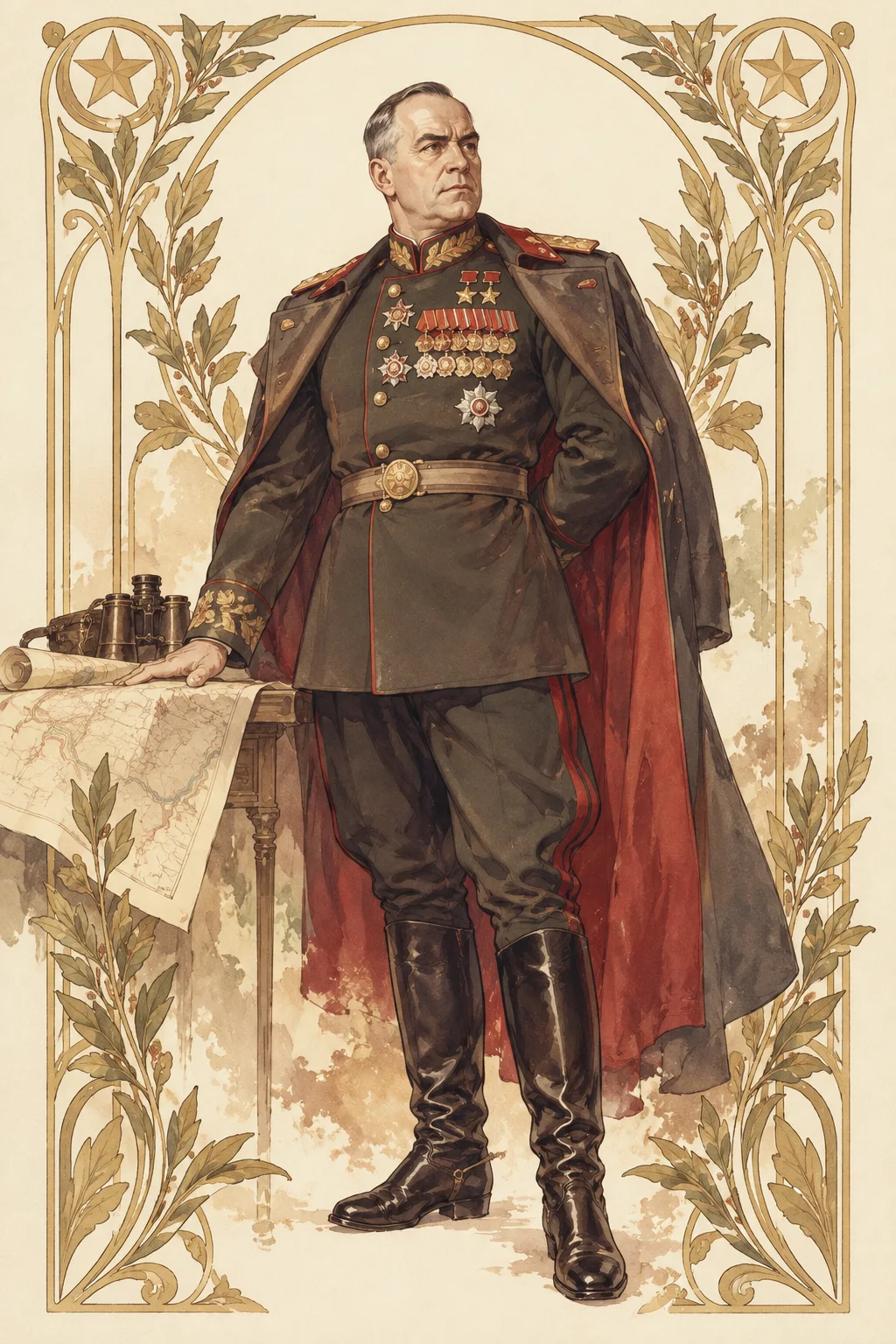 Soviet MarshalGeorgy ZhukovRussia · 20th century
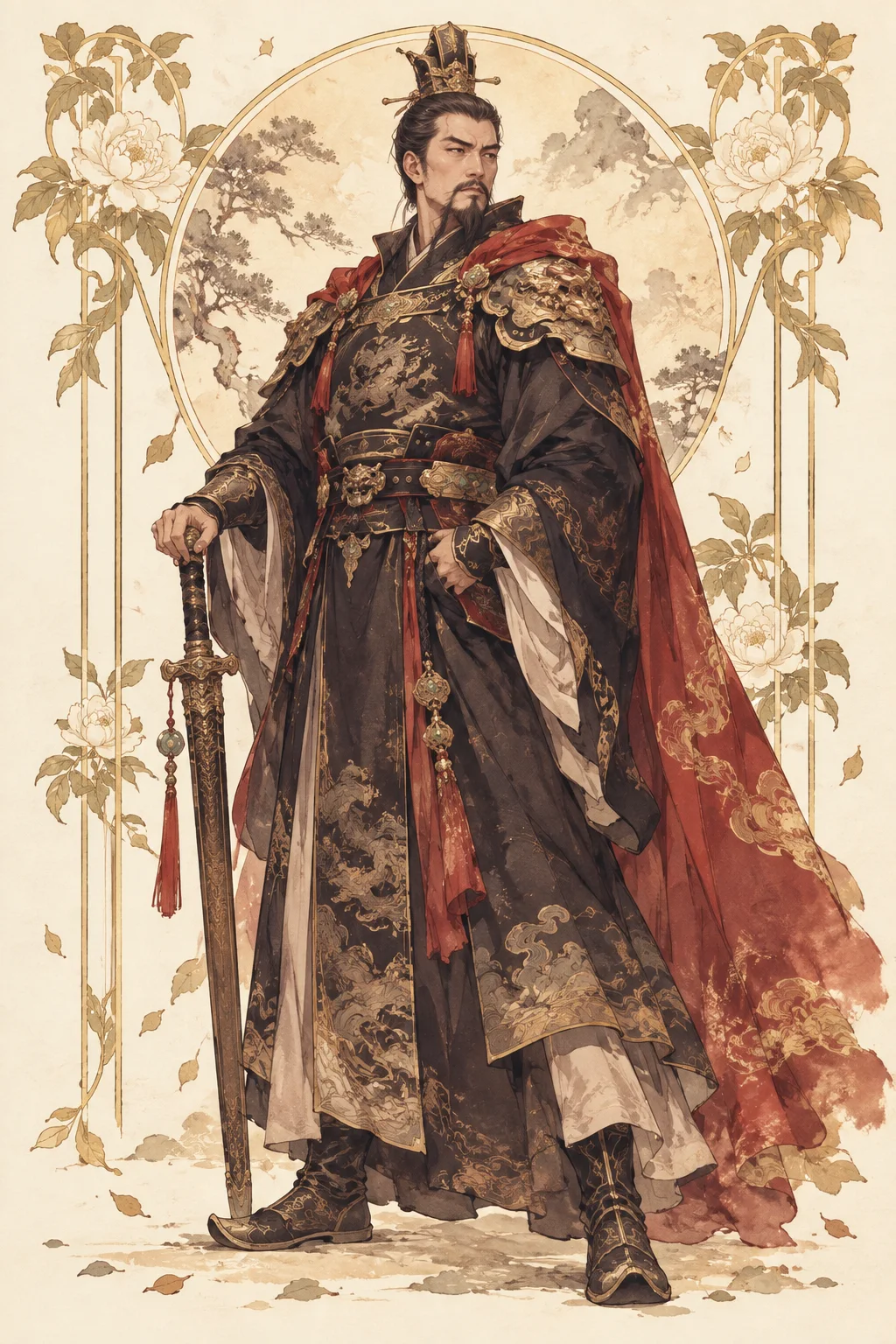 King of WeiCao CaoChina · 2nd–3rd c.
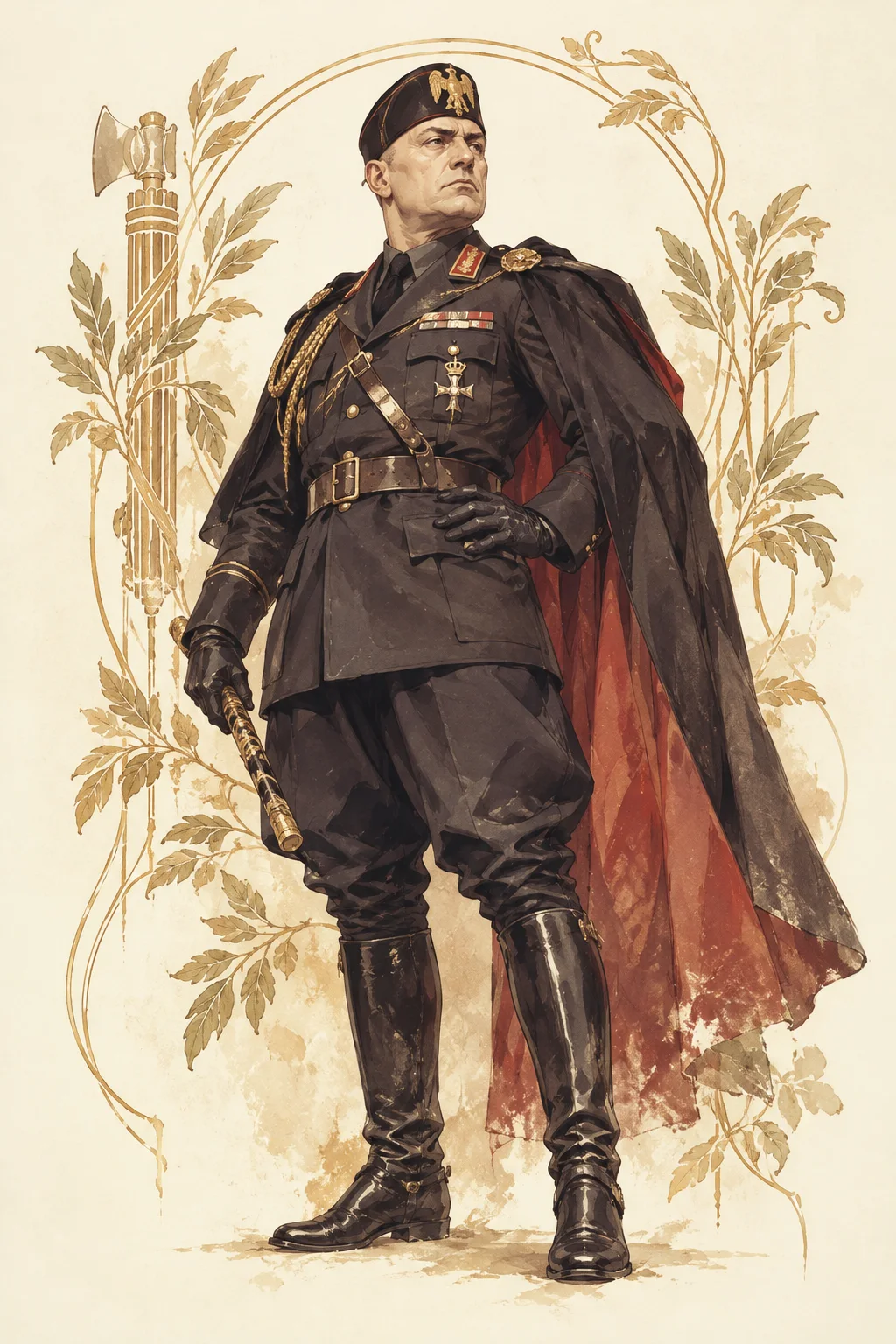 MentorBenito MussoliniItaly · 20th c.
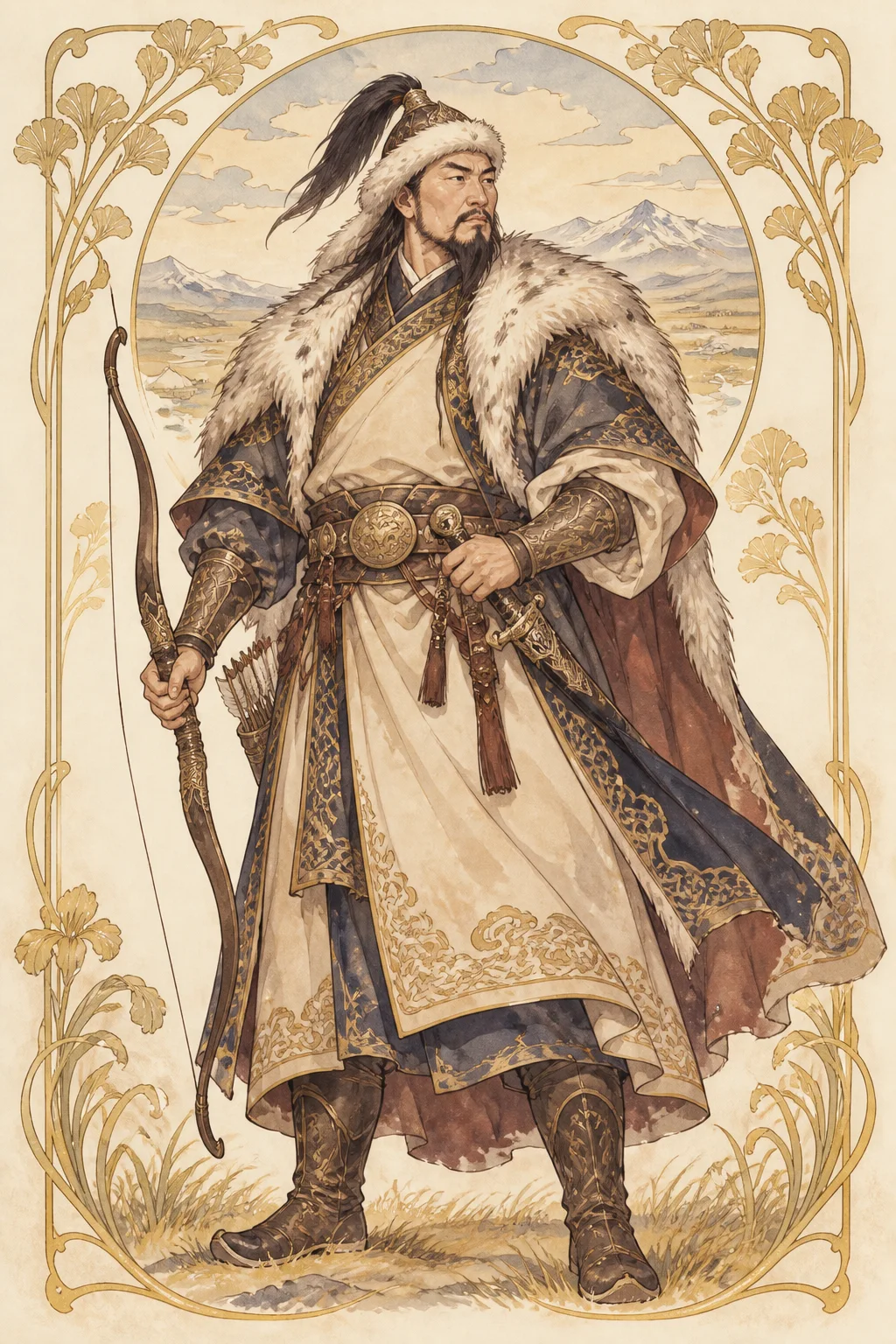 Great Khan of the Mongol EmpireGenghis Khan13th c.
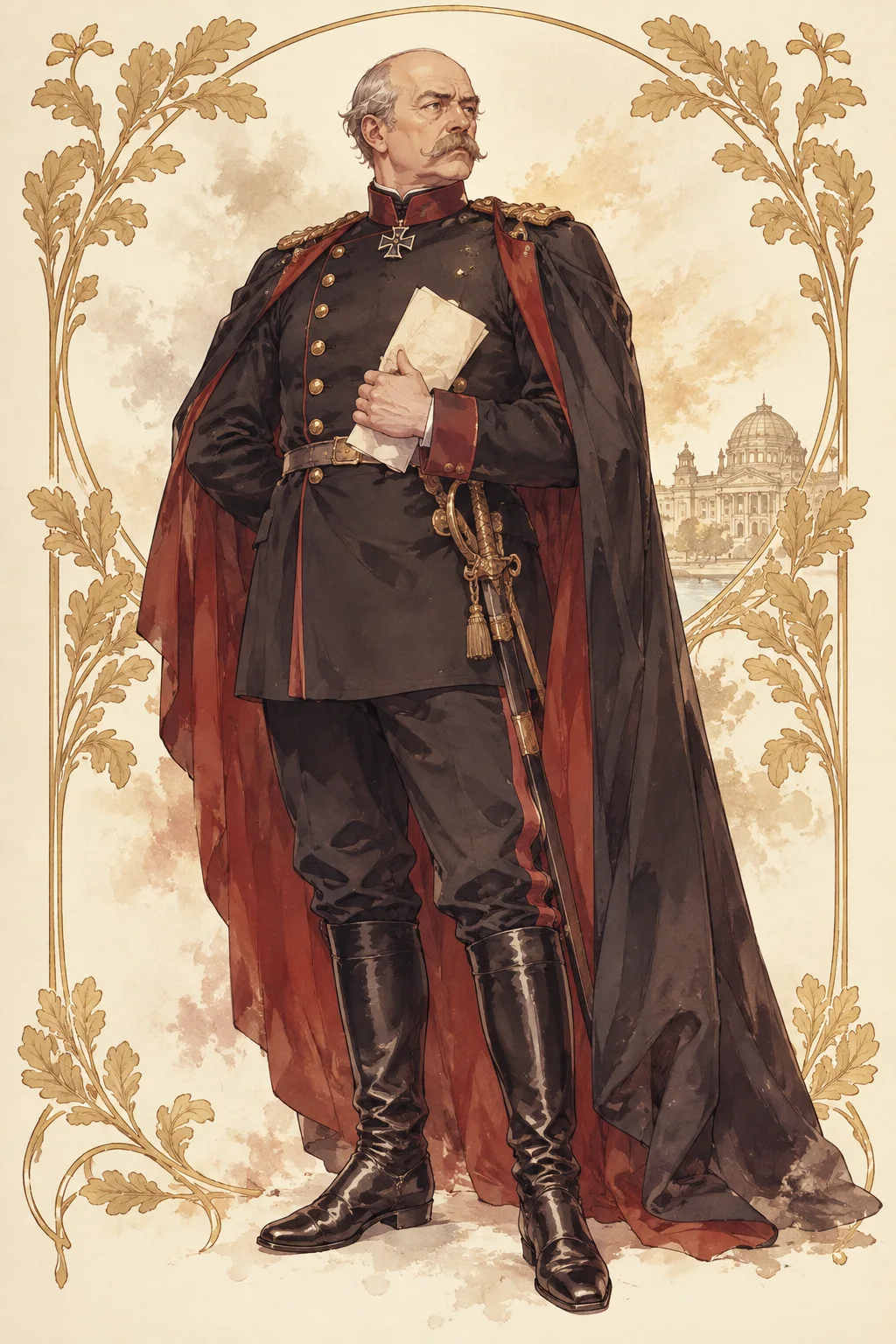 Chancellor of the German EmpireOtto von BismarckGermany · 19th c.
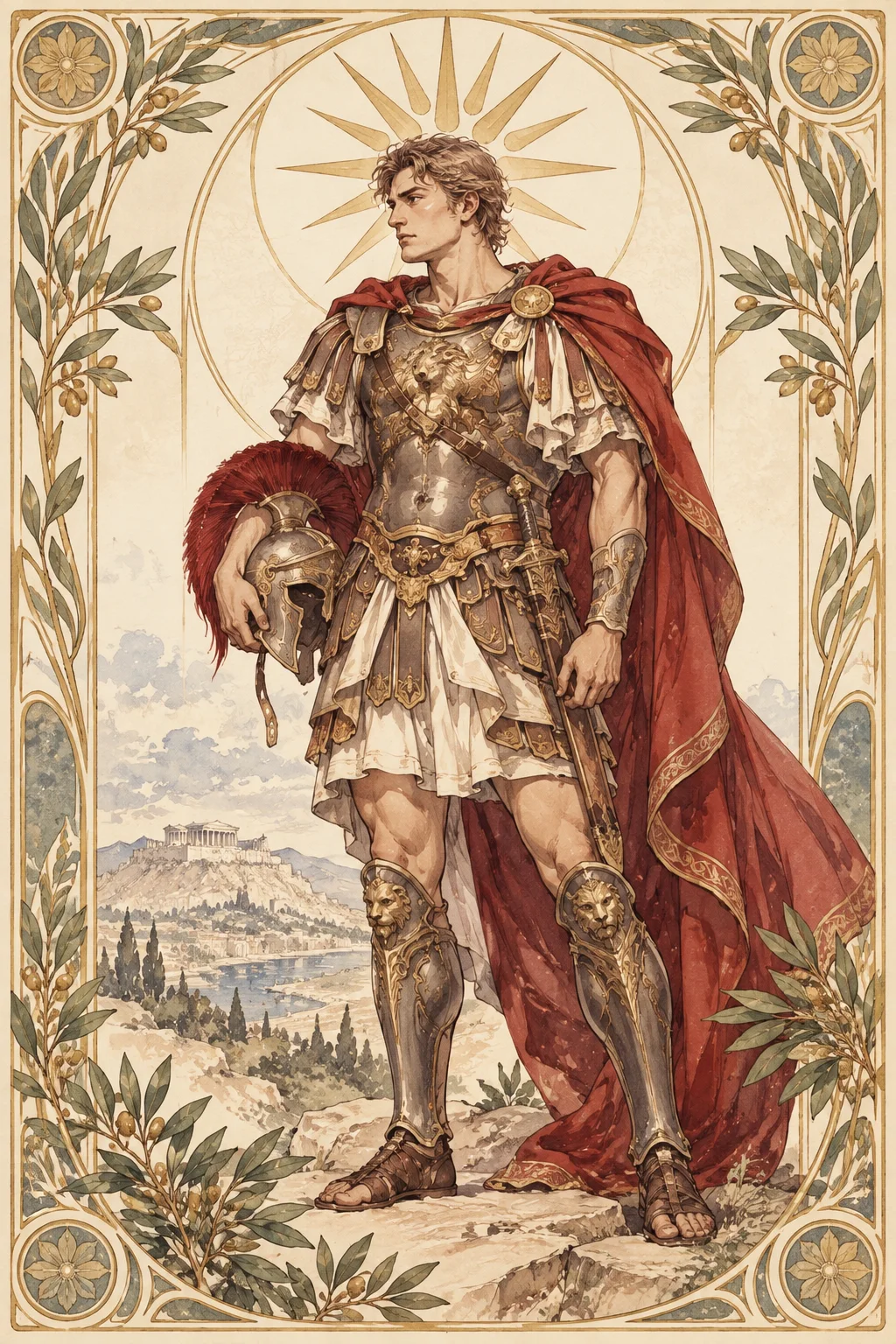 King of MacedonAlexander the Great4th c. BC
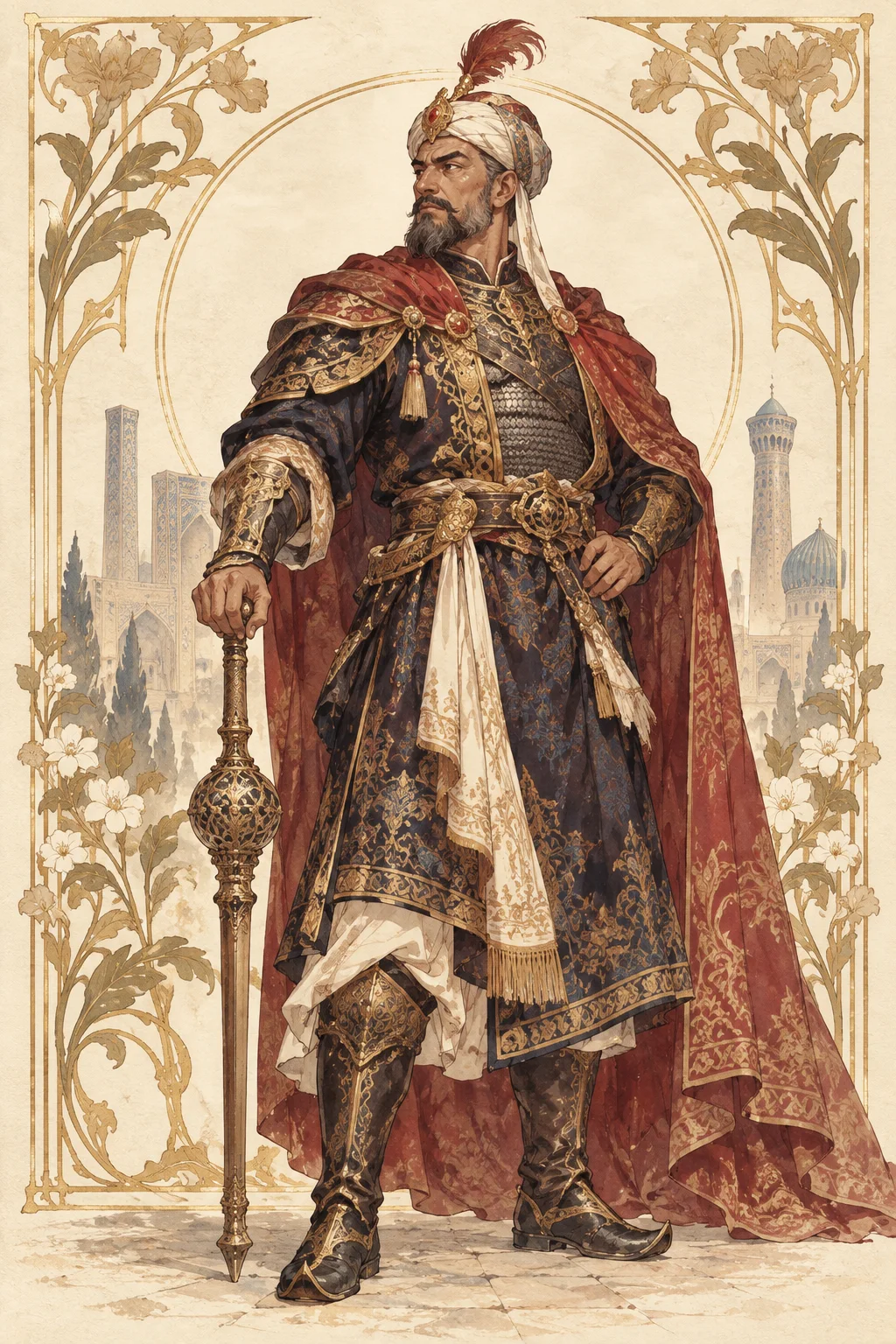 Founder of the Timurid EmpireTimurCentral Asia · 14th c.
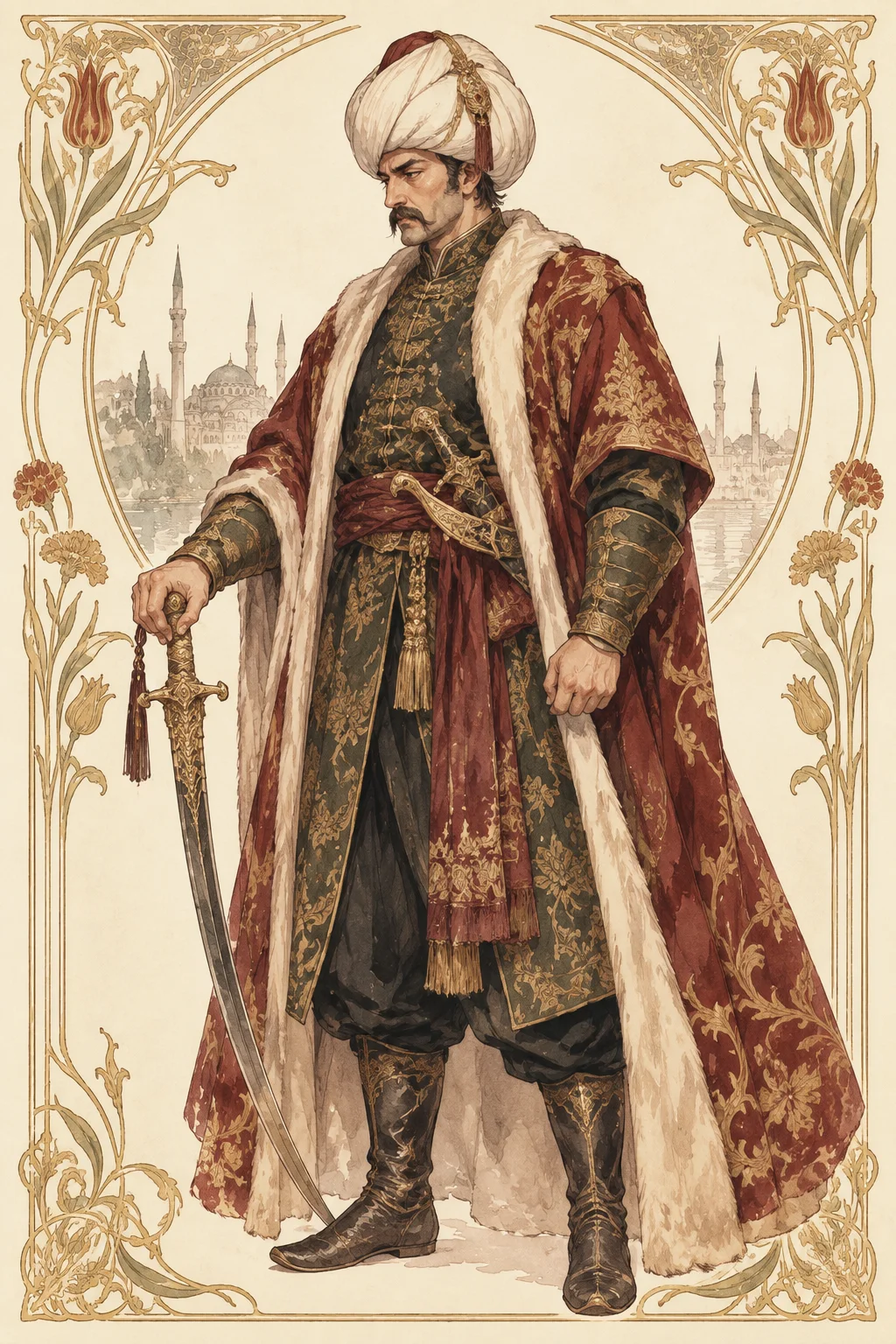 Ottoman SultanSelim I16th c.
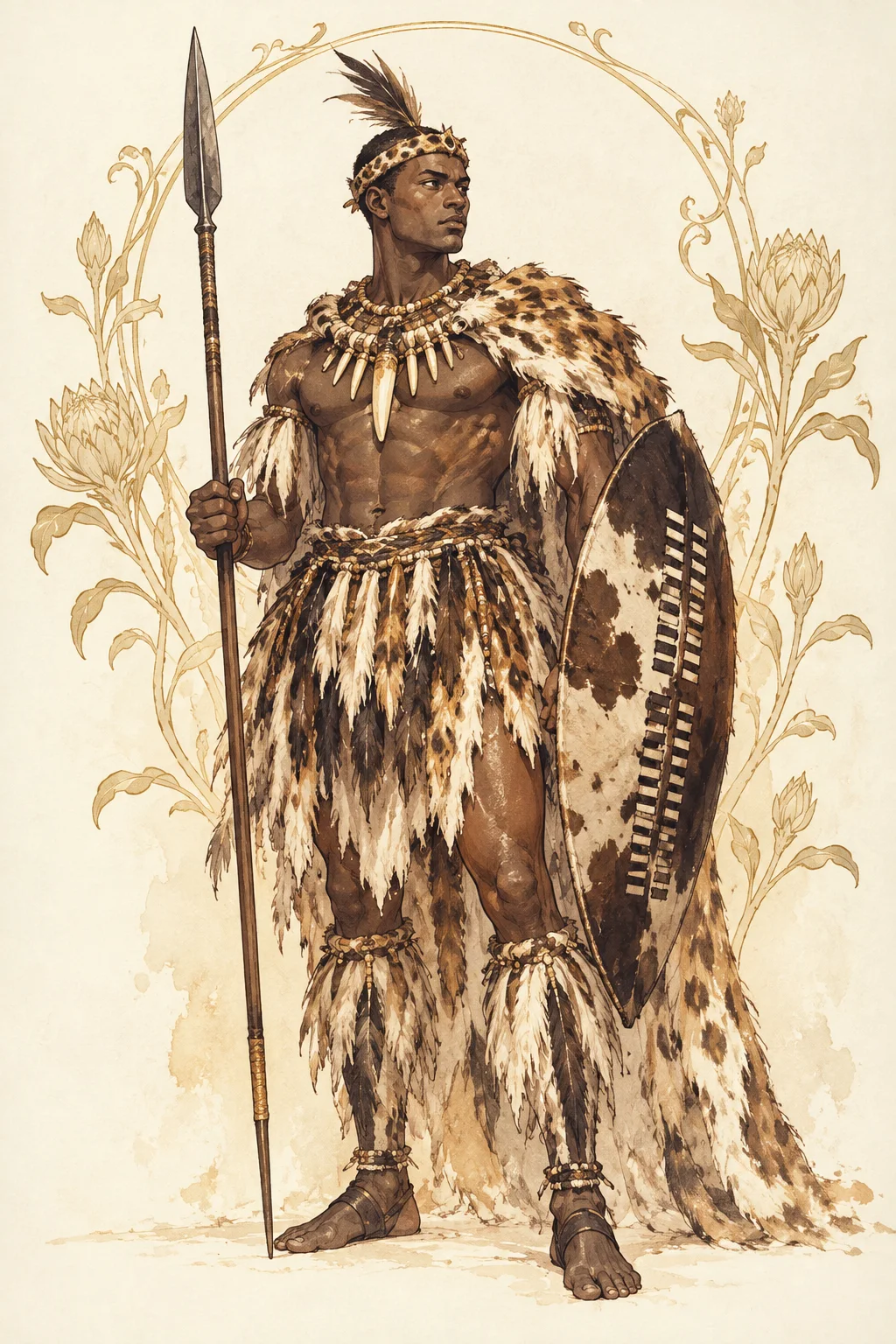 Founder of the Zulu KingdomShaka ZuluSouth Africa · 19th c.
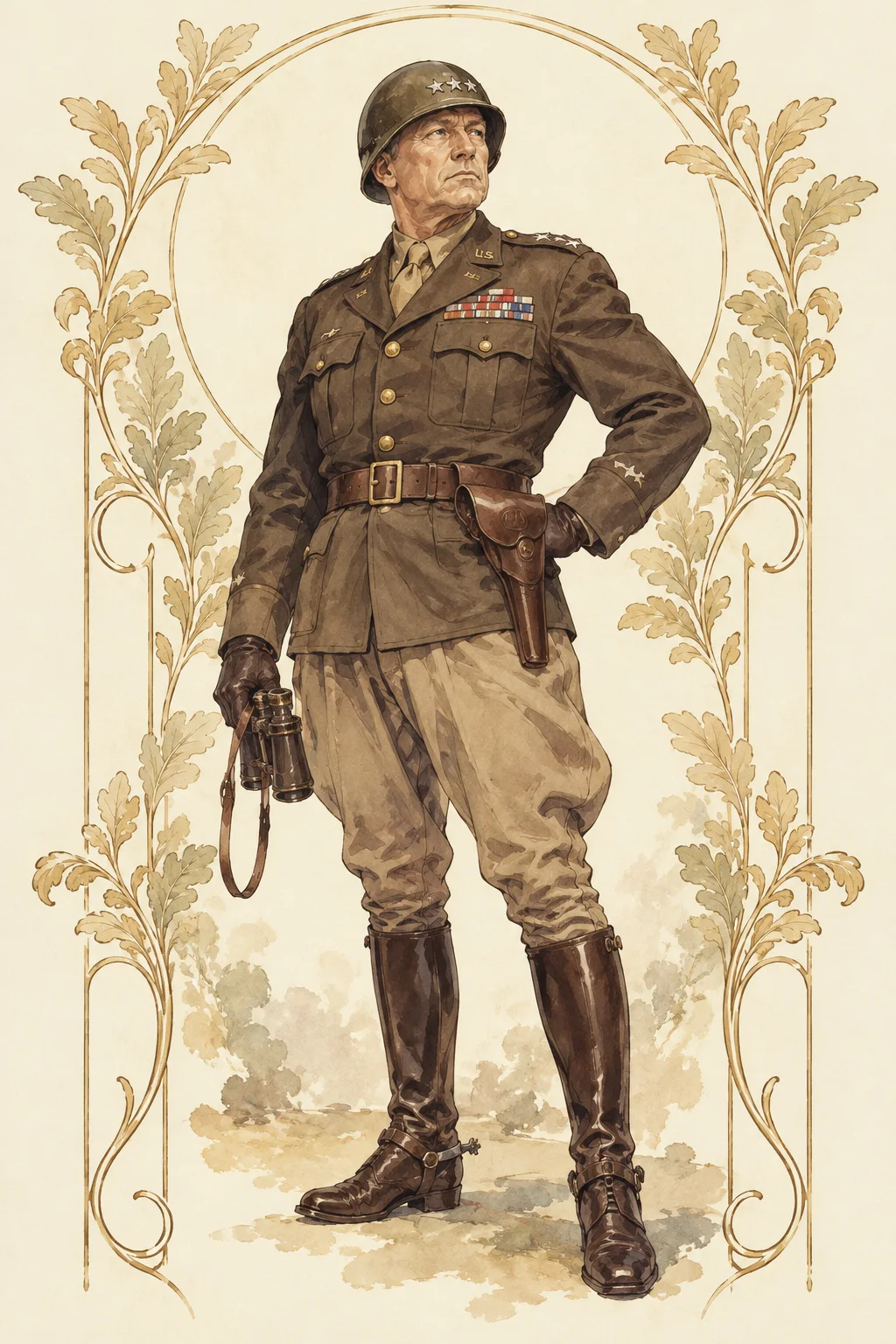 U.S. Army GeneralGeorge S. PattonUnited States · 20th c.
Type attributions are informed speculation based on public information, not confirmed fact.
Map of group memberships
The Conqueror is one of 32 types, and also belongs to several groups of kindred natures. Here are the four main ones first — open a card to step into its own gallery room.
 Quadra (Values)Beta Quadra (β)Empire
 Bouquet (Temperament)Flexible-Maneuvering TemperamentSeizing opportunity and springing into motion
 Club (Interest)Practical Management ClubBearers of practice and order
 Motivation (Stimulus Group)Status Stimulus GroupSeeks power, influence, and status
See all groupings (25 more)
 Communication StyleBusiness-likeRelating through shared activity
 Behavioral StyleConceptualistOrdering the world through structure
 Argumentation StyleReconstructorDoubting premises and rearranging them
 Perception GroupTactilityFeels things out by touch and sets them moving
 Cognitive StyleHolographic-PanoramicReading the whole by grasping many facets at once
 Romance (View of Love)OwnerPossesses the chosen one
 Stress ToleranceStrongCrouches low, then springs back
 Socialization GroupRealistPlans things out steadily
 Inflation RingEnergy AccumulatorStoring energy and putting it into practice
 Project GroupConcrete ResultsTurns plans into form at once
 Implementation GroupTechnology IntroductionSending promising technology into production
 Square (Rest)SovereignsThe reigning power-holders
 Business Square (Collaboration)HierophantsExecutors of the Mysteries
 Octad (Cross-Value Group)HeraldProclaims values and delivers them to the world
 Reactor (Excitation Group)EruptionErupting excitation outward
 MobilizationNeutralizationNeutralizing conflict and stabilizing
 Conditioning (Adjustment Group)ConfigurationSetting the configuration of the whole
 LabyrinthThebesSteel authority and an introspective conscience
 Block Group (Extinguishing Group)BazaarWhere people and things move directly
 Social Progress Ring (SPR)BreakthroughThe ring of emergent lightning
 Supervision Ring (SVR)MandalaA cosmic map layering many viewpoints
 Social Order Ring (SOR)JuggernautA colossus that keeps pressing forward
 Succession Ring (SR)CanonThe deep succession of command
 Benefit Ring (BR)ClarionAn authoritative voice resounding in public
 Master Ring (MR)SentinelA warden who guards the norms
Open the full, love and business editions
- The blueprint of your mind (8 blocks)
- Six ways to recover from stumbles
- A situation-by-situation guide (6 situations)
- The reasoning behind the celebrity picks

- What your heart longs for / What excites you / Your landmines
- Classic love scenarios
- Chemistry by partner (all 32 types)
- At home and as a parent / A practical playbook
- Natural strengths / Work better avoided
- Work style / Management
- Industry fit ◎○△ (23 industries)
- Suitable roles
Save $24.98 compared with buying the three separately